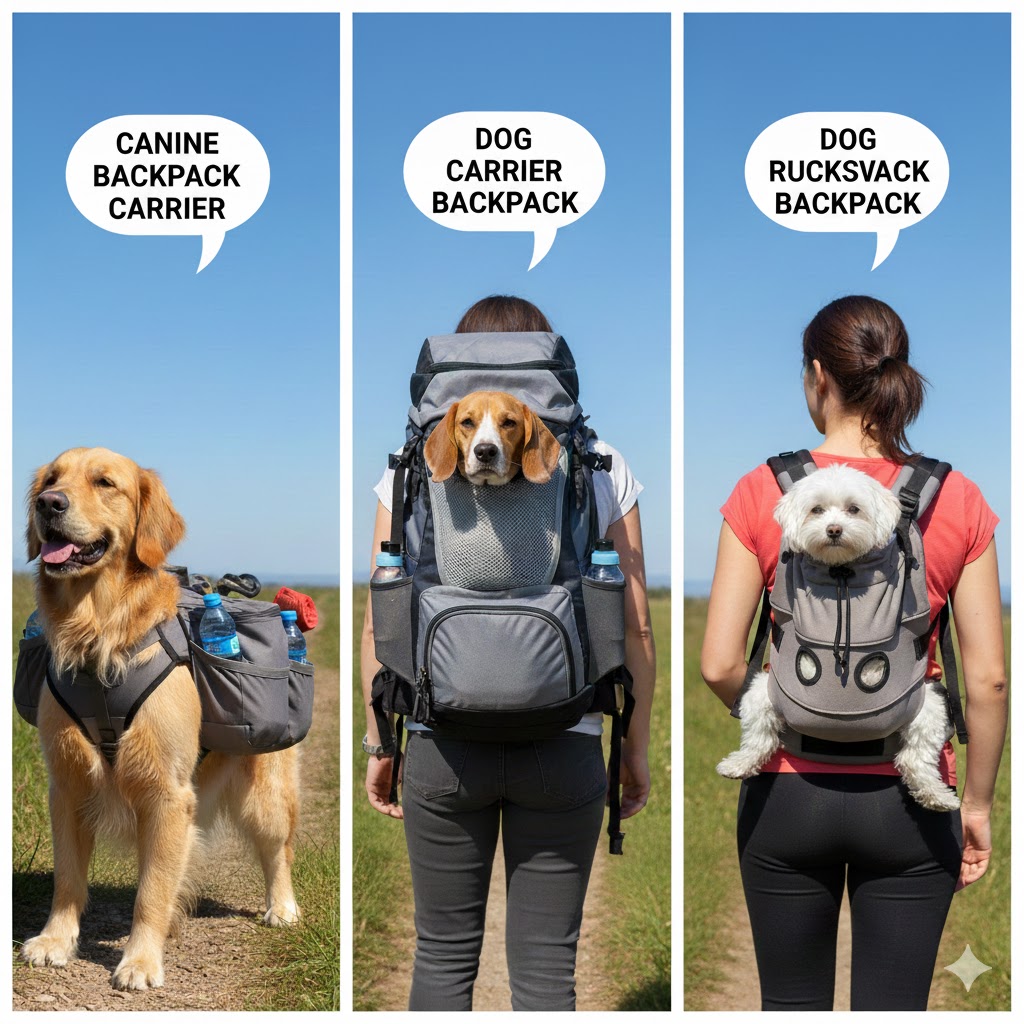
You might want to go hiking or visit a city. You could get confused by the difference between a canine backpack carrier, a dog carrier backpack, and a dog rucksack backpack. Each one has a special use for your dog. Studies from vets say the right carrier stops distractions. It keeps your dog safe and protects everyone when you travel.
In this guide, safety metrics and regulatory references are based on open, verifiable sources rather than marketing claims. We draw mainly on the IATA Live Animals Regulations (LAR) for container dimensions and ventilation principles, airline container requirement summaries, and the crash-testing work of independent organizations such as the Center for Pet Safety (CPS). These references give product managers and buyers on Stridepaw.com a consistent baseline when they compare canine backpack carriers, dog carrier backpacks, and rucksack-style packs for professional or high-frequency use.
Exact acceptance criteria still vary by airline, route, and individual product, so you should always cross-check with the latest edition of the LAR and request test reports or written compliance statements from your carrier supplier before promoting any model as suitable for air travel or in-vehicle crash protection.
Key Findings | Description |
|---|---|
Distraction Prevention | Good carriers stop distractions when you travel. This makes things safer. |
Structural Integrity | Carriers need to be strong to keep pets safe in accidents. |
Crashworthiness | Carriers that meet safety rules protect pets and people in cars. |
Before you pick one, think about your dog’s size. Think about how much your dog moves. Think about how your dog likes to travel. The best choice helps your dog feel good and makes trips better.
Why you can trust this Stridepaw guide
This Stridepaw technical guide is written for B2B buyers, product managers, and operations teams who need to choose safe and compliant dog backpack carriers and carrier bags for real-world use.
When we evaluate carriers, we:
Cross-check manufacturer specifications against the current IATA Live Animals Regulations (LAR) for dogs and cats, especially the container requirements for size, ventilation, and leak protection.
Review airline container policies that restate LAR principles, including the minimum ventilated surface area on the four sides and the requirement that animals can stand, turn, and lie naturally.
Look at independent crash-test work from organizations such as the Center for Pet Safety (CPS), which base their protocols on the 30 mph frontal crash pulse in FMVSS 213 for child restraint systems.
This guide does not replace airline rules or laboratory reports. Instead, it translates those standards into clear selection criteria that Stridepaw’s B2B readers can apply when comparing carrier designs, materials, and test claims.
Key Takeaways
Pick the right carrier for your dog’s size and how you travel. This helps you and your dog have a better time. Canine backpack carriers work well for short trips and going to the vet. They give your dog a safe and firm space. Dog carrier backpacks are good for longer trips. They have soft straps and are made to be comfy. Dog rucksack backpacks are great for outdoor fun. They have more room for gear and let your dog see outside. Always look at safety features like strong zippers and good airflow. This keeps your dog safe and comfy. Find carriers that are simple to clean. Removable linings and waterproof bottoms make cleaning easy. Think about your dog’s personality. Calm dogs may like firm carriers. Active dogs may like rucksacks so they can look out. Measure your dog the right way to get a good fit. Your dog should be able to turn and lie down inside the carrier.
Key Differences at a Glance
Comparison Table
Feature | Canine Backpack Carrier | Dog Carrier Backpack | Dog Rucksack Backpack |
|---|---|---|---|
Primary Use | Short trips, vet visits | General travel, commuting | |
Design | Structured, rigid base | Soft-sided, ergonomic | Rucksack style, extra pockets |
Dog Position | Upright or sitting | Sitting or lying down | Upright, head out |
Weight Limit | Usually up to 15-20 lbs | Up to 25 lbs (e.g., G-Train) | Varies, often up to 20 lbs |
Comfort Features | Padded interior, ventilation | Chest/waist straps, padding | Breathable mesh, storage |
Storage | Minimal | Moderate | Ample, for gear and supplies |
Best For | Small breeds, calm dogs | Small to medium breeds | Active dogs, outdoor owners |
Price Range | $30-$70 | $60-$120 | $50-$100 |
Tip: The G-Train Dog Carrier Backpack can hold dogs up to 25 lbs. It is 13 inches wide, 21 inches high, and 10 inches deep. This makes it a good pick for medium dogs who need comfort when traveling.
Main Distinctions
You can see the main differences between these three types:
Canine backpack carrier gives your dog a firm and safe spot. People use it for short trips or going to the vet. The design keeps your dog sitting up and secure. It has strong support and lets air in, but does not have much storage.
Dog carrier backpack is made for comfort for you and your dog. It has padded straps, shapes that fit your body, and safe zippers. Some, like the G-Train, can carry dogs up to 25 lbs. This type is good for longer trips or daily travel.
Dog rucksack backpack is best for outdoor trips. It has extra pockets for water, snacks, and gear. The design lets your dog stick its head out and see around. This carrier is great for hiking, camping, and other outdoor fun.
When picking a carrier, think about your dog’s size and how active your dog is. Also, think about where you plan to go. Each type has its own good points. You can choose the best one for your dog and your plans.
Canine Backpack Carrier Features

Design & Structure
A canine backpack carrier is built to be strong and steady. It has a hard bottom that keeps your dog from moving too much. Some carriers use fiberglass rods sewn inside. These rods help the carrier keep its shape and not droop. Your dog can sit up or rest without sliding around. Most carriers have mesh panels on the sides and back. The mesh lets air move through, so your dog stays cool and calm.
Here is how these features help your dog:
Feature | Benefit |
|---|---|
Ventilated mesh back and side panels | Lets air in, so your dog does not get hot. |
Sewn-in fiberglass support rods | Makes the carrier steady and keeps its shape. |
This type of carrier is best for small dogs. The design holds their bodies and keeps them safe in a tight space. Many carriers have a bottom that does not leak. You do not need to worry about messes on short trips.
Comfort & Support
Comfort is important for you and your dog. The inside of the carrier is soft and padded. Your dog can sit or lie down on the soft base. The straps and back panel also have extra padding. This makes it easier for you to carry your dog. The hard bottom stops your dog from feeling bumps in the road. Mesh panels let in fresh air and keep the inside cool.
You can use this carrier for vet visits or short walks. It is small, so you can carry and store it easily. Your dog will feel safe and supported. This can help your dog feel less stressed when you travel. The carrier is made to make every trip comfy for your dog.
Safety Considerations
Safety is always critical when you travel with your dog. A well-designed canine backpack carrier should provide predictable ventilation, leak protection, and structural strength. For air travel, many soft carriers are designed to follow the same welfare principles as the IATA Live Animals Regulations (LAR) for small dogs and cats: the dog must be able to stand, turn, and lie in a natural position, the container must be escape-proof, and there must be adequate ventilation on several sides. For car travel, look for products that have been dynamically crash-tested by an independent laboratory to a published protocol, such as the carrier and crate standards used by the Center for Pet Safety (CPS).
IATA itself does not certify or “approve” individual pet carriers, so you should not rely on any generic “IATA approved” badge printed on packaging. Instead, reputable brands state that their designs are compatible with, or sized according to, the current LAR, and airlines make the final decision at check-in. Likewise, there is not yet a single global ASTM safety seal dedicated only to pet carriers. Serious manufacturers test their products against relevant consumer-product standards and voluntary crash-test protocols, then provide documentation on request.
Here are some safety rules:
Here are key safety checkpoints you can ask a manufacturer or supplier to document:
Ventilation: For traditional airline containers, IATA container requirements specify that the ventilated area on the side walls should account for at least around 16% of the combined surface of all four sides. As a practical benchmark for backpack-style carriers, choose designs with generous mesh panels on three or four sides so that heat and humidity can dissipate quickly.
Leak protection: The base should be rigid or semi-rigid with a waterproof liner and space for absorbent bedding. Under normal use, urine or spilled water should not leak out of the carrier onto vehicle seats or aircraft carpets.
Internal space and strength: The internal length and height should allow the dog to stand, turn, and lie in a natural position, while the base panel and stitching are rated for at least the stated maximum weight plus a safety margin.
Labeling and documentation: Serious brands provide clear weight limits, base dimensions, and material specifications on the label or technical sheet. If the carrier is marketed for air travel, it should also allow you to attach “LIVE ANIMAL” labels and directional arrows required by many airlines.
Crash-protection aspect | Unified benchmark / reference | What a B2B buyer should ask the supplier for |
|---|---|---|
Dynamic crash testing | Independent protocols (e.g., those used by the Center for Pet Safety) are based on child-restraint crash pulses around 30 mph ≈ 48 km/h, and require the carrier to stay attached to the seat and fully contain the test dog dummy. | Full crash-test report from an independent lab, including test speed, sled pulse, pass/fail criteria, and confirmation that the carrier remained attached and intact. |
Attachment system | Carrier must remain secured to the vehicle structure; shoulder straps alone are not considered sufficient under dynamic load. | Details and photos of seat-belt pass-throughs, ISOFIX/LATCH compatibility, or strength-rated anchor straps, plus static pull-test data for these attachment points. |
Containment & closures | Doors, zippers, and seams should stay closed during and after the crash event so the dog cannot be ejected. | Test results or QA protocol showing zipper cycling, seam strength, and post-crash inspection of all closures and panels. |
Internal tether strength | Tether is an additional safeguard and should attach to a harness, not a collar; it must not be the only restraint system. | Declared breaking strength of the tether hardware and webbing, plus usage instructions specifying that it be clipped to a harness and used together with a fully closed carrier. |
Always check for these safety features before you buy. Look for strong zippers, tough tethers, and clear labels. These things help keep your dog safe and happy on every trip.
Dog Carrier Backpack for Travel
Portability & Hands-Free Use
When you travel with your dog, you want to keep your hands free. A dog backpack gives you hands-free convenience. You can walk, ride a bike, or move through airports without holding a leash or crate. Portability matters for every trip. Many backpack dog carrier models use lightweight materials. Some even have wheels for extra convenience. You can carry your dog on your back and keep your arms free for luggage or snacks. The backpack dog carrier design spreads your dog’s weight across your shoulders and back. This helps you avoid pain or strain. You can use chest and waist straps for better support. These features make the backpack dog carrier a smart choice for travel.
Long Trip Comfort
Comfort is important for both you and your dog, especially on longer trips. A good backpack dog carrier has padded straps and a soft back panel. Your dog sits or lies on a cushioned base. Mesh panels let air flow through the carrier. This keeps your dog cool and happy. You can find backpack dog carrier models with internal tethers. These tethers keep your dog safe inside the carrier. Some carriers use heavy-duty polyester or ballistic nylon. These materials last a long time and protect your dog. You can remove and wash the lining if your dog has an accident. This makes cleaning easy after long trips. Your dog will enjoy the comfort of a well-made dog backpack.
Choosing the Right Model
You need to pick the right backpack dog carrier for your travel needs. Look for these features:
Airflow: Choose a carrier with mesh panels for good ventilation.
Durability: Pick strong materials like ballistic nylon or heavy-duty polyester.
Airline Approval: Make sure the carrier meets airline rules for in-cabin travel.
Comfort Features: Find padded straps, soft linings, and internal tethers for your dog.
Ease of Cleaning: Select carriers with removable, washable linings and waterproof bases.
Portability: Look for lightweight designs, wheels, and easy-carry straps.
A good dog backpack gives you hands-free convenience and comfort. You can use it for longer trips or daily travel. Always check the weight limit for your dog. Make sure your dog fits well inside the carrier. You want your dog to feel safe and relaxed. The right backpack dog carrier makes every travel experience better for you and your dog.
Dog Rucksack Backpack for Outdoor Adventures
Extra Storage & Utility
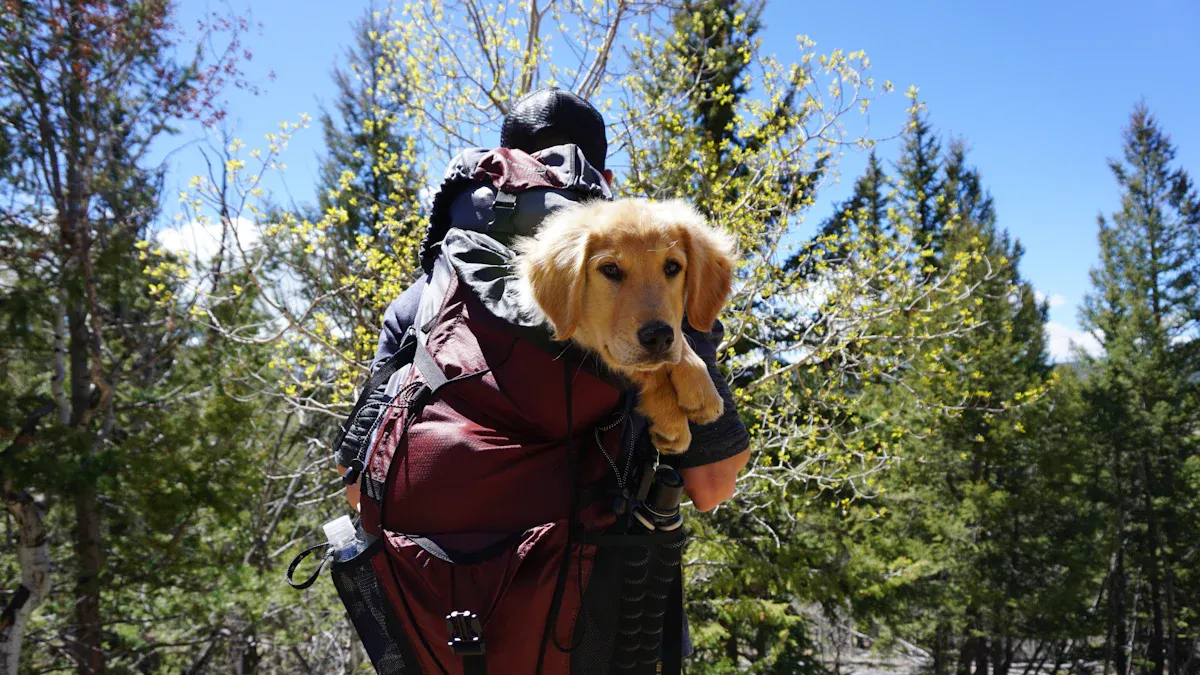
If you want to go outside with your dog, you need a carrier that does more than hold your pet. A dog rucksack backpack gives you extra space for your things. You can bring water, snacks, waste bags, and a small first aid kit. Many rucksack backpacks have side pockets and mesh pouches. These help you keep your stuff neat and easy to grab.
A dog rucksack backpack is simple to use. You can put your dog and gear inside fast before you leave. This carrier is good for active trips. If your dog likes to be up high and feel the wind, this backpack lets your dog enjoy the outdoors and stay safe. Regular carriers are made for comfort and safety on long trips. A rucksack backpack is better for short, fun adventures because it is flexible and useful.
Outdoor Suitability
A dog rucksack backpack is made for outdoor use. Companies use strong and weatherproof materials to keep your dog and gear safe. Here is a table that shows some common materials and what they do:
Material | Properties |
|---|---|
Nylon | Lightweight, water-resistant, and abrasion-resistant. |
Ripstop Nylon | Enhanced tear resistance with a lightweight design. |
Polyester | Similar to nylon with added UV resistance. |
Cordura Nylon | Highly durable, abrasion-resistant, and tear strength. |
Ballistic Nylon | Exceptional durability, resistant to punctures and abrasions. |
Mesh | Breathable for ventilation, reducing sweat buildup. |
Waterproof Membranes | Protects gear from rain and moisture. |
Polyester Blends | Durable, water-resistant, and lightweight. |
PU Coated Fabrics | Enhanced water resistance for inclement weather. |
YKK Zippers | High-quality zippers for durability and smooth operation. |
These materials help keep your dog dry and comfy when you go outside. Mesh panels let air in, so your dog stays cool. Waterproof fabric keeps your things safe from rain. Strong zippers and seams make the backpack last for many trips.
When to Choose a Rucksack
Pick a dog rucksack backpack if you like hiking, camping, or exploring. This carrier is best for dogs who like to see what is around them. If your dog enjoys looking out and feeling the breeze, this backpack is a good choice. You can use it for short hikes, park days, or any outdoor trip.
A rucksack backpack is not great for long travel or for dogs who get scared. If your dog needs more comfort or feels nervous, a regular carrier is better. For active dogs and owners who want to carry gear and keep hands free, a rucksack backpack is a smart idea. You get storage, usefulness, and a fun way to explore with your dog.
Tip: Always check the weight limit and fit before you buy a rucksack backpack. Make sure your dog fits well and the carrier is right for your trips.
Safety in Dog Backpack Carriers
Secure Enclosure
You want your dog to stay safe and comfortable during every trip. A secure enclosure keeps your dog inside the carrier and prevents escapes. Most carriers use strong zippers and reinforced seams for extra security. Some models have locking zippers that add another layer of protection. You should always check that the zippers close fully and do not snag. Mesh panels give your dog good ventilation and let you see your pet at all times. This helps you monitor your dog’s comfort and security. A well-designed enclosure also keeps your dog from jumping out, even if your dog feels nervous or excited.
For Stridepaw’s B2B audience, safety is not just a marketing claim but a documented requirement. Before you list a carrier as “airline-ready” or “crash-tested” on your catalog, request written confirmation that the design follows the current IATA Live Animals Regulations for small dogs and cats and ask for independent test reports based on recognized protocols such as those used by the Center for Pet Safety. This links every product recommendation on Stridepaw.com back to verifiable technical standards instead of unverified labels.
Harness Attachments
A harness attachment adds more security for your dog. You can clip your dog’s harness to an internal tether inside the carrier. This stops your dog from moving too much or trying to jump out. The tether should be strong and easy to use. You should always use a harness instead of a collar for this feature. A harness spreads pressure across your dog’s body and keeps your pet comfortable. Many carriers have adjustable tethers, so you can change the length for the best fit. This helps your dog stay secure and relaxed. You should check the tether before every trip to make sure it works well.
Preventing Fatigue
You want your dog to feel good during travel. Preventing fatigue is important for your dog’s health and comfort. Choose a carrier that matches your dog’s size and weight. If the carrier is too small, your dog cannot move or stretch. If the carrier is too big, your dog may slide around and feel unsafe. Always check the recommended weight limits for your carrier. Here is a table to help you find the right fit:
Carrier Size | Recommended Weight Limit |
|---|---|
Small | Up to 10 pounds |
Medium | Up to 15 pounds |
Large | Up to 20 pounds |
Extra Large | Up to 25 pounds |
Various Sizes | 8 to 40 pounds |
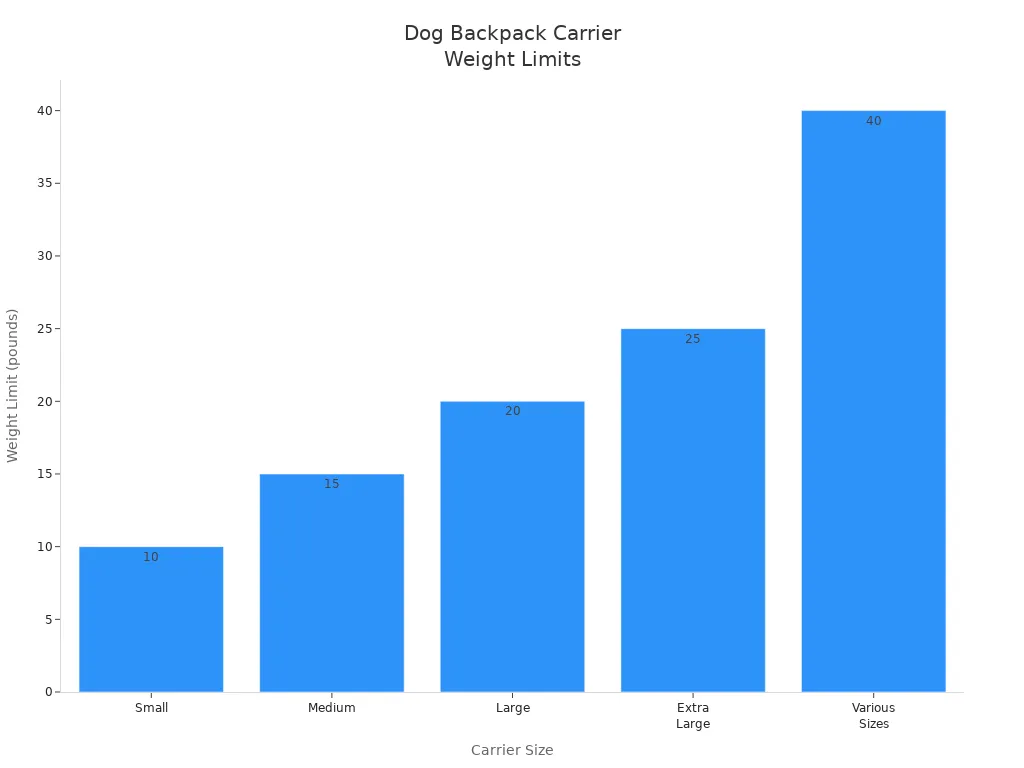
You should also look for carriers with padded bases and soft sides. These features add comfort and reduce pressure on your dog’s joints. Good ventilation keeps your dog cool and prevents overheating. Take breaks during long trips. Let your dog out to stretch and drink water. This helps your dog avoid fatigue and keeps your pet happy. Always watch for signs of stress or discomfort. If your dog seems tired, stop and rest.
Tip: Always check the fit before you travel. A good fit means your dog can turn around and lie down. This gives your dog the best comfort and security.
Traveling with Your Dog
Airline & Public Transport
When you plan airline travel or use public transport, you need a dog travel carrier that follows published rules, not just a generic “pet friendly” label. Most airlines state that kennels and carriers must comply with the latest edition of the IATA Live Animals Regulations (LAR). In practice this means the animal must be able to sit, stand, turn around, and lie down in a natural position, the container must be rigid and escape-proof, and there must be sufficient ventilation on at least three sides (and on all four sides for larger dogs). Urban transit systems often mirror these principles but also require that the carrier fits completely under the seat or on your lap during the journey.
Soft-sided carriers with mesh panels for ventilation and padded interiors for comfort.
Rolling carriers that combine soft features with wheels for easy movement.
Backpack-style carriers that let you travel hands-free and keep your dog close.
Expandable carriers that give your dog extra space when you stop but fit size rules when zipped.
Before every trip, check the airline or transit operator’s current pet policy and size limits rather than relying on older blog posts or packaging claims. For in-cabin flights, confirm that the external dimensions of your soft carrier match the under-seat measurements published by the airline and that your dog’s weight is within the carrier’s rated limit. For international or cargo travel, make sure the container design follows the LAR container requirements for dogs and cats and that you can attach the “LIVE ANIMAL” and directional labels that many airlines require. Keeping your dog inside the carrier at all times, and adding a familiar blanket or pad, keeps both your pet and the people around you safer and more comfortable.
Hiking & Camping
Outdoor trips like hiking and camping bring special challenges for pet travel. You need to watch your dog closely during these adventures. Some common problems include:
Extreme temperatures, such as heat, cold, or snow, can harm your dog.
Overexertion may cause your dog to get tired or breathe hard.
Steep trails and rough ground can lead to falls or injuries.
Paw injuries from rocks or sharp plants are common, so consider using booties.
Wild animals, ticks, and snakes can pose risks.
Poisonous plants and contaminated water can make your dog sick.
City dogs may find it hard to adjust to wild places.
You should pack water, snacks, and a first aid kit for your dog. Use a harness or handle on the carrier for extra safety on rough trails. Take breaks often and check your dog for signs of stress or injury. Always keep your dog hydrated and avoid hiking in extreme weather. These steps help you and your dog enjoy safe and fun trips outdoors.
Urban Travel Tips
Traveling with your dog in the city requires planning. Many cities, like New York, require small dogs to stay in their carriers on public transport. You should pick a carrier that gives your dog stability and comfort during pet travel. Look for features such as scratch-resistant mesh, a top-loading design, and strong zippers. These features make it easier to get your dog in and out quickly.
Choose a carrier that meets safety standards for impact and weight. Some carriers come with a removable trolley system, which helps you move through busy stations or streets. Always keep your dog secure inside the carrier during trips. This keeps your dog safe and helps you follow city rules. With the right carrier, you can make urban pet travel smooth and stress-free for both you and your dog.
Dog Sizes & Breeds
Small Dogs
Small dogs need special attention when you choose a carrier. You want a carrier that fits their body and keeps them secure. Canine backpack carriers work well for small breeds. These carriers have a structured base and soft padding. Your dog can sit upright or rest without sliding. You should measure your dog from the base of the neck to the base of the tail. Add a few inches for comfort. Check the weight limit on the carrier label. Most small dog carriers hold up to 15 pounds. If your dog weighs less, the carrier will feel lighter and easier to carry. Always look for mesh panels for airflow. This keeps your dog cool and happy.
Tip: Place a favorite blanket or toy inside the carrier. This helps your dog feel safe during travel.
Medium & Large Dogs
Medium and large dogs need more space and support. Dog carrier backpacks with ergonomic designs work best for these sizes. Look for carriers with chest and waist straps. These features help you balance the weight. Some backpacks can hold dogs up to 25 pounds. For larger breeds, you may need a special rucksack backpack. These have reinforced seams and extra storage. Always check the size chart before you buy. Measure your dog’s length and height. Make sure your dog can turn around and lie down inside the carrier. If your dog is too big for a backpack, consider a rolling carrier or crate for travel.
Carrier Type | Best For | Weight Limit |
|---|---|---|
Canine Backpack Carrier | Small breeds | Up to 15 lbs |
Dog Carrier Backpack | Medium breeds | Up to 25 lbs |
Rucksack Backpack | Active, larger dogs | Up to 20 lbs+ |
Breed Considerations
Breed traits can affect your choice of carrier. Some breeds have special needs. For example, brachycephalic breeds like pugs or bulldogs need extra ventilation. Long-backed breeds like dachshunds need a carrier with a longer base. You should also think about your dog’s genetic health. Genetic testing helps you understand your dog’s status. This is important for breeding and long-term health.
You should know if your dog is a carrier for any genetic conditions.
Testing puppies before breeding helps prevent health problems.
Track the health of your dog and its littermates.
Factor | Description |
|---|---|
Genetic Testing | Helps you make informed choices about your dog’s health and travel. |
Breed Structure | Some breeds need special carrier shapes for comfort and safety. |
Health Monitoring | Watch for signs of stress or discomfort during travel. |
You should always choose a carrier that matches your dog’s breed, size, and health needs. Measure your dog carefully and check the carrier’s features. This helps you keep your dog safe and comfortable on every trip.
Choosing the Best Dog Backpack
Assessing Your Needs
You need a dog backpack that matches your travel style and your dog’s size. First, think about how you will use the dog carrier. If you travel a lot, you need a backpack dog carrier that lets you reach your dog and your things fast. For city trips, a small dog carrier that opens easily is best. If you go outside a lot, pick a dog backpack with more pockets and water resistance.
Check the table below to see what matters when picking a dog backpack:
Criteria | Description |
|---|---|
Design | Saddlebags spread out weight and let you carry more. |
Weight Recommendations | Dogs should carry 10% to 25% of their weight. Start with less and add more slowly. |
Comfort Features | Padding and airy fabric keep your dog comfy on long walks. |
Proper Fit | Straps that adjust help the backpack fit as your dog grows or changes weight. |
Safety Considerations | Strong leash clips and shiny strips make your dog safer and easier to see. |
Water Resistance | Water-resistant fabric keeps your things dry if it rains. |
Lift Handle | A lift handle helps you help your dog over rocks or in emergencies. |
Removable Compartments | Removable pockets let you change the weight and use the backpack as a harness. |
Measure your dog’s back and weight before you buy a dog carrier. This helps you pick the right size and keeps your dog comfortable. If you want to grab treats or water fast, get a dog backpack with extra pockets.
Matching Carrier to Dog Personality
Your dog’s personality helps you choose the right dog carrier. Calm dogs like a firm dog backpack with a soft inside. If your dog is active, you need a backpack dog carrier that lets you reach your dog fast and has strong harness clips. If your dog likes to look around, pick a dog backpack with mesh sides and a head-out style.
Some dogs get nervous in new places. You can help by letting your dog get used to the dog carrier slowly and giving treats for calm behavior. Dogs with long bodies need a dog backpack with a longer bottom. Always look for straps you can adjust for a snug fit. If your dog likes being outside, choose a dog backpack that keeps out water and has a lift handle for rough trails.
Tip: Dogs with special needs, like brachycephalic breeds, need more air. Pick backpacks with mesh and soft harness clips.
Practical Selection Tips
You can avoid mistakes by following these easy tips when you pick a dog carrier:
Pick a dog backpack with airy fabric so your dog stays cool.
Make sure the backpack dog carrier has strong zippers and soft harness clips for safety and comfort.
Look for straps you can adjust to fit your dog well.
Choose a dog carrier with pockets for treats and water bowls.
Let your dog try the dog carrier slowly. Give treats for calm behavior.
Measure your dog’s back and weight to get the right size.
Do not rush your dog into the dog carrier. This helps your dog stay calm.
Do not pick a dog carrier just because it looks nice. Fit and comfort are most important.
Do not get a carrier that is too small or too big. Both can make your dog uncomfortable or unsafe.
Remember, different breeds have different shapes. One size does not fit all.
Note: Always look for quick access features in your dog backpack. These features help you reach your dog and your things fast when you travel.
If you travel a lot, you need a backpack dog carrier that is easy to use and comfy for you and your dog. Use these tips to find the best dog carrier for your trips. Your dog will be safe and happy.
You now know the main ways these backpacks are different. Each one works best for a certain use. The table below lists some top models and what they are good for:
Backpack Model | Key Features | Best For |
|---|---|---|
Mountainsmith K9 | Lots of storage, strong, easy to adjust | Hiking and outdoor trips |
AlphaPak Adventurer | Saddlebags come off, safe design | Casual outings, long walks |
Ruffwear Approach | Big space, soft straps, stays steady | Multi-day hikes |
Outward Hound DayPak | Very light, pockets can get bigger | Short, budget-friendly trips |
When picking a carrier, measure your dog first. Check if the straps have padding. Make sure the closures are safe and strong. Always choose materials that can handle bad weather. Pick designs that are simple to use. For the best fit, look at sizing charts or ask your vet for help. Your dog’s comfort and safety should always be most important.
About Stridepaw & our review approach
Stridepaw.com focuses on technical, standards-based guidance for dog carriers and mobility gear. Our content is written for B2B buyers, distributors, and product teams who need to align purchasing decisions with welfare regulations and safety expectations.
Each guide goes through an internal safety and terminology review to make sure:
Key terms (such as “canine backpack carrier”, “dog carrier backpack”, and “dog rucksack backpack”) are used consistently across our content and product listings.
Safety recommendations can be traced back to published regulations or independent test protocols, not just individual user reviews.
Practical advice is compatible with current airline, public transport, and welfare guidelines for travelling with dogs.
This article summarizes the most relevant requirements and best practices available at the time of writing. For legal compliance or product certification, always consult the current edition of the IATA Live Animals Regulations, airline-specific pet policies, and independent crash-test documentation where available.
FAQ
What is the main difference between a dog carrier bag and a dog backpack?
You use a dog carrier bag for carrying your dog by hand or over your shoulder. A dog backpack lets you carry your dog on your back. Each style offers different comfort and support for you and your dog.
Can I use a dog carrier bag for airline travel?
You can use a dog carrier bag for airline travel if it meets airline size and ventilation rules. Always check with your airline before you travel. Some airlines require a soft-sided dog carrier bag that fits under the seat.
How do I choose the right size dog carrier bag?
You should measure your dog’s length and height. Pick a dog carrier bag that gives your dog enough space to turn around and lie down. Always check the weight limit on the dog carrier bag label before buying.
Is a dog carrier bag safe for long walks?
A dog carrier bag works for short walks or quick trips. For long walks, you should use a dog backpack or rucksack. These options give better support and weight balance than a basic dog carrier bag.
What features should I look for in a dog carrier bag?
Look for strong zippers, padded straps, and mesh panels in a dog carrier bag. Choose one with a waterproof base and an internal tether for safety. A good dog carrier bag keeps your dog secure and comfortable.
Can I wash my dog carrier bag?
Most dog carrier bag models have removable and washable linings. You should check the care label before washing. Clean your dog carrier bag often to keep it fresh and safe for your dog.
Are dog carrier bags suitable for all dog breeds?
A dog carrier bag works best for small and some medium breeds. Large dogs may not fit in a standard dog carrier bag. Always check the size and weight limits before you use a dog carrier bag for your breed.
How do I help my dog get used to a dog carrier bag?
Let your dog explore the dog carrier bag at home. Place treats or toys inside. Use short practice trips. Praise your dog for calm behavior in the dog carrier bag. This helps your dog feel safe and relaxed.