You want a weighted training vest to help your dog move better. The vest keeps the weight steady during training. Not every dog needs this vest. Always make sure the vest fits your dog well. Check how your dog moves before you add any weight. Puppies, older dogs, or sick dogs need extra care. Look for problems like arthritis or heart disease. Also check for hip or elbow dysplasia and breathing issues. Pick vests made from materials that let air in. Make sure the straps can be adjusted. Choose a vest that fits your activities and where you train.
Common health checks before using a weighted vest:
Full physical exam
Orthopedic screening
Vision and hearing checks
Bloodwork as needed
Key Takeaways
Always ensure the weighted vest fits your dog properly. Measure the chest, waist, and back length to find the right size.
Choose a vest made from breathable materials. This keeps your dog cool and comfortable during training.
Start with a light weight and gradually increase it. Monitor your dog’s movement and comfort to avoid discomfort or overheating.
Choosing the Best Weighted Training Vest
Weighted vest category overview
You should know the main types of weighted vest before picking one. Each type has its own use and special features. The table below shows the most common types:
Category | Description | Pros | Cons |
|---|---|---|---|
Basic Obedience Vests | Made for regular training with little padding and simple loops. | Cheap, easy to wash | Not very strong, no handles |
Service & Mobility Assistance Vests | Made for dogs helping people with disabilities, has handles. | Very useful, comfortable | Costs more, can be heavy |
Scent Detection & Tracking Vests | Made for K9 work, has pouches for gear. | Light, lets air flow | Used for special jobs, hard to find |
Therapy & Emotional Support Vests | Shows dogs are for therapy, often has labels. | Easy to spot, looks calm | Not good for hard work |
Pick the vest type that fits your training and your dog’s job. This helps you get the right vest for your needs.
When a weighted vest makes sense
A weighted vest can help in certain situations. You might use one for training, to help with anxiety, or to help your dog focus. The table below lists some common times to use a vest and the benefits:
Scenario | Benefits |
|---|---|
Anxiety during storms or travel | Less panting, shaking, or walking around |
Training with lots of distractions | Better focus during practice |
Rescue or new dogs in a home | Helps dogs feel safer |
General anxiety signs | 68% of dogs were less anxious with a vest during storms. |
Always check if your dog is ready before using a weighted vest. Puppies, older dogs, and sick dogs need extra care. Ask your vet if your dog has joint or breathing problems.
Key buying factors: fit, adjustability, comfort, materials
Fit, balance, and movement are very important when picking a weighted vest. You want a vest that stays in place and does not stop your dog from moving. Look for these features:
Fabric that lets air in and keeps your dog dry
Soft straps on the shoulders and back
Straps you can adjust on the shoulders, waist, and chest
A shape that lets your dog move arms easily
The best vests use fabric that keeps your dog cool and lets air flow. Soft straps and a good fit stop rubbing and pain. Always check the fit by sliding two fingers under the strap and watch your dog walk. Adjustable straps help you make the vest comfy and safe. Good vests let your dog stand and move in a natural way. You get the best value when you pick a vest that fits your dog’s needs and your training plans.
Weighted Training Vest Features and Types
Soft vs structured vs modular designs
There are three main weighted vest designs. Soft vests have flexible padding and fit close to the body. These are good for comfort and short use. Structured vests give more shape and support. This helps your dog stay steady when moving. Modular vests let you add or take out weight pockets. You can change the weight for different activities. Modular vests are the most adjustable and useful for training. Each design has its own benefits and works for different needs.
Weight distribution and stability
A good weighted vest spreads weight across the chest and back. This helps your dog stand and move safely. If the weight is not even, it can rub or make your dog not want to move. The best vests for performance focus on comfort and staying in place. Make sure the vest does not move or hang down when your dog walks or runs. Keeping the weight stable is one of the most important features.
Materials: breathability and comfort
Picking the right material makes the vest more comfy and cool. The table below shows common materials used in weighted vests:
Material | Pros | Cons |
|---|---|---|
Nylon | Strong, water-resistant, light, easy to clean | Can get hot; not very breathable |
Polyester Mesh | Breathes well, bends easily, dries fast | Not as strong if chewed or pulled |
Neoprene | Soft padding, holds shape, water-resistant | Heavy in heat; not much airflow |
Cotton Blends | Soft, good for sensitive skin | Gets wet and dries slowly |
Spandex/Elastane | Stretches, fits body well | Wears out faster in sun or with washing |
Pick a material that matches your weather and activities. Mesh is best for hot days and long training.
Closures, stitching, and cleaning
Check the closures and stitching to make sure they are strong. Good stitching and tight closures are important for a weighted vest. To keep your vest working well:
Clean the foam and straps often so they do not smell.
Look at the stitching, closures, and pockets for damage.
Keep the vest in a dry place away from sunlight.
These steps help your vest last longer and work better. Clean gear helps your dog train well and keeps the vest in good shape.
Fit and Sizing for the Best Weighted Vest
What to measure for fit
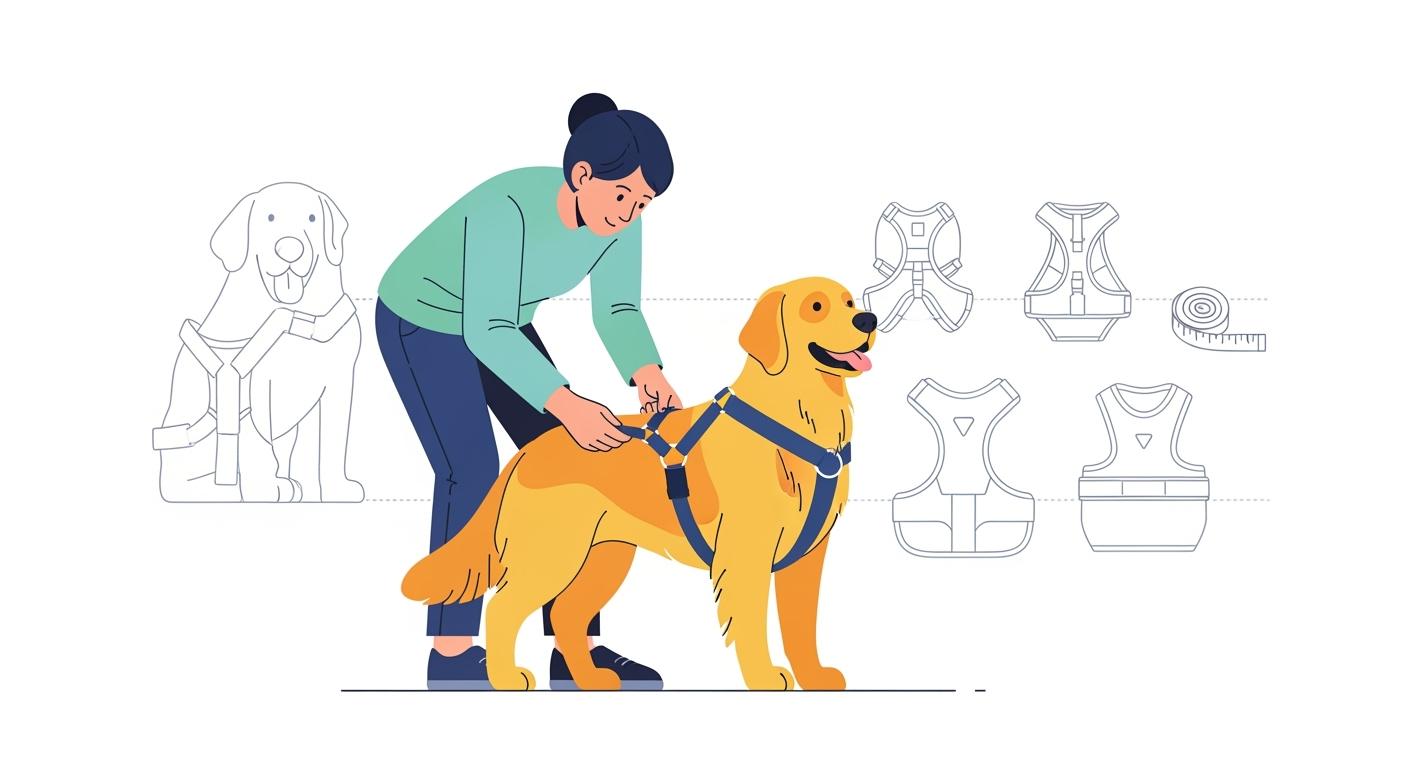
You need to measure your dog’s body to find the best weighted vest. Accurate measurements help you select a vest that supports functional training and enhances strength. Use a soft tape measure and record these numbers:
Chest circumference: Measure around the widest part of the chest, just behind the front legs.
Waist circumference: Measure around the narrowest part of the waist, in front of the back legs.
Back length: Measure from the base of the neck to the start of the tail.
These measurements help you choose a fully adjustable weighted vest that fits snugly and stays secure during movement. Proper fit ensures your dog receives the benefits of progressive strength training without discomfort.
Tip: Always double-check your measurements before buying a weighted vest. A good fit prevents rubbing and improves performance.
Fit and Sizing Checklist Table
Measurement Area | How to Measure | Why It Matters |
|---|---|---|
Chest | Around widest part behind front legs | Prevents tightness or slipping |
Waist | Around narrowest part in front of back legs | Keeps vest stable |
Back Length | Base of neck to start of tail | Matches vest length to dog |
Fit checks: shoulder, posture, balance
After you select the right size, check the fit on your dog. Fit checks help you confirm the vest supports performance weight vests and expert-backed features.
The vest should not restrict shoulder movement. Your dog must move freely without pinching or rubbing.
Weight must be evenly distributed across the chest, back, and shoulders. Uneven weight can cause discomfort and poor posture.
Watch for lateral tilt. The vest should not shift to one side. Pelvic neutrality is important for balance.
Use the two-finger strap check. You should fit two fingers under each strap. Straps must be snug but not tight.
Inspect posture. Your dog should stand tall and balanced. Avoid vests that cause slouching or leaning.
Note: Stable posture matters more than extra space. If you see redness, rubbing, or changes in gait, stop and adjust the vest.
Movement tests: walking, turning, sprinting
Movement tests show how the weighted vest affects your dog’s performance. These tests help you evaluate weight vest features and adjustability.
Walk your dog in a straight line. The vest should stay in place and not shift.
Ask your dog to turn left and right. The vest must allow smooth movement without pinching.
Try a short sprint or quick movement. The vest should not bounce or slide.
Observe your dog’s behavior. If your dog refuses to move or shows signs of discomfort, remove the vest.
Quick movement tests help you confirm the best weighted vest for your dog’s needs. Movement quality is more important than extra space.
Quick protocol before conditioning
Before you start functional training or progressive strength training, follow this step-by-step protocol. This ensures safety and maximizes value.
Measure your dog’s chest, waist, and back length.
Select the best weight vest based on measurements and adjustability.
Place the vest on your dog and perform fit checks using the two-finger strap method.
Check posture and balance. Make sure weight is evenly distributed.
Conduct movement tests: walking, turning, sprinting.
Start with a no-load session. Watch for signs of discomfort or refusal to move.
If your dog moves well and recovers normally, consider incremental weight adjustments.
Repeat fit checks and movement tests after each adjustment.
Safety first: Always prioritize comfort and movement quality. Stop if you see any signs of overheating, rubbing, or gait changes.
You improve performance and gain the benefits of a weighted training vest when you follow these fit and sizing steps. Proper fit and expert-backed features help your dog train safely and effectively.
Common Mistakes & Decision Matrix for Weighted Vest Buyers
Mistakes: discomfort, overheating, refusal to move
You should try not to make common mistakes with a weighted vest. If your dog feels pain, gets too hot, or will not move, something is wrong. These problems often mean the vest does not fit right, is too heavy, or uses the wrong material. Some people add too much weight too fast or forget to keep their dog cool. These mistakes can make the vest less helpful and not worth the money.
Mistake | Signs to Watch For | How to Fix |
|---|---|---|
Discomfort | Rubbing, redness, limping | Adjust fit, check adjustability |
Overheating | Heavy panting, drooling | Use breathable features, shorten sessions |
Refusal to Move | Stopping, lying down | Remove vest, reassess fit |
Uneven Weight | Tilting, poor posture | Redistribute load, check balance |
Start with a light weight. Add more weight slowly every few weeks. Never go over safe limits. Always watch how your dog moves and rests.
Matching vest to use: walks, hikes, training
Pick the vest that matches what you want to do. For walks, use a light vest that lets air in. For hikes, choose a strong vest with good straps. For training, pick a vest you can change and adjust. The best vest will help your dog move and feel good for each activity.
Decision matrix: profile and scenario
Use this chart to help you pick the right vest for your dog and activity:
Profile | Activity | Key Features Needed | Recommended Vest Type |
|---|---|---|---|
Young Adult Dog | Training | Modular, adjustable, stable | Performance weight vests |
Senior Dog | Walks | Soft, breathable, light | Soft vest |
Working Dog | Hikes | Durable, secure, balanced | Structured vest |
Overweight Dog | Short walks | Comfort, adjustability | Best weighted vest |
You get the most out of your vest when you match it to your dog’s needs and what you plan to do.
FAQ: puppies, seniors, heat, cleaning, professional advice
Can puppies use a weighted vest?
Wait until your puppy is fully grown. Ask your vet first.Is a weighted vest safe for seniors?
Only use one if your vet says it is okay. Pick a soft, light vest.How do I manage heat?
Choose a vest that lets air in. Keep sessions short. Watch for signs of overheating.How do I clean the vest?
Use quick-dry materials. Clean the vest after every use.Should I ask a professional?
Yes. Always talk to your vet before starting.
Tip: Make sure your dog is comfortable and safe. Do not add too much weight.
You get the best results by picking the right vest.
Pick vests that you can adjust and that let air in.
Make sure the weight is spread out evenly.
Choose a vest that fits your dog’s needs and what you do together.
Check the fit and use the chart before every session.
Always ask a professional about your dog’s health.
Outcome Type | User Reported Evidence |
|---|---|
Positive Experience | Helped me walk more often. Walking for 45 minutes felt easier and more useful. |
Frustration | The vest rubbed under my arms and moved during squats. The fit changed even though it was the same size. |
FAQ
How do you check if a weighted vest fits your dog?
You measure chest, waist, and back length. You use the two-finger strap check. You watch your dog walk and move.
What is the safest way to test a new weighted vest?
You start with no added weight. You observe your dog’s movement and comfort. You stop if you see rubbing or refusal to move.
How do you clean and care for a weighted vest?
You wipe down straps and pockets after each use. You air dry the vest. You inspect stitching and closures for damage.