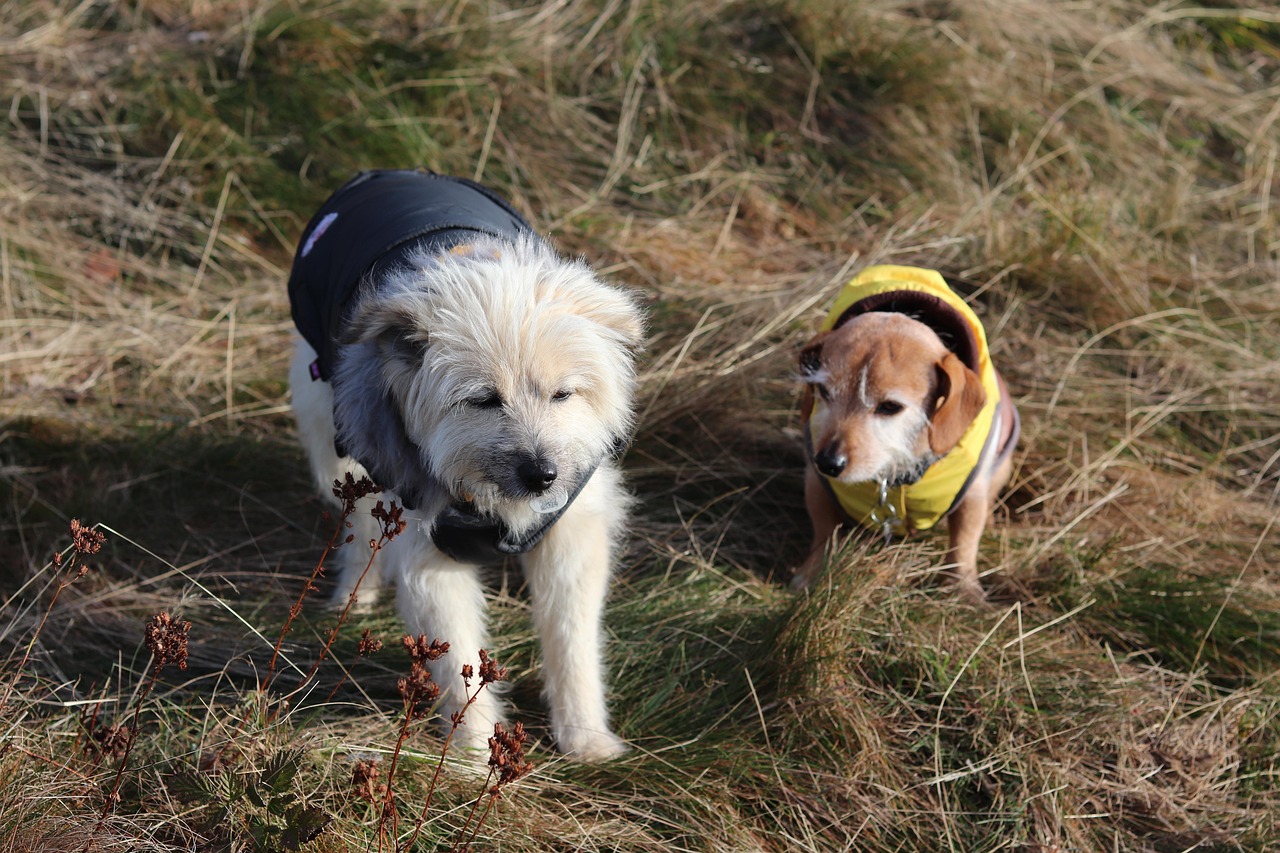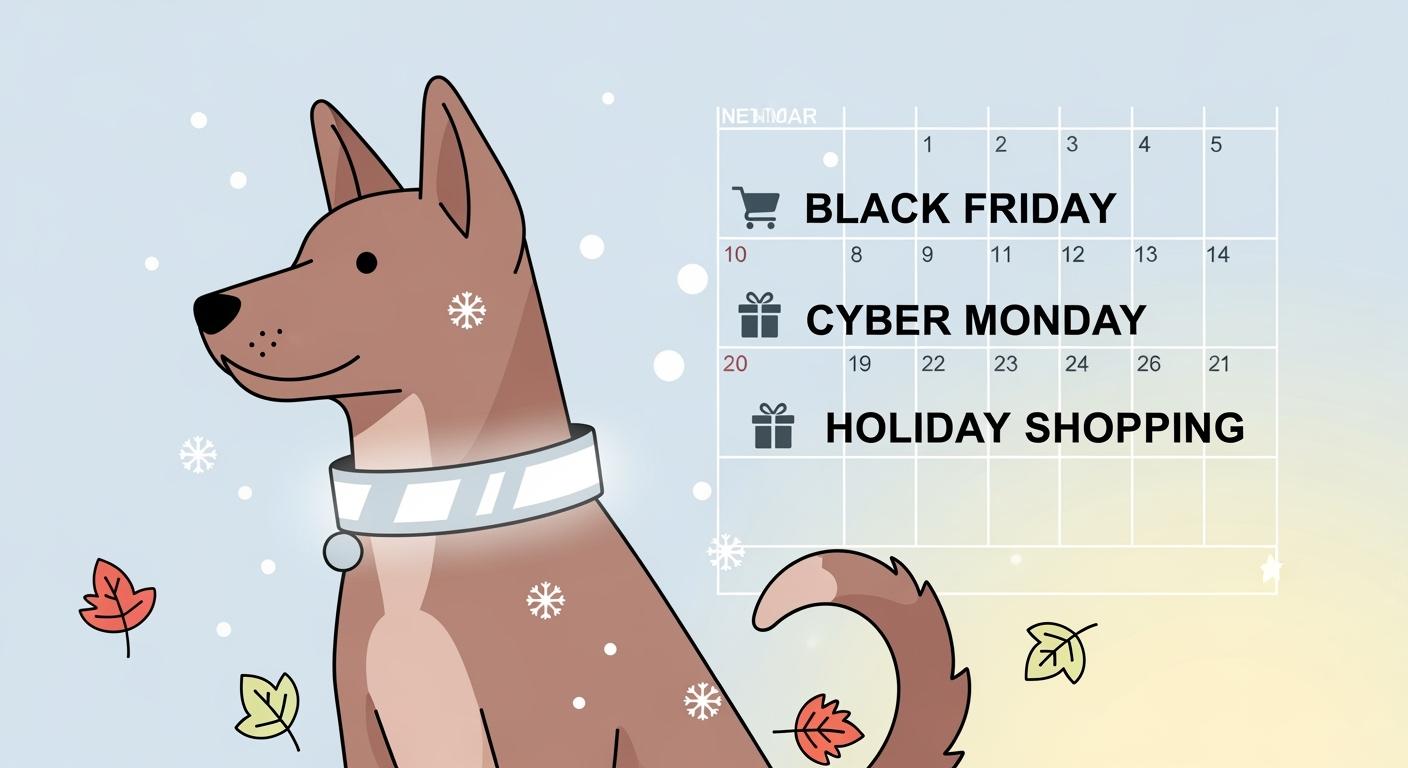
You know that fall and winter have less daylight. This makes it tough for pet owners to walk their dogs at the same times. Many people change their plans, walk when there is some daylight, or deal with colder weather. It is harder to see pets during walks after work, and this can be dangerous. Reflective dog collars make pets easier to see when it is dark. A seasonal positioning calendar can show off the reflective parts and how well the collars fit, so every pet owner can see why visibility is important.
Shorter days mean it is darker and colder at night.
People walk their dogs after work when it is dark.
Safety worries make people change when and where they walk.
Key Takeaways
Reflective dog collars help pets be seen in the dark. This makes walks safer in fall and winter. – Use a seasonal positioning calendar to plan displays. It helps you know when to promote reflective collars. This can help you sell more. – Always watch your pets when they wear reflective collars. The collars only work if light shines on them. – Teach shoppers how to pick the right size and fit. This helps stop returns and keeps pets comfortable. – Change store displays often to match the season. This helps meet shopper needs and keeps safety important.
Reflective Dog Collars Definition & Boundaries
Visibility in Low Light
You want people to see your pet when it is dark outside. Reflective dog collars help pets show up better in low light. You still need to watch your pet during walks. These collars use special materials that bounce back light from things like car headlights. This makes it easier for drivers and others to notice your pet. More than 70 percent of pet car accidents happen when it is hard to see. Reflective collars give a fast warning, which can help keep pets safer.
Here is a simple table that explains what a reflective dog collar is and how it works:
Aspect | Details |
|---|---|
Definition | Reflective dog collars are made to help pets be seen when it is dark. |
Functionality | They bounce light from things like car headlights so drivers can spot dogs. |
Materials | Usually made from strong materials like industrial polyester and may have shiny strips. |
Limitations | They only work when light hits them; they do not make their own light. |
Safety Claims | They can help lower animal injuries but cannot promise total safety. |
Usage Precautions | Owners should always watch their dogs when using these collars to keep them safe. |
You might see OEM and ODM when shopping for reflective collars. OEM means the company makes the collar with your design and brand. ODM means the company has a design you can change and add your brand.
Safety Limitations
Reflective collars help pets get noticed, but they have limits. These collars do not make pets visible all the time. They only work when light shines on them. Do not trust the collar alone to keep your pet safe. Always use a leash and pay attention during walks. The collar should be one part of your safety plan. Always watch your pet during every walk, no matter what time it is.
Dog Vest Seasonality Calendar & Retail Triggers

You should get ready for fall and winter pet gear. The dog vest seasonality calendar helps you pick the best time. You can use this calendar to plan displays and shelf tags. It also helps your staff know what to say to shoppers. This makes it simple for people who care about safety to find reflective dog collars and other gear that helps pets be seen.
Pre-Season Setup
You begin setting up in September. The days get shorter, so you think about visibility early. More pet owners want reflective gear as the weather changes. You can sell more by using special displays and sales for the season. You change your displays every few weeks to keep shoppers interested. You add things like clip lights and reflective leashes to sell more items together. You put reflective dog collars on the leash and collar wall. You show the shiny part and talk about sizing. You help shoppers check fit and size so they do not return items.
Tip: Shelf tags like “See and be seen at dusk” can get attention.
Early Visibility Push
In October, the sun sets earlier. You see pet owners walking dogs after work when it is dark. You move reflective collars to the front or end of the store. You use safety signs to show why visibility matters. You put reflective collars with travel gear and jackets. You give buckle demos and tips to help shoppers pick the right one. You use shelf tags like “Safer walks after sunset” to remind people about visibility.
Peak Footfall & After-Dark Routines
In November, more shoppers come in. Many people travel for the holidays. You put reflective dog collars in the car accessory area. You talk about travel safety and being seen. You add harnesses and seat belts to sell with the collars. You use shelf tags like “Travel safe, stay seen” to link safety and travel. You talk to shoppers about how strong the collar is and how it fits for travel. You show how the collar fits to stop returns.
Holiday Travel & Safety Accessories
December is busy with gifts and replacements. You move reflective collars to the checkout and add-on spots. You use gift packaging and stocking stuffers to sell more. You use shelf tags like “Great holiday gift” to make it easy to pick. You talk about how simple it is to wrap and give as a gift. You explain the packaging and return rules to help shoppers feel good.
Note: Holiday travel means pets can get lost more. Loud sounds and open doors can distract pets. You need reflective collars to help pets be seen in new places.
Deep Winter Maintenance
January is cold and time for winter checks. You put reflective collars back on the leash and collar wall. You talk about wear and tear. You add cleaning products to sell with the collars. You use shelf tags like “Replace worn collars” to remind shoppers to check for damage. You talk about cleaning and checking for wear. You help shoppers stop returns by showing how to care for the collar.
Late Winter Transition
February is for clearance and getting ready for spring. You move reflective collars to the clearance area. You use value signs and show spring styles. You add spring preview items to sell with the collars. You use shelf tags like “Last chance for winter safety” to clear out old stock. You talk about new spring styles coming soon. You remind shoppers about clearance and fit.
Dog Vest Seasonality Calendar Table
You can use this table to plan your store. The table shows each time, shopper goal, where to put items, main sign, extra items, shelf tag, what staff should say, and how to stop returns.
Window | Shopper Mission | Placement Zone | Primary Cue | Secondary Attachments | One-line Shelf Tag | Staff Talk Track | Returns Risk Prevented |
|---|---|---|---|---|---|---|---|
September | Prep for darker walks | Leash/collar wall | Reflective area | Clip lights, leashes | “See and be seen at dusk” | “Visibility starts here” | Fit check, sizing guidance |
October | Early night safety | Endcap/front-of-store | Safety messaging | Travel gear, jackets | “Safer walks after sunset” | “Try with a light-up leash” | Buckle demo, adjust tips |
November | Holiday travel | Car accessory zone | Travel readiness | Harnesses, seat belts | “Travel safe, stay seen” | “Perfect for road trips” | Durability, travel fit |
December | Gift and replacement | Checkout/add-on | Giftable packaging | Stocking stuffers | “Great holiday gift” | “Easy to wrap and gift” | Packaging, return policy |
January | Deep winter checks | Leash/collar wall | Wear and tear | Cleaning products | “Replace worn collars” | “Check for winter wear” | Wear check, cleaning tips |
February | Clearance/transition | Clearance zone | Value messaging | Spring preview | “Last chance for winter safety” | “Spring styles coming soon” | Clearance, fit reminders |
Seasonal Triggers and Retail Trends
There are three main triggers in the dog vest seasonality calendar. Shorter days make visibility gear more needed. The clock change week brings new walk times. Holiday travel means pets need more safety and to be seen. You see that pet gear planning must follow these trends. You stock more reflective dog collars as days get shorter. You use reflective strips and materials to help pets stand out in low light. You watch for weather changes and update displays often.
You see pet owners want their pets to be seen and safe. You use reflective strips and collars to help with this. You help shoppers pick the right pet gear for each season. You use shelf tags and staff tips to guide safety shoppers. You make sure your store matches the weather, trends, and pet needs.
Merchandising & Placement for Reflective Visibility

Leash & Collar Wall Adjacency
You can help shoppers find reflective dog collars by placing them next to leashes and harnesses on the wall. This makes it easy for pet owners to see all the gear they need for the season in one spot. Use vertical displays to show collars at eye level. Show the reflective strips on each collar so shoppers can see where the light will bounce. Add a size chart with neck range and width, not just S, M, or L. List the buckle type, such as side release or roller, on the display. Place clip lights, reflective leashes, and ID tags nearby. This setup supports attach sales and helps shoppers pick the right items for changing weather and new trends.
Tip: Use a simple table near the display to show sizing, buckle type, and reflective area for each collar.
Feature | Example Details |
|---|---|
Reflective Area | Strips on outer edge |
Sizing | Neck 12-18 in, width 1 in |
Buckle Type | Side release |
Add-ons | Clip light, ID tag |
Endcap & Front-of-Store Placement
You can boost visibility by moving reflective dog collars to endcaps or the front of the store during busy season times. This spot catches the eye of pet owners as soon as they walk in. Shoppers often look for new gear when the weather changes or when trends shift. Highlight the reflective strips and show how they help with visibility in low light. Place jackets and travel gear close by to encourage more purchases. This strategy can lead to higher sales and helps pet owners get ready for the season.
Checkout Add-Ons
You can place small reflective items near the checkout to remind shoppers about pet safety. Add-ons like clip lights, ID tags, and reflective leashes fit well here. Use shelf tags that mention visibility and weather. Show how these items work with the main collar. This helps pet owners remember last-minute needs for the season and changing weather. You support attach sales and make it easy for shoppers to pick up extra safety gear.
You can refresh displays each season to match weather and trends. This keeps the store looking new and helps pet owners find what they need for every season.
Key Merchandising Cues for Reflective Dog Collars
Reflective Area & Material
You want shoppers to know where the reflective strips are. These strips help pets be seen when it is dark. Materials like reflective nylon and 3M fabric shine when light hits them. Car headlights or street lamps make these collars glow. Some collars use tiny glass beads or special tech to bounce light back. Some collars also have glow-in-the-dark fabric or LED lights for more visibility. Always use shelf tags that say things like “reflective accents for visibility” to help pet owners.
Reflective nylon and 3M fabric help pets stand out.
Micro-glass beads and prismatic tech bounce light back.
LED features keep pets visible all the time.
Glow-in-the-dark fabric gives extra help to see pets.
Sizing & Fit Clarity
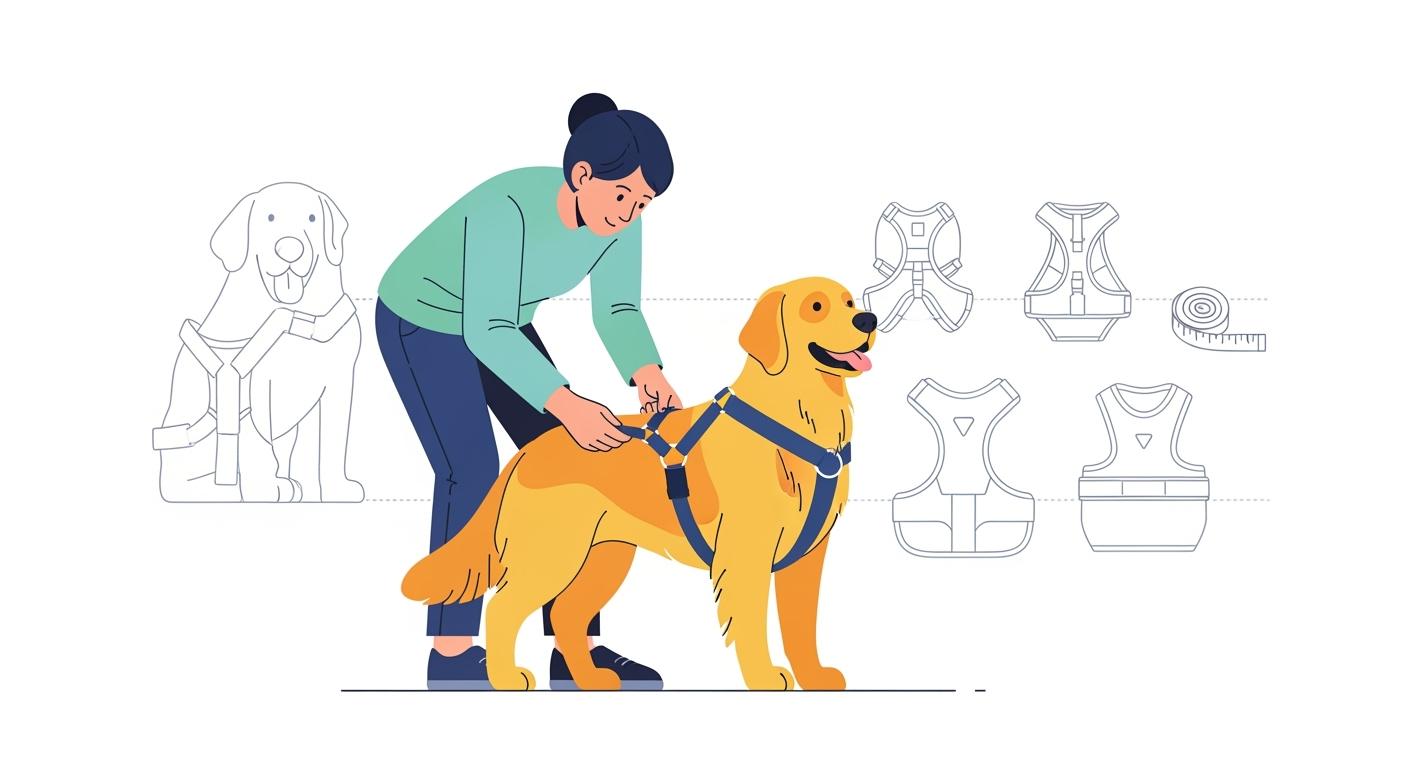
Sizing is important for safety and comfort. You should measure your pet’s neck with a tape or string. Measure a few inches down from the head. The collar should fit snug but not too tight. You should be able to fit two fingers under the collar. Adjustable collars are good for puppies or changing weather. For martingale collars, measure both the neck and the head. For side release buckles, just measure the neck. Always show a size chart and use shelf tags like “check fit for comfort and safety.”
Measure the neck loosely and add two inches.
Adjustable collars are best for growing dogs.
The collar should let two fingers fit under it.
Buckle Type & Handling
You need to show what kind of buckle each collar has. Side release, roller, and martingale buckles all work differently. Side release buckles are easy to open and close fast. Roller buckles are strong and good for active pets. Martingale collars help with training and give more control. Use shelf tags like “choose buckle for easy handling” and show how each buckle works. This helps shoppers pick the right one for the season.
Compatibility with Visibility Vest & Accessories
You can help pets be seen by using other gear with reflective collars. Reflective leashes, clip lights, and ID tags work well together. LED collars and glow-in-the-dark options add even more safety in the dark. Put these items close together in the store. This helps shoppers buy more and get ready for the season.
Accessory Type | Description |
|---|---|
Reflective Collar Strap | Shines in low-light places |
Reflective Leash | Matches the collar for better visibility |
Clip Light | Makes pets easier to see at night |
ID Tag | Shows who the pet belongs to |
LED Collar | Keeps pets visible in any weather |
Care & Durability
You want collars that last through cold and wet weather. Good reflective dog collars do not get ruined by water or smells. They stay soft in the cold and still shine when wet. Use shelf tags like “designed to help with visibility in winter weather.” Remind shoppers to check for damage and clean the collar often. This helps stop returns and keeps pets safe and easy to see.
Tip: Always use safe words like “intended for low light walks” and “reflective accents for visibility” on shelf tags and product notes.
Copy Library & Claim-Safe Messaging
Shelf Tag Headlines & Boundaries
Shelf tags should help shoppers know what reflective dog collars do. Use simple headlines and lines that tell about features but do not make promises. The table below can help you write shelf tags.
Feature | Shelf Tag Headline | Boundary Line |
|---|---|---|
Reflective Material | “Reflective strap designed to help with visibility in low light.” | “Use with supervision. Collar does not emit light.” |
Safety Design | “Extra ring helps prevent choking if collar snags.” | “Check fit before each walk.” |
Waterproof | “Water-resistant collar for easy cleaning.” | “Collar stays durable in wet weather.” |
Personalization | “Custom nameplate for easy identification.” | “Engrave up to 4 lines for ID info.” |
Tip: Always use words like “designed to help” or “intended for low light walks” so you do not make big promises.
Listing Bullet Template
You can use this five-bullet list for online listings or shelf tags. This makes it easy for shoppers to see the main points and limits.
Reflective accents help pets be seen when light shines on the collar.
Collar does not make its own light; always watch your pet during walks.
Adjustable size chart helps you pick the right neck and width.
Clear pictures show what kind of buckle and how wide the collar is.
Strong materials are made for cold and wet weather.
Note: Listing bullets should say what the collar is made to do, not what it promises.
Image Caption Rules
Captions should show the shiny parts and sizing. Do not use words that say the collar is safe or visible all the time.
“Reflective strip shines when headlights or flashlights hit the collar.”
“Closeup of side release buckle for easy handling.”
“Size chart shows neck range and collar width.”
“Collar on dog in low light, designed to help with visibility.”
“Custom nameplate for ID, up to 4 lines engraved.”
Use captions that talk about features and limits. Do not use words like ‘guaranteed’ or ‘always visible’.
Program Measurement & Iteration for Visibility Products
KPIs & Attach Rate
You need to measure how well your reflective dog collar program works. Start by tracking key performance indicators (KPIs) that show what shoppers do and what products they buy together. You can use a simple table to organize your main KPIs:
KPI | Description |
|---|---|
Customer Retention Rate | Shows how many shoppers come back for more purchases. This helps you see if your program builds loyalty. |
Average Transaction Value | Target between $40-$60 per shopper. You reach this by selling collars with add-ons like leashes or clip lights. |
Customer Lifetime Value | Tells you how much money you can expect from each shopper over time. This helps you plan for future sales. |
You should also track attach rate. This means you count how often shoppers buy a reflective collar with another item, such as a leash or clip light. High attach rates show your displays and shelf tags work well.
Tip: Record returns and reasons. Most returns happen because of neck fit, buckle type, or unclear sizing. Standardize neck fit range, collar width, and buckle type on every display to help shoppers choose the right product.
A/B Testing Placement & Cues
You can use A/B testing to improve your displays. Try putting reflective collars in two different spots, such as the leash wall and the front of the store. Change shelf tags to see which message gets more attention. For example, test “See and be seen at dusk” against “Safer walks after sunset.” Track which setup sells more collars and add-ons. Use simple notes to record what works best.
Test placement zones for higher visibility.
Try different shelf tag messages.
Compare attach rates and returns for each setup.
Sunset & Rotation Rules
You need to update your displays as the season changes. Shorter days mean more walks in the dark. Move reflective collars, leashes, and vests to easy-to-see spots when daylight drops. Rotate products and shelf tags to match shopper needs. Use these rules to keep your program fresh:
Watch for shorter days and earlier sunsets.
Place reflective gear where shoppers look for safety items.
Rotate displays and shelf tags as weather changes.
Note: Regular updates help shoppers find the right gear for each season. You keep your store ready for changing routines and safety needs.
QA Checklist for Reflective Dog Collars
A strong QA checklist helps your team keep displays clear. Shoppers need to see features, sizing, and pick the best collar. Use this checklist to guide staff and stop mistakes.
Placement Checks
Check where each collar goes in the store. Put reflective collars next to leashes and harnesses. Make sure shoppers see the shiny strips and the sizing chart. Place clip lights and ID tags close by. Use a table to check collar width, neck size range, and buckle type for every display.
Component | Description |
|---|---|
Collar Width Checks | Measure the narrowest part of the collar. Make sure it matches what is listed. |
Collar Length Range Checks | Measure the smallest and largest neck size the collar fits. Check that it matches the listing. |
Buckle Type Validation | Pick the buckle type from the approved list. Check if it is strong. |
Duplicate Detection | Look for collars that are the same in width, length, buckle, and color. |
Tip: Always check that each collar matches the size chart and buckle info.
Cue Visibility Checks
Help shoppers notice the reflective parts. Check shelf tags point to the shiny strips, stitching, or panels. Make sure the display lights up the collar so the shiny part stands out. Use shelf tags like “reflective accents for visibility” to help shoppers learn about the feature.
Show reflective material in both daylight and low light.
Use shelf tags with clear, safe words.
Put sizing and buckle info at eye level.
Copy Risk Checks
Review all shelf tags and product notes. Use words like “designed to help with visibility in low light” and “use with supervision.” Do not use words that promise safety or visibility all the time. Check that sizing, buckle type, and reflectivity limits are clear.
Use safe phrases.
Do not make safety promises.
Make sizing and fit instructions easy to read.
Image Proof Checks
Check every product image. Show the collar in daylight and in low light. Add a closeup of the buckle and a size chart. Use captions that tell about the shiny area and fit. Do not use captions that promise safety.
Note: Good images help shoppers pick the right collar and stop returns.
You can use a seasonal calendar to help plan store displays and shelf tags for reflective dog collars. Put the collars where people look for safety gear. Use safe words like “designed to help with visibility in low light.” Check the size and buckle type so shoppers can find the right fit. Watch sales and returns to make your program better each season.
Changing your displays often helps you keep up with less daylight and what shoppers want.
FAQ
How do reflective dog collars work?
Reflective dog collars use special materials that bounce light back. When headlights or flashlights shine on the collar, it helps your dog stand out in low light.
What is the best way to measure my dog for a collar?
Use a soft tape to measure around your dog’s neck. Add two fingers between the tape and the neck for comfort. Check the size chart before you buy.
Can I use a reflective collar alone for night walks?
You should use a leash and supervise your dog during night walks. Reflective collars help with visibility, but you need to watch your pet at all times.
How do I clean a reflective dog collar?
Wipe the collar with a damp cloth. Use mild soap if needed. Let it air dry before you put it back on your dog.
What accessories pair well with reflective collars?
You can add a reflective leash, clip light, or ID tag. These items help improve visibility and make walks safer for your dog.