You want your dog to feel cozy and secure every day. An indestructible dog bed gives your pet lasting comfort and makes cleanup easier for you. This guide helps you match bed features to your dog’s habits, age, and home setup. Choose a bed that fits your dog’s needs and keeps your home tidy.
Key Takeaways
Pick a bed that uses strong materials like ballistic nylon or ripstop polyester. These materials help the bed last through chewing and scratching.
Measure your dog when they sleep in their favorite positions. This helps you get a bed that fits well and lets them stretch or curl up.
Get a bed with a cover you can wash. This makes cleaning simple and keeps your dog’s space fresh.
Indestructible Dog Bed Buying Guide & Expectations
What Makes a Dog Bed Indestructible
If you want a bed that lasts, look for one that can handle chewing and scratching. Most people call a bed indestructible if it uses tough materials, strong seams, and covers you can wash. Pick a bed that feels good for your dog but is also built strong. Beds made with good fabric, solid foam, and safe zippers stay nice longer and are easier to clean.
Feature | Description |
|---|---|
Durable Outer Materials | Thick fabric like ballistic nylon or ripstop polyester stops tears. |
Reinforced Seams and Stitching | Seams stitched two or three times with strong thread last longer. |
Chew-Proof Zippers | Strong zippers or Velcro hidden under flaps keep dogs out. |
Non-Fill or Solid Foam | Solid foam or rubber cores do not make fluff when damaged. |
Chew-Resistant vs Waterproof vs Washable Beds
You should check different kinds of tough dog beds before you buy. Chew-resistant beds use strong fabric and seams so dogs cannot ruin them. Waterproof beds keep spills and messes from soaking in, so cleaning is easy. Washable beds have covers you can take off and wash every week, which keeps your house smelling good.
Feature | Waterproof Dog Beds | Washable Dog Beds | Chew-Resistant Dog Beds |
|---|---|---|---|
Durability | Waterproof beds last because of strong materials. | Washable beds last if made well. | Chew-resistant beds use tough materials. |
Maintenance | Covers go in the washer; liners need hand washing. | Covers go in the washer but may be hard to clean. | Easy to wipe or spot clean. |
Material | Polyester covers and memory foam inside. | Cotton covers and polyurethane foam inside. | Ballistic nylon or ripstop polyester. |
Wear Resistance | Waterproof beds work well for active dogs. | Washable beds may wear out over time. | Chew-resistant beds are made for strong chewers. |
Who Needs Indestructible Dog Beds
Get an indestructible dog bed if your dog chews, scratches, or has accidents a lot. Dogs that chew a lot need strong beds and help with their behavior. You can help your dog by:
Making your home safe so your dog does not get bored.
Giving your dog lots of chew toys.
Making a digging spot with treats or toys.
Making sure your dog gets exercise every day.
Families with playful dogs, puppies, or older dogs need beds that support their pets and are easy to clean. Orthopedic beds help older dogs feel comfortable. This guide shows you how to pick the best materials and features for your dog.
Fit, Sizing, and Comfort for Best Dog Beds
Measuring Your Dog for Bed Fit
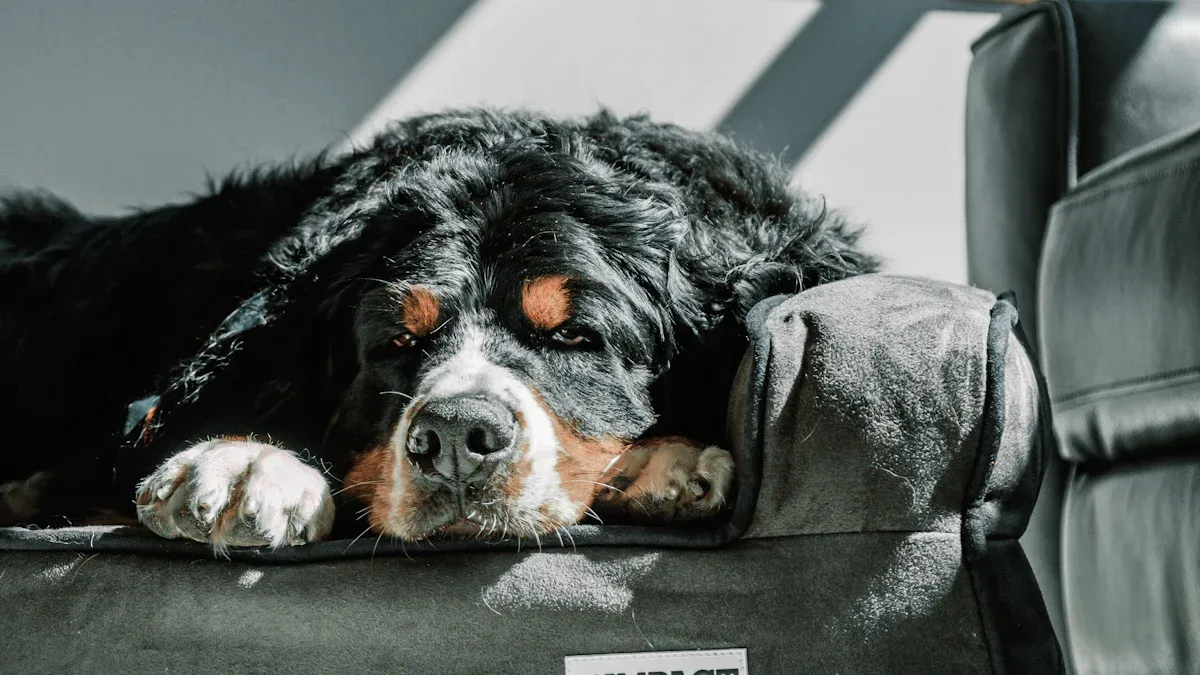
You want your dog to feel cozy and safe in their bed. Start by measuring your dog in their favorite sleeping positions. Watch your dog when they curl up and when they stretch out. Use a tape measure to check the length from nose to tail and the width from shoulder to shoulder. Add a few inches to each measurement so your dog has enough room to move and relax. If your dog sleeps in a crate, measure the inside of the crate and make sure the bed fits snugly without bunching up.
Tip: For most dogs, a bed should be at least as long as their body and wide enough for them to turn around easily. If your dog likes to sprawl, choose a larger size.
Pass/Fail Fit Checklist:
Enough room for your dog to stretch and curl
Easy entry without jumping or climbing
Removable cover for weekly washing
Stable base that does not slide
Strong seams and protected zippers
Bed Shapes and Sleeping Styles
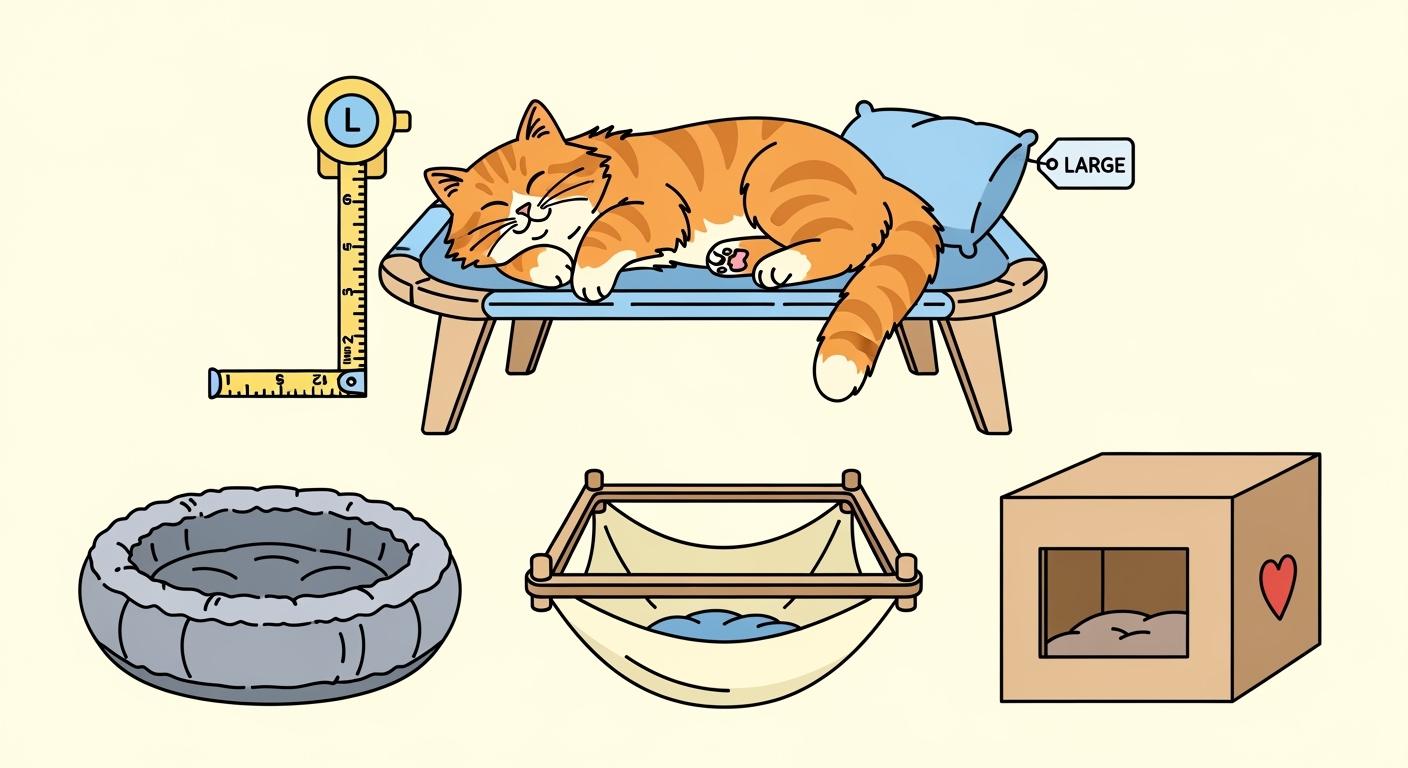
Dogs have different sleeping styles. Some stretch out, while others curl up or burrow. The shape of the bed affects comfort and sleep quality. Mats work well for dogs who like to stretch. Bolster beds or cave beds suit dogs who curl up or feel anxious. Calming beds give a gentle hug, helping your dog feel secure and improving sleep.
Dog Bed Type | Benefits for Dog Breeds | Key Features |
|---|---|---|
Orthopedic Beds | Essential for larger breeds or older dogs to prevent joint pain and ensure spinal alignment. | High-density foam distributes weight and aligns the spine. |
Calming Beds | Helps reduce anxiety and improves overall sleep quality by providing a sense of security. | Raised edges provide a gentle hug, allowing dogs to feel secure while sleeping. |
Calming beds offer comfort and a sense of security. Dogs who feel safe sleep better and stay healthier.
Orthopedic beds provide support for joints and spine, which is important for big dogs and seniors.
Scenario Example: If your dog likes to burrow, a cave-style bed gives them comfort and support. If your dog sprawls out, a flat mat lets them stretch without feeling cramped.
Multi-Dog Homes and Bed Placement
If you have more than one dog, plan for one bed per dog. Some dogs enjoy sharing, so you can add a larger shared bed in a main family area. Place beds in quiet spots where your dogs can rest without distractions. You can also put a second bed in the living room so your dog stays close to you.
Dogs use beds more when they feel cozy and safe.
Avoid placing beds near drafts or slick floors. Use rugs or mats under the bed for extra traction.
Scenario Example: In a busy home, a bed in a quiet corner helps your dog relax. A shared bed in the living room lets your dogs rest together while staying near family.
Entry Height and Support for Seniors
Older dogs or dogs with mobility issues need beds with easy entry and strong support. Look for beds with low entry height so your dog can step on without strain. Choose beds with high-traction, non-slip surfaces to prevent slipping. Sturdy construction adds durability and keeps the bed steady.
Feature | Recommendation |
|---|---|
Entry Height | Low entry height for easy access |
Slope | Low-slope for safe access |
Surface | High-traction, non-slip surfaces |
Construction | Sturdy construction for durability |
Portability | Portable models if needed |
Target Audience | Older dogs or small breeds with joint issues |
Memory foam or orthopedic beds give comfort and support for sore joints.
Routine vet checkups, at least twice a year, help you track your dog’s changing needs.
Scenario Example: A senior dog with hip pain needs a bed with low entry and strong support. Place the bed on a rug for extra traction and easy access.
Choosing the right indestructible dog bed means thinking about fit, comfort, and durability. You help your dog rest better and make cleaning easier for yourself. The best dog beds combine cozy materials, strong support, and easy care.
Durability, Materials, and Construction Features
Cover Fabrics and Washable Designs
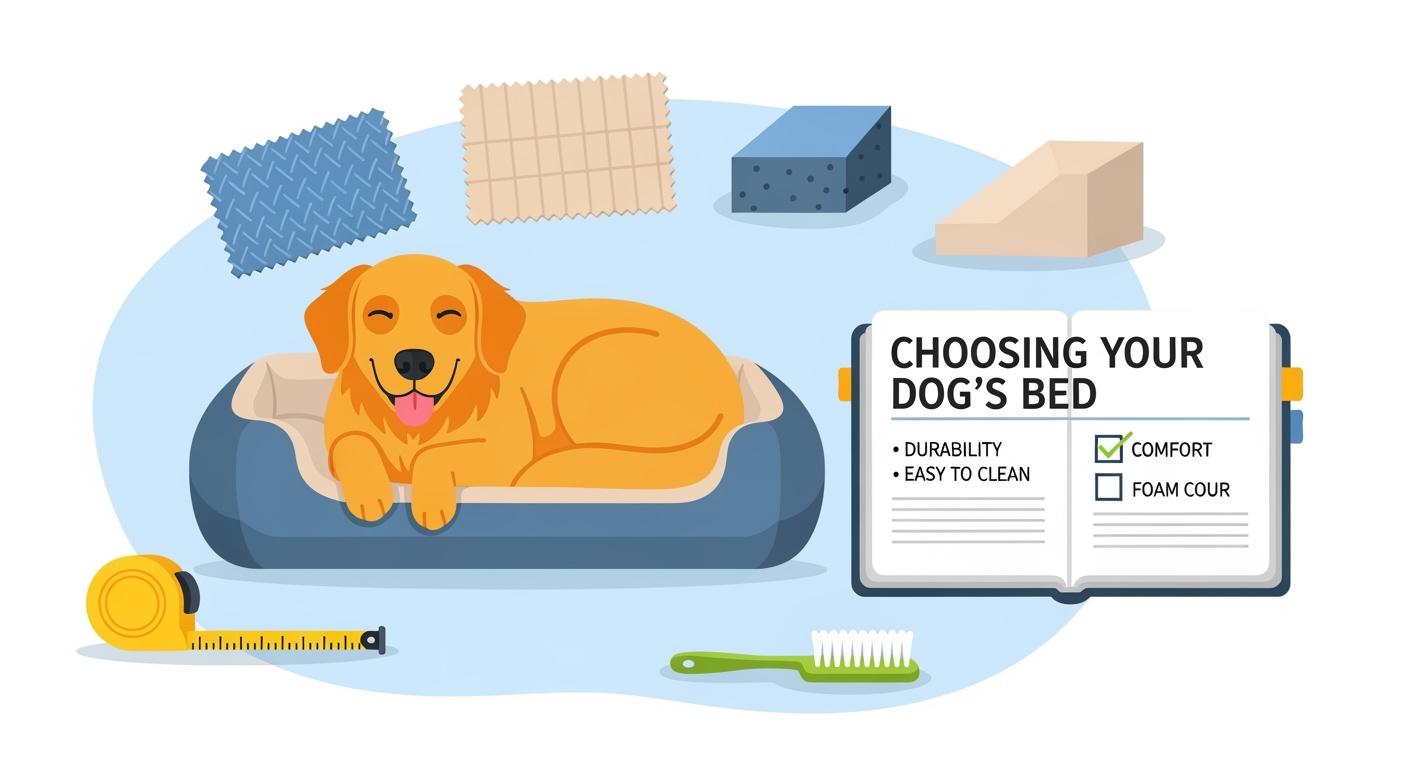
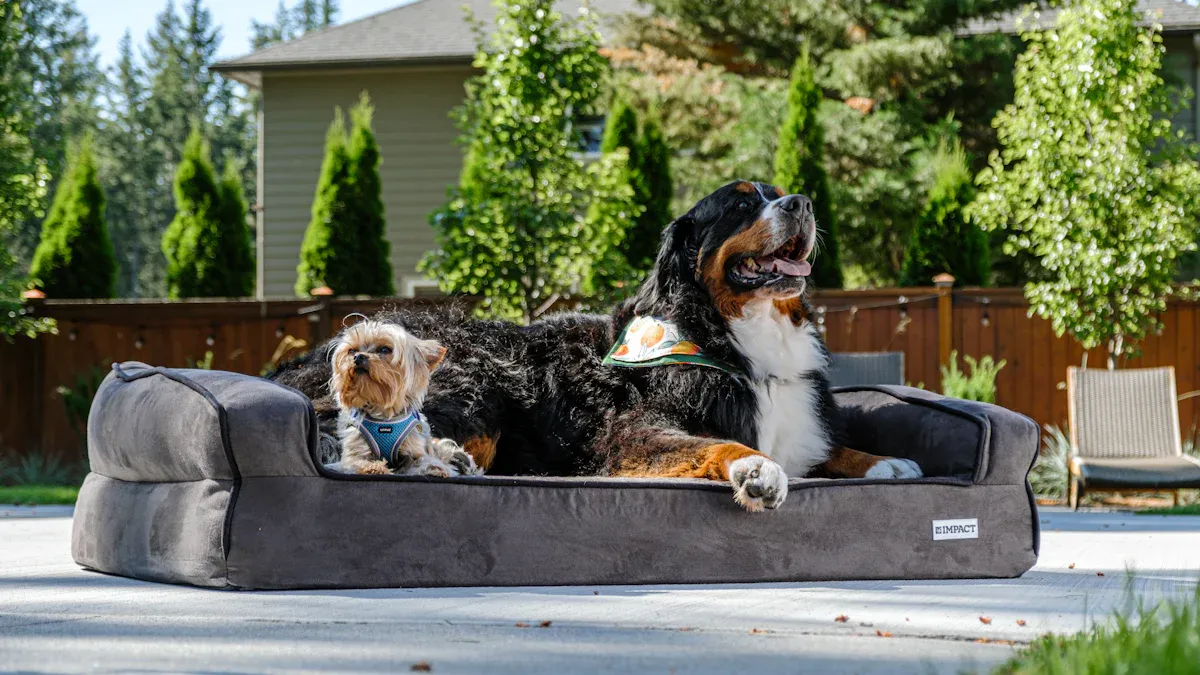
You want a bed that lasts and keeps your house clean. The cover fabric is important for how long the bed lasts and how easy it is to clean. Pick strong fabric like heavy canvas or ripstop polyester. These materials do not tear or scratch easily, which helps if your dog chews. Chew-resistant materials stop damage from dogs who dig or chew before sleeping.
A washable cover makes cleaning simple. You can take off the cover and put it in the washing machine. Most experts say you should wash your dog’s bedding once a week. If you have puppies, seniors, or dogs with allergies, wash every three or four days. This keeps your dog’s bed fresh and cozy.
Tip: If your dog has accidents, pick a bed with a non-porous surface. This stops smells and makes cleaning fast.
Padding, Liners, and Support Options
Padding and liners help with comfort and how long the bed lasts. Memory foam dog bed designs give great comfort and support. Memory foam keeps its shape and gives your dog a soft spot to rest. The best orthopedic dog beds use high-density foam for extra support. This helps older dogs and big breeds feel good.
Liners protect the padding from spills and dirt. Waterproof liners stop accidents from soaking in. Sometimes waterproof liners make the bed less airy, so look for beds that let air flow. Heavy-duty liners do not rip or tear, which is good for strong chewers. Non-porous liners stop smells and are easy to clean. These liners also keep out bugs and things that cause allergies, so they are good for sensitive dogs.
Scenario Example: If your dog scratches before lying down, get a bed with thick padding and a tough liner. This setup handles digging and keeps the bed nice.
Seams, Zippers, and Base Grip
Seams and zippers are important for how strong an indestructible dog bed is. Reinforced stitching makes the bed stronger and stops it from breaking. Strong zippers or Velcro under flaps keep dogs from chewing them. Good fabrics help the bed last for active dogs and daily use.
Feature | Benefit |
|---|---|
Reinforced stitching | Makes the bed last longer and stops rips. |
Strong zippers | Stops the zipper from breaking. |
High-quality fabrics | Helps the bed handle big or active dogs. |
Base grip features keep the bed from sliding around. Non-slip bottoms and textured bases stop slipping, which helps older dogs and active pets. Rubber or textured surfaces give traction and help your dog feel safe. Side rails on ramps or beds add safety for dogs who have trouble moving.
Scenario Example: A messy sleeper needs a bed with a washable cover, strong seams, and a non-slip bottom. This makes cleaning easy and keeps the bed in place.
Comparison Table: Material Types and Pros/Cons
You should compare materials and features to find the best dog bed for your home. Each material has good and bad points for durability, comfort, and cleaning. Use this table to help you choose:
Feature | Why It Matters | What to Check |
|---|---|---|
Durable fabric | Stops chewing and scratching | Look for heavy canvas or ripstop polyester |
Washable cover | Makes cleaning simple | Removable, machine-washable cover |
Waterproof liner | Stops spills and accidents | Find one that lets air flow |
Memory foam dog bed | Gives great comfort and support | High-density, pressure-relieving design |
Reinforced seams | Makes the bed stronger and stops rips | Double or triple stitching |
Strong zippers | Stops dogs from chewing the zipper | Hidden or protected zipper design |
Base grip | Stops slipping and helps dogs feel safe | Rubber or textured non-slip bottom |
There are trade-offs. Strong materials like heavy canvas and aluminum frames last longer but may not feel as soft. Waterproof liners are easy to clean but can make the bed warmer. Thick bolsters make dogs feel safe but can be hard for small or old dogs to climb in. Soft beds feel nice but need more cleaning.
Note: Wash covers at least once a week. If you have puppies, seniors, or allergies, wash every three or four days.
Frequency | Cleaning Task |
|---|---|
Daily | Basic cleaning and airing out |
Weekly | Wash removable covers |
Monthly | Deep cleaning if needed |
You can pick an indestructible dog bed with strong materials, a washable cover, and memory foam. This gives your dog comfort and makes cleaning easy. The best orthopedic dog beds use memory foam and strong build. You help your dog sleep better and keep your house neat.
Scenario Example: A strong chewer needs a bed with chew-resistant materials, reinforced seams, and a washable cover. A messy sleeper does best with a waterproof liner and a bed that is easy to wash.
Decision Matrix, Mistakes, and Buyer Checklist
Common Buying Mistakes
People often make mistakes when picking a dog bed. Some buy beds only for their dog’s size now, so they replace them often. Others skip orthopedic support, even for young dogs. Picking style instead of function can mean the bed does not last and is hard to clean. Putting beds in busy spots or using human pillows makes them less comfy. Always check for covers you can wash and a base that does not slip.
Decision Matrix: Matching Bed Features to Needs
Dog/Use Case | Priority Features | Good Bed Type Direction |
|---|---|---|
Heavy Chewer | Chew-resistant materials, reinforced seams, hidden zippers | Durable mat or aluminum frame |
Senior Dog | Orthopedic support, low entry, non-slip base | Orthopedic dog bed with memory foam |
Messy Sleeper | Waterproof liner, washable cover, odor control | Washable orthopedic dog bed |
Crate Use | Snug fit, easy-clean cover, support | Flat orthopedic mat |
Anxious Dog | Cozy bolsters, soft materials, support | Calming orthopedic dog bed |
Buyer Checklist Before Purchase
Measure your dog curled up and stretched out.
Check for orthopedic support and memory foam if needed.
Pick strong materials and seams.
Look for a cover you can wash and remove.
Make sure the bed fits your space and does not slip.
Put the bed in a quiet, cozy spot.
Take seniors to the vet often to check support needs.
FAQ for Sizing, Cleaning, and Durability Claims
Can you use an outdoor bed inside? Yes, but it may feel harder and be louder.
How often should you wash the cover? Once a week, or more if your dog sheds a lot or has accidents.
Are elevated beds safe for puppies? Only if the frame is four inches high or less.
Do orthopedic dog beds help with joint pain? Yes, they give great comfort and support.
Can you machine-wash the cover? Most good beds let you do this, but always check the instructions.
You can find the best orthopedic dog beds by looking for support, comfort, and easy cleaning. A strong indestructible dog bed with tough materials gives your pet comfort and support for many years.
When picking an indestructible dog bed, remember these things:
Durability: Choose thick memory foam and a cover that does not let water in.
Fit: Measure your dog so they have space to stretch.
Cleaning: Pick covers you can wash without trouble.
Check the checklist and decision matrix for help. You can also ask questions or share tips below!
FAQ
How do you measure your dog for the right bed size?
You measure your dog when curled and stretched. Add a few inches to each length and width. This gives your dog space to move and relax.
How often should you wash the bed cover?
Experts recommend washing removable covers once per week. If your dog sheds heavily or has accidents, wash every three to four days.
What features help with indoor cleanup?
Feature | Benefit |
|---|---|
Washable cover | Easy cleaning |
Waterproof liner | Stops spills |
Non-slip base | Keeps bed in place |