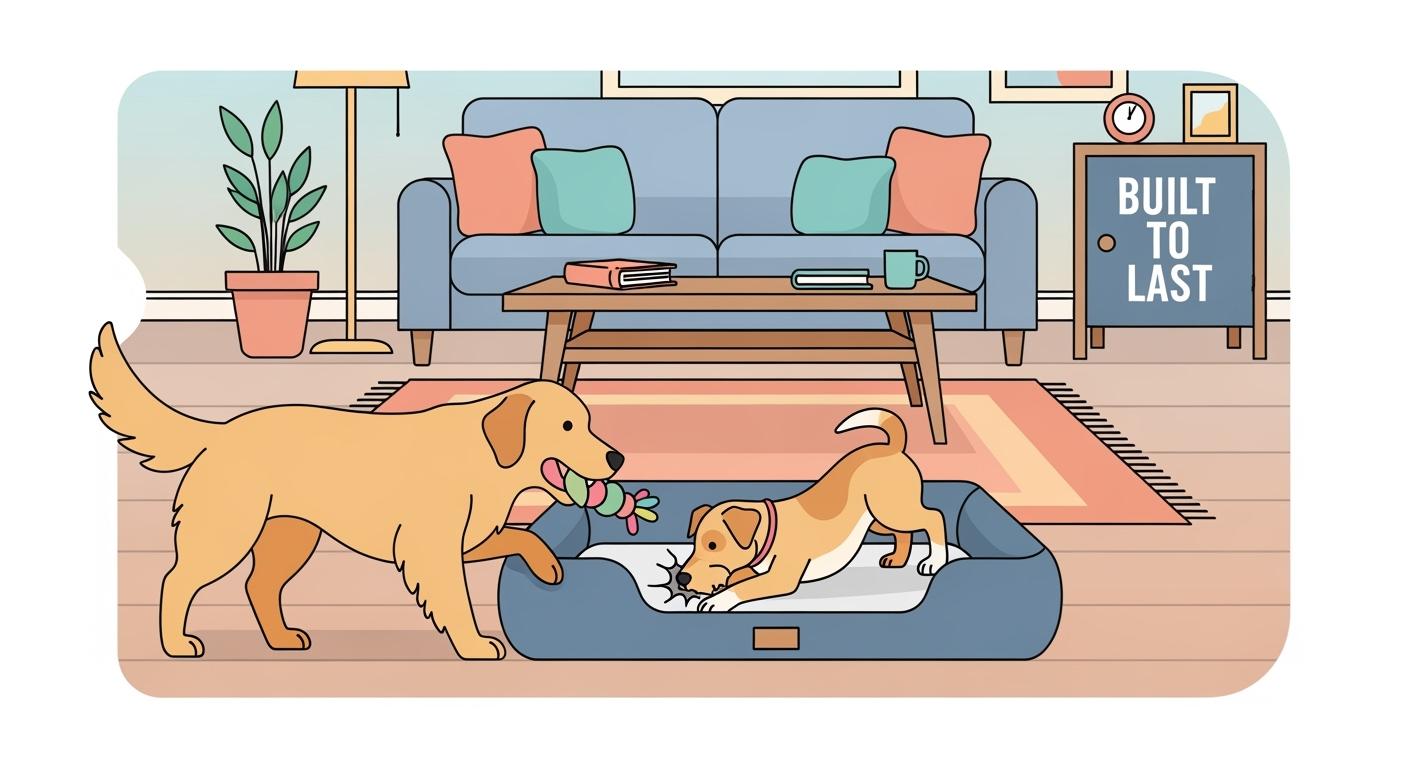
You want a strong indestructible dog bed that can handle chewing and digging inside. It is important to pick a bed that fits your dog’s habits. No bed is completely indestructible, but beds with tough covers, ripstop fabric, and warranties provide the best safety. For example, the tough bolster dog bed and round deep den dog bed feature strong covers designed for dogs who dig or chew. This guide helps you save money and avoid returns by providing easy tools and checklists.
Key Takeaways
Pick a bed that fits how your dog acts. This helps you avoid sending it back and keeps your dog happy. – Find beds made with strong materials like ballistic or ripstop fabric. These materials stop dogs from chewing and digging through the bed. – Look for beds with tough seams and zippers that are hidden. This makes it hard for your dog to chew on them. – Choose beds that have covers you can take off. This makes cleaning easy and helps stop bad smells. – Always read the warranty details. This helps you know if the bed will last as long as you want.
Indestructible dog bed types for indoor use
Picking the best indestructible dog bed for inside depends on your dog’s habits. Your home matters too. The bed should fit how your dog acts. It also needs to be comfy for a long time. Use the Quick Reference Card to check how strong the bed is.
Decision Matrix: Indoor Dog Bed Scenarios
Scenario | Best Bed Type | Must-Have Specs | Common Failure Modes | Return Risk Notes |
|---|---|---|---|---|
Determined Chewer | Elevated frame bed | Chew-resistant materials | Edge chewing, zipper pulls | Supervise early use |
Digger | Floor mattress, dig-proof design | Reinforced seams, tough cover | Surface tearing, flattening | Match cover to digging style |
Anxious Dog | Bolstered/nest bed | Structured sides, soft fill | Excess scratching, chewing | Look for replaceable covers |
Heavy Shedder | Easy-clean mattress | Washable cover, odor control | Hair buildup, odor | Check care instructions |
Accident-Prone Dog | Waterproof liner bed | Water-resistant cover, liner | Staining, foam damage | Verify liner protection |
Hot Sleeper | Elevated mesh bed | Breathable fabric, frame | Overheating, sagging | Choose cooling materials |
Senior Comfort | Bolstered couch bed | Supportive foam, bolsters | Flattening, slipping | Confirm support warranty |
Crate Use | Crate pad, tough cover | Anti-slip base, low profile | Sliding, chewing corners | Fit pad to crate size |
Elevated frame vs floor mattress beds
Elevated frame beds lift your dog off the ground. These beds use strong materials and metal frames. This helps stop chewing. Floor mattress beds are soft and give support. Dig-proof beds have strong seams and covers. These beds help stop digging damage. Pick a bed that matches if your dog chews or digs.
Chewer, digger, anxious, and senior dog needs
Dogs chew or dig to feel better. Bolstered or nest beds help anxious dogs feel safe. For dogs that chew a lot, pick beds with strong fabric and no loose parts. Senior dogs need beds with bolsters and good foam. Waterproof liners keep the foam safe from accidents.
“Indestructible” marketing red flags
Some cheap beds use unsafe materials. Some beds have chemicals like flame retardants or VOCs. Always check for safety labels like CertiPUR-US®. Stay away from beds with fake promises. No bed is safe from every chewer. Pick a bed that fits your dog’s habits. Watch your dog when using a new bed.
Buyer takeaway: You can avoid returns by picking beds that fit your dog’s habits and checking for strong warranties.
Shopper takeaway: Look for beds with chew-resistant materials, safe labels, and good fit tips so you do not waste money.
Durability specs that matter for indestructible dog beds
Fabric types: ballistic, ripstop, vinyl
When you buy an indestructible dog bed, check the fabric. Ballistic fabric is tough and stands up to chewing and digging. Ripstop fabric stops small rips from getting bigger. Vinyl covers keep out water and are easy to clean. These fabrics work best for dogs who chew or dig a lot. Look for beds with chew-resistant materials and strong designs. Always use the Quick Reference Card to compare how strong the fabric is.
Tip: Ballistic and ripstop fabrics last longer and help stop damage from chewing and digging.
Edge and chew access weak points
Weak spots make dog beds break faster. Dogs like to chew seams, zippers, and corners. Beds with hidden zippers and strong seams help stop this. Check how the bed protects the edges and corners. Digging and nesting can wear out the fabric. If your dog gets to the foam, they might chew or eat it. Beds with strong covers and protected edges last longer.
Weak Point | Description |
|---|---|
Exposed Seams | Dogs can pull at stitches, which can break the bed. |
Zipper Attack | Zippers that are not hidden are easy for dogs to chew. |
Corner Chewing | Dogs often chew corners and edges, which can break the bed. |
Digging and Nesting | Dogs may dig with their claws, which can wear out the fabric. |
Foam Access | If dogs reach the foam, they may chew or eat it, causing more damage. |
Note: Always look for hidden zippers and strong seams to help stop weak spots.
Foam, fill, and support breakdowns
Foam and fill decide how long the bed stays comfy. Memory foam spreads weight and does not sag fast. Most beds last three to five years. Some beds last over five years if you take care of them. Use the Quick Reference Card to compare foam and support. Beds with strong foam and fill keep their shape and support longer.
Memory foam spreads weight and does not sag fast.
Most beds last three to five years.
Good beds with care can last over five years.
Tip: Beds with good foam and fill keep your dog comfy and help stop flattening.
Cleanability and odor control
It is important to have a bed that is easy to clean. You need a washable cover and something to stop smells. Vinyl and ripstop covers are easy to wipe and do not stain easily. Waterproof liners keep the foam safe from accidents. Beds with covers you can take off are easy to wash. Odor control keeps your home smelling nice. Always read the care instructions and pick beds that are easy to wash.
Note: Removable covers and waterproof liners help you keep the bed clean and smelling fresh.
Spec checklist for durability
Use this checklist to compare strong dog beds. Always check the Quick Reference Card for the right numbers.
Spec Field | What to Look For |
|---|---|
Cover Fabric | Ballistic, ripstop, or vinyl; check the numbers |
Seam Strategy | Double stitching and strong stress points |
Closure Strategy | Hidden zipper or no zipper |
Edge Protection | Protected corners and edges |
Base | Anti-slip for indoor floors |
Replaceability | Covers and frames you can replace |
Care | Washable cover and odor control |
Warranty | How long, what it covers, and how to claim |
Packaging | Fit tips and matching to your dog’s behavior |
Use the Quick Reference Card to check the numbers for each part.
Warranty and durability claims
Warranties show if a brand trusts its dog beds. Most warranties last one to three years. They cover problems with the materials or how it was made. The warranty time matches how long the bed should last. Always read the warranty before you buy. Look for beds with a warranty and covers you can replace. No bed is safe from every chewer. Pick a bed that fits your dog’s habits and watch your dog at first.
Buyer takeaway: You can return fewer beds if you check the fabric, edge protection, foam, and warranty. Use the Quick Reference Card for the right numbers.
Shopper takeaway: Pick beds with strong covers, hidden zippers, good foam, and easy cleaning. Always check the warranty and care instructions before you buy.
Fit and feature checklist for indoor beds
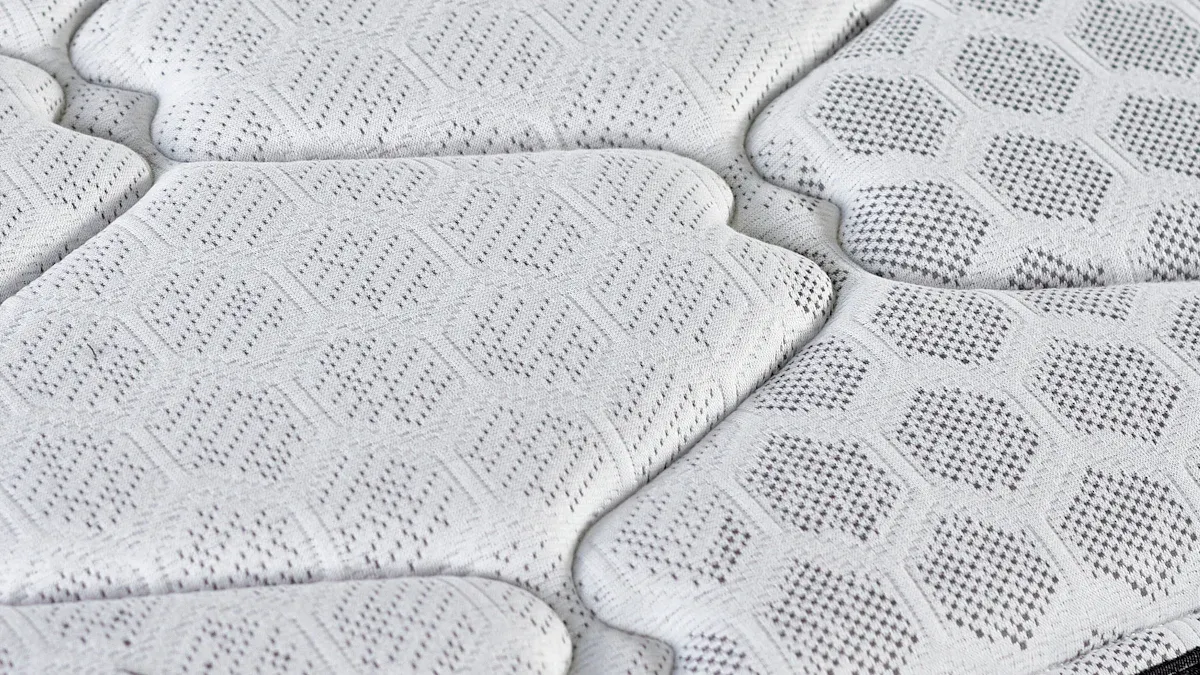
Fit cues: curlers, sprawlers, crate, room
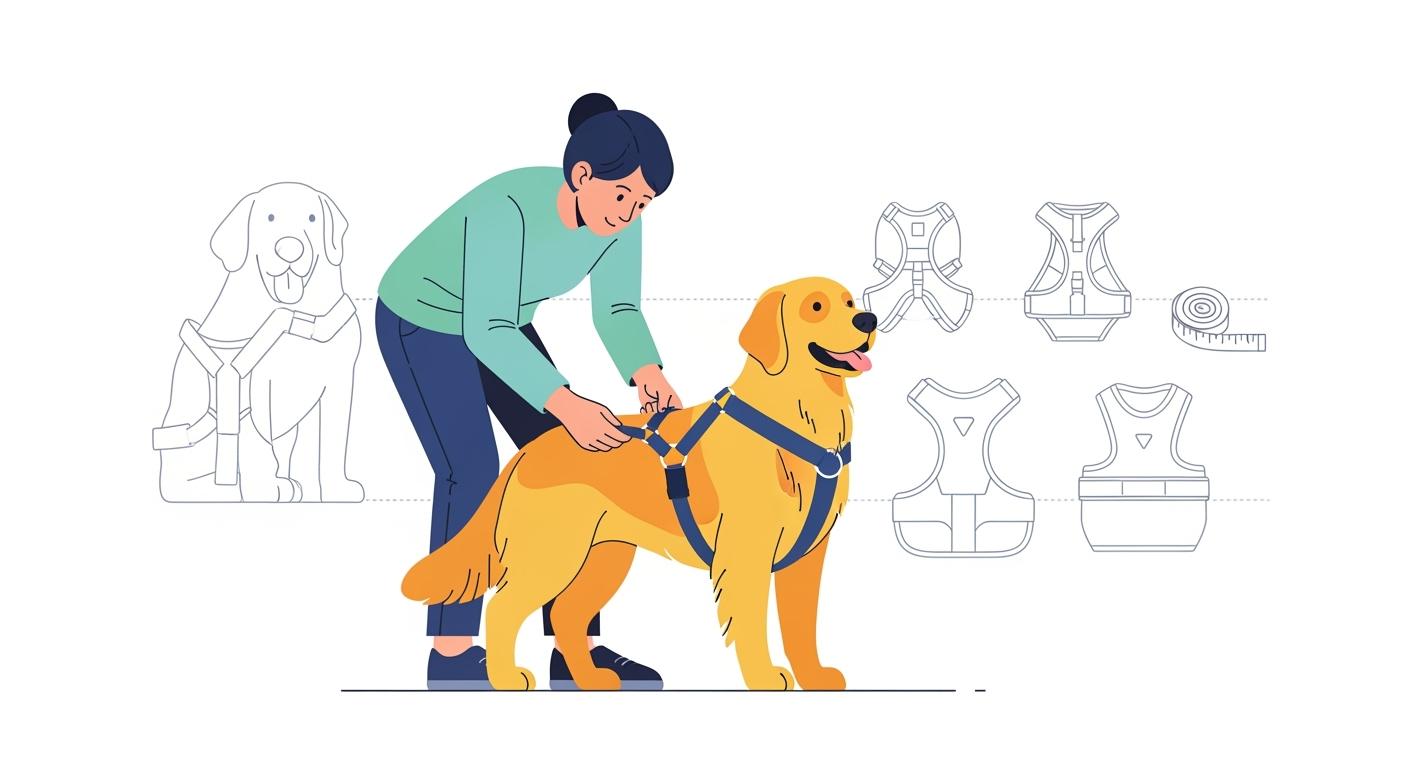
You should pick a bed that matches how your dog sleeps. Curlers like beds with sides or nest shapes. Sprawlers need flat beds with lots of space. Crate pads fit inside crates and help dogs feel safe. Where you put the bed is important. Put it where your dog likes to rest. If you get the wrong size or shape, your dog might not use the bed. Comfort and support help your dog sleep well. Orthopedic or memory foam beds give extra support for older dogs.
Tip: Use the numbers in the Quick Reference Card to check fit and support.
Features: waterproof, anti-slip, bolsters, covers
The best indestructible dog beds have waterproof covers, bolsters, and covers you can wash. Waterproof covers keep the bed clean and dry. Bolsters give support to dogs who like to curl up. Washable covers make cleaning easy and help the bed look nice in your home. Anti-slip bases stop the bed from moving on the floor.
Feature | Description |
|---|---|
Waterproofing | The bed cover is waterproof, so it is easy to clean and lasts longer. |
Bolsters | The bed has a bolster that gives support for dogs who like to curl up. |
Covers | The cover is washable and looks good in your home. |
Note: Pick features that fit your dog’s needs and match your home’s style.
Common mistakes and fast failures
Many people make mistakes when they buy a dog bed. Buying only by price can cost more later. Not thinking about how your dog sleeps can make the bed uncomfortable. Picking style over function wastes money if your dog will not use the bed. Not thinking about washing makes cleaning hard. Buying a bed that is too small can hurt your dog’s joints. Skipping waterproof liners can lead to damage from accidents. Putting the bed in the wrong spot means your dog may not use it. Not showing your dog the bed the right way can make them avoid it. Buying a bed for a puppy can mean they outgrow it fast.
Mistake | Why It Causes Failure | What to Change | Safer Alternative |
|---|---|---|---|
Buying based on price alone | The bed does not last and costs more later | Look for beds that last and fit well | Use Quick Reference Card for specs |
Ignoring sleeping style | The bed is not comfy and your dog avoids it | Match the bed to how your dog sleeps | Watch how your dog sleeps |
Choosing style over function | Your dog will not use the bed | Pick what your dog needs | Choose features your dog likes |
Not considering washing | The bed gets dirty and smells | Pick beds with covers you can wash | Removable, easy-clean covers |
Buying too small | Your dog feels sore and uncomfortable | Check the size before you buy | Use Quick Reference Card for size |
Skipping waterproof liner | The bed gets ruined by accidents | Add a waterproof liner | Waterproof covers and liners |
Wrong location | Your dog does not use the bed | Put the bed where your dog likes | Watch where your dog rests |
Not introducing bed properly | Your dog stays away from the bed | Show your dog the bed slowly | Use treats and praise |
Buying for puppy stage | Your dog outgrows the bed fast | Think about how big your dog will get | Get a bigger or adjustable bed |
Troubleshooting: chewing, sliding, flattening, zippers
You might have problems like chewing, sliding, flattening, or zipper breaks. Dogs chew edges and corners when they are bored. Beds slide if they do not have anti-slip bases. Flattening happens when the foam is weak. Smells stay if you cannot wash the cover. Zippers break if they are not hidden. You can fix these problems by picking beds with strong edges, anti-slip bases, good foam, washable covers, and hidden zippers.
Problem | Likely Cause | Fix |
|---|---|---|
Edge chewing | Edges or corners are easy to reach | Pick beds with strong edges |
Corner chewing | Loose fabric or weak seams | Pick beds with strong corners |
Cover ripping | The cover is thin or weak | Use beds with tough covers |
Sliding bed | The floor is smooth and the bed has no grip | Pick beds with anti-slip bases |
Flattening | The foam is not strong | Pick beds with good foam |
Odor retention | The cover cannot be washed | Pick beds with washable covers |
Zipper failure | The zipper is not hidden | Pick beds with hidden zippers |
Tip: Use the Quick Reference Card to check how strong and useful the bed is.
Buyer takeaway: You can return fewer beds if you match the bed’s fit, features, and strength to your dog’s habits. Use the Quick Reference Card for help.
Shopper takeaway: Pick beds with waterproof covers, bolsters, anti-slip bases, and covers you can wash. Check fit and comfort to keep your dog happy and safe.
Buyer toolkit and comparison tables
Elevated vs floor bed vs crate pad comparison
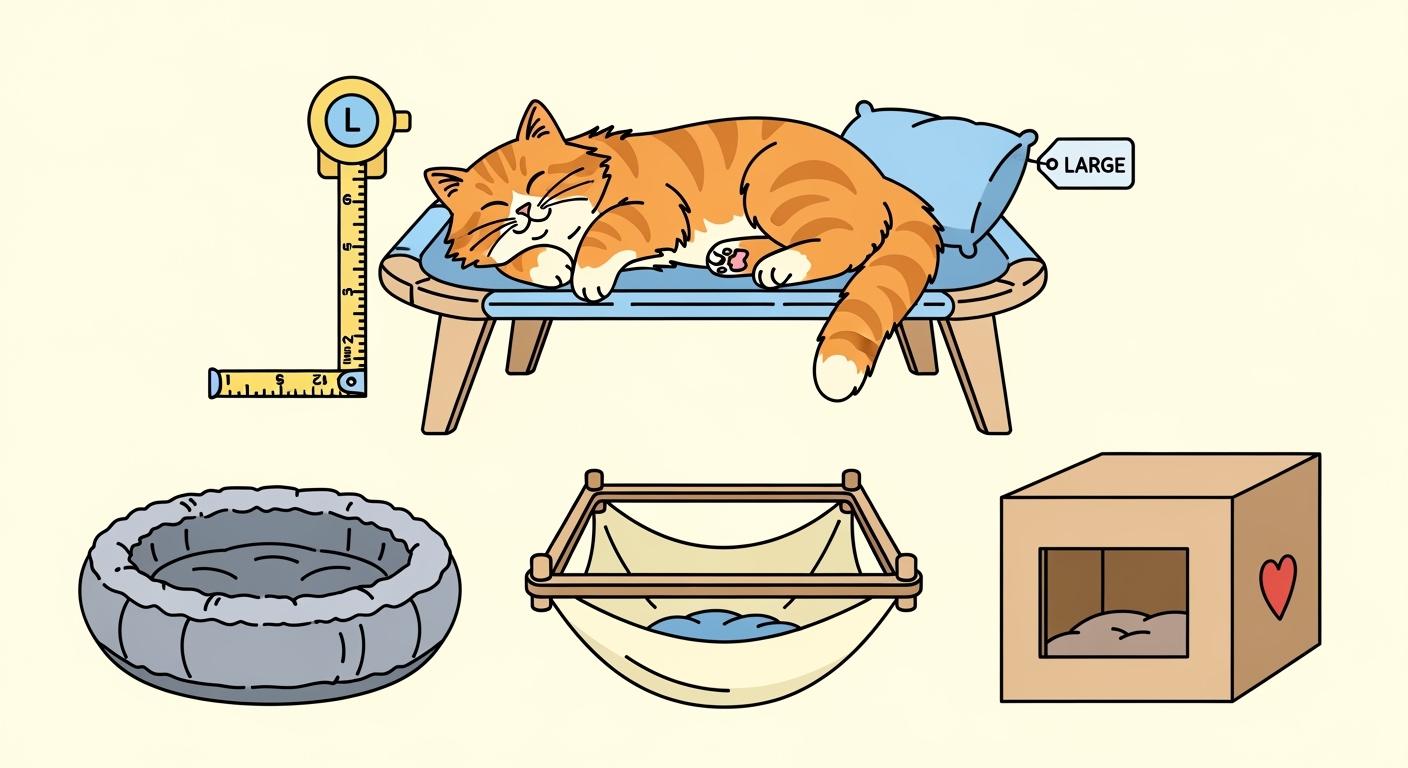
You should look at different bed types before buying. Elevated beds have steel frames and are hard to chew. Floor beds are soft and fit in most rooms. Crate pads are good for crate training and small spaces. The table below helps you pick the right bed.
Bed System | Best Customers | Setup Difficulty | Return-Risk Notes | Merchandising Tips |
|---|---|---|---|---|
Elevated Frame | Chewers, hot sleepers | Moderate | Needs fit check, supervise early use | Highlight chew resistance |
Floor Mattress | Diggers, anxious dogs | Easy | Match cover to behavior | Show washable covers |
Crate Pad | Crate users, puppies | Easy | Fit pad to crate size | Offer sizing guidance |
Buyer takeaway: You can return fewer beds if you match the bed to your dog’s habits and use fit tips.
Shopper takeaway: Choose the bed that fits your dog’s behavior and your home.
Spec sheet template and supplier questions
Ask important questions when you look at spec sheets. This helps you avoid mistakes and find the best bed.
What are the outside and inside sizes of the dog bed?
What materials are used to make the bed?
Does the bed have covers you can remove and wash?
What safety features are built into the bed?
How does the bed fit your dog’s size, weight, and sleep style?
Can you get a quote or sample to check the bed?
Tip: Use the numbers in the Quick Reference Card to check the specs.
Packaging and claim-language checklist
Check the packaging for clear fit tips and safe claims. Look for instructions that match the bed to your dog’s behavior. Stay away from packaging that says every bed is chew-proof or indestructible.
Packaging Feature | What to Verify |
|---|---|
Fit Guidance | Clear sizing and behavior match tips |
Claim Language | Warranty-backed, chew-resistant wording |
Care Instructions | Easy-to-follow cleaning steps |
Safety Labels | Trusted certifications |
QC checklist and failure modes
Quality control helps you find weak spots before you buy. The table below shows what to check and what can go wrong if something is missing.
Safety Feature | What to Verify | Risk If Missing |
|---|---|---|
Joint Construction | Reinforced joints in specs | Wobbling or collapse |
Weight Rating | Minimum capacity in Quick Reference Card | Frame flexing or joint failure |
Edge Finish | Smooth, sealed edges | Paw irritation or splinters |
Floor Contact | Non-slip feet or stable base | Sliding or floor scratches |
Buyer takeaway: You can stop problems by checking QC items and using the Quick Reference Card.
Shopper takeaway: Pick beds with strong joints, smooth edges, and stable bases.
Internal links and FAQ block
You can find more answers in the FAQ and other guides:
Can any dog bed really be ‘chew-proof’? No bed is 100% indestructible, but some are close.
Are elevated dog beds good for chewers? Yes, if they use strong materials.
How do you clean a chew-resistant dog bed? Most have covers you can take off and wash in a machine.
Step-by-step: Pick the right bed system
Figure out how your dog will use the bed.
Pick a bed type based on your dog’s habits and your home.
Use the Quick Reference Card to check the specs.
Make sure the bed fits and is the right size.
Look for warranty-backed words to set your expectations.
Tip: Always use the Quick Reference Card for checks and sizing.
You need strong features to match your dog’s habits. Beds with high-strength fabrics, reinforced seams, and easy cleaning help you avoid fast failures. Use the Quick Reference Card to check specs and fit. Warranty-backed, chew-resistant beds give you the best realistic option for indoor use.
Strategy | Description |
|---|---|
Relevant Internal Links | Guide you to answers and help you find the right bed. |
Content Mapping | Connects your needs to helpful resources and FAQs. |
Explore more guides and FAQs for tips on picking the best bed for your dog.
FAQ
Can you find a truly indestructible dog bed?
No bed is truly indestructible. You can find beds with tough materials and warranty-backed claims. Always match the bed to your dog’s behavior and supervise early use.
What fabrics work best for chewers and diggers?
Ballistic, ripstop, and vinyl fabrics resist chewing and digging. You should check the Quick Reference Card for unified values when comparing fabric strength.
How do you clean a chew-resistant dog bed?
Most chew-resistant beds have removable covers. You can wash these covers in a machine or wipe them clean. Always follow care instructions for best results.
What should you check before buying a dog bed?
You should check fabric type, seam strength, edge protection, and warranty details. Use the Quick Reference Card for unified values and fit guidance.
Why do beds fail for chewers and diggers?
Beds fail when seams, zippers, or corners are easy to reach. Dogs chew or dig these weak spots. You can reduce failures by choosing beds with hidden zippers and reinforced edges.