You need an elevated cat bed that matches your cat’s size. Think about how your cat likes to sleep and what makes them comfortable. Some cats like to be up high. Other cats like to stay close to the ground. Tree dwellers want beds in high places. Bush dwellers like beds on the floor. Make sure the bed fits your cat well. The bed should be stable and easy to clean. Watch out for these common mistakes:
Mistake | Explanation |
|---|---|
Choosing memory foam cushions | These hold too much heat, which can hurt cats. |
Installing near HVAC vents or radiators | This makes the temperature change a lot and can stress cats. |
Ignoring scent compatibility | Some smells can keep cats away and make them uncomfortable. |
Skipping the ‘jump test’ | If your cat hesitates, the bed may feel unsafe and they might not use it. |
Use simple checklists and helpful tips when you pick a bed.
Key Takeaways
Choose an elevated cat bed that matches your cat’s sleeping habits. Observe if your cat prefers high perches or cozy, low spots.
Ensure the bed is stable and easy to clean. A wide base and non-slip features help keep your cat safe and comfortable.
Use checklists to avoid common mistakes. Pay attention to fit, material, and placement to create a stress-free resting area for your cat.
How to choose the right elevated cat bed
What is an elevated cat bed and why cats like them
An elevated cat bed lifts your cat above the floor. Many cats enjoy resting in high places. They feel safer and can watch their surroundings. Elevated beds give cats a sense of security and help them avoid cold floors. Some cats prefer to curl up in a cozy spot with a view. Others like to stretch out and observe the room. You should watch your cat’s habits before choosing this type of bed. Not every cat wants to sleep up high. Some cats feel more comfortable in low or hidden spots.
When to pick an elevated cat bed over other types
You should pick an elevated cat bed if your cat likes to climb or perch. Cats that spend time on shelves or window sills often enjoy raised beds. If your cat avoids the floor or seeks out high places, an elevated bed may be the right bed for a cat like yours. For cats that hide or burrow, a nest or cave bed may work better. Always match the bed to your cat’s real resting pattern, not just what is popular.
Here is a comparison table to help you decide:
Bed Type | Best Use | Pros | Cons | Key Checks |
|---|---|---|---|---|
Elevated | Cats who like height, view | Airflow, safety, observation | Needs stable setup | Check stability, access |
Nest | Curlers, warmth-seekers | Cozy, secure, retains heat | May trap fur, less airflow | Washability, fit |
Cave | Shy or anxious cats | Privacy, darkness, security | Harder to clean, less view | Entry size, cleaning |
Lounger/Mat | Stretchers, edge-lovers | Open, easy access, versatile | Less warmth, less privacy | Size, edge support |
Tip: Observe your cat’s favorite resting spots before making a choice. This helps you learn how to choose the right cat bed for your cat.
Key factors for choosing the right cat bed
You need to consider several factors when selecting an elevated cat bed. Focus on fit, stability, material, and access. Each factor plays a role in your cat’s comfort and safety.
Decision Steps for Choosing an Elevated Cat Bed:
Identify your cat’s resting habits. Does your cat curl up, stretch out, hide, or like heights?
Select the bed type. Choose from elevated, nest, cave, or other styles based on your cat’s habits.
Compare materials and comfort. Look at surface feel, breathability, ease of cleaning, edge support, and frame stability.
Test size and fit before purchase. Make sure your cat can settle in easily and the bed feels stable.
Confirm placement and daily usability. Place the bed in a quiet, safe area where your cat feels relaxed.
Here is a table to help you compare materials and their best uses:
Material | Pros | Cons | Best For |
|---|---|---|---|
Woven Polyester Mesh | Breathable, lightweight | Lacks plushness | Young, active cats |
Textured Cotton Canvas | Soft, natural fiber | Can retain moisture | Sensitive-skinned cats |
Memory Foam-Top Fabric | Pressure relief | Traps heat | Senior cats, recovery care |
You also need to check the stability and safety of the elevated cat bed. Beds should not tip or wobble. Look for a wide base and non-slip features. Reinforced entrances and strong joints help prevent accidents. Avoid beds that can collapse or feel unstable. Sensitive cats may avoid beds that move too much.
Here is a quick checklist for stability and safety:
Make sure the bed supports more than your cat’s weight.
The base should be wide compared to the height.
Look for anti-slip feet or anchoring.
Check for strong leg joints and no wobble.
Note: Stable beds help cats feel secure and encourage regular use.
When you know how to choose the right cat bed for your cat, you can make a better decision. The right elevated cat bed should match your cat’s sleep style, body size, and comfort needs. Always test the fit and stability before final placement. This approach helps you select the best cat bed for your cat’s daily routine.
Elevated cat bed types and features
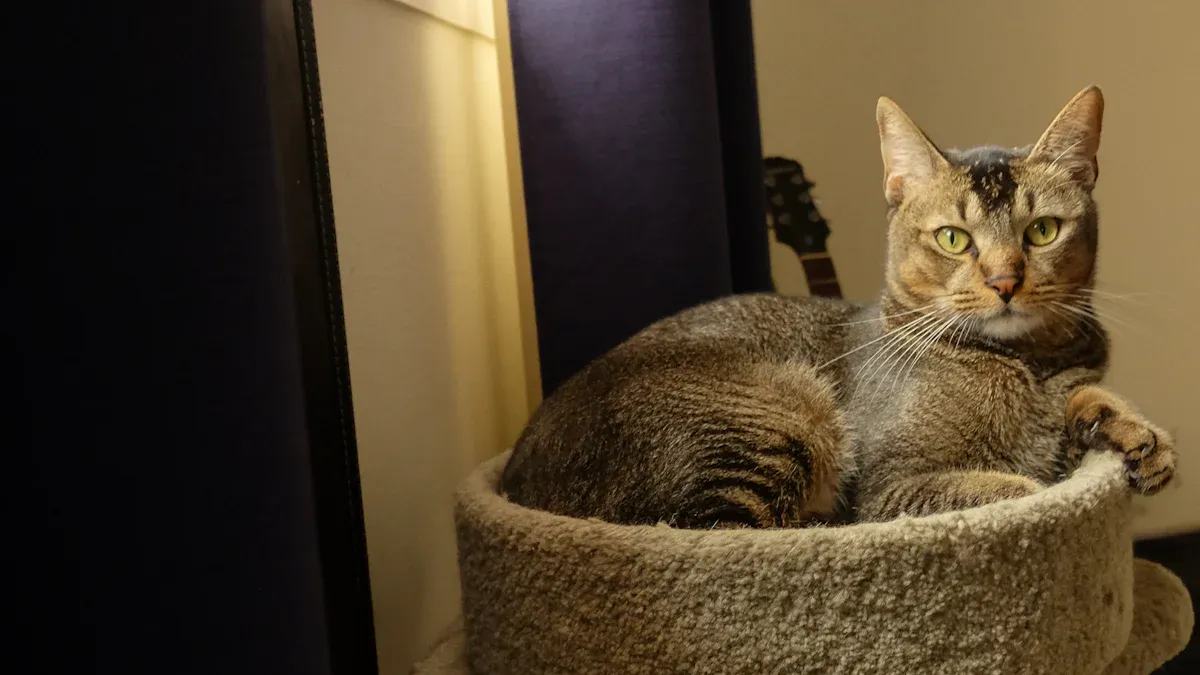
Hammock, lounger, nest, and cave styles
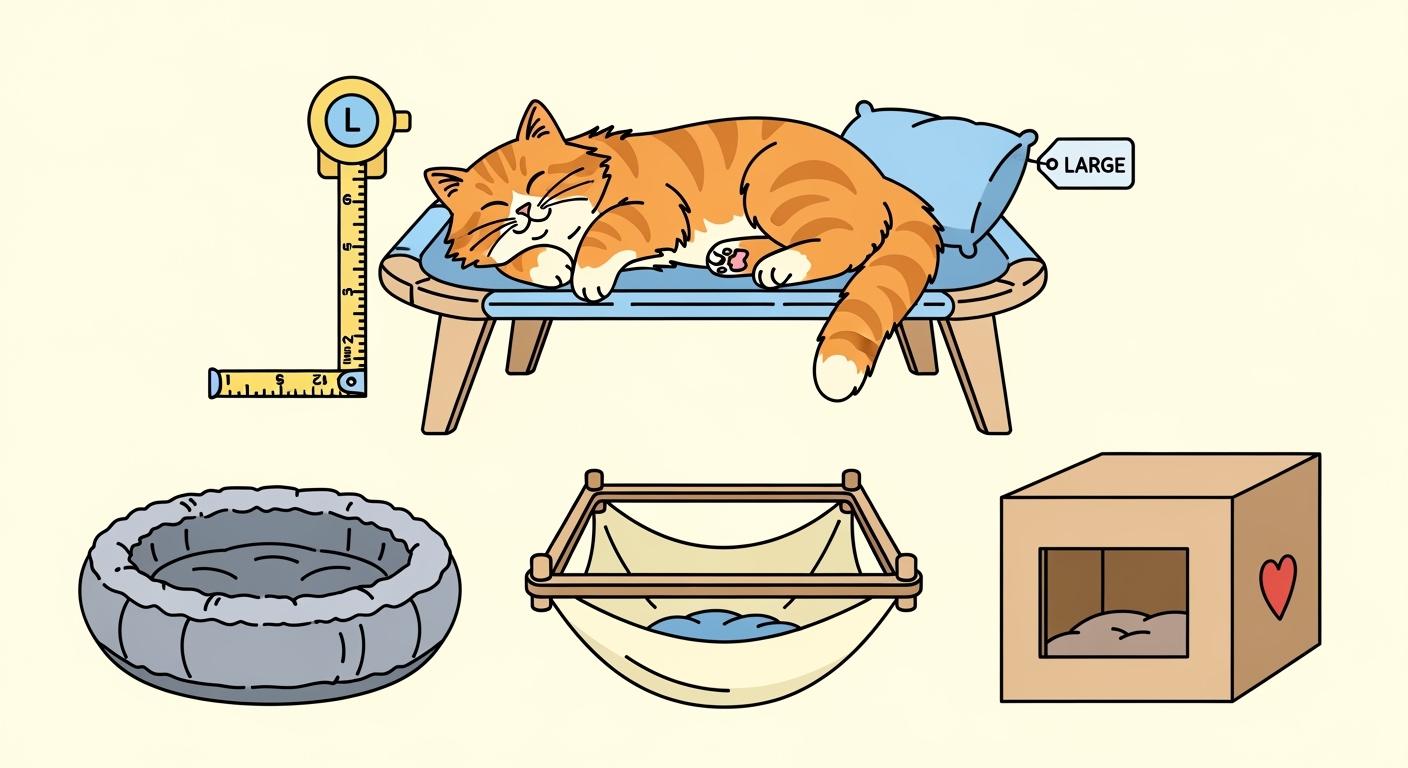
There are many kinds of cat beds you can buy. Hammock beds let cats rest above the ground. Lounger beds are flat and open for cats to stretch out. Nest beds have high sides for cats that like to curl up. Cave beds are covered and give cats privacy. Each type is good for different ways cats like to sleep.
Bed Style | Best For | Pros | Cons |
|---|---|---|---|
Hammock | Cats who like to perch | Airflow, unique design | Needs strong support |
Lounger | Stretchers, edge-lovers | Easy access, open space | Less warmth, less privacy |
Nest | Curlers, warmth-seekers | Cozy, secure, retains heat | May trap fur |
Cave | Shy or anxious cats | Privacy, darkness, security | Harder to clean |
Tip: Pick a bed style that matches how your cat likes to sleep.
Materials: mesh, plush, padding, and washable covers
Think about the material when you pick a cat bed. Mesh lets air move through and dries fast. Plush and padded beds are soft but can hold fur and water. Washable covers make cleaning simple. Strong fabrics last longer if you have many cats.
Stability, edge support, and access
A stable bed keeps your cat safe from falling. Wide bases and feet that do not slip help the bed stay put. Edge support is important for cats that lean on the sides. Low openings make it easy for older cats to get in.
Easy cleaning and maintenance
Cleaning cat beds often keeps them clean and safe. Most soft beds and covers should go in the washer every week. Hard parts need wiping when dirty. Always check the label for cleaning rules.
Item Type | Cleaning Frequency | Cleaning Method |
|---|---|---|
Pet beds, blankets, habitats | Weekly | Machine wash soft items. Air dry or use dryer if allowed. |
Hard frames or surfaces | As needed | Wipe with soapy water or disinfectant wipes. |
Note: Beds with easy-to-clean covers save time and help keep your cat healthy.
Fit and sizing for your cat bed

Sizing for sleep posture and body size
You need to match the cat bed to your cat’s real size and sleep style. Start by watching how your cat sleeps. Some cats curl up tightly, while others stretch out long. Measure your cat in their favorite sleeping position. Add at least 6 inches to each side to find the right bed size. Large breeds, such as Maine Coons, often need a bed size of at least 20 inches wide and 30 inches long. Standard beds, which measure about 15 to 16 inches across, may not fit bigger cats. Always check the size before you buy.
Fit checks for curlers, stretchers, and edge-lovers
Different cats need different shapes. Curlers like snug, round beds. Stretchers need longer, open beds. Edge-lovers prefer beds with strong sides for leaning. Make sure the bed allows your cat to settle naturally. The bed should not force your cat into an awkward position.
Fit & Sizing Checklist | Checkpoint | Pass | Fail | Improvement |
|---|---|---|---|---|
Cat can settle naturally | Try a larger bed | |||
Enough space to curl/stretch | Add 6+ inches to size | |||
Bed remains stable when jumping | Choose wider base | |||
Entry height suits age/mobility | Lower the bed | |||
Bed is in a quiet area | Move to safe spot | |||
Cleaning process fits household | Pick washable cover |
Height, access, and stability for all cats
Choose a cat bed with a height between 2 and 6 inches. This range helps most cats climb in and out safely. Beds lower than 2 inches may collect moisture. Beds higher than 6 inches can feel drafty or unsafe unless secured. For older cats or those with limited mobility, pick a lower height and easy entry.
Placement tips for low-stress use
Place the cat bed in a quiet, low-traffic area. Avoid spots near loud appliances or busy walkways. Cats often rest better when they can see the room or look out a window from a safe distance. Make sure the bed stays stable and does not wobble. Easy access and a peaceful location help your cat use the bed every day.
Mistakes and decision guide for cat beds
Common mistakes with elevated cat beds
Picking the right cat bed means paying close attention. Many people forget important things about safety and how easy the bed is to use. You can stop these mistakes by following some simple advice:
Mistake | How to Avoid |
|---|---|
Bed is too high or hard to access | Pick beds with low sides or a gentle opening. This makes it easy for your cat to get in. |
Unstable or wobbly construction | Choose beds with a wide base and non-slip feet. Test the bed to make sure it does not rock. |
Poor placement in noisy areas | Put the bed in a quiet place with a good view. A spot near a window is great for sunbathing. |
Difficult to clean materials | Get beds with covers you can wash in a machine. Pick surfaces that are easy to wipe clean. |
Ignoring scent and comfort features | Place a blanket or shirt with your scent in the bed. This helps your cat feel safe and happy. |
Tip: Put the bed where your cat already likes to sleep. Give treats to help your cat use the new bed.
Matching bed types to cat personalities
You should pick a bed that fits your cat’s habits. Some cats like closed beds for privacy. Other cats want open beds to stretch out. If you are not sure, watch where your cat naps. Many cats like round beds that fit their sleeping shape. If you wonder if your cat likes soft or firm beds, see if they pick soft spots or harder places. Beds with safe materials and good support help your cat stay comfy and healthy.
Decision matrix for choosing a cat bed
Use this chart to help you pick the best bed for your cat’s needs and your home:
Cat Profile | Preferred Bed Type | Comfort Features | Placement Suggestion |
|---|---|---|---|
Shy or anxious | Cave or nest | Soft sides, closed in | Quiet corner, not busy |
Active climber | Elevated hammock | Strong, lets air flow | By a window or perch |
Large breed (e.g., Maine Coon) | Oversized lounger | Firm, supports joints | Big, steady surface |
Senior or limited mobility | Low-entry nest | Soft, easy to enter | On the floor, no steps |
FAQ: sizing, placement, and cleaning
What height is best for older cats? Beds between 6 and 12 inches are good.
Can big cats use regular beds? Most regular beds are too small for large cats.
Do raised beds help with sore joints? Raised beds can help joints and make it easier to rest.
What if my cat will not use the new bed? Be patient and use treats to help your cat try it.
How often do you need a new cat bed? Good beds with safe materials can last for years.
You make the best choice when you match the elevated cat bed to your cat’s habits and needs.
Cats show clear preferences based on sleep style and body mechanics.
Sheltered resting areas help reduce stress.
Bed design shapes how your cat feels safe.
Use checklists and the decision matrix for confident decisions. Observe your cat’s comfort and adjust placement as needed.
FAQ
How do you measure the right size for a cat bed?
Measure your cat while it sleeps. Add at least 6 inches to the length or width. This ensures enough space for natural movement and comfort.
What makes a cat bed easy to clean?
Look for removable, machine-washable covers. Simple fabrics and minimal seams help you clean quickly. Avoid beds that trap fur or moisture.
Should you choose a high or enclosed bed?
Observe your cat’s habits. Choose a high bed for cats that like to perch. Pick an enclosed bed for cats that seek privacy or warmth.