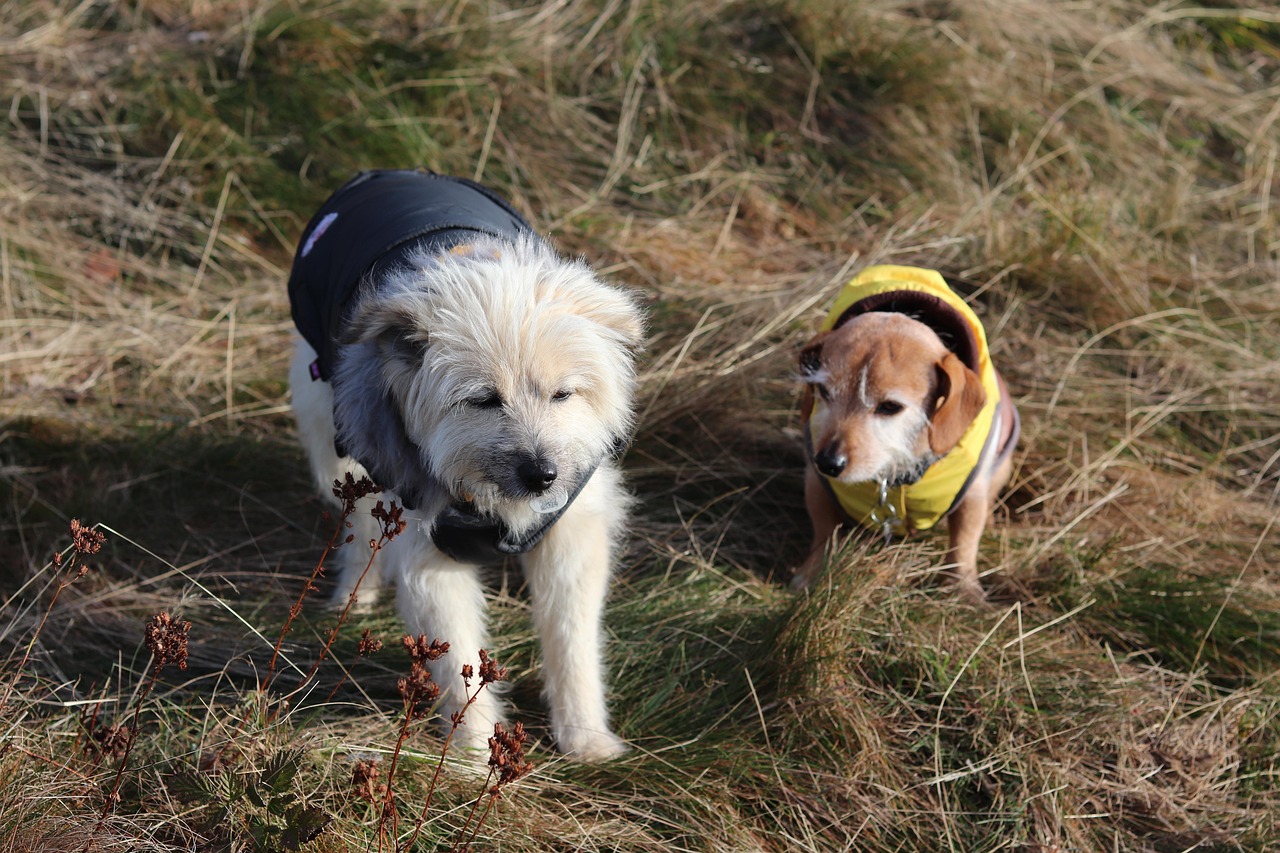
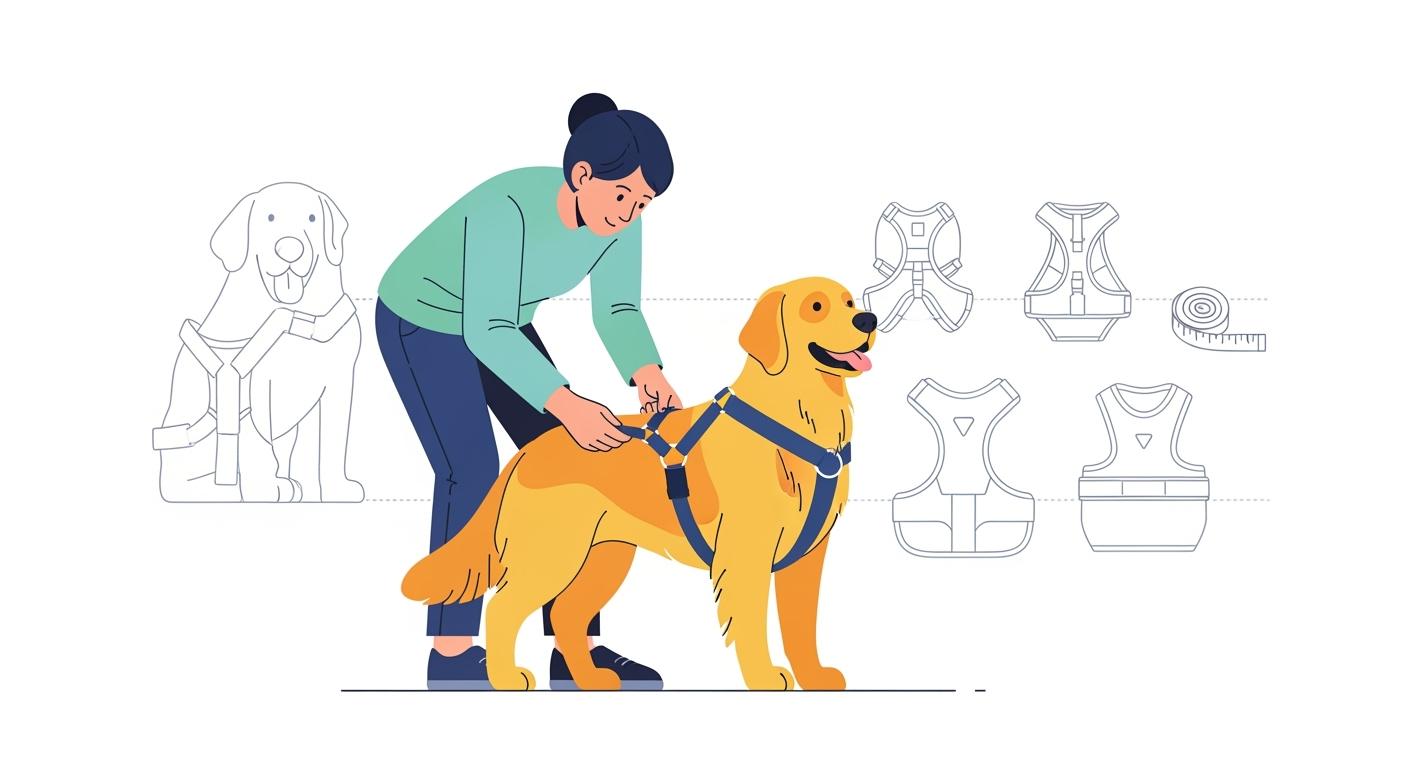
Selecting the right harness for your dog starts with careful measurement and understanding your dog’s needs. You want a dog training harness that fits well and supports comfort and control. The right harness protects your dog’s safety and prevents injury. Always check fit and match the harness to your dog’s walking style.
Key Takeaways
Measure your dog’s chest and neck carefully. This helps the harness fit right. It stops your dog from feeling bad or slipping out on walks.
Pick a harness type that matches your dog’s behavior. Think about how your dog walks. Some harnesses stop pulling. Others are light and easy to wear.
Check the harness fit after each walk. Change the straps if needed. This keeps your dog comfortable. It also stops rubbing or hurting your dog.
How to Choose the Right Dog Training Harness
What Is a Dog Training Harness?
A dog training harness moves leash pressure off your dog’s neck. This helps you guide your dog in a safer way. It also makes it easier to talk to your dog while walking. You use a harness for more control, especially if your dog pulls or needs help. The best harness is not the same for every dog. You must pick one that fits your dog’s size, behavior, and what you do each day.
Why Fit and Sizing Matter for Safety and Comfort
Getting the right fit and size keeps your dog safe and comfy. The right size stops injuries and keeps your dog from feeling sore. The harness should be snug, but you should fit two fingers under it. Padding and a close fit stop rubbing and sore spots. If you use a front-clip or anti-pull harness, you can help stop pulling and lower the chance of strain. Always make sure the harness does not stop your dog from moving or cause red marks.
Tip: Check the fit again after a few walks. Dogs move differently when walking, so you might need to change the straps for better comfort and safety.
Key Buying Factors: Type, Adjustability, Durability
When picking a dog harness, start with these steps:
Think about how you will use the harness. Look at your dog’s walking style, size, and where you walk.
Pick the harness type that fits your needs. Use the table below to help you choose.
Harness Type | Ideal For |
|---|---|
No-Pull Dog Harness | Strong pullers, energetic breeds, urban walkers |
Vest Harness | Small dogs, puppies, sensitive breeds |
Step-In Harness | Nervous dogs or quick fitting routines |
Tactical Dog Harness | Large breeds, working dogs, outdoor adventurers |
Dual-Clip Harness | Versatile for various needs |
Front-Clip Harness | Energetic breeds that pull |
Lightweight Harness | Puppies during growth |
Step-In/Vest Harness | Small dogs, especially in urban settings |
Dual-Clip Systems | Large dogs for control and stability |
Pick strong and comfy materials and features. Use this checklist:
Find harnesses with straps you can adjust.
Pick tough materials like nylon or polyester.
Check for strong buckles and anchor points.
Choose wide, padded chest plates for comfort and air flow.
Make sure it is easy to clean, like machine-washable ones.
A good dog harness should adjust, use strong materials, and have safe hardware. These things help your dog stay comfy, safe, and let the harness last longer. When you know how to pick the best harness, you can avoid mistakes and help your dog stay happy and healthy every day.
Dog Harness Types and Features for Everyday Walks
Front-Clip, Back-Clip, and Dual-Clip Styles
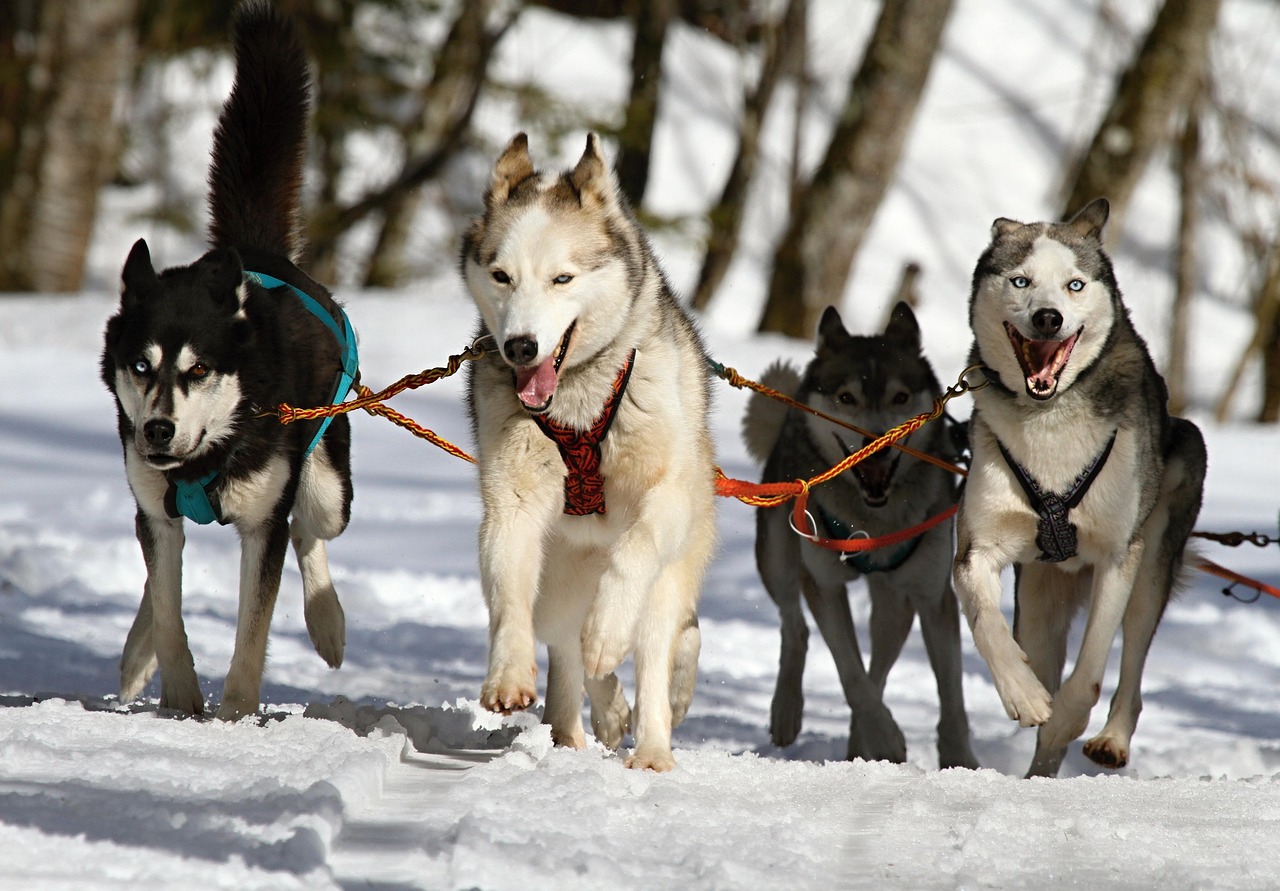
You can choose from several harness styles to match your dog’s needs. Front-clip harnesses help you guide dogs that pull by shifting pressure to the chest. Back-clip harnesses work well for calm dogs or those who do not pull. Dual-clip harnesses give you flexibility for different situations. You can use the front clip for control or the back clip for relaxed walks. This choice helps you adapt to your dog’s behavior and your walking environment.
Step-In vs Over-the-Head Designs
Step-in harnesses suit dogs that dislike gear going over their heads. You lay the harness on the ground, and your dog steps in. Over-the-head harnesses slide on from above and often provide a secure fit. You should pick the design that makes your dog comfortable and keeps the harness stable during walks.
Padding, Strap Width, and Support
Padding and strap width matter for comfort and safety. For dogs with sensitive skin or high activity, look for these features:
Padding that is at least 12 mm thick, made from closed-cell foam.
Straps that adjust to fit your dog’s body shape.
Pressure distributed across the sternum and shoulders to prevent chafing.
These features help prevent rubbing and keep your dog comfortable on long walks.
Hardware, Stitching, and Adjustment Points
Quality hardware and stitching keep dog harnesses safe and long-lasting. Use this table to check what to look for:
Aspect | Description |
|---|---|
Materials | High-tensile nylon or polyester webbing for strength. |
Stitching | Reinforced and bar-tacked at stress points for durability. |
Hardware | Lightweight, corrosion-resistant metals like aluminum or stainless steel. |
Maintenance | Inspect regularly to ensure safety and prevent wear. |
High-quality buckles and D-rings prevent failures. Reinforced stitching at stress points keeps the harness secure, even if your dog pulls hard.
Achieving the Perfect Fit and Correct Harness Size
Measuring Your Dog for the Right Harness
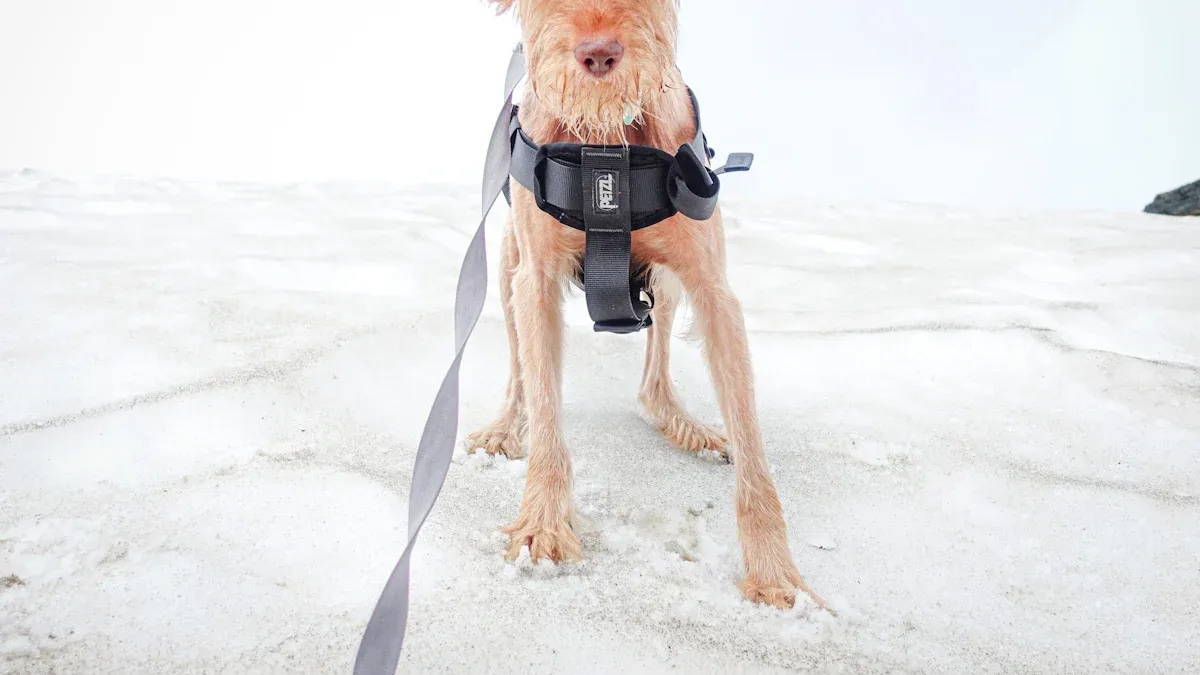
To achieve a perfect fit, you must measure properly before selecting a harness. Accurate measurements help you avoid common sizing mistakes and reduce the chance of returns. Always measure your dog while standing on all fours. Use a soft measuring tape for the best results.
Measure chest girth by wrapping the tape snugly around the chest at the widest part of the rib cage. Keep the tape snug but not tight.
Measure neck circumference at the base of the neck, where a collar would sit. Make sure you can fit two fingers between the tape and your dog’s neck for comfort.
Tip: Never guess your dog’s size. Measuring both the chest and neck ensures you select the correct harness size and prevents escape or discomfort.
Fit Checks: Two-Finger Rule and Movement
Once you have the harness, you need to know how to fit a harness properly. Loosen all straps before placing it on your dog. Position the harness according to the instructions and fasten securely. Adjust each strap until you can fit two fingers between any strap and your dog’s body. This two-finger rule keeps the harness snug enough to prevent slipping but loose enough for comfort.
Criteria | Description |
|---|---|
Snugness | Tight enough to prevent slipping or escape |
Comfort | Loose enough to avoid rubbing or restricting breathing |
After adjusting, check your dog’s movement. Your dog should have a full range of motion in the shoulders and legs. Watch for any signs of restriction or discomfort. A properly fitted harness will not limit natural movement.
Preventing Rubbing, Twisting, and Escape
Knowing how to fit a harness also means preventing common issues. Harnesses that rub, twist, or allow escape often result from poor fit or incorrect sizing. Review this table to understand the most frequent causes:
Common Fit Issues | Description |
|---|---|
Straps too close to armpits | Can cause rubbing and discomfort. |
Harness too far forward | May lead to twisting and improper fit. |
Guessing chest size instead of measuring | Increases risk of escape due to poor fit. |
A loose harness can allow dogs to escape.
It can cause discomfort during walks.
Regular checks on harness fit are essential.
Dogs sometimes try to slip out of their harness. This happens a lot if the harness is too loose. Small dogs with different body shapes need extra care for fit.
First Walks: Rechecking Fit and Comfort
After you fit a harness properly and take your dog for the first walk, observe closely. Look for signs of discomfort such as lip licking, yawning when not tired, avoiding eye contact, or sudden sniffing of the ground. Watch your dog’s posture for stiffness or softening. These signs may indicate the harness does not fit well.
Check the following after your first few walks:
Shoulder straps should not be too loose.
Belly strap should not be too tight.
Chest strap should not be too loose.
The harness should sit snugly around the chest without restricting movement.
The overall harness should not be too large.
If you notice any issues, adjust the straps or try a different size. Rechecking fit after the first walks helps you catch problems early and ensures your dog stays comfortable and safe.
Fit and Sizing Checklist
Use this checklist to guide your decision process for checking fit and sizing:
Measure chest girth and neck circumference as described above.
Select the correct harness size based on the manufacturer’s chart.
Loosen all straps before fitting the harness on your dog.
Adjust straps so you can fit two fingers between the harness and your dog’s body.
Conduct a movement test—ensure your dog can walk, sit, and turn freely.
Check for rubbing, twisting, or signs of discomfort after the first walk.
Make adjustments or try a different size if needed.
Note: In the fashion retail industry, 67% of returns happen because of size and fit issues. Measuring and checking fit carefully helps you avoid these problems and ensures a properly fitted harness for your dog.
By following these steps, you will know how to fit a harness and select the correct harness size for your dog. This process supports safety, comfort, and a positive walking experience for both you and your dog.
Common Mistakes and Choosing the Right Harness for Your Dog
Mistakes That Affect Fit and Comfort
Many people make easy mistakes when picking a harness. Some buy harnesses that are too big for puppies. This can be unsafe and let dogs get out. Always measure your dog before you buy a harness. Pick harnesses that you can adjust as your dog grows. Straps that block the shoulders or rub the armpits can hurt your dog. These straps can change how your dog walks and make them sore. Some old harnesses squeeze under the armpits. This can pinch and cause pain.
Mistake | How to Avoid |
|---|---|
Choosing oversized harnesses | Measure your dog and select adjustable styles |
Restrictive shoulder straps | Ensure straps do not block shoulder movement |
Chafing and rubbing | Adjust chest straps and check for redness |
Using “no-pull” squeeze types | Avoid designs that pinch under the armpits |
Matching Harness to Dog Profile and Walks
You should pick a harness that fits your dog’s breed, age, and how they act. Small breeds need soft and light harnesses. Big breeds need strong and tough harnesses. Puppies need harnesses that can change size as they grow. Dogs with lots of energy may do well with front-clip harnesses. Calm dogs can use back-clip harnesses. Always choose a harness that fits well and lets air in.
Decision Matrix for the Perfect Fit
Use this chart to help you pick the best harness for your dog:
Dog Profile | Walking Style | Recommended Harness Type |
|---|---|---|
Small, sensitive | Urban, short | Lightweight, padded vest |
Large, strong | Active, pulling | Heavy-duty, front-clip |
Puppy | Growing, playful | Adjustable, soft harness |
Senior | Gentle, slow | Comfort-focused, easy-fit |
Energetic, excitable | Training walks | Front-clip, dual-clip |
FAQ: Sizing, Cleaning, and Acclimation
How often should I check the fit?
Check the harness before every walk. Check again after the first few uses.How do I clean the harness?
Wash it with warm water and gentle soap. Let it dry in the shade.How can I help my dog get used to a new harness?
Let your dog wear the harness inside for short times. Give treats when your dog is calm.
Picking the right harness helps your dog stay safe and comfy. Always measure your dog with care and check the fit often. Use the checklists and chart to make good choices. When a harness fits well, your dog gets these benefits:
Fabrics that let air through keep your dog cool.
Padding keeps sensitive spots from getting hurt.
A snug fit can help nervous dogs feel safe and sure.
FAQ
How do you check if a harness fits correctly?
You should fit two fingers under each strap. Watch your dog walk and move. The harness should not rub or restrict movement.
What should you do if the harness causes rubbing or redness?
Stop using the harness right away. Adjust the straps or try a different size or style. Always check for signs of discomfort after each walk.
How often should you clean a dog harness?
Clean the harness once a week or after muddy walks. Use mild soap and water. Let it air dry before the next use.