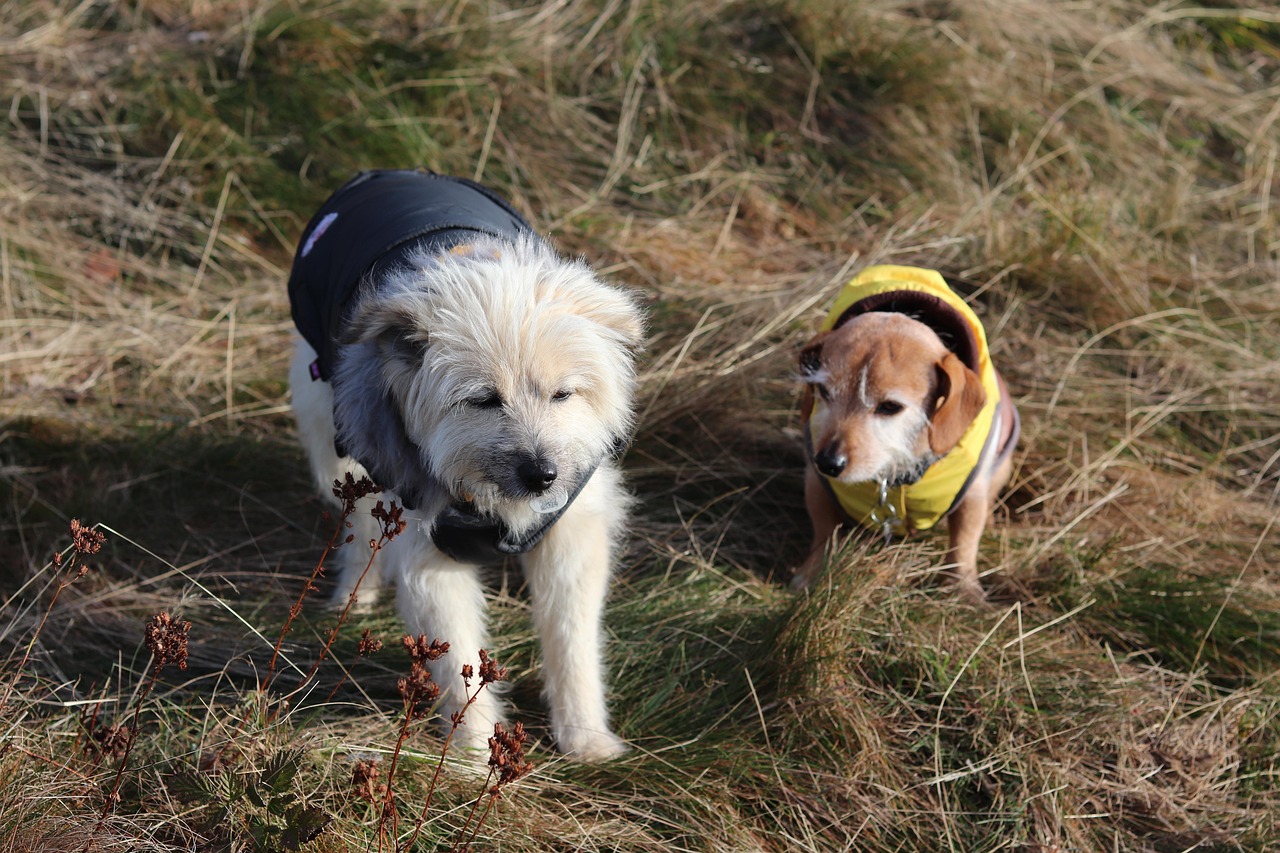
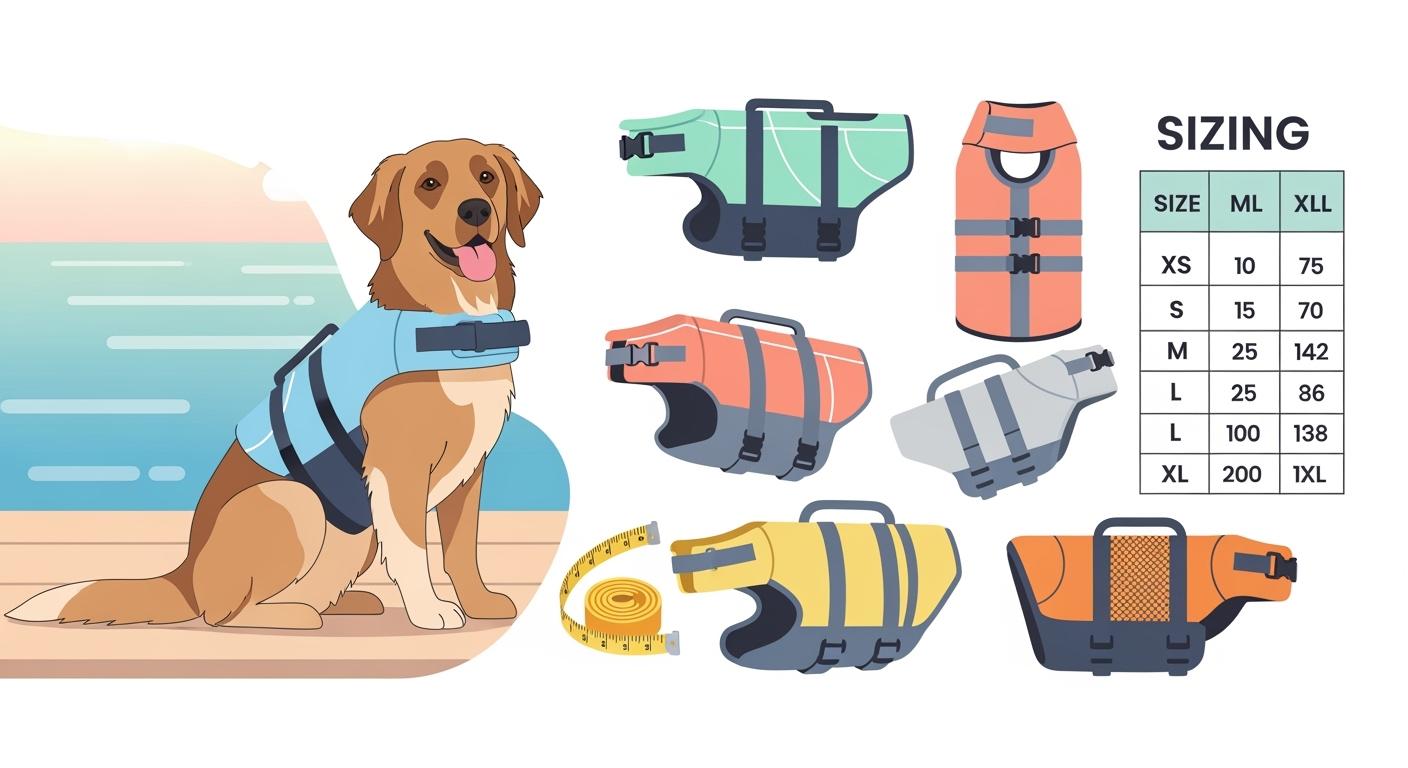
Many people look for a dog life jacket but have trouble picking the right one for their pets. You must stop your dog from drowning and help control them when swimming, boating, or near the shore. Think about safety tips with care. Pay attention to fit, material, and visibility so it suits your dog’s needs.
Key Takeaways
Choose a dog life jacket based on your pet’s swimming ability. Use swim vests for confident swimmers and full life jackets for beginners or nervous dogs.
Always measure your dog’s chest girth, neck, and back length for the best fit. A snug fit prevents slipping and ensures safety.
Look for high-visibility colors and strong handles. Bright colors help you spot your dog easily, while sturdy handles allow for safe lifting.
Choosing the Right Dog Life Jacket
What Is a Dog Life Jacket for Pets
A dog life jacket is a personal flotation device designed for pets. You use it to help your dog stay afloat in water. This gear adds buoyancy, which means your dog can swim with less effort. You also get better control of your pet with a sturdy handle on top. Bright colors and reflective strips make your dog easy to spot, even in busy or low-light areas. You need a life jacket for pets when you want to reduce risk during swimming, boating, or shoreline activities. It does not replace your supervision, but it gives you more time to react if your dog gets tired or drifts away.
When to Use Swim Vests vs Life Jackets
You must decide between a swim vest and a full life jacket based on your dog’s needs. Swim vests work well for confident swimmers who only need a little extra support. These vests are lighter and allow more freedom of movement. You can use them for short swim sessions or play near calm water. Life jackets give more buoyancy and often include neck support. Choose a life jacket for dogs who are new to water, have low confidence, or swim in deeper or moving water. If you plan boating or kayaking, a life jacket is the best choice because it offers more visibility and a stronger handle for lifting your pet. Always match the type of gear to your dog’s swimming ability and the activity.
Key Buying Factors for Life Jackets
Choosing the right life jacket means looking at several important features. You want a secure fit, adjustable straps, and high-visibility colors. Handles should feel sturdy and easy to grip. Material quality matters for comfort and durability. Before you buy, measure your dog’s chest, neck, and length. Chest girth is the most important measurement for a safe fit. Adjustable straps help you fine-tune the jacket as your dog’s body changes with seasons or age.
Tip: Always check the fit with the two-finger strap test. You should fit two fingers under the straps, but the jacket should not slip or twist.
Poorly fitted gear can lead to chafing, restrict movement, and trigger stress behaviors.
Accurate measurements are essential for fit, with chest girth being the most predictive metric.
Adjustable features are necessary to accommodate changes in a dog’s body, such as seasonal coat variations or muscle development.
You should also look for quick-drying materials and secure closures. These features make repeat use easier and safer. High-visibility colors or reflective details help you spot your dog quickly. A strong handle lets you lift or guide your pet when needed. Matching the jacket to your dog’s size, shape, and activity ensures you get the best life jacket for your needs. This approach helps you protect your pet and makes water activities safer and more enjoyable.
Types of Life Jackets and Key Features
Types of Life Jackets for Pets
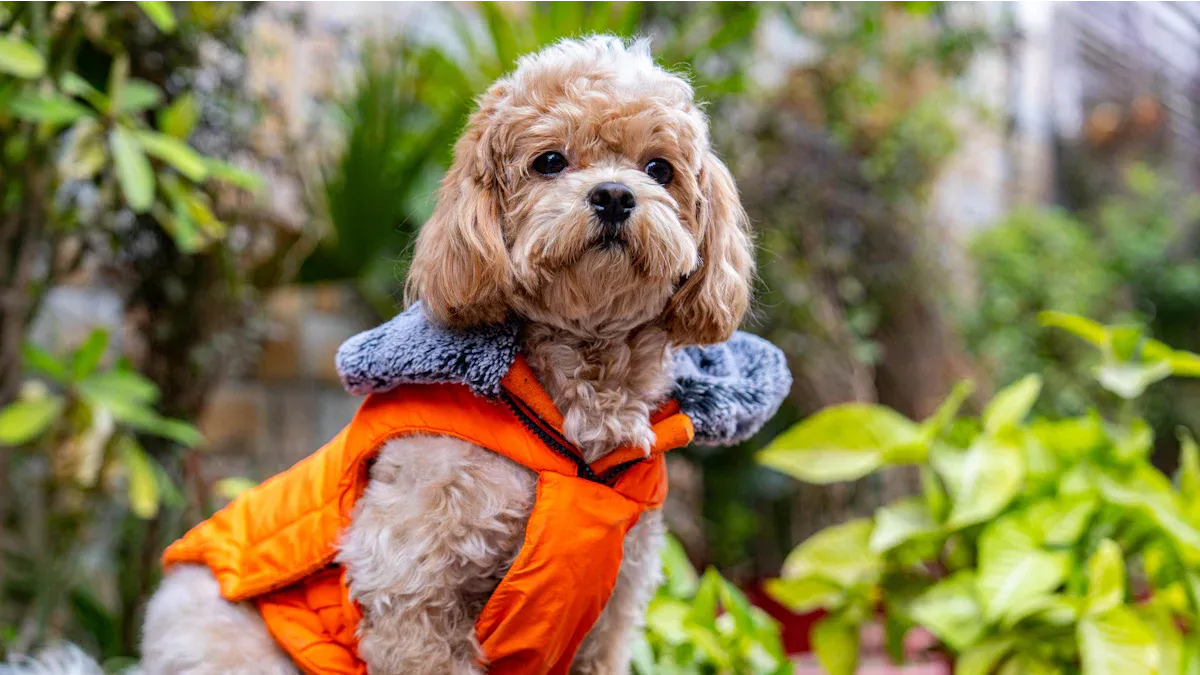
There are many types of life jackets for pets. Each one is made for a special use or activity. Knowing the types helps you pick the right one for your dog or your customers.
Classic dog life vests help most dogs float and are good for fun water play.
High visibility vests use bright colors and shiny trim so you can see your dog in busy or dark places.
Buoyant vests give extra float help for dogs who are not strong swimmers or feel nervous.
Inflatable vests stay small until you need them and are best for people who know how to use them.
Neoprene vests keep dogs warm and comfy, so they are great for cold water or long swims.
You can use this table to see the main types, when to use them, their good and bad points, and what to check:
Type | Best Use Case | Pros | Cons | Key Checkpoints |
|---|---|---|---|---|
Classic Life Vest | General swimming, boating | Balanced support, easy fit | May lack advanced features | Check fit, handle strength |
High Visibility Vest | Low-light, busy areas | Easy to spot, safety focus | May be less stylish | Look for reflective trim, color |
Buoyant Vest | Weak swimmers, training | Maximum flotation, neck support | Can restrict movement if oversized | Test for natural movement |
Inflatable Vest | Emergency, space-saving | Lightweight, compact | Requires activation, less common | Ensure proper inflation mechanism |
Neoprene Vest | Cold water, long sessions | Warmth, comfort, snug fit | Heavier when wet | Assess drying time, fit when wet |
Buoyancy, Neck Support, and Handle Design
Think about how much float help your dog needs. More buoyancy helps dogs who get tired or are not sure in water. Less buoyancy is fine for strong swimmers who just need a little help. Some jackets have extra float under the neck. This keeps your dog’s head above water. It is good for dogs with short noses or who get tired fast.
A strong handle on top lets you grab your dog in or out of water. Make sure the handle feels strong and is easy to hold. Big dogs may need more than one handle. Always check that the handle is sewn on well and will not break.
Tip: Pick a jacket with a handle that lets you lift your dog all the way out of the water without it ripping or slipping.
Materials and Visibility Features
The material of a dog life jacket changes how comfy and tough it is. Cotton and polyester are used a lot. Cotton is soft and good for dogs with sensitive skin or hot weather. Polyester is tough, dries fast, and is good for outside and lots of use.
Here is a table to compare the materials:
Feature | Cotton | Polyester |
|---|---|---|
Breathability | High-excellent air circulation | Moderate to low-traps heat |
Moisture Absorption | High-absorbs sweat and rain | Low-wicks moisture, doesn’t absorb |
Durability | Moderate-prone to wear and tear | High-resists abrasion and fading |
Wash Resistance | Low to moderate-may shrink or weaken | High-retains shape and color |
Skin Sensitivity | Excellent-hypoallergenic and soft | Fair-may irritate some dogs |
Weight | Light to medium | Lightweight and compact |
Best Use Case | Daily wear, sensitive dogs, warm climates | Outdoor activities, rainy conditions, working dogs |
Bright colors and shiny parts make your dog easier to see. Look for jackets with shiny trim all around, bright yellow or orange panels, and spots for LED lights. These things help you find your dog in fog, rain, or at night.
Visibility Feature | Description |
|---|---|
360° reflective trim | Makes your dog easy to see for drivers and bikers. |
Fluorescent yellow or orange panels | Helps you see your dog in fog or rain during the day. |
LED light attachment points | Keeps your dog safe at night with extra light. |
Closures and Construction Details
Good closures keep the jacket on your dog when they move or get wet. Look for strong buckles, wide Velcro straps, and extra stitching. These things stop the jacket from slipping or coming off. Straps you can adjust help you get the right fit for your dog’s body.
A leash ring is handy for walking your dog near water or helping them in and out. Do not use a leash in deep water, but a strong D-ring is good for land.
Note: Always look at the buckles and seams before you use the jacket. Get a new one if you see rips, loose threads, or weak spots.
When you look at life jackets, think about float help, neck support, handle design, material, and how safe the closures are. This helps you pick the best pfd for your dog or your store.
Sizing and Fit for Life Jackets for Pets
Measuring Your Pet for a Life Jacket
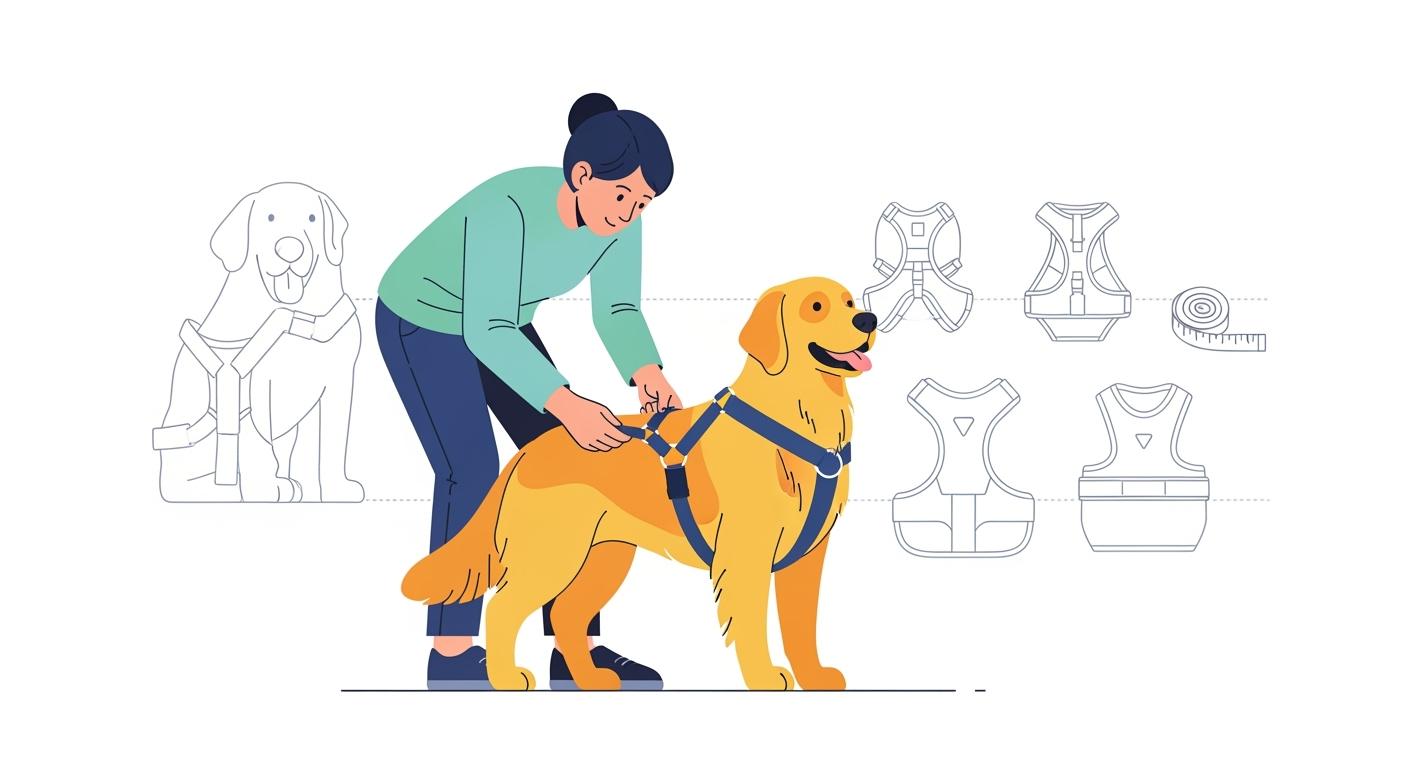
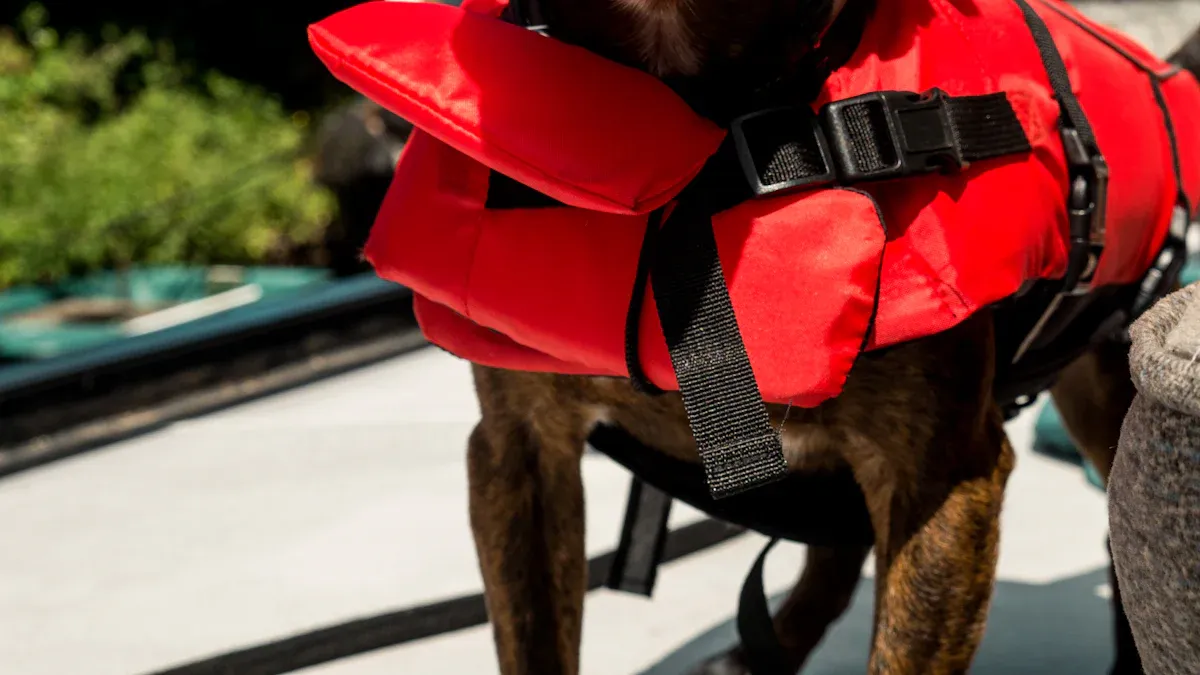
Accurate measurements help you select the right dog life jacket for your needs. Follow these steps to measure your pet:
Calm your dog before measuring.
Use a soft tape measure for accuracy.
Measure the neck at the base.
Measure the widest part of the chest (girth).
Measure the back length from the base of the neck to the base of the tail.
Weigh your dog to confirm the correct size range.
Compare your numbers to the size chart for the jacket.
Choose the size that matches chest girth and weight.
Put the jacket on and adjust straps for a snug fit.
Make sure the jacket covers the chest and belly without blocking comfort and movement.
Chest girth is the most important measurement. Always use inches for best results.
Fit Checks on Land and in Water
After you put the jacket on your dog, check the fit both on land and in shallow water. Use the two-finger rule: you should fit two fingers between the strap and your dog’s body. The jacket should feel snug but not tight. Watch your dog walk and swim to ensure natural movement.
Fit Criteria | Description |
|---|---|
Snug Fit | Jacket fits close but does not restrict movement. |
Finger Test | Two fingers fit between strap and body. |
Sizing Checklist for Pets
Use this checklist to confirm a proper fit:
Checkpoint | What to Look For |
|---|---|
Jacket Position | Sits evenly along back and chest |
Strap Comfort | No pinching or rubbing |
Natural Movement | Dog walks and swims without restriction |
Absence of Chafing | No red spots or fur loss after use |
Handle Effectiveness | Handle lifts dog securely without slipping |
Fit After Wet Testing | Jacket stays snug after shallow water test |
Tip: Always recheck the fit after your dog gets wet. Adjust straps if needed to maintain comfort and safety.
Mistakes and Decision Guide for Pets’ Life Jackets
Common Mistakes in Choosing Life Jackets
You can stop problems if you know common mistakes. Many people pick the wrong size for their dog. Some choose colors that are hard to see in water. Weak handles can break when you lift your dog. Using a leash in water is dangerous and can hurt your pet. Some forget to check the fit after the jacket gets wet.
Mistake | Cause | Reason for Concern | Better Choice |
|---|---|---|---|
Wrong size | Skipping measurements | Poor fit, risk of drowning | Measure chest, neck, and length |
Low visibility | Dark or dull colors | Hard to spot in water | Pick bright or reflective colors |
Weak handle | Thin or loose attachment | Handle may break | Test handle strength before use |
Using leash in water | Attaching leash to D-ring | Can trap or injure dog | Guide by hand, not leash, in water |
No wet fit check | Only testing on land | Jacket may slip when wet | Recheck fit after shallow water test |
Tip: Always check the fit and handle strength before you use the jacket.
Matching Life Jackets to Activities
Pick the right life jacket for your dog’s activity. For water sports, look for strong flotation and bright colors. Medium dogs need at least 10 pounds of flotation. Orange or yellow colors help you see your dog. Grab handles should be tough and easy to hold. Neoprene keeps your dog warm in cold water. Reflective strips help in low light. Adjustable straps let you fit the jacket over coats.
For playing near the shore, choose jackets that are easy to put on and take off. Quick fit checks are important. For boating, pick jackets with bright colors and strong handles.
Decision Matrix for Pets and Water Scenarios
Use this chart to help you pick the best vest:
Dog/Scenario | Priority Features | Best Vest Direction | Decision Rationale |
|---|---|---|---|
Small, nervous dog | Extra neck support, snug fit | Buoyant vest | Keeps head up, prevents slipping |
Large, active dog | Heavy-duty handle, high buoyancy | High-activity life jacket | Lifts weight, supports movement |
Cold water | Insulated, quick-dry material | Neoprene vest | Maintains warmth, dries fast |
Boating/kayaking | Bright color, strong handle | High-visibility vest | Easy to spot, quick rescue |
Shoreline play | Easy on/off, comfort | Classic life vest | Simple use, natural movement |
Picking the best dog life jacket means you must check fit and safety. Make sure the jacket matches your dog’s needs. Always look at the size, how easy it is to see, and if the handle is strong. Try not to make common mistakes so your dog stays safe and comfy. Check the fit often and take care of the jacket.
Aspect | Importance |
|---|---|
Regular Inspection | Make sure the jacket is not damaged or soaked with water. |
Proper Fit | Stops the jacket from moving up and helps it work well. |
For better safety, add shiny trim or a small LED light.
Make sure your dog is easy to see before sunrise or after sunset.
Feature | Importance |
|---|---|
Minimum 10 pounds of flotation | Gives enough float for medium dogs and keeps them safe. |
Bright color | Makes your dog stand out on white ice and helps in fog or snow. |
Heavy-duty grab handle | Lets you lift your dog from water safely and easily. |
Insulated neoprene construction | Keeps your dog warm and safe in cold water. |
Reflective strips | Helps you see your dog when it is dark or cloudy. |
Adjustable straps | Lets you fit the jacket over thick coats and stops pinching. |
FAQ
How often should you check the fit of a dog life jacket?
You should check the fit before every use and after your dog gets wet. Adjust straps if you notice slipping or discomfort.
What features help you spot your dog in water?
Bright colors and reflective trim make your dog easy to see. Some jackets offer LED light attachment points for extra visibility.
Can you use a dog life jacket for different water activities?
Yes. You can use most jackets for swimming, boating, or shoreline play. Match buoyancy and handle strength to the activity.