
A handle on a dog harness gives you a way to quickly hold, lift, or guide your dog. Many buyers see handle tear-out, twisting, or rough edges as reasons for returns. Poor design can cause discomfort for both you and your dog. This guide helps US and EU retail buyers, distributor catalog teams, and product managers choose the right dog harness with handle. You need to check handle strength, comfort, proper fit, and safety features. Always match the harness to your dog’s size and shape for best results.
Key Takeaways
A dog harness with a handle helps you control your dog better. It also helps you guide your dog in crowded places. – Always make sure the harness fits your dog well. This stops your dog from feeling uncomfortable and keeps them safe. The harness should fit snugly. – Know what the handle can and cannot do. The handle is not for lifting big dogs. It also cannot stop every escape. – Choose harnesses made with good materials. Strong handles and extra stitching make the harness safer and last longer. – Use simple and honest words when selling the product. This helps buyers know what to expect and lowers the chance of returns.
Dog Harness with Handle: Quick Buyer Guide
Handle Purpose: Control and Assistance
A dog harness with a handle lets you control your dog better. It helps you guide your dog in crowds or busy places. You can use the handle to help your dog get into a car. It also helps steady your dog at the vet. The handle is on top of the harness, so you can grab it fast. US and EU rules say the handle should do these things:
Help control your dog on walks or during training.
Make it easier to help your dog over things or into cars.
Give support to older, hurt, or nervous dogs.
Help stop your dog from running off suddenly.
Vets say padded vest harnesses can make dogs more comfortable. They can also lower health risks for some breeds. For example, Max is a 3-year-old Pug. He coughed less after using a padded front-clip harness. Many experts think harnesses are safer than collars. This is true for small or sensitive dogs.
Tip: Always check if the handle feels strong and comfy in your hand. Padding or smooth edges help keep your hand from hurting.
Handle Limits: What Not to Expect
There are things a dog harness with a handle cannot do. The handle is not made to lift heavy dogs or hold them in the air. It is for quick control, not for lifting the whole dog. The handle will not stop every escape or injury. The fit, your dog’s shape, and how you use it matter most.
Handle Use | Intended Purpose | Not Intended For |
|---|---|---|
Quick control | Yes | No heavy lifting |
Guiding | Yes | No restraint for strong pulls |
Assisting | Yes | No behavior correction |
Note: Only use the handle the way it is meant to be used. Do not use it to lift dogs over 25 lb (11 kg) unless the harness says it is safe for that weight.
Common Misunderstandings and Returns
Some people return harnesses because they expect too much from the handle. You can avoid this by knowing what the handle can and cannot do:
Thinking the harness will stop every dog from escaping.
Using the handle to lift big dogs, which can hurt the dog or break the harness.
Believing the handle will fix pulling or training problems.
Picking the wrong size, which can make the harness rub or not fit right.
Thinking all handles have the same padding or strength.
Reminder: Always read the product details before you buy. Look for words like “helps with control” or “for assistance when fitted right.” Stay away from products that promise too much.
If you buy for a store or manage products, check how the handle is made. Look at fit choices and clear product info. This can help lower returns and make buyers happy.
Buyer Issues: Safety and Fit Problems
Handle Failures and Dog Escapes
You want a dog harness with handle that keeps your dog safe. Handle failures and escapes often happen when the harness does not fit well or the handle is not strong enough. If you use the handle for lifting heavy dogs, the seams or straps can break. Dogs can slip out if the harness is too loose or not adjusted for their body shape. Always check the harness for signs of wear before each use. Make sure the handle is sewn into the main body, not just attached to a thin strap. This helps the harness stay secure during quick grabs or sudden movements.
Tip: Never trust a harness to stop every escape. Fit, use, and your dog’s shape all affect safety.
Unstable Fit and Rub Points
An unstable fit can cause the harness to shift or rub your dog’s skin. This can lead to sore spots or even hair loss. You can prevent these problems by following a few steps:
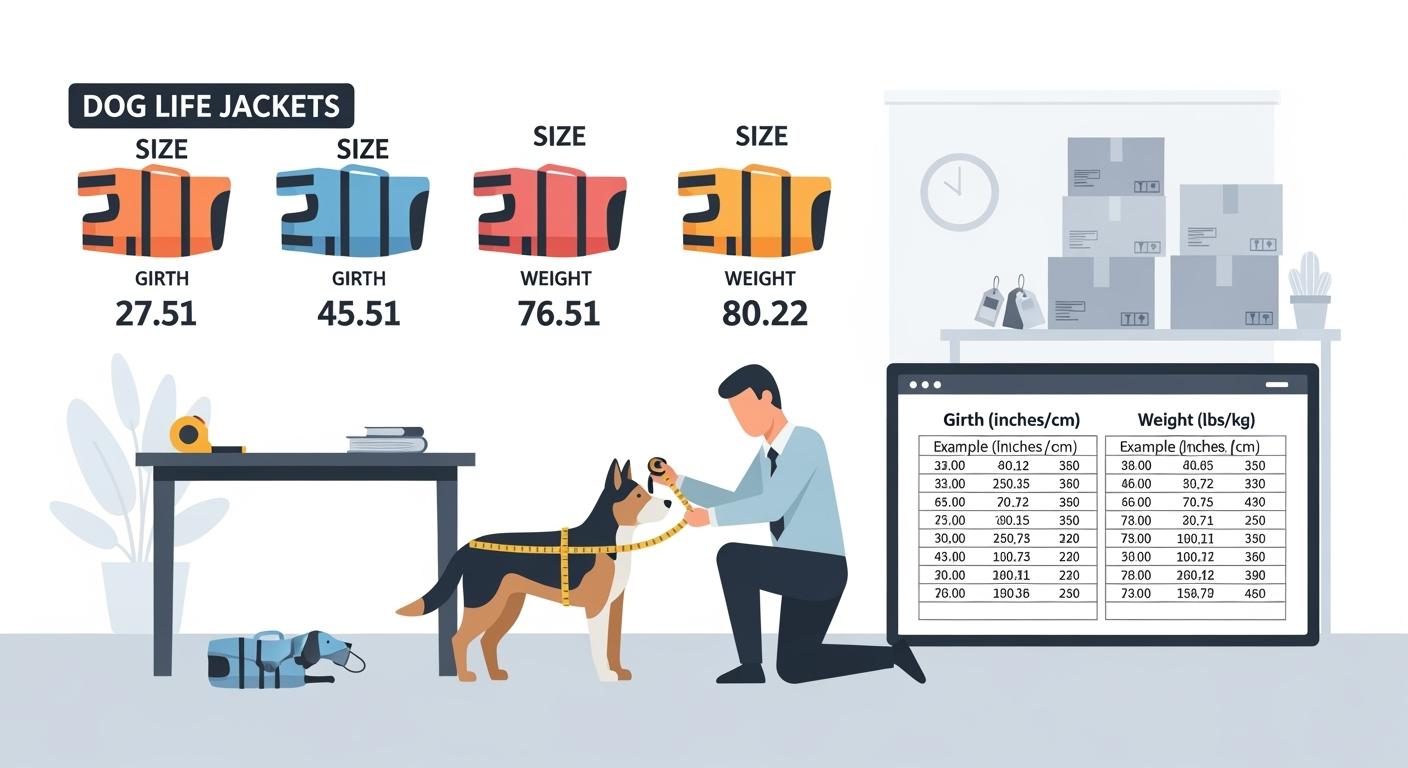
Measure the widest part of your dog’s chest and neck (if needed) in both inches and centimeters.
Make sure the harness fits snugly but does not pinch or squeeze.
Allow your dog to move freely. Watch for any signs of rubbing or discomfort.
Adjust the harness as your dog grows or changes weight.
Check the fit often to make sure it stays comfortable and safe.
A good fit keeps your dog happy and lowers the risk of returns.
Claim-Safe Language for Listings
You want your product listings to be clear and honest. Using claim-safe language helps set the right expectations and reduces returns. Avoid words that promise too much. Use simple, clear phrases instead. Here is a quick guide:
Risky Phrase | Safer Replacement Phrase |
|---|---|
Injury-proof | Helps reduce hand strain |
Escape-proof | Designed for secure attachment |
Guaranteed control | Helps improve control |
Always state that the harness is a complete system.
Use clear words to describe what the harness does.
Avoid bold safety promises. Set realistic expectations for buyers.
Note: The right words help buyers understand what the harness can and cannot do.
Product Range and Options
Entry, Mid, Premium Differences
You can pick entry-level, mid-range, or premium dog harnesses with handle. Entry models use simple nylon or polyester and plastic buckles. These are good for short walks and cost $15–$35. Mid-range harnesses have more padding, reflective stitching, and stronger hardware. Premium harnesses use padded neoprene, recycled fabrics, and metal hardware. These last longer, often two to five years, and cost $60–$120 or more. Some brands, like Joyride and Chesapeake Bay, have harnesses with dual clips and breakaway options for extra safety. The table below shows the main differences:
Feature | Entry-Level Harness | Premium Harness |
|---|---|---|
Price Range | $15–$35 | $60–$120+ |
Material Quality | Nylon, polyester | Padded neoprene, recycled |
Lifespan | 6–18 months | 2–5 years |
Safety Features | Basic leash attachment | Dual clips, breakaway |
Comfort Level | Adequate | High, ergonomic |
Style Options | Limited | Custom fits, seasonal |
Handle Designs: Strap, Padded, Rigid, Dual
Handle design changes how comfy and easy it is to control your dog. Strap handles use plain webbing. Padded handles feel softer in your hand. Rigid handles keep their shape, so you can grab them fast. Dual handles give you more control in busy places. Freedom No-Pull harnesses often use padded or dual handles for extra support. Always check if the handle is sewn into the main body for strength.
Tip: Pick a handle style that fits your dog’s activity and your needs.
Sizing and Fit Architecture
Sizing can be tricky for buyers. Brands use different names for sizes, like “Medium” or “M,” and these may not match everywhere. You can avoid mistakes by doing these things:
Use a measuring guide to check your dog’s chest and neck in inches and centimeters.
Look for clear sizing charts with neck ranges and collar widths.
Check packaging for size and safety info.
Train staff to answer sizing questions.
Method | Description |
|---|---|
Clear Sizing Info | Show neck and chest ranges in product data |
Measuring Guide | Give step-by-step instructions for measuring |
Packaging Details | Print size and safety info on packaging |
Staff Training | Teach staff to help with sizing questions |
OEM means you buy a harness made by another company and sell it under your brand. ODM means you ask a manufacturer to design and make a harness just for your brand. You can use this definition when you see OEM or ODM later.
Note: Always match the harness size to your dog’s measurements. Fit, use, and your dog’s shape all affect safety and comfort.
Proof and Quality Standards
Construction: Load Path and Reinforcement
You want a dog harness with handle that lasts. How the harness is made is very important for safety. The “load path” shows how force moves from the handle to the harness and straps. Strong harnesses use tough materials and smart design to spread force. This stops weak spots and early breaks.
Here is a table that shows what to look for in a strong harness:
Feature | Description |
|---|---|
Durable Materials | Ripstop nylon, polyester webbing, or Cordura fabric resist tears and water. |
Padded Contact Points | Foam or neoprene padding on straps stops chafing on long walks. |
Adjustability | Many adjustment points help the harness fit snug and not slip. |
Top Handle | A strong handle helps you guide your dog over things and grab control fast. |
Attachment Options | Dual leash clips let you walk your dog in different ways. |
Ventilation | Mesh panels let air flow and keep your dog cool. |
Reinforced Stitching | Extra stitching in busy spots makes the harness stronger. |
Load-Bearing Handles | Handles built for lifting and control in tough times. |
Check that the handle is sewn to the main harness with extra stitching. Padding at contact spots keeps your dog comfy. Adjustable straps help you get the right fit for your dog.
Testing: Tensile, Seam, Corrosion Methods
You need proof that a harness can handle daily use. Good brands test their harnesses with special methods. These tests check the strength of the fabric, seams, and metal parts. Here are the main tests you should know:
Fabric/Webbing Tensile Strength (ISO textiles tensile method): This test pulls on the harness material to see how much force it takes to break.
Seam Strength (ISO seam tensile method): This test checks how strong the stitching is where the handle meets the harness.
Corrosion Resistance (ISO salt spray method): This test sprays metal parts with salt water to see if they rust or get weak.
These tests help lower the chance of harness failure. They do not promise that every harness will work in every case. Fit, use, and your dog’s shape still matter for safety. Always follow the instructions and check the harness for damage before each use.
Note: No test can make a harness “escape-proof” or “injury-proof.” Tests show the harness meets certain standards when used the right way.
Documentation: QC and Change Control
You want to know every harness meets the same quality rules. Good brands use strong quality control (QC) and change management steps. These steps help keep harnesses safe and the same each time:
Fit Checks: Use a 3-step fit check to make sure harnesses fit well and stop slip-outs.
Defect Classification: Sort problems into critical, major, and minor groups to keep quality clear.
Supplier Communication: Share results of adjuster and stitching checks with suppliers to help them fix issues.
Sampling Plan: Use a sampling plan based on ISO rules to decide how many harnesses to check in each batch.
Return Process: Set up a clear way to handle returns, including a checklist to inspect returned harnesses for problems.
Ask suppliers for QC records and change logs. This helps you track any updates to materials or design. Good records lower the chance of surprises and keep your products reliable.
Tip: Always look at QC and test reports before adding a new harness to your catalog.
Compliance and Labeling (US/EU)
EU Safety, Traceability, and Labeling
You must follow EU rules when you sell a dog harness with handle in Europe. These rules help keep buyers safe and informed. You need to give clear warnings and instructions in the language of the country where you sell the product. You must show who made or imported the harness. This is called traceability. You should put your company name and address on the label or packaging. You also need to keep records of where you got the harness and where you sold it. This helps if there is a safety problem later.
Note: Always check that your warnings and instructions are easy to read and understand.
US Origin and Textile Rules
You must follow US rules for labeling and origin. If you import a harness, you need to show the country where it was made. You should use a clear label like “Made in Vietnam” or “Made in USA.” If you list the fiber content, you must use the right names, such as “100 percent polyester.” The Federal Trade Commission (FTC) checks these rules. You should also make sure your labels do not promise things you cannot prove.
Labeling Requirement | What You Must Do |
|---|---|
Country of Origin | Mark the country clearly |
Fiber Content | Use correct fiber names |
Honest Claims | Avoid over-promising |
Chemicals and Fiber Composition
You need to know what chemicals are in your harness. The EU has rules about chemicals that can be in products. You may need to tell buyers if your harness has certain substances. You should keep up-to-date supplier declarations about chemicals. For both the US and EU, you must use the right fiber names. In the EU, you must follow the official textile fiber naming rules. This helps buyers know what they are getting.
Tip: Always keep your chemical and fiber records ready for checks by customs or market authorities.
You can lower your risk by following these rules. Good compliance helps you avoid returns and keeps your brand trusted.
Marketplace Listing and Governance
Variant Naming: Size, Color, Handle Type
You need to use clear names for each harness choice. This helps buyers find the right dog harness with handle. Use simple words for size, color, and handle type. For size, always show both inches and centimeters. For example, write “Chest 18–24 in (46–61 cm)” instead of just “Medium.” For color, pick basic names like “Black,” “Red,” or “Blue.” For handle type, say if it is “Strap,” “Padded,” “Rigid,” or “Dual.” This makes it easier for buyers to compare and choose. It also helps stop confusion.
Tip: Make sure the names are short and easy to read. Do not use codes or short forms that buyers might not know.
Compatibility Language for Fit
You want buyers to get the right harness for their dog. Use safe words that set clear rules. Show how the harness works in different places. The table below gives examples of safe and clear messages you can use:
Positioning Message | Claim-Safe Language Example |
|---|---|
Movement Limitation | Limits roaming in the cabin |
Position Control | Keeps dog in back seat |
Reduced Roaming | Supports distraction control |
Rear-Seat Use | Install in back seat for safety |
Channel Readiness | Check anchor compatibility before buying |
Always tell buyers to measure their dog’s chest and neck before picking a size. Say that fit, use, and the dog’s shape all matter for safety and comfort. This helps buyers make better choices and lowers returns.
Catalog Listing Rules and Launch Plan
You need a good plan to add new harnesses to your catalog. Follow these steps for the best results:
List all sizes and colors with both US and metric units.
Use safe words in every product description.
Add a measuring guide with easy steps and pictures.
Train your team to answer questions about sizing and fit.
Check all labels for country of origin and fiber content.
Make sure warnings and instructions are easy to read.
Keep quality and rule records ready for checks.
Note: Good listings help buyers pick the right harness and lower returns.
When you pick a dog harness with handle, look for clear product details. Make sure the harness fits your dog the right way. Check all the choices before you buy. Look for proof that the harness is made well and tested. Safety, comfort, and how long it lasts are very important. The harness must also follow the rules. Always match the harness to your dog’s size and shape. Use both inches and centimeters to measure. Picking the right harness helps stop returns you can avoid. It also keeps your catalog in good shape.
FAQ
What is the main purpose of a handle on a dog harness?
You use the handle for quick control, guiding, or helping your dog over obstacles. The handle supports you during busy walks or when your dog needs extra help. It does not replace a leash or training.
How do I choose the right size harness for my dog?
Measure your dog’s chest and neck using a soft tape. Check both inches and centimeters. Compare your measurements to the sizing chart. A good fit means the harness sits snug but does not pinch or slip.
Can I lift my dog using the harness handle?
You should only lift small dogs (under 25 lb or 11 kg) if the harness says it is safe for that weight. The handle is mainly for control, not lifting. Always check the product instructions.
What should I check before each use?
Inspect the harness for loose stitching, worn straps, or damaged buckles. Make sure the handle feels secure. Adjust the fit as needed. A quick check helps keep your dog safe.
Why do some harnesses get returned often?
Returns happen when buyers pick the wrong size, expect too much from the handle, or find the harness uncomfortable for their dog. Clear sizing, honest claims, and proper fit reduce returns.