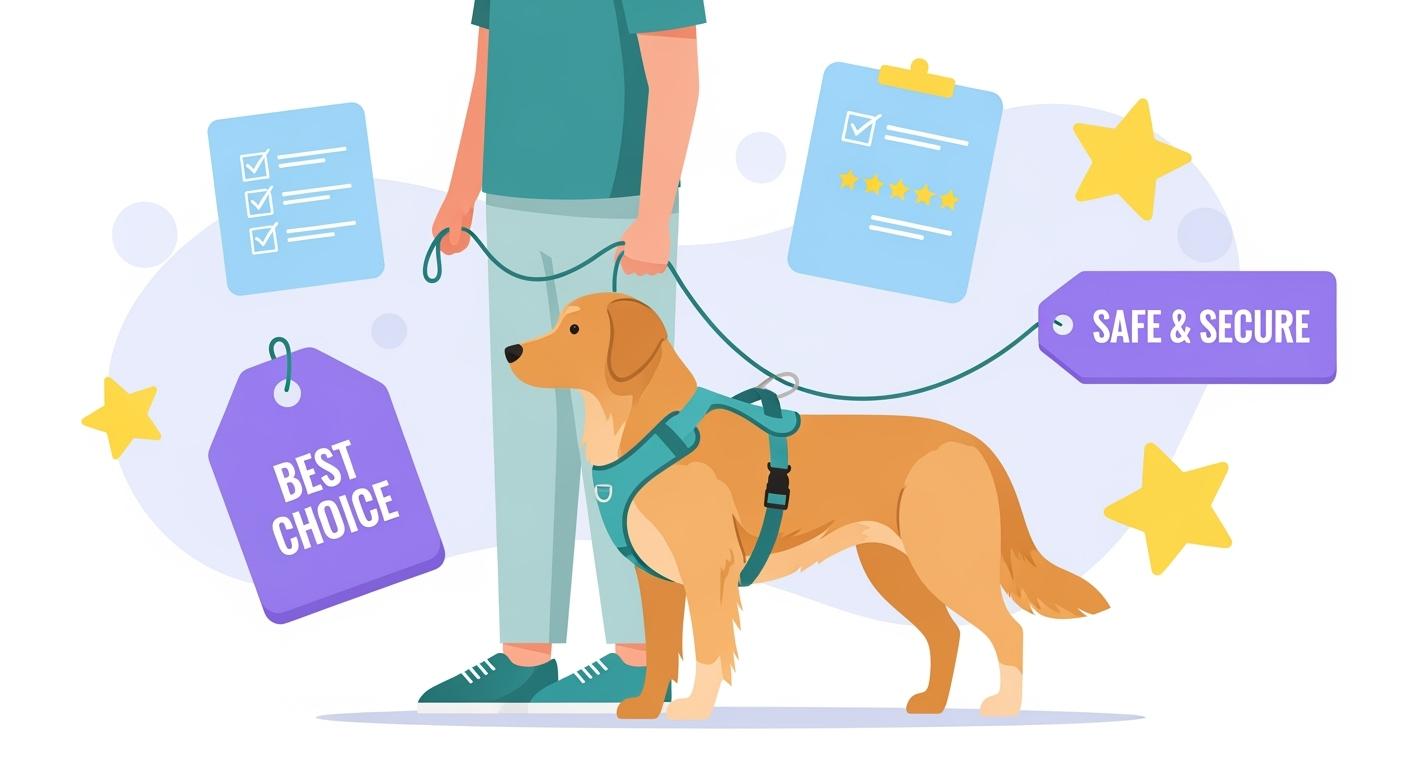
A dog harness no pull is a safety harness for dogs. It helps control pulling by changing how the leash works. It also keeps your dog comfortable during walks.
Do use safe words that follow labeling and rules.
Do add clear warnings and limits about fit and use.
Do not promise it will always work or break labeling rules.
No-pull means the harness might help some dogs pull less. This happens when it fits right and you use training. It does not promise your dog will change right away. In the US and EU, you must prove every claim you make. You should not use words that say it always works. Using careful words helps people trust you. It also keeps your listing safe from rule problems.
Key Takeaways
A no-pull harness can help with pulling. It does not fix pulling right away. You should use training with the harness for best results.
Make sure the harness fits your dog well. A good fit stops discomfort. It also helps you control your dog on walks.
Use clear and honest words in product listings. Do not say the harness will stop all pulling. Do not say it will fit every dog.
Use training with the harness. Give commands and rewards often. This helps your dog learn to walk better.
Check the harness for damage often. Adjust it before each walk. This keeps your dog safe and comfortable.
Dog Harness No Pull: Definition & Limits
What It Does: Manage Pulling
Shopper Clarity Checklist:
Make sure the harness fits your dog well but does not hurt.
Pick a front clip if you want to help stop pulling.
Follow the instructions for using and adjusting the leash.
Training and practice are important for good results.
Check that the harness stays in place during walks.
A dog harness no pull helps lower pulling by changing where the leash connects. If you use a front clip, the harness turns your dog toward you when they pull. This lets you guide your dog without hurting them. The harness spreads pressure over the chest and shoulders. This design lowers pulling and gives you better control. You can walk your dog more easily and safely.
Industry rules say a dog harness no pull gives these main benefits:
Function/Benefit | Description |
|---|---|
Redirects pulling behavior | The harness turns your dog toward you when they pull, stopping the cycle without pain. |
Distributes pressure | It moves pressure to the body, so it stops choking and hurting sensitive spots. |
Improves control | Harnesses give you better grip and balance, especially for strong or jumpy dogs. |
Encourages positive behavior | They help teach better leash habits, so you do not need to use harsh corrections. |
Studies show a dog harness no pull helps lower pulling. Dogs wearing these harnesses pull less than those with collars or regular harnesses. Your dog may feel calmer and less stressed. These results depend on fit, how you handle the leash, and practice.
OEM stands for Original Equipment Manufacturer. This is a company that makes products for other brands to sell.
ODM stands for Original Design Manufacturer. This is a company that designs and makes products for other brands to sell.
What It Does Not Do: Guarantee Behavior Change
A dog harness no pull helps lower pulling, but it does not promise your dog will stop pulling forever. Some people think a harness will fix pulling right away. This is not true. Pulling is a habit that needs time and training to change. The harness is a tool to help manage pulling, not a magic fix.
Note:
Always use the harness with training and watch your dog. Results can change based on your dog’s size, breed, and habits. No harness can promise quick or lasting change.
If you write product listings, do not use words that promise it will always work. Always link the claim to a clear feature, like the front clip, and add limits. For example, say the harness helps lower pulling when used with training and a good fit. This keeps your listing clear and safe for shoppers and business partners.
A dog harness no pull helps lower pulling, but you need to set real expectations. Use the harness with a training plan. Give your dog time to learn. This will help you get the best results and avoid being let down.
Dog Owner Misconceptions & Claim Risks
Why Shoppers Expect Instant Results
Shopper Clarity Checklist:
Check if you believe a harness will fix pulling right away.
Ask yourself if you plan to use training with your harness.
Look for clear instructions about fit and use.
Notice if the listing explains what the harness can and cannot do.
Many people think a dog harness no pull will solve pulling as soon as their dog wears it. You might see words like “no pull” and expect your dog to walk calmly right away. This is a common misunderstanding. Here are some beliefs you may have seen:
Some owners believe harnesses encourage pulling, but training is what changes behavior.
Many think that just wearing a harness will teach a dog not to pull. In truth, you need to guide your dog with practice.
Some harnesses are sold as solutions for pulling, but they only redirect the force. They do not fix the root cause.
You may hear that harnesses alone can prevent pulling. They are tools to help you, not a cure.
Many listings say harnesses stop pulling, but harnesses do not teach dogs to walk calmly beside you.
If you expect instant results, you may feel let down. You need to know what a harness can do and what it cannot do.
Setting Realistic Expectations
You can help your dog learn better walking habits with the right steps. Use clear commands and stay consistent. Dogs learn best when you reward good behavior. If you always respond the same way to pulling, your dog will understand faster. A dog harness no pull helps you guide your dog, but you must use it with training.
Tip:
Use treats or praise when your dog walks beside you. This helps your dog know what you want.
You should read the instructions and adjust the harness for a good fit. If you use the harness as a training aid, you will see better results. Remember, every dog learns at a different pace. Patience and practice matter more than any tool.
Approved Meanings for No Pull Claims
Shopper Clarity Checklist:
Check if the harness has a front-attachment option for directional control.
Look for a dual clip if you want more ways to guide your dog.
Make sure the harness fits your dog well and does not twist or slip.
Use the harness with training to help reduce pulling leverage.
Read the labeling for safety and fit instructions.
You can pick one main meaning for your dog harness no pull listing. Each meaning connects to a clear feature and shows how it helps lower pulling leverage. This way, you use claim-safe words and follow rules for safety harness for dogs.
Front Clip: Redirects Pulling
A harness with a front-attachment option for directional control helps lower pulling leverage. When your dog pulls, the leash turns your dog toward you. This makes it easier for you to guide your dog. The front-attachment option for directional control does not stop pulling by itself. You need to handle the leash the right way and check the fit. Always attach the leash to the front-attachment option for directional control for best results.
Dual Clip: Versatile Handling
Some harnesses have both a front-attachment option for directional control and a back clip. This gives you more ways to manage your dog. You can switch between the front-attachment option for directional control and the back clip based on your dog’s needs. The dual clip design helps lower pulling leverage and works with different training styles. Make sure you adjust the fit each time you change the clip.
Stability: Control & Fit
A stable harness helps lower pulling leverage by staying in place. Good fit means the harness does not twist or slide. Studies show that harness design affects how dogs move and how well you can control them. See the table below for key findings.
Study | Key Findings |
|---|---|
Carr et al. | Bad harness design can change how dogs move; harnesses with straps over shoulders can limit front leg movement. |
Lafuente et al. | Y-front harnesses that are not tight still limited shoulder stretch more than tight harnesses. |
Kiss et al. | Harnesses did not change how dogs moved compared to walking without a harness. |
Blake et al. | Looked at past studies; Y-shaped harness was actually more limiting. |
Pálya et al. | Two-thirds of dogs had changes in how they walked with harnesses; more study is needed. |
Williams et al. | Different harnesses changed stride length and weight balance; design matters for movement. |
Dowdeswell & Churchill | Front-clip harnesses lowered elbow and shoulder movement; Y-front harness was not really non-restrictive. |
You should always check the fit and adjust the harness for your dog. This helps you follow safety rules and lowers the chance of movement problems.
Training Support: Works With Training
A harness with a front-attachment option for directional control helps lower pulling leverage when you use it with training. Training teaches your dog what you want. The harness gives you more control, but you need to guide your dog. Studies show harnesses work best when you use them with a training plan. Some products come with a training guide to help you get better results. Always use claim-safe words and add limits in your listing.
Claim Mapping & Risk Zones
Shopper Clarity Checklist:
Check if the harness has a front-attachment option for directional control.
Make sure the harness fits your dog well and does not twist.
Look for claims that say the harness helps reduce pulling leverage, not that it stops pulling.
Read if the harness works with training and proper fit.
Avoid listings that promise instant results or a perfect fit for all dogs.
Safe Claim Categories: Control, Fit, Training
You can keep your listing safe by focusing on three main claim areas.
Control: Say the harness helps reduce pulling leverage with a front-attachment option for directional control.
Fit: Explain how the harness fits your dog and how you can adjust it for comfort and safety.
Training: State that the harness works best when you use it with training and practice.
These claims match what you can see and test. You show how the harness helps you guide your dog and manage pull. You also help shoppers understand that fit and training matter for results.
Risky Claims: Guarantees & Promises
Some claims can put your listing at risk.
Do not say the harness will stop all pulling.
Do not promise the harness will fit every dog.
Do not claim instant results or guaranteed behavior change.
Do not say the harness is escape-proof or prevents injury.
Note:
If you make a claim about how the harness helps reduce pulling leverage, you must show a clear feature like the front-attachment option for directional control and add limits about fit and training.
Safe Rewrite Patterns
You can use safe patterns to build your claims.
Say the harness is designed to help reduce pulling leverage with a front-attachment option for directional control.
Add that results depend on fit, handling, and training.
Use words like “helps,” “designed to,” or “intended to” instead of “stops” or “prevents.”
Words to Use | Words to Avoid | Example Rewrite |
|---|---|---|
helps reduce pulling leverage | stops pulling | Front-attachment option for directional control helps reduce pulling leverage when used with training and a proper fit. |
designed to | guarantees | Harness is designed to help you guide your dog and manage pull. |
intended to support | prevents | Intended to support training and improve control with a good fit. |
You keep your listing safe when you map every claim to a visible feature and add clear limits. This matches safety standards and builds trust with shoppers.
Evidence for Safety Harness Claims
Shopper Clarity Checklist:
Look for clear safety information about how the harness works.
Check if the listing shows how the harness helps reduce risk of pulling.
Make sure every claim matches a visible feature, like a front clip or dual clip.
Read if the harness explains how fit and training affect results.
See if the listing adds limits and conditions, not just promises.
You want to trust that a safety harness for dogs does what it says. You need to see proof for every claim. You should look for listings that show how the harness works, not just say it works. Good listings use photos, diagrams, or videos to show the harness in action. They also explain how the harness helps you guide your dog and manage pull. You should always check if the harness fits your dog well and if the listing gives clear steps for adjustment.
What Counts as Evidence
You need real proof for every claim in your listing. You cannot just say a dog harness no pull will help. You must show how it works. Here are things that count as evidence for safety harness claims:
Product photos that show the front clip, dual clip, or other features.
Diagrams that explain how the harness changes the direction of pull.
Videos that show a dog wearing the harness and how it helps guide movement.
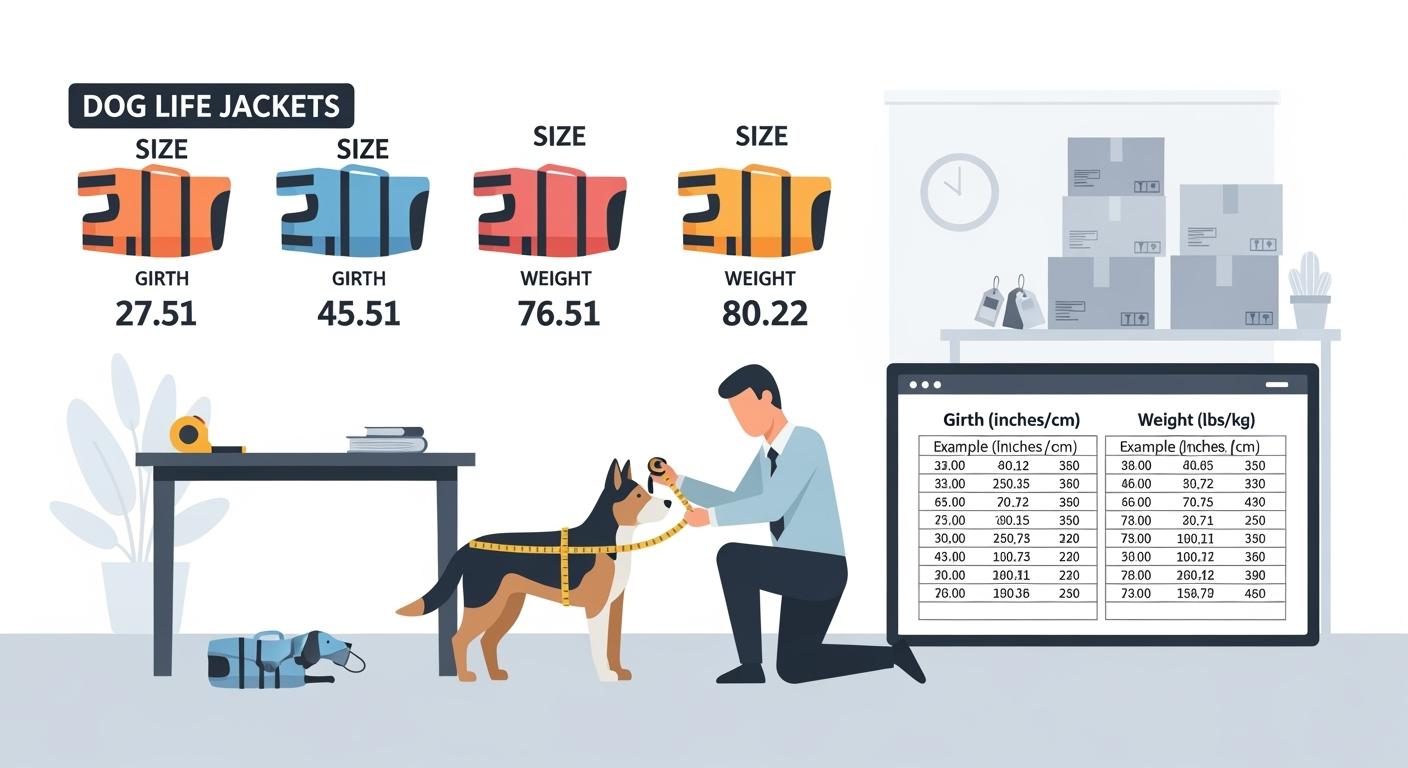
Fit guides that help you measure your dog and adjust the harness.
User instructions that explain how to use the harness with training.
Test results or studies that show how the harness affects pulling or fit.
You should always map each claim to a visible mechanism. For example, if you say the harness helps reduce pull, you must show the front clip and explain how it works. If you claim the harness fits many dogs, you need a fit chart and adjustment guide. You must keep an evidence file for every claim. This helps you stay safe and follow rules.
Matching Wording to Proof
You must match your words to the proof you have. If you say the harness helps reduce pull, you need to show the front clip and explain how it works. If you say the harness supports training, you need to show a training guide or instructions. You cannot say the harness stops pulling unless you have proof for every dog, which is not possible.
Evidence-to-Claim Checklist:
Does your claim match a visible feature on the harness?
Can you show a photo, diagram, or video for the claim?
Do you have a fit guide or adjustment steps for fit claims?
Is there a training guide or instructions for training support claims?
Have you added limits or conditions to every performance claim?
Claim Type | What You Need to Show | Example Wording |
|---|---|---|
Helps reduce pull | Front clip photo, leash handling steps | “Front clip helps reduce pull when used with training and proper fit.” |
Supports training | Training guide, user instructions | “Harness supports leash training with consistent use.” |
Adjustable fit | Fit chart, adjustment instructions | “Adjustable straps help you get a secure fit for your dog.” |
Stability and control | Design photos, stability notes | “Stable design helps you guide your dog and manage pull.” |
You must always use words like “helps,” “supports,” or “designed to” unless you have proof for every dog. This keeps your listing safe and helps reduce risk.
Adding Conditions & Boundaries
You must add limits and conditions to every claim. This shows you understand real use and helps shoppers trust you. Here are best practices for adding boundaries:
Add a connector strap between the harness and collar for extra safety if your dog slips out.
Use a limited slip martingale collar to prevent escape without choking your dog.
Attach the leash to both the collar and the no-pull front ring as a backup, but know this may change how the harness works.
Always say results depend on fit, handling, and training.
Remind shoppers to check fit before every walk.
You should never promise instant results or say the harness works for every dog. You must always add conditions like “when used with training” or “when properly fitted.” This matches rules in the US and EU. It also helps you avoid risky claims.
Tip:
Always keep an evidence file for each claim. Review your listing to make sure every claim matches a feature, has proof, and includes limits. This helps you follow rules and builds trust with shoppers.
Listing Copy Rules for Safety Harnesses
Words to Use: Designed to Help
Shopper Clarity Checklist:
Check if the listing says the harness is designed to help manage pull.
Look for words that explain how the harness helps guide your dog.
Make sure the listing describes how the harness supports training and fit.
See if the harness helps you adjust for comfort and control.
Confirm that the harness is made for safety and everyday walks.
When you write about a dog harness, use words that show how the product helps. Say the harness is designed to help reduce pull. Explain that the harness supports a good fit for your dog. You can say the harness helps you guide your dog during walks. Always mention that results depend on fit and training. These words set clear limits and help shoppers understand what to expect.
Words to Avoid: Guarantees & Absolutes
You should avoid words that promise results for all dogs. Do not say the harness will stop pull every time. Stay away from words like “guaranteed,” “always,” or “perfect fit.” These words can mislead shoppers and break safety rules. If you want to make a strong claim, you must have proof and add limits. For example, say the harness helps reduce pull when used with training and a proper fit. This keeps your listing safe and honest.
Safe Words | Risky Words | Why to Avoid Risky Words |
|---|---|---|
designed to help | guarantees | Shoppers may expect instant results |
helps manage pull | stops all pull | No harness works for every dog |
supports training | perfect fit | Fit depends on each dog |
intended to guide | prevents injury | Injury claims need strong evidence |
Describing Front Clip Benefits
You can describe the front clip by showing how it helps manage pull. Say the front clip is designed to help redirect your dog when they pull. Explain that the front clip works best with a good fit and leash handling. You can add that the front clip helps you guide your dog and supports training. Use photos or diagrams to show the front clip location. Remind shoppers that results depend on fit, training, and how you use the harness.
Tip:
Always check the fit before each walk. Adjust the harness so it sits snug but does not pinch your dog. Use the front clip for better control when your dog starts to pull.
Use Statements & Limits for Dog Harnesses
Shopper Clarity Checklist:
Check if the harness is made for walking and handling your dog.
Make sure you use the harness only for its listed purpose.
Look for clear instructions about fit and fit-focused adjustment points.
Confirm the harness allows your dog to move without discomfort.
See if the harness works with your leash type.
Intended Use: Walking & Handling
You should use a harness for walking and handling your dog. Always check the listing to see if the harness is meant for other uses, like lifting or using with a seat belt tether. Do not use the harness for activities it was not tested for. This keeps your dog safe and helps you avoid problems.
Use the harness for daily walks.
Handle your dog with the harness during training.
Only use the harness for tasks listed in the instructions.
Fit & Adjustment: Impact on Results
Fit matters most for a harness. You need to use all fit-focused adjustment points to get the right fit. A good fit spreads pressure across your dog’s body. This helps your dog move naturally and keeps them comfortable. If the harness does not fit, your dog may feel pain or walk in a strange way. Always check that the no-pull ring sits on the chest bone. Use the fit-focused adjustment points to keep the harness in place.
Adjust every fit-focused adjustment point before each walk.
Make sure the harness does not twist or slide.
Check that your dog can move without rubbing or chafing.
Comfort & Movement: Avoid Overpromising
A harness should let your dog move freely. The harness should not press on your dog’s lower neck or block their legs. If you use all fit-focused adjustment points, your dog should walk and run without trouble. Long use of a tight harness can change how your dog walks. Some dogs may change their stride to avoid pain. Always check for signs of rubbing or discomfort.
Watch your dog for changes in movement.
Make sure the harness does not cause chafing.
Adjust fit-focused adjustment points if your dog seems stiff.
Compatibility: Leash Types
You need to check if your leash works with the harness. Most harnesses fit standard leashes. Some harnesses have special rings for no-pull control. Use the right leash for the harness and attach it to the correct ring. Always check the fit-focused adjustment points after you clip on the leash.
Harness Feature | What to Check |
|---|---|
Leash ring location | Fits your leash and walking style |
Fit-focused adjustment points | All points adjusted for your dog |
No-pull ring | Leash attaches to chest for control |
Tip:
Always check the fit-focused adjustment points before every walk. This helps your dog stay comfortable and keeps the harness working as it should.
Ready-to-Use Copy Blocks
“What No Pull Means” Block
Shopper Clarity Checklist:
Check if the harness is designed to help manage pull during walks.
Look for features that help guide your dog without causing pain.
Make sure the harness fits your dog well and allows for adjustment.
Use the harness with training to see the best results.
Read all instructions before using the harness with your dog.
A no pull harness helps you guide your dog and manage pull. The harness uses a padded design for comfort and safety. It does not promise to stop all pull, but it can make training easier. Adjustable straps let you fit the harness to your dog. This helps you control your dog and improve leash manners.
“How to Use Front Clip” Block
You can use the front clip to help reduce pull. Attach your leash to the ring on your dog’s chest. When your dog starts to pull, the harness turns your dog toward you. This helps you guide your dog back to your side. Always check that the harness sits flat and does not twist. Use gentle leash handling and reward your dog for walking calmly.
“Fit Checklist” Block
The harness should fit snugly but not tightly around your dog’s chest and neck.
Make sure your dog can move freely without rubbing or chafing.
Check for any signs of chafing or irritation on your dog’s skin.
Look for harnesses with adjustable straps for a custom fit.
Use the two-finger rule: you should slide two fingers between the harness and your dog’s body.
“Limits & Supervision” Block
You need to check the harness before every walk. Remove the harness if you see any damage, such as cuts, stretching, or fraying. Do not use the harness if it has been exposed to high heat or chemicals. Never use a harness that has taken a heavy shock load. Always supervise your dog when using the harness. Check the fit and comfort often to keep your dog safe.
Internal Review Workflow
Shopper Clarity Checklist:
Check if the listing explains how the harness helps manage pull.
Look for clear steps that show how the harness works for your dog.
Make sure the harness does not promise to stop all pull.
See if the listing adds limits about fit, training, and use.
Read if the harness gives safety tips for dogs.
Claim Review Steps
You need a simple process to check every claim about a dog harness. Start by reading each line in the listing. Ask yourself if the claim matches a real feature on the harness. Look for words that say the harness helps reduce pull. Check if the harness uses a front clip or another design to guide the dog. Make sure you see limits, like “when used with training” or “when properly fitted.” If you find a claim about pull that sounds too strong, add a condition or soften the words.
Use this table to help review each claim:
Step | What to Check |
|---|---|
Feature Match | Does the claim match a visible harness part? |
Pull Language | Does the claim say “helps reduce pull”? |
Limits Added | Are there limits about fit and training? |
Safety Mentioned | Does the listing mention safety for dogs? |
Evidence Ready | Can you show proof for each claim? |
You should keep a file with photos, guides, or test notes for every claim about pull. This helps you stay clear and honest.
Escalation Triggers
Sometimes you find a claim that does not fit the rules. You must know when to ask for help. If a claim says the harness will stop all pull, you need to review it. If you see words that promise a perfect fit for every dog, flag the claim. If you cannot find proof for a harness claim, ask a manager or legal team. Always check for claims about safety that sound like a guarantee. If you see these triggers, stop and get a second review before you publish.
Tip:
Always add limits to claims about pull. Never promise results for all dogs. Use clear steps to keep your harness listing safe.
Claim-Safe Table: Allowed vs. Unsafe Claims
Shopper Clarity Checklist:
Check if the harness claim explains how it helps manage pull.
Look for words that show the harness supports training and fit.
Make sure the harness does not promise to stop all pull for every dog.
Read if the harness adds limits about fit, use, and training.
See if the harness shows a clear feature, like a front clip, for pull control.
You want to know what a dog harness can do before you buy. You need to see clear claims that match what the harness offers. Some claims help you understand how the harness manages pull. Other claims can mislead you or break safety rules. You should always look for claims that add limits and explain how the harness works for your dog.
Writers and reviewers must follow strict rules for harness claims. You must connect every pull claim to a real feature. You need to add conditions, like fit and training, to every statement. Never use words that promise a perfect result for all dogs.
There is currently no official government standard or regulation for ‘crash testing’ dog car harnesses. Some brands conduct voluntary testing, but the methods and results vary widely, making it difficult for retailers to compare products and verify claims. The term is often used for marketing.
Here is a table to help you see which claims are allowed and which are unsafe:
Allowed Claims (Use These) | Unsafe Claims (Avoid These) |
|---|---|
Designed to help reduce pull when used with training | Stops all pull |
Helps manage pull with front clip | Guarantees no pull |
Supports leash training | Works for every dog |
Adjustable for a secure fit | Perfect fit for all dogs |
Intended to guide your dog during walks | Prevents injury |
Stable design helps you control pull | Escape-proof |
You should use these allowed claims in your listing. Always add limits and connect each claim to a harness feature. Avoid unsafe claims that sound like promises or guarantees. This keeps your harness listing clear, honest, and safe for shoppers and business partners.
Substantiation Across US/EU Markets
Consistent Copy & Misleading Claim Principles
Shopper Clarity Checklist:
Check if the listing explains how the harness helps manage pull for your dog.
Look for claims that match what you see on the harness.
Make sure the listing does not promise that every dog will stop pulling.
Read if the harness adds limits about fit, training, and use.
See if the harness shows a clear feature, like a front clip, for pull control.
You want to trust that a harness for your dog works as described. You need clear, honest claims that match what the harness can do. In both US and EU markets, you must follow rules that protect shoppers from misleading claims. You must use the same safe words and limits in every listing. This keeps your copy consistent and helps shoppers understand what to expect.
Writers and reviewers should always check that every pull claim links to a real feature on the harness. You must add conditions, such as “when used with training” or “when properly fitted.” Never say the harness will stop all pull or fit every dog. These claims need strong proof, which is not possible for all dogs.
Principle | What You Should Do |
|---|---|
Consistency | Use the same safe words and limits in every market |
Substantiation | Match every pull claim to a visible harness feature |
Avoiding Misleading Copy | Add limits and never promise results for all dogs |
Evidence | Keep proof for each claim in an evidence file |
Tip:
Always review your harness listing for words that could sound like a guarantee. If you cannot show proof for every dog, add a limit or condition. This keeps your listing safe and builds trust with shoppers in both the US and EU.
You need to use claim-safe words when you write about a dog harness no pull. This helps shoppers understand what the harness does for their dog. Always check that each harness claim matches a real feature. Use the review checklist before you publish. Show how the harness helps guide dogs and supports training. Honest copy lowers risk and builds trust with every dog owner.
FAQ
How does a no-pull dog harness work?
A no-pull dog harness changes how leash pressure affects your dog. The front clip helps you guide your dog during walks. You get more control without causing pain. Always check the fit before each walk.
Can a harness stop my dog from pulling right away?
You should not expect instant results. A harness helps manage pulling, but your dog needs time and training. Use rewards and practice. Results depend on your handling and the fit of the harness.
What is the best way to fit a harness on my dog?
Check that the harness sits flat on your dog’s chest and back. Adjust all straps so you can fit two fingers under the harness. Make sure your dog can move freely. Review the fit before every walk.
Is this harness safe for all dogs?
You should always check the harness for damage before use. Make sure the harness fits your dog’s size and shape. Supervise your dog during walks. No harness can promise safety for every situation.
Can I use any leash with this harness?
Most harnesses work with standard leashes. Attach the leash to the correct ring for your walking style. Check that the leash and harness connect securely. Always test the setup before you walk your dog.