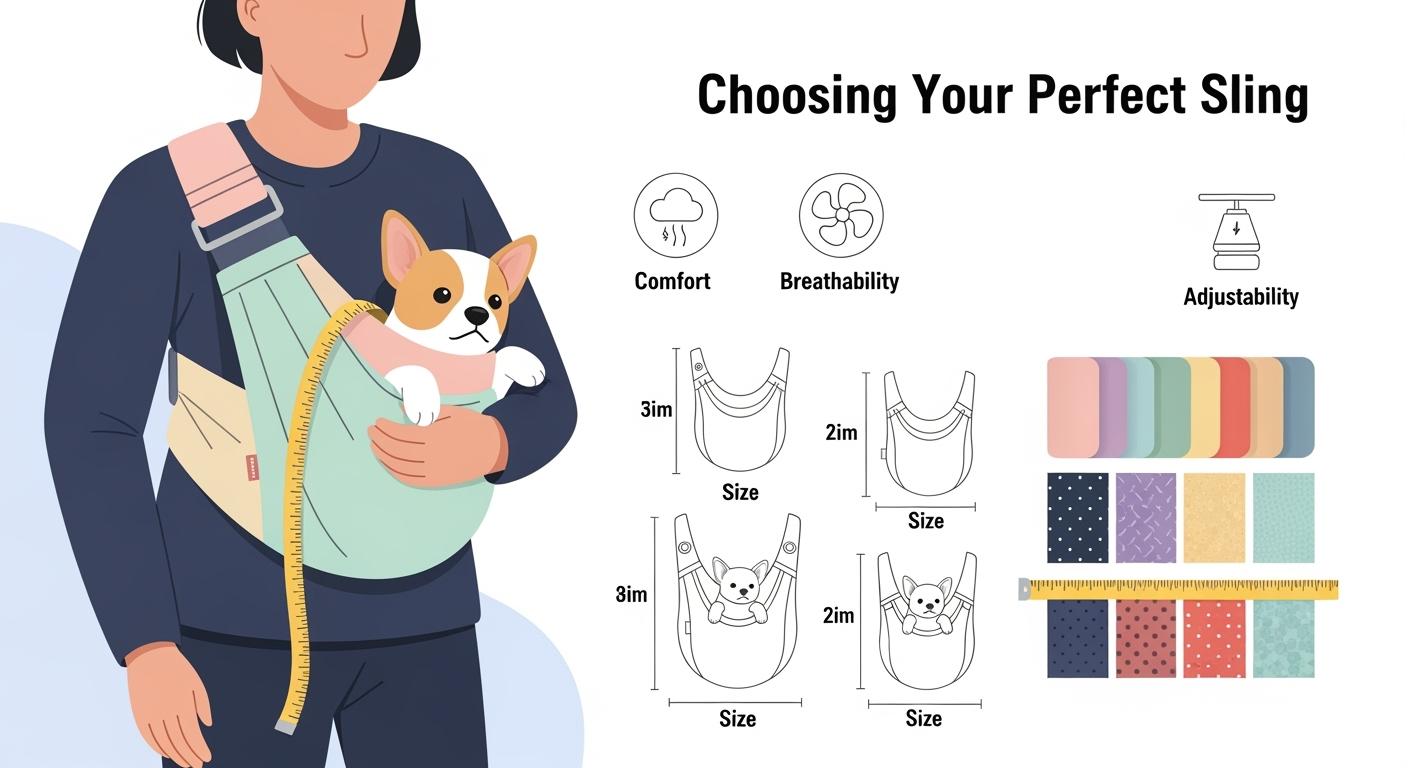
Many people look for a dog carrier sling to get the best one. You need to think about your dog’s body shape and how it sits. Your dog’s comfort is important. The sling should hold your dog in a safe way. It should keep your dog steady. The material can change how hot or cool your dog feels. It also affects how easy it is to clean. Safety and easy use help you pick the right sling. These things should fit your dog’s personality.
Key Takeaways
Pick a dog sling carrier that matches your dog’s size and weight. This helps your dog stay comfortable and safe. – Find carriers made with materials that let air flow through. Choose designs that support your dog’s body well. This keeps your dog cool and secure when you use the sling. – Try the sling with your dog before using it all the time. Make sure your dog feels comfortable and safe in it.
Dog carrier sling basics and choosing the right fit
What is a dog carrier sling and who should use it
A dog sling carrier lets you carry your dog without using your hands. It keeps your dog close to your body. Small dogs and puppies can use this carrier. The sling helps your dog feel safe and calm. Your dog can hear your heartbeat and feel your warmth. Many owners see their dogs stay relaxed in crowded places. Use a small dog sling carrier if your pet is under ten pounds. It is good for dogs that like to be held close. The sling works well for short walks, running errands, or quick trips.
When to pick a dog sling carrier vs other types
You need to choose a carrier that fits your dog’s needs. Think about your daily routine too. The table below shows how dog sling carriers are different from other types:
Feature | Dog Carrier Bag | Sling Carrier |
|---|---|---|
Back & Spine Support | High-firm base supports natural posture | Low-no structural support; spine may curve unnaturally |
Security Level | High-fully enclosed with zipper closure | Moderate-open design increases escape risk |
Weight Distribution (for owner) | Balanced-especially in backpack-style models | Uneven-single-shoulder strain over time |
Pick a dog sling carrier for travel, short walks, or errands. Choose a backpack or hard carrier for longer trips or bigger dogs.
Scenario | Dog Sling Carrier | Dog Backpack |
|---|---|---|
Short walks in controlled environments | Yes | No |
Dogs under 10 pounds with calm temperaments | Yes | No |
Cool weather | Yes | No |
Quick access to pet | Yes | No |
Active lifestyles requiring extended carrying time | No | Yes |
Outdoor adventures with variable terrain | No | Yes |
Dogs between 10-25 pounds | No | Yes |
Key factors for choosing the right pet sling carrier
Check these things before you buy a pet sling carrier:
Weight capacity and fit: Make sure the carrier fits your dog.
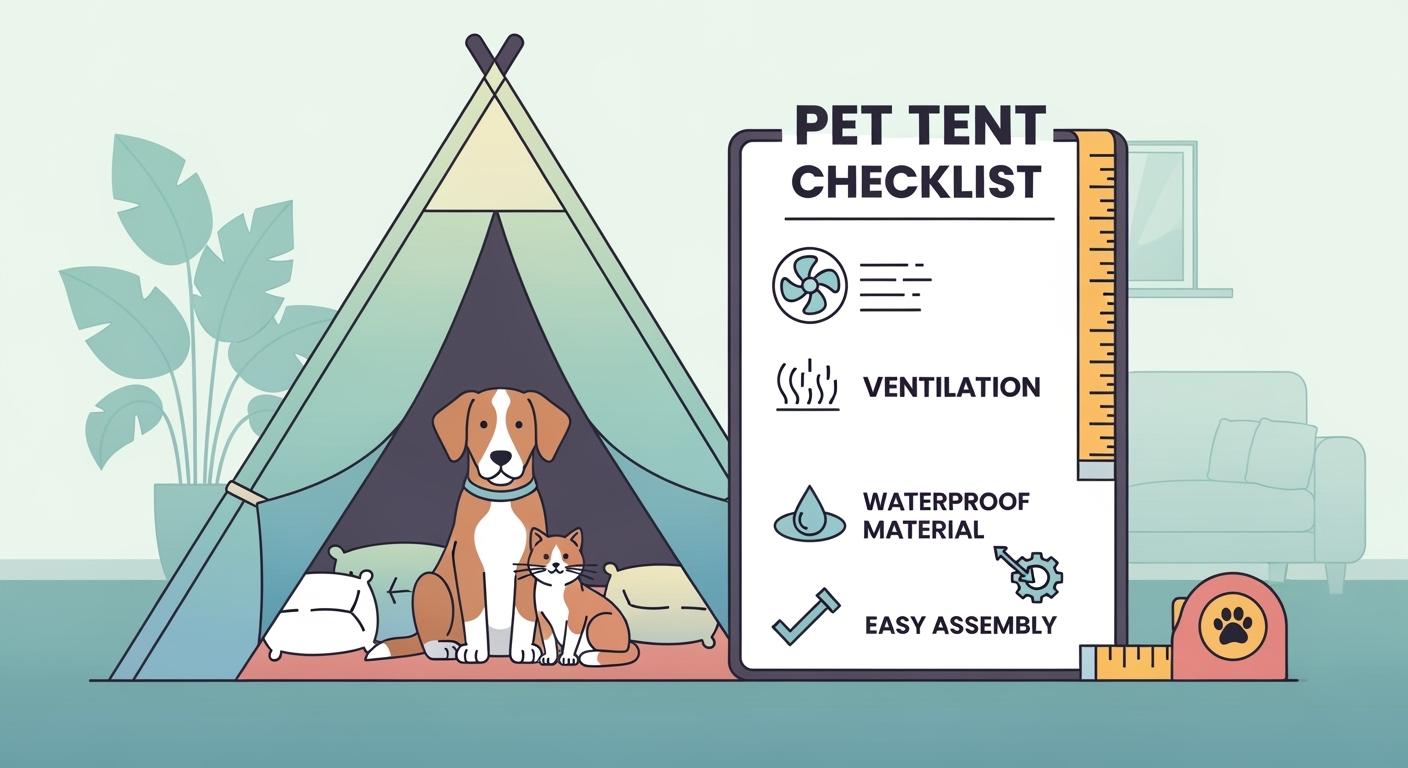
Ventilation: Look for mesh panels to let air in.
Safety anchors: Find inside D-rings for harnesses.
Ergonomic design: Pick padded straps and materials that breathe.
Define primary use: Decide if you need the carrier for city walks, travel, or errands.
Test ventilation claims: Read reviews about how well air moves through.
Check internal structure: Make sure the carrier keeps its shape and has a liner you can wash.
Verify leash compatibility: Check that the D-ring is safe.
Avoid red flags: Do not buy carriers without clear weight ratings or with poor airflow.
Tip: Always check the size and fit with a short test before using it all the time. Your dog should feel safe and comfortable.
Dog sling carrier types and must-have features
Classic, structured, and hybrid pet sling carriers
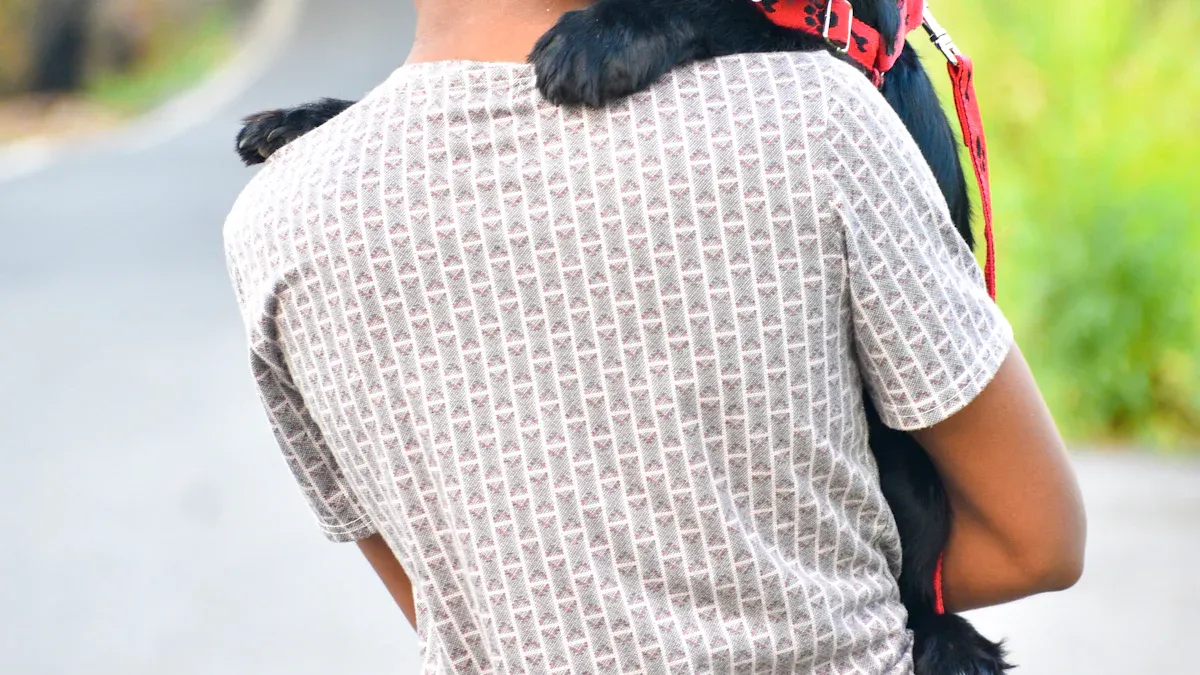
There are different types of dog sling carriers. Classic carriers use soft fabric and go over your shoulder. Structured carriers have padding or a stiff bottom for more support. Hybrid carriers mix soft sides with a strong bottom or tough straps. Each type is good for different things. Classic carriers are best for short trips or calm dogs. Structured carriers are better for long walks and active pets. Hybrid carriers give both comfort and support.
Sling Type | Best Use | Pros | Cons |
|---|---|---|---|
Classic | Short trips, calm dogs | Lightweight, easy to store | Less support, may sag |
Structured | Longer walks, active dogs | Better support, stable shape | Bulkier, less flexible |
Hybrid | Mixed outings, travel | Balanced comfort and support | May cost more |
Strap design and shoulder support
Strap design changes how you carry your dog. Wide, padded straps spread the weight and help your shoulder. Adjustable straps let you make the fit just right. Look for straps that keep the carrier steady. Structured straps stop the carrier from swinging. This keeps your dog safe and comfy. Make sure the strap does not slip when you walk.
Materials, lining, and cleaning ease
The material is important for comfort and cleaning. Many carriers use polyester, nylon mesh, cotton canvas, or fleece inside. Mesh or knit fabrics let air in and keep your dog cool. Soft linings feel nice but need more cleaning. Most cleaners work best on hard surfaces, not fabric. How you clean depends on the material. First, empty and brush out the carrier. Then vacuum the corners and treat stains. Wash with gentle pet shampoo, disinfect, rinse, and let it air-dry.
Material Type | Functionality |
|---|---|
Breathable Outer Knit | Polyester or nylon for airflow |
Moisture-Wicking Layer | Polypropylene or bamboo viscose for comfort |
Non-Slip Rubberized Backing | Thermoplastic elastomer for stability |
Security features and safe attachment
Safety is very important for pet sling carriers. You need a harness clip inside the carrier. Do not use carriers without a D-ring for harnesses. Check that the carrier has a strong way to keep your dog safe. Always use a harness, not a collar, to clip your dog. Closures should be secure so your dog cannot escape.
Tip: Pick a dog carrier sling that fits your trip and keeps your dog safe and happy.
Sizing and fit checks for pet sling carriers
Measuring your dog and checking support
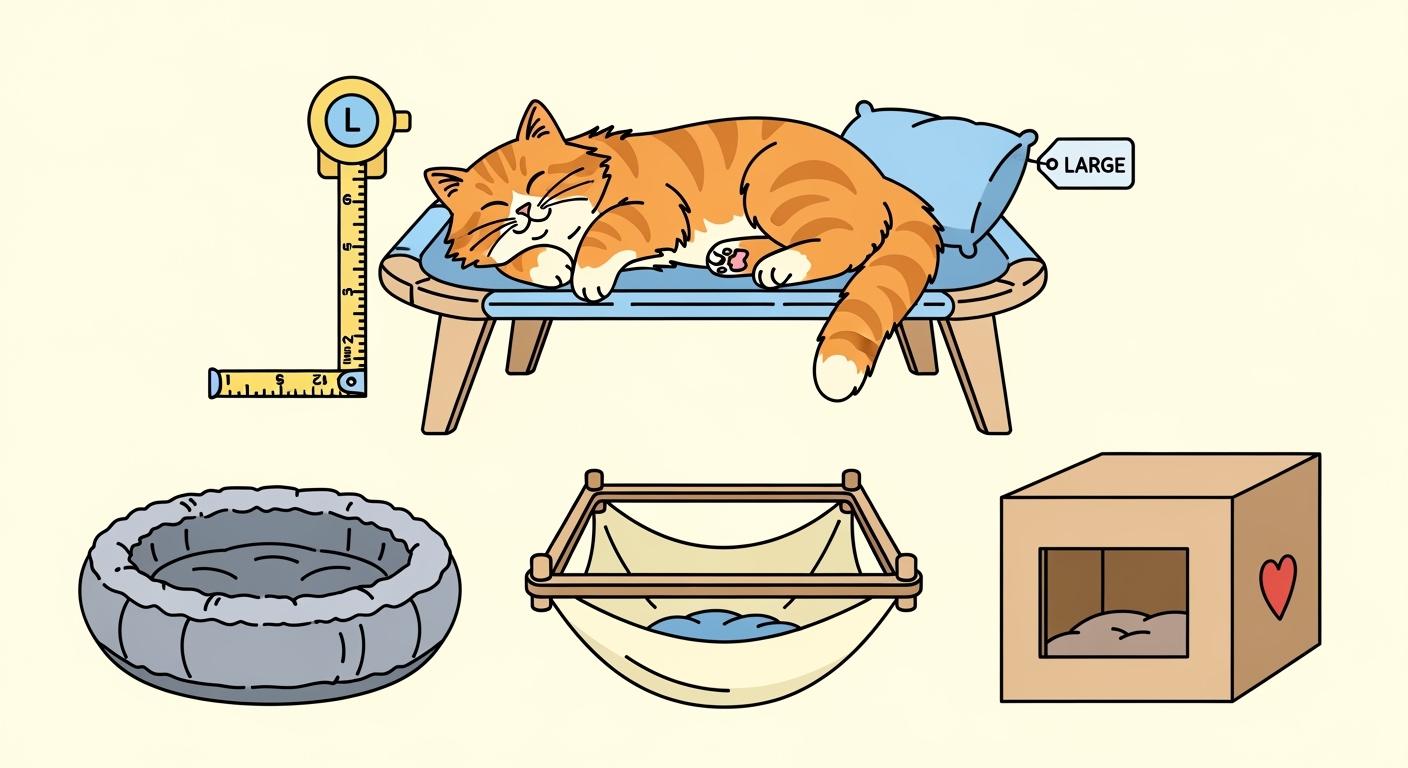
You should measure your dog before buying a dog sling carrier. First, measure from your dog’s collar to the base of its tail. Do not measure from the nose to the tail. Check your dog’s weight and body width with the size chart. Each brand can have different sizes. If your dog is almost too big for a size, be careful. Your dog should fit snug but not feel squeezed. Small dog sling carriers are best for puppies and dogs under ten pounds. Focus on support, not just extra space.
Measure from collar to tail base.
Check weight and body width with the chart.
Compare sizes from different brands.
Be careful if your dog is almost too big.
Tip: Look at the space your dog can use, not just the weight limit. Your dog should sit comfortably and not look squished or wobbly.
Fit checks for dog posture and comfort
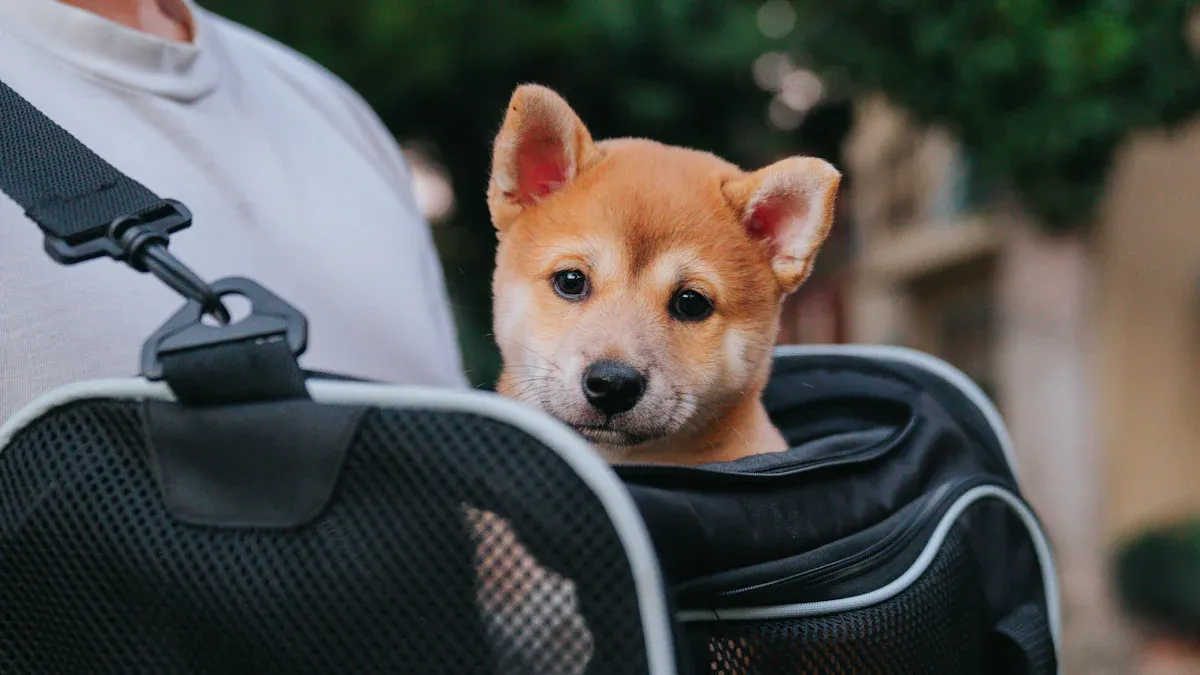
You need to check how your dog sits and feels in the sling. Good posture is more important than extra room. Your dog should not slump, twist, or hang in a weird way. The sling should keep your dog’s back straight. Legs should tuck in naturally. The head should stay above the edge of the sling. Watch your dog for relaxed sitting and normal breathing. Signs of stress are panting and tight muscles. Start with short times, about ten to fifteen minutes. This helps your dog get used to the sling and feel good about it.
Aspect | Details |
|---|---|
Choosing the Right Sling | Pick a sling that matches your dog’s size, breed, and weight for safety and comfort. |
Proper Positioning | Make sure your dog’s back is supported, legs are tucked, and head is above the sling edge. |
Monitoring Behavior | Watch for relaxed sitting and normal breathing. Look for stress signs like panting or tense muscles. |
Initial Sling Sessions | Begin with short times (10-15 minutes) to help your dog get used to the sling. |
Note: Check the fit again after a short test. Moving around can show if there are pressure spots or if the sling swings.
Handler fit: strap length and balance
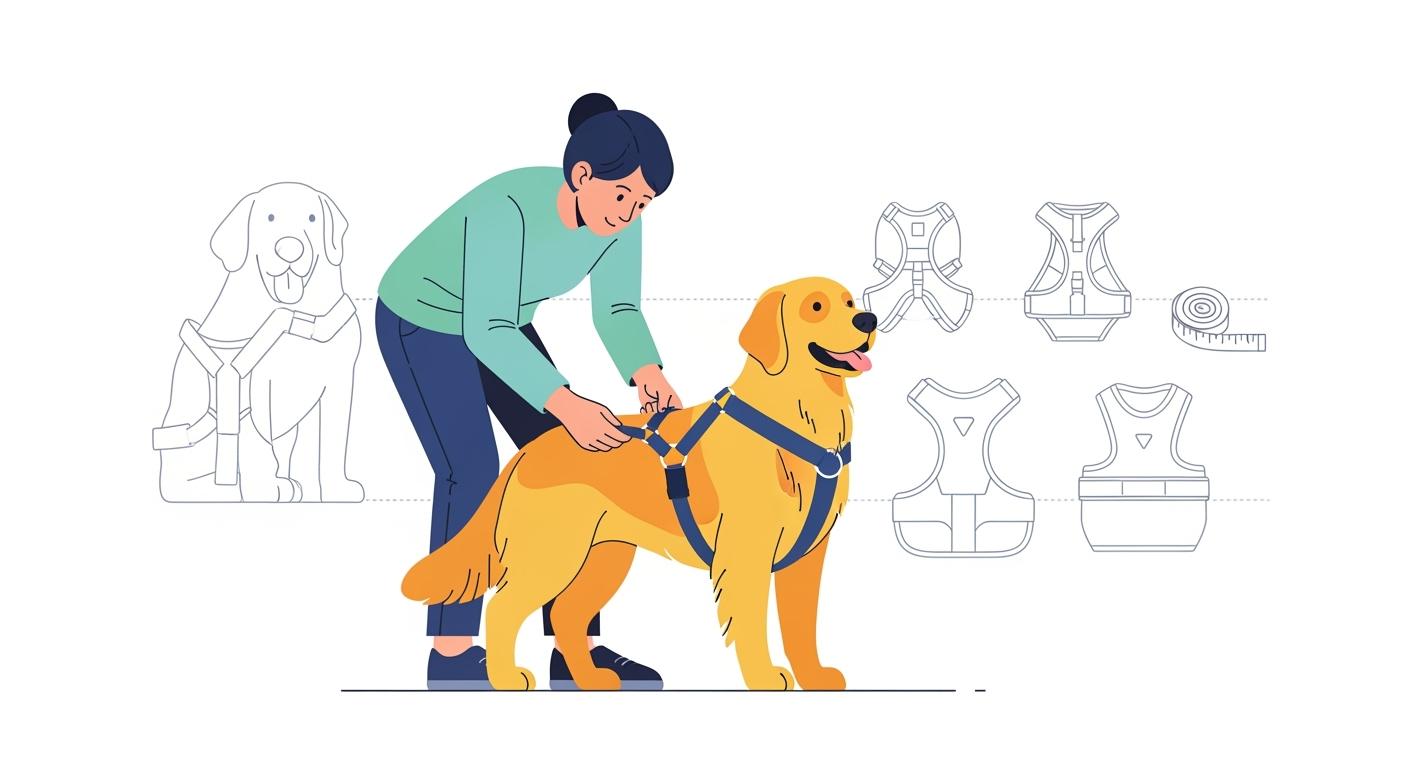
You also need to check if the sling fits you. Strap length and balance matter for your comfort and your dog’s safety. An adjustable sling lets you change the strap length. Wide, padded straps spread out the weight. Adjust the strap so the sling sits at your hip or waist. Make sure the sling does not swing or slip. The design should keep the weight even. You want to carry your dog hands-free and feel steady.
Change the strap to fit your body.
Use wide, padded straps for comfort.
Put the sling at your hip or waist.
Check for balance and steadiness.
Make sure the sling does not slip or swing.
Tip: A comfy dog sling carrier makes things easier for you and your dog.
Test protocol before regular use
Test the dog sling carrier before using it for trips or vet visits. Try it at home first. Put your dog in the sling and walk for ten minutes. Watch for signs your dog is not happy or feels bad. Check if your dog sits well and stays steady. If your dog does not like it or sits weird, change the fit or try another sling. Test again after washing the sling. A washable sling is easy to keep clean for daily use.
Sizing and Fit Checklist for Pet Sling Carriers |
|---|
Measure your dog’s length (collar to tail base) |
Check weight and body width with the chart |
Look at the space your dog can use |
Test how your dog sits and feels |
Change strap length and check balance |
Start with short test times |
Check the fit after moving around |
Wash and test the sling again |
Safety: Always use a harness clip inside the sling. Clip it to a harness, not a collar. This keeps your dog safe when you carry them hands-free.
Common mistakes and better alternatives
You can avoid mistakes by following good steps. Some people pick a sling by weight only or choose one that is too big. Others forget about shoulder support or airflow. Not using the leash clip right or skipping test runs can cause problems. Use the table to see mistakes and better choices.
Common Mistake | Better Alternative |
|---|---|
Choosing by weight only | Measure length, body width, and posture for best fit |
Oversized sling | Pick a snug sling for good support |
Insufficient shoulder support | Use wide, padded, adjustable straps |
Poor breathability | Choose mesh or moisture-wicking materials |
Improper leash attachment | Clip to a harness, not a collar |
Lack of trial use | Test with short times before using it a lot |
Decision matrix for sling selection
A decision matrix helps you pick the best sling for your dog’s type and what you do together. This helps you know what matters most and make a smart choice.
Dog Type/Activity | Prioritized Features | Best Sling Direction | Decision Rationale |
|---|---|---|---|
Small puppies | Secure fit, soft lining | Dog sling carrier for puppies | Young dogs need comfort and safety |
Calm small dogs | Breathable, ergonomic design | Comfortable dog sling carrier | Relaxed dogs need easy carrying |
Active small dogs | Structured support, adjustable | Adjustable dog sling carrier | Active dogs need steady support |
Short errands | Easy on-off, washable | Hands free dog sling carrier | Quick trips need easy use |
Travel or vet visits | Secure closure, easy clean | Dog sling carrier for travel/vet visits | Safety and clean-up matter most |
Callout: Always match the sling to your dog’s size, how they act, and what you do. This keeps both you and your dog safe, comfy, and happy.
Mistakes and decision guide for choosing the right pet sling carrier
Common mistakes with dog sling carriers
People sometimes make mistakes with pet sling carriers. These mistakes can make your dog feel bad or unsafe. It is important to know what not to do and how to fix problems. Here are some mistakes and better ways to use a dog sling carrier:
If you lift your dog by the front legs, it hurts their shoulders and back. Always hold your dog’s body with both hands.
If you hold your dog far from your body, you can lose balance. This makes it easier to drop your dog. Keep your dog close to stay steady.
If you hurry on stairs, you might trip or drop your dog. Walk slowly and watch where you step.
If you ignore your own strength, you could get hurt. If lifting your dog hurts, try a different carrier.
If you force a scared dog into a sling, it can get more nervous. Calm words and gentle touches help your dog feel safe.
Common Mistake | Better Alternative |
|---|---|
Lifting by front legs | Support dog’s body evenly |
Holding dog away from body | Keep dog close for stability |
Rushing on stairs | Move slowly and carefully |
Ignoring physical limits | Choose carrier that fits your strength |
Forcing fearful dog | Use calm reassurance and short sessions |
Tip: Always look at your dog’s body and how it acts. If your dog seems stressed or uncomfortable, change the fit or try a new carrier.
Matching sling style to your routine
You need to pick a dog sling carrier that fits your daily life. What you do and how you feel matter when you choose a pet sling carrier. For example, Jamal is a graphic designer. He picked a simple sling because it was light and looked nice. His shoulder started to hurt because the weight was not even. He changed to an ergonomic backpack and felt better. This shows you need to pick a carrier that matches your needs.
Think about what you carry every day. If you have heavy things, use a backpack.
Look at your travel. Long walks or biking are better with backpacks. Short trips are good for sling carriers.
Think about your posture and health. If you have back pain, do not use uneven loads.
Test how easy it is to reach your stuff. Try both styles with your things to see which is best.
Check for safety features. Look for pockets that hide and zippers that lock.
Think about the weather. Backpacks keep things dry in the rain.
Note: Having both a sling and a backpack gives you more choices. Use the sling for short trips and the backpack for long ones.
Decision matrix by dog and activity
A decision matrix can help you pick the right pet sling carrier. This chart matches your dog’s type and what you do with the best carrier.
Dog Profile / Activity | Prioritized Features | Best Carrier Direction | Reasoning |
|---|---|---|---|
Small puppies | Secure fit, soft lining | Secure dog sling carrier | Comfort and safety for young dogs |
Calm small dogs | Breathable, ergonomic design | Dog sling carrier with safety hook | Easy carrying for relaxed dogs |
Active small dogs | Structured support, adjustable straps | Pet sling carriers with stable base | Steady support for active dogs |
Short errands | Easy on-off, washable | Hands free pet carrier | Quick use and easy cleaning |
Travel or vet visits | Secure closure, easy clean | Pet sling carriers with secure closure | Safety and hygiene matter most |
Senior dogs | Spinal support, rigid structure | Backpack carrier | Better spinal support and balance |
Callout: Always pick a carrier that fits your dog’s age, how active it is, and your daily life. Older dogs need more back support. Active dogs need strong carriers. Quick trips need easy carriers.
FAQ: sizing, fit, cleaning, and safety
You might wonder about sizing, fit, cleaning, and safety for pet sling carriers. Here are answers to common questions:
Are dog backpack carriers safe for puppies? Only use them for puppies that are at least 16 weeks old, have all shots, and your vet says it is okay. Do not use carriers for puppies under 10 weeks or those with weak hips. Start with short times under ten minutes and watch your puppy.
How do you clean a dog sling carrier? Clean spots with mild soap and a wet cloth. For deep cleaning, open all zippers, take out pads, and wash by hand with cold water. Dry it outside in the shade. Do not put it in the dryer.
What is the maximum weight limit for pet sling carriers? Most good carriers hold up to 33 pounds. Always check your dog’s weight and the carrier’s limit. If you put in too much weight, the straps and air holes may not work well.
Can you use a dog sling carrier on public transportation? Yes, but check the rules in your area. Many trains and buses want carriers to be closed and not block the way. Soft, foldable carriers are easier to use. Keep your dog calm and use the inside clip.
Safety boundaries: Sling carriers can hurt a dog’s lower back, especially for older dogs. They do not have hard support and do not protect well if you fall. If there is not enough air, your dog can get too hot. Backpack carriers are better for older dogs because they give more back support and spread the weight.
Alert: If your dog looks stressed, has trouble breathing, or sits weird, stop using the sling and try a different carrier.
You should look at sizing, fit, and material before you buy a dog sling carrier. Use checklists and tables to help you pick wisely. Make sure your dog feels comfortable. Think about what is easy for you. Measure your dog and think about what you need. Check the table below for important things:
Consideration | Description |
|---|---|
Material Choice | Breathable, soft fabrics keep your dog comfy and make it easy to carry. |
Structure | A cradle-style base holds your dog’s weight and lets them move and get air. |
Construction | Strong construction makes the carrier safer and better to use. |
FAQ
How do you choose the right size sling for a small dog?
First, measure your dog’s length from the collar to the tail base. Next, check your dog’s body width and weight. Pick a sling that holds your dog’s body well. The sling should not have too much extra space. Good support helps your dog stay comfortable.
What materials work best for daily-use dog sling carriers?
Pick mesh or moisture-wicking fabrics for the sling. These materials let air move through and keep your dog cool. They also dry fast if they get wet. Linings that are easy to clean are best for using the sling often.
When should you consider a structured carrier instead of a sling?
Use a structured carrier for long walks or trips. Choose it for active dogs or older pets who need more back support. Structured carriers are steadier and do not swing as much.