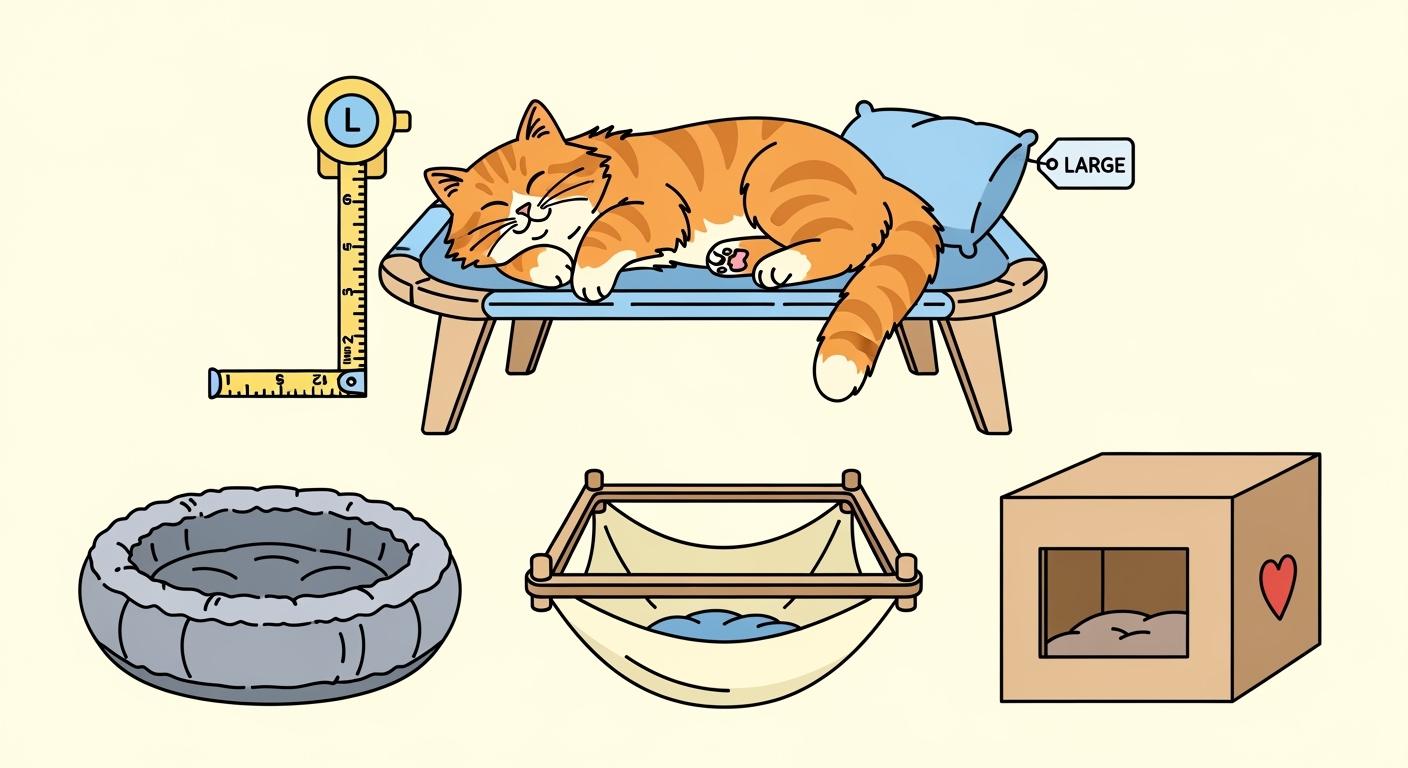
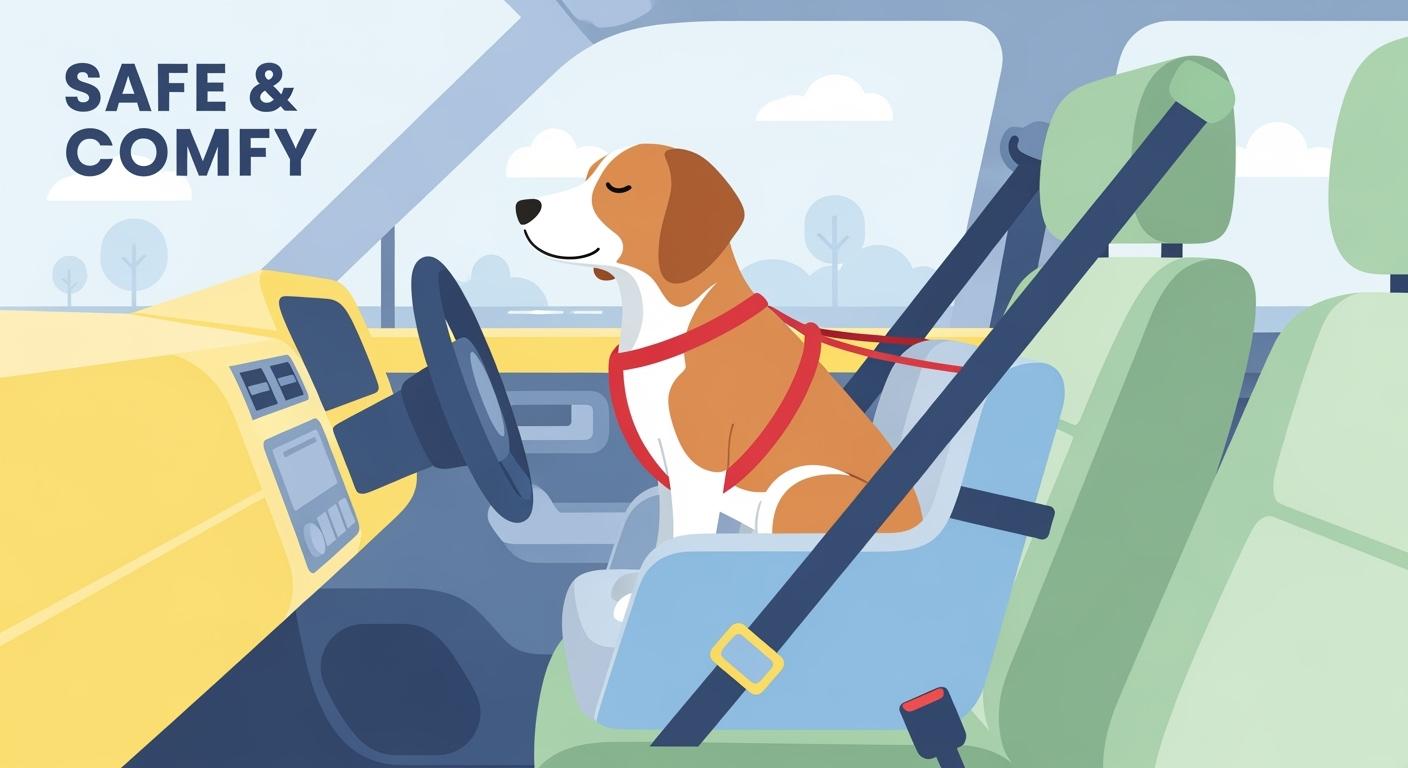
You look for a dog car booster seat to make your pet comfy, lift them up, and help keep your car clean. Picking the best dog booster seat means you need to know the right size and what it is made of. Always make sure it fits your dog and your car. For safety, use a different restraint system.
Look for seats that are stable, help your dog sit well, and are easy to clean. Do not use a booster dog car seat instead of crash-tested systems.
Key Takeaways
Pick a dog car booster seat that matches your dog’s size and weight. Measure your dog and your car to make sure it fits well.
Check for safety features like strong tethers and bottoms that do not slip. Always use another restraint system to keep your dog safe.
Choose materials that last long and are simple to clean. Covers you can wash in a machine make cleaning easy and help your dog feel good.
Dog Car Booster Seat Buying Guide: Category and Fit Basics
What is a Dog Car Booster Seat?
A dog car booster seat lifts your pet so they can see out the window and ride comfortably. You use it to keep your dog secure and help keep your car clean. The main purpose is elevation and comfort, not crash protection. Booster seats work best for small to medium dogs who need a better view or feel nervous during dog travel. Unlike a crash tested dog car seat, a booster seat does not guarantee crash safety. You should always use a separate restraint system for full safety.
Type | Description | Pros | Cons |
|---|---|---|---|
Bucket-Style Booster Seats | Small bucket shape, good for energetic dogs | Side protection, stable, sometimes tested | Bulky, may not fit all cars |
Hammock-Style Boosters | Stretches across backseat, fits multiple pets | Space-efficient, easy install | Less support, may sag |
Convertible Carriers | Works as carrier and booster seat | Versatile, full enclosure | Heavy, limited airflow |
Inflatable or Soft-Fold Models | Lightweight, collapsible | Compact, affordable | Minimal crash protection, shifts easily |
Who Should Use a Booster Dog Car Seat?
You should use a booster dog car seat if your dog weighs under 30 lbs. Breeds like Chihuahuas, Pomeranians, Shih Tzus, and Dachshunds benefit most. Some compact breeds, such as Cocker Spaniels, may also fit. If your dog likes to look outside or gets anxious, an elevated dog car seat can help. You must check the fit for both your dog and your car before buying.
Key Buying Factors for Dog Car Seats
When you look for the best dog booster seat, focus on these features to consider:
Safety features: Choose seats with secure tethers and non-slip bottoms.
Fit: Match the seat to your dog’s weight and breed size.
Installation: Make sure the booster dog car seat works with your car seatbelt.
Materials: Look for machine-washable covers and easy-clean surfaces.
Stability: Hammock-style boosters offer better support for some dogs.
Tested: Some bucket-style seats are tested for side protection.
Comfort: Pick a seat that supports your dog’s posture.
Tip: Always place the booster seat in the rear seat. Avoid front seats with airbags. Combine a booster seat with a crash tested dog car seat harness for the best safety.
Best Dog Booster Seat Types and Materials
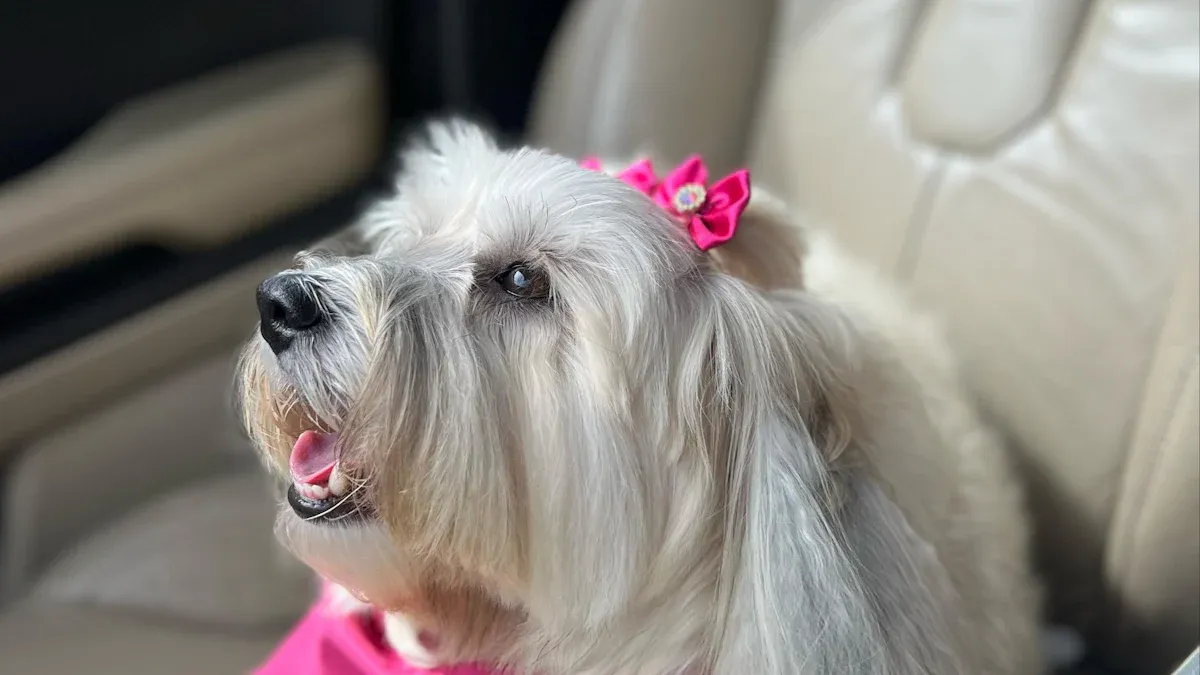
Seat, Console, and Carrier Styles Compared
To pick the best dog booster seat, you need to know the main types. Each style works better for certain dogs, cars, and trips. You should choose a seat that fits your dog’s size and how they act. Your car’s shape also matters when picking a seat. The table below shows the most common dog car seat types. It also lists their best uses and important safety tips.
Seat Type | Best Use | Pros | Cons | Fit or Safety Notes |
|---|---|---|---|---|
Bucket Seat | Small to medium dogs | Stable, side support, often tested | Bulky, may not fit all car seats | Check car seat width and buckle access |
Console Seat | Tiny breeds, single pet travel | Saves space, keeps dog close | Limited size, less stable | Only for dogs under 12 lbs, never block airbags |
Carrier Seat | Nervous or escape-prone dogs | Full enclosure, doubles as carrier | Heavy, less airflow | Use with harness for extra safety |
Hammock Booster | Multiple small dogs, back seat | Covers seat, easy to install | Less structure, may sag | Ensure seatbelt access and stable attachment |
Inflatable/Soft | Occasional dog travel | Lightweight, portable | Minimal support, shifts easily | Use only for calm dogs, always check stability |
Tip: Always make sure the booster dog car seat fits your car before using it often. The best dog booster seat helps your dog sit up straight and keeps the seat steady.
Attachment and Installation for Booster Dog Car Seats
It is important to install the dog car seat the right way. You must use your car’s seatbelt or the seat’s straps to hold it in place. Some seats have two tethers to keep your dog steady while you drive. This helps if you stop quickly. Always check that the seat does not block seatbelt buckles or child-seat anchors. For console and carrier seats, make sure the straps are tight so the seat does not slide.
Here are steps to help you pick and set up a booster dog car seat:
Measure your dog and the space on your car seat.
Choose a seat that matches your dog’s weight and how they travel.
Make sure the seat’s straps or tethers work with your car’s seatbelt.
Try the seat with your dog before taking a long trip.
After your first drive, check for any loose straps or if the seat moved.
Note: Booster seats do not take the place of a crash tested dog car seat or harness. Always use another restraint system for full safety.
Material Choices: Comfort, Cleaning, and Durability
The material of the dog car seat matters for comfort and cleaning. The best dog car seats use strong fabrics like polyester, Oxford fabric, or ballistic nylon. These materials last longer and do not wear out fast. Machine-washable covers make cleaning simple, which is good for dog travel. Some seats have waterproof layers to stop spills, but these can get hot. Removable covers and quick-drying linings make cleaning easier.
Material | Durability Benefits | Cleaning Benefits |
|---|---|---|
Durable Polyester | Resists wear and enhances longevity | Machine-washable covers simplify maintenance |
Oxford Fabric | Resists wear and enhances longevity | Machine-washable covers simplify maintenance |
Ballistic Nylon | Resists wear and enhances longevity | Machine-washable covers simplify maintenance |
When you look at materials, think about comfort and how easy it is to clean. Soft linings feel nice for your dog but can hold hair and smells. Waterproof bottoms help with spills but may get warm. Always check for covers you can remove and ways to clean them fast.
Construction Details: Padding, Seams, and Stability
How the dog car seat is made affects comfort and safety. Padding helps your dog sit well and makes bumps softer. Strong seams and straps keep the seat from moving. Some booster dog car seats use two tethers or a harness for more support. Swiveling connectors stop leashes from getting twisted and let your dog move a bit. The table below lists important parts of the seat and why they matter.
Feature | Importance | Good Sign | Caution |
|---|---|---|---|
Outer Fabric | Durability, easy cleaning | Thick, tightly woven | Thin, tears easily |
Lining | Comfort, moisture control | Soft, breathable, removable | Traps heat, hard to remove |
Base | Stability, support | Rigid, non-slip bottom | Soft, slides on seat |
Straps | Secure attachment | Adjustable, reinforced | Frays, weak stitching |
Seams | Strength, longevity | Double-stitched, hidden | Loose, exposed |
Padding | Comfort, shock absorption | Thick, even, holds shape | Lumpy, compresses quickly |
Removable Covers | Easy cleaning | Zippered, machine-washable | Fixed, spot-clean only |
Cleaning Method | Maintenance | Machine-washable, fast-drying | Hand-wash, slow to dry |
You want a booster dog car seat with thick padding, strong seams, and safe straps. Look for seats with harness designs and seatbelt use. These features let your dog sit, lie down, and move a little while staying safe. Swiveling connectors help stop leash tangles, so your dog stays calm during rides.
Safety reminder: Always put the dog car seat in the back seat, away from airbags. Never use a booster seat instead of a real restraint system.
Sizing and Fit Checks for Dog Car Seats
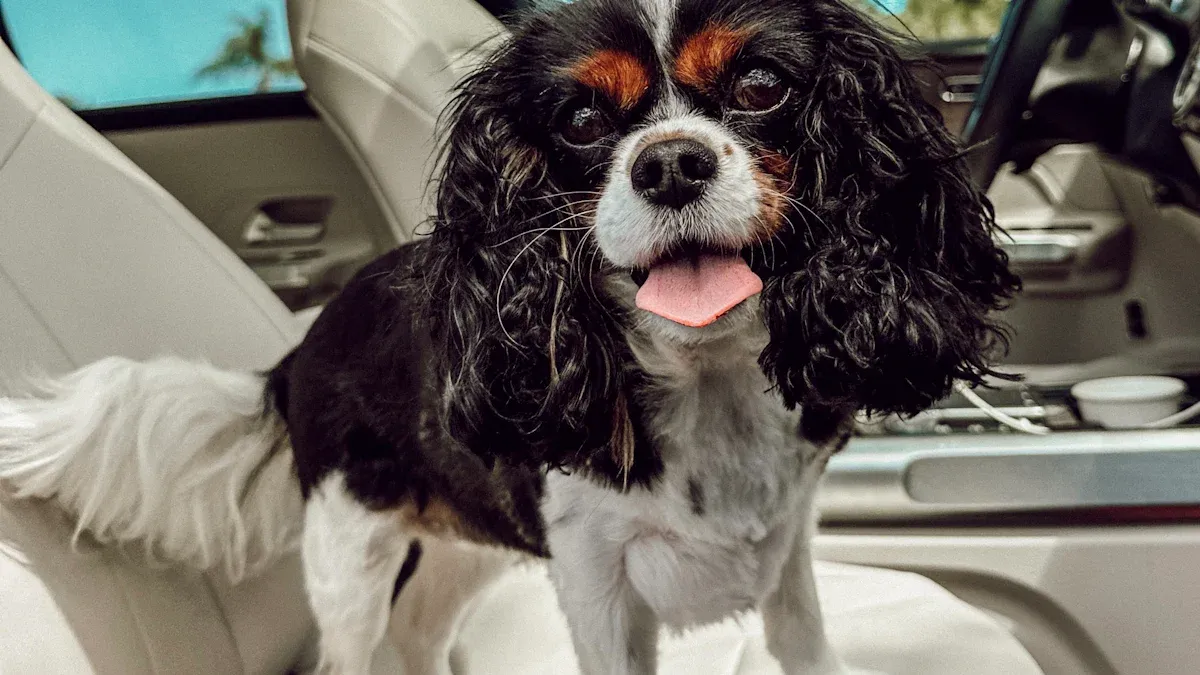
Measuring Your Dog and Car for Booster Seat Fit
You need to measure both your dog and your car to find the best dog booster seat. Start with a soft measuring tape and a phone to record measurements. Write down each step so you can compare options later. Accurate measurements help you avoid common sizing mistakes and ensure the correct fit.
Gather your tools. Use a soft tape, your phone for photos, and a notes app.
Measure your car’s bench width. Go from door to door across the seat where the booster seat will rest.
Measure bench depth. Start at the front edge and go to the seatback crease.
Measure seatback height. Begin at the crease and go up to the headrest posts.
Check headrest post spacing. This helps align straps for the booster dog car seat.
Map seat belt buckle locations. Make sure you can access buckles for safety features and tested harnesses.
Measure door trim and armrest height. This ensures side flaps protect your car and your dog.
You should also measure your dog’s weight, shoulder height, and length. These numbers help you select the best booster dog car seat for your pet’s size and posture. Always check the weight limit and tested dimensions for the booster seat.
Tip: Document every measurement. This makes it easier to compare the best dog car seats and avoid sizing errors.
Comfort and Posture in the Best Dog Booster Seat
The best dog booster seat supports your dog’s posture and keeps them comfortable during dog travel. An elevated dog car seat lets smaller dogs see outside, which can reduce anxiety and motion sickness. Proper sizing prevents sliding or tipping during sudden stops. You want your dog to sit upright, with no awkward neck pull or rubbing points. The seat must fit your dog’s weight and shoulder height for optimal comfort and safety.
Look for features to consider like memory foam padding, mesh panels for airflow, and harness designs that allow freedom of movement. A quick and easy attachment process helps impatient dogs settle faster. Swivel connectors reduce leash tangles and let your dog move safely.
Memory foam padding supports posture and absorbs bumps.
Mesh sides improve ventilation and keep your dog cool.
Hard-bottom structure prevents slipping or falling.
Waterproof material resists odors and stains.
Note: Comfort and posture matter for long-distance travel. The best dog booster seat combines tested comfort features with secure attachment.
Car Fit: Stability and Buckle Access
You must check how the booster dog car seat fits your car. Stability is key for safety. The seat should anchor securely using your car’s seatbelt or ISO-FIX points. Crash tested dog car seat harnesses anchor to these points for extra safety credentials. Stable attachment reduces the risk of injury during sudden stops. Always check that the seat does not block seatbelt buckles or child-seat anchors.
Crash tests by independent safety certifications show that many restraints fail under standard forces. Proper fit and secure anchoring methods are crucial for safety. Make sure the booster seat stays in place when your dog shifts. Non-slip rubberized bottoms help keep the seat steady. Accessible buckles allow you to use tested harnesses and maintain safety features.
Safety reminder: Place the booster seat away from front-seat airbags. Never let the seat interfere with child seat anchors or seatbelt access.
Quick Fit Test Before Regular Use
Before you use the booster dog car seat for regular dog travel, run a quick fit test. This helps you spot issues early and ensures your dog’s comfort and safety.
Weight Limit: Check your dog fits within the 10-30 lbs range, including gear.
Anchoring System: Look for dual tether options to minimize movement.
Dimensions: Measure your car’s backseat width for compatibility.
Side Wall Height: Should be at least 6-8 inches to prevent falls.
Base Grip: Non-slip rubberized bottoms keep the seat in place.
Padding & Ventilation: Memory foam for comfort, mesh panels for airflow.
Cleaning Ease: Removable, machine-washable covers make upkeep simple.
Portability: Foldable designs help with transport.
Tip: After your first drive, recheck the fit. Movement and settling can reveal hidden issues.
Sizing and Fit Checklist Table
Checkpoint | Pass/Fail | Solution if Fail |
|---|---|---|
Seat Stability | Pass/Fail | Add non-slip base or adjust straps |
Seatbelt Access | Pass/Fail | Reposition seat or choose slimmer model |
Dog Posture | Pass/Fail | Select larger seat or add padding |
Leash Attachment Comfort | Pass/Fail | Use swivel connector or harness upgrade |
Placement Away from Front | Pass/Fail | Move seat to rear, avoid airbag zone |
No Child Seat Interference | Pass/Fail | Adjust placement or check anchor access |
You should use this checklist before every trip. The best booster dog car seat passes all checkpoints and supports your dog’s posture, comfort, and safety.
Callout: Always prioritize fit and stability over style. The best dog car booster seat combines tested materials, correct fit, and safety credentials for reliable dog travel.
Common Mistakes and Buying Guide Decision Matrix
Mistakes in Booster Dog Car Seat Selection
You can stop mistakes by checking size, how you install it, and what it is made of before you buy a dog car seat. Many people only care about comfort and forget about safety or tested ways to keep the seat in place. Some seats say they fit all dogs but do not have good size charts or tested labels. Bad instructions and unclear weight limits also make things hard. The table below lists common mistakes and better choices:
Mistake Type | When It Happens | Why It Matters | Better Choice |
|---|---|---|---|
Wrong Size | Dog weight or height ignored | Dog can slip or tip during dog travel | Measure dog and car before purchase |
Difficult Installation | Straps or buckles hard to use | Seat shifts, reduces safety | Choose tested, easy-install designs |
Ignored Materials | Cleaning needs overlooked | Odors, stains, discomfort | Pick machine-washable, durable seats |
Blocked Buckles | Seat covers seatbelt access | Prevents use of tested harnesses | Check buckle access before buying |
Universal Fit Claims | No size chart or certification | Risk of poor fit and reduced safety | Use seats with clear tested limits |
When to Choose a Different Dog Car Seat or Restraint
Pick a different dog car seat or restraint if your dog is too heavy, feels nervous, or needs crash-tested safety. If the seat does not fit well or moves around, you need a new one. If your car’s buckles are covered, get a slimmer booster dog car seat or a tested harness. Always pick seats with tested safety and the right fit.
Safety tip: Booster seats help dogs sit up and feel comfy, but they are not crash-tested. Use a tested harness or carrier for full safety.
Buying Guide Matrix for Dog and Travel Needs
The chart below helps you find the best dog car seat for your dog and your trip. You can avoid mistakes by following these steps:
Dog Type | Travel Scenario | Best Choice | Avoid | Decision Notes |
|---|---|---|---|---|
Small breed | Daily commute | Bucket-style booster seat | Hammock for solo dog | Check tested weight and fit |
Nervous dog | Long trips | Carrier seat with enclosure | Console seat | Use tested harness for safety |
Multiple dogs | Weekend travel | Hammock booster | Console seat | Ensure tested seatbelt access |
Large breed | Any scenario | Harness restraint system | Booster seat | Booster seats not for large dogs |
FAQ: Cleaning, Fit, and Safety Expectations
Q: How do you clean common dog car seat materials?
A: Use mild soap and water for fabric seats. Clean leather with a gentle cleaner. Wipe vinyl with soft soap and a cloth. Do not use bleach or rough pads.
Q: What happens if you use the wrong size or a seat that is not installed right?
A: Your dog could get hurt or thrown from the car in a crash. Regular seat belts do not protect dogs. Using tested safety gear lowers the chance of injury and saves money.
Q: What should you check for the best booster dog car seat?
A: Look for tested ways to anchor the seat, clear weight limits, covers you can wash, and a steady fit. Always use a tested harness for crash-tested safety.
Callout: The best dog booster seat uses tested materials, fits well, and has safety features for safe dog travel.
You choose the best dog car booster seat by measuring your dog and car, checking fit, and reviewing materials. Follow these steps:
Measure your dog and vehicle.
Confirm anchoring and cleaning methods.
Use the buying guide matrix and checklist.
A booster seat protects your car and keeps your pet comfortable. Always use a separate restraint for crash safety.
FAQ
How do you know if a booster seat fits your dog?
Measure your dog’s weight and length. Check the seat’s size chart. Your dog should sit comfortably without hanging over the edge.
What materials make cleaning easier?
Choose seats with removable, machine-washable covers. Waterproof linings help with spills. Quick-drying fabrics save time and reduce odors.
Where should you place a booster seat in your vehicle?
Always put the booster seat in the back seat. This keeps your dog away from airbags and lets you use seat belts safely.