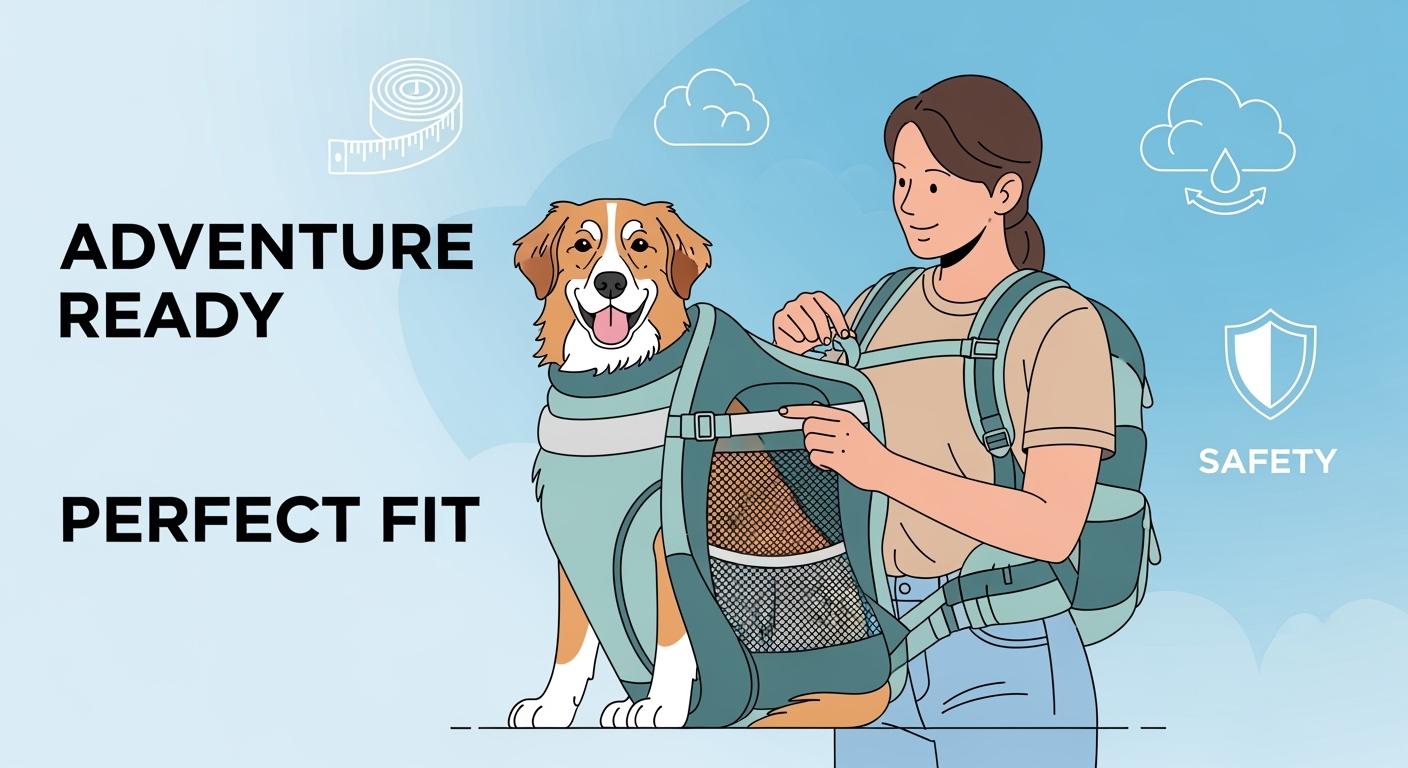
Many people want a dog backpack to keep their hands free in crowded places. You should pick the best dog backpack carrier so your pet stays safe and comfy. Measure your dog and choose features that fit your dog’s size and how active they are. This helps you avoid mistakes and makes every trip better.
Key Takeaways
Choose a dog backpack carrier that fits your dog well. Measure your dog’s length, height, and chest width to ensure comfort and safety.
Look for features like padded straps, a strong base, and mesh panels for ventilation. These elements enhance comfort for both you and your dog.
Test the carrier with short walks before longer trips. This helps your dog adjust and ensures the carrier fits properly without causing discomfort.
Choosing the Right Dog Backpack Carrier
What Is a Dog Backpack Carrier
A dog backpack carrier lets you carry your dog without using your hands. It helps you control your dog in busy places. You can move through crowds more easily. This carrier spreads your dog’s weight on your shoulders and hips. Sling carriers do not do this. Your dog sits on a soft bed inside the carrier. Harness tethers keep your dog safe and supported. The carrier keeps your dog close to you. It is good for travel or running errands.
Feature | Dog Backpack Carrier | Sling Carrier |
|---|---|---|
Weight Distribution | Evenly across shoulders and hips | Under chest and abdomen |
Support | Full-body with padded beds and harness tethers | Minimal, hind legs dangle |
Mobility | Hands-free navigation in various terrains | Simple, risk of twisting or slipping |
Breathability | Mesh panels for airflow | Limited due to tight fabric |
When to Use a Dog Backpack Carrier
Use a dog backpack carrier for short trips in the city. It is helpful on subway rides or when your dog must stay close. People who are active like having their hands free. You may need it in emergencies to move your dog fast. Some dogs feel safe in a carrier if they like being near you. Start with short times in the carrier so your dog gets used to it.
Recommended Scenario |
|---|
Short-distance urban travel (subway rides) |
Dogs seeking closeness |
Active owners needing hands-free mobility |
Emergency evacuation scenarios |
Key Buying Factors for Fit and Safety
Think about important features when picking a dog backpack carrier. Fit is the most important thing. Look for many ways to adjust the carrier. This stops rubbing and keeps it from moving around. Safety features like reflective strips and D-rings are helpful. Mesh panels let air flow and keep your dog cool. A strong base keeps the carrier from sagging. It also helps your dog’s back stay straight. The carrier’s weight limit should match your dog’s size. Do not carry more than 10-25% of your dog’s weight. Padded straps and a hip belt make it easier to carry. Try the carrier before using it a lot to check for problems.
Criteria | Importance |
|---|---|
Structural base rigidity | Prevents pelvic sagging and maintains spinal alignment |
Ventilation coverage | At least 60% mesh is critical for cooling |
Weight capacity vs. actual load | Reduce stated max weight by 20% for practical use |
Strap architecture | Dual-padded shoulder straps, hip belt, sternum strap for weight distribution |
Usability testing | Dry run checks for swaying or discomfort |
Tip: After a short walk, check how the carrier fits. Watch for slumping or spots that press too much. Your dog’s comfort and safety depend on the right size and features.
Dog Backpack Types and Comfort Features
Front-Carry vs Back-Carry Styles
There are two main styles for dog backpack carriers. One is front-carry and the other is back-carry. Front-carry lets you see your dog all the time. This is good for nervous dogs or young puppies. Back-carry helps you balance the weight better. It is easier to walk or hike with this style. Some carriers can switch between front and back. You can change how you carry your dog when you want.
Carrier Style | Best Use | Pros | Cons | Safety Notes |
|---|---|---|---|---|
Front-Carry | Short trips, anxious dogs | Keeps dog visible, easy access | Less weight balance | Good for monitoring dog |
Back-Carry | Hiking, longer outings | Better weight distribution | Dog out of sight | Use harness attachment |
Structured | Vet visits, older dogs | Stable base, comfort padding | Bulkier | Limits sensory overload |
Big Dog Carrier Backpack | Larger breeds, travel | Extra support, adjustability | Heavy, less portable | Check weight and fit |
Stability, Support, and Internal Attachments
A stable carrier keeps your dog safe and steady. Structured carriers have soft sides and extra padding. Your dog can lay down and relax inside. This gives more comfort and support. Internal harness attachments make things safer. Do not use a collar for this. Adjustable straps help the carrier fit your body. Waist belts give more support for long walks.
Note: Always look for a strong base and harness points inside. These features stop your dog from slumping and keep them safe.
Ventilation and Heat Management
Good ventilation keeps your dog cool and happy. Mesh on the sides lets air move through the carrier. Strong mesh does not tear easily and lets air in. Raised bottoms help air flow under your dog. Vents near the nose make it easy to breathe. Secure zippers keep your dog inside but let air in.
Feature | Description |
|---|---|
360-degree ventilation | Mesh on multiple sides for airflow, prevents air stagnation |
Durable mesh material | Strong, porous mesh resists damage and allows air passage |
Elevated base | Raised bottom circulates air underneath, reduces heat from surfaces |
Ventilation near nose level | Side vents positioned low for comfortable breathing |
Reinforced zippers and closures | Secure mesh panels maintain ventilation and prevent escape |
Access, Closures, and Cleaning
Easy openings help you put your dog in and take them out fast. Zippers and clips should not pull fur or hurt your dog. Pick a carrier that is simple to clean. This keeps the carrier fresh and nice for your dog.
Feature Area | Importance | Good Performance | Cautions |
|---|---|---|---|
Base Support | High | Stable, padded, non-slip | Avoid sagging bases |
Ventilation Panels | High | Full-mesh side ventilation | Watch for weak mesh |
Internal Attachment | High | Harness tether, secure | Never use collar attachment |
Shoulder Straps | Medium | Adjustable straps, padded | Thin straps cause discomfort |
Waist Belt | Medium | Adds support, distributes weight | Loose belts reduce stability |
Fasteners | High | Reinforced zippers, secure clips | Weak closures risk escapes |
Openings | Medium | Wide, easy access | Small openings stress dogs |
Padding | High | Comfortable padding, soft walls | Hard surfaces cause pressure |
Easy-Clean Surfaces | Medium | Wipeable, removable liners | Hard-to-clean fabrics retain odor |
Tip: Pick a dog backpack carrier that you can adjust. Make sure it has safety features. This will help both you and your dog feel good and safe.
Fit and Sizing Checks for Dog Backpack Carriers

How to Measure Your Dog for a Carrier
You need to measure your dog before you choose a dog backpack carrier. Start by measuring the length from the tip of your dog’s nose to the base of the tail. This gives you the main body length. Next, measure the height from the floor to the top of the shoulders. This tells you how much headroom your dog will have inside the carrier. Check the width of the chest at its widest point. This ensures your dog can breathe and move comfortably. Always compare your measurements with the carrier’s dimensions. You want a proper fit, not a loose or tight squeeze.
Measure your dog’s back length (nose to tail base).
Measure your dog’s height (floor to shoulder).
Measure the widest part of your dog’s chest.
Test if your dog can turn around inside the carrier.
Compare your measurements with the carrier’s size chart.
Tip: Never guess your dog’s size. Use a soft tape measure for accuracy.
Fit Checks for Dog Comfort and Posture
A perfect fit supports your dog’s posture and keeps them safe. The carrier should hold your dog upright without extra room for slumping. Oversizing leads to shifting and discomfort. Your dog’s chest and neck should stay open for easy breathing. The base must stay flat and stable, so your dog does not tip or slide. Look for clear ventilation panels to keep air moving. Internal safety tethers should attach to your dog’s harness, not the collar, to prevent choking. Check that your dog’s back stays straight and the legs do not dangle. If your dog can sit or lie down naturally, you have found the right fit.
Fit Checks for Owner Comfort and Safety
You need to feel comfortable and safe when carrying your dog. The backpack should have padded shoulder straps and a hip belt to spread the weight. Adjustable chest and waist straps help balance the load. A cushioned back panel adds support and reduces pressure on your spine. Reinforced base support keeps the carrier steady. Internal tether system and lockable zippers add safety by preventing escapes. Make sure the carrier does not sway or bounce when you walk. If you feel strain or the carrier shifts, adjust the straps for a better fit.
Quick Test Before Regular Use
Before you use the dog backpack for a long trip, do a short test walk. Place your dog inside the carrier and walk around your home or yard. Watch for signs of discomfort, like slumping, whining, or shifting. Check for pressure points on your dog’s body. Make sure the carrier stays balanced and does not sway. Look for secure fasteners and clear ventilation. If you find any problems, adjust the straps or padding. Repeat the test until you and your dog feel comfortable and safe.
Sizing and Fit Checklist Table
Checkpoint | Pass ✅ | Fail ❌ | Improvement Actions |
|---|---|---|---|
Supported, stable posture | ✅ | ❌ | Adjust base, reduce extra space, check sizing |
No chest or neck collapse | ✅ | ❌ | Refit harness, check internal tether system |
Clear ventilation | ✅ | ❌ | Open mesh panels, reposition carrier |
Secure fasteners and closures | ✅ | ❌ | Check zippers, clips, and internal safety tethers |
Balanced carry, minimal sway | ✅ | ❌ | Adjust straps, use hip belt, check weight balance |
Dog can turn 180° inside | ✅ | ❌ | Recheck carrier width, avoid oversizing |
Owner comfort and support | ✅ | ❌ | Add padding, adjust straps, check back panel |
Note: Recheck the fit after every walk. Dogs can change shape as they move, so regular checks keep them safe and comfortable.
A proper fit in your dog carrier means better safety, comfort, and enjoyment for both you and your dog. Use these steps and the checklist to find the best carrier for your needs, whether you want a big dog carrier backpack for travel or a smaller option for city walks.
Common Mistakes and Best Dog Backpack Carrier Choices
Mistakes That Affect Fit and Safety
A lot of people make easy mistakes when picking a backpack for dogs. These mistakes can make the carrier less safe and less comfy. Try not to make these common mistakes:
Mistake | Cause | Improvement/Better Choice |
|---|---|---|
Choosing by weight only | Ignores body shape and posture needs | Measure length, height, and chest width |
Oversizing | Extra space causes slumping and shifting | Select a snug fit for support |
Blocking ventilation | Decorative panels or extra pockets | Prioritize mesh panels for airflow |
Not planning breaks in heat | Overlooks heat risk and airflow limits | Schedule shade and water stops |
Using collar instead of harness | Choking risk during movement | Attach tether to a harness |
Skipping short trial use | Misses early signs of discomfort | Test with short walks before long outings |
Tip: Always look for a clear weight rating. Stay away from “one-size-fits-all” labels.
Matching Carrier to Activity and Dog Profile
You need to pick a carrier that fits your dog and your plans. Think about these things:
Fit: Find a carrier with lots of ways to adjust it.
Weight distribution: Carry only 10-25% of your dog’s weight.
Material quality: Pick strong, water-resistant fabric.
Breathability: Mesh panels and padded straps help in hot weather.
Safety features: Reflective strips and D-rings make your dog easier to see.
Removability: Removable bags make cleaning simple.
Decision Matrix for Best Dog Backpack Carrier
This chart can help you pick the right carrier for your dog and your trip:
Dog Profile/Activity | Best Choice | Avoid | Decision Notes |
|---|---|---|---|
Small city dogs | Front-carry, stable base | Bulky, back-only carriers | Prioritize quick access and crowd control |
Anxious dogs | Convertible, front-carry | Rigid, deep carriers | Keep dog visible and start with short sessions |
Dogs prone to overheating | Mesh-heavy, ventilated | Solid-sided, dark carriers | Maximize airflow and plan for breaks |
Short trips | Lightweight, easy access | Heavy, complex carriers | Focus on comfort and fast entry/exit |
Uneven terrain | Back-carry, hip belt | Sling or single-strap bags | Ensure stability and load transfer |
Easy cleaning/access buyers | Removable liners, wide zips | Fixed liners, narrow openings | Simplify cleaning and handling |
Note: When you are on public lands, keep your dog on a 6 ft leash while moving in and out of the carrier.
FAQ: Sizing, Ventilation, Cleaning, Transitioning
Q: How do I size a big dog carrier backpack?
A: Measure your dog’s length, height, and chest. Check the carrier’s chart. Do not pick a carrier that is too big.
Q: How can I help my dog get used to a new carrier?
A: Put treats inside the open carrier. Let your dog spend more time inside each day.
Q: What helps with ventilation?
A: Pick carriers with mesh on many sides. Take breaks in the shade and give your dog water.
Q: How do I clean the carrier?
A: Choose carriers with liners you can remove. Wipe the surfaces to keep it clean.
Choosing the right dog backpack carrier means you protect your dog’s comfort and safety. Use checklists and the decision matrix to guide your choice.
Proper fit prevents chafing and slumping.
Weight limits keep your dog safe.
Regular fit checks and slow acclimation help your dog enjoy every outing.
FAQ
How do you know if your dog feels comfortable in the carrier?
Watch your dog’s body language. If your dog sits calmly, breathes easily, and does not whine or squirm, the fit is likely correct.
What should you do if your dog resists entering the backpack carrier?
Start with short sessions. Place treats or a favorite toy inside. Let your dog explore the carrier at their own pace.
How often should you check the fit of your dog backpack carrier?
Check the fit before every outing. Dogs can change shape as they move. Adjust straps and padding as needed for comfort and safety.