Many bike dog-carry products get returned because they do not fit the bike, feel unstable, or have unclear weight limits. You can avoid these problems by using a quick 3-minute checklist: check your dog’s size and comfort, your bike’s rack or basket rating, and the product’s weight limit. A basket sits on the front and changes how you steer. A rack-mounted carrier fits on the rear rack and depends on a strong, secure attachment. A trailer rolls behind your bike and needs a safe hitch setup. Always check safety instructions. If you have questions about installation, ask a qualified bike mechanic. For your dog’s health, talk to a veterinarian. If you see the terms OEM or ODM, remember: OEM means the factory makes products for other brands, while ODM means the factory designs and makes the products. When you want to carry dog bike, matching the right product to your needs keeps both you and your dog safe.
Key Takeaways
Pick a dog carrier that matches your dog’s size and personality. Small dogs usually fit best in baskets. Big dogs may need trailers instead.
Always look at the weight limit for your carrier or trailer. If you go over the limit, it can cause safety problems for you and your dog.
Ask a bike mechanic if you are unsure about how to install or fit the carrier. Setting it up right is very important for safe rides.
Use a simple checklist to check your dog’s needs and your bike before you buy a carrier. This helps you avoid common mistakes.
Begin with short rides so your dog can get used to the carrier. Watch how your dog feels and acts during these first trips.
Dog Bike Carry Options
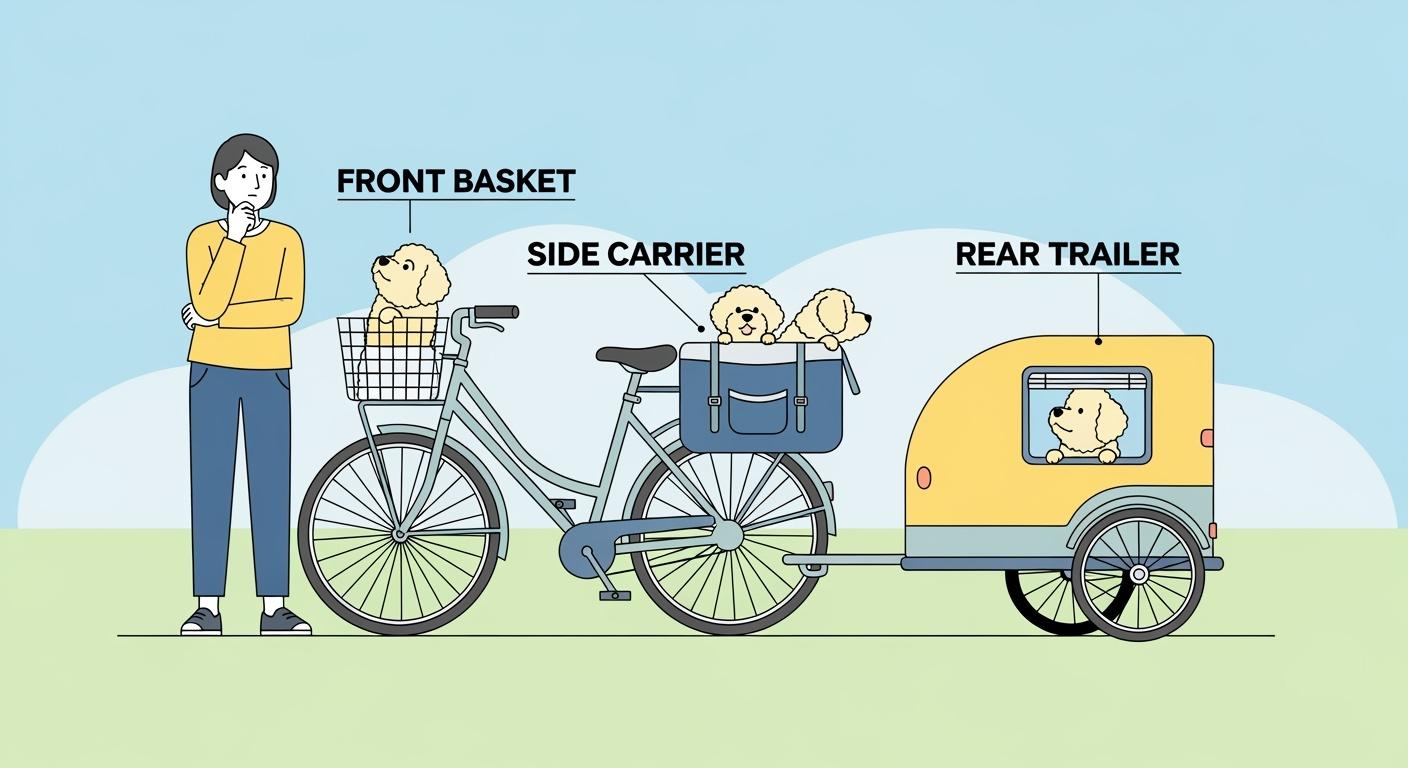
Choosing how you carry your dog on a bike depends on your dog’s size, your riding style, and your bike setup. You see three main options in stores: baskets, rack-mounted carriers, and trailers. Each has unique features and common misunderstandings.
Basket Use Cases & Myths
A basket is a front-mounted container that holds small dogs. You attach it to the handlebars or frame. Many shoppers believe baskets fit any bike and any dog. This is not true. Most baskets work best for dogs under 20 pounds. Heavier loads can make steering feel heavy and less stable. You should always check the basket’s rated maximum load before buying. Some people think baskets are only for short trips, but you can use them for commuting if your dog feels comfortable. If you ride an e-bike, a frame-mounted basket can offer good stability.
Tip: Always check if your basket fits your bike’s handlebar or frame. Ask a bike mechanic if you are unsure.
Rack Carrier Use Cases & Myths
A rack-mounted carrier sits on the rear rack. You use this option for small to medium dogs. Many shoppers think rack carriers do not affect handling. In reality, they offer smoother steering than baskets, but you must secure the attachment tightly. Some believe any rear rack works, but only racks rated for at least 25 kg (about 55 lbs) are safe. Rack carriers suit longer rides and commuting. E-bikes with strong racks provide excellent stability for this option.
Common myth: All racks are the same. In fact, rack strength and attachment matter for safety.
Trailer Use Cases & Myths
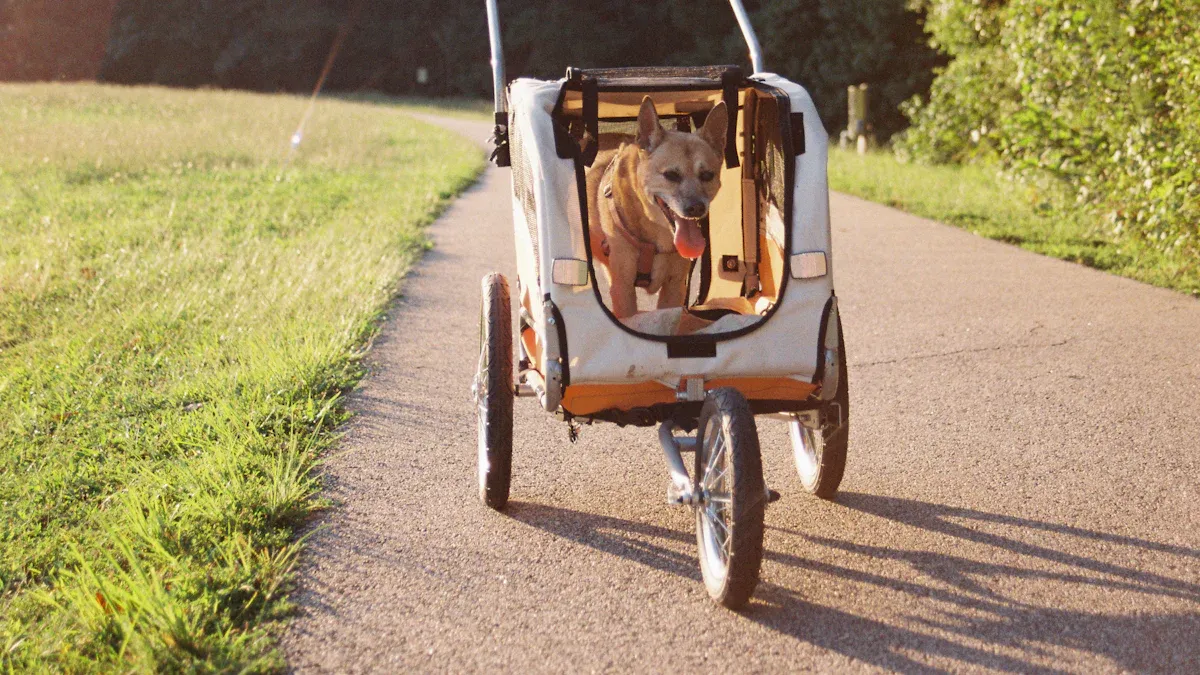
A trailer is a wheeled unit you tow behind your bike. You use trailers for dogs of all sizes, especially large breeds. Some shoppers think trailers are hard to pull or unstable. Most trailers offer minimal impact on bike handling and high stability when loaded correctly. You must check the hitch and load rating before each ride. Trailers work well for long distances and large dogs. E-bikes and cargo bikes handle trailers very well.
Carrier Type | Dog Size / Weight | Impact on Handling | Best For (Riding Style) | E-Bike Stability |
|---|---|---|---|---|
Front-Mounted Basket | Small (< 20 lbs) | Moderate (steering heavy) | Short rides, pet visibility | Good (frame-mounted) |
Rear-Mounted Carrier | Small to Medium | Low (smooth steering) | Commuting, long rides | Excellent |
Dog Bike Trailer | All sizes | Minimal (very stable) | Large dogs, long distances | Excellent |
You see these options in cycling shops and pet stores. If you want to carry dog bike, match the product to your dog’s needs and your riding habits. Always check safety instructions and consult a bike mechanic or veterinarian if you have questions.
Quick Checklist for Carry Dog Bike Choices
Picking the best way to carry dog bike starts with knowing your dog’s needs. You also need to think about your bike and where you ride. This quick checklist helps you choose and avoid problems.
Dog Profile Questions
Your dog’s size, weight, and how they act are important. These things help you find the safest and most comfy choice. Dogs who feel safe and calm on rides have more fun.
Dog weight (in pounds or kg)
Dog length and height
Dog age and health status
Dog temperament (calm, nervous, active)
Dog’s past experience with carriers or travel
Dog’s tolerance for motion and noise
Dog’s ability to sit, lie down, or turn around in a confined space
Note: Always check the product’s weight limit. Do not go over this number. Small, calm dogs often do well in a front basket or carrier with a tether. Nervous or jumpy dogs may need an enclosed trailer for more safety.
Rider & Bike Setup
Your bike and your skills with setup matter for safety. Make sure your bike can hold the carrier or trailer you want.
Bike type (standard, e-bike, cargo bike)
Front basket or rear rack compatibility
Rack load rating (look for at least 25 kg for rear carriers)
Handlebar and frame space for mounting
Wheel size and frame geometry
Experience with bike maintenance or installation
Access to a qualified bike mechanic
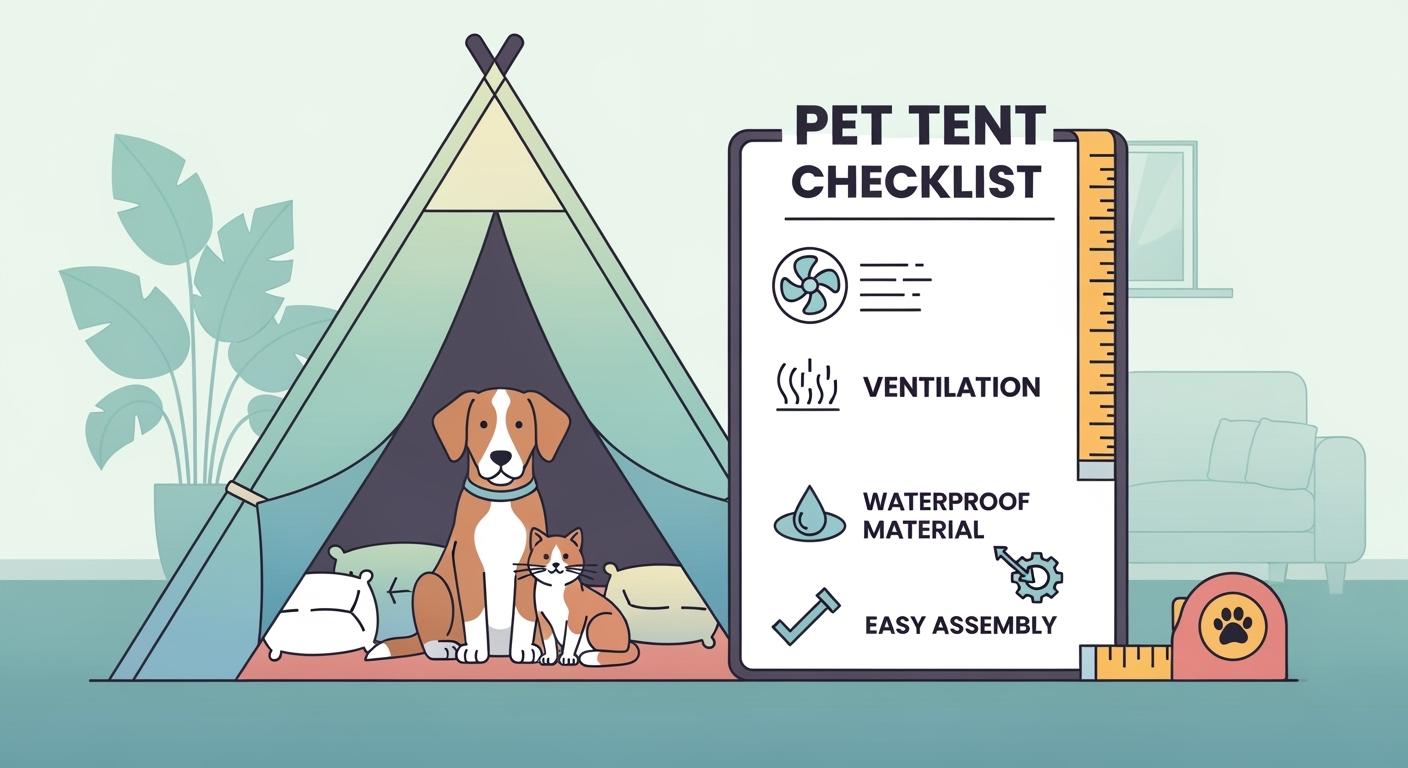
Soft dog beds or pads can make rides nicer, especially in trailers. A soft bed gives your dog a cozy spot and helps on long trips.
Trip Patterns
Think about your usual rides with your dog. How far, where, and how often you go all matter.
Typical trip distance (short, medium, long)
Terrain (flat, hilly, mixed)
Urban or rural environment
Frequency of rides
Weather conditions
Need for quick stops or errands
Dog’s comfort with new environments
Pet Size/Temperament | Best Option | Why |
|---|---|---|
Small and calm | Front carrier or basket + tether | Simple and close to rider |
Medium | Cargo e-bike with secure box | Lower center of gravity |
Nervous or unpredictable | Enclosed trailer | More contained and stable |
Shopper Question Table
Question | Why it matters | What to record |
|---|---|---|
What is your dog’s weight? | Makes sure you do not go over the weight limit | Dog’s weight in pounds or kg |
How tall and long is your dog? | Checks if your dog fits in the carrier or trailer | Dog’s measurements |
Is your dog calm, active, or nervous? | Helps you pick the right type for your dog | Dog’s temperament |
Has your dog used a carrier or trailer before? | Shows if your dog will be comfortable | Yes/No, details |
Does your dog have health or mobility issues? | Finds out if your dog needs special help | Health notes |
What type of bike do you have? | Makes sure the carrier or trailer will fit | Bike type/model |
Does your bike have a rear rack? | Needed for rack-mounted carriers | Yes/No, rack rating |
What is your rack’s rated maximum load? | Stops you from putting too much weight on the rack | Rack load rating |
How far and how often do you plan to ride? | Helps match the product to your trips | Trip distance/frequency |
Will you ride on hills or rough terrain? | Some carriers and trailers work better on bumps | Terrain type |
Do you have access to a bike mechanic? | Makes sure you can get help with setup | Mechanic available: Yes/No |
Does your dog need extra comfort (e.g., padding)? | Makes rides better, especially for long trips | Comfort accessories needed |
Are you concerned about installation difficulty? | Helps avoid problems with setting up | Yes/No, specific concerns |
Has your dog shown anxiety in new environments? | Points to safer or more closed options | Yes/No, details |
Tip: Always ask a bike mechanic if you have setup questions. For your dog’s health, talk to a veterinarian before you carry dog bike.
This checklist helps you pick what works best for you and your dog. It can stop common problems and make rides safer and more fun for both of you.
Shopper Interview Template
In-Store Questions
When you help a shopper choose how to carry dog bike, use this interview script to guide the conversation. This helps you match the right product to the dog’s needs and the bike’s setup.
Interview Script:
What is your dog’s weight, length, and height?
How does your dog react to new environments or motion?
Has your dog used a bike carrier or trailer before?
What type of bike do you have? Does it have a rear rack or space for a basket?
How far and how often do you plan to ride with your dog?
Do you have access to a bike mechanic for installation?
Are you concerned about comfort, wobble, or installation steps?
Observation Checklist:
Inspect the carrier or basket for damage or missing parts.
Confirm install guides are present and easy to read.
Check safety labels for weight limits and rack compatibility.
Test fit the carrier or basket on a display bike if possible.
Make sure comfort accessories, like pads or tethers, are included.
Data Fields:
Field | Notes/Values |
|---|---|
Dog weight | |
Dog size (L x H) | |
Dog temperament | |
Bike type/model | |
Rack/basket present | |
Planned trip type | |
Comfort concerns |
Returns Prevention
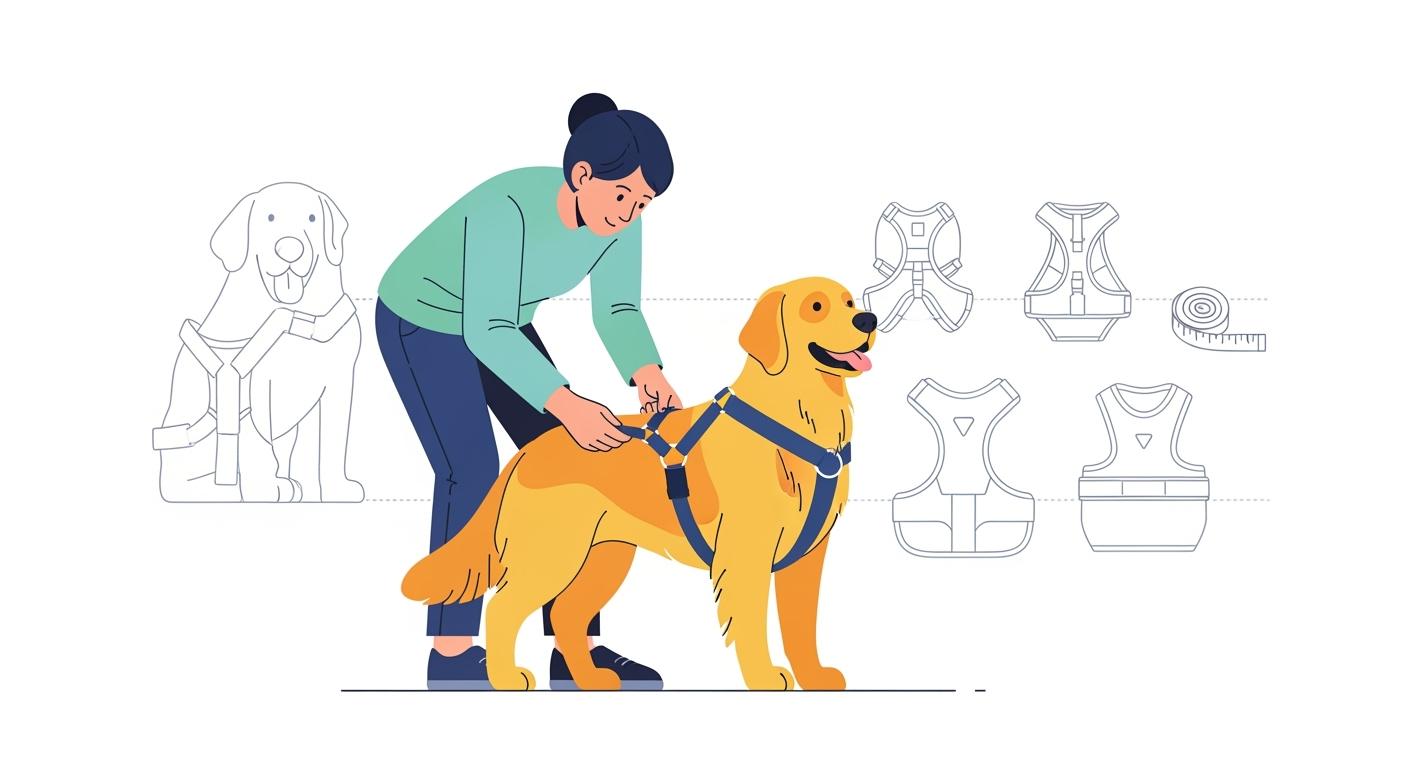
You can lower return rates by connecting fit advice to the sizing table and adjustment range. Always remind shoppers to check the product’s rated maximum load. Suggest a test fit in-store if possible. Encourage buyers to review the install guide and ask a bike mechanic for help if needed. Use buyer feedback to improve your sizing guides and FAQ scripts.
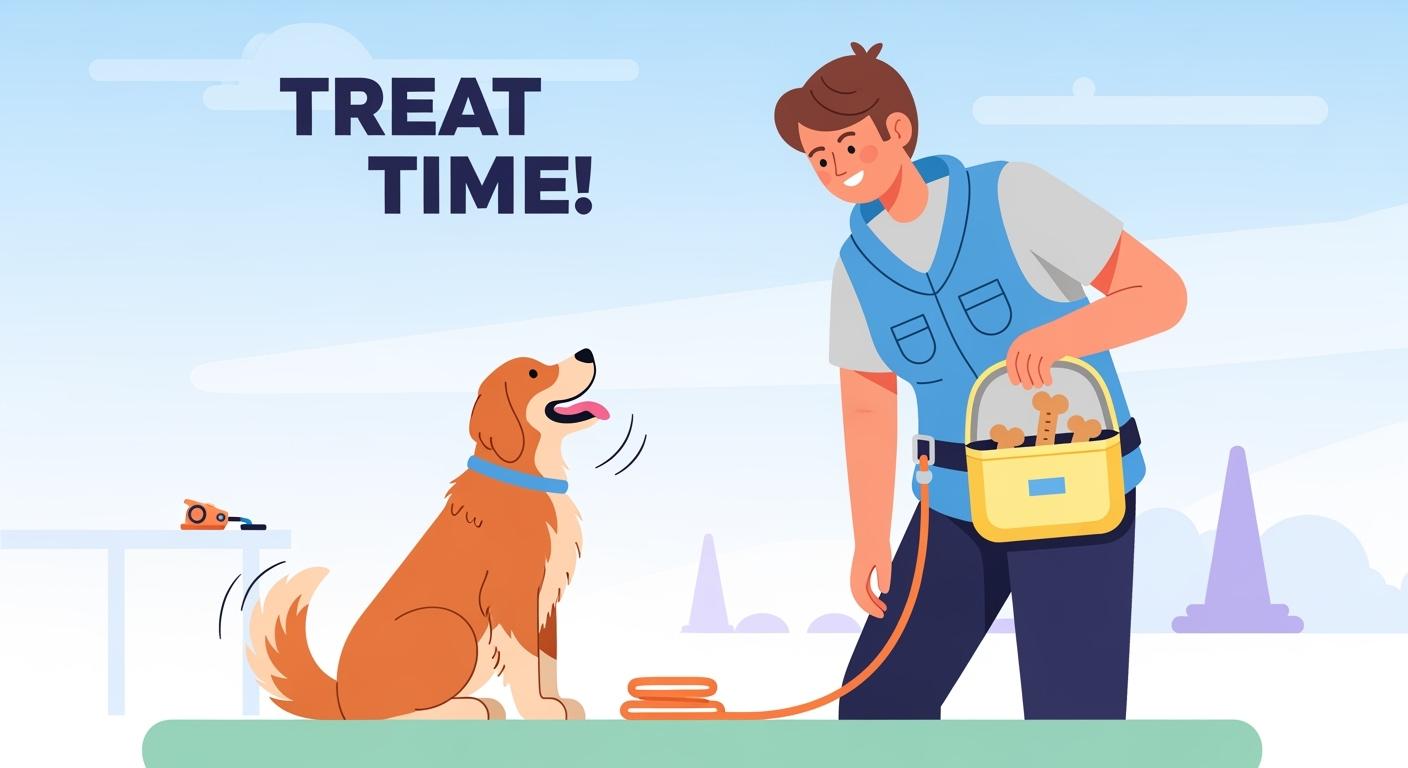
Tip: Stress the need for correct fit and use. Suggest reward-based training to help dogs adjust to new carriers.
Return Risk Prompts
Ask these prompts to spot possible return risks before purchase:
Are you unsure if the carrier will fit your bike?
Does your dog dislike confined spaces or new equipment?
Do you feel worried about installation steps?
Would you like to see a demo or test fit?
If a shopper raises concerns about wobble, fit, or comfort, respond with:
“Every dog and bike setup is different. For best safety, always check the weight limit and fit. If you have questions, a bike mechanic or veterinarian can help you make the safest choice.”
Learning from early returns helps your team update scripts and guides. Track common issues and adjust your advice to help future shoppers.
SKU Decision Matrix for Carry Dog Bike
When you pick what to sell, you need to know your shoppers. Use their answers from interviews to match them with the right product. This helps stop returns and makes shoppers happier. Start with basic products for most needs. Add special SKUs for less common cases. Keep your catalog simple so shoppers do not get confused.
Entry Assortment
Stock items that fit the most common shoppers. Baskets work well for small, calm dogs. Rack-mounted carriers are good for medium dogs. Trailers are best for large or nervous dogs. Use the interview answers to help you choose.
Add-On SKUs
Offer special carriers for flat-faced dogs. Sell ventilated carriers for hot weather. Add soft pads for extra comfort. Give adjustable kits for bikes with odd racks or frames. These extras help shoppers with special needs and lower return chances.
Catalog Control
Make your catalog easy to read. Name each product by type, size, and how it mounts. Use clear names like “Front Basket – Small Dogs – Handlebar Mount.” Always show the weight limit and which bikes work with each product.
SKU Decision Matrix Table
Shopper profile | Best option | Why | Common return risk | Staff script line |
|---|---|---|---|---|
Small, calm dog | Basket | Close to rider, easy to monitor | Overweight, fit issues | “Check your dog’s weight and basket rating. For best safety, use under the limit.” |
Medium dog, strong rack | Rack carrier | Stable, smooth steering | Rack not rated, loose fit | “Confirm your rack’s load rating before installing a carrier.” |
Large or nervous dog | Trailer | Stable, enclosed, less motion | Hitch fit, dog anxiety | “Test the trailer hitch and let your dog try short rides first.” |
Flat-faced breed, hot weather | Ventilated carrier | Extra airflow, safer in heat | Overheating, discomfort | “Flat-faced dogs need airflow. Use ventilated carriers for longer trips.” |
Dog near weight limit | Structured carrier | Better support, safer for heavy pets | Wobble, stress | “For heavier dogs, choose a structured carrier within the comfort range.” |
Dog dislikes confinement | Open basket/trailer | More space, less stress | Escape risk, anxiety | “Try open designs and monitor your dog’s comfort during short rides.” |
Tip: Always tell shoppers to check the weight limit. Suggest they ask a bike mechanic for help. For dog health, tell them to talk to a veterinarian.
Catalog Taxonomy Rules
Use simple, clear names for every product.
List the size and mounting style in the name.
Add notes like: “Fits racks rated 25 kg or higher.”
Write the weight limit: “Maximum load: 20 lbs. Do not go over.”
Say how the product affects riding: “Front baskets may change steering. Rear carriers steer smoother.”
This matrix helps you pick what to stock and helps shoppers find the safest way to carry dog bike. Clear catalog rules and easy copy help stop confusion and lower returns.
Fit & Comfort Language
Stability & Wobble Explained
You want your dog to feel safe and steady during every ride. Stability means the carrier stays secure and does not shake or tip. Wobble can make your dog nervous or even cause safety problems. Here are key points to remember:
Mountain bikes create more vibration and movement, so stability matters even more for dog carriers.
If the carrier feels unstable, your dog may lose balance or the carrier could detach.
Always test for vibration resistance and check that all fasteners are tight before each ride.
Tip: If you notice extra movement or wobble, stop and check the carrier. Ask a bike mechanic for help if you cannot fix the issue.
Weight Limits
You must always follow the weight limit for your chosen basket, carrier, or trailer. Exceeding the limit can cause the product to fail or make the ride unsafe for both you and your dog. Each product has its own maximum load. Here are some common examples:
Product Name | Weight Limit |
|---|---|
Sunlite Woven Wood Basket | 11 lbs |
Nantucket Bike Basket Tuckernuck | 13 lbs |
Electra Basil Pet Carrier | 33 lbs |
Electra Wooden MIK Rear Bike Crate | 22 lbs |
BiKASE Dairyman Basket with MIK Comp | 20 lbs |
Minika 3-in-1 Pet Stroller System | 55 lbs |
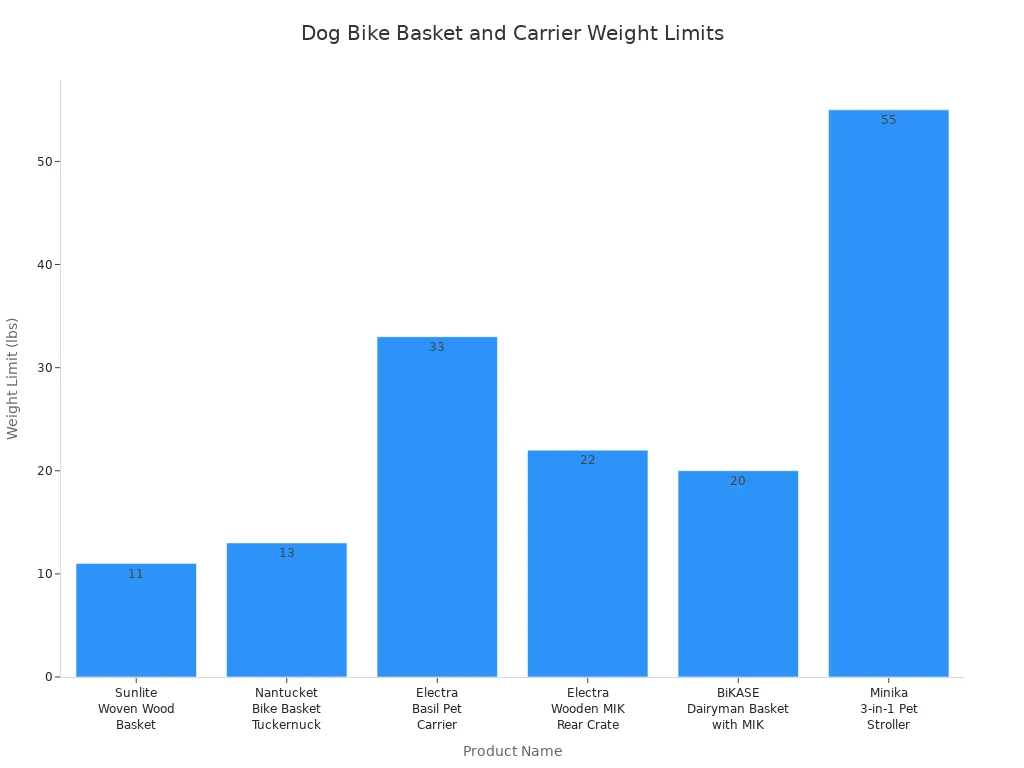
Note: Always check the product label for the exact weight limit. Never guess or round up. If your dog is close to the limit, choose a stronger carrier or trailer.
Carry Position & Dog Posture
The way you position your dog affects comfort and safety. A front basket keeps your dog close, but it can change how your bike steers. A rear carrier or trailer places your dog behind you, which often feels more stable. Make sure your dog can sit, lie down, and turn around inside the carrier. Dogs need enough space to adjust their posture during the ride.
Use a soft pad or bed for extra comfort.
Check that straps or tethers do not rub or pinch.
Watch your dog’s body language. If they seem stressed, try a different position or carrier.
For best results, let your dog explore the carrier before your first ride. Short practice trips help your dog get used to the new setup.
Mounting & Stability Risks
When you carry your dog on a bike, you need to understand how mounting and stability affect safety. These risks can change your ride and your dog’s comfort. Paying attention to these details helps you avoid common problems and supports a successful e bike rental business.
Steering Changes
Front baskets and some carriers attach to your handlebars or frame. When you add weight to the front, your steering feels heavier. You may notice the bike turns slower or feels harder to control. If you run a successful e bike rental business, you must teach customers about these changes. Riders who expect light steering may feel surprised by the difference. Always test the bike with the carrier and your dog before a long trip. If you feel unsure, ask a bike mechanic to check your setup.
Tip: Start with short rides in a safe area. Watch how your bike responds to the extra weight.
Attachment Risks
Every carrier or trailer needs a secure attachment. Loose mounts or weak racks can cause wobble or even detach during a ride. In a successful e bike rental business, you want to prevent these issues before they happen. Always check the product’s rated maximum load. Tighten all bolts and straps before each ride. If you see any movement or hear rattling, stop and inspect the attachment. Never ignore warning signs.
Checklist for Secure Attachment:
Confirm all fasteners are tight
Check for cracks or damage on racks and mounts
Make sure the hitch on trailers locks in place
Setup Errors vs Product Faults
Sometimes, problems come from setup mistakes, not from the product itself. If you skip steps or use the wrong tools, you may create safety risks. In a successful e bike rental business, clear instructions and staff training help reduce these errors. Always follow the install guide. If you have questions, ask a qualified bike mechanic. If you notice a problem that you cannot fix, stop using the carrier until you get help. For your dog’s health, talk to a veterinarian if you see signs of stress or discomfort.
Note: Careful setup and regular checks help you avoid most mounting and stability risks. This keeps your rides safe and supports your business goals.
Safety Claims & Compliance
Claim-Safe Language
You should give shoppers clear and honest safety info. Use words that show what the product can do. Do not promise things you cannot guarantee. Focus on what the product is made for, not what it will always do.
Claims guardrails:
✅ Say: “This carrier includes a reflective safety kit for better visibility.”
✅ Say: “The frame uses durable materials for secure biking.”
✅ Say: “Always check the weight limit and fit before each ride.”
❌ Avoid: “Guaranteed no wobble.”
❌ Avoid: “Escape-proof.”
❌ Avoid: “Fits every bike.”
❌ Avoid: “Absolute stability.”
Note: If you have questions about setup or fit, ask a bike mechanic. For dog health or anxiety, talk to a veterinarian.
Key compliance points:
Following safety rules keeps pets safe during trips.
Rules cover how strong the product is and how much weight it holds.
Makers must follow safety laws to stop injuries.
Environmental rules help pick safe materials for the planet.
Stability & Visibility
Stability and visibility features help keep dogs safer on bike rides. Look for products with strong frames and reflective parts. These features help make rides safer, especially when it is dark or busy outside.
Feature | Description |
|---|---|
Reflective safety kit | Extra visibility for safer rides |
Aluminum steel frame | Strong yet lightweight build |
Quick release EVA wheels | Smooth rolling and easy removal |
A strong frame, like aluminum or steel, gives support without being too heavy. Reflective kits help people see you and your dog better. Quick release wheels make setup and storage easier.
Tip: Always check that all safety features work before each ride. If you are not sure about stability or fit, ask a bike mechanic for help.
Bike Compatibility FAQs (E-Bike & Cargo Bikes)
Will It Fit My Bike?
You want to know if a dog carrier or trailer will fit your e-bike or cargo bikes. Start by checking your bike’s rack or frame. Look for a strong rear rack with a clear load rating. Many e-bike racks support more weight, but always check the label. Cargo bikes often have special racks or platforms. Some carriers use a universal hitch, while others need a specific mount. If your e-bike has disc brakes or a thru-axle, make sure the hitch matches. Not all trailers fit every e-bike or cargo bikes, so check the product’s compatibility list. For best results, ask a bike mechanic to confirm the fit.
Key fit factors:
Weight capacity of your rack or frame
Hitch system type and security
Frame material (aluminum or steel)
Suspension for comfort
Wheel size for terrain
Foldability for storage
Compatibility with your bike’s drivetrain
Will My Dog Be Comfortable?
Your dog’s comfort depends on space, support, and ride smoothness. E-bike rides can go faster, so a stable carrier matters. Cargo bikes often give more room for your dog to move. Look for a padded floor, good ventilation, and a canopy for sun or rain. Trailers with suspension help on bumpy roads. Make sure your dog can sit, lie down, and turn around. If your dog is new to e-bike or cargo bikes, start with short rides. Watch for signs of stress. For health questions, ask a veterinarian.
Why Weight Limits Matter
Weight limits keep your dog safe. E-bike racks and cargo bikes can carry more, but every product has a maximum load. Never go over this number. Exceeding the limit can cause the rack or carrier to fail. Always check both your bike’s and the carrier’s weight ratings. If your dog is close to the limit, choose a stronger option. For e-bike and cargo bikes, weight affects handling and stopping distance.
Tip: Record your dog’s weight and check it against both the bike and carrier limits before every ride.
E-Bike & Cargo Bike Considerations
E-bike and cargo bikes offer strong support for dog carriers. E-bike motors help with heavy loads, but you must check battery range. Cargo bikes give a low center of gravity, which helps with stability. When buying a cargo bike, look for racks rated for pet carriers. The best cargo bikes review often highlights models with strong frames and easy mounting points. Always check for reflective strips and secure hitches. For any questions about setup, ask a bike mechanic.
Feature | E-Bike Benefit | Cargo Bikes Benefit |
|---|---|---|
Motor assist | Easier uphill | Handles heavy loads |
Strong racks | More weight support | Large platforms |
Low center of gravity | Stable ride | Safer for big dogs |
Battery range | Longer trips possible | Good for errands |
You want the best way to carry your dog safely. Matching product features to your dog’s needs and your biking style matters. Use the checklist, tables, and decision matrix for confident choices. Always follow safety guidelines and product load ratings. Staff and shoppers can use the interview template and SKU matrix to reduce returns and improve satisfaction. Many people think about e bike rental when they look for new ways to ride. E bike rental gives you more options for carrying pets. E bike rental helps you try different setups before you buy. E bike rental lets you test comfort and fit for your dog. E bike rental supports safe rides with strong racks. E bike rental makes long trips easier. E bike rental works well for city and country rides. E bike rental helps you learn about stability. E bike rental gives you a chance to ask a bike mechanic for advice. E bike rental lets you compare baskets, carriers, and trailers. E bike rental helps you see how your dog reacts. E bike rental supports safe, fun trips. E bike rental is a smart choice for families. E bike rental helps you avoid mistakes. E bike rental is better than transporting things with a standard bicycle when you need to carry a pet. Request a quote. Ask for samples / get a catalog.
FAQ
How do I know which carrier fits my bike?
Check your bike’s rack or handlebar for size and weight ratings. Measure the space where you plan to mount the carrier. If you feel unsure, ask a qualified bike mechanic to confirm the fit before you buy.
What is the safest way to carry my dog on a bike?
Choose a carrier or trailer that matches your dog’s weight and temperament. Always follow the product’s load rating. Secure all attachments tightly. For installation questions, consult a bike mechanic. For your dog’s health, speak with a veterinarian.
Can I use a dog bike carrier with an e-bike or cargo bike?
Yes, many carriers and trailers work with e-bikes and cargo bikes. Always check the product’s compatibility and your bike’s weight limits. E-bikes and cargo bikes often support heavier loads, but you must confirm fit and safety.
How can I help my dog feel comfortable in a new carrier?
Let your dog explore the carrier at home first. Use treats and praise to build positive feelings. Start with short rides. Watch your dog’s body language. If you see stress, try a different setup or ask a veterinarian for advice.
What should I do if the carrier feels unstable or wobbly?
Stop riding right away. Check all fasteners and mounting points. Make sure you have not exceeded the weight limit. If you cannot fix the issue, ask a bike mechanic for help. Never ignore signs of instability.