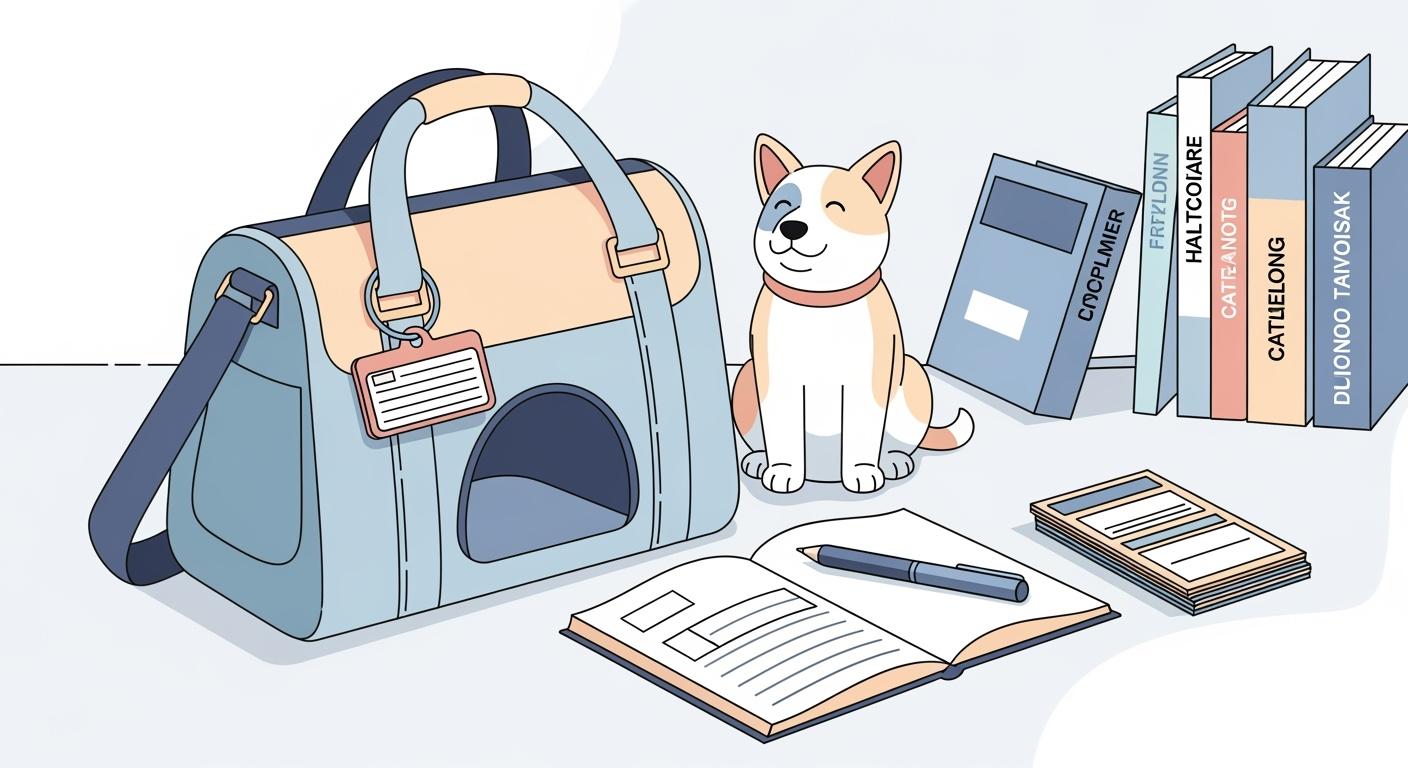
You often see confusion when naming pet bags in catalogs. Many customers expect a canine bag to fit every pet and travel need, but vague carrier terms lead to wrong orders and returns. You should use “dog carrier bag” for every listing. This keeps your catalog clear and helps customers find the right carrier for their pet. Focus on three steps: pick core attributes, match the use-case, and keep the same structure for all bags. This method makes your catalog easy to search and reduces mistakes.
Key Takeaways
Use ‘dog carrier bag’ as the main product name. This makes things clear for buyers. It helps people find the right bag. It also means fewer returns.
Put pet carrier bags into groups by how they are used: commute, travel, or day-trip. This helps buyers pick the right bag for what they need.
Always show both outside and inside sizes in inches and centimeters. This lets buyers know how much room their pet will get.
Do not use unclear words like ‘universal fit’ or ‘airline approved.’ Give clear rules for each carrier’s use and safety features instead.
Use the same naming style for all products. This keeps your catalog neat. It also helps customers find things easily.
Canine Bag Meaning and Misuse
Plain-English Definition
You need to explain what a canine bag is. A canine bag is a portable container. It is made to carry a dog safely and comfortably. People use these bags in three main ways:
Commute: Use for short trips in the city or on public transit. Pick bags that open fast and are easy to carry.
Travel: Use for long trips by car, hotel, or plane. Choose bags with strong closures, good airflow, and clear size info.
Day-trip: Use for short outings or events. Pick bags that feel comfy for a little while and are easy to use.
Tip: Ask yourself, “Is this bag for errands, travel, or short trips?” Match the bag’s features to how you will use it.
A canine bag is not a fashion purse, a regular tote, or a backpack without pet safety parts. Do not call any bag a canine bag if it does not have safe closures, airflow, or pet-friendly design.
Terms to Avoid in Listings
You help your team and buyers by using clear words. Do not use these terms when naming canine bags:
Fashion bag: This word confuses people. It means style is more important than safety.
Tote: Most totes do not have pet safety parts. Only use this word if the bag meets all carrier rules.
Handbag: Handbags are not made for pets. Using this word causes returns.
Universal fit: No canine bag fits every pet or travel rule. Do not use this claim.
Airline approved: Airlines have different rules. Say, “Check your airline’s under-seat size before you travel.”
Note: Always use “dog carrier bag” as your main product name. Add commute, travel, or day-trip as extra tags. This keeps your catalog neat and stops confusion.
You make your catalog better and safer by following these naming rules. You help buyers pick the right bags and lower the chance of returns.
Pet Carrier Bags Use-Case Buckets
Pet carrier bags serve different needs in your catalog. You must group each carrier by its main use-case. This helps buyers pick the right bags for their pet and lowers return rates.
Commute Needs and Labels
Commute means short trips in the city. You use pet carrier bags for errands, public transit, or quick drop-offs. These bags need easy access, stable carry position, and surfaces that clean fast. Always label these carrier bags as “commute carrier” in your catalog. Do not say “fashion bag” or “universal fit.” Say “commute carrier bag with quick-access entry and easy-clean surface.” This tells buyers the pet carrier bags work best for short, urban trips.
Tip: Use clear terms like “commute carrier bag” and list features that help with fast entry and stable carry.
Travel Features and Claims
Travel means longer trips by car, hotel, or plane. Pet carrier bags for travel need strong closures, good ventilation, and clear size details. Always use “travel carrier bag” if the carrier has these features. Never claim “airline approved” or “guaranteed fit.” Say “travel carrier bag with secure closure and ventilated panels.” Remind buyers to check airline rules for under-seat fit. This keeps your catalog honest and helps buyers choose the right bags for their pet.
Correct Label | Incorrect Label |
|---|---|
travel carrier bag | airline approved bag |
carrier bag with ventilation | universal fit carrier |
Day-Trip Guidance
Day-trip means short outings or events. You use pet carrier bags for comfort and simple carry. Label these bags as “day-trip carrier bag.” Do not use “handbag” or “tote” unless the carrier meets all pet safety rules. Say “day-trip carrier bag with comfort padding and easy carry position.” This helps buyers find bags for short, safe outings with their pet.
Pet carrier bags come in many forms. Some focus on safety and comfort. Others, like dog dress with backpack, focus on style and carry small items. Always use “carrier” for bags made for pet transport.
Note: Use the same terms for every listing. This keeps your catalog clean and easy to search.
Naming Formula for Catalogs
You need a simple way to name pet carrier bags. This helps your brand keep the catalog neat and easy to search. Using the same naming style for every product lowers confusion and returns. Follow these steps to make strong names for pet carrier bags.
Token Order and Structure
Start each product name with the main product type. Always use “dog carrier bag” first. Next, add the form factor, like “backpack-style,” “sling-style,” or “tote-style.” Then, put the use-case label: “commute,” “travel,” or “day-trip.” Finish with the size, such as “Small,” “Medium,” or “Large.” This order keeps your catalog tidy and helps buyers find bags quickly.
Tip: Use this order for every product. This helps your brand look clear and honest as a travel lifestyle brand.
Example structure:
Dog carrier bag, backpack-style, travel, Medium
Dog carrier bag, sling-style, commute, Small
You can use this formula for all pet carrier bags. It makes it easy for catalog teams to add new items and keep quality high.
Optional Attributes in Names
Sometimes you need to add more details to product names. Only add these if they help buyers pick the right pet carrier bags. Use material, ventilation, and entry style if they matter for safety or comfort.
Material: Say “soft-sided” or “hard-sided” if it changes travel or cleaning.
Ventilation: Add “ventilated panels” or “mesh windows” if airflow is important.
Entry style: Use “top-entry,” “side-entry,” or “dual-entry” if it changes how you use the carrier.
Do not put creative color names or brand slogans in the product title. Keep those as catalog details. Clear, simple names help buyers focus on safety and quality.
Note: Only add extra details if they help buyers choose the right bags. This lowers return risk and builds trust in your brand.
Use-Case Label Table
You must use the right labels for each pet carrier bag. The table below shows what to say, what to avoid, and what happens if you use the wrong label. Use this table to help your catalog team and keep product quality high.
Use-case label | Best for | Avoid saying | Return risk if misused |
|---|---|---|---|
Commute carrier bag | Short city trips, errands, public transit | Fashion bag, universal fit | High: wrong size, missing safety features |
Travel carrier bag | Car trips, hotel stays, flights | Airline approved, guaranteed fit | High: does not fit airline rules, unclear ventilation |
Day-trip carrier bag | Events, sightseeing, short outings | Handbag, tote | Medium: lacks comfort, not safe for pet |
Alert: Always match the use-case label to the product’s features. This protects your brand and helps buyers pick the right pet carrier bags.
You can use this formula for every product. It helps your catalog team keep listings neat and easy to search. You build a strong brand with quality pet carrier bags that meet real pet needs.
Size, Dimensions, and Safety
Exterior vs Interior
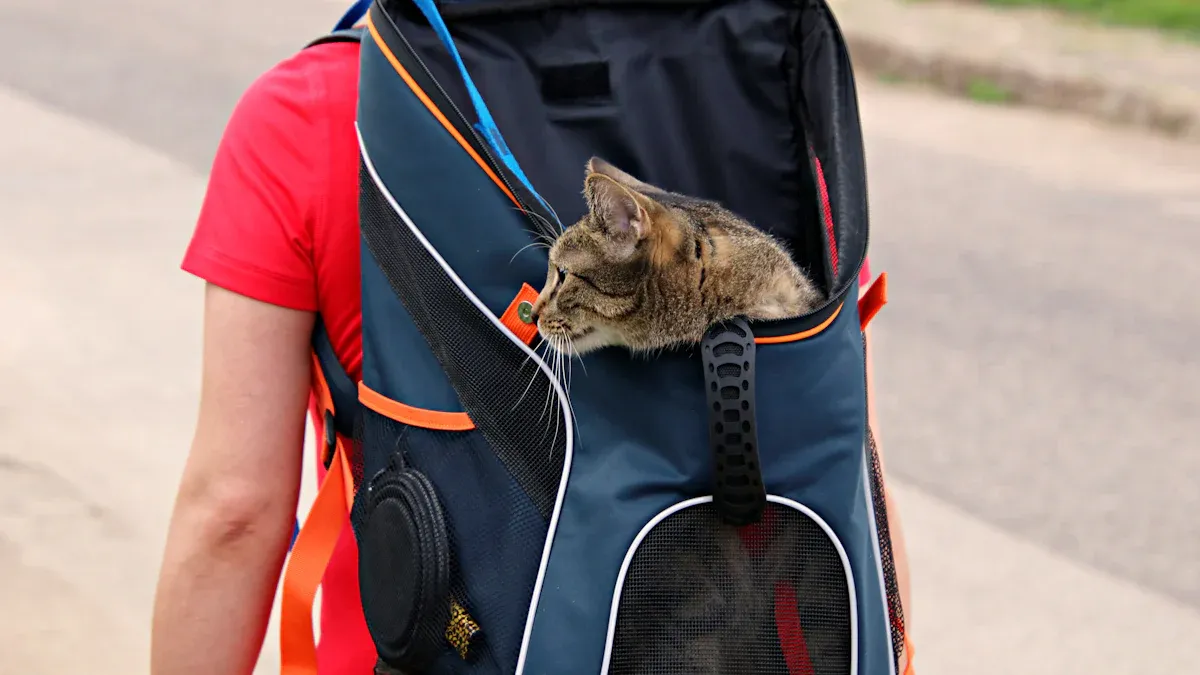
You should show both outside and inside sizes for pet carrier bags. The outside size tells buyers how much space the bag takes up. The inside size shows how much room the pet will have. Always label these sizes clearly. Use “Exterior (L x W x H)” for the outside. Use “Interior (L x W x H)” for the inside. This helps buyers pick the right carrier for their pet. It also lowers the chance of returns. Many returns happen when buyers think the inside is bigger than it is.
Tip: Always list both outside and inside sizes for every carrier. This helps buyers match their pet to the right carrier bag.
Dual Units Format
You must use both inches and centimeters for every size in pet carrier bags listings. This makes your catalog easy for all buyers to use. Always keep the same order for every carrier SKU. For example, say “Exterior: 18 x 12 x 10 in (46 x 30 x 25 cm).” This rule helps buyers compare pet carrier bags and stops confusion. Never mix up the order or leave out one unit. Clear dual units help with safety and stop mistakes.
Always show both units for every carrier.
Use the same order for every pet carrier bag.
Label each size as “Exterior” or “Interior.”
Weight Limit Language
You must follow safety rules for weight limits in pet carrier bags. Always say the weight limit in pounds and kilograms. Use clear words that help buyers pick the right carrier for their pet. Never say universal fit or use unclear words. Use tables and lists to show safe weight ranges.
Carrier Size | Weight Capacity |
|---|---|
Small | 10–30 lbs (4.5–13.6 kg) |
Large | 25–40+ lbs (11.3–18.1+ kg) |
Safe Label Phrase | Example Usage |
|---|---|
Supports up to 20 lbs (9.1 kg) | “This carrier supports up to 20 lbs (9.1 kg).” |
Comfort range: up to 15 lbs (6.8 kg) | “For best comfort, use with dogs up to 15 lbs (6.8 kg).” |
Check your dog’s weight before purchase | “Always check your dog’s weight in lb and kg before selecting a carrier.” |
Always check the weight limit on the carrier label for safety and comfort.
Use simple words in product listings to avoid confusion.
Clearly say the weight limit in both pounds and kilograms.
Many returns happen when buyers pick pet carrier bags that do not fit their pet’s size or weight. You lower this risk by using clear safety words and showing all sizes. Always match the pet to the right carrier for safety.
Variant Naming and Pet Attributes
Size Name Conventions
You help your team by using clear size names. Always use “Small,” “Medium,” or “Large.” Define what each size means in your listing. For example, say “Small: fits pets up to 10 lbs (4.5 kg).” Keep these size names the same for all pet carrier bags. Do not use creative names like “Mini” or “Jumbo” in the title. This makes it easy for buyers to match their pet to the right carrier. If you use letter codes like “S,” “M,” or “L,” show the mapping once and use it everywhere.
Tip: Always list the weight and size range for each carrier size. This lowers confusion and helps buyers pick the right pet carrier.
Color and Material Normalization
You keep your catalog neat by using simple color names. Say “Black,” “Gray,” or “Blue” in the product title. Put creative color names like “Ocean Mist” or “Sunset Red” in the attributes section, not the title. This helps buyers search for pet carrier bags by color and compare options. Always use plain material names like “soft-sided” or “hard-sided.” Do not use words like “luxury” or “premium” in the title. Save those for the product description.
Say This | Do Not Say This |
|---|---|
Black | Midnight Dream |
Soft-sided | Plush Deluxe |
Note: Simple color and material names make your catalog easy to search and sort.
Hardware and Closures
You make pet safety better by listing hardware features. Always mention closures like “zipper,” “snap,” or “Velcro.” Say if the carrier has a safety tether, mesh windows, or strong handles. These details help buyers know the carrier will keep their pet safe. Do not use vague words like “secure” without naming the hardware. Always list the closure type and any safety features in the attributes.
Zipper closure
Safety tether
Mesh ventilation panels
Reinforced handles
Alert: Always check that every pet carrier bag has closures and hardware that keep pets safe during travel or daily use.
Claim-Safe Copy for Pet Safety
Commute Copy Block
You want your customer to feel sure when picking a carrier for errands or public transit. Use this copy block for commute pet carrier bags:
This dog carrier bag works well for short city trips and public transit. It has quick entry and a stable carry position. These features help keep your pet safe during errands. The surfaces are easy to clean. Always check your pet’s weight and size before using the carrier. This helps every customer get a safe fit.
Travel Copy Block
Travel needs more care. You must help the customer know the limits and safety features of each carrier. Use this copy block for travel carrier bags:
This travel carrier bag has secure closures and ventilated panels. These features keep your pet comfortable on long trips. The bag lists both outside and inside sizes. Airline rules are different for each flight. Check your flight’s under-seat size before you travel. Always take your pet out for security checks. This advice helps customers and keeps pets safe.
Day-Trip Copy Block
For day-trips, comfort and easy use are most important. Use this copy block for day-trip carrier bags:
This day-trip carrier bag has comfort padding and an easy carry position. It is made for short outings or events. The design keeps your pet safe during short use. Always match your pet’s weight and size to the carrier’s limits. Clear advice helps every customer pick the right fit and makes their experience better.
Copy Block Table
Copy block section | Include | Avoid | Safer alternative phrasing |
|---|---|---|---|
Commute | Quick entry, stable carry, easy-clean surface, pet weight advice | Fashion words, universal fit claims | “Made for short city trips and errands with your pet.” |
Travel | Secure closure, ventilation, two sizes, airline fit warning | Airline approved, guaranteed fit | “Check your airline’s under-seat size before you travel.” |
Day-Trip | Comfort padding, easy carry, pet weight and size match | Handbag, tote, style-only words | “For short outings and events with your pet’s safety in mind.” |
Note: Always use clear and safe words. This protects your customer and helps your catalog follow the rules. You make safety better and lower returns by using these copy blocks.
Catalog QA and Community Feedback
Pre-Publish Checklist
You need a clear process before you publish any pet carrier bag listing. This helps your catalog team avoid mistakes and keeps your catalog safe for every pet. Use this checklist for each new product:
Check that you use “dog carrier bag” as the main product type.
Confirm that you label the use-case: commute, travel, or day-trip.
Review all size and weight limits for each pet carrier bag. Make sure you show both exterior and interior dimensions in inches and centimeters.
List hardware features like zippers, safety tethers, and mesh panels. This helps buyers know the pet carrier bag is safe.
Use simple color and material names. Put creative names in the attributes, not the title.
Read every claim for safety. Avoid words like “airline approved” or “universal fit.”
Test the listing for search. Make sure buyers can find pet carrier bags by use-case, size, and color.
Tip: Use a table to track each step for every pet carrier bag. This helps your team catch errors before launch.
Step | Done? | Notes |
|---|---|---|
Product type | ||
Use-case label | ||
Size/weight limits | ||
Hardware listed | ||
Color/material | ||
Claim review | ||
Search test |
Post-Launch Feedback Loop
After you launch a pet carrier bag, you need to listen to your community. Community feedback helps you improve naming and reduce confusion. You can use reviews, questions, and returns to spot problems. Ask your community for ideas on how to make pet carrier bag listings clearer. You can run surveys or ask for comments on catalog pages. Share feedback with your catalog team and update listings when you see patterns.
Note: Community building starts with honest answers and quick fixes. When you act on community feedback, you build trust and make your pet catalog stronger.
You should set up a regular review of pet carrier bag listings. Look for common questions about size, fit, or safety. If you see returns for the same reason, update your listing with clearer words. Invite your community to help test new pet carrier bag names. This makes your catalog better for everyone and helps your team learn what works.
SOP Summary for Teams
7-Step Workflow
You need a simple plan to name and list each new dog carrier bag SKU. This plan helps your team keep the catalog neat and safe for pets. Follow these seven steps for every product:
Identify Product Type
Always start with “dog carrier bag” as the main name. This tells buyers what the product is for and keeps pets safe.Select Form Factor
Pick the right style, like backpack-style, sling-style, or tote-style. Make sure the style fits the pet’s needs.Assign Use-Case Label
Choose one use-case: commute, travel, or day-trip. Match the label to what the dog carrier bag is made for.Define Size and Dimensions
Write both outside and inside sizes in inches and centimeters. Add the pet weight limit in pounds and kilograms.Normalize Color and Material
Use easy color names like Black or Gray. Say if it is soft-sided or hard-sided. Put fun color names in the attributes, not the title.List Hardware and Safety Features
Name the closures, like zipper or Velcro. List safety tethers, mesh panels, and strong handles. These help buyers pick safe dog carrier bags.Complete QA Checklist Before Publishing
Use the table below to check each step. Make sure every dog carrier bag listing follows catalog rules and safety steps.
Tip: Use this plan for every new dog carrier bag SKU. This helps your team stop mistakes and keeps pets safe.
Step | Done? | Notes |
|---|---|---|
Product type named | ||
Form factor selected | ||
Use-case label assigned | ||
Size/dimensions listed | ||
Color/material normalized | ||
Hardware/safety features | ||
QA checklist completed |
When you use this plan, buyers trust your catalog more. Every dog carrier bag will have a clear name, safe parts, and easy details. Your team can use these steps for every new SKU and keep your catalog strong.
You make your catalog easier to read when you use the same names for every pet carrier bag. This helps your team stop errors and helps buyers find the right pet product fast.
Look at your pet carrier bag listings now.
Make sure your team knows the naming rules for each pet item.
Use the QA checklist before you add a new pet carrier bag.
Feedback from your community helps keep your pet catalog safe and strong. You build trust when you change listings to match what pets really need.
FAQ
How do you choose the right dog carrier bag for your catalog?
Pick a dog carrier bag for its main use-case. Choose commute, travel, or day-trip. Check the features, size, and safety for each bag. This helps your team list the best choice for every pet.
What dimensions should you include in product listings?
Show both outside and inside measurements. Use inches and centimeters for every size. Label each set so buyers know what they mean. This helps buyers see how much space their pet gets inside the carrier.
Why should you avoid using “airline approved” in your catalog?
Airline rules change all the time. No carrier fits every airline or plane. Say, “Check your airline’s under-seat size before you travel.” This keeps your catalog honest and helps pet owners stay safe.
What hardware features improve pet safety in carrier bags?
List closures like zippers, snaps, or Velcro. Add safety tethers and mesh panels to the list. These features keep pets safe while traveling. Always mention them in your product details.
How can you reduce returns for pet carrier bags?
Use clear names and show the right sizes. List weight limits for every carrier. Always match the carrier to the pet’s needs. This helps buyers pick the right product and lowers returns.