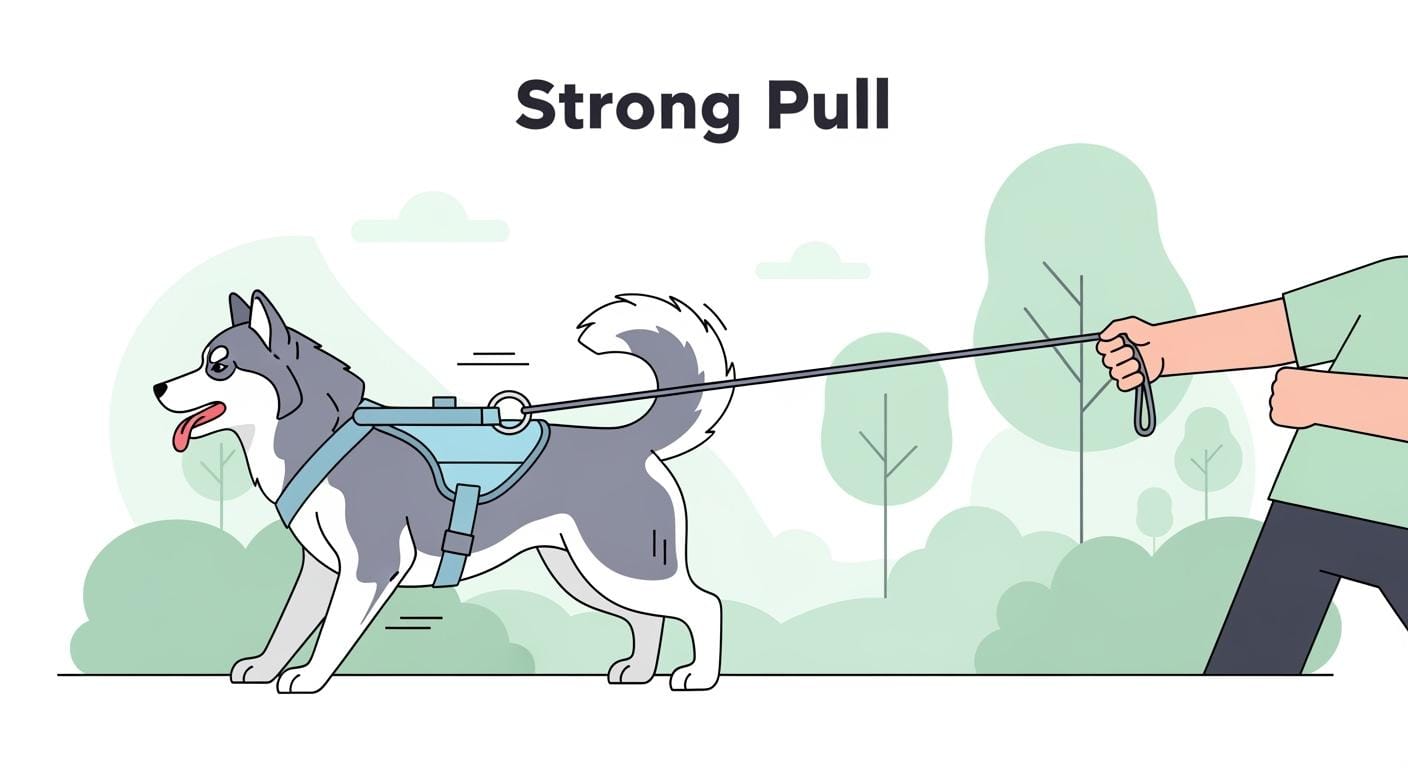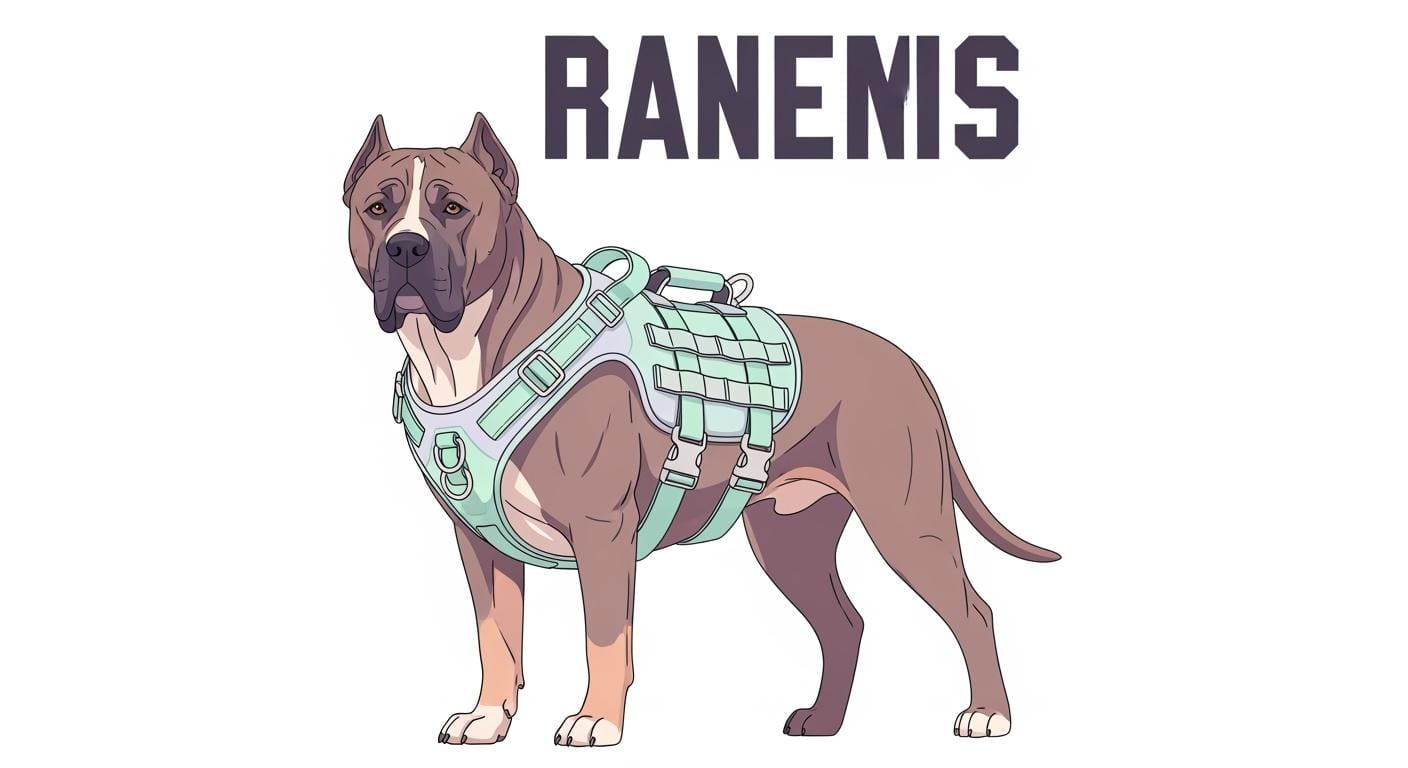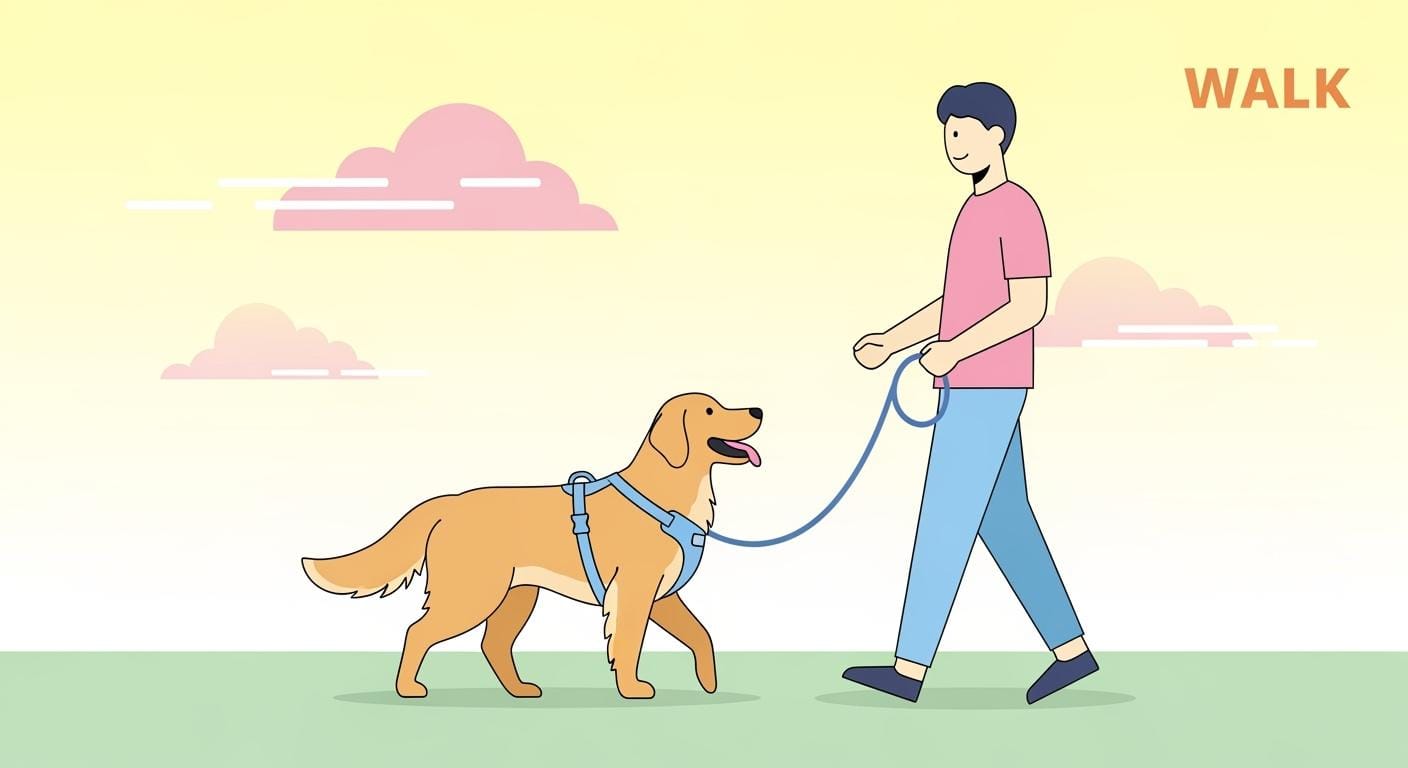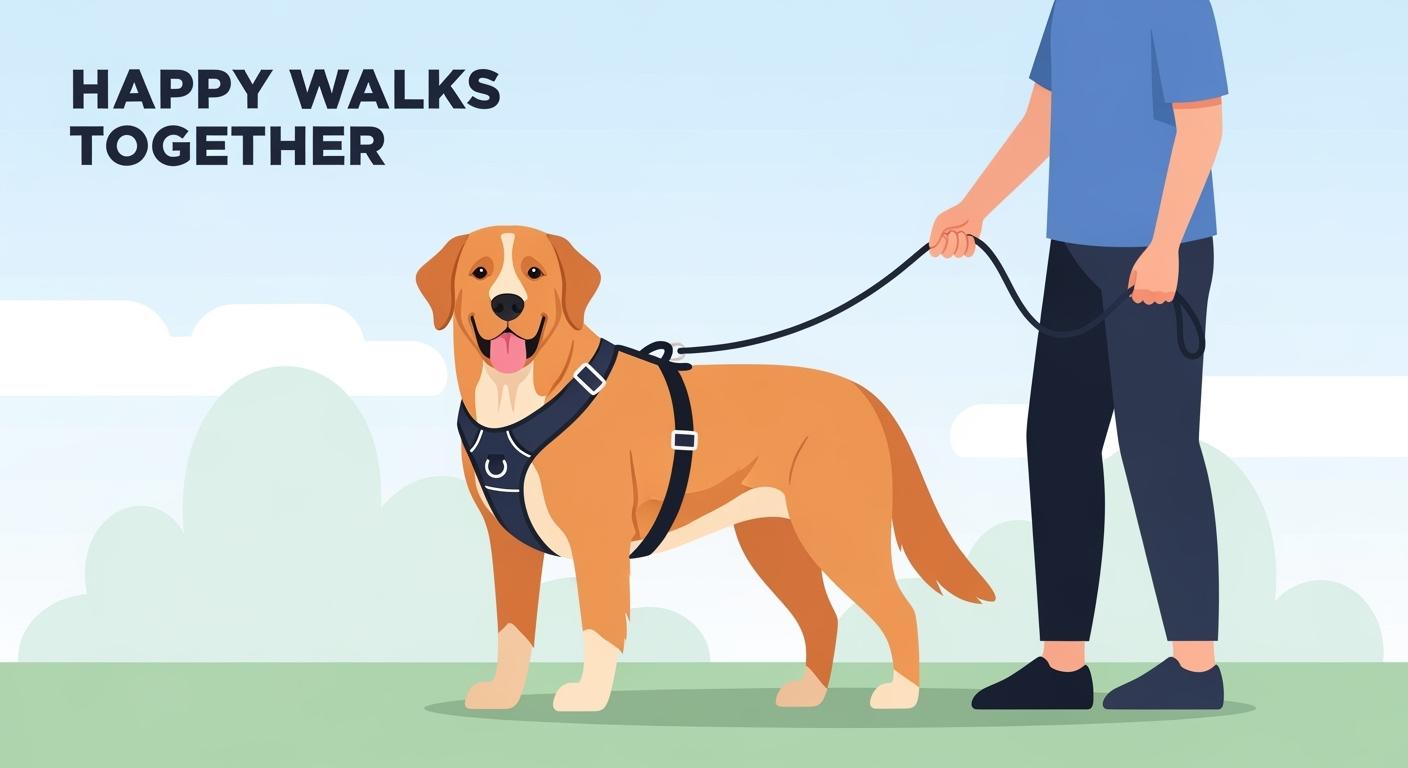
Your dog surges at the end of the leash, and the goal is simple: more control without turning every walk into a stiff, awkward march. An extra large dog harness no pull setup works best when it redirects pulling, stays low on the chest, and still lets both front legs reach forward naturally.
Most fit problems come from three mistakes: buying by weight alone, tightening straps until the harness stops shifting, and assuming every front-clip design feels the same on a broad chest. Before every walk, check chest position, shoulder clearance, and how your dog moves under light leash tension.
| Fehler | Why It Causes Trouble |
|---|---|
| Over-tightening the harness | Can create rubbing, throat pressure, and shorter front-leg reach |
| Choosing size by weight alone | Body shape varies a lot in extra large dogs, so chest fit can still be wrong |
| Picking style before behavior | A strong puller usually needs more steering than a calm walker |
Das Wichtigste in Kürze
- Choose a no-pull harness when your dog pulls hard, lunges, or gets difficult to manage in busy areas.
- Keep the chest panel low and clear of the throat, and make sure straps do not crowd the shoulder.
- If your dog takes short, choppy steps, the harness may be controlling too much movement instead of guiding pulling.
- Check fit before every walk and recheck after a short walk for drift, rubbing, or uneven pressure.
When a no-pull harness is worth it
Best fit for strong pullers and crowded routes
A no-pull harness usually makes the most sense when your dog hits the leash hard, spins toward distractions, or has enough size and momentum to make a regular back-clip setup feel loose. If you are still choosing between shapes and materials, comparing size and material choices for daily walks can help you narrow the right build for your dog’s body and routine.
Some dogs do better in a lighter frame, while others need broader coverage and a more stable front connection. A reflective no-pull harness can be useful for early-morning or evening walks, but visibility only matters after the fit is correct.
Leash choice matters too. Pairing the harness with a fixed-length leash for dogs that pull usually gives steadier feedback than extra-long setups, especially when you are teaching calmer turns and slower starts.
Tip: Start on a straight, quiet walk and watch both front legs. If the harness stays centered and your dog still reaches forward easily, you are close to the right fit.
When a simpler walking setup is enough
If your dog walks calmly, checks in often, and does not lunge when the environment gets busy, a lower-bulk harness may be easier for everyday use. Some dogs simply move better in a cleaner setup with less material across the chest. A collar may still be fine for ID tags, but many owners prefer a harness when they want leash pressure away from the neck.
| Harness Type | Best Use | Tradeoff |
|---|---|---|
| Front-clip no-pull | Strong pullers, reactive dogs, busy sidewalks | Too much front lift can shorten stride if the fit is wrong |
| Dual-clip harness | Owners who want front and back options | More flexible, but still needs careful chest placement |
| Lower-bulk everyday harness | Calm walkers and longer relaxed outings | Less steering power for dogs that hit the leash hard |
Why some harnesses shorten stride
Chest position and shoulder clearance matter more than labels
Extra large dogs often have deep chests, wide shoulders, or a lot of muscle through the front end. That is why XL on the tag is not enough. Use real chest girth and neck measurements before you decide between sizes, especially if your dog falls between two ranges.
A good no-pull harness stays low on the chest and leaves the shoulder free to open and close normally. When a strap sits too high, rides toward the throat, or crowds the upper arm, many dogs respond with shorter steps, stiff turns, or reluctance to move forward. That does not always mean the harness is low quality. It usually means the shape or adjustment is wrong for that dog.
What to check before the leash gets tight
Put the harness on, center it, and let your dog walk a few relaxed steps before you expect any pulling control. The front panel should stay low, the neckline should not climb when the dog turns, and both front legs should move the same way. If one side looks tighter than the other, the harness is not balanced yet.
If your dog also wears extra gear on hikes or conditioning walks, treat harness fit and weighted vest setup as separate decisions. Stacking pressure across the same chest and shoulder area can make it harder to see which piece of gear is actually causing the problem.
| Checkpoint | Pass | Fail |
|---|---|---|
| Chest panel position | Sits low on the chest and stays off the throat | Rides upward when the leash gets light tension |
| Front-leg reach | Both legs swing forward evenly | Steps look short, stiff, or uneven |
| Shoulder clearance | Straps stay clear of the shoulder joint | Straps press into the upper front leg area |
| Turning left and right | Dog turns smoothly both ways | One side lifts, twists, or pulls harder |
| After a short walk | No redness, coughing, or hot spots | Rubbing, cough, or clear irritation under the straps |
Warning signs after a short walk
Red flags that matter
You do not need a long test walk to spot a bad setup. Many problems show up within minutes. Watch for side drift, flat hair behind one leg, repeated scratching, coughing when the leash tightens, or a sudden change from a long step to a short one. Those are stronger signals than whether the harness looks secure while the dog is standing still.
If you are unsure how tight the straps should feel, aim for a fit that stays centered without twisting or digging. Snug is useful. Compressed is not.
- Harness drifts to one side during normal walking
- Chest panel lifts when the dog leans into the leash
- Redness or heat shows up behind the front legs
- Dog slows down, hesitates, or resists turning one way
- Leash control improves, but movement looks noticeably worse
What to adjust first
| Problem | What You Notice | What To Try Next |
|---|---|---|
| Chest panel rides up | Pressure near the throat or a light cough | Lower the chest position or try a different front shape |
| Straps too loose | Harness shifts, twists, or looks off-center | Rebalance both sides and tighten evenly |
| Straps too tight | Rubbing, flat hair, or resistance to walking | Loosen slightly and recheck after a short walk |
| Stride gets shorter | Dog takes choppy steps or stiff turns | Compare movement in a different harness style |
| Poor control even with good fit | Dog still powers through the leash | Review handling, leash choice, and training routine |
When to change the setup or call for help
Small fit problems can often be fixed with strap changes or a different size. Movement changes, coughing, limping, or repeated rubbing usually mean you should stop using that harness style and reassess. A trainer can help if pulling remains the main problem. A veterinarian matters more when you see pain, breathing changes, or discomfort that does not stop once the harness comes off.
The right extra large dog harness no pull option should make walks easier to manage without asking your dog to move unnaturally. If control improves but comfort clearly drops, switch the setup instead of trying to force more adjustment out of the same design.
Häufig gestellte Fragen
How do I know if my extra large dog needs a no-pull harness?
If your dog pulls hard, lunges at distractions, or is difficult to steady in busy places, a no-pull design is usually worth trying.
Should the chest panel sit high or low?
It should sit low on the chest, clear of the throat, and stay there when the leash tightens lightly.
Can a no-pull harness replace training?
No, it is a management tool that can support training, but leash manners still need practice and consistency.
When should I stop using the harness?
Stop if you see coughing, limping, rubbing, hot spots, or a clear change in stride that does not improve with a simple adjustment.