
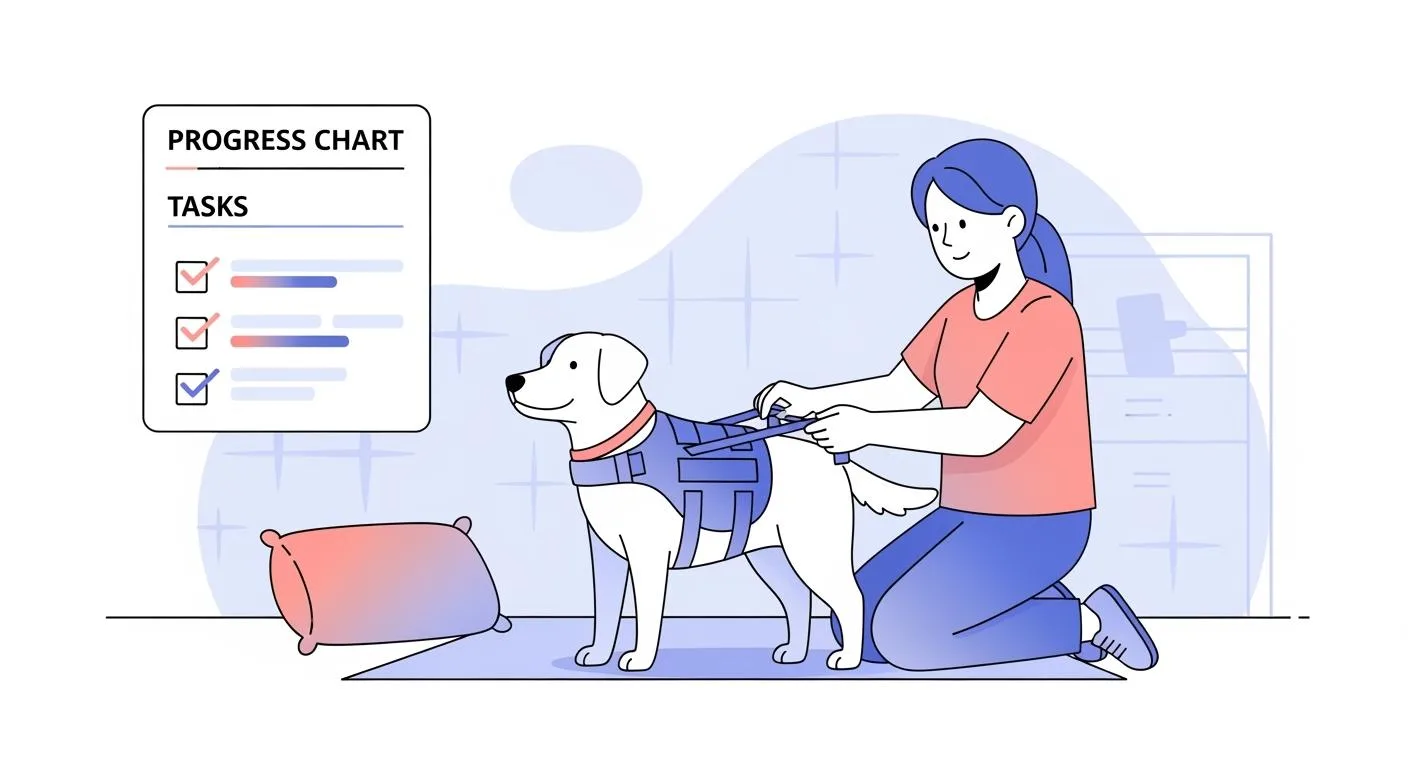
A weighted vest for dogs can look like a simple training product, but the risk is in the setup. If the vest shifts, traps heat, restricts shoulder movement, or encourages too much load too soon, the product can create refusal, rubbing, uneven movement, and safety concerns.
For retailers, distributors, pet brands, and OEM/ODM buyers, the question is not only whether the product is popular. The real question is whether the vest can be sized, fitted, loaded, and explained safely enough for the dogs and markets you serve.
| Buyer check | Why it matters | Risk if ignored |
|---|---|---|
| Use case | Weighted vests are not suitable for every dog or every activity. | Wrong expectations, unsafe use, poor customer trust |
| Fit and coverage | The vest must stay stable without blocking normal movement. | Side shift, rubbing, short stride, refusal to walk |
| Load system | Removable and balanced weights make gradual setup easier. | Uneven pressure, overload, gait change |
| Heat and material | Extra coverage can increase heat buildup during activity. | Panting, distress, stop-use incidents |
| User guidance | Clear stop signs help customers avoid unsafe progression. | Misuse, product rejection, preventable complaints |
When a weighted vest makes sense and when buyers should skip it
A weighted training vest is usually considered for healthy adult dogs that already tolerate normal walks, basic conditioning, and fitted gear. It may support structured activity when the dog has good movement quality, the owner understands gradual use, and the vest is designed to distribute light load evenly.
The product becomes risky when it is treated as a shortcut for exercise, muscle gain, anxiety control, or behavior correction. A vest should not be positioned as a universal solution for puppies, senior dogs, overweight dogs, dogs with joint issues, dogs with breathing limitations, or dogs that already resist fitted gear.
| Dog or situation | Buyer-facing decision | Reason |
|---|---|---|
| Healthy, active adult dog | Possible candidate after no-load fit check | The dog is more likely to tolerate structured progression. |
| Puppy or still growing dog | Skip weighted use | Developing joints and bones should not be exposed to added training load. |
| Senior dog | Use only with professional guidance | Stiffness, pain, and slower recovery are more likely. |
| Overweight dog | Start with unloaded activity first | Extra body weight already increases joint and heat stress. |
| Joint, heart, lung, or injury history | Do not use without veterinary clearance | Added load can worsen existing health risks. |
| Hot weather or intense outdoor use | Use caution or skip the session | Vest coverage and activity can increase heat buildup. |
For B2B buyers, this means the product page, packaging, and user instructions should not promise broad results. A safer commercial position is to explain who the vest is for, who should avoid it, and what stop signs require removing the vest immediately.
Fit checks that decide whether the product can be used safely
Fit is the main difference between a weighted vest that feels controlled and one that fails in daily use. The vest should sit flat, stay centered, and allow normal shoulder movement. It should not push into the neck, armpits, spine, or belly when the dog walks, turns, sits, or lowers its head.
For product development and sourcing, sizing should not rely on body weight alone. Chest girth, body length, strap adjustment range, panel shape, and weight pocket position all affect whether the vest stays stable.
| Fit checkpoint | Pass sign | Fail sign |
|---|---|---|
| Chest and belly strap position | Straps sit flat and avoid the armpit area. | Straps rub behind the front legs or cut into movement. |
| Shoulder freedom | The dog walks with a normal, even stride. | The dog shortens stride, stiffens, or tucks the head. |
| Vest stability | The vest stays centered during turns and short walks. | The vest slides sideways, rotates, or rides forward. |
| Skin contact | No redness, hair loss, pinching, or pressure marks. | Rubbing appears after short wear. |
| Breathing and heat comfort | The dog breathes normally and remains willing to move. | Heavy panting, drooling, freezing, or repeated sitting occurs. |
A good B2B-ready weighted vest should make these checks easy for the end user. Adjustable straps, soft contact edges, stable weight pockets, breathable panels, and clear size guidance are not just comfort features. They help reduce fit failure and unsafe use.
Load, session, and heat controls for safe product use
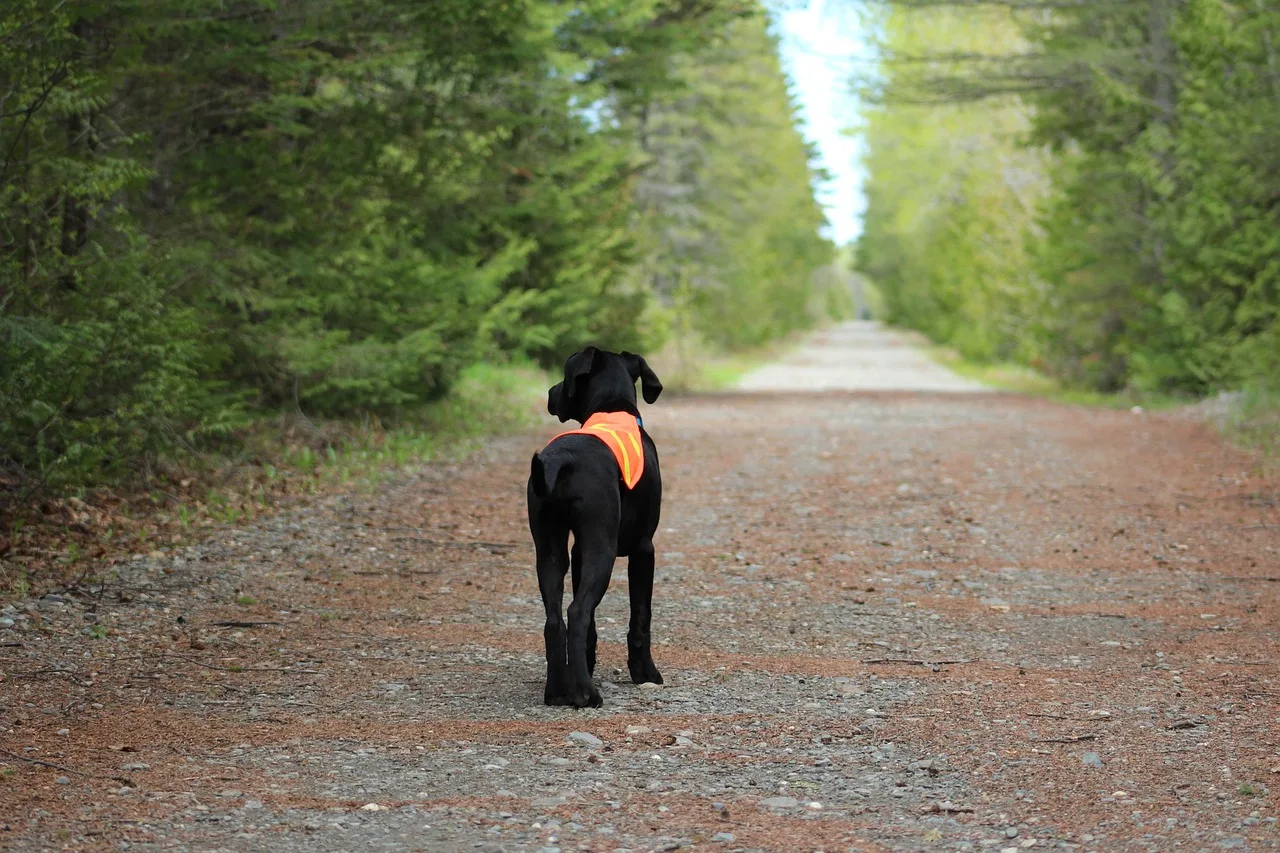
Before any load is added, the dog should pass a no-load trial. This means the dog wears the empty vest for a short period and walks normally without rotation, rubbing, refusal, or breathing stress. If the empty vest already causes resistance, adding weight will not solve the problem.
For buyer guidance, the safest message is gradual progression, not fast results. Product instructions should encourage light loading, short sessions, rest between sessions, and immediate stop-use rules.
| Setup stage | What to check | Buyer note |
|---|---|---|
| No-load trial | Vest position, stride, breathing, skin contact | The product should be comfortable before weight is added. |
| First loaded use | Start with the lightest removable load. | Balanced weight pockets matter more than a high maximum load claim. |
| Short session | Use controlled walking rather than intense running. | Instructions should discourage sudden high-intensity use. |
| Recovery check | Look for soreness, uneven gait, skin marks, or reluctance later. | Stop signs should be clear in packaging and product content. |
| Heat check | Watch panting, drooling, shade seeking, and slow recovery. | Breathable construction and seasonal warnings are important. |
Conservative guidance is better than aggressive load claims. For many commercial instructions, a no-load trial comes first, then very light removable weight only if the dog moves comfortably. Any recommendation should make clear that veterinary or canine rehab guidance is needed for dogs with health concerns.
Common failure points buyers should check before sourcing
Weighted vests often fail for practical reasons rather than because customers dislike the idea. The product may shift, rub, trap heat, feel bulky, or confuse users about how much weight to add. These are product design and communication problems, not just customer-use problems.
| Failure point | Likely cause | What buyers should check |
|---|---|---|
| Vest rotates or slides | Poor panel shape, weak strap layout, narrow adjustment range | Check stability on different chest shapes before bulk ordering. |
| Dog refuses to move | Pressure points, excessive weight, stiff materials, unfamiliar feel | Test no-load comfort and low-load tolerance before positioning the product. |
| Rubbing or redness | Rough seams, hard edges, high strap placement | Inspect armpit, chest, neck, and belly contact zones. |
| Heat buildup | Heavy fabric, poor airflow, long wear time, warm weather | Prioritize breathable panels and clear hot-weather warnings. |
| Uneven movement | Unbalanced weight pockets or side-to-side shift | Check pocket symmetry and load stability during turns. |
| Wrong user expectations | Over-promising strength, calming, or fitness benefits | Use careful claims and make skip-use cases visible. |
Breed and body shape also matter. A weighted vest for pitbull-type dogs, broad-chested dogs, compact dogs, or long-bodied dogs may need different strap geometry and panel length. The same size label does not guarantee the same fit across body types. Buyers should check whether the size range covers the body shapes in their target market, not only whether the vest has adjustable straps.
What a B2B-ready weighted vest page should communicate
A weighted vest product or solution page should help buyers judge product safety, customer fit, and sourcing risk quickly. The page should not read like a casual pet-owner article only. It should connect product features to real use problems.
- Use boundary: healthy adult dogs only, with skip-use warnings for puppies, seniors, overweight dogs, heat-sensitive dogs, and dogs with medical concerns.
- Fit boundary: the vest must stay stable without blocking shoulder motion or rubbing contact points.
- Load boundary: start with no load, then light removable load only after comfort and movement checks.
- Material boundary: breathable, padded, durable materials matter because heat and rubbing are common failure points.
- Instruction boundary: stop signs should be visible before the customer starts using the product.
- Customization boundary: B2B buyers may need size grading, pocket layout, fabric choice, branding, packaging, and instruction support for their market.
This is where a solution page can support inquiry intent. It shows that the supplier understands not only the product category, but also the practical reasons a weighted vest succeeds or fails after purchase.
Häufig gestellte Fragen
Can puppies wear a weighted vest?
No. Puppies and still-growing dogs should not use added weight. Their joints and bones are still developing, so weighted use should be skipped unless a qualified professional gives specific guidance.
Should buyers position a weighted vest as a calming product?
Be careful. Some dogs may respond to gentle pressure, but a weighted vest should not be marketed as a universal anxiety solution. Poor fit, heat, or excess load can make stress worse.
What is the most important product feature for B2B buyers?
Stable fit is the first priority. If the vest shifts, rubs, blocks movement, or feels too hot, the weight system becomes irrelevant. Buyers should check fit stability before focusing on maximum load.
When should the vest be removed immediately?
Remove the vest if the dog limps, freezes, pants heavily, drools, shows skin redness, shortens stride, resists walking, or seems sore after use.
What should be included in buyer-facing instructions?
Instructions should explain no-load trial, gradual loading, short sessions, rest periods, heat warnings, fit checks, and clear stop-use signs. This helps the customer use the product more safely and reduces avoidable product failure.
