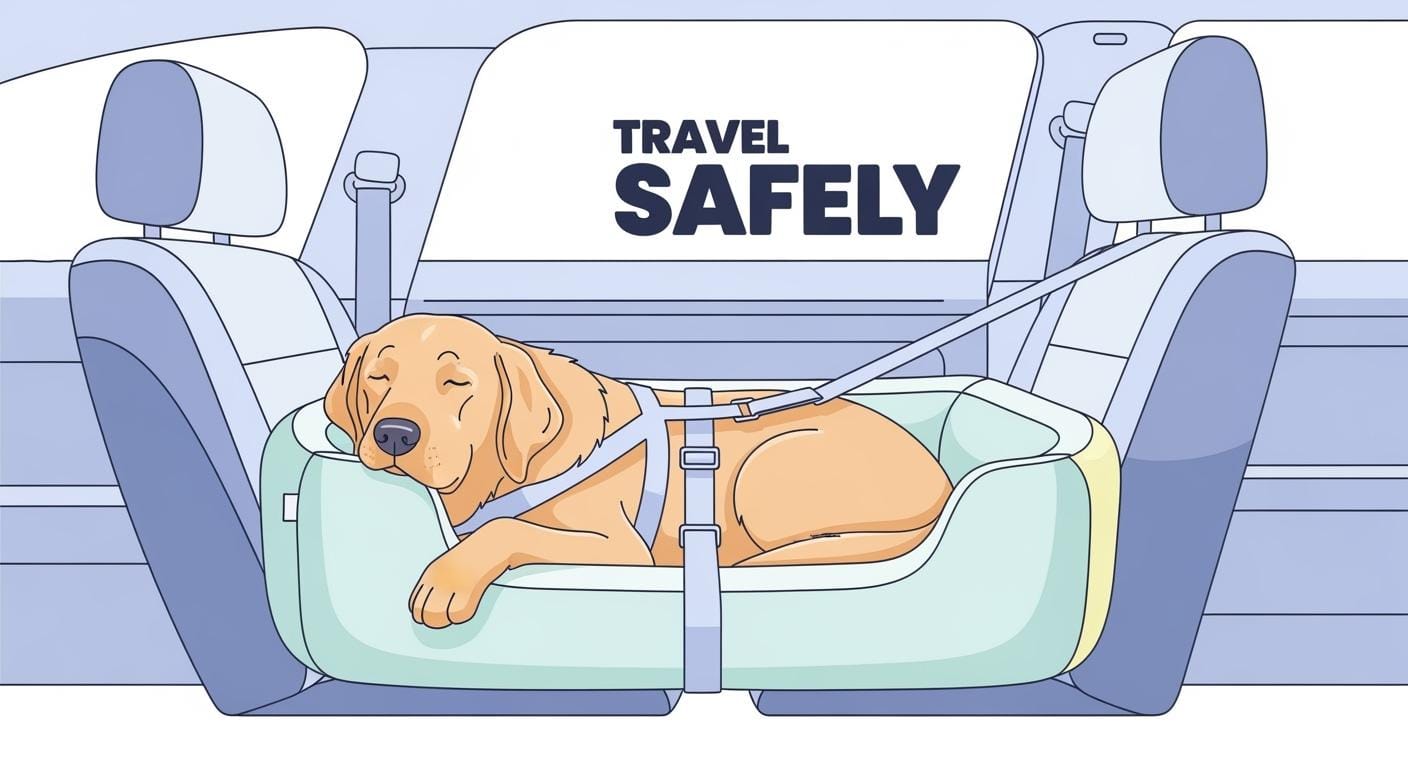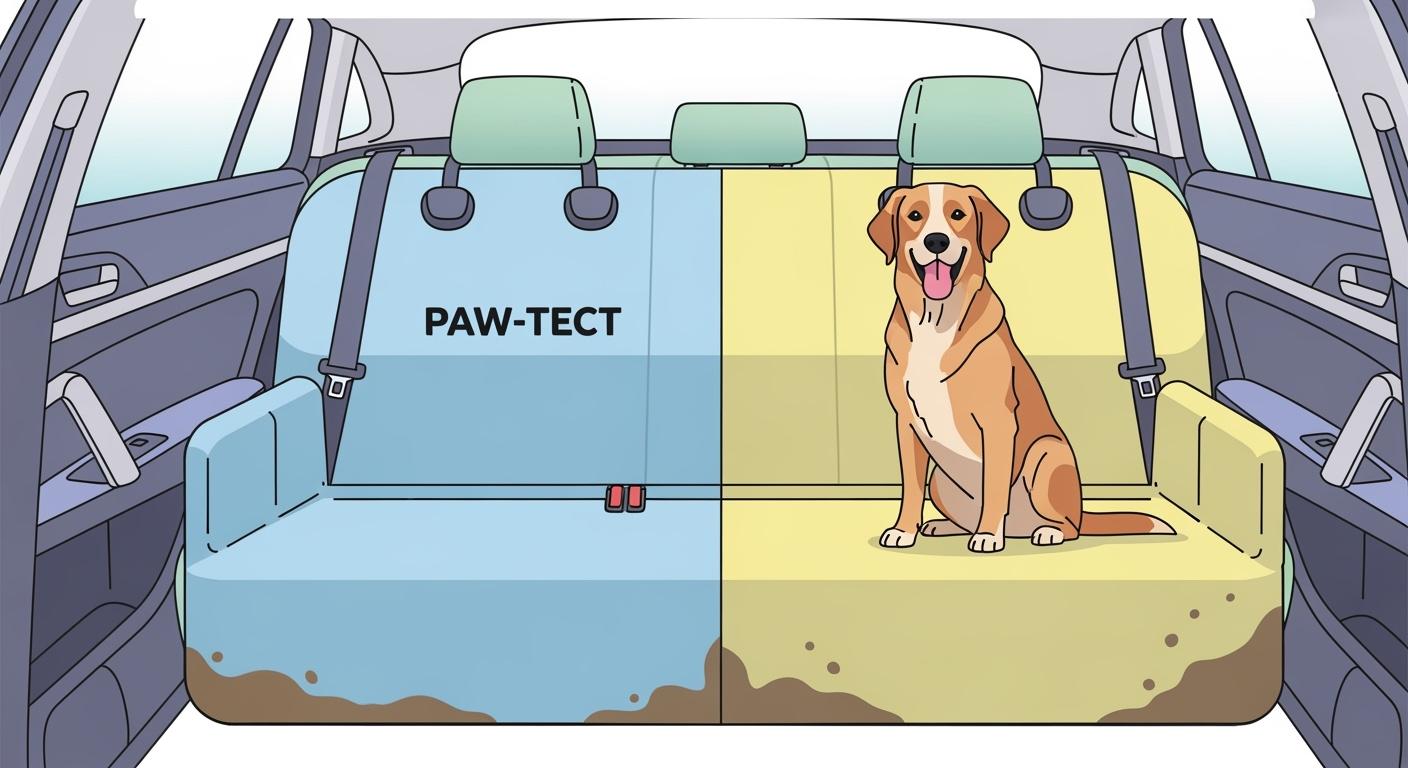
A dog seat protector for car usually does two jobs at once: it keeps fur, mud, and moisture off the rear seat, and it gives your dog a more stable surface during the ride. The second part matters just as much as the first. If the cover slides, bunches near the buckle, or leaves the seat belt anchors hard to reach, daily use gets annoying fast.
The best cover is not always the one with the thickest fabric or the longest feature list. It is the one that matches how your dog rides, fits your rear seat without fighting the buckle layout, and stays flat after repeated use and washing.
Which cover style fits your car rides best
Different cover styles solve different problems. A flat protector is often enough when your dog stays settled and you mainly want easier cleanup. A hammock cover helps more when your dog stands, turns, or tries to step into the footwell. A hard bottom cover can make sense for heavier dogs or longer rides where the surface needs to stay flatter under load.
Material still matters, but coverage and stability usually come first. A waterproof fabric does not help much if the seatback is still exposed or the cover shifts every time the car turns.
How the main cover types compare
| Cover Type | Coverage Area | Best Match | What to Watch |
|---|---|---|---|
| Flat protector | Seat cushion only | Calm dogs, shorter trips, shared family cars | Leaves the seatback and sides exposed and may slide on smooth seats |
| Hammock cover | Cushion, seatback, and footwell gap | Active dogs, larger dogs, longer drives | Can interfere with buckle access if the fit pulls forward |
| Hard bottom cover | Cushion with firmer support across the base | Heavier dogs and frequent long trips | Takes longer to install and may not suit every split seat layout |
Match the cover to how your dog behaves in the car
A dog that stays curled up in one place often does fine with a simpler flat protector. A dog that turns, stands, leans into corners, or tries to move forward usually benefits from a hammock design because it covers the gap and limits how far the dog can shift. That is why the real question in the bench versus hammock comparison is not which style sounds better, but which one matches your dog’s actual ride behavior.
Hard bottom covers are usually more useful when the dog’s weight collapses a standard quilted cover or when the rear seat also carries gear. If you are weighing whether extra structure is worth the tradeoff, the differences in soft and hard bottom seat cover options are easier to judge in daily-use terms than in marketing language.
Cover size and layout also matter. Flatter access, fuller side coverage, and firmer base support are the main differences owners usually weigh across common rear-seat setups, including in the pet car seat covers and mats collection.
What matters most once the cover is installed
Buckle access is the first thing to get right
A rear seat cover should protect the seat without turning the buckle area into a struggle. If the belt path openings do not stay lined up with the anchors, passengers lose easy seat belt access and tether attachment becomes awkward. That problem usually shows up right away in cars with split rear seats, where the fold line and the buckle zone often compete for the same space. The details in split fold access and buckle clearance matter most in those layouts because even a decent cover can fit badly around the seat break.
Check buckle access after the cover is installed and again after your dog is sitting on it. A cover that looks aligned on an empty seat may shift enough under weight to partially cover the opening.
Coverage should match where the mess actually lands
Some dogs keep the mess on the seat cushion. Others leave hair on the seatback, smear wet paws higher up, or scatter dirt toward the side bolsters. Full coverage makes sense when the whole rear seat gets used like part of the dog’s space. Partial coverage is usually enough when cleanup is limited to the lower cushion and quick removal matters more than complete enclosure.
Layout choice usually comes down to how much of the seat needs protection and how much easy access you want to keep, which is the same fit tradeoff covered in the dog back seat cover guide.
Grip and stability decide whether the cover stays usable
A cover that shifts under your dog’s feet can make entry awkward and can bunch near the buckle openings. Slip-resistant backing, under-seat anchors, and even strap tension all affect whether the cover stays put during braking and turns. Surface grip also changes over time, especially after repeated washing.
If cleanup and grip are equally important in your setup, pay attention to how the cover sits after real trips, washing, and reinstallation, which is also the focus of the waterproof seat cover fit and cleaning guide.
| Feature | Why It Helps | What to Watch |
|---|---|---|
| Slip-resistant backing | Reduces shifting on smooth rear seats | Grip can weaken over time, especially after washing |
| Under-seat anchors | Helps keep the cover from sliding forward | Needs to fit the seat shape without interfering with adjustment points |
| Waterproof top layer | Blocks moisture before it reaches the seat cushion | Only works well where the cover stays flat and properly placed |
| Foam or structured base | Keeps the sitting area flatter under heavier dogs | Extra thickness can change how deep the buckle opening sits |
A quick pre-ride check prevents most problems
| Check | Good Sign | Problem Sign | First Fix |
|---|---|---|---|
| Cover fit | Lies flat with no major side gaps | Loose edges or visible shifting points | Retighten straps and smooth the cover into place |
| Buckle access | Each buckle opening stays clear and reachable | Fabric overlaps the buckle or blocks hand access | Realign the cover and recheck strap tension |
| Surface stability | Cover stays in place when pressed firmly | Bunches or slides under pressure | Reset anchors and check the backing grip |
| Side containment | Hair and dirt stay on the protected area | Debris escapes onto exposed seat sections | Reposition side flaps or use fuller coverage |
| Wash wear | Grip and shape still look consistent after cleaning | Backing feels slick or openings no longer line up well | Refit the cover and watch for signs it is wearing out |
The mistakes that usually cause trouble
Most daily-use problems start with fit, not with the material itself. A hammock cover pulls forward because the headrest spacing is wrong. A buckle gets blocked because the main panel was never centered. A waterproof cover leaks at the edge because the seatback and cushion were not covered as a single stable surface.
- Using a cover that is too short for the rear seat and forcing it into place
- Leaving the buckle opening partly covered and assuming it will stay usable once the dog sits down
- Skipping a grip check after washing, when backing and anchors often shift the most
- Choosing a smooth-bottom cover for leather or vinyl and expecting the straps alone to stop movement
- Letting bunching build up near the anchor points until the whole surface becomes uneven
Tip: The most common failure point is not fabric quality. It is a cover that looks close enough at first, then keeps pulling forward and blocking the buckle zone once the dog moves around.
When something is already going wrong, start here
| Symptom | Mögliche Ursache | Fast Check | Beheben |
|---|---|---|---|
| Buckle is hard to reach | Cover fabric has drifted over the opening | Look at the opening with the dog on the seat | Recenter the cover or switch to a layout with clearer openings |
| Cover slides during the drive | Backing has low grip or anchors are loose | Press down and pull lightly on the surface | Reset anchors and check whether the backing has worn smooth |
| Moisture reaches the seat | Edge gap or flattened area leaves part of the seat exposed | Check where the cover lifts away from the cushion | Refit the cover and use fuller coverage if needed |
| Surface bunches near the anchors | Uneven strap tension or wrong size for the seat width | Look for folds where the straps pull hardest | Tighten evenly and confirm the cover matches the seat shape |
| Dog slips while climbing in | Top surface is too slick or the base is moving | Feel the cover texture and watch the first step in | Use a grippier top surface and recheck stability |
| Side flap falls loose during the ride | Side coverage is not secured well enough | Check whether the flap stays tucked after movement | Retuck the flap or use a design with better side support |
How to tell when the cover needs repair or replacement
Most worn covers show their problems clearly before they fail completely. Cracking, torn stitching, loose strap attachment points, and backing that no longer grips are all signs that the cover may still look usable while doing a much worse job in practice.
| Warning Sign | What It Usually Means | Next Step |
|---|---|---|
| Seam splitting or visible cracking | Water resistance and structure are already compromised | Replace the cover rather than relying on a patch |
| Persistent staining and odor | The material has absorbed more than surface dirt | Clean once thoroughly, then replace it if odor remains |
| Repeated sliding after re-anchoring | The grip backing is likely worn down | Check whether the backing still has texture after washing |
| Torn buckle slot or strap loop | The stressed areas are no longer holding shape well | Stop treating it as a stable daily-use setup |
What to prioritize when you replace it
If waterproofing failed first, look for a cover that protects more of the seat and stays flatter at the edges. If grip failed first, focus on backing texture and anchor design. If the buckle zone became the problem, reinforced openings and a layout that matches your rear seat matter more than extra padding.
For unusual seat widths or split-fold layouts, a cover that matches the vehicle shape more closely usually stays usable longer than a universal fit cover that starts out under tension.
Final takeaways for a dog seat protector for car
A rear seat cover works best when the style matches your dog’s ride behavior, the buckle openings stay clear, and the surface remains stable after normal use and washing. Those three things usually matter more than premium fabric claims on their own.
- Choose the cover type based on whether your dog stays settled, paces, or needs a flatter load surface.
- Check buckle access after installation and after your dog is on the seat, not just on an empty rear bench.
- If sliding, bunching, or blocked openings keep coming back, the fit or layout is probably wrong for the car.
Disclaimer: A seat protector helps with cleanup and footing, but it is not a restraint device. If restraint setup is part of your travel routine, the tether or harness needs its own separate fit check.
Häufig gestellte Fragen
How do you keep seat belt buckles accessible with a dog seat protector?
Use a cover with clearly reinforced buckle openings and check alignment after the cover is installed and again after your dog sits down.
Can you wash a dog seat protector in a washing machine?
Many can be machine washed, but lower heat and air drying usually help preserve the backing and shape better than aggressive drying cycles.
What is the best way to stop a dog seat cover from sliding?
A grippy backing, properly set anchors, and a cover shape that actually matches the rear seat usually do more than tighter straps alone.