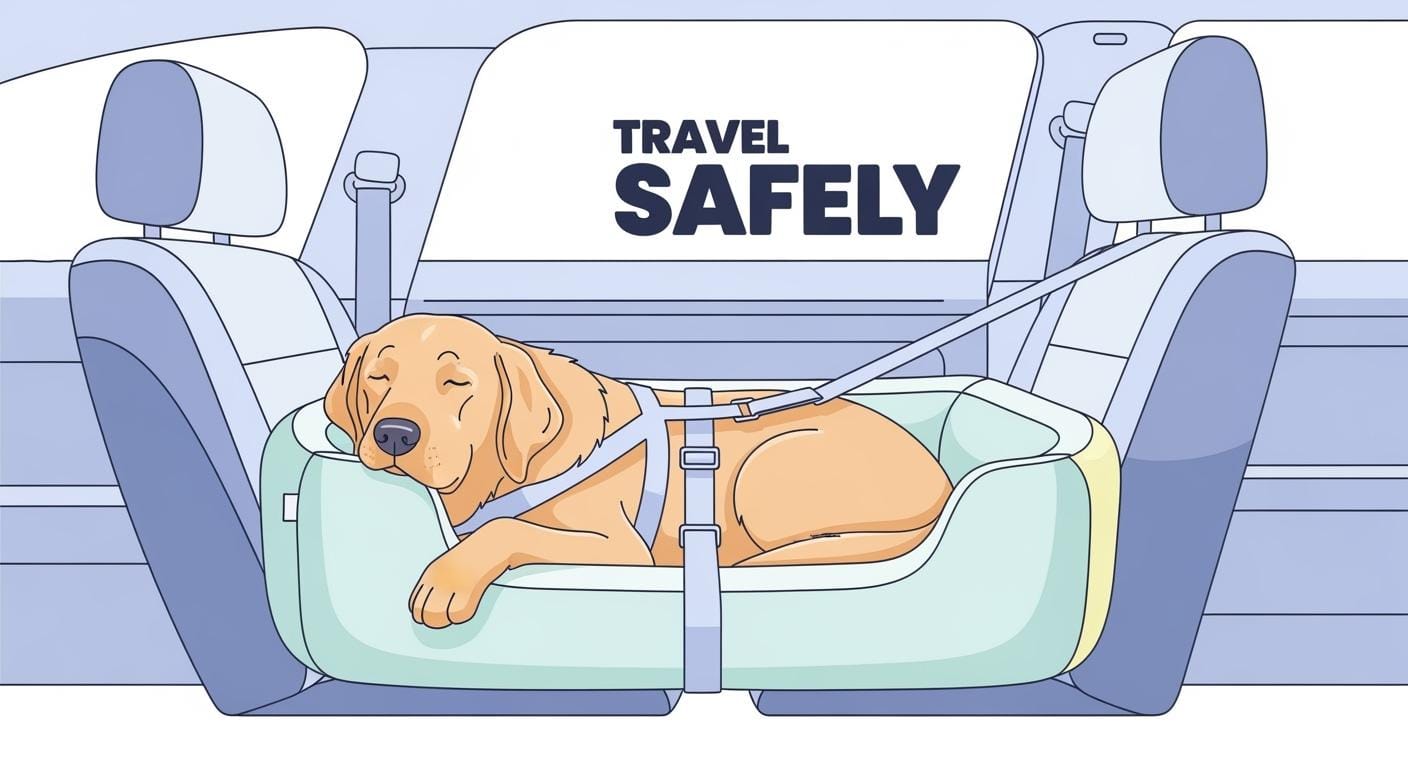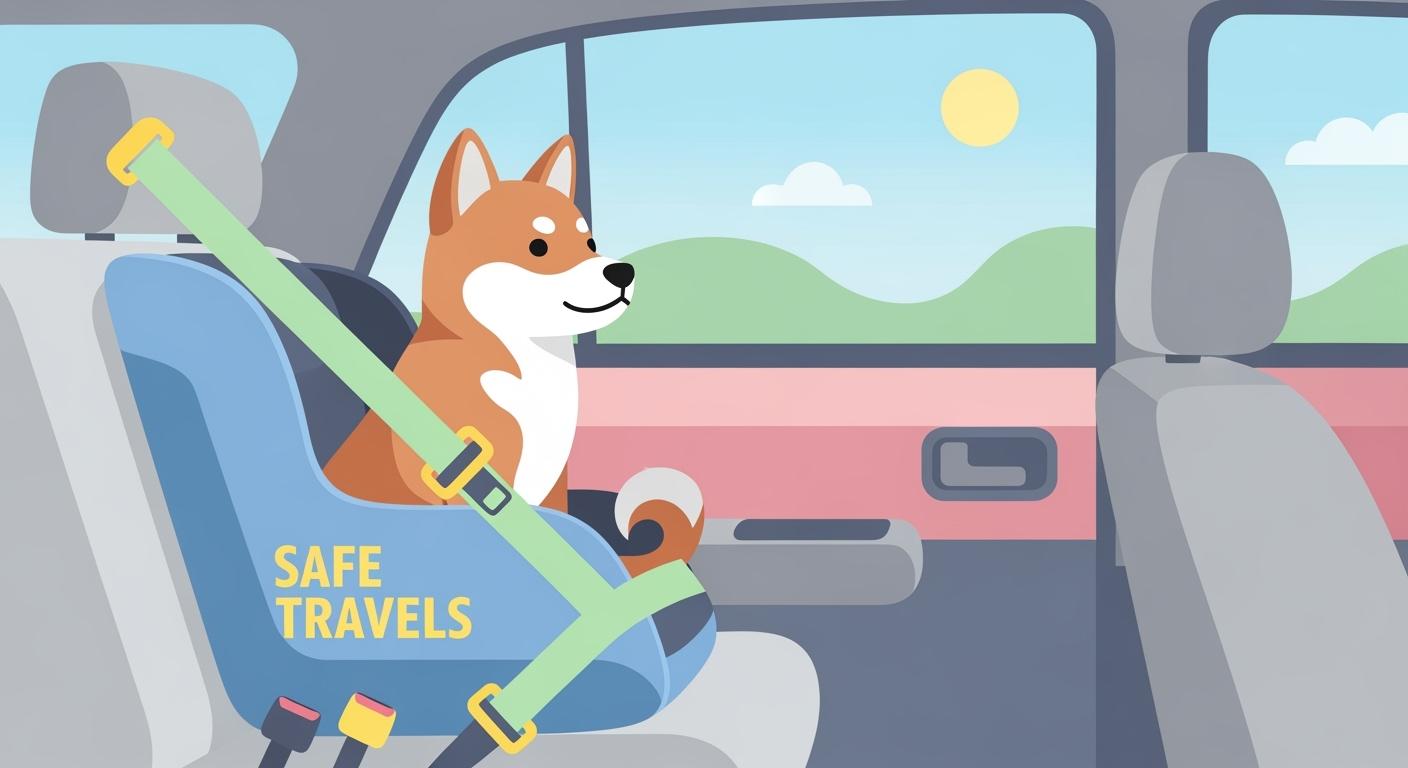
A dog seat for car with safety buckles can make routine rides calmer and tidier, but the name alone does not prove independent crash certification. Treat this type of product as a fit-and-setup item first: it should help your dog stay in one place, keep the driver less distracted, and make the rear seat easier to manage and clean. It should not be described as full crash protection unless the exact product has verified testing for that claim.
For everyday rear-seat use, many owners choose to Use a dog seat with safety buckles. The better buying question is whether the seat fits your dog, fits your rear seat, and works with a chest-supported travel harness without adding slack or awkward buckle routing.
What this product should and should not do
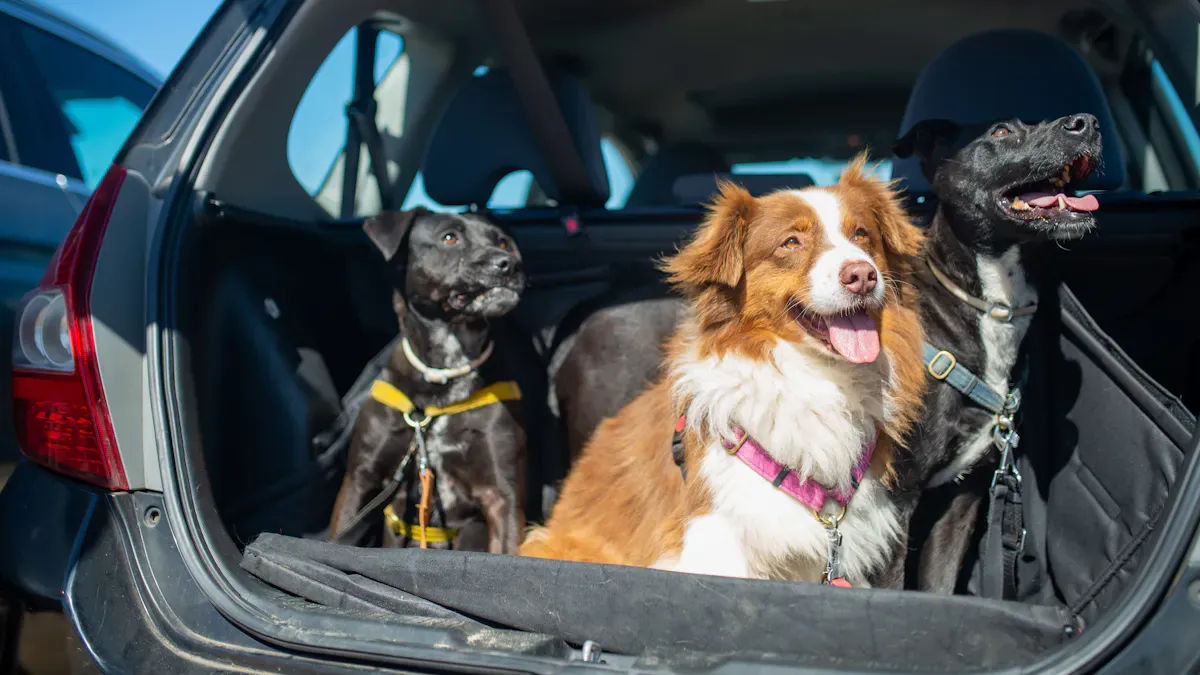
A well-designed dog seat for car with safety buckles should do four practical things well:
- hold your dog in one rear-seat zone instead of letting them pace, climb, or fall between cushions
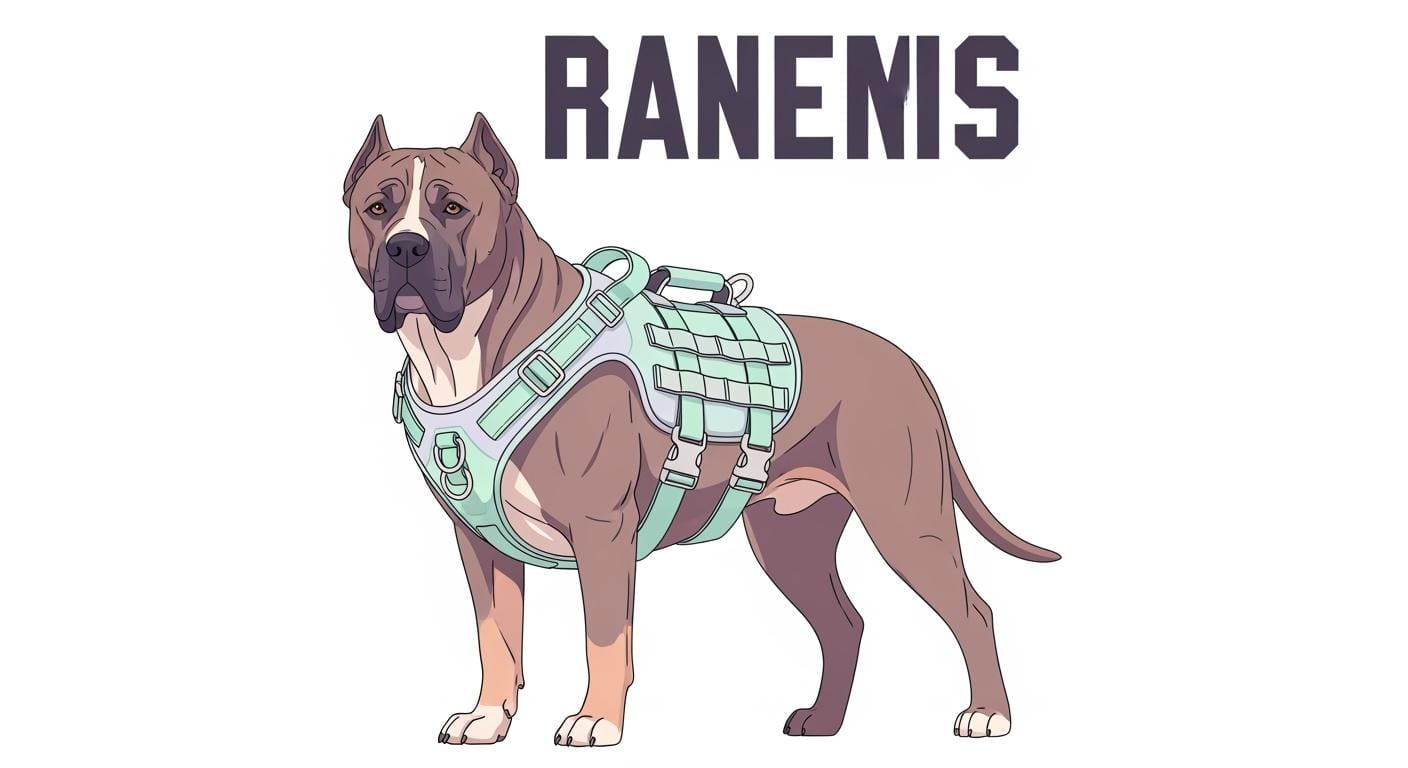
- work with a chest-supported harness so the tether connects to the body, not to the neck
- stay planted during normal braking, cornering, and stop-and-go traffic
- make cleanup easier when you are dealing with dirt, drool, or wet paws
It should not promise things it cannot verify. A raised view may help some dogs settle, but it is a comfort feature, not a safety feature. “Safety buckles” usually means there are attachment points or routing straps. It does not automatically mean the whole seat performs like a separately certified crash-tested restraint.
Practical rule: if the seat helps daily containment but still slides, tips, or lets the tether stay too long, it is not set up well enough yet.
Fit and setup checks before you drive
Start by choosing the back seat for your dog seat for car with safety buckles. Rear-seat placement keeps your dog away from front airbags and usually gives you a flatter, easier-to-check setup.
1. Check seat footprint before you check the tether
The base should sit flat on the vehicle seat without hanging over the edge or rocking from side to side. If the cushion compresses unevenly and the dog seat leans, your dog may brace all ride instead of settling. The seat walls should support the body without forcing a curled posture.
- Good sign: the base stays level when you press down on both front corners.
- Fail sign: the front lip lifts, the back edge tilts, or the whole seat shifts when you push it sideways.
2. Check dog fit inside the seat
Your dog should be able to sit, turn lightly, and settle without the chest being pinned against the front wall. High walls can feel snug at first, but if they block the forelegs or force the neck upward, the seat is too tight or too tall for that dog.
- Good sign: chest supported, paws resting naturally, no constant bracing.
- Fail sign: dog stands the whole time, circles repeatedly, perches on the edge, or keeps trying to climb out.
3. Keep the tether short enough for containment, not so short that posture becomes stiff
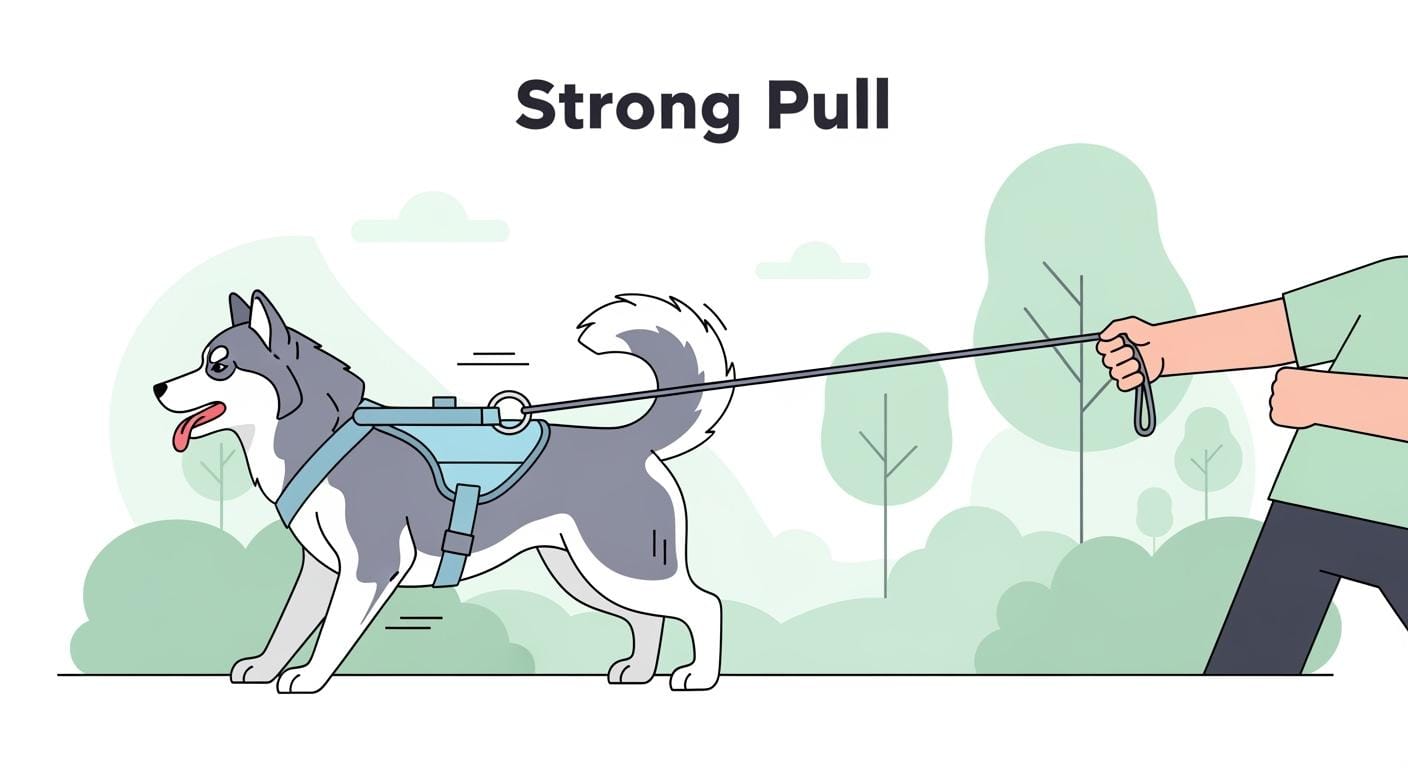
Connect the tether to a chest-supported harness, never to a collar. The strap should allow normal sitting and lying down, but it should not let the dog jump over the side wall or reach the front row. Keep routing simple and flat. Twisted straps and improvised clips make inspection harder and often add slack you do not notice until the first turn.
- Good sign: the dog can sit or rest with the harness lying flat.
- Fail sign: the dog can step onto the seat edge, lean far outside the seat, or gets pulled into a hunched posture.
4. Recheck harness fit after a short test sit
Before the drive, let your dog sit in the seat for a minute or two. Then slide a finger or two under the harness at the main contact points and check whether the straps have shifted. Hair, padding, and seat edge pressure can change the fit once the dog settles.
Do not rely on the product name. Rely on three things you can actually observe: flat buckle routing, stable rear-seat placement, and calm body posture once the dog settles.
Pre-ride checklist and common mistakes
| Check item | Pass signal | Fail signal | What to fix |
|---|---|---|---|
| Rear-seat placement | Base sits flat and stays centered | Seat rocks, leans, or hangs off the cushion | Move to a flatter rear-seat position and tighten routing |
| Harness connection | Tether clips to a chest-supported harness | Tether clips to a collar or to a twisted strap section | Reconnect to the harness and flatten the strap path |
| Leinenlänge | Dog can sit and lie down but cannot climb out | Dog reaches the edge or steps onto the door side | Shorten the tether and remove extra slack |
| Body posture | Der Hund hat sich nach einer kurzen Eingewöhnungsphase eingelebt | Dog braces, pants, or keeps shifting for space | Recheck seat size, wall height, and harness tension |
| Cleanup readiness | Cover and seams are easy to wipe or wash after messy rides | Padding stays damp, gritty, or hard to dry | Clean after dirty rides and let all layers dry fully before reuse |
The most common setup mistakes are simple:
- using a collar instead of a harness for the tether connection
- leaving too much slack because the dog “seems more comfortable” that way
- buying by outside dimensions only and ignoring usable interior space
- assuming buckle count equals verified restraint performance
- forgetting to recheck fit after the first few minutes of the ride
For day-to-day maintenance, do not lock yourself into a made-up weekly schedule. Clean the cover and contact points after muddy, wet, or drool-heavy trips, and check for worn seams, bent hardware, or sticky buckles before the next ride.
If your dog cannot stay positioned, keeps trying to escape, or becomes more distressed with each short practice ride, the issue may be the setup, the seat size, or the product category itself. A different travel setup may fit that dog better.
Häufig gestellte Fragen
Is a dog seat with safety buckles the same as a crash-tested restraint?
No. The words on the label do not prove independent crash certification. Treat the seat as a fit-and-containment product unless the exact model has verified testing for stronger claims.
Should the tether clip to a collar or a harness?
Use a chest-supported harness. A collar puts the restraint point at the neck and is a poor choice for sudden stops or sharp movement inside the car.
How do I know the seat is too small?
If your dog cannot sit and settle naturally, braces against the wall, or keeps trying to perch on the edge, the usable interior space is probably too tight.
When should I skip this type of seat?
If your dog is too large for the usable interior space, cannot remain positioned, or chews through tethers and straps during short practice rides, you should rethink the travel setup before taking longer trips.