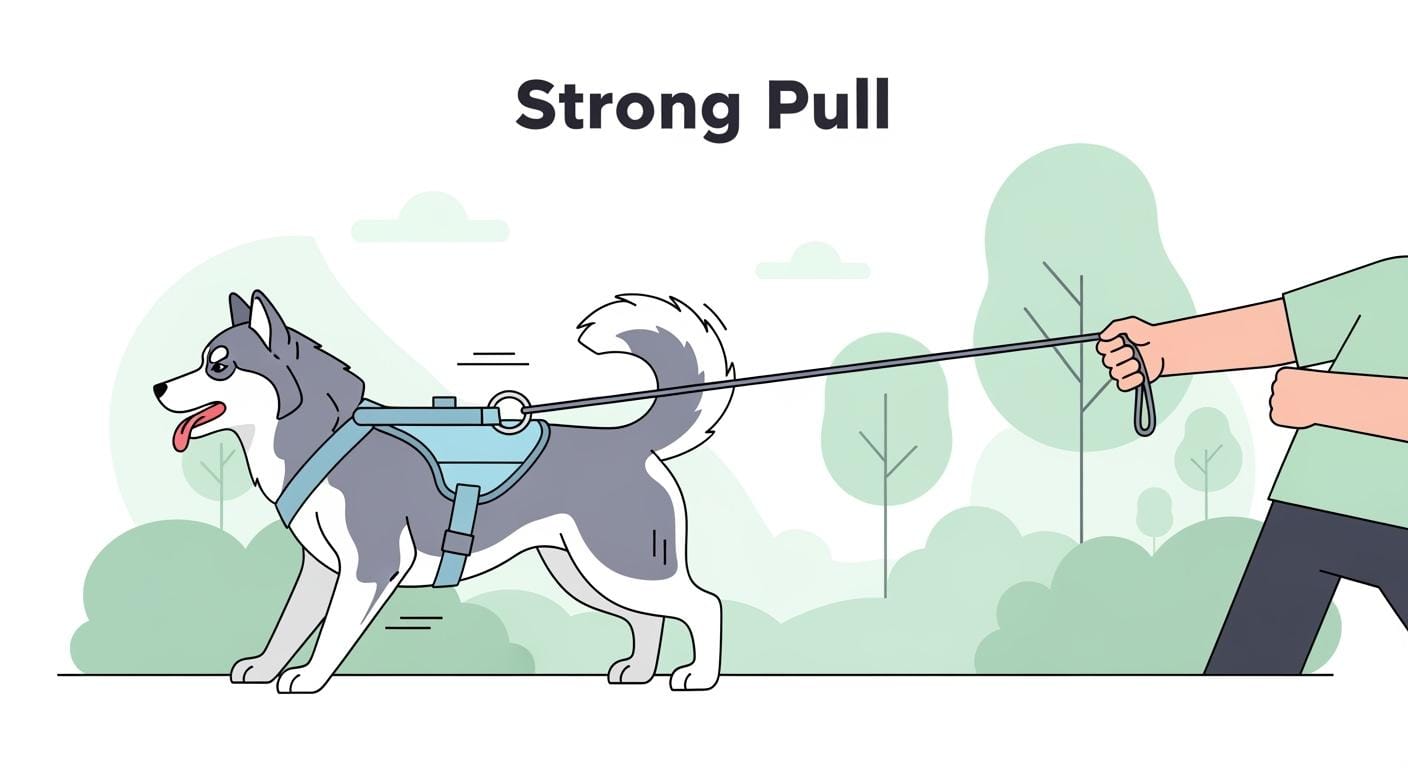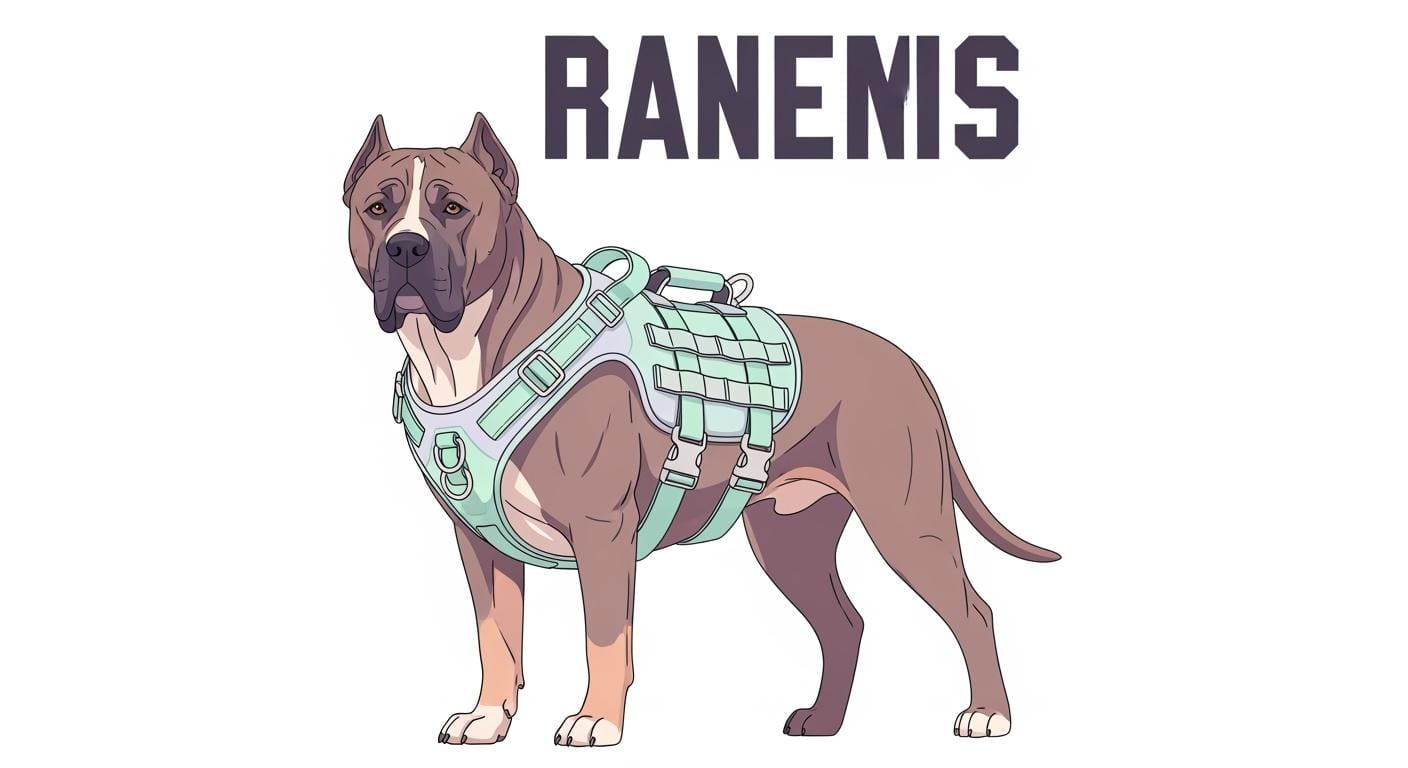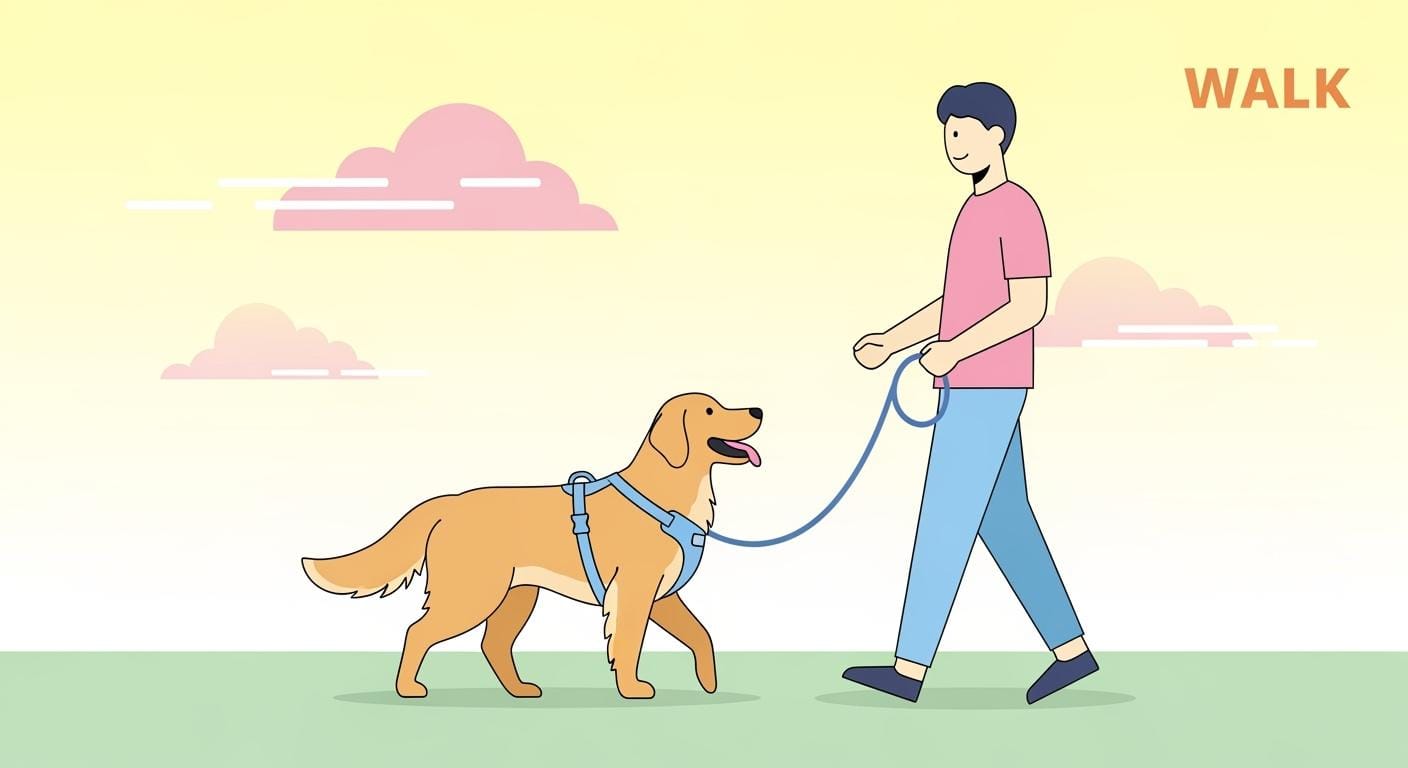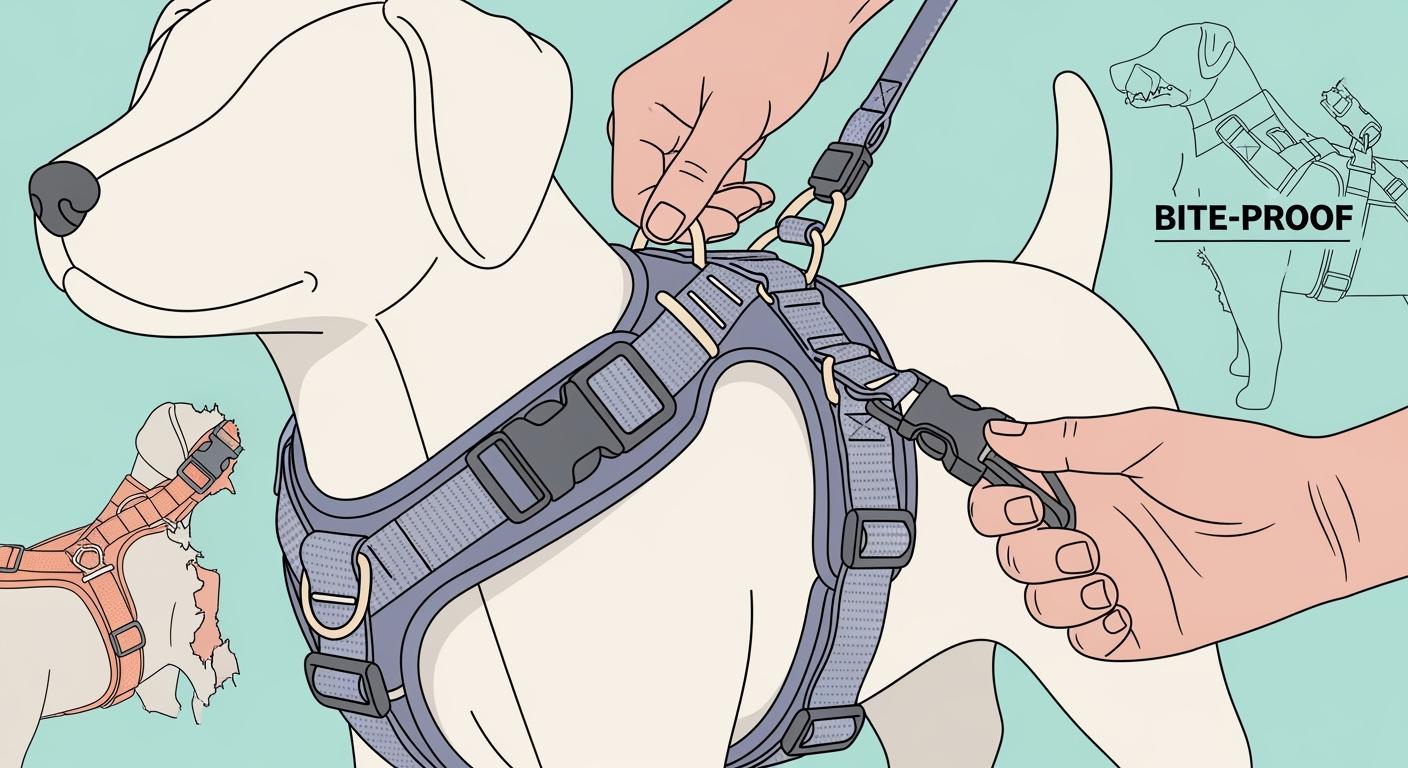
You may search for a bite proof dog harness because your dog chews straps, mouths buckles, or damages gear between walks. In real use, this phrase should mean chew-resistant and harder to damage, not indestructible. A harness still needs supervision, good fit, and a daily comfort check.
This guide focuses on what you can verify before buying: material feel, seam protection, hardware placement, and whether the harness stays secure without rubbing. It is a walking and control guide, not a medical, bite-training, or crash-protection claim.
What bite proof should mean in daily use
A practical harness for a chewing dog should do three things well. First, it should make straps and buckles harder to reach. Second, it should stay centered during a short walk instead of twisting into the elbow or throat area. Third, it should be easier to inspect and clean after daily use.
- Look for dense webbing, reinforced layers, and smooth edge binding rather than dramatic “indestructible” claims.
- Choose covered or low-exposure hardware if your dog tends to mouth buckles.
- Avoid assuming that a stiffer harness is always better. Overbuilt panels can feel bulky, trap heat, and create new rubbing points.
Make sure the harness fits well by adjusting it. Good fit reduces escape risk and also lowers chew access because loose strap ends are harder for a dog to reach.
If chewing suddenly gets worse, or your dog seems distressed when the harness goes on, pause use and ask your veterinarian or a qualified behavior professional what else may be driving that behavior.
Materials and hardware worth checking before you buy
You want a harness that lasts through daily use. That does not require brand-heavy language or lab-style numbers. What matters more is whether the webbing feels dense, whether the stitching is protected from direct chewing, and whether the contact edges feel smooth rather than sharp or scratchy.
For hardware, metal leash points and secure buckles usually hold shape better over time than light plastic parts, but hardware should not sit so high or so far back that it becomes easy for the dog to mouth. You also want a leash attachment area that feels stable when you pull it by hand, without visible twisting in the nearby panel.
| Kontrollpunkt | Better signal | Watchout |
|---|---|---|
| Webbing and outer layer | Dense feel, clean weave, no loose fuzzing | Soft fraying, thin spots, easy fold lines |
| Edge finish | Smooth binding that does not scrape your hand | Rough seams that can rub behind the elbow |
| Hardware exposure | Buckle and rings sit away from the mouth path | Large exposed parts within easy chew reach |
| Leash point stability | Attachment area stays flat when hand-pulled | Nearby panel twists or puckers quickly |
Materials also need to match your climate and routine. If you walk in warm weather or use the harness for longer outings, prioritize airflow and easier drying over thick padding everywhere. If you walk in damp or dirty conditions, check whether the harness can be rinsed and dried without leaving odor inside layered padding.
When comparing chew-resistant harnesses to more basic gear, focus on construction details you can inspect instead of dramatic claims on the label.
Fit checks that matter more than marketing claims
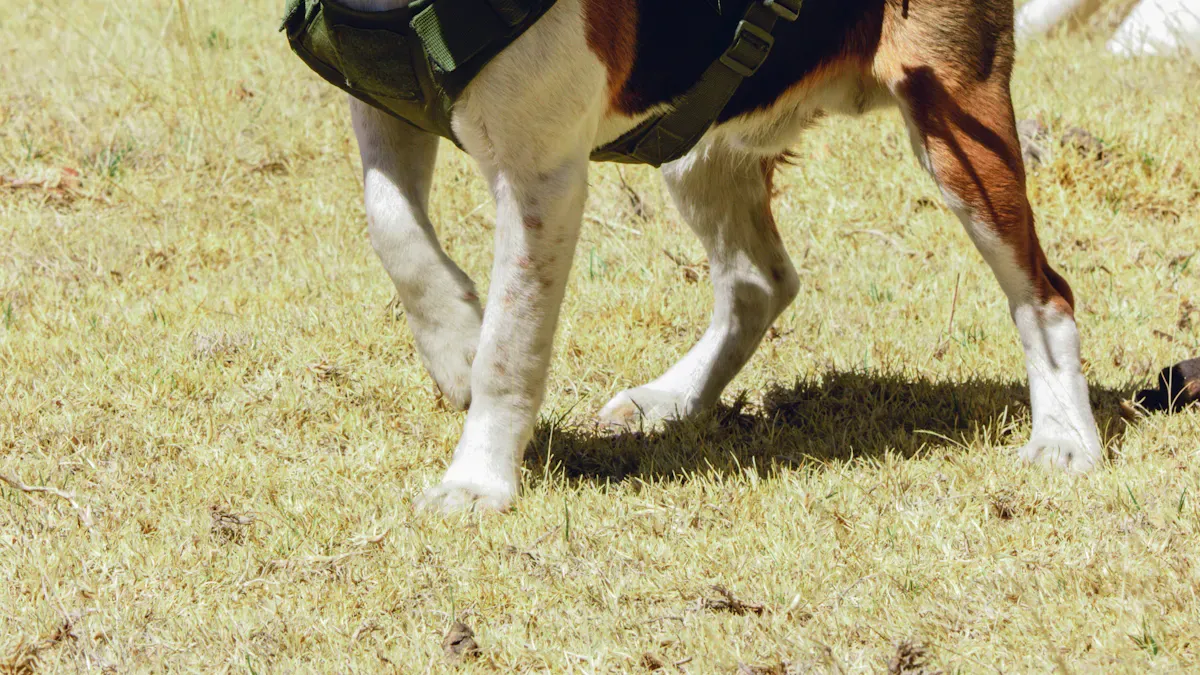
Fit has a direct effect on chewing, rubbing, and escape risk. A harness that is slightly loose often gives a dog both more strap access and a better angle to back out. A harness that is too tight may press into the throat, pinch behind the elbows, or reduce shoulder comfort on a normal walk.
- Start with the chest and girth area, not just the neck opening.
- You should be able to slide one to two fingers under the straps without the harness feeling baggy or floating away from the body.
- The girth strap should not sit too far back toward the soft belly, and it should not cut into the back of the front legs.
- The neck opening should sit closer to the top of the chest than across the throat.
After fitting, do a short hallway or driveway walk. Watch whether the harness stays centered, whether the leash point pulls the whole panel sideways, and whether the dog shortens stride or keeps turning to mouth the same area. With fluffy coats, recheck after a few minutes because compressed fur can make a once-snug fit feel looser.
| Check item | Pass signal | Fail signal | What to do |
|---|---|---|---|
| Entry and fastening | Dog accepts fitting without freezing or fighting the buckle | Fastening point feels forced or difficult every time | Recheck size range and fitting sequence |
| Short walk stability | Harness stays centered and flat | Harness rolls, twists, or rides toward the throat | Adjust or try a different layout |
| Back-out check | Neck area stays stable during a gentle backward test | Opening lifts or grows when the dog backs up | Tighten within comfort range or change shape |
| Post-walk skin check | No new flattening, redness, or hot spots | Repeat rubbing in the same area | Stop use and switch to softer edge contact |
Common mistakes that increase chewing or escape risk
One common mistake is treating material strength as the only buying question. Dogs often chew the easiest target, not the strongest one. Loose strap tails, exposed buckles near the mouth, and a harness that shifts during walking can all create repeat chewing points even when the base material looks strong.
- Do not buy solely on “bite proof” wording.
- Do not assume thick padding automatically means comfort.
- Do not ignore repeated rubbing just because the harness still looks intact.
- Do not leave a harness on for long unsupervised periods if your dog targets gear with the mouth.
If chewing continues, troubleshoot the reason before you keep upgrading materials. Check fit, check for a repeat rub point, shorten wearing time, and separate walking use from idle indoor wear. When the trigger is boredom, discomfort, or stress, stronger materials alone usually do not solve the whole problem.
Häufig gestellte Fragen
Is any dog harness really bite proof?
No harness should be treated as indestructible. A better standard is chew-resistant construction plus a fit that reduces access to straps, seams, and buckles.
What matters more, tougher material or better fit?
You need both, but fit usually changes daily results faster. A stronger harness that twists or rubs can still fail your dog in real use.
Should you use this type of harness to fix chewing behavior?
No. A harness can reduce damage and make walking safer, but it does not replace behavior work, veterinary guidance, or routine supervision.