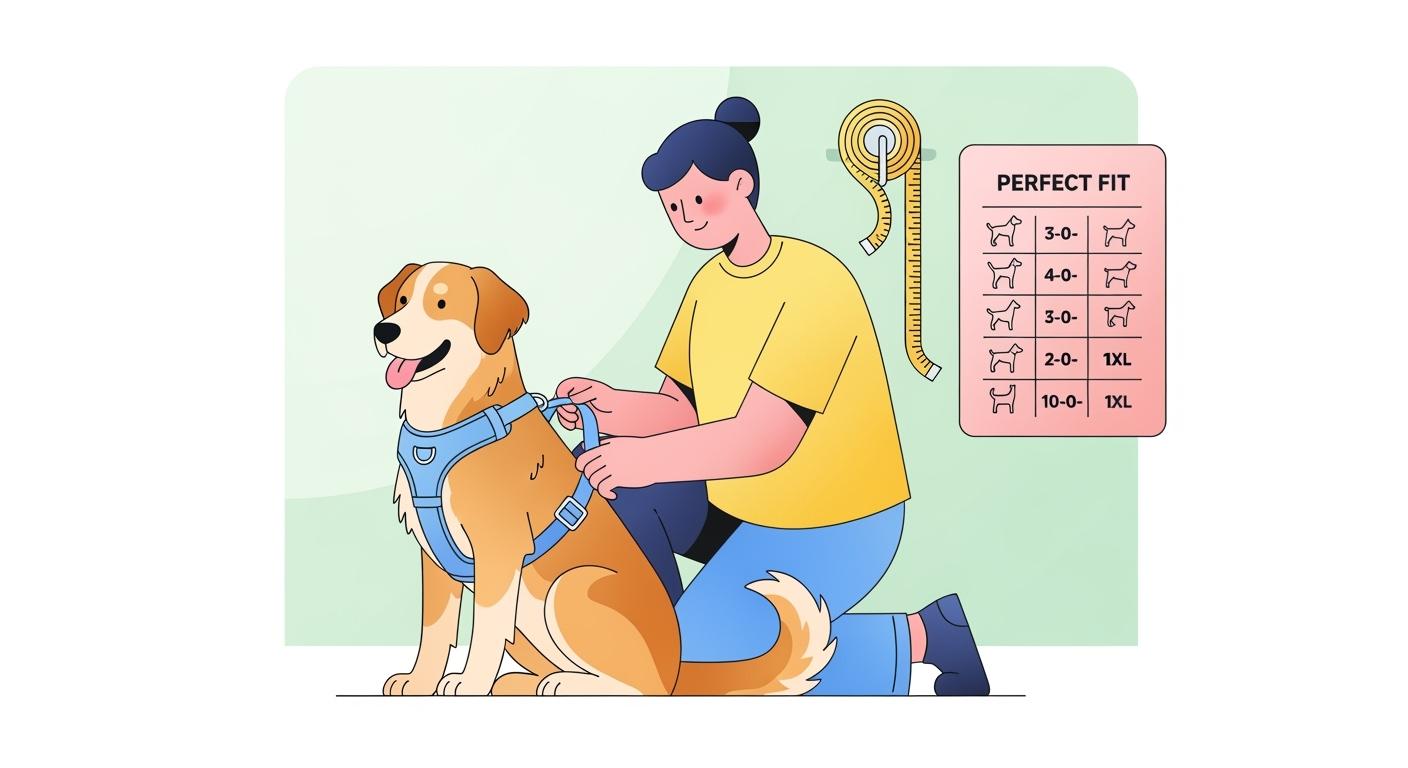
A customisable dog harness should not be judged by how many straps or buckles it has. The real value is whether the adjustment points actually help the harness match your dog’s chest shape, neck opening, movement, and everyday walking routine. More adjustability is only useful when it makes the fit easier to balance and easier to read after a real walk.
This page focuses on what the adjustment points are for. A customisable harness should help with chest fit, neck balance, left-right symmetry, and day-to-day comfort checks. It should not become a substitute for the wrong harness shape or a confusing setup that needs constant correction.
What Each Adjustment Area Should Help With
Different dogs need different fine-tuning. A customisable harness can be useful when the body shape is not easy to match with a fixed layout. The key is to know what each adjustment area is actually supposed to improve.
| Adjustment area | What it should help with | Warning sign |
|---|---|---|
| Chest adjustment | Helps the harness sit flat and stay stable behind the front legs | The body section still rolls, gaps, or drifts after a short walk |
| Neck opening | Helps the front stay clear of the throat without hanging loose | The opening presses upward or stays too wide at the front |
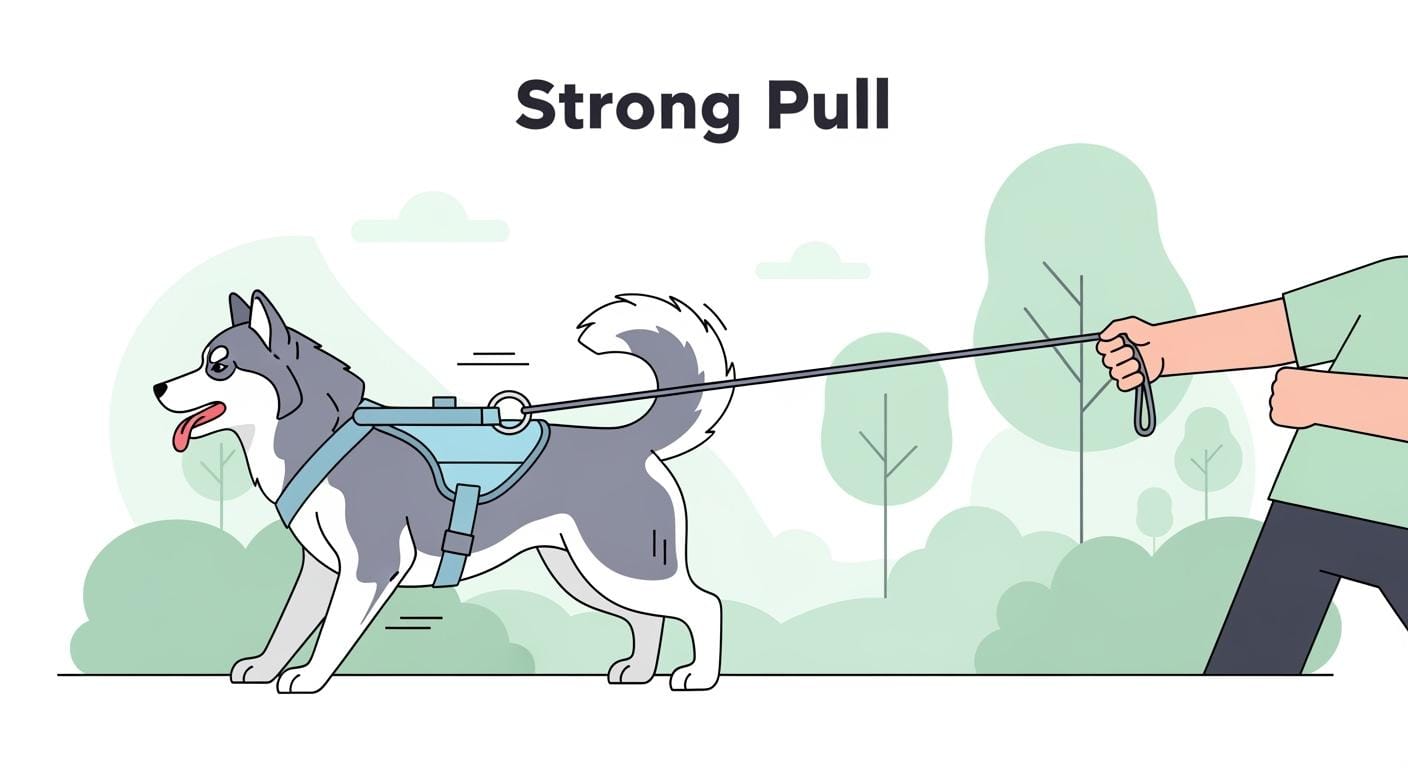
| Left-right balance | Keeps the harness centered during turns and light leash pressure | One side keeps pulling harder and the back ring leans off center |
| Body length or panel position | Helps reduce rubbing and keeps the harness readable after movement | The harness bunches, rides forward, or feels bulky near the elbows |
If you want a broader comparison of harness types before focusing on adjustability, start with the best dog harness guide. It helps separate general harness selection from the more specific adjustment-point choices this page covers.
When Extra Adjustability Really Helps
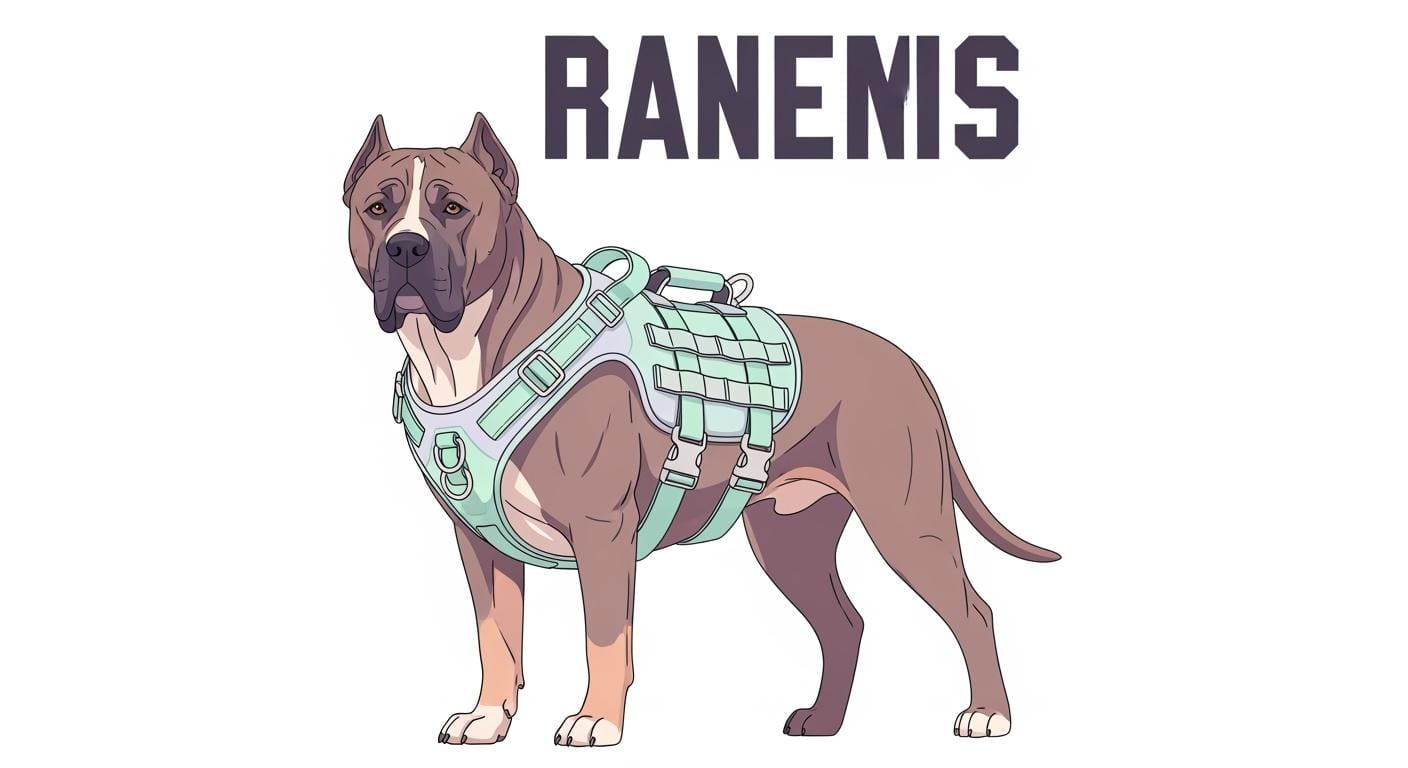
A customisable dog harness is most useful when your dog does not fit cleanly into a simple one-shape layout. Dogs with fuller chests, narrower neck openings, uneven coat bulk, or small day-to-day body changes often benefit from a harness that gives you more than one place to fine-tune.
- It helps when the chest and neck proportions do not match the average layout well.
- It helps when you need to rebalance both sides after grooming or coat changes.
- It helps when small changes in strap position make a noticeable difference in comfort.
- It helps when you want the harness to stay centered without over-tightening one area.
Good adjustability should make the harness easier to live with. It should not force you into a long fitting routine every time you put it on. If you need extreme correction at every point just to make the harness usable, the layout may still be wrong for your dog.
What Adjustment Cannot Fix
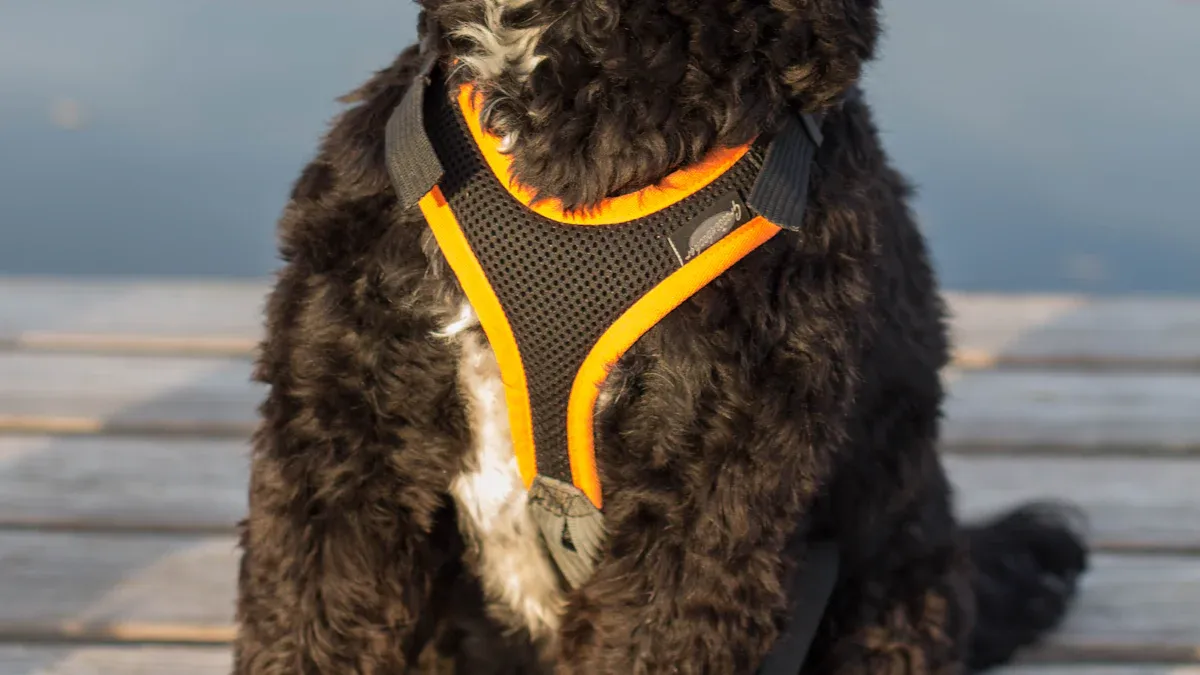
Adjustment is not a cure for every fit problem. Some issues come from the harness shape itself, not from the strap settings. A harness can still be the wrong choice if the front sits too high, the body section crowds the elbows, or the whole layout feels bulky no matter how you rebalance it.
| Problem | Why adjustment may not solve it | Better decision |
|---|---|---|
| The harness keeps sliding sideways | The overall shape may not match the dog’s body well | Try a different harness layout, not just a different strap setting |
| The neck opening still feels wrong | The front design may be too open or too high | Choose a shape with a cleaner front opening |
| The harness rubs near the elbows | The body section may sit too close to the moving joints | Reduce bulk or switch to a lower-rub design |
| The harness only feels stable when one area is over-tightened | The fit is being forced instead of supported | Pick a size or layout that balances more naturally |
A customisable harness should improve balance and comfort. It should not make you choose between one problem and another, such as reducing front looseness while creating rubbing or restricting movement.
How to Check Whether Your Adjustments Help
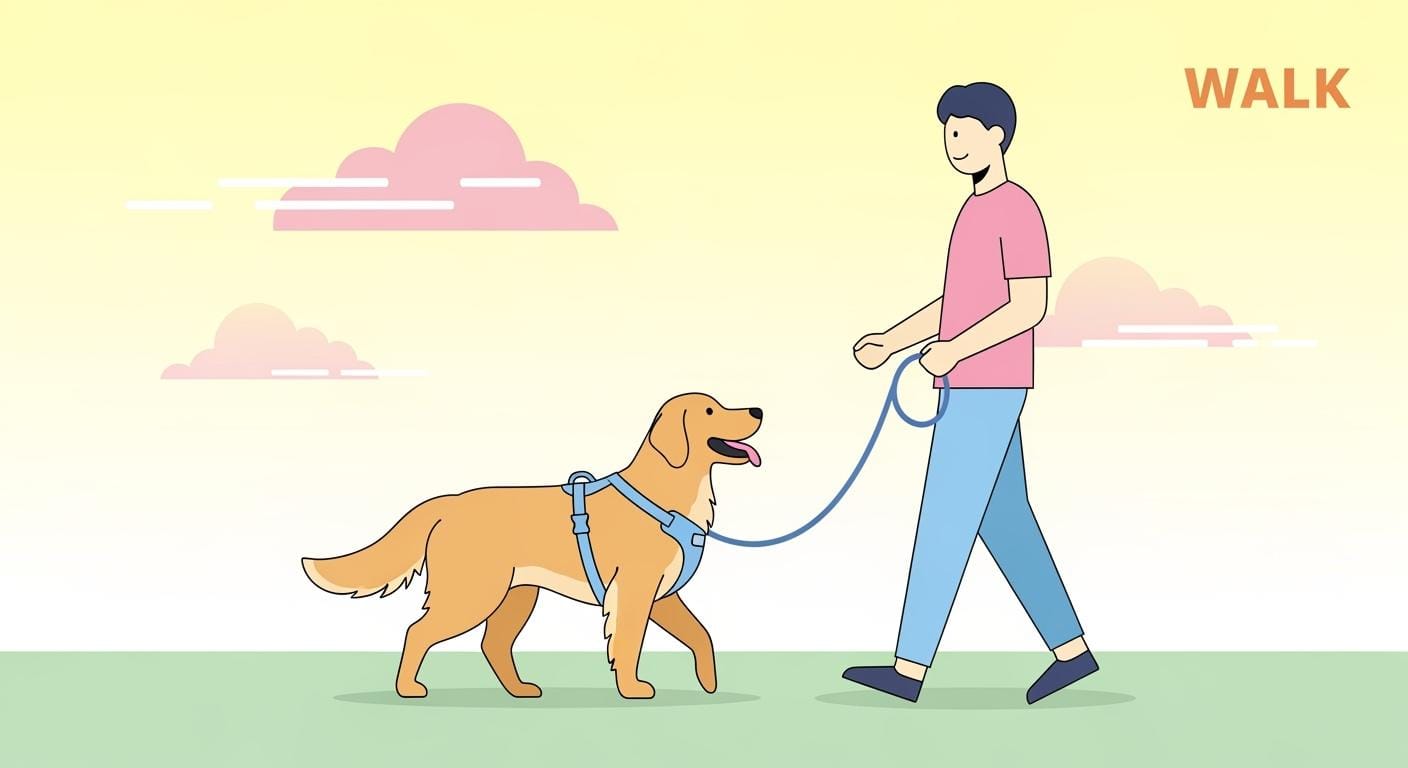
The easiest way to judge adjustment is after a short real walk. A useful setup should still look balanced once your dog walks, turns, pauses, and changes direction. If the harness only looks right while standing still, your adjustments are not telling you enough.
- The back ring should stay centered instead of leaning to one side.
- The chest area should stay flat without rolling or opening wide at the front.
- The dog should move naturally without shortened stride or hesitation.
- The harness should not need a full refit after each short outing.
- Post-walk contact points should look calm, without repeated rubbing or pressure marks.
These checks matter more than a long fitting checklist. The point of a customisable dog harness is not endless adjustment. It is to help you reach a stable, repeatable setup that still feels comfortable in real movement.
Which Features Are Worth Prioritising
The best customisable harnesses are the ones where the adjustment points stay useful without creating extra bulk. Decorative extras matter less than balanced strap layout, stable hardware, and a body section that does not crowd the dog’s movement.
| Feature | Why it matters | What to watch |
|---|---|---|
| Multi-point adjustment | Helps match different chest and neck proportions | Too many points can become confusing if the layout is already unstable |
| Low-bulk body shape | Can reduce rubbing and bunching during daily walks | Panels that extend too close to the armpit |
| Breathable lining | Supports comfort during warm or active use | Padding that traps heat without improving balance |
| Stable buckles and ring placement | Helps the harness stay predictable once fitted | Closures that feel loose or hardware that sits off center |
If the harness is part of a wider walking setup, use this dog harness and leash set guide to check whether leash length, clip style, and handling routine are making the harness feel more stable or less stable on your dog.
Häufig gestellte Fragen
How snug should a customisable dog harness feel?
It should feel secure and stable, not tight. A good adjustment should help the harness sit in place without leaving large gaps or creating obvious pressure points.
What if my dog is between sizes?
Start with the size that best matches the chest area, then check how much useful adjustment room remains at the neck and body. If one area is already at its limit, another size or another layout may work better.
Can a customisable harness fix every fit problem?
No. Adjustment helps with balance and proportion, but some dogs still need a different harness shape. If the harness keeps twisting, rubbing, or restricting movement after careful rebalancing, a different layout is the better answer.
How often should I recheck the adjustments?
Recheck after grooming changes, visible weight change, or the first few real walks with a new harness. You should also recheck if the harness suddenly starts drifting or feeling less comfortable than before.