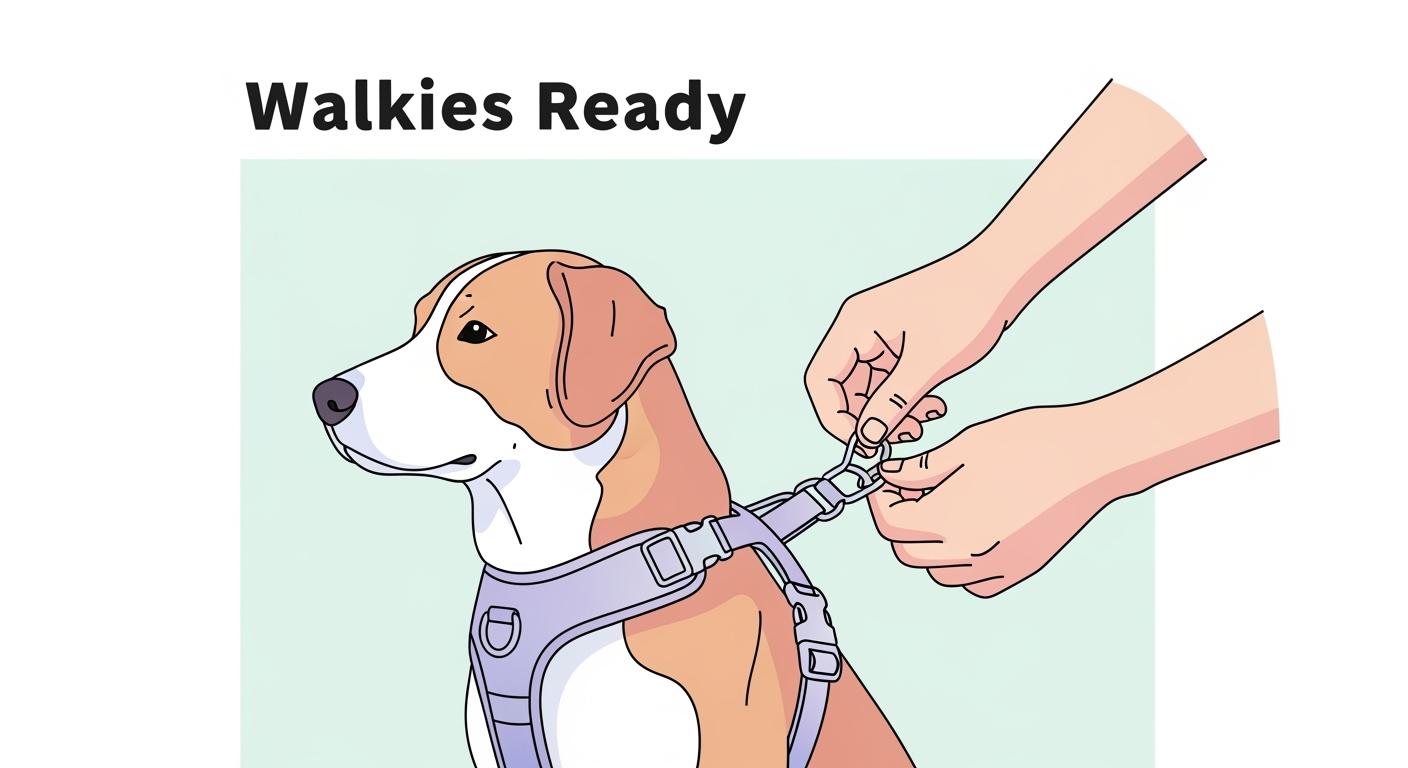
Choosing the best dog walking harness starts with fit, not hype. A harness can look padded and secure in the product photos but still shift, rub behind the elbow, crowd the shoulder, or feel bulky once the leash goes tight. Before you buy, check how the harness sits on the chest, how much adjustment range it really offers, and whether it stays stable through normal daily walking.
This guide focuses on everyday walking comfort and control. It does not treat a walking harness as crash protection, medical support, or a shortcut that fixes every pulling problem by itself. The goal is simpler: help you choose a harness that fits cleanly, feels manageable on regular walks, and causes fewer return-worthy problems after the first few uses.
Das Wichtigste in Kürze
- Measure chest girth first, then check the neck opening and underarm clearance. A harness that is only matched by breed or weight can still fit badly.
- Look for a harness shape that stays off the throat and does not block shoulder movement. Thick padding does not help if the layout shifts or crowds the front of the body.
- Choose clip placement based on your walking routine. Front, back, and dual-clip options each work better in different day-to-day situations.
- Do a short indoor test and a brief walk test before regular use. Watch for twisting, rubbing, strap creep, or a leash ring that will not stay centered.
Fit Checks Before You Compare Features
A good walking harness should feel stable without looking stiff. The chest section should sit flat, the neck opening should stay low at the base of the neck instead of riding up toward the throat, and the belly strap should stay clear of the soft area behind the front legs.
What to Measure
- Chest girth: Measure around the widest part of the rib cage just behind the front legs. This is usually the number that matters most.
- Neck opening: Measure low at the base of the neck where the harness will sit, not high under the jaw.
- Coat and body shape: Thick fur, a deep chest, or a narrow waist can all change how stable the same size feels once worn.
When you try the harness on, you want a snug fit that still looks easy to wear. A simple one-to-two-finger space under the main straps is a practical starting point, but that is only part of the check. You also need to see how the harness behaves once your dog turns, pauses, sits, and begins to walk.
Doorway Test and Short Walk Test
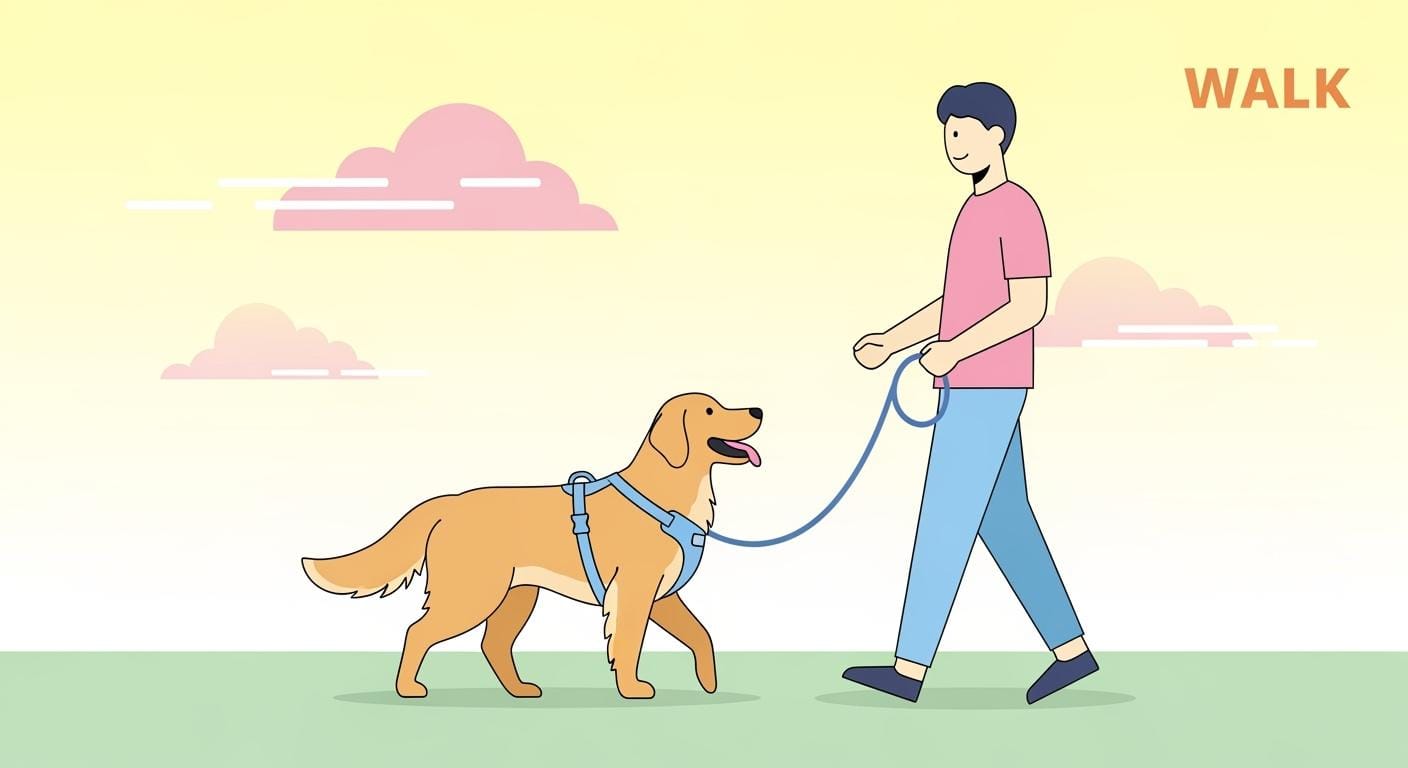
Before the first full outing, clip on the leash and do a quick test at home or on a flat driveway. Walk through a doorway, make a slow turn, and let the leash load lightly once or twice. Then take a short three-minute walk at a normal pace.
| Check Point | Signal weiterleiten | Fehlermeldung |
|---|---|---|
| Chest position | Sits across the chest and stays off the throat | Rides high when the leash tightens |
| Freiraum unter den Achseln | Straps stay clear of rubbing points | Hair flattening, hot spots, or rubbing behind the elbow |
| Shoulder freedom | Dog walks and turns naturally | Shortened stride, hesitation, or stiff-looking movement |
| Harness balance | Leash ring stays centered and the body stays straight | Harness rotates or drifts to one side |
| Escape risk | Harness stays stable if the dog steps back | Neck opening widens or the body begins to slide out |
Tip: If the harness looks fine while the dog is standing still but shifts as soon as the leash adds light tension, treat that as a fit issue now rather than a problem that will somehow disappear later.
Features That Matter in Daily Walking
Clip Layout and Leash Attachment
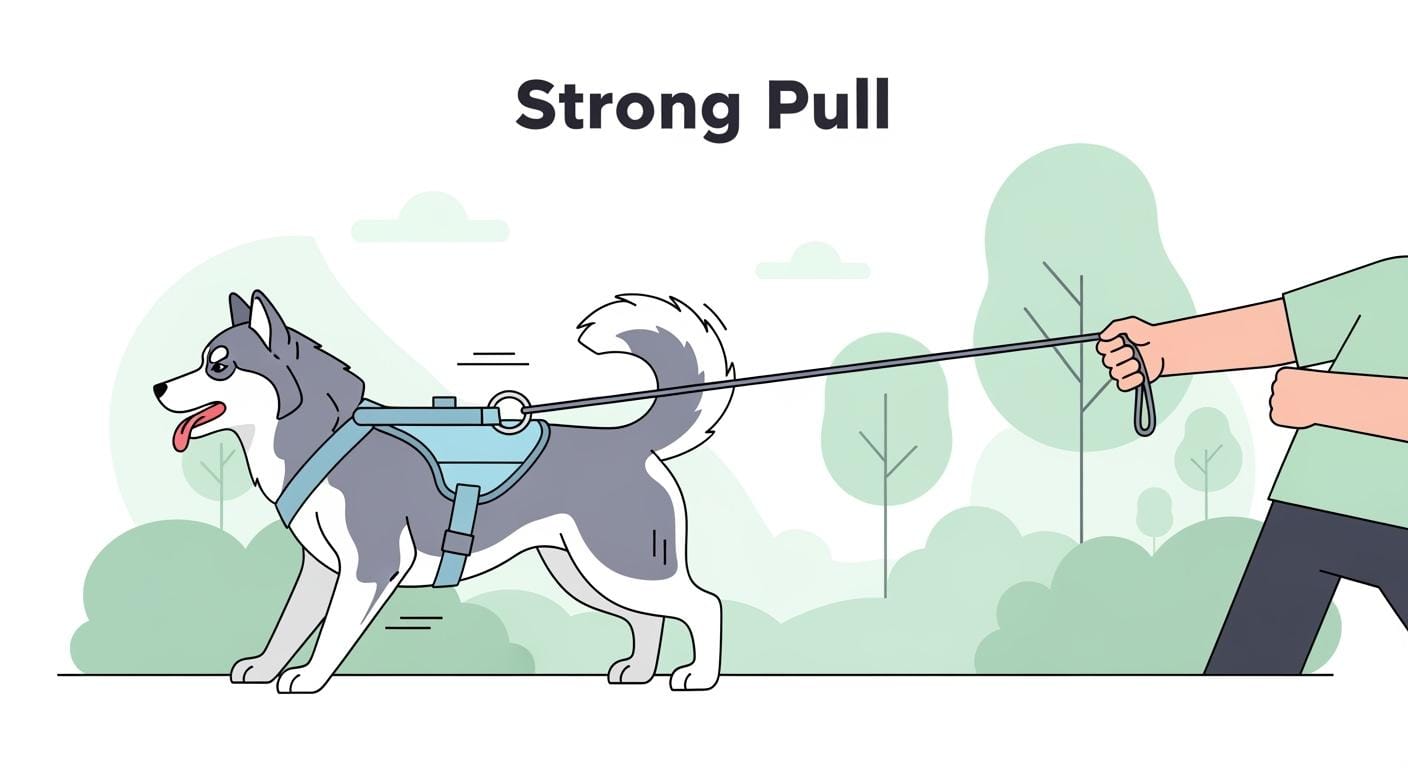
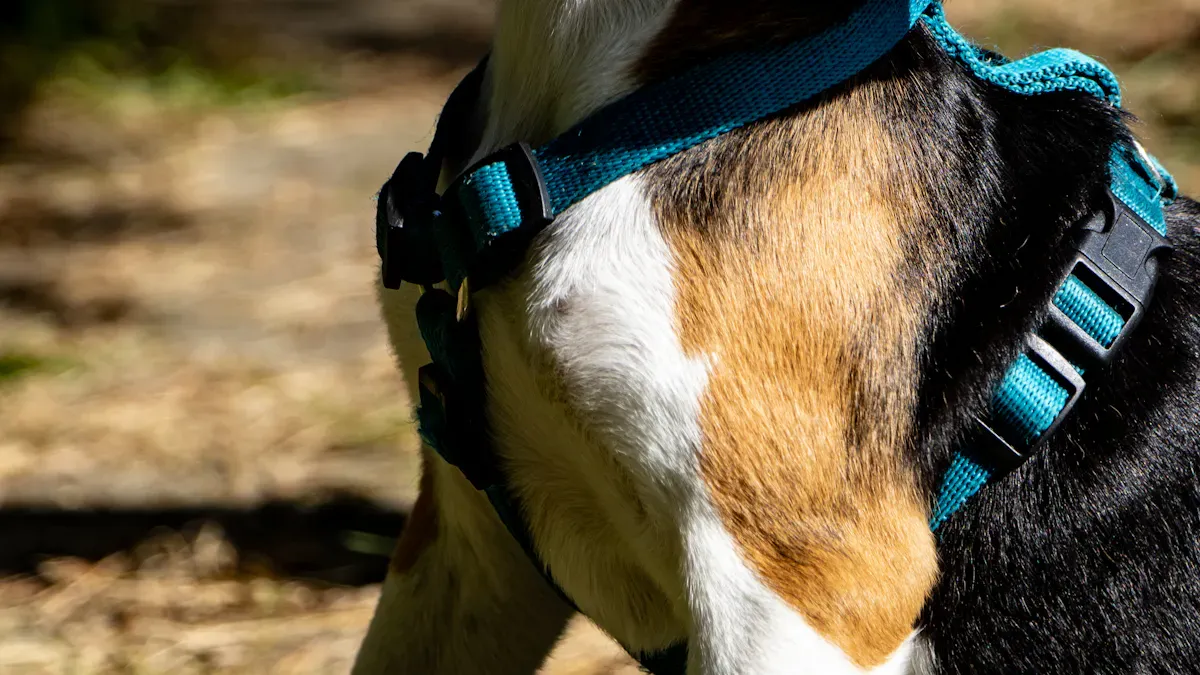
The best clip position depends on how you actually walk your dog. A front clip can help make pulling easier to manage for some dogs because it changes steering. A back clip often feels simpler for calm daily walking. A dual-clip layout gives more flexibility, but extra rings and panels also add weight and bulk. The better harness is the one that stays centered and usable on your dog’s body shape, not the one with the longest feature list.
Adjustability, Edge Finish, and Easy Cleanup
Adjustment points should help you fine-tune fit instead of leaving long loose straps or bunching fabric at the chest. Smooth edge finishing matters because rough seams become obvious on longer walks, especially on short-coated dogs or when the harness gets wet. Breathable linings can feel easier in warm weather, but the best everyday choice is usually the one that balances enough structure for stability with a shape that still dries and cleans without hassle.
| Feature to Check | Warum das wichtig ist | Quick Buyer Question |
|---|---|---|
| Adjustment range | Helps you tune chest and belly fit more precisely | Can you tighten it cleanly without excess strap bulk? |
| Clip location | Affects steering feel and day-to-day handling | Does this match your walking routine rather than a generic label? |
| Hardware stability | Loose or oversized hardware can tilt and shift the harness | Do the buckle and rings feel matched to your dog’s size? |
| Edge finish and lining | Rough or bulky edges can become rubbing points | Does the inside feel smooth enough for repeated use? |
| Washability | Mud, rain, and body oils build up quickly in daily gear | Can you rinse or wipe it down without trouble? |
Common Buying Mistakes
- Buying by breed label, age, or weight alone instead of measuring the chest and neck first.
- Choosing extra padding over clean fit. More bulk can trap heat and make the harness feel less stable.
- Assuming a no-pull label replaces fit checks and leash practice. Design may help handling, but poor fit still creates rubbing and shifting.
- Ignoring post-walk signs such as coat flattening, strap marks, or a harness that slowly rotates after a few minutes.
- Keeping a harness that almost works instead of treating repeated drift, rubbing, or escape risk as a real mismatch.
This is general product-fit guidance, not medical advice. If your dog shows pain, limping, persistent rubbing, or skin breakdown, stop use and speak with your veterinarian.
Häufig gestellte Fragen
How tight should a walking harness feel?
It should feel snug and stable without digging in. A small amount of finger space under the main straps is useful, but the more important check is whether the harness stays centered and comfortable once your dog starts walking.
Is a front-clip harness always better for pulling?
Not always. A front clip can improve steering for some dogs, but it still has to sit cleanly on the chest and leave enough shoulder freedom. The better choice depends on your dog’s shape and walking habits.
Why does a harness rub behind the front legs?
That usually points to poor strap placement, too much shifting, or a harness body that is too long or bulky for your dog. Recheck underarm clearance and then repeat a short walk test.
When should you replace a harness?
Replace it when you see cracked hardware, loose stitching, stretched strap sections, or a fit that no longer stays stable after adjustment. Daily walking gear should feel predictable, not questionable.
The best dog walking harness is the one that fits your dog’s body cleanly, stays stable once the leash goes tight, and feels easy to use on ordinary walks. Start with measurements, check shoulder and elbow clearance, and confirm the fit with a short real-world test before you commit to daily use.