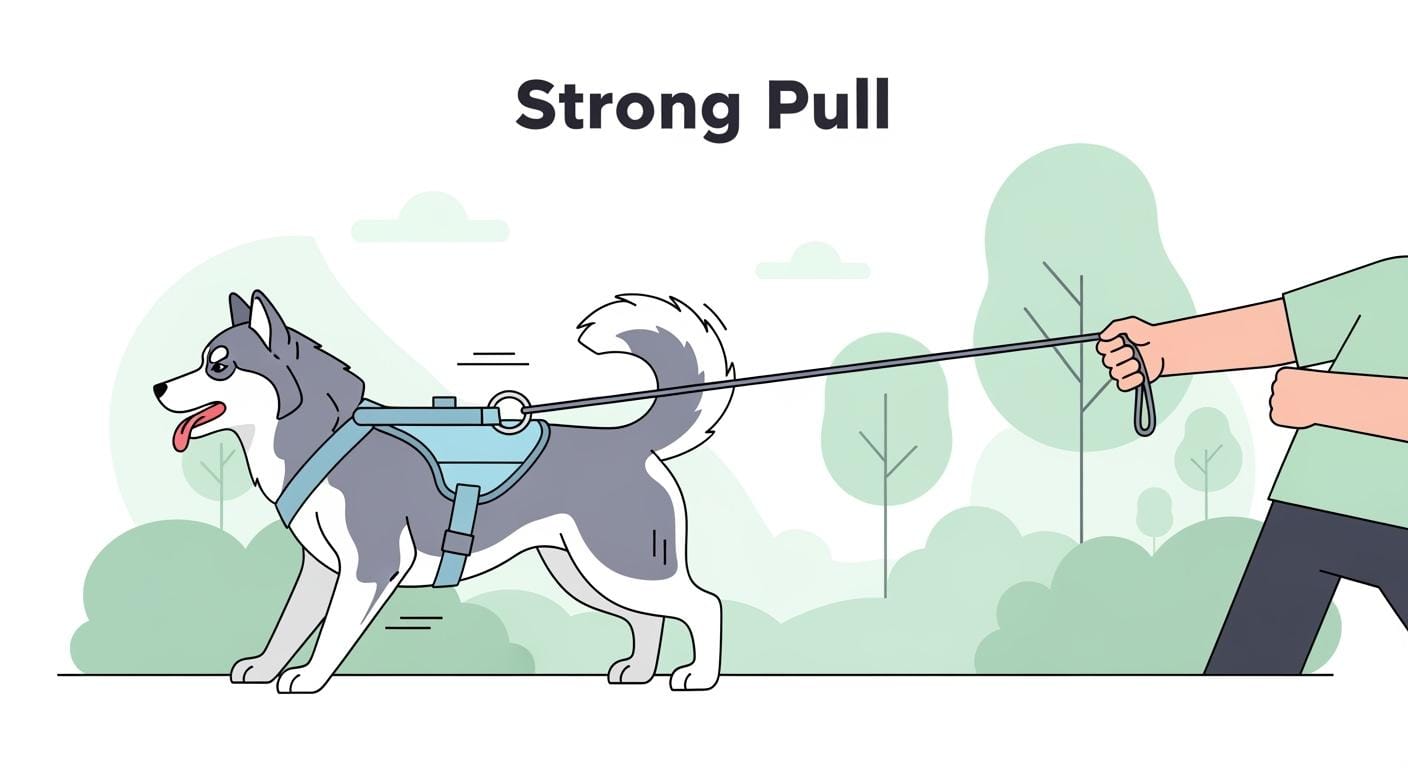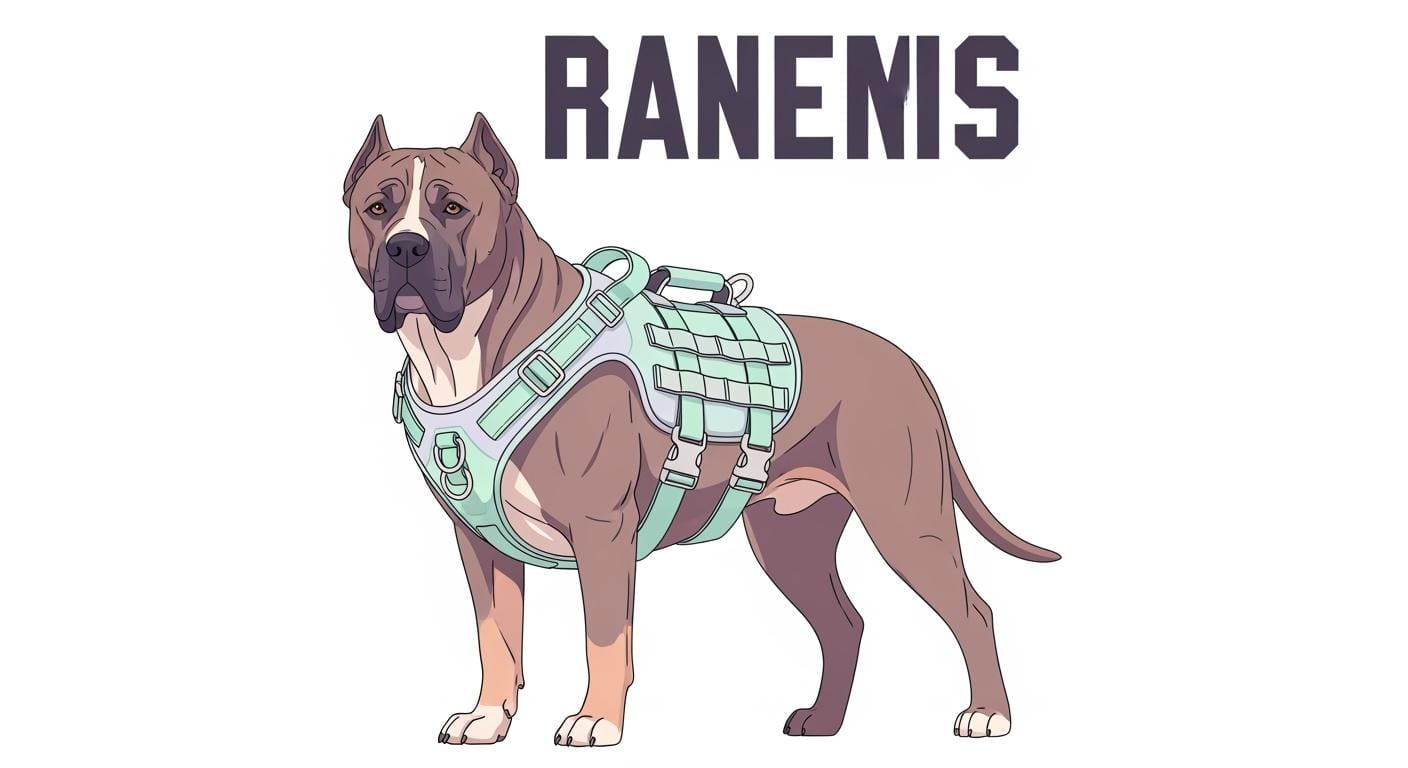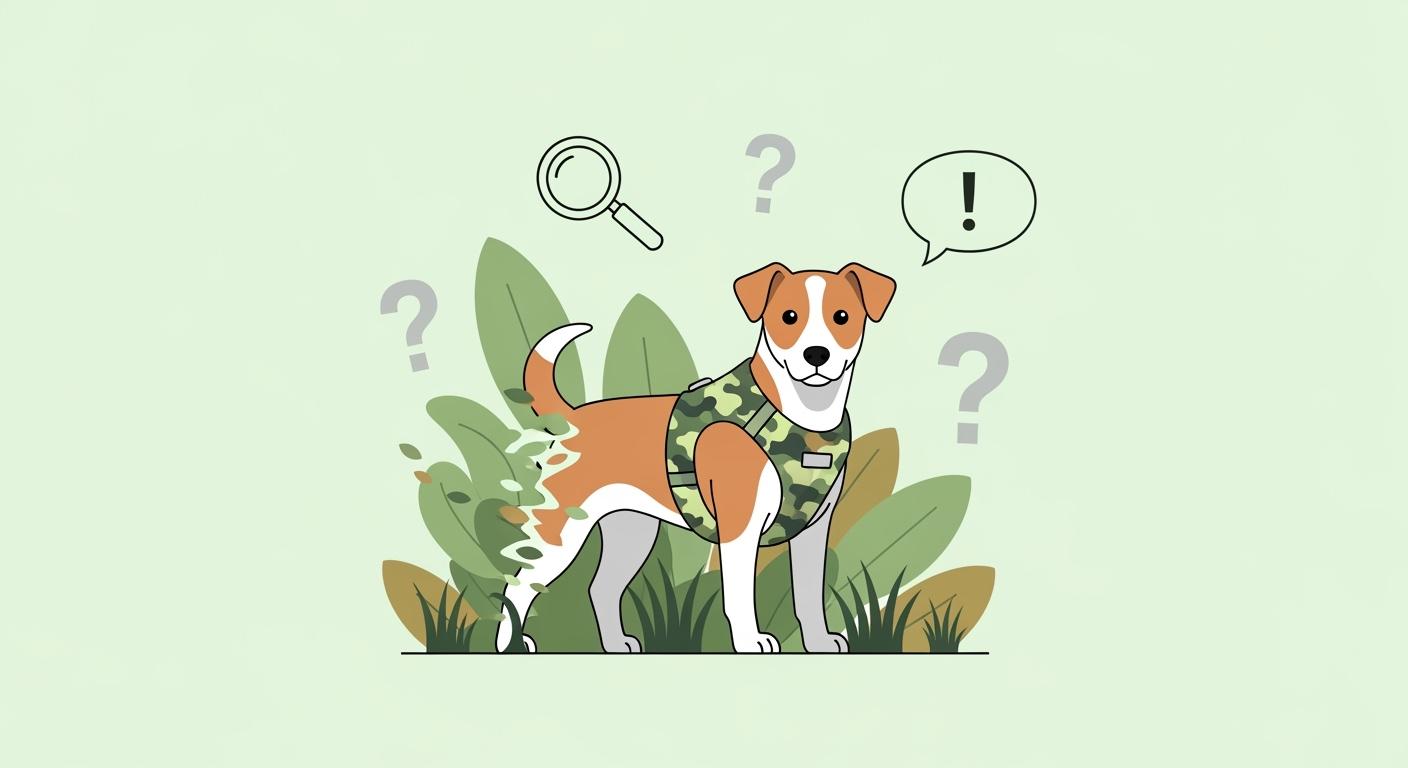
A camo harness dog setup can make sense when you spend time on remote trails, hunting ground, or low-traffic field routes where blending into the terrain is part of the plan. The tradeoff is straightforward: the more your dog blends into grass, brush, and shade, the harder your dog can be to track quickly when the light changes or the route gets busy.
That is why pattern alone should never drive the choice. Visibility, fit, heat buildup, and overall handling usually matter more than whether the harness looks rugged. If the harness makes your dog harder to spot at dusk or traps too much heat on longer walks, it is solving the wrong problem.
When a camo harness makes sense
Remote terrain is the main use case
Camo works best when you actually want lower visual contrast against natural backgrounds. That can apply on woodland trails, in field training, or in hunting environments where a bright harness would stand out more than you want. In those settings, a quieter pattern may feel more appropriate than a bright everyday harness.
Even then, the harness still has to fit correctly. Strap position, chest coverage, and shoulder clearance matter before color does, and good dog training harness fit and sizing often determines whether camo is practical in the first place.
Tip: Camo is usually a specialized choice for specific terrain. It is rarely the safest default for everyday walks.
Most daily walks benefit more from visibility
Urban sidewalks, mixed-use trails, neighborhood routes, and parks usually reward visibility more than camouflage. Drivers, cyclists, and other walkers all benefit from noticing your dog earlier. That is especially true in low light, where pattern matters less and reflective coverage matters much more.
For regular walks before sunrise or after sunset, reflective material generally gives you a clearer safety advantage than camo does. In low light, the real difference often comes from how a reflective harness compares with a collar at night from several angles.
Choose the harness for the route, not the look
| Harness style | Best setting | Main strength | What to watch |
|---|---|---|---|
| Camo outdoor harness | Remote woodland and low-traffic field routes | Lower visual contrast in natural terrain | Can make your dog harder to track in brush and at dusk |
| Bright everyday harness | Urban parks, suburban walks, paved trails | Easy daytime visibility | Less helpful once the light drops unless reflective trim is added |
| Reflective outdoor harness | Dawn, dusk, overcast weather, roadside walks | Better low-light visibility when light hits the surface | Still depends on good fit and enough exposed reflective area |
If your routes change a lot, a visible base color with reflective trim usually covers more situations than a fully camo build. A pure camo setup is best treated as a terrain-specific tool, not as the universal answer.
What a camo harness changes in real use
Tracking your dog gets harder in uneven light
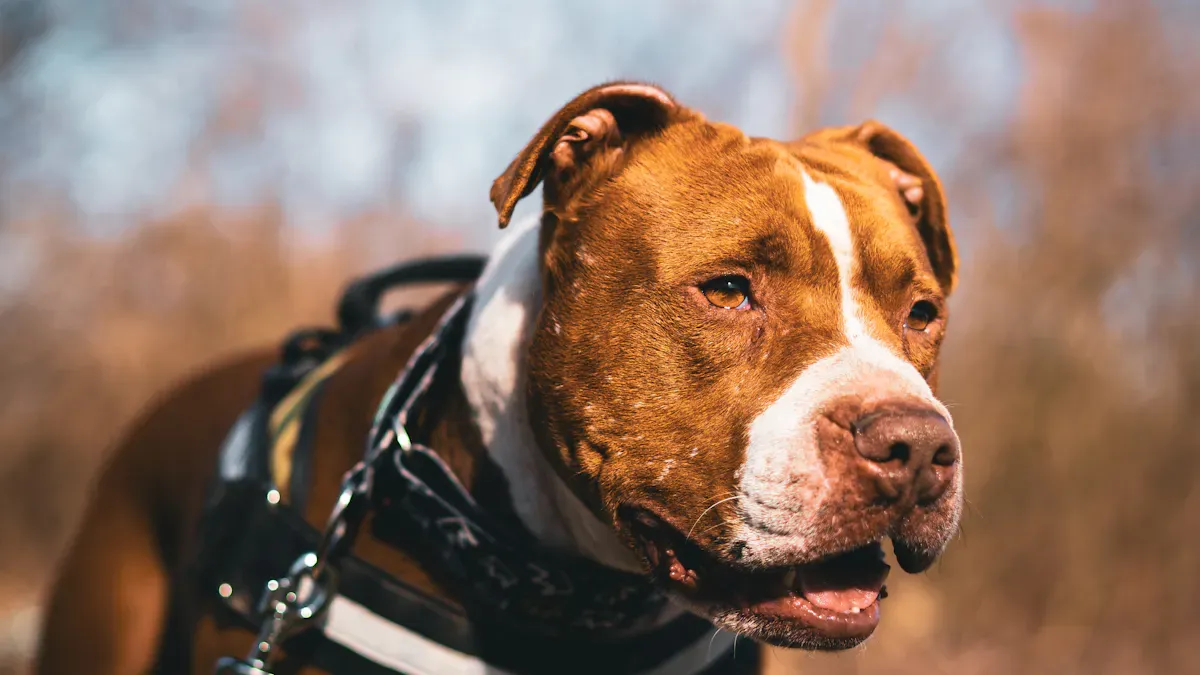
The purpose of camo is to reduce contrast, which is also why it creates a handling cost. On a shaded trail or in taller brush, your dog can disappear from view faster than you expect. That is not always a problem in open daylight, but it can become one quickly once the route gets darker or the background gets busier.
A practical test helps more than guesswork. Step back about 30 feet on the kind of terrain you actually use, then see how quickly you can find your dog in daylight and again near dusk. If your dog blends in enough that you hesitate, the harness is probably too visually quiet for that setting. Reflective area matters too, because wider reflective coverage and comfortable fit do not always come in the same balance.
Heavier tactical builds can hold more heat
Many camo harnesses come in tactical styles with thicker webbing, more fabric, and extra hardware. That can feel durable, but it also adds weight and surface coverage. On warm days or longer outings, that extra material may hold heat against the chest and back more than a simpler harness would.
Watch for early heavy panting, a slower pace than usual, or frequent stops in shade. Those signs do not automatically mean the harness is wrong, but they do suggest that the current coverage may be more than the outing needs.
A quick check before you trust the setup
| Check | Pass sign | Problem sign | First fix |
|---|---|---|---|
| Daylight visibility | Dog is easy to spot on grass, dirt, and brush | Dog blends into the background too quickly | Move to a brighter or partly reflective harness |
| Dusk visibility | You can still track the dog without hesitation | Dog disappears in low light | Add reflective coverage or switch styles |
| Thermal comfort | Normal pace and normal panting for the route | Early heavy panting or frequent slowing | Use a lighter coverage harness |
| Fit and movement | Harness stays stable without rubbing | Rotation, chafing, or stiff movement | Readjust straps or change the cut |
| Hardware security | Clips and buckles stay firm through the walk | Shifting handle, loose clips, or worn contact points | Inspect and replace worn components |
Common mistakes with a camo harness dog setup
Style-first choices usually create the biggest problems
Most bad outcomes start when the harness is chosen for appearance first and route conditions second. A tactical camo harness can look ideal in a product photo and still be too bulky for a warm suburban walk, too dark for an evening route, or too stiff for a dog that does better in a simpler build.
- Choosing camo for looks instead of for a specific terrain need
- Skipping a daylight and dusk visibility check before regular use
- Using heavy tactical coverage on warm, long walks without checking comfort
- Assuming extra hardware means better function
- Ignoring strap shift after the first few outings
Tip: If a camo harness is mainly for ordinary neighborhood walks, a more visible design is usually the better choice.
When something already feels off
| Symptom | Likely cause | Fast check | Beheben |
|---|---|---|---|
| Dog is hard to spot on trail | Pattern blends with the terrain and there is no reflective coverage | Test visibility at the same time of day you usually walk | Switch to a brighter or reflective option |
| Dog overheats on a short outing | Dense fabric and panel coverage hold too much heat | Check for early heavy panting and trapped warmth under the harness | Use a lighter harness with less coverage |
| Harness rotates during the walk | Fit is off or the build is too bulky for the dog’s shape | Check chest and shoulder position after movement | Readjust or move to a simpler design |
| Dog scratches at the harness | Rubbing at seams or pressure points | Inspect chest and armpit contact areas | Choose softer lining or adjust tension |
| Handler has less control than expected | Leash setup and harness design are not working together | Check how the dog moves on the usual route | Refit the setup and shorten the handling distance if needed |
Fit still matters more than pattern
Even a good style choice fails if the fit has drifted. Before each outing, check that the chest strap stays snug without digging in, the shoulder straps sit clear of the armpit, and the harness stays in place for the first several steps. If it shifts early, fix that before leaving.
Leash setup matters too, especially when the route switches between open and tighter spaces. A shorter everyday setup often feels easier to manage than a longer line when the harness already has more bulk. The tradeoff between harness fit, comfort, and leash length usually becomes obvious once you try both on real walks.
If you are comparing overall build styles rather than one single product, differences across dog harness designs usually come down to coverage, hardware, and layout rather than camo alone.
What about camo collars for large dogs
Camo collars for large dogs raise the same basic question as camo harnesses: does the pattern serve a real outdoor use, or is it adding a visibility cost with no practical gain. For large dogs, collar width, hardware strength, and reliable closure matter more than the print. Style is fine as a final preference, but it should come after fit and hardware confidence.
Final takeaways
A camo harness dog setup works best when the route actually benefits from lower visual contrast and when you have already checked visibility, comfort, and fit in the conditions you really use. In most day-to-day walking situations, being able to spot your dog quickly matters more than blending in.
- Use camo mainly for remote, low-traffic terrain where the pattern has a real purpose.
- Test visibility in daylight and again near dusk before treating the harness as a regular option.
- Pay attention to heat, bulk, and fit because those usually affect comfort more than the pattern itself.
If you are weighing more structured outdoor gear, the same control-versus-bulk tradeoff shows up in dog tactical vest harness choices around control, bulk, comfort, and safety.
Häufig gestellte Fragen
When does a camo harness dog setup make the most sense?
Usually on remote, low-traffic routes where blending into natural terrain supports the activity and quick public visibility is less important.
Is camo a good choice for regular neighborhood walks?
Usually not. For everyday walks, a visible or reflective harness is often easier to manage and easier for others to notice.
Can a tactical camo harness make a dog overheat?
It can if the harness uses dense fabric and heavier coverage that hold extra warmth on longer or warmer walks.
How do I know if the harness hides my dog too much?
Test it on real terrain at the times you actually walk. If your dog is hard to spot at a glance, the harness is probably too low-visibility for that route.