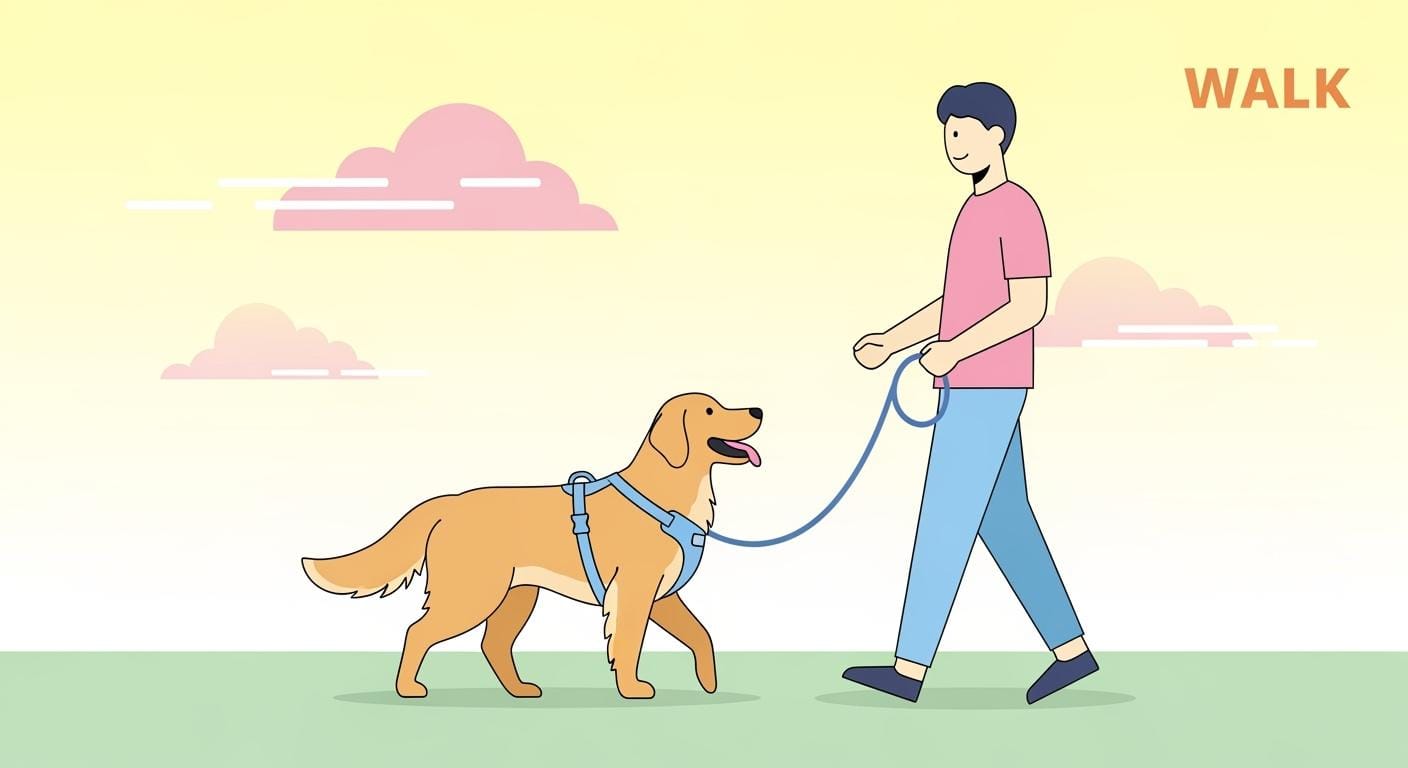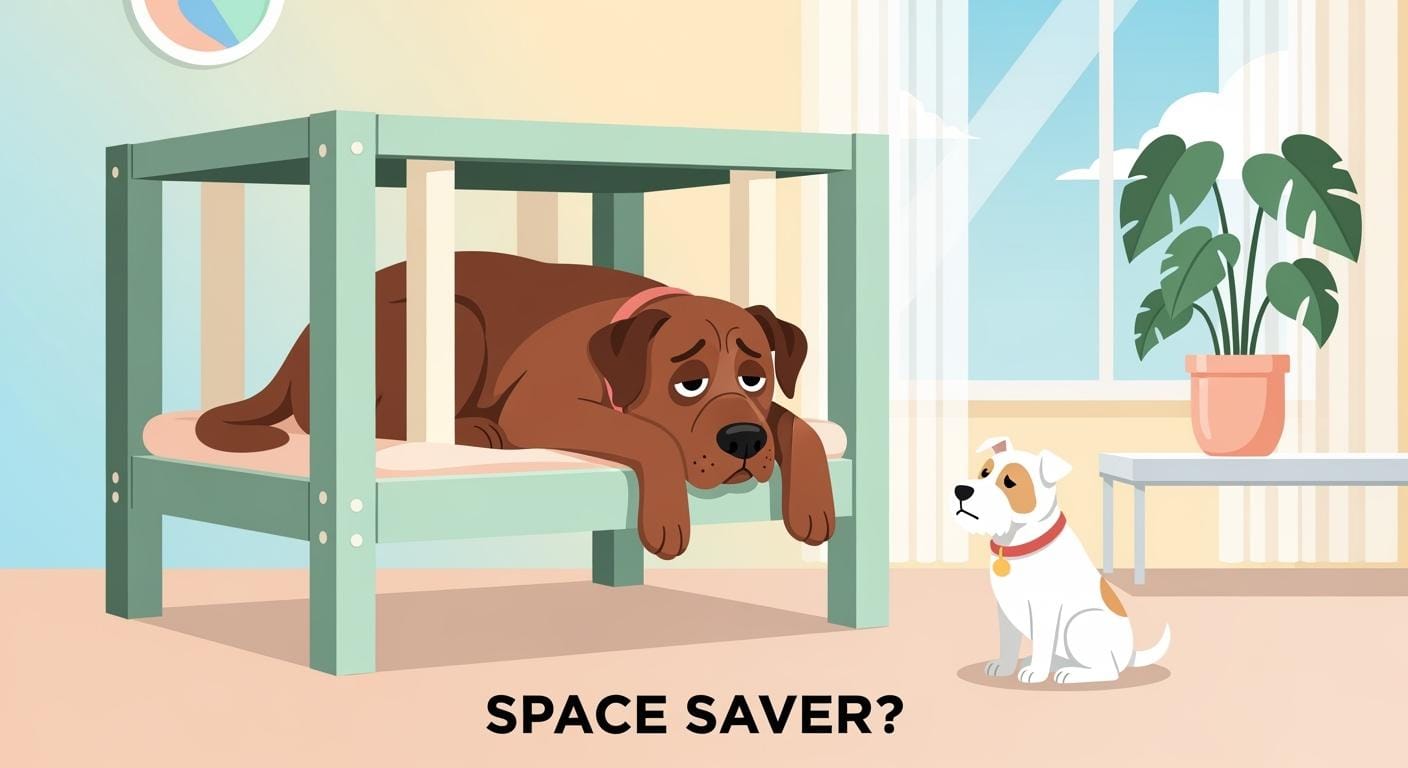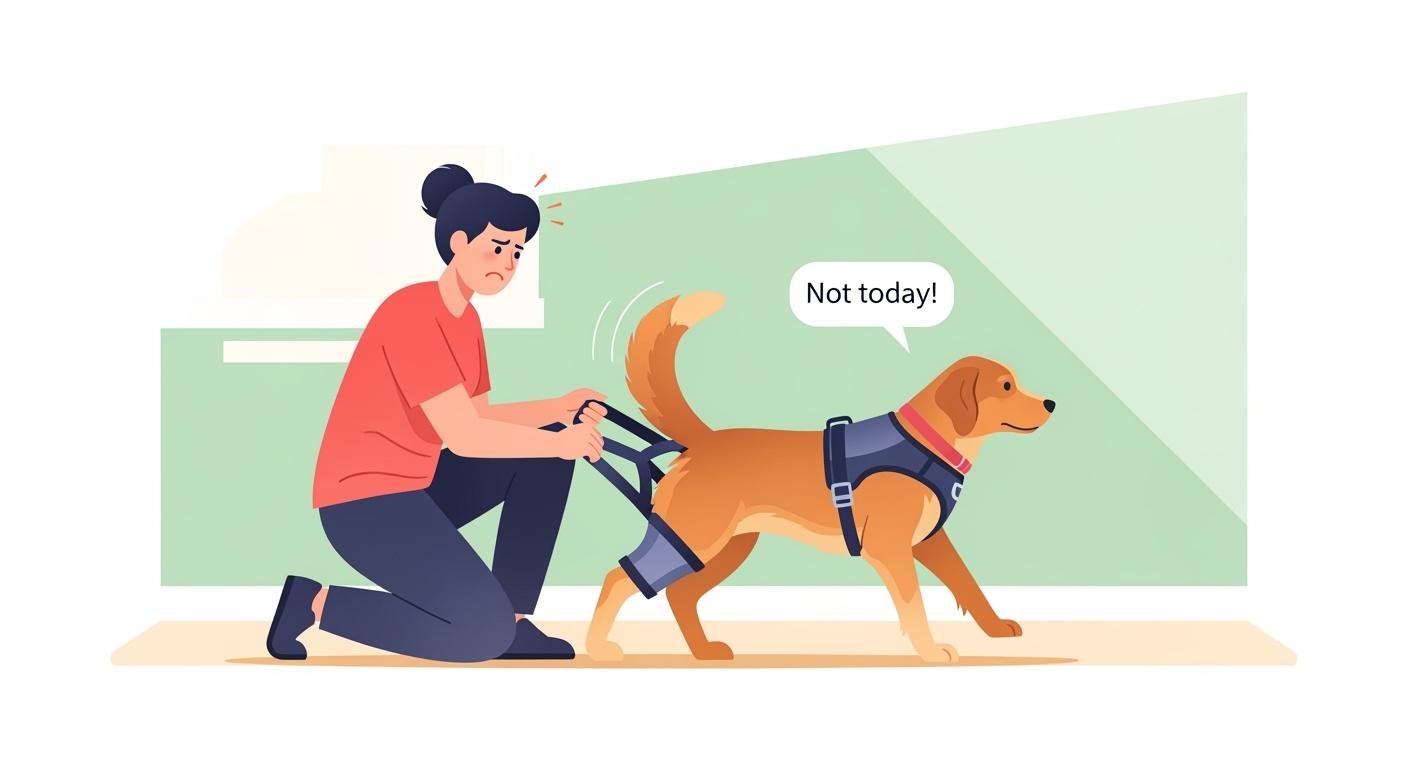
A step-in dog harness often feels like the easiest choice at first. You lay it flat, guide the paws into place, buckle it on the back, and head out. On a calm dog that walks at your pace, that simple routine often works exactly as expected.
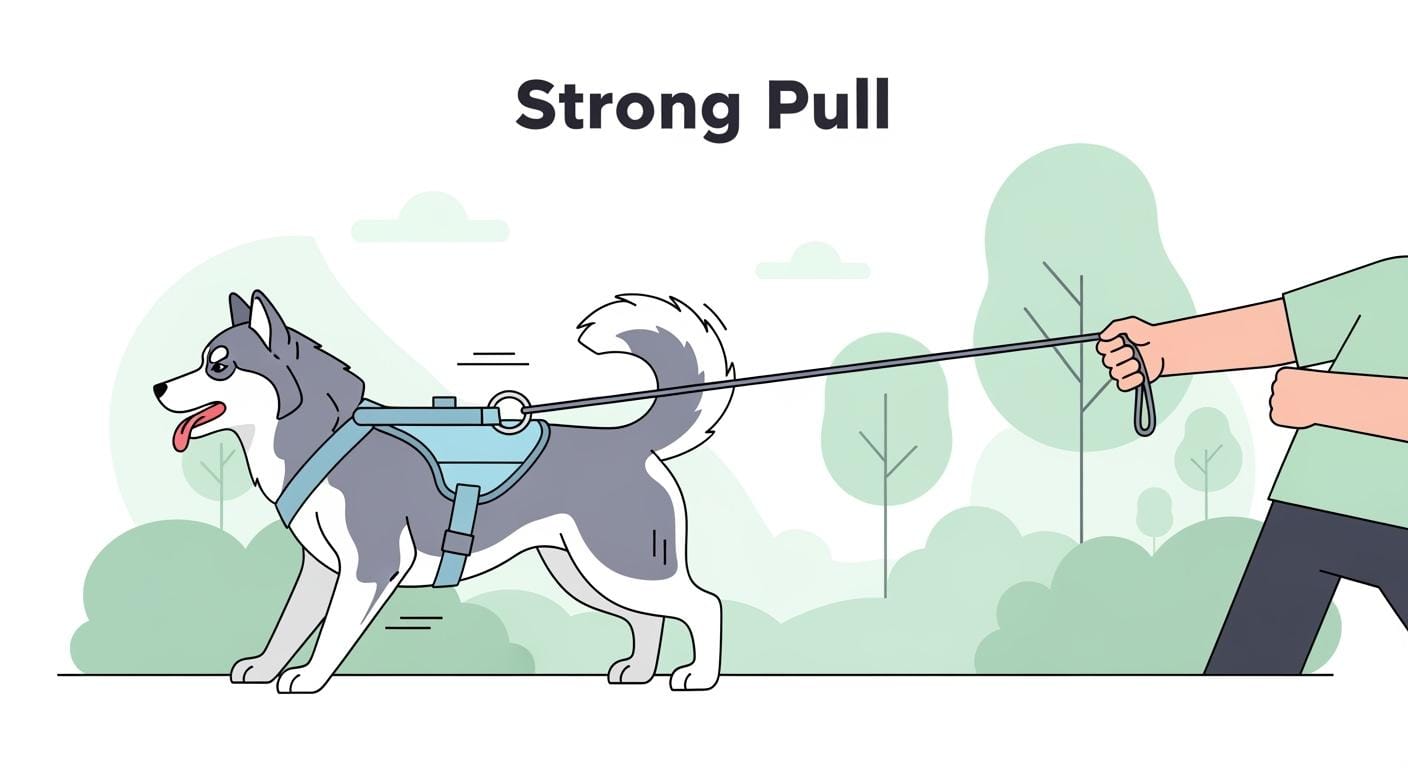
The trouble usually starts once the dog pulls, spins, or backs up suddenly. Then the harness can rotate, drift into the armpit area, or loosen enough to create an escape gap near the neck. That is why the real question is not whether a step-in harness is easy to put on. It is whether it still stays centered once your dog starts moving like your dog actually moves.
Note: This article focuses on step-in harness fit and walk-style matching for everyday use. It does not replace veterinary advice when your dog shows pain, restricted movement, or strong fear during walks.
Das Wichtigste in Kürze
- Step-in harnesses usually work best for calm dogs that do not pull hard.
- Dogs that surge, spin, or back out often expose the limits of back-clip step-in geometry quickly.
- A centered chest section and even leg loops are still the most useful pass signals before every walk.
When a Step-In Dog Harness Works Best
Why calm walkers usually do better in this design
A step-in harness usually feels easier for dogs that dislike anything going over the head. It also spreads leash pressure across the chest instead of the neck, which can feel more comfortable on ordinary walks when the dog is not leaning hard into the leash.
Most step-in problems begin with the same small fit mistakes: uneven leg loops, a twisted back section, or a chest piece that was never centered before the leash went on. When those details stay clean, the design is often simple and comfortable for the right kind of dog.
Fast fit check before you leave the door
| Artikel prüfen | Signal weiterleiten | Fehlermeldung | Was ist zu tun? |
|---|---|---|---|
| Leg loops stay even | Dog steps in smoothly and both sides look balanced | One side sits tighter or twists immediately | Reset the harness flat and start again |
| Chest section stays centered | Harness sits straight after buckling | Chest piece drifts to one side | Refit before clipping the leash |
| No rubbing near the front legs | Dog walks without licking or scratching the area | Dog keeps fussing at the harness edge | Loosen and rebalance the fit |
| No escape gap | Harness stays close when the dog backs up | Neck area opens enough to slip free | Tighten or change to a more secure design |
| Leash control feels steady | Direction changes feel calm and predictable | Harness shifts or leash wraps too easily | Recheck fit before the walk gets longer |
Simple three-session test
- Indoor test: Let your dog step in calmly, buckle the harness, and check whether the chest section stays centered without the leash attached.
- Yard test: Add the leash and let your dog turn, back up, and change direction. Watch whether the harness stays balanced once movement starts.
- Real walk test: After about 10 minutes outside, stop and check whether the harness has rotated, rubbed, or loosened.
Tip: A harness that looks fine on a standing dog can still fail the moment the dog turns, backs up, or accelerates. Movement is the real test.
Why It Starts Failing on Pulling or Spinning Dogs
Back-clip geometry often creates sideways drift
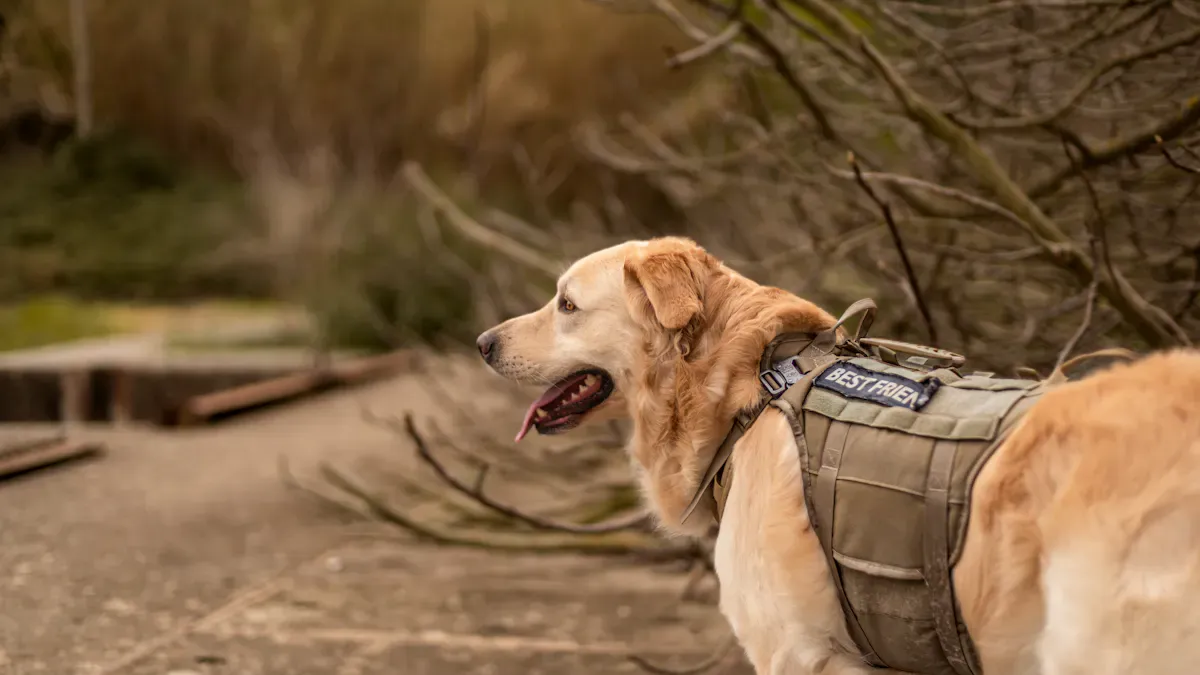
Most step-in harnesses use a back clip. That means leash force pulls from above and behind rather than from the chest. On a calm walker, that may not matter much. On a pulling dog, it often matters a lot, because the harness can get dragged sideways instead of staying centered.
Once that drift starts, the chest section often slides toward one front leg, the leash line becomes less clean, and the dog can start rubbing in the same place over and over. That is usually where comfort drops first.
Common problems and quick fixes
| Symptom | Mögliche Ursache | Fast Check | Was ist zu tun? |
|---|---|---|---|
| Harness rotates during the walk | Loose fit or strong sideways pull | Watch the chest section under leash tension | Rebalance the straps or move to a different design |
| Rubbing near the armpit area | Harness drifting too close to the front leg | Check for redness after the walk | Adjust fit or stop using that shape |
| Dog backs out | Neck area too loose or poor body match | Ask the dog to back up gently on leash | Tighten fit or switch to a more secure structure |
| Leash wraps or tangles | Harness shifting during movement | Watch the leash line for a full block | Recheck balance or use a front-control setup |
| Dog resists walking | Pressure or rubbing in a sensitive area | Watch body language before and after buckling | Stop and reassess the fit or style |
Tip: If the chest section leaves center on every walk, that is no longer a small fit issue. It usually means the design is not matching your dog’s movement pattern well enough.
Warning Signs to Catch Early
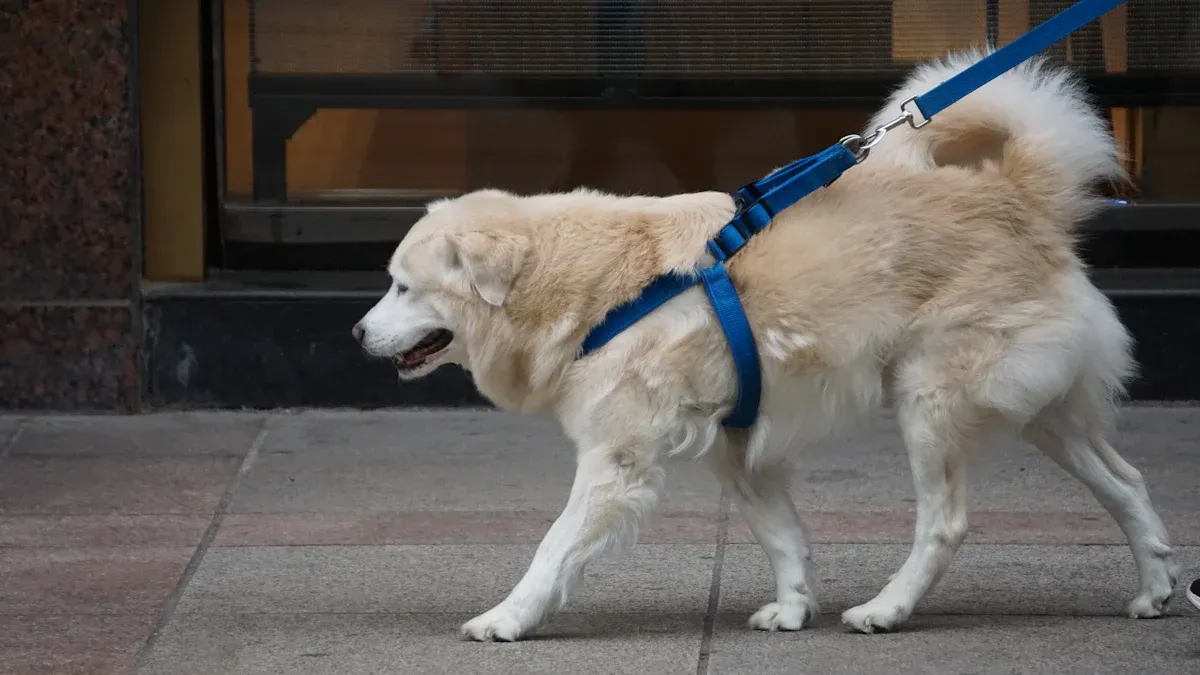
Most step-in harness problems are easier to fix early than after the dog has already started disliking the setup. Watch for these signs during and right after each walk:
- Shorter or stiffer steps than usual
- Scratching or licking at the harness edge
- Chest section drifting off center mid-walk
- Back piece rotating to one side
- Gap opening near the neck when the dog backs up
- Redness, fur thinning, or deep strap marks after removal
Once the same issues repeat, the setup usually needs more than one more minor strap adjustment.
When Another Harness Style Makes More Sense
A step-in harness is not automatically the wrong design. It is just not the best match for every dog. Dogs that pull consistently often need more directional control than a back-clip step-in can give.
What usually works better for dogs that pull
For many pulling dogs, a front-clip or Y-front design gives more steering and stays more centered under tension. That usually matters more than the convenience of the step-in entry once the dog is already leaning hard into the leash. Dogs that need more redirection often do better when front-clip training steps are paired with a harness that changes the leash angle more clearly.
Fit still matters there too. Good fit and sizing checks often show very quickly whether the problem is just loose setup or a harness shape that was never well matched to the body in the first place. Across a broader range of dog harness options, that difference usually shows up in how well the chest stays centered once the leash goes tight.
| Feature | Step-In Harness | Overhead Y-Front Harness | Vest-Style Harness |
|---|---|---|---|
| Ease of putting on | Very easy for calm dogs | Easy after the dog accepts overhead motion | Usually easy for smaller dogs |
| Leash control for pullers | Lower | Higher | Medium |
| Shift and rotation risk | Higher under pull | Lower | Usually lower |
| Escape risk | Medium if fit is loose | Lower | Lower |
| Best match | Calm small to medium dogs | Pullers and active walkers | Dogs needing broader padded coverage |
Häufig gestellte Fragen
Can a step-in harness stop a dog from pulling?
Usually not by itself. It may feel comfortable and easy to use, but dogs that pull consistently often need more directional control than a back-clip step-in offers.
How do I know if the harness fits correctly?
The chest section stays centered, the leg loops stay even, and the harness does not rotate or open a back-out gap once the dog moves.
How often should I clean a step-in harness?
Clean it whenever it is visibly dirty or smells off, and always follow the care instructions for the materials and buckles.
Is a step-in harness good for nervous dogs?
It can be, especially for dogs that dislike overhead gear, but the fit still has to stay stable once they move.
A step-in dog harness works best when the dog walks calmly, the chest section stays centered, and the harness does not shift once the leash goes tight. If your dog keeps rotating it, rubbing through it, or backing out of it, the easier setup in the store is probably no longer the easier setup on a real walk.