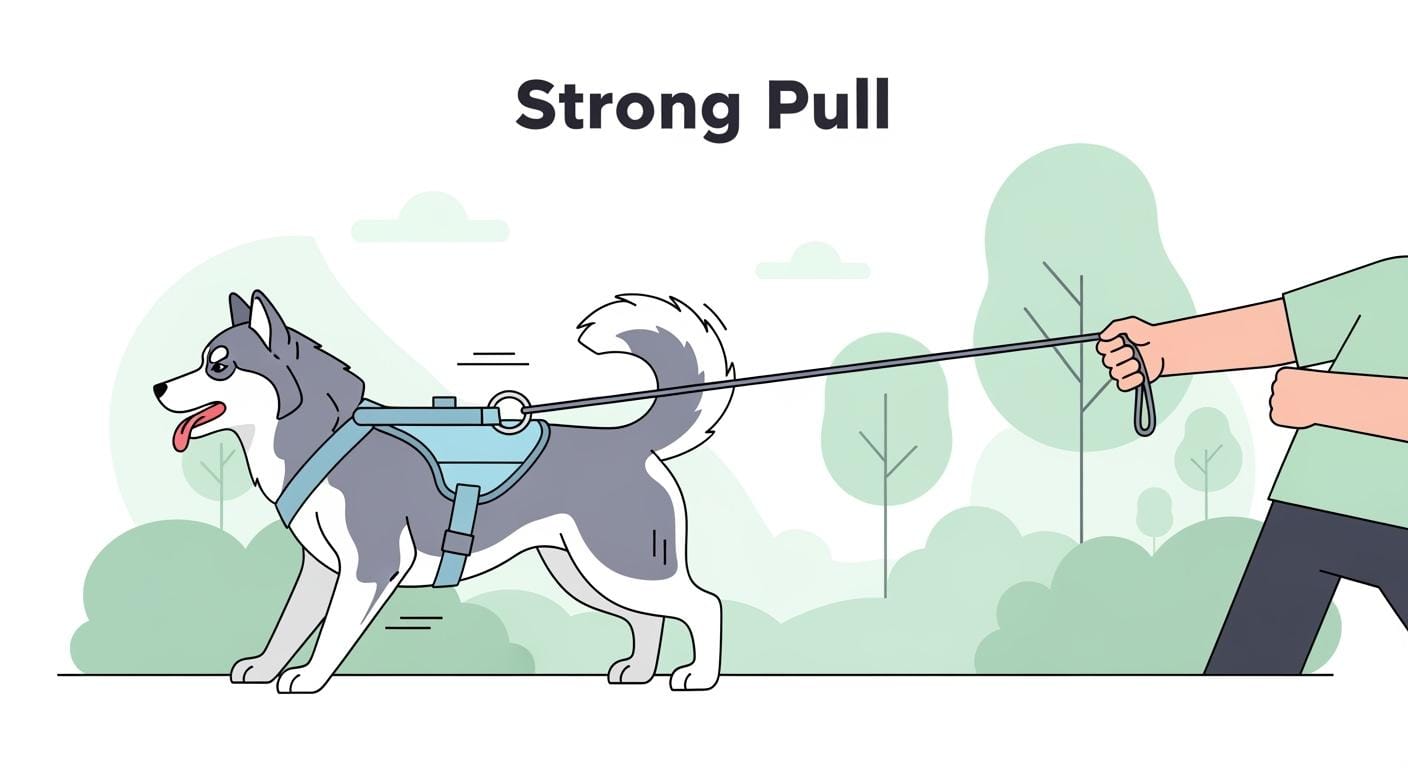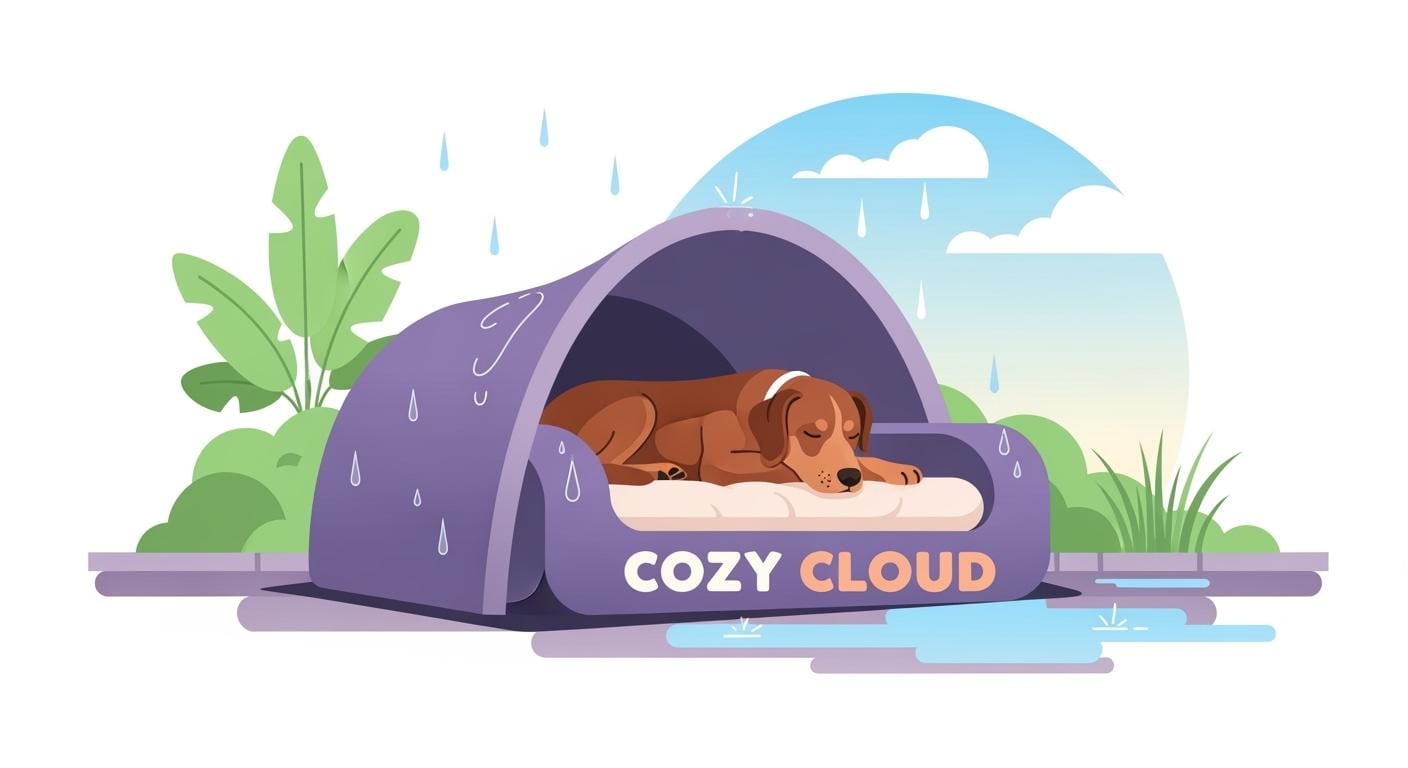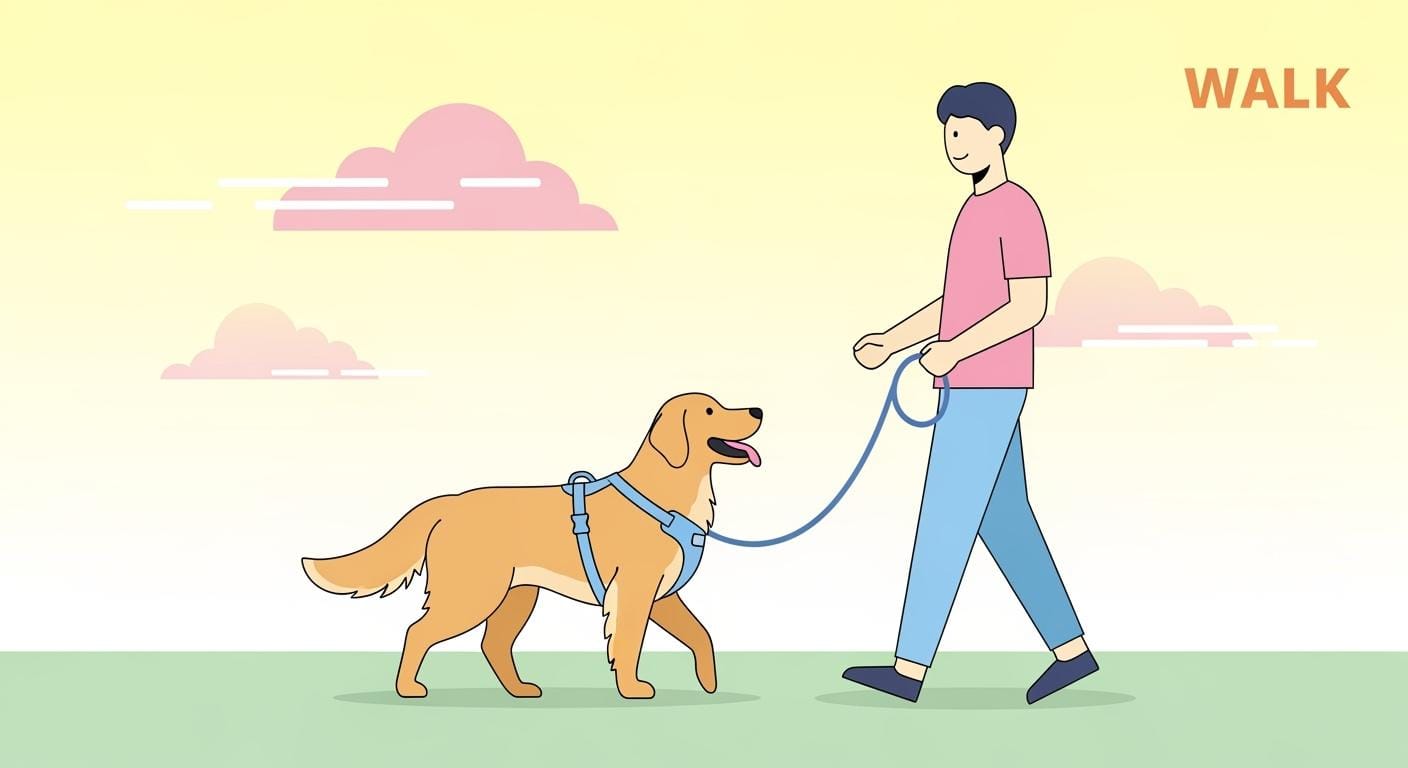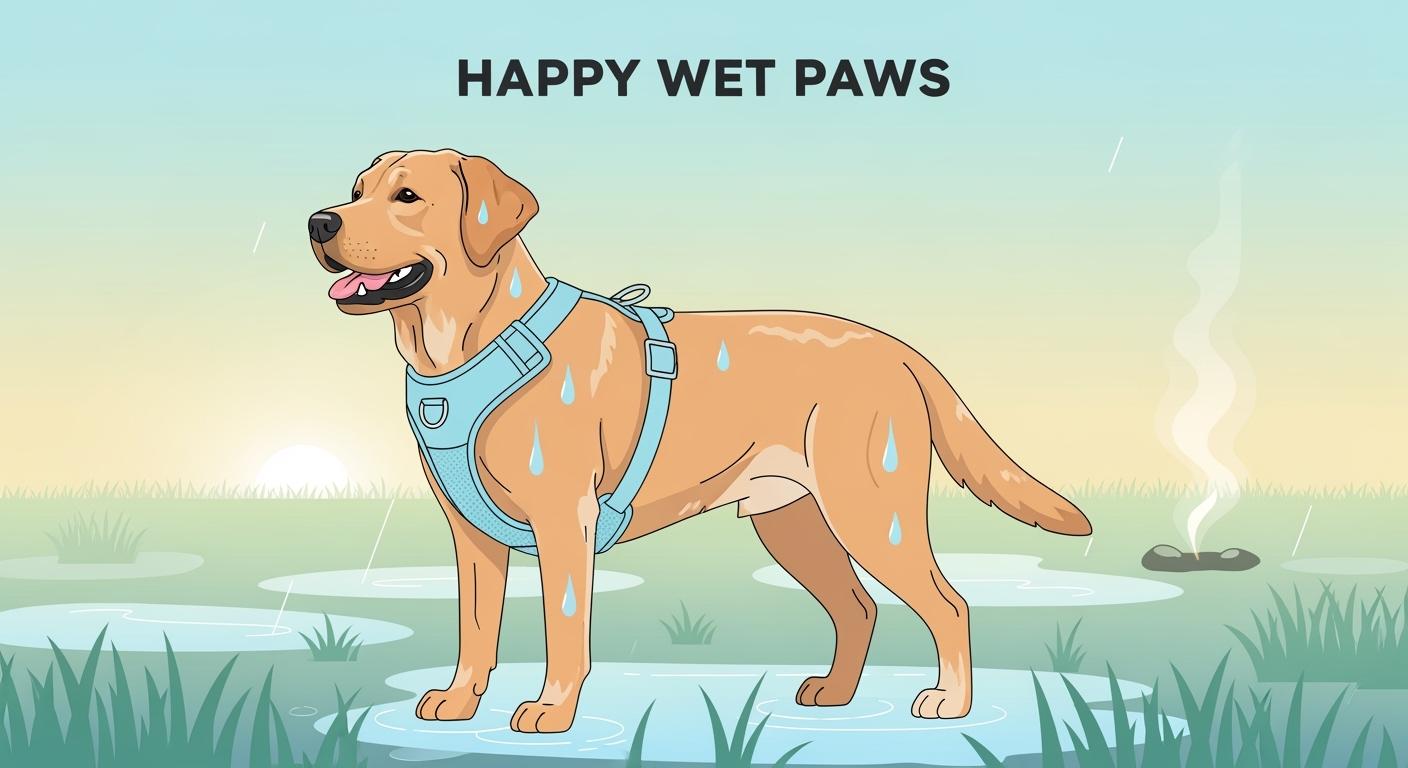
You want your Labrador to stay comfortable on wet walks, but the best dog harness for Labs is not just the one that dries fastest. Wet weather changes how a harness feels and behaves. It can get heavier, trap more heat against the coat, shift once soaked, and rub in new places after rain, puddles, or swimming. The better choice is the harness that still feels balanced, breathable, and stable after it gets wet.
Das Wichtigste in Kürze
- Choose a lightweight, quick-dry harness to keep your Lab comfortable during wet walks. That usually helps reduce damp weight and makes post-walk reset easier.
- Regularly check the fit of the harness before and after walks. A harness can fit well when dry and still drift, sag, or rub once wet.
- Clean the harness after muddy walks to avoid dirt buildup. Mud, grit, and trapped moisture make rubbing more likely on the next walk.
Best Dog Harness for Labs: Comfort vs Bulk
Quick-Dry Materials and Lightweight Design
You want your Labrador to stay comfortable during wet walks. Quick-dry materials help because they hold less water and reset faster after rain, puddles, or swimming. That matters when your dog gets soaked and you still need the harness to feel light enough for normal movement on the way home.
Lightweight harnesses usually reduce damp weight. Your Lab moves more freely and avoids carrying extra soaked material across the chest and shoulders. This is especially helpful on longer wet walks, where a heavy harness can start to sag, pull to one side, or hold water in the padding.
You should look for harnesses that lower heat buildup risk instead of trapping moisture close to the body. Mesh panels, lower-bulk padding, and faster-drying fabrics can all help, but only if the harness still fits securely and does not collapse when wet.
Tip: Always check the harness after a wet walk. If it feels heavy, cool, or stays damp for too long, hang it up to dry before the next use and reassess whether that material really suits your weather.
Padded vs Low-Bulk Harnesses
You face a choice between padded and low-bulk harnesses. Padding can add comfort, but it may also hold moisture longer and stay warmer against the coat. Low-bulk harnesses usually dry faster and weigh less after getting wet, but they may feel less forgiving if the fit is poor or the edges are rough.
Low-bulk harnesses often make more sense for Labs in rainy or humid conditions because they dry faster and are easier to reset after wet outings. Padded everyday harnesses can still work, but you need to watch for slow drying, damp pressure zones, and heat buildup after active walks.
Here is a comparison table to help you choose the best dog harness for Labs:
| Harness Type | Use Case | Main Benefit | Main Watchout | Who Should Skip It |
|---|---|---|---|---|
| Quick-Dry Low-Bulk Harness | Wet walks, puddles, swimming, humid weather | Faster drying and lower wet weight | Less built-in cushion | Dogs that need noticeably softer body contact |
| Padded Everyday Harness | Daily walks, mild rain, shorter outings | More comfort when dry or lightly damp | Slower drying and more moisture retention | Labs in hot, humid, or repeatedly wet conditions |
| Extra-Coverage Body Harness | Cold weather, longer hikes, more coverage | More surface contact and body coverage | Can get heavy and stay wet longer | Labs in rainy or fast-reset everyday use |
You should select the best dog harness for Labs based on your local weather and your dog’s activity level. If most walks are wet or humid, quick-dry low-bulk harnesses usually make the most sense. If your Lab needs more softness, padded styles can still work, but you need to watch for heat, dampness, and extra drag after the harness gets soaked.
Common Mistakes and Real Consequences
Many owners make mistakes when choosing or using a harness for their Labrador. One common mistake is picking too much padding for repeated wet walks. Another is forgetting to check fit again after the harness gets soaked. A harness that felt balanced when dry may hang differently once it holds water.
Some owners also keep using a harness that dries too slowly. The result is not just inconvenience. Your Lab may end up carrying damp weight, feeling warmer under the harness, or developing rubbing where wet material stays pressed into one area. You may also skip cleaning after muddy walks, which allows grit and damp residue to build up and increase rub risk on the next outing.
You should avoid these mistakes by following a step-by-step approach:
- Choose the best dog harness for Labs with materials that reset well after getting wet.
- Check the harness fit before and after wet walks.
- Clean the harness with mild soap if needed and dry it fully before reuse.
- Watch for signs of discomfort, such as rubbing, damp padding, sagging, or heavy feel.
- Replace or upgrade the harness if you notice repeated problems that adjustment does not solve.
Note: If your Lab shows skin irritation, limping, pain, or unusual discomfort, consult your veterinarian. This blog does not provide medical advice.
You need a harness that supports clean shoulder movement and does not turn into a wet, heavy layer after every rainy walk. The best dog harness for Labs usually wins by balancing drying speed, fit, and comfort rather than by offering the most padding or the most coverage.
Wet Walks: Drying Speed, Heat, and Fit
Pass/Fail Checklist for Harness Performance
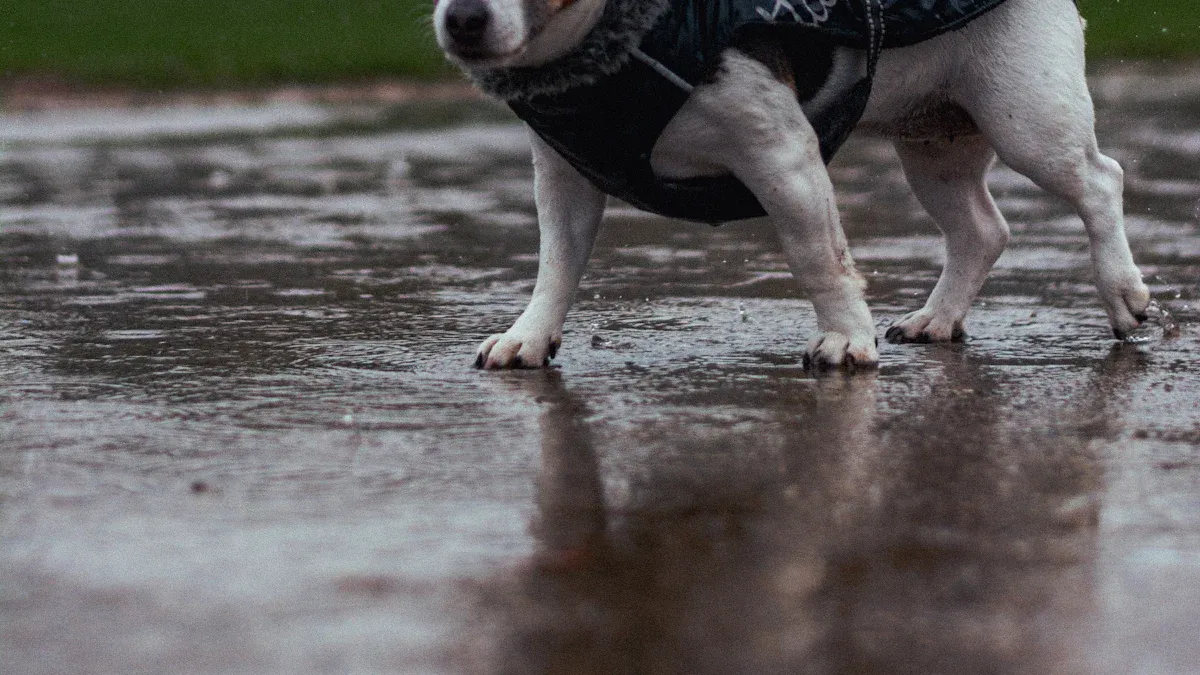
You want your Labrador to feel good and stay safe on wet walks. A simple post-walk checklist helps you spot the things that matter most: drying speed, heat, fit drift, rubbing, and wet weight.
| Artikel prüfen | Signal weiterleiten | Fehlermeldung | Beheben |
|---|---|---|---|
| Drying Speed | Harness dries within a practical reset window | Harness stays wet for too long | Hang up fully and switch to a faster-drying design if this repeats |
| Heat Buildup | Dog feels normal under the harness after the walk | Dog feels noticeably hot under the harness or pants more than expected | Use less coverage or lower-bulk materials |
| Fit After Wet Walk | Harness stays centered | Harness moves, sags, or slides sideways | Recheck straps and whether the wet material is too heavy |
| Rub or Irritation | Skin and coat look normal | Red spots, rubbing, or sore skin | Clean the harness, inspect edges, and adjust fit |
| Weight After Wet Walk | Harness still feels manageable and balanced | Harness feels heavy, droopy, or drags downward | Choose a lighter, quicker-reset harness |
You should check every item after a wet walk. If you see a fail signal more than once, treat it as a harness-choice problem, not just a one-off bad walk.
Troubleshooting Wet Walk Discomfort
Sometimes your Labrador acts uncomfortable after a wet walk. You can use this table to find out why and fix the problem fast.
| Symptom | Mögliche Ursache | Fast Check | Beheben |
|---|---|---|---|
| Panting or overheating | Too much heat or moisture trapped under the harness | Feel under the harness after the walk | Pick a harness that dries and breathes more easily |
| Harness feels heavy | Waterlogged material | Lift and compare how it feels dry versus wet | Choose quicker-dry, lighter materials |
| Redness or rubbing | Bad fit, rough edges, or wet friction | Check the skin and contact zones after the walk | Adjust fit, clean the harness, or replace it |
| Harness drifts sideways | Loose straps, poor balance, or extra wet weight | Watch during turns and leash tension | Tighten straps and reassess whether the design is too heavy when wet |
| Dog slows or shortens stride | Wet bulk is changing how the harness sits on the body | Compare movement before and after the harness gets soaked | Use lower-bulk coverage and cleaner shoulder space |
You should watch your dog’s movement and body language after each wet walk. Labs often keep going even when the harness is getting uncomfortable, so post-walk checks matter as much as the walk itself.
Tip: A harness that looks fine when dry can behave very differently when soaked. Always judge wet-walk performance after real use, not just by first feel.
Shoulder Movement and Cooling
You want your Labrador to move easily and stay cool on wet walks. A harness that spreads pressure cleanly and does not hold too much water makes that easier. You do not want a harness that blocks shoulder movement or traps heat after a few minutes of wet activity.
You should pick a harness that is easy to adjust and easy to reset. That lets you correct the fit after wet walks and reduces discomfort on the next outing. A good wet-walk harness should stay light enough, dry fast enough, and move with your Lab instead of against them.
The harness should be snug but not tight. You check for rubbing, sliding, wet sag, and heat after each walk. You clean the harness when needed and dry it fully before using it again.
Note: If your Lab gets hurt, limps, develops sore skin, or seems unwell after wet walks, call your veterinarian. This blog does not give medical advice.
Failure Signs: Damp, Rub, Drift, and Weight
Identifying Harness Discomfort
You need to watch your Labrador closely after wet walks. Signs of harness discomfort often show up as rubbing, damp padding, side drift, or a harness that feels heavier than it should. If your dog slows down, shortens stride, or seems reluctant to keep walking, check the harness right away.
Here is a table to help you spot common symptoms and their impact:
| Symptom Description | Impact |
|---|---|
| Rubbing under armpit | Can lead to soreness, hair wear, and reluctance to move normally |
| Slipping harness | Leads to rubbing, unstable leash feedback, and discomfort |
| Hindering stride | Changes movement and may crowd the shoulder or chest |
If you notice any of these signs, adjust or clean the harness before the next walk. If the same problem returns, the harness may not be the right wet-weather option for your Lab.
When to Replace or Upgrade
You should replace your Lab’s harness if you see any of these warning signs:
- Frayed straps or loose stitching
- Cracked buckles or damaged hardware
- Harness slips or no longer fits well after adjustment
- Repeated wet-walk issues such as heavy sag, slow drying, or chronic rubbing
Ignoring these signs can lead to avoidable discomfort and safety problems. Always check your harness before each walk.
Care Tips for Quick-Dry Harnesses
Proper care keeps your harness working well and helps your Lab stay comfortable. Follow these steps:
- Clean the harness after muddy walks or whenever dirt and grit build up.
- Hand-wash in lukewarm water with mild soap if the care label allows.
- Rinse well and air-dry fully before storing or using again.
- If machine washing is allowed, use a gentle cycle and protective bag.
- Avoid high heat, which can damage straps, coatings, or buckles.
- Store the harness dry and clean so it does not start the next walk already damp or dirty.
Regular care and inspection help your harness last longer and keep your Lab more comfortable.
Note: If your dog shows signs of heat stress, rubbing, pain, or skin problems, contact your veterinarian. This advice does not replace professional medical care.
You need a harness that is light enough, breathable enough, and quick-drying enough for the kind of wet walks your Lab actually does. These features matter because they reduce damp weight, help the harness reset faster, and make rubbing less likely when the coat stays wet.
| Feature | Description |
|---|---|
| Lightweight and breathable | Helps your Lab stay cooler and move more naturally in wet weather. |
| Quick-drying | Less retained moisture usually means less damp weight and lower rub risk. |
Heavy, padded, or slow-drying harnesses can still cause chafing or discomfort, even if they fit well when dry. Always measure your Lab’s chest and neck before buying a harness. Make sure you can adjust it easily and reset it easily after wet walks.
Note: If you see skin problems, soreness, or pain, call your veterinarian. This advice does not take the place of medical care.
Häufig gestellte Fragen
What makes a harness better for wet walks with Labs?
You usually want faster drying, lower wet weight, and less heat buildup. A wet-walk harness should also stay balanced instead of sagging or drifting once it gets soaked.
How do you check if a harness fits your Lab after a wet walk?
Look for clean shoulder movement, no sideways drift, no rubbing, and no damp pressure points. If the harness hangs differently when wet, recheck the straps and contact zones.
Can a harness help reduce skin irritation in wet conditions?
Yes, if it dries well, fits correctly, and does not keep wet material pressed into the same spot. You lower rub risk by cleaning and drying the harness fully before reuse and by checking your Lab’s skin after each wet walk.
Tip: Always inspect your harness for signs of wear or discomfort after wet walks.
Note: If you see skin problems or pain, contact your veterinarian. This advice does not replace medical care.