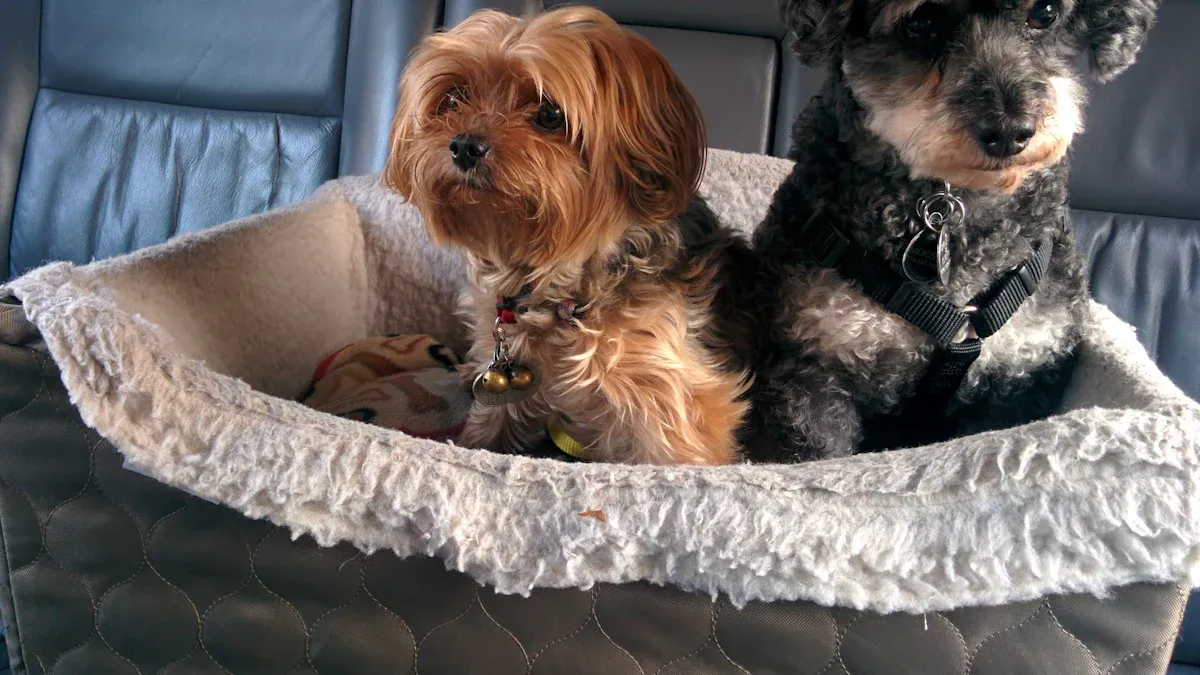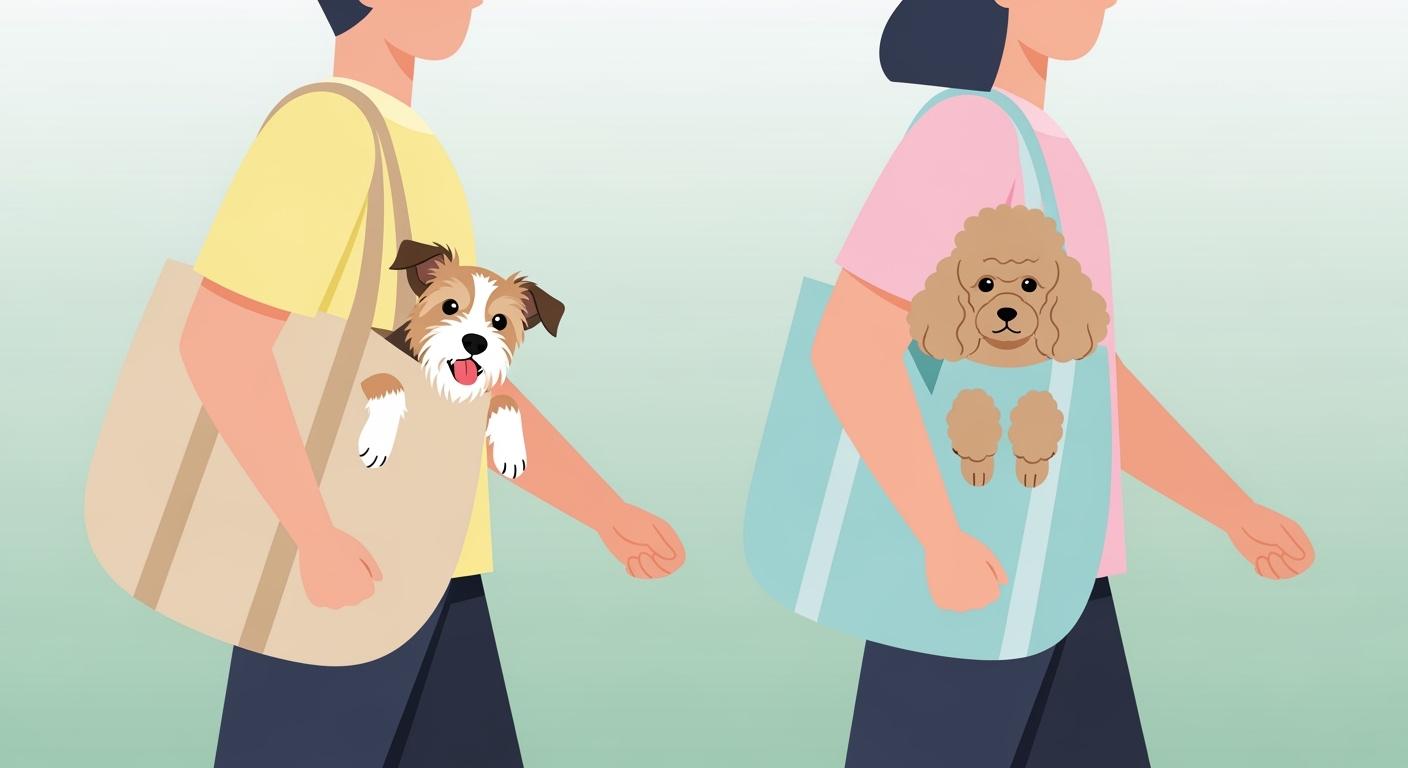
A small dog tote carrier works best when it solves a simple outing problem without creating a new one. It can make short city walks, quick errands, calm café stops, or low-stress transit rides easier when your dog stays settled and the bag stays stable on your shoulder. It becomes a poor choice when the dog keeps leaning over the edge, the strap slides, the body twists inside the tote, or heat builds faster than you expected. The real question is not whether tote carriers are good or bad. It is whether this tote still feels secure, balanced, and manageable once you are actually moving.
Key Takeaways
- Use a small dog tote carrier for calm, short trips. It works best when the outing is brief, the dog settles quickly, and the carry stays close to your body.
- Introduce the carrier at home first. A tote that only appears right before a busy outing usually gets a worse response than one your dog already knows.
- Check the opening, shoulder carry, and interior stability often. Leaning out and shoulder slip usually start as small problems before they become obvious ones.
Small Dog Tote Carrier: When It Works and When It Doesn’t
Calm Short Trips: Best Use Cases
A small dog tote carrier usually works best for short, predictable outings. That can mean crowded sidewalks, quick errands, short public transport rides, a brief café stop, or the kind of day when your dog benefits from staying close without covering a long distance on foot. It also suits dogs that are observant but not frantic, and dogs that can settle once they are inside instead of constantly climbing toward the edge.
The tote is less about long-duration carrying and more about short, controlled transitions where staying close to you is part of what keeps the outing manageable.
Here is a practical look at when a small dog tote carrier works well:
| Scenario | Why It Works |
|---|---|
| Urban owners | Keeps a small dog close in tighter spaces where foot traffic changes quickly |
| Short trips | Works when the outing is brief enough that shoulder fatigue and heat do not build too far |
| Public transport | Helps you keep the dog contained and easier to manage in a small footprint |
| Cafés and restaurants | Useful when the dog can stay settled instead of constantly standing up to watch everything |
| Low-stress social outings | Best for dogs that like being near you and do not treat the tote like an escape challenge |
| Observant dogs | Can work well when the dog looks around without constantly pushing over the top edge |
Tip: Start at home first. Let your dog explore the tote, step in and out calmly, and settle for short practice sessions before you try a real outing.
Features for Security and Comfort
You want your dog to feel secure and relaxed inside the carrier. The useful features are the ones that still help after the walk starts, not just the ones that sound good on a product page.
- a body depth that keeps the dog from riding too high over the rim
- a base that stays flatter instead of sagging into a narrow pocket
- shoulder straps that stay put instead of sliding looser with movement
- a closure or top shape that reduces easy leaning space
- an internal tether or restraint point that adds security instead of false confidence
- openings and fabric that do not trap heat too quickly on warm days
- a removable or easy-clean liner that you can realistically maintain
Note: The liner or bedding inside the carrier should not become the part you keep postponing. A quick weekly clean is a practical baseline, with faster cleaning when it gets dirty or starts to smell.
Carrier Comparison Table
Choosing the right carrier depends on how your dog behaves in motion, how long you plan to carry, and how much structure you need.
| Carrier Type | Best Use Case | Main Benefit | Main Watchout | Who Should Skip It |
|---|---|---|---|---|
| Tote Carrier | Calm, short trips | Quick access and lighter daily carry | Leaning out and strap drift can show up quickly | Dogs that squirm, climb, or never settle inside open-sided carries |
| Sling Carrier | Hands-free, close contact | Keeps the dog very close to the body | Can run warmer and give less bottom support | Dogs that dislike body pressure or need a flatter, steadier base |
| Structured Handheld | Longer trips, more movement | More secure body shape and steadier carry | Bulkier and slower to access | Owners who need fast in-and-out handling for very short errands |
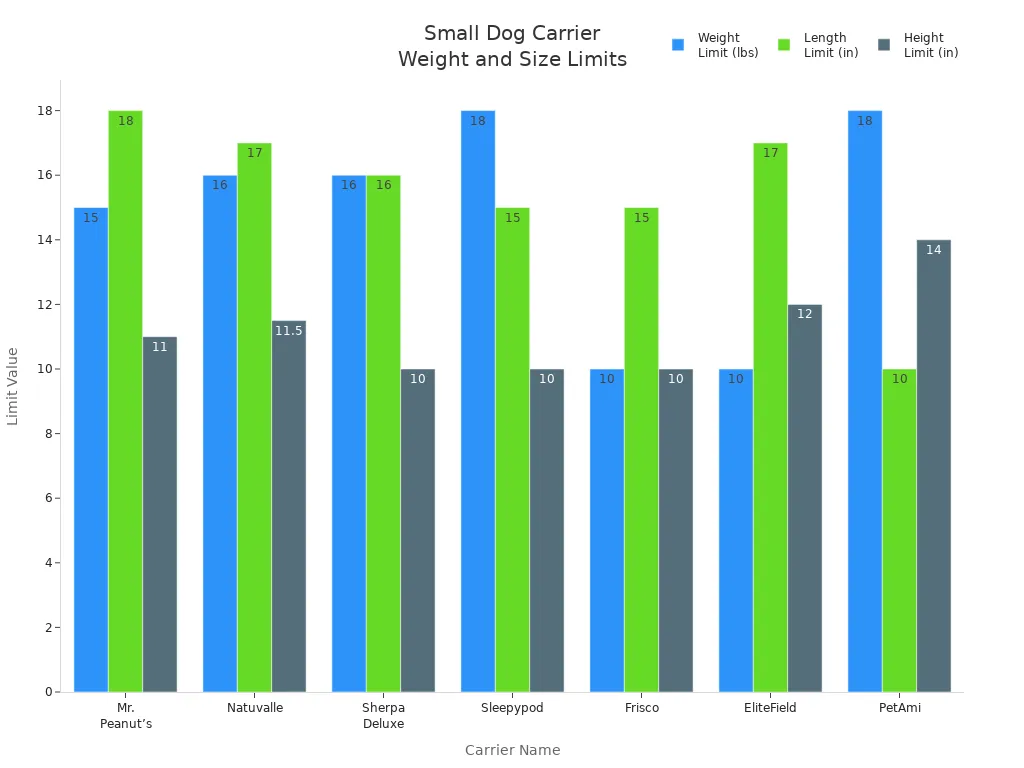
Practical Fit Tip: Do not rely on a generic small-size claim alone. Check the label for the specific model, then judge the tote by the usable opening, body depth, and how your dog actually sits inside once loaded.
Safety Reminder: Never use a small dog tote carrier for the first time in a busy or noisy place. Start at home, use treats, and let your dog get used to the carrier slowly. If your dog keeps panting hard, drooling more than usual, or refusing to settle, stop the outing and reassess.
Leaning Out and Shoulder Slip: Causes and Fixes
Why Dogs Lean Out
Leaning out usually starts before it becomes an obvious safety problem. Some dogs do it because they are curious and want a better view. Others do it because the tote feels too warm, too loose, too shallow, or too unstable. Some dogs lean out when they are trying to escape an awkward position rather than just being nosy. That is why you should not treat all leaning as the same thing.
If the dog keeps pressing toward one side, lifting the chest over the rim, or pawing at the opening, the tote is no longer just “cute but open.” It is telling you something about support, body position, or stress.
Tip: Watch the first few minutes closely. Early pawing, edge-reaching, and repeated repositioning usually tell you more than the dog’s behavior later, once the outing is already underway.
Shoulder Slip Risks
Shoulder slip is usually a carry-balance issue, not just a strap issue. It happens when the tote hangs too low, rotates outward, loosens as you walk, or lets the dog’s weight shift harder to one side than you expected. Once the tote starts sliding, you end up correcting it with your arm and body. That makes the carry feel less stable for you and more unstable for the dog.
A steadier carry usually comes from the whole setup working together: strap length, bottom support, dog position, and how closely the tote stays against your body.
Here is a table showing design features that help prevent shoulder slip:
| Design Feature | Benefit |
|---|---|
| Adjustable shoulder straps | Lets you shorten the drop and keep the tote closer to your body |
| Reinforced stitching | Helps the tote hold shape better at higher-stress points |
| Ergonomic design | Improves how the load sits during real walking, not just while standing still |
| Safety straps or tethers | Adds a backup layer when the dog shifts toward the opening |
| Quick-release buckles | Makes it easier to get the dog out without wrestling with the whole tote |
Note: Check straps, attachment points, and the tote’s overall shape before each outing. A setup that looks fine on a hook can feel very different once your dog is inside and moving with you.
Troubleshooting Table
Most tote problems show up as repeatable patterns. Use this table to spot what is actually going wrong:
| Symptom | Likely Cause | Fast Check | Fix |
|---|---|---|---|
| Dog leans out repeatedly | Opening feels too loose, body position too high, or dog is not settled | Watch whether the chest keeps rising above the rim within the first few minutes | Shorten the outing, adjust the setup, or switch to a more contained carry style |
| Carrier slips off | Uneven load, long strap drop, or tote rotates away from the body | Walk a short loop and see whether the strap keeps drifting to the edge of the shoulder | Retighten, rebalance, and keep the tote higher and closer |
| Dog pants or drools | Heat buildup, stress, or too much outing for that dog and that day | Pause in shade and see whether breathing and body language settle | Stop the carry if the dog does not recover quickly |
| Dog paws at the edge | Discomfort, escape behavior, or poor carrier familiarity | Look for repeated reaching, twisting, or restless shifting | Go back to home practice instead of pushing through a bad outing |
| Carrier tips when set down | Narrow base, unbalanced load, or uneven placement | Set it down twice on a flat spot and see whether the same side keeps dipping | Reposition the dog and stop assuming the tote is stable just because it looks soft |
Safety Reminder: Breathable fabric helps, but it does not replace shade, shorter outings, pauses, or watching for heat stress signs. If the dog becomes increasingly restless, pants excessively, or drools more than expected, treat that as a stop signal, not as something to “wait out.”
Common Mistakes and Consequences
The biggest tote mistakes are usually small ones that get ignored. People leave the strap too long, assume curiosity is harmless even when the dog is half-riding over the edge, use the tote for the first time in a noisy environment, or keep going after the dog is already showing heat or stress signals.
- You forget to shorten or rebalance the straps, so the tote drifts and the carry gets less stable with every step.
- You treat the safety tether as enough on its own, even when the opening and body position are still poor.
- You use the tote first in a busy place, so the dog associates the carrier with stress instead of predictability.
- You keep carrying after the dog has shifted from calm watching to active edge-reaching and agitation.
- You ignore how the tote lands when set down, even though that often predicts how stable it feels in motion too.
Alert: A tote carrier should not need constant correction to stay usable. If you keep fixing the same issue on every outing, the problem is probably the setup, not the dog “being difficult.”
Failure Signs and Safety Checklist
Pass/Fail Checklist Table
Check these points before you leave and again once the outing is actually underway. Many tote problems do not show up until a few minutes of real movement.
| Check Item | Pass Signal | Fail Signal | Fix |
|---|---|---|---|
| Dog settles inside | Relaxed body, calm watching, no repeated climbing toward the edge | Pawing, twisting, constant reaching, or refusal to settle | Stop and reassess before turning a short carry into a longer one |
| Carrier set-down | Stays upright and predictable on a flat surface | Tips, folds inward, or dumps weight to one side | Rebalance the load or rethink whether this tote has enough structure |
| Ventilation and heat | Dog stays calm and breathing does not keep escalating | Heavy panting, unusual drooling, or increasing restlessness | Move to shade and stop the outing if the dog does not settle promptly |
| Cleanliness | Liner is fresh, dry, and still usable without hidden odor buildup | Dirty, damp, matted, or smell returns quickly | Clean it before the next outing instead of normalizing a bad interior environment |
| Shoulder carry | Stays close to your body without constant correction | Strap drifts, tote rotates, or your arm keeps compensating | Readjust strap length and load position before continuing |
| Security | Opening stays controlled and the dog cannot easily work upward | Edge gaps, loose closure, or repeated leaning over the top | Refit or switch to a more contained carrier style |
Tip: A tote that is easy to carry but hard to stabilize is usually the wrong tradeoff for repeated outings.
Red Flags: When to Switch Carriers
A different carrier is usually the better answer when the same problems keep repeating even after you adjust the setup. That includes a dog that never settles, repeated leaning over the opening, a tote that keeps rolling away from your body, a base that tips when set down, or an outing length that consistently pushes the dog into heat or stress signals.
- the dog repeatedly tries to climb or brace against the opening
- the tote feels secure only when you keep one hand locked on it
- you keep seeing heat, drooling, or agitation sooner than expected
- the tote loses shape once the dog is fully loaded
Those signs usually mean the current tote is no longer a match for the dog, the outing style, or the level of movement involved.
You should use a small dog tote carrier for calm, short trips where the carry stays controlled and your dog stays settled. The better tote is not the one that only looks easy to carry. It is the one that stays balanced, manageable, and secure enough that you do not spend the whole outing fixing the same problem over and over.
FAQ
How do you introduce your dog to a tote carrier?
Start at home. Let your dog investigate the tote, step in and out, and settle for very short sessions before you try a real outing. Build familiarity first, then add movement.
What signs show your dog feels unsafe in the carrier?
- repeated pawing at the edge
- twisting or trying to climb upward
- panting or drooling that keeps building
- restlessness that does not settle after a short pause
How can you prevent overheating during outings?
| Step | Action |
|---|---|
| Shade | Move the tote out of direct sun as soon as the dog starts warming up |
| Pause | Shorten the outing instead of waiting for the dog to “push through” it |
| Reassess | If panting, drooling, or restlessness keep rising, stop the carry and end the outing if needed |
If your dog has ongoing breathing, mobility, or heat-tolerance concerns, ask your veterinarian before treating a tote as a routine carry option.