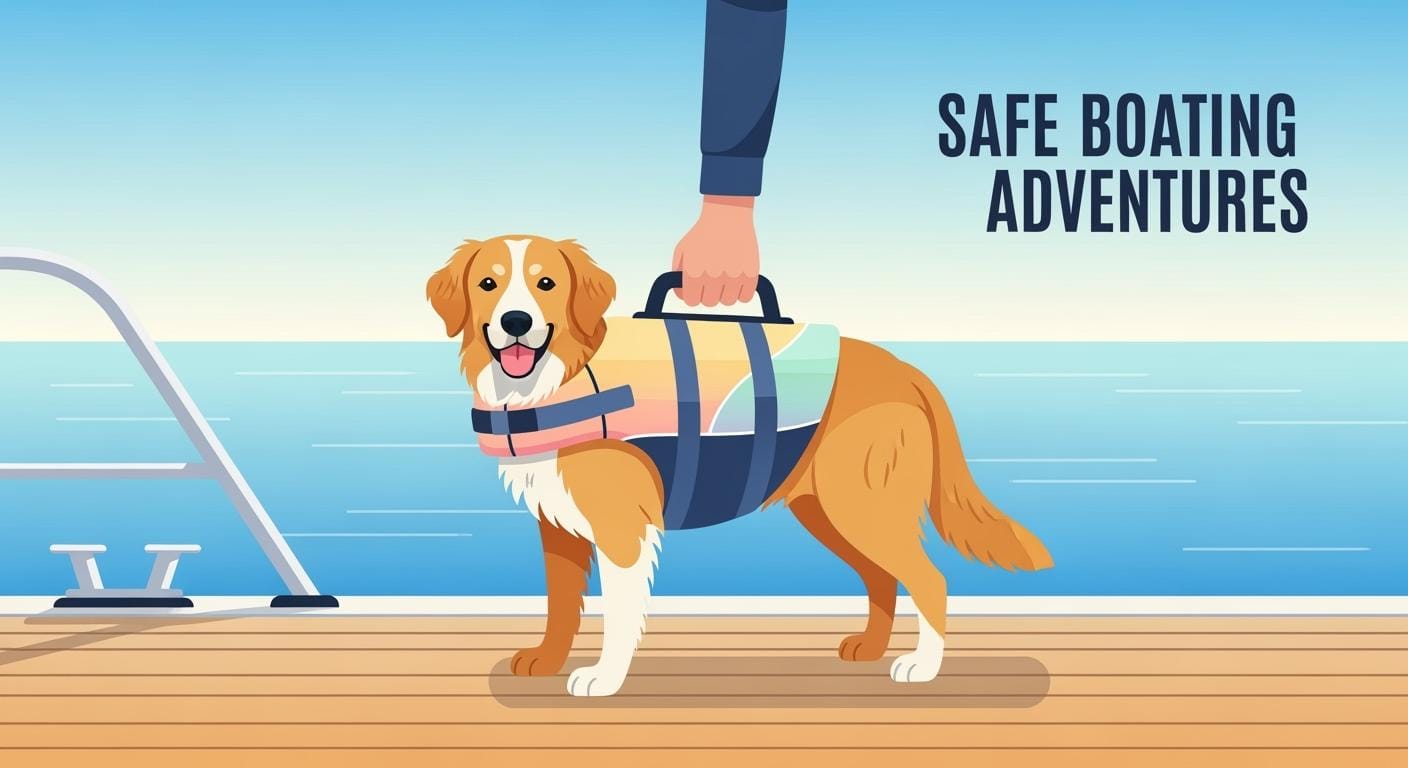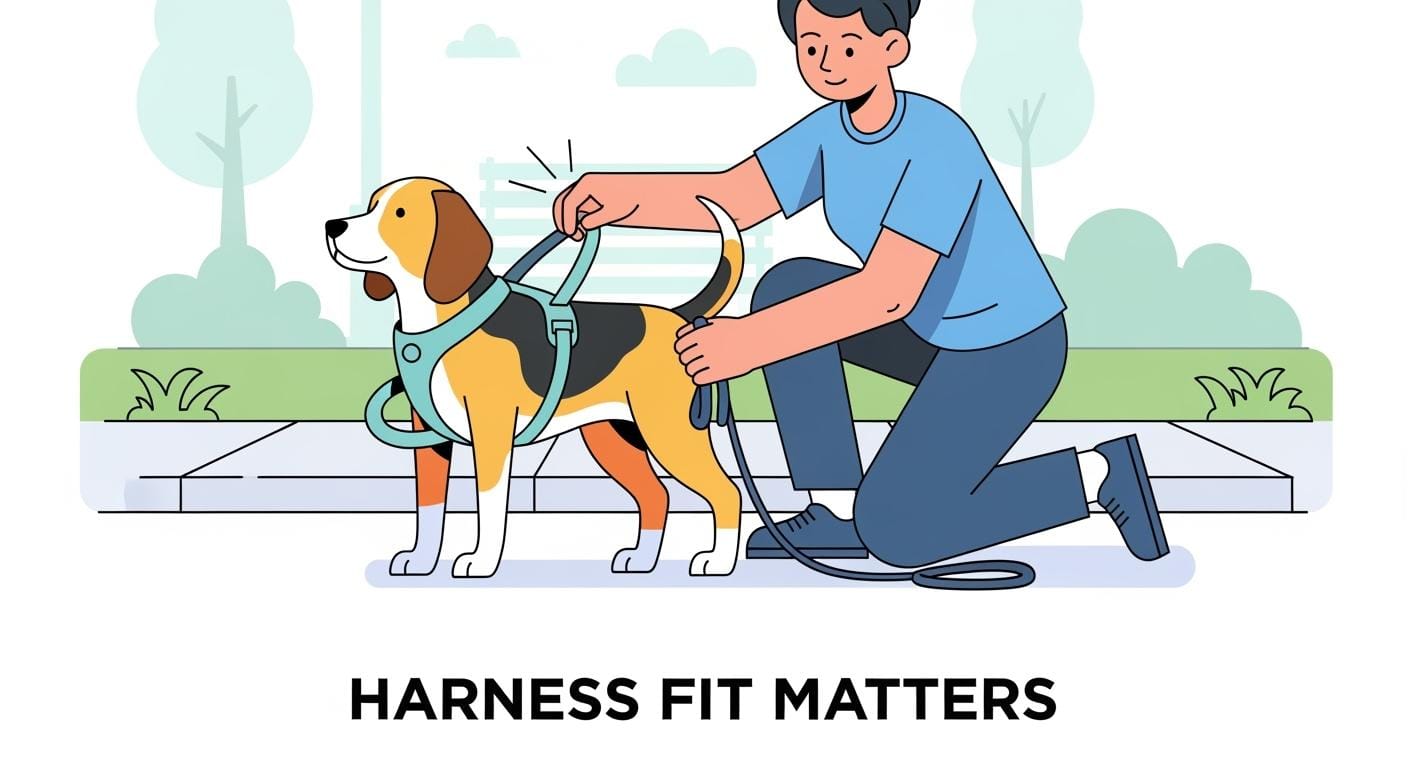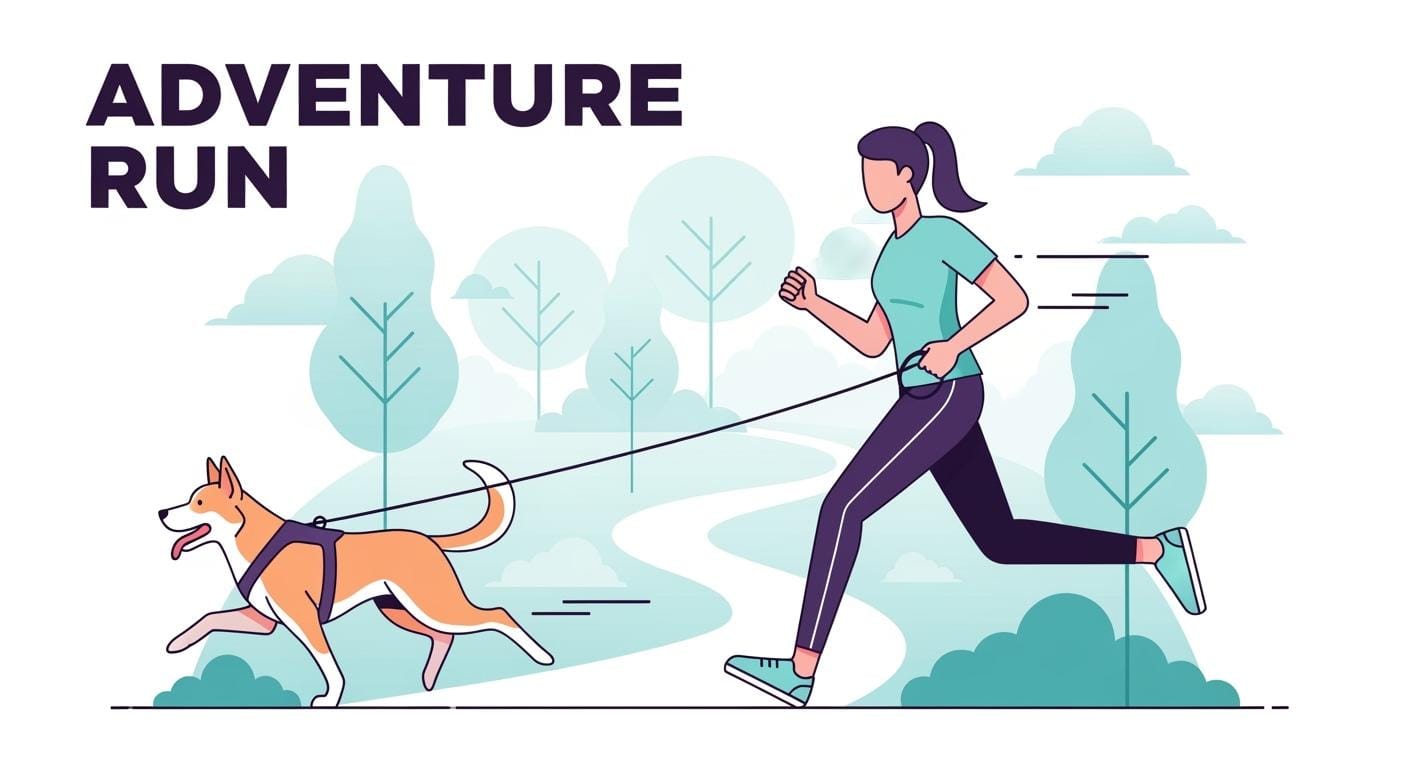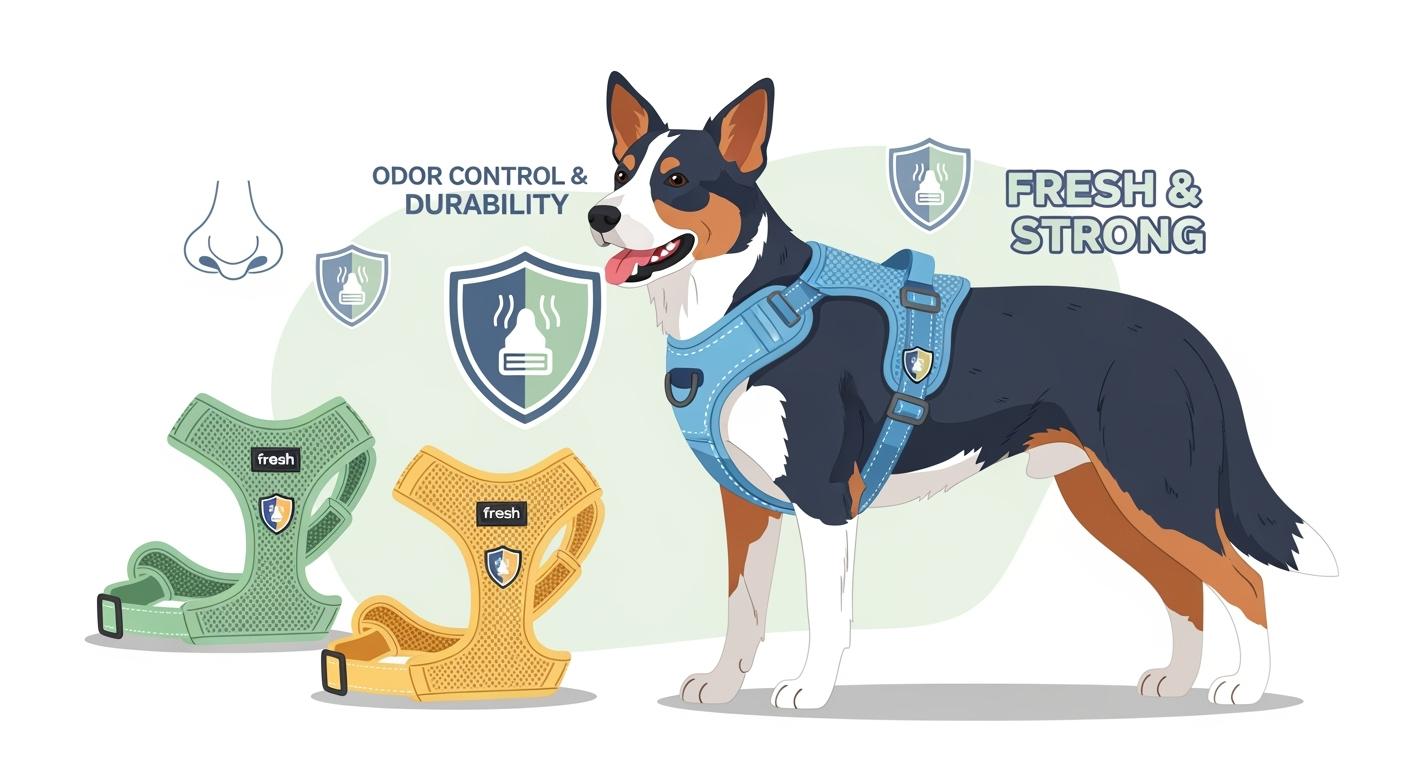
If your dog pulls hard or loves water, you know wet dog harnesses can hold odor and wear out fast. The right pulling harness for dogs should offer a proper fit, quick drying, and comfort for all dogs. Choose dog harnesses with adjustability, washable features, and quality materials to keep your harness fresh. A high-quality harness with a step-in harness style, front clip harness, or back clip harness can reduce stress. Always check fit for your dog and stop use if your dog shows irritation or distress. Odor control depends on your cleaning and drying habits.
Key Takeaways
Pick a harness made with quick-drying mesh to help stop bad smells and damage. Check harnesses often for any damage, especially at the seams and edges. Rinse harnesses after your dog gets wet or sandy to keep them clean and smelling good. Make sure the harness fits right by using the two-finger rule so your dog does not get hurt or feel uncomfortable. Choose harnesses with strong stitching and smooth edges so they last longer and feel better.
All-Weather Pulling Harness for Dogs
Drying, Odor, and Wear: A System
When you look for dog harnesses for all-weather use, you want a system that manages moisture, odor, and wear. All-weather harnesses use materials and designs that help water escape quickly. This means your dog harnesses dry faster and do not trap moisture in thick padding. Faster drying helps reduce odor risk because bacteria and mold do not have time to grow. You also want a harness that is easy to clean and washable. The table below shows how all-weather harnesses compare to standard harnesses for drying and odor resistance.
Feature | All-Weather Harnesses | Standard Harnesses |
|---|---|---|
Drying Speed | Quick-drying materials prevent moisture retention | May absorb water, leading to slower drying |
Odor Resistance | Resists mold and odor-causing bacteria | Prone to bacterial growth due to moisture |
Water Traps and Odor Zones
You need to check your dog harnesses for places where water can get trapped. These spots often become odor zones. Look for thick padding, layered seams, or areas where straps cross and hold moisture. After rain, mud, or water play, rinse your harness and let it air dry. This habit helps keep your harness fresh and reduces odor. You should also store your harness in a dry place with airflow. Using a step-in harness, front clip harness, or back clip harness with fewer layers can help avoid water traps. Regular cleaning and proper fit also help prevent odor.
Inspect your dog harnesses for damp spots after use.
Rinse and dry harnesses after wet walks or sandy play.
Store harnesses in a dry, open area.
Choose harnesses with mesh panels and minimal foam for faster drying.
Abrasion and Seam Stress in Strong Pullers
Strong dogs put extra stress on their harnesses. Areas behind the front legs and along the chest see the most wear. If your harness does not have reinforced seams or smooth edges, it may wear out faster. A proper fit keeps the harness centered and avoids rubbing. Adjustability helps you get the right fit for your dog. Some step-in harness designs use thicker materials and larger coverage to help prevent slipping and increase comfort. Always check for signs of wear, such as fraying seams or rough edges. A quality harness with good fit and comfort can help your dog stay safe and happy.
Check harness seams and edges for signs of wear.
Make sure the harness sits behind the front legs and does not cut into the armpit.
Use the two-finger rule to check fit.
Pick dog harnesses with reinforced stitching for strong pullers.
Material Choices for Dog Harnesses: Drying and Odor
Picking the right material for dog harnesses is important. It helps with drying, odor, and wear problems. You want your dog to feel good and smell fresh after walks. Some materials work better than others. Think about your dog’s habits and where you walk.
Nylon and Mesh: Fast Drying
Nylon and mesh dry very fast. These materials let air move through the harness. Water does not stay trapped inside. If your dog likes water or rain, nylon and mesh are good choices. You can rinse these harnesses after walks. Mesh panels help stop odor because they dry quickly. Many step-in harnesses use mesh for this reason. Look for open mesh spots and less foam. These things make cleaning and drying simple.
Neoprene Padding: Comfort vs Moisture
Neoprene padding makes harnesses soft and comfy. It helps spread out pressure on your dog’s body. Neoprene does not soak up as much water as thick foam. But it does not let air pass as well as mesh. Some harnesses use neoprene for support and quick drying. Watch for damp spots in padded areas. If harnesses stay wet, they can start to smell. The table below shows good and bad things about neoprene padding.
Pros | Cons |
|---|---|
Great cushioning | May not let air flow enough |
Spreads out pressure | Can keep some moisture |
Supports the body | |
Does not soak up much water | |
Dries quickly |
Lining and Edges: Chafe and Odor Risks
Lining and edge materials change how the harness fits. Rough edges can rub your dog’s skin and hold dirt. You want soft linings behind the front legs. This stops chafing and keeps the harness in place. If the harness moves or digs in, wet spots can form. Use the two-finger check to make sure it does not pinch. Linings you can wash make cleaning easy and help stop odor.
Material Comparison Table
The table below shows how harness materials compare. Use it to pick what works best for your dog.
Material Area | Likely Drying Behavior | Odor Risk Cues | Wear Risk Cues | Best For |
|---|---|---|---|---|
Nylon Webbing | Dries fast, not much foam | Low odor if rinsed | Frays at edges, hardware rub | Wet walks, strong dogs |
Mesh Panels | Dries fastest, open spots | Low odor, easy to clean | May snag, less tough | Water play, step-in harness |
Neoprene Padding | Dries quick, some moisture | Smells if left damp | Can flatten, edge wear | Comfort, pressure support |
Thick Foam | Dries slow, holds water | High odor risk | Flattens, seam stress | Sometimes use, soft fit |
Soft Lining | Dries okay | Smells if not washable | Rubs at edges | Sensitive skin, daily use |
Tip: Pick dog harnesses with mesh panels and smooth edges. They dry faster and do not smell as much. Always check the fit and clean harnesses after wet or sandy walks.
Hardware and Construction in Wet Conditions
Reinforced Stitching and Bartacks
If your dog pulls or plays in water, you need strong stitching. Box-X and bar-tack stitches help spread out the force. This stops the harness from breaking in one spot. Bound edges keep the harness from fraying and make it last longer. Always check the seams and where the harness connects. Strong stitching keeps your dog safe and helps the harness keep its shape. Good construction means your dog is comfortable and the harness lasts.
Box-X and bar-tack stitches make stress points stronger.
Bound edges stop fraying, even if you use the harness a lot.
Check seams often for loose threads or worn spots.
D Rings and Sliders: Corrosion Risks
Dog harness hardware gets wet and dirty. D rings, sliders, and buckles can rust if not made for all weather. Heavy-duty steel D rings and O rings do not rust easily. Black metal hardware works well in bad weather. Some harnesses use biothane, which does not get moldy. Always check the hardware after wet walks. Clean and dry the harness to stop rust. Store the harness in a dry place to keep hardware safe.
Pick harnesses with metal hardware that does not rust.
Look at D rings and sliders for rust or damage.
Clean and dry hardware after it gets wet.
Reflective Trim: Peel and Crack Points
Reflective trim helps cars see your dog at night. Wet or rough use can make the trim peel or crack. Sometimes, wet trim can glare or not shine as much. Owners may think their dog is easy to see, but trim can wear out. Check reflective patches for peeling or cracks. Get a new harness if the trim does not work. Be careful in the dark, even with reflective trim.
Failure Point | Description |
|---|---|
Driver expectation bias | Drivers may not see the reflective patches as dogs, which can cause accidents. |
Environmental masking | Wet weather can make glare or reflections, so the harness is harder to see. |
Behavioral complacency | Owners may think their dog is visible, but this can be risky in the dark. |
Wear Points Table
Check your dog harness for spots that wear out first. These areas get damaged after wet or rough use. Checking often keeps your dog safe and makes the harness last longer.
Wear Point | What You Will See | What Causes It | What to Do Next |
|---|---|---|---|
Buckles | Cracks, loose fit | Lots of use, hard hits | Replace if broken |
Adjustment clips | Stiff, broken | Sand, dirt, pulling | Clean or get new ones |
Straps | Fraying, stretching | Rubbing, getting wet | Cut frays, check fit |
Stitching | Loose threads, holes | Pulling, getting wet | Fix or replace |
Material integrity | Soft, thin spots | Wet, rough play | Check, maybe get new one |
Tip: Rinse and air dry your harness after wet or sandy walks. Store it in a dry place with air flow to protect the hardware and material.
Design Features for Quick Drying
Drainage Padding and Low Foam
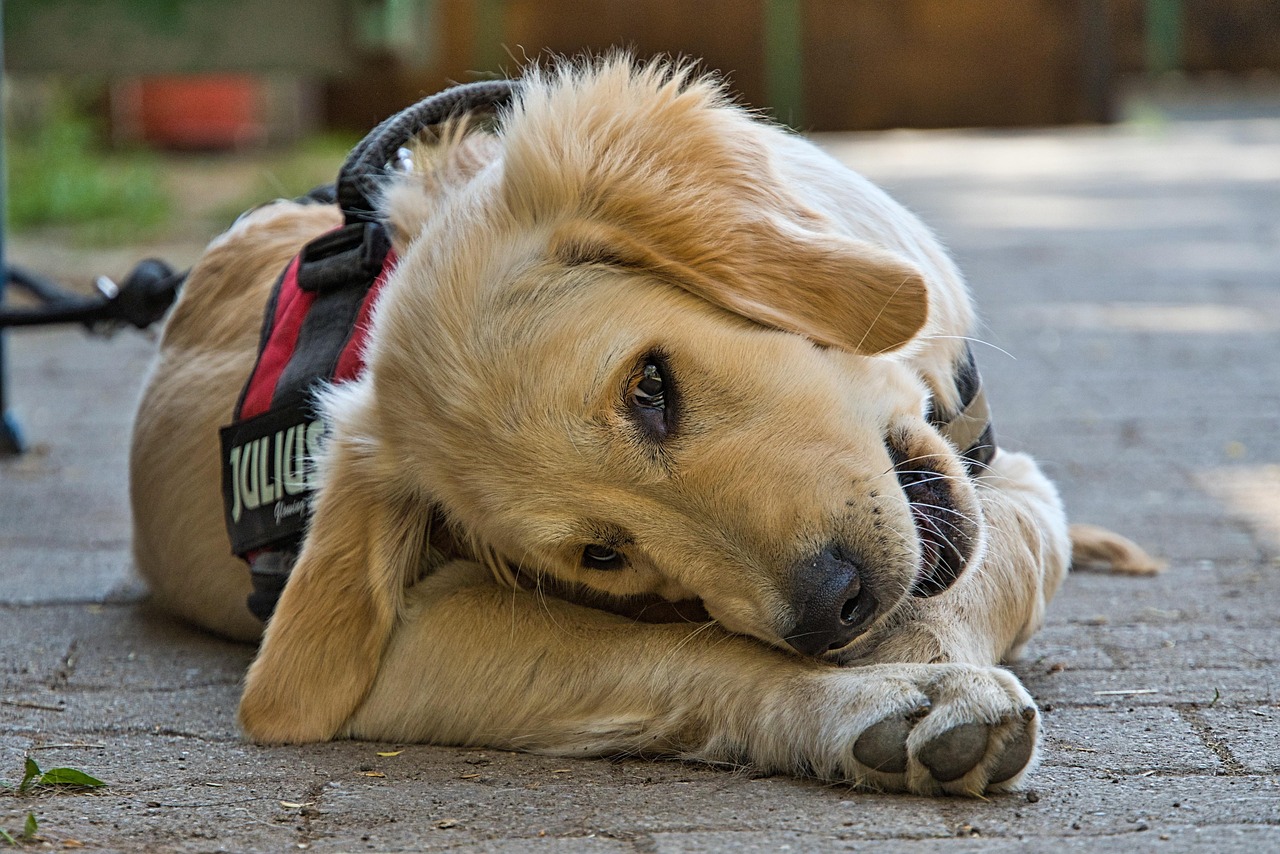
You want dog harnesses that dry fast after rain or water play. Padding with drainage holes lets water escape instead of soaking in. Low foam volume means less material holds moisture. When you pick a harness, check for thin padding and open mesh. These features help your dog stay comfortable and keep the harness light. If you see thick foam, water may get trapped and cause odor. Dogs that swim or walk in wet areas need harnesses with drainage padding. This design keeps your dog happy and reduces drying time.
Ventilation and Quick-Dry Panels
Ventilation panels let air move through the harness. Mesh panels dry faster than solid fabric. You should look for dog harnesses with open mesh zones and fewer layers. These panels help water evaporate and stop bacteria from growing. Dogs that play in water or mud benefit from harnesses with quick-dry panels. Lightweight materials also help your dog move freely. If you want odor control, pick harnesses with mesh and coated webbing. These materials resist water and dry quickly.
Strap Routing to Avoid Damp Zones
Strap routing affects how water drains from the harness. Straps that cross high moisture areas can trap water. You should choose harnesses with straps that sit behind the front legs and avoid the armpit. This fit keeps the harness centered and stops damp spots from forming. Dogs need harnesses that do not pinch or rub. The two-finger fit check helps you find the right size. Step-in harness designs often use smart strap routing to keep dogs comfortable and dry.
Quick Dry Feature Checklist
Use this checklist to find dog harnesses that dry quickly and stay fresh. Look for these features and avoid common problems.
Feature | Why It Helps | What to Avoid |
|---|---|---|
Mesh ventilation panels | Speeds up drying, reduces odor | Thick, closed fabric zones |
Drainage padding | Lets water escape, stays light | Dense foam without holes |
Coated webbing | Repels water, dries fast | Absorbent, untreated webbing |
Smart strap routing | Prevents damp traps, improves fit | Straps crossing armpits |
Lightweight build | Increases comfort, dries quickly | Heavy, bulky harnesses |
Tip: Pick harnesses with mesh panels, drainage padding, and coated webbing for dogs that love water. Always check the fit and clean the harness after wet walks.
Odor Control Habits for Dog Harnesses
Rinse After Wet or Sandy Use
You want your dog to stay clean and comfortable after every walk. Rinsing your harness right after rain, mud, or sand play helps remove grit before it dries into the fabric. This quick step keeps dog harnesses fresh and stops odor from building up. You can use cool water to rinse off dirt and sand. If your dog loves water or rolls in the grass, rinse the harness as soon as you get home. Regular grooming, like brushing and bathing your dog, also helps keep harnesses cleaner and reduces odors.
Rinse harnesses after wet walks or sandy play.
Brush and bathe your dog often to control shedding and odor.
Clean bedding and toys to keep the whole area fresh.
Washing Webbing and Padding
Washing your harness keeps it in good shape and helps with odor control. For hand washing, use mild dish soap or pet shampoo with warm water. Soak the harness for about 15 minutes, then scrub with a soft brush, focusing on webbing and padding. Add baking soda if you notice strong smells. For machine washing, place the harness in a mesh bag and use a gentle cycle with cold water. Do not use bleach or fabric softeners. Always check the fit after washing to make sure the harness did not stretch or shrink.
Hand wash with mild soap and a soft brush.
Use baking soda for extra odor removal.
Machine wash in a mesh bag on gentle cycle.
Drying and Storage Rules
Drying your harness the right way helps it last longer and keeps odors away. Lay the harness flat on a clean towel and reshape it. Dry outdoors in the shade if possible. You can also use a drying rack, but do not hang the harness by one end. Avoid dryers because heat can damage the fabric and plastic parts. Dry metal hardware with a towel to prevent rust. Store dog harnesses in a cool, dry place away from sunlight and heat. This keeps the harness ready for your next walk and helps it keep a good fit for your dog.
Tip: Air dry harnesses fully before storing. Never pile damp gear with other items.
Drying Method | Recommendation |
|---|---|
Air-Drying | Lay flat on a towel, reshape, dry outdoors in shade. |
Hang Drying | Use a rack, avoid hanging by one end. |
Avoid Dryers | Do not use heat; it can damage fabric and plastic. |
Metal Hardware | Dry with a towel or cool hair dryer to prevent rust. |
Odor Control Routine Table
Situation | Quick Action | Deep Clean Trigger | Drying and Storage Rule |
|---|---|---|---|
Rain, mud, or sand walk | Rinse harness with cool water | Odor or visible grime | Air dry flat, store in dry place |
Strong odor after use | Add baking soda, rewash | Odor stays after rinse | Dry outdoors, avoid closed spaces |
Shedding or dirt buildup | Brush dog, clean harness | Hair or dirt in seams | Hang dry, keep away from heat |
Wet hardware | Towel dry metal parts | Rust or stiffness noticed | Store in cool, dry area |
Note: Regular care keeps dog harnesses fresh and helps them last longer. Always check the fit after cleaning to keep your dog comfortable.
Decision Guide: Pulling Harness for Dogs by Weather and Routine
Choosing the right pulling harness for dogs depends on your dog’s routine and the weather you face. You want a harness that matches your dog’s needs, keeps your dog comfortable, and stands up to rain, mud, snow, or water play. Use this guide to pick the best features, avoid common problems, and keep your dog’s harness fresh and safe.
Rain and Mud Walks
Rain and mud can make walks messy. You need a harness that dries quickly and does not hold water. Look for these features:
Quick-drying materials like mesh or coated webbing
Fewer layers and minimal foam to stop water from getting trapped
Reflective trim for safety in low light
Smooth edges and reinforced seams to reduce wear
You want a harness that fits well. Make sure the harness stays centered and does not slide to one side. Use the two-finger rule at contact points. Straps should sit behind the front legs and not cut into the armpit. Adjust the harness so your dog can move freely. After each walk, rinse off mud and let the harness air dry.
Tip: Always check for damp spots and rinse the harness after muddy walks. Store it in a dry place with airflow.
Key factors for rain and mud walks:
Fit and comfort to prevent chafing
Weather resistance for quick drying
Visibility for safety
Snow, Salt, and Grit
Snow and salt can be tough on dog harnesses. Salt and grit may damage the material and cause wear. You want a harness that resists these elements and keeps your dog safe.
Choose harnesses with smooth, coated webbing that does not soak up water
Look for reinforced stitching and strong hardware
Avoid thick padding that holds moisture and salt
Rinse the harness and your dog’s paws after every walk to remove salt and grit
Fit matters in cold weather. Make sure the harness does not twist or slip. Check that straps do not rub or pinch, especially if your dog wears a coat. Inspect the harness for signs of wear, like fraying or stiff spots.
Note: Salt and grit can cause blisters or infections in dogs. Clean the harness and your dog’s paws after every walk.
Key factors for snow, salt, and grit:
Material durability against salt and grit
Regular cleaning to prevent buildup
Proper fit to avoid rubbing
Water Play and Sand
If your dog loves water or sand, you need a harness that dries fast and is easy to clean. Sand can get trapped in seams and padding, so pick a harness with open mesh and drainage padding.
Feature | Description |
|---|---|
Durability | Reinforced stitching for tough play in water, dirt, and sand |
Comfort | Breathable, padded materials to reduce strain and prevent rubbing |
Convenience | Easy to clean after water and sand exposure |
Choose a harness with smart strap routing that avoids damp zones. Make sure the harness does not cross the armpit or shoulder point. Use the two-finger fit check. After water play, rinse the harness and let it dry flat.
Tip: Pick lightweight harnesses with mesh panels and minimal foam for dogs that swim or play in sand.
Scenario A: Strong Puller in Wet and Muddy Conditions
You have a strong dog that pulls hard during rainy walks. You want a pulling harness for dogs that stays centered and does not rub. Choose a harness with:
Wide straps (1.0-1.5 in or 2.5-3.8 cm) for large dogs
Reinforced stitching at stress points
Quick-dry mesh panels and minimal foam
Reflective trim for visibility
Check the fit before each walk. Make sure the harness sits behind the front legs and does not cut into the armpit. After each walk, rinse off mud and hang the harness to dry. Inspect seams and hardware for wear.
Scenario B: Outdoor Dog with Water and Sand Exposure
Your dog loves to swim and dig in the sand. You need a harness that dries fast and is easy to clean. Pick a harness with:
Open mesh panels and drainage padding
Coated webbing that resists water
Smart strap routing to avoid damp traps
Adjustable straps for a snug fit
After each adventure, rinse the harness with cool water. Shake out sand and let it air dry flat. Check for trapped grit in seams and padding. Store the harness in a dry place.
Decision Table: Environment, Features, Avoid
Environment/Routine | Best Feature Priorities | What to Avoid |
|---|---|---|
Rain and mud walks | Quick-dry mesh, reflective trim, smooth edges | Thick foam, layered seams |
Snow, salt, and grit | Coated webbing, strong hardware, easy rinse | Absorbent padding, rough edges |
Water play and sand | Mesh panels, drainage padding, minimal layers | Heavy harness, sand-trapping seams |
Strong pullers | Wide straps, reinforced stitching, adjustability | Narrow straps, weak seams |
Sensitive skin | Soft lining, smooth edges, proper fit | Rough binding, tight straps |
Parameter and Value Table
Parameter | Target range or option | Why it matters |
|---|---|---|
Use environment | rain, mud, snow, water play, sand | Predicts odor and wear stressors |
Material strategy | fast dry panels vs thicker padding | Balances comfort and moisture traps |
Quick dry cues | mesh, minimal foam, fewer layers | Helps reduce damp retention |
Odor control cues | rinse routine, easier cleaning zones | Reduces odor risk without promises |
Wear points | edges, seams, hardware rub zones | Predicts early failure areas |
Hardware cue | smooth edges, durable metal parts | Reduces snagging and wear |
Fit check | two finger rule | Reduces pinch and rub risk |
Centering rule | stays centered in motion | Flags poor fit and shifting |
Armpit clearance | straps behind front leg | Helps reduce chafing and damp traps |
Shoulder freedom | avoid crossing shoulder point | Reduces restriction risk |
Strap width cue | 0.6-1.5 in (1.5-3.8 cm) | Comfort feel and durability cue |
Care triggers | rinse after wet or sand, wash when odor persists | Keeps claims realistic |
Step-by-Step Blocks for Harness Selection and Care
Select the Right Harness
Choose based on your dog’s routine: rain, mud, snow, water, or sand.
Pick quick-dry mesh for wet conditions.
Use wide straps for strong pullers.
Check the Fit
Place the harness on your dog.
Make sure straps sit behind the front legs.
Use the two-finger rule at all contact points.
Harness should stay centered and not shift.
Inspect for Wear
Look at seams, edges, and hardware after each walk.
Check for fraying, loose threads, or rust.
Clean and Maintain
Rinse after wet, muddy, or sandy walks.
Wash when odor or grime stays after rinsing.
Air dry flat with good airflow.
Store in a dry place, not piled with other items.
Note: Regular care and the right fit help your dog’s harness last longer and stay fresh.
By following these steps, you can match the best pulling harness for dogs to your dog’s routine and weather. You keep your dog comfortable, reduce odor, and avoid early wear.
Retail and Wholesale Notes for All-Weather Dog Harnesses
Positioning Quick Dry and Odor Control
You want to show buyers how dog harnesses solve problems for dogs in wet, muddy, or sandy conditions. Quick dry features help dog harnesses stay fresh and ready for use. Odor control comes from easy cleaning and fast drying. When you talk about harness options, highlight mesh panels, drainage padding, and coated webbing. These features help dogs stay comfortable and keep harnesses from smelling. You can use phrases like “dries faster because water does not get trapped” and “reduced odor risk through easier cleaning.” Avoid making promises about odor-proof results.
Spec Checklist for Buyers
You need a clear checklist to help buyers choose the right harness for dogs. This list helps you compare features and spot what matters most for all-weather use.
Spec Feature | Why It Matters | What to Check |
|---|---|---|
Quick dry panels | Keeps harness light and fresh | Mesh, minimal foam |
Odor control zones | Reduces smell after wet walks | Washable, easy to rinse |
Reinforced seams | Handles strong dogs and pulling | Box-X, bar-tack stitching |
Smooth edges | Prevents rubbing and chafing | Soft lining, no rough spots |
Adjustable straps | Ensures proper fit for all dogs | Multiple points, easy to use |
Tip: Use this checklist when you compare dog harnesses for dogs with different routines.
Fit Education and Care Instructions
You want every buyer to understand how to fit a harness for dogs. A good fit keeps dogs safe and comfortable. Teach buyers the two-finger rule. Straps should sit behind the front legs and not cut into the armpit. The harness must stay centered and not shift during walks. You should also explain care routines. Rinse harnesses after wet or sandy use. Wash when odor or grime stays. Air dry harnesses flat with airflow. Store harnesses in a dry place, not piled with other gear.
Always check fit before each walk.
Rinse and dry harnesses after wet use.
Store harnesses with airflow to prevent odor.
OEM and ODM Explainer
If you buy dog harnesses in bulk, you may see OEM and ODM options. OEM means you get harnesses made to your brand’s design. ODM means you choose from ready-made harness designs for dogs. Both options let you pick features like quick dry panels, reinforced seams, and adjustable straps. You can ask for custom fit guides and care instructions. This helps buyers and users keep dogs safe and harnesses fresh.
Note: OEM and ODM harness choices help you match products to the needs of dogs and buyers. Always review specs and fit guides before placing orders.
You should pick dog harnesses that fit your dog’s daily life. Think about the material, design, and how you will care for it. This helps your dog stay comfy in any weather. Make sure the harness fits well and has features for odor control and strength. Clean and dry the harness often to keep it fresh and make it last longer. People say harnesses work best when you train your dog the right way. Some materials, like biothane, fight odor and wear. This is good for dogs that are very active. Always check the fit and look over the harness after every walk.
Harnesses do not stop pulling if you do not train your dog.
Owners like odor-resistant harnesses for wet weather.
Strong materials help harnesses last for dogs who play outside.
Tip: Check trusted sources and read reviews before buying a harness for your dog.
FAQ
How do you choose the right harness size for dogs?
You measure your dog’s chest and neck. Check the harness sizing chart. Make sure the harness sits behind the front legs. Use the two-finger rule at contact points. The harness should stay centered on your dog during walks.
What features help dog harnesses dry quickly after water play?
Look for mesh panels and drainage padding. These features let air move through the harness. Minimal foam helps water escape. Quick-dry dog harnesses keep dogs comfortable and reduce odor risk after wet walks.
How often should you clean a harness for dogs?
You rinse the harness after rain, mud, or sand. Wash when odor or grime stays after rinsing. Air dry the harness flat with airflow. Regular cleaning keeps dog harnesses fresh and helps dogs stay healthy.
What signs show a harness does not fit your dog well?
If the harness slides to one side, pinches, or rubs behind the front legs, it does not fit. Your dog may scratch or pull at the harness. Always check the fit before walks to keep dogs comfortable.
Can one harness work for all dogs and activities?
You need to match the harness to your dog’s routine. Strong dogs need wide straps and reinforced seams. Dogs that swim or play in sand need quick-dry mesh. No single harness fits every dog or activity.