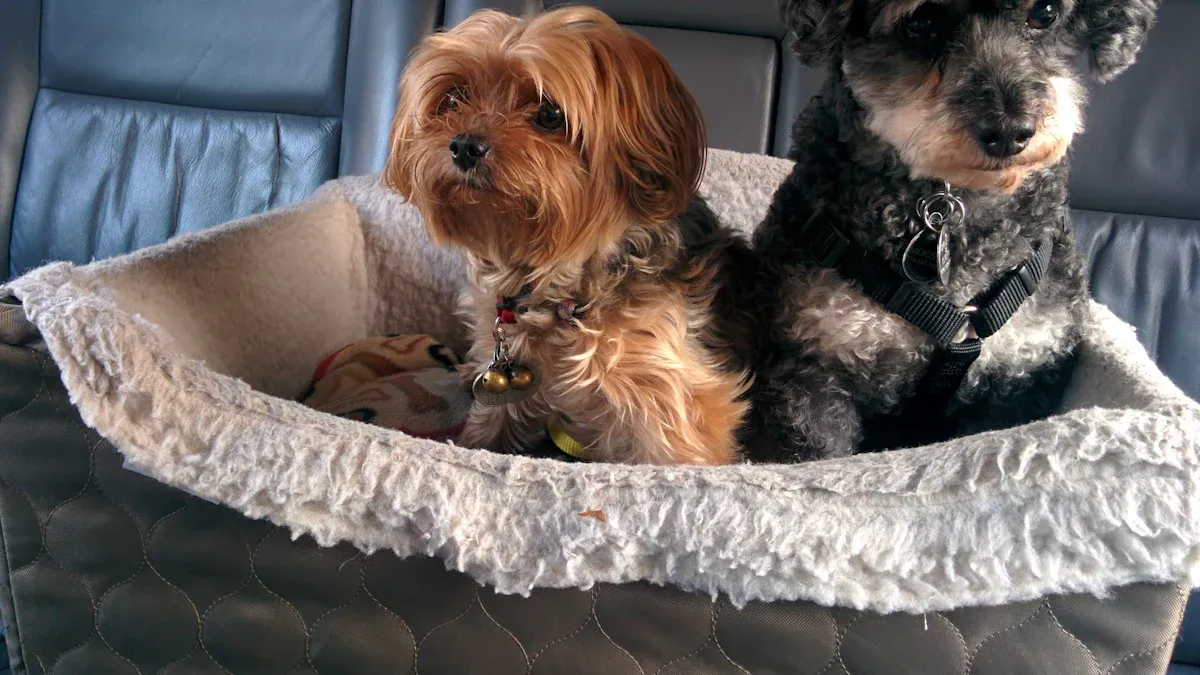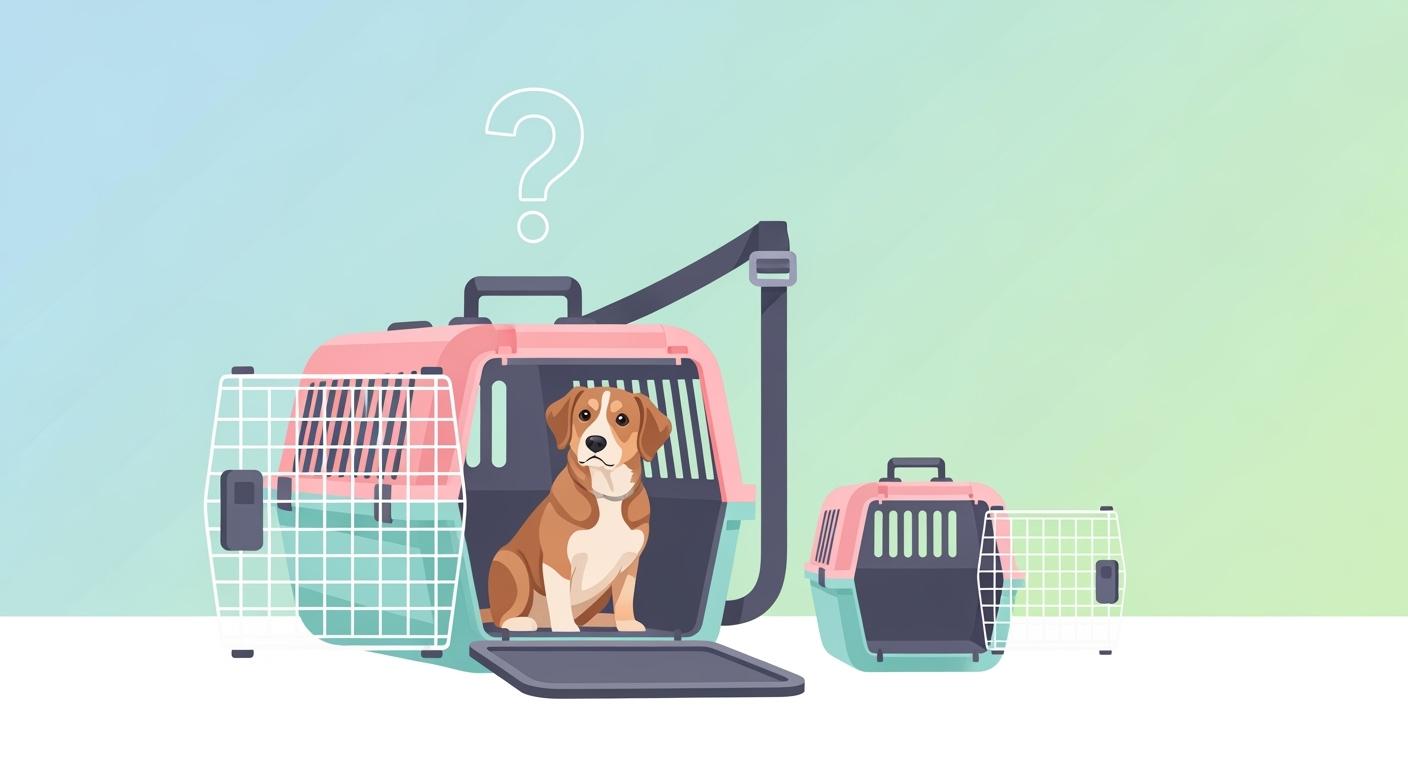
A pet travel carrier large can feel more comfortable, but only if the extra room stays usable once the trip actually starts. That is the tradeoff many owners miss. The interior may look roomy on the floor, then feel much less steady once the carrier is lifted, set down, or carried through a doorway. If the base sags, the walls fold inward, or the weight shifts from side to side, the extra room stops helping and starts making the whole carrier feel less predictable. The better large carrier gives your pet space without turning support into an afterthought.
Key Takeaways
- Choose a pet travel carrier that balances room and support. Extra interior space only helps when the floor, sidewalls, and carry angle still feel stable.
- Watch what happens when your pet is fully inside. A carrier that looks fine empty can feel much less supportive under real travel weight.
- Test the carrier before the trip by lifting it, setting it down, and walking a short route. Those simple checks usually reveal sag, swing, and layout problems fast.
When extra room helps and when it starts hurting support
Why more room can feel better
Extra room helps when it gives your pet enough space to settle without feeling boxed in. A pet that can shift position, tuck in comfortably, and rest without pressing against every wall usually looks calmer than a pet traveling in a carrier that feels too tight from the start. That is especially useful on longer outings or when the pet tends to stay alert and restless in smaller spaces.
But the space only counts if it stays usable. If the pet spends more time bracing than relaxing, the larger size is not really creating better comfort.
Signs your pet may need more room
You usually notice the need for more room in simple, observable ways. The pet keeps repositioning, cannot settle into a lying position easily, or stays upright longer than expected because the space does not feel workable. Some pets also look calmer once they have just a little more room to shift weight or rest their body without crowding the opening.
- repeated turning without settling
- stiff posture instead of a relaxed lie-down
- constant readjustment after every lift or set-down
These signs do not automatically mean “buy the biggest carrier.” They usually mean the pet needs a more usable interior shape.
When bulk starts working against the carrier
Extra size creates problems when the floor bends, the sidewalls collapse too easily, or the carrier becomes harder for you to carry cleanly. A large pet travel carrier is only worth the added volume if the support stays consistent during real handling. Otherwise, the extra room often turns into extra movement.
Common large-carrier problems show up in motion rather than on the floor:
- the base dips in the middle once the pet is inside
- the carrier swings wider because the weight sits farther from your body
- the opening and side panels lose shape once bedding and the pet are fully loaded
Comparison table: carrier types and use cases
| Carrier Type | Use Case | Main Benefit | Main Watchout | Who Should Skip It |
|---|---|---|---|---|
| Soft-sided | Airport travel, lighter carrying, tighter spaces | More flexible shape | Base and sidewalls can lose structure under load | Pets needing stronger body support |
| Structured handheld | Shorter trips, steadier carry, clearer shape retention | More predictable support | Can feel bulkier and less forgiving in tighter travel setups | Trips where flexibility matters more than rigidity |
| Wheeled | Longer terminal movement, heavier overall load | Less arm and shoulder strain | Harder transitions at stairs, curbs, and tight doorways | Short, simple trips where wheels add more bulk than help |
Tip: If the carrier only feels comfortable when it is sitting still, it is not fully tested yet.
Support and handling checks before the trip
How support loss usually happens
Support loss usually starts in one of three places: the base bows once the pet is inside, the sidewalls lose shape when the carrier is lifted, or the carry angle shifts enough that the pet starts leaning to compensate. These are not abstract problems. They show up as very visible handling issues. The carrier no longer lands flat, the pet keeps readjusting, or the opening becomes harder to manage once the carrier is no longer standing on the floor.
This is where a more structured lower section helps. A travel carrier needs more than enough room. It also needs enough support that the room is still usable after loading.
Movement problems show up before anything else
You do not need a dramatic failure to know the carrier is wrong. The first signs are usually small:
- the center dips when you lift the carrier
- the set-down feels soft or tips slightly to one side
- the shoulder or hand carry keeps changing angle
- the pet shifts position every time you stop or turn
These are often better warning signs than the listed dimensions or storage features.
Pass/fail checklist table: carrier support signals
| Check Item | Pass Signal | Fail Signal | Fix |
|---|---|---|---|
| Lift with pet inside | Base stays mostly flat and stable | Center dips or the pet slides inward | Use a firmer base insert or a better-supported carrier |
| Set-down behavior | Lands flat without folding or tipping | Base folds, twists, or lands unevenly | Reduce soft bedding bulk and reassess base support |
| Short indoor walk | Carry angle stays steady and predictable | Carrier swings, leans, or pulls off line | Adjust balance or choose a less bulky setup |
| Vent path after loading | Openings stay usable and unobstructed | Panels press inward or get blocked too easily | Repack bedding and reduce crowding |
| Cleanup access | Bedding and interior are easy to remove and reset | Damp areas and hair get trapped in hard-to-reach spots | Use simpler bedding and improve access before the trip |
Troubleshooting table: handling problems and fixes
| Symptom | Likely Cause | Fast Check | Fix |
|---|---|---|---|
| Center sag when lifted | Base support is too weak for the loaded weight | Lift once with the pet inside and watch the floor line | Add firmer support or switch carriers |
| Carrier tips in the car or on the floor | Uneven base or unstable placement | Set it down and press lightly at each side | Level the setup and secure it better for travel |
| Strap drifts off shoulder | Carry angle or load balance is off | Walk a short route and watch the strap path | Adjust the carry or reduce side-heavy load |
| Vents block after loading | Too much bedding or too-soft side support | Check the carrier right after the pet enters | Simplify the interior layout |
| Hard to clean bedding area | Overbuilt interior or hard-to-reach corners | Remove bedding and inspect access | Use a cleaner, easier-reset setup |
Step-by-step real-use evaluation
- Put your pet in the carrier the way the trip will actually use it.
- Lift the carrier and check for center sag or side collapse.
- Set it down and watch whether the base lands flat.
- Walk a short indoor route to check carry balance and swing.
- Test doorways, corners, and car entry or hallway turns.
- Check that vents and openings still work after full loading.
- Remove the bedding and confirm that cleanup access is still reasonable.
These checks matter more than any single product claim because they show what the carrier is actually doing with your pet inside it.
Failure signs and better fixes

What goes wrong first
Most large-carrier problems do not begin as dramatic failures. They start as small signs that the room is no longer helping:
- the pet keeps shifting instead of settling
- the carrier becomes harder to lift cleanly than expected
- the soft bedding turns the floor into a bowl shape
- the carrier feels easy on the floor and awkward everywhere else
That is usually the point where extra room has started working against support.
Common mistakes
Most owners do not choose the wrong large carrier because they want the wrong thing. They choose it because the wrong feature seems like the right one at first glance. The biggest repeat mistakes are:
- choosing interior volume before checking base behavior
- using bedding that makes the floor softer but less stable
- testing the carrier empty instead of fully loaded
- judging support only when the carrier is sitting still
What usually improves the setup
The better fix is usually not “go much smaller” or “add more padding.” It is to create a more usable balance between room and structure.
- Use firmer base support before adding more bedding.
- Keep enough room for posture and settling, but not so much unsupported space that the pet slides or leans.
- Choose the carry style that stays most predictable in motion.
- Recheck the carrier after you pack it the way you will really travel with it.
Note: If your pet shows obvious distress, overheating, pain, or breathing difficulty during travel preparation, pause and speak with your veterinarian before continuing.
A pet travel carrier large works best when the extra room still feels supported once the carrier is lifted, carried, and set down. More space can help, but only if the base stays flat, the sidewalls stay usable, and the pet is not spending the whole trip trying to rebalance inside it.
FAQ
How do you know if a large pet travel carrier is too big?
You usually notice it in motion. If the pet slides, the base sags, or the carrier becomes much harder to handle once loaded, the extra room may be more than the support can manage well.
What should you do if the carrier tips or slides during travel?
Check the base, the placement surface, and how the load is sitting inside. Most tipping and sliding problems start with unstable support or uneven weight distribution.
How often should you clean your carrier and bedding?
Clean as often as your travel routine requires, especially after damp, dirty, or high-stress use. The key is to keep the bedding dry, the vents open, and the carrier easy to reset before the next trip.