Choosing a pet carrier tote bag is not really about softness or looks. In daily use, three things decide whether the bag works: the base has to stay flat, the carry has to stay balanced, and the opening has to be usable without the whole bag losing shape. A tote that lets you reach in quickly but sags when your pet shifts weight is not actually practical. A tote that feels supportive but takes two hands and a full stop every time you need to check on your pet is not very practical either. The best setup keeps support and access working together.
Key Takeaways
- Choose a carrier with a base that stays flat when lifted. Support matters most once your pet’s weight is fully inside the bag.
- Look for one-hand access that opens cleanly without making the tote collapse or tilt off balance.
- Test the bag at home before each outing. A short lift, set-down, and access check tells you far more than product photos do.
What makes a pet carrier tote bag actually practical
Base support is what your pet feels first
You want your pet to feel a steady floor under them, not a sling. The base is where tote bags often succeed or fail. A bag can feel well made in the hand and still dip once weight settles into the middle. When that happens, the pet often shifts position, braces with the front paws, or keeps readjusting instead of relaxing.
A stronger base usually feels calmer because it holds its shape when the tote is lifted, set down, or carried at one side of the body. A weaker base may feel fine while empty and then suddenly turn soft and uneven once the bag is actually in use.
| Feature | What to Look For |
|---|---|
| Base panel | Stays flat when you lift the carrier with your pet inside |
| Lower-body shape | Does not cave inward or form a hanging center pocket |
| Interior footing | Feels stable enough that your pet does not need to keep rebalancing |
Balanced carry matters more than “light feel”
Carrying your pet should feel centered, not like the bag is always trying to roll forward or slide off the shoulder. A pet carrier tote bag can feel light for a few steps and still become tiring once the weight starts leaning to one side. That tilt matters to the pet too. If the bag hangs unevenly, the pet often shifts in response, which makes the carry feel even less stable.
The better tote keeps the weight close to your body, hangs level enough that the base still feels flat, and does not turn shoulder carry into constant correction. A little movement is normal. Repeated tilt is not.
| Carry Check | What a Good Result Looks Like |
|---|---|
| Shoulder position | The strap stays where you place it instead of creeping outward |
| Bag angle | The tote hangs mostly level instead of nose-diving at one end |
| Set-down feel | The base lands flat instead of folding or tipping on contact |
One-hand access only helps if the bag keeps its shape
One-hand access sounds useful because it is useful. You may need to check your pet, adjust a blanket, or calm them in a busy space without putting the bag down. But one-hand access is only a real advantage when the opening works cleanly and the tote does not collapse the moment it is partially opened.
A good opening lets you reach in quickly without losing too much structure. A poor one turns every quick check into a balancing act. If you have to stop, use both hands, and fight the zipper or flap while the tote tilts, then the access feature is not doing its job.
Tip: Test the opening with your pet inside the bag at home. Some totes feel easy to open while empty and much slower once weight and movement are involved.
Comparing pet carrier tote bag features and tradeoffs
Firm base vs. softer tote styles
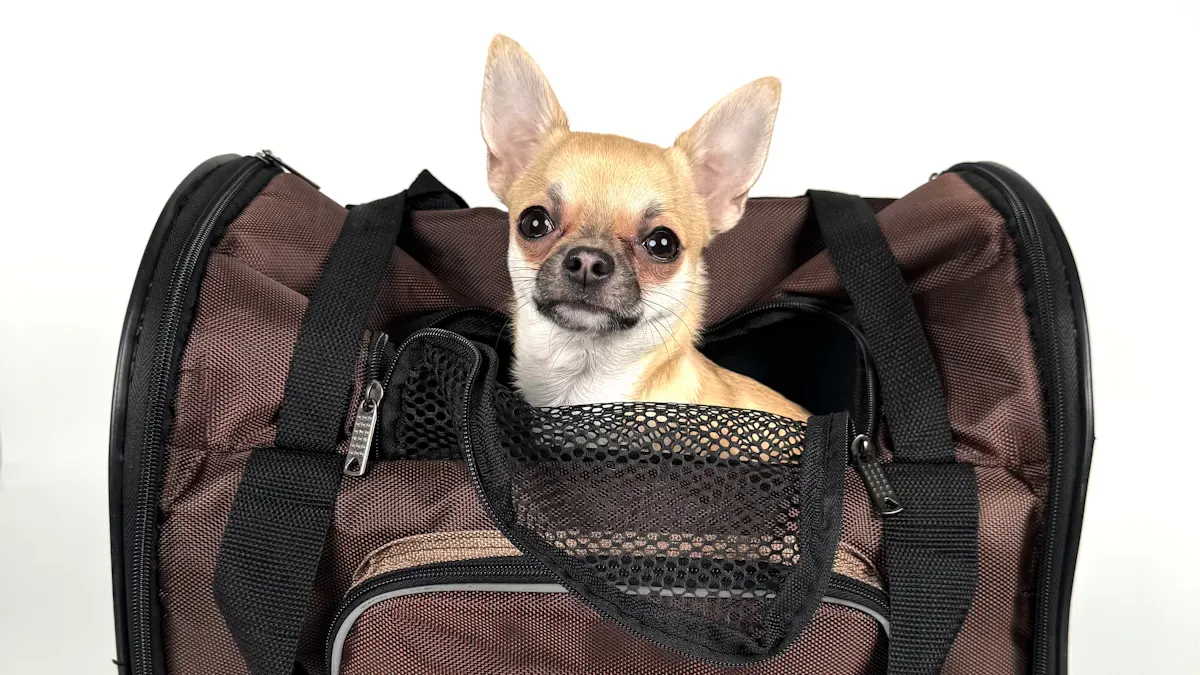
When comparing a pet carrier tote bag, the first real decision is how much structure you want in the lower half of the carrier. A firmer base usually gives better support and more predictable footing. Softer tote styles may feel lighter and more relaxed, but they depend more heavily on the pet staying calm and balanced.
| Feature/Style | Firm Base Carrier | Soft Tote Style Carrier |
|---|---|---|
| Support | Higher, resists sagging and tilt better | More dependent on pet movement and bag shape |
| Carry feel | Usually steadier once fully loaded | Can feel lighter, but may shift more |
| Access behavior | Opening often stays more predictable | May collapse inward more easily during checks |
| Best use | Longer carries, pets needing more support, more frequent set-downs | Shorter outings, calmer pets, lighter-duty use |
A softer tote is not automatically a bad choice. It just needs a pet and an outing that match it.
Hand, shoulder, and crossbody carry
There is no single best carry method for every trip. Hand carry is useful for short transfers and quick set-downs. Shoulder carry usually works better when you need your hands free. Crossbody carry can spread the weight better, but it may also slow access if the opening no longer sits where your hand expects it.
| Carry Method | Best Use Case | Pros | Cons |
|---|---|---|---|
| Hand | Short transfers, quick visits, fast set-downs | Direct control, easy to lower carefully | Arm fatigue builds quickly |
| Shoulder | Longer carry, busier spaces, hands-free errands | Keeps hands available, feels natural when balanced well | Can slip or tilt if the strap and bag angle are poor |
| Crossbody | Extended wear, steadier weight distribution | Spreads load more evenly | May slow quick access depending on opening direction |
Fit-for and not-fit-for use cases
A tote carrier works best when the pet is already reasonably comfortable with that style of carry and the trip matches what the bag does well. Tote-style carriers are usually more practical for calm pets, short to medium outings, and situations where you need repeated quick checks. They are less practical when the pet pushes upward constantly, twists hard inside the bag, or needs a more enclosed travel setup.
| Use Case | How a Tote-Style Carrier Usually Fits |
|---|---|
| Short errands or check-ins | Usually a good fit if the base stays supportive and access stays easy |
| Vet arrivals and waiting rooms | Works better when you can calm your pet quickly without collapsing the bag |
| Long waits or more enclosed travel needs | Often less ideal unless the tote has enough structure and security for the full duration |
| Wiggly or escape-minded pets | Usually a poor fit for open-feeling tote styles unless the bag is much more secure than it first appears |
Common issues: sag, slip, tilt, access delay
You should test for the problems that actually show up in use, not just the ones listed on a feature card. Sagging usually starts at the base. Slip usually starts at the shoulder. Tilt often shows up when the pet changes position. Access delay appears when a zipper, flap, or opening looks simple until you try to use it under real weight.
| Issue Type | What It Looks Like | Why It Matters |
|---|---|---|
| Sagging | The base dips or bows once the pet is inside | Pets lose steady footing and keep readjusting |
| Shoulder slip | The bag keeps sliding off or changing angle | Carry becomes less controlled and more tiring |
| Tilt | One side drops lower when the pet shifts position | The pet feels less supported and may brace harder |
| Access delay | The opening is slower or harder to use once the pet is inside | Quick checks stop being quick when you actually need them |
Safety tip: A tote carrier should feel calmer once the pet is inside, not harder to manage. If the bag becomes more awkward with real weight, the setup needs a second look.
Setup mistakes and daily checks for pet carrier tote bags
Common mistakes in dog carrier use
Many tote-bag problems start before the trip even begins. People check the weight limit but not the real interior space. They test the bag empty but never with the pet inside. Or they assume any opening that looks convenient will still work once the tote is under load.
- Choosing by weight limit alone instead of checking how the pet actually fits and settles inside
- Ignoring whether the base stays flat once the pet’s weight is fully inside
- Using shoulder carry when the bag keeps tilting or slipping the whole time
- Assuming one-hand access works just because the zipper is easy while the bag is empty
- Not watching how the pet reacts after the first few minutes inside the carrier
Tip: Check for sag, tilt, blocked access, and shoulder slip before you leave home. These are the problems that usually show up first.
Pass/fail checklist for travel carrier setup
Check this list before each outing. If one item fails, fix it before you go.
| Check Item | Pass Signal | Fail Signal | Fix |
|---|---|---|---|
| Base support | Base stays flat when lifted | Bag sags or bows downward | Use a firmer base or a more supportive bag |
| Opening access | Opens smoothly with the pet inside | Opening sticks, folds inward, or needs both hands every time | Recheck the opening design before using it for travel |
| Carry balance | Bag stays level enough to feel stable | Bag tilts heavily or keeps sliding | Adjust carry style or switch to a more balanced layout |
| Pet response | Pet settles after a short adjustment period | Pet keeps bracing, scrambling, or trying to get out | Recheck fit, support, and whether tote style suits the pet |
| Ventilation | Airflow remains open and usable | Panels get blocked by folding or packing | Reopen airflow zones and reduce crowding |
Troubleshooting table for pet carrier issues
If you see a problem in daily use, use this table to narrow down what is really going wrong.
| Symptom | Likely Cause | Fast Check | Fix |
|---|---|---|---|
| Pet slips or leans hard to one side | Unsteady base or carry tilt | Lift and lower the bag slowly at home | Improve base support or change carry position |
| Pet keeps shifting instead of settling | Base feels uneven or the tote is moving too much | Watch what happens after the first minute inside | Use a firmer, steadier tote style |
| Bag feels awkward to open in motion | Opening design is slower under real load | Test one-hand access with the pet inside | Choose an opening that stays usable without collapsing |
| Shoulder strap keeps slipping | Carry angle or strap setup is not balanced | Walk a short loop indoors or near home | Adjust the strap or switch carry method |
| Pet refuses to enter | Bad past association, poor fit, or unstable feel | Check the bag empty, then with a calm entry test | Reassess fit and use slower carrier training |
Safety reminder: If your pet seems panicked, painful, or unwilling to settle in the carrier, stop using it and reassess the setup before the next outing.
A good pet carrier tote bag should let you check on your pet quickly without giving up base support, carry balance, or day-to-day control. Support matters more than style, and a “convenient” opening only counts if it still works once the bag is actually being used.
FAQ
How do you test if your pet carrier tote bag gives enough support?
Put your pet inside, lift the bag, set it down, and watch the base. If it stays flat and your pet does not have to keep rebalancing, the support is usually good enough for normal use.
What should you do if your dog refuses to enter the carrier?
Stop and check the fit, the base feel, and the opening style. A pet may resist because the bag feels unstable, cramped, or unfamiliar. Slow training and a calmer setup usually work better than forcing the issue.
Can you use a pet carrier tote bag for airline travel?
| Checkpoint | What to Confirm |
|---|---|
| Fits under seat | Check actual airline size limits before travel |
| Ventilation | Make sure the tote still has open airflow when fully packed and positioned |
| Usability in transit | Confirm the bag still offers enough support and access once it is under real travel load |
You should always check airline rules before you travel.