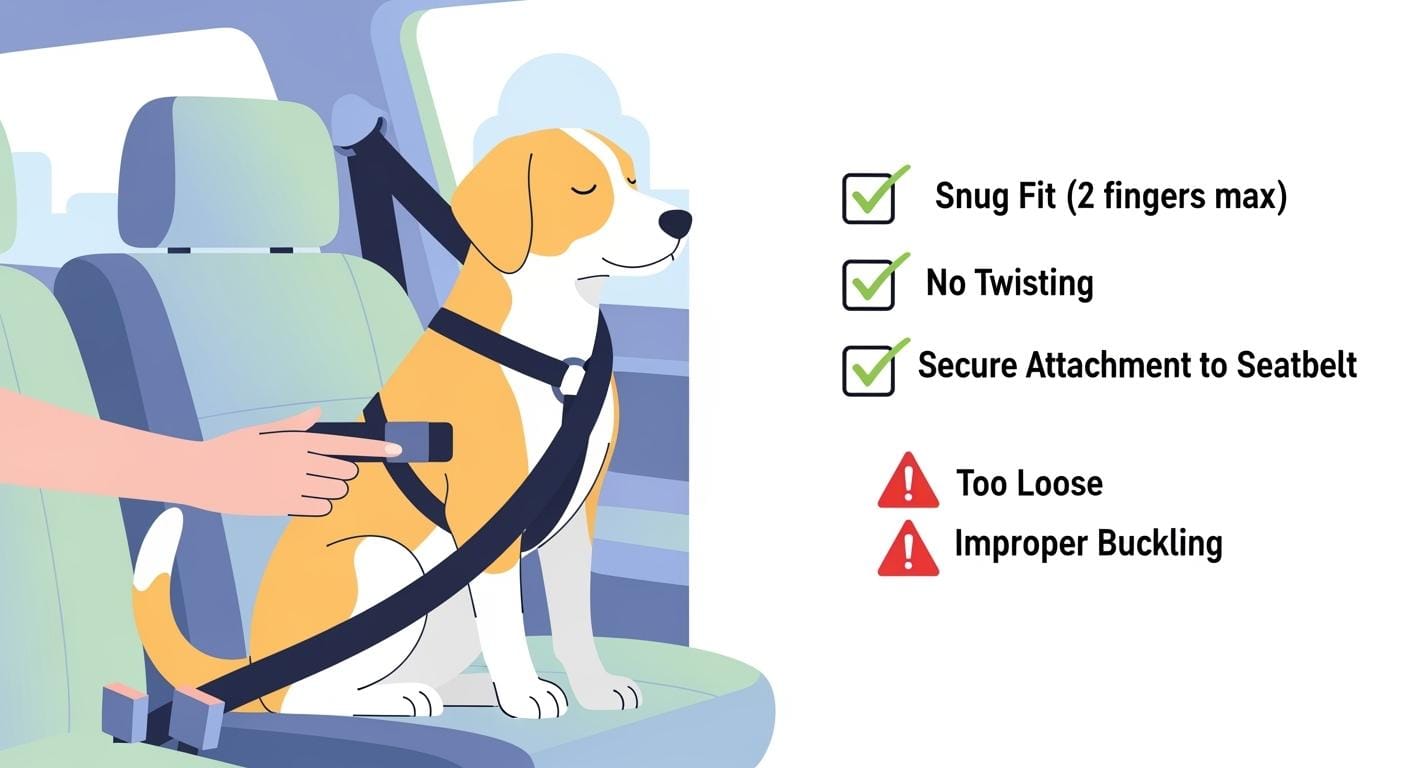
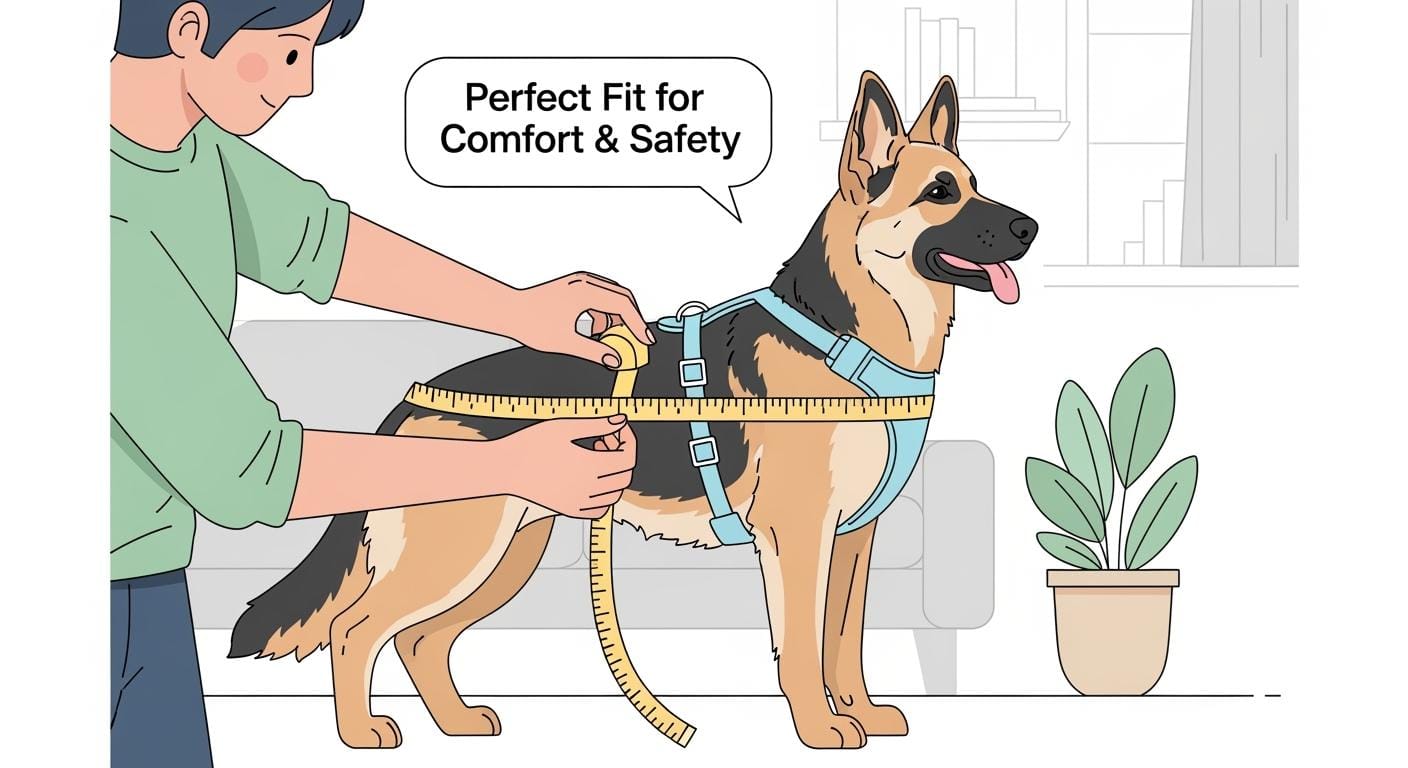
A large dog harness program wins or loses on clear listing copy. Buyers need short words that reduce wrong-size orders and disputes. This article gives ready-to-paste marketplace copy blocks, plus the cost and QA checks behind them.
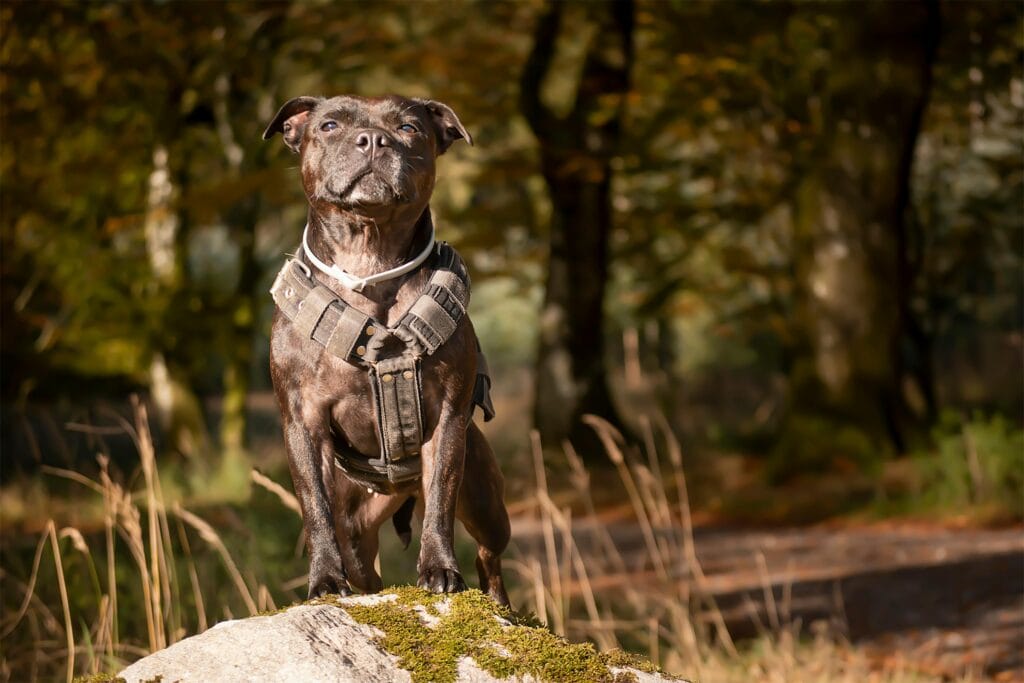
Why marketplace copy blocks matter for a large dog harness program
Takeaway: Simple, consistent copy protects margin by reducing returns and support tickets.
Large breeds create bigger fit mistakes and bigger complaints. One unclear bullet can turn into a return. That return then becomes handling cost, support time, and lost sell-through.
Buyer actions:
- Ask for one master copy sheet per SKU and size run.
- Check that copy matches packaging and labels.
- Pack the same sizing story into every channel listing.
When building the software package, please use the following internal resources:
What “cost to serve” means for a dog harness
Takeaway: Cost to serve is the cost after shipping, and distributors feel it first.
Cost to serve includes packaging work, tickets, returns, and warranty claims. It also includes small losses from relabeling and repacking. If you do not plan for it, distributor margin gets squeezed.
Use one planning set so teams stay aligned:
- Typical return rate planning band: [5-12%]
- Typical warranty claim planning band: [1-4%]
- Typical support cost per ticket: about [1-4 USD]
- Typical return handling cost: typical range [6-18 USD] per unit
- Typical packaging cost: typical range [0.8-2.5 USD] per unit
- Typical distributor margin planning band: [20-35%]
- Typical MOQ planning band: [300-1200 units] per color-size run
- Typical repeat-order lead time planning band: [45-90 days]
Buyer actions:
- Ask suppliers for defect photos and root-cause notes, not only refunds.
- Check that each claim in copy can be verified by a check.
- Measure cost-to-serve during the first 60 days of sales.
Packaging cost drivers for large dog harness listings
Takeaway: Packaging is part of your product data system, not just a box.
A large dog harness can be bulky. Packaging size can increase shipping cost and damage risk. Packaging copy can also reduce wrong-size orders.
Buyer actions:
- Check pack size, hang method, and barcode placement early.
- Ask for packaging dielines and a label text file before PO approval.
- Pack a short sizing guide inside the carton.
What changes packaging cost and damage rate
Keep packaging decisions simple and repeatable.
- Larger pack volume can increase dimensional shipping cost.
- Loose straps can kink and look “used” after transit.
- Missing size markings can trigger “not as described” claims.
A practical pack size planning band is 10-15 in x 8-12 in x 3-6 in (25-38 cm x 20-30 cm x 8-15 cm). Use this as a planning band only. Confirm against your actual pattern and folding.
Label and packaging text buyers should standardize
Match these fields across listing, carton, and insert:
- Size and chest range in dual units.
- Strap routing steps in 3 short bullets.
- Warning copy in simple words.
- Traceability fields: SKU, batch, PO code.
Warranty cost drivers and claim security copies for dog harnesses.
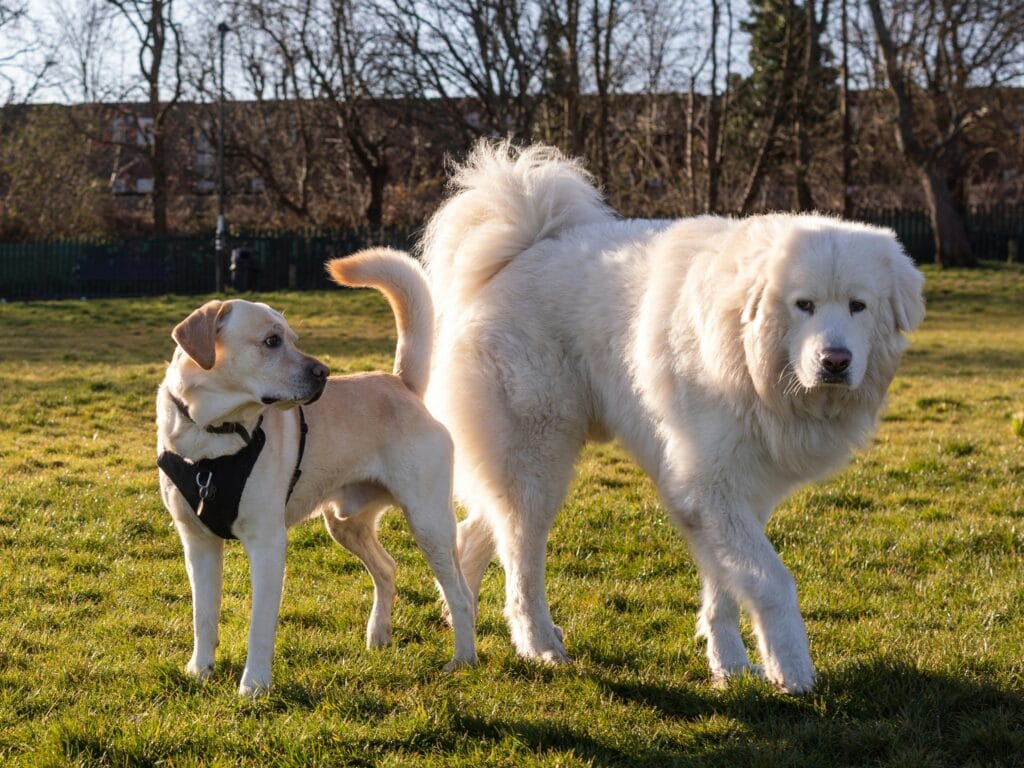
Takeaway: Warranty cost drops when your copy matches real build strength.
Large dogs create higher pull forces. Warranty claims often cluster around a few weak points. Your listing copy should describe features, not guarantee outcomes.
Buyer actions:
- Ask for reinforcement details at load points.
- Test buckles and rings for repeat cycles.
- Require a simple inspection photo set per batch.
Common warranty tickets to plan for
Use these as your top failure modes list:
- Stitch failure at D-ring or handle base.
- Webbing fray at adjustment points.
- Buckle crack, slip, or break.
- Reflective trim peeling or detaching.
- Padding edge wear that causes rubbing.
Claim-safe wording patterns for marketplaces
Use words that describe design intent and conditions:
- “Designed for controlled walking and training.”
- “Reinforced stitching at key load points.”
- “Helps improve control when properly fitted.”
- “Built for supervised outdoor use.”
Avoid absolute wording:
- Avoid “prevents escape” and use “secure fit depends on sizing and adjustment.”
- Avoid “indestructible” and use “built for durability with reinforced seams.”
- Avoid “works for all dogs” and use “fit depends on measurements.”
If your dog has health risks, it’s recommended to consult a veterinarian or a safety expert. Speak briefly and calmly.
Returns cost drivers: sizing copy that reduces wrong-size orders
Takeaway: Clear sizing steps reduce returns faster than discounts do.
Most returns are sizing or expectation mismatch, not defects. Large dog harness returns are expensive because of size and handling. Your copy blocks should lead buyers to measure first.
Buyer actions:
- Check that size ranges overlap slightly to catch in-between dogs.
- Measure chest girth first, then confirm neck and adjust range.
- Require photos and measurements before approving an RMA.
Simple sizing logic you can reuse everywhere
Use three measurement points and keep them consistent.
- Chest girth: measure behind front legs at the widest rib area.
- Neck: measure at the base of the neck.
- Back length check: confirm the harness does not sit on soft tissue.
Use a large-dog planning coverage band:
- Chest girth: 24-44 in (60-112 cm)
- Neck: 14-30 in (36-76 cm)
- Dog weight guidance: 50-110 lb (23-50 kg)
These ranges are for planning and copy structure. Confirm final size charts by sample fitting.
Restock rules that protect margin
Define restock paths so returns do not become a mystery cost.
- A-grade restock: unopened, clean, tags intact.
- B-grade restock: opened but clean, needs repack and inspection.
- No restock: damaged, contaminated, missing parts, safety concern.
Marketplace copy block library for large dog harness listings
Takeaway: Copy blocks should be short, scannable, and easy to verify.
These blocks are designed for major marketplaces and retailer PDPs. Keep each line simple. Reuse the same wording across channels.
Buyer actions:
- Ask your supplier for a spec sheet that backs each bullet.
- Check that images show the features you claim.
- Pack the same warnings into the insert and the listing.
Copy block 1: Listing title templates
Pick one title structure and keep it stable across sizes.
- Large Dog Harness – Heavy Duty Control Fit – Outdoor Travel Use
- Large Dog Harness – Reinforced Handle and D-Ring – Training Ready
- Large Dog Harness – Padded Chest Support – Secure Adjust Range
Title tips for buyers:
- Keep size and variant in the title.
- Avoid promises like “escape proof.”
- Use one core phrase per program for consistency.
Copy block 2: Short bullet set (5 bullets)
Use bullets that match real checks.
- Reinforced stitching at key load points for long-term use.
- Wide webbing and padded panels for steady fit and comfort.
- Dual attachment points for control options during training.
- Adjustable straps to fit a range of large-breed body shapes.
- Designed for supervised outdoor and travel use.
Copy block 3: Size and fit block (paste under bullets)
Use this block to reduce wrong-size orders.
- Measure chest girth first, then confirm neck.
- Chest range shown in in and cm. Use the chart before purchase.
- If between sizes, choose based on chest fit and adjustment room.
- Proper fit should not press on the throat.
Suggested size chart language using dual units:
- Chest girth: 24-44 in (60-112 cm)
- Neck: 14-30 in (36-76 cm)
- Weight guidance: 50-110 lb (23-50 kg)
Copy block 4: Materials and hardware block
Keep this short and checkable.
- Webbing width: 1.0-1.5 in (25-38 mm), size dependent.
- Reinforced seams at D-ring and handle base.
- Corrosion resistant hardware for outdoor exposure.
- Soft edge finishing to reduce rubbing.
Copy block 5: Safety and use block
This reduces disputes and unsafe use.
- Use under supervision.
- Check buckles and strap tension before each walk.
- Do not attach to vehicles or use as a towing device.
- Lead attachment should not interfere with breathing.
- For special needs dogs, recommend consulting a veterinarian.
Copy block 6: In-the-box and packaging block
This helps fulfillment teams and reduces missing-parts claims.
- Includes 1 dog harness with size and care label.
- Packaging includes a quick fit card and warning summary.
- SKU, barcode, and batch fields printed for traceability.
Copy block 7: Returns and warranty block (simple policy language)
Keep it calm and clear.
- Returns are easier when the harness is clean and complete.
- Warranty covers verified manufacturing defects.
- Normal wear, misuse, or incorrect sizing may not qualify.
- Photos of the issue and size measurements help faster resolution.
Table 1: Cost-to-Serve Breakdown for a large dog harness
Takeaway: A simple cost table helps you price and negotiate with confidence.
How to read this table:
- Column 1 is the cost area.
- Column 2 is what usually causes the cost.
- Column 3 is what buyers can do to reduce it.
- Column 4 is a planning band in USD.
| Cost area | Stays high when… | Buyer control action | Typical planning band |
|---|---|---|---|
| Packaging | Pack is bulky, labels mismatch listings | Simplify pack, lock label text, reduce volume | typical range [0.8-2.5 USD] per unit |
| Handling | Too many pack steps, relabeling | Standardize packout and carton labels | about [0.5-2 USD] per unit |
| Returns | Size chart unclear, copy overpromises | Dual-unit sizing, fit steps, calm claims | typical range [6-18 USD] per return |
| Warranty | stated durability exceeds real build | Reinforce load points, batch photos, CAPA | warranty rate planning [1-4%] |
| Support | back-and-forth questions, missing info | Require measurements and photos for cases | about [1-4 USD] per ticket |
Buyer actions:
- Use this table in your distributor quote review.
- Tie discount tiers to service scope and return policy.
Table 2: Pricing Waterfall to protect distributor margin
Takeaway: A waterfall shows where margin is lost and where to fix it.
How to read this table:
- Column 1 is the step.
- Column 2 is what it represents.
- Column 3 is a simple example range.
- Column 4 is the buyer action tied to that step.
| Step | What it represents | Typical planning band | Buyer action |
|---|---|---|---|
| 1. List price | Starting wholesale list | about [35-55 USD] | Set by positioning and size run |
| 2. Trade discount | Distributor discount tier | typical range [25-40%] | Tie to volume and service level |
| 3. Landed cost | Unit cost plus freight and duty | typical range [12-20 USD] | Confirm incoterms and pack volume |
| 4. Allowances | Promo, co-op, chargeback buffer | typical range [3-6 USD] | Document rules and proof needs |
| 5. Cost-to-serve | Returns, support, warranty reserve | from Table 1 planning | Reduce with sizing copy and QA |
| 6. Target margin | Distributor gross margin goal | planning band [20-35%] | Adjust list if costs rise |
Buyer actions:
- Run a conservative scenario using return rate [12%].
- Run a best-case scenario using return rate [5%].
- Keep the same assumptions across channels.
Operational checklist for buyers and content teams
Takeaway: A short checklist prevents long disputes and relisting work.
Use this checklist before you publish listings. Use it again before each reorder. Keep it in your sourcing pack.
Buyer actions to request from suppliers:
- Master spec sheet with size chart in in and cm.
- Hardware spec and reinforcement map for load points.
- Packaging dielines and label text file for approval.
- Batch traceability fields: SKU, batch, PO code.
- Inspection plan using AQL (a basic defect-check rule), if your team uses it.
Buyer actions to check at receiving:
- Packaging condition and label readability.
- Strap adjustment range across sizes.
- Buckle function and ring attachment.
- Stitch quality at D-ring and handle bases.
- Copy alignment: size and warnings match packaging.
Buyer actions to print on packaging and inserts:
- Dual-unit size chart and measurement steps.
- Calm safety notes that avoid guarantees.
- Care steps in plain words.
- Support intake rules: measurements and photos for cases.
FAQ
What is the best title format for a large dog harness listing?
Use a short title with product type, size intent, and one key feature. Keep wording stable across sizes. Avoid promises like “escape proof.”
Which attributes reduce returns the most for large dog harness sales?
Size chart clarity is the biggest lever. Use dual units and simple measurement points. Add a short “between sizes” rule.
What claims are safer for marketplaces?
Describe features and design intent. Use wording like “reinforced stitching” and “designed for supervised use.” Avoid absolute safety or durability promises.
How should distributors handle warranty claims for dog harnesses?
Require photos, proof of purchase, and a short description of use. Separate defects from normal wear. Track repeat issues by batch for CAPA work.
What is a practical return workflow for large dog harness programs?
Ask for chest and neck measurements before approving a return. Use restock grades for clean versus damaged items. Keep the same rules across channels.
How can we protect distributor margin when returns rise?
Use a pricing waterfall and budget cost-to-serve. Reduce avoidable returns with sizing copy and packaging alignment. Adjust list price when costs change.
What should buyers ask a supplier before the first PO?
Ask for a master spec sheet, packaging dielines, and a reinforcement map. Ask how defects are tracked and fixed. Request a sample set across the size run.
Where should we start inside StridePaw?
Start with the category page and pick a heavy-duty option. Then review the sizing guide and QA notes. Use the RFQ page to request samples and a quote.