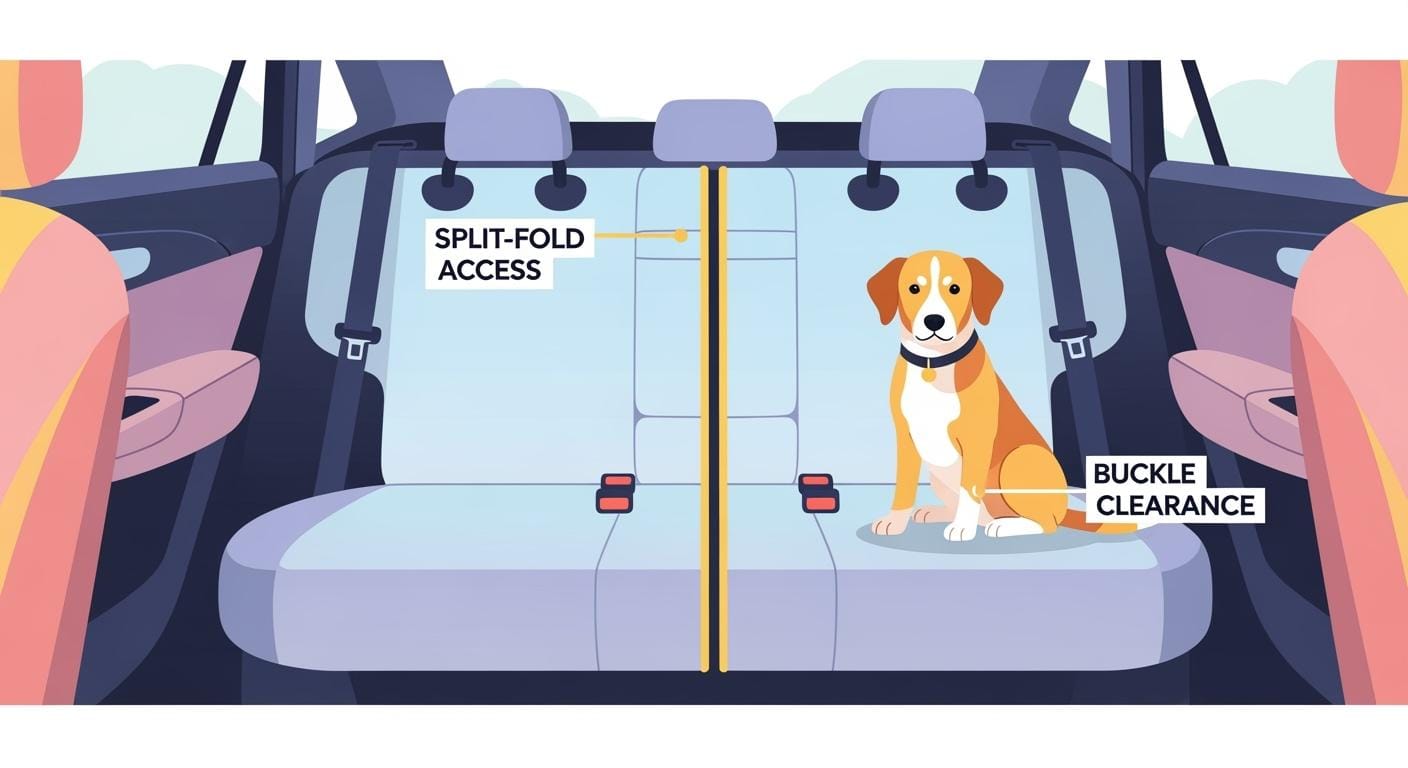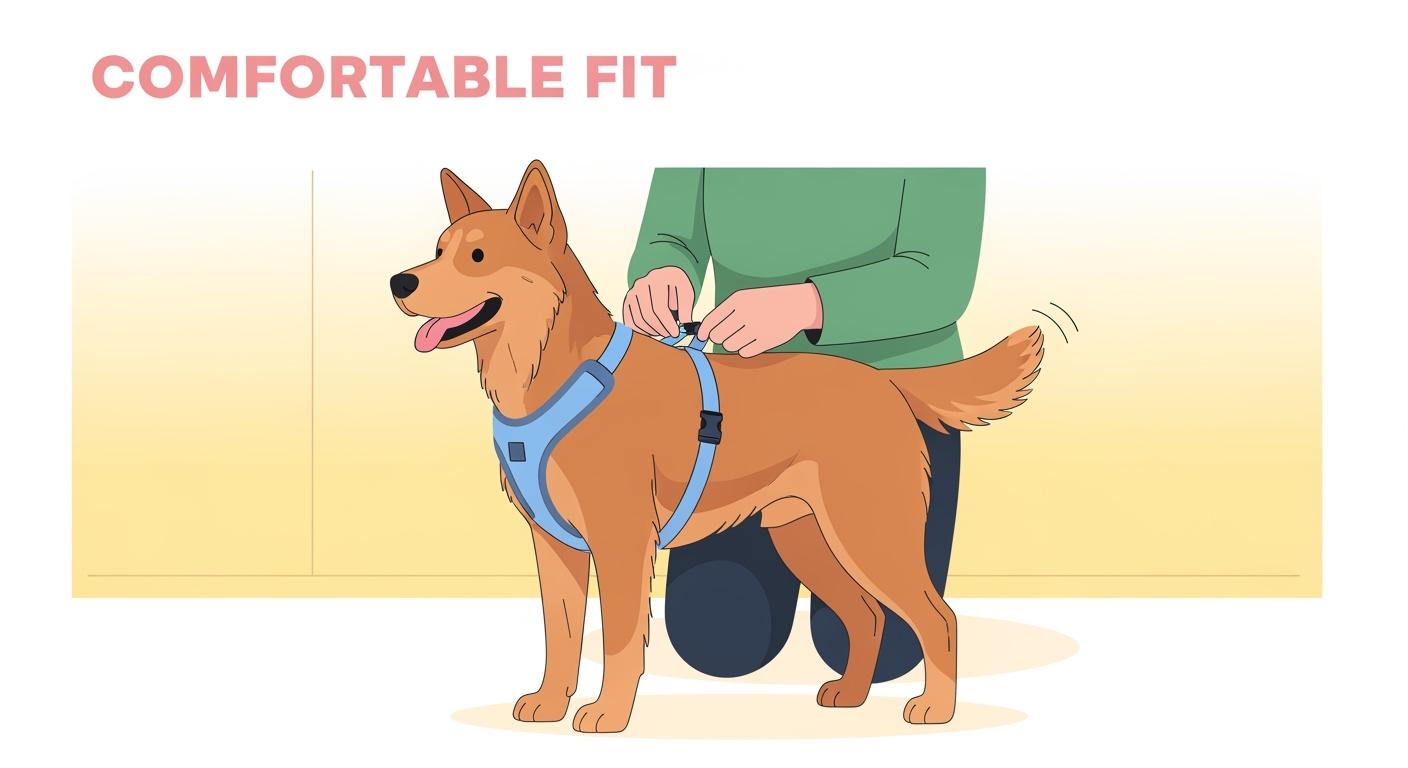
You want your dog to move freely and stay safe with a properly fitted dog harness. The right dog harness for dogs should prevent rubbing, slipping, and restriction. Poor fit can lead to muscle tension, pain, and limit your dog’s movement. You may notice changes in posture or behavior. Always check key fit points to protect your dog’s comfort. This guidance helps you find a safe fit, but consult your vet for pain or a trainer if your dog escapes.
Tip: Watch for signs of discomfort like redness or limping and adjust the harness as needed.
Key Takeaways
Ensure a proper fit by using the two-finger rule under each strap. This prevents discomfort and allows for safe movement.
Check for signs of rubbing or restriction after walks. Adjust the harness if you notice redness or limping.
Choose a harness that allows full shoulder movement. This supports your dog’s mobility and prevents pain.
Regularly measure your dog’s girth and neck. This helps you select the right size and adjust for growth.
Consult a professional if your dog escapes or shows signs of distress. They can help you find the best harness style.
Quick Fit Solutions
Common Fit Problems
You may notice three common dog harness fit issues: rubbing, slipping, and restriction. Rubbing often happens when straps twist or sit too close to the armpit. Slipping can occur if the girth strap sits too far forward or the harness lacks stability. Restriction usually results from straps crossing the front of the shoulder or sitting too high. You can prevent these problems by checking the strap path and making sure the harness stays centered.
Tip: Slide two fingers under each strap to check for a comfortable fit. Adjust the straps so they do not pinch or twist.
Here is a quick table to help you spot and fix rubbing:
Key Factor | Description |
|---|---|
Chest Bridge Length | Measure from sternum to belly strap. Too short may cause rubbing. |
Belly Strap Position | Keep about one hand’s width from the front leg to avoid rubbing. |
Chest Strap Fit | Allow freedom of movement to prevent rubbing on the elbow. |
When a Harness Isn’t Right
If you see redness, hair loss, or your dog refuses to move, the harness may not fit well. Some dogs need harnesses with multiple adjustment points or softer materials. Measure your dog’s neck and chest girth before buying a harness. Look for ergonomic designs that allow full range of motion. If your dog backs out of the harness or shows panic, consider a different style.
For pet owners and business readers: Prepare 3-5 details about your dog’s size, activity level, and any special needs before choosing a harness.
Safety & Pro Help
Always check for signs of rubbing or restriction after walks. If your dog limps, coughs, or shows hot spots, stop using the harness and reassess the fit. You should consult a veterinarian for pain or a trainer if your dog escapes often. Front-clip and dual-clip harnesses can help with training and reduce strain. Make sure you can fit two fingers under every strap and that the harness does not rub or chafe.
Need help? Reach out to a professional for advice on harness fit and safety.
Business readers: Consider offering harness fitting guides to your customers for better safety and comfort.
dog harness for dogs Fit Points
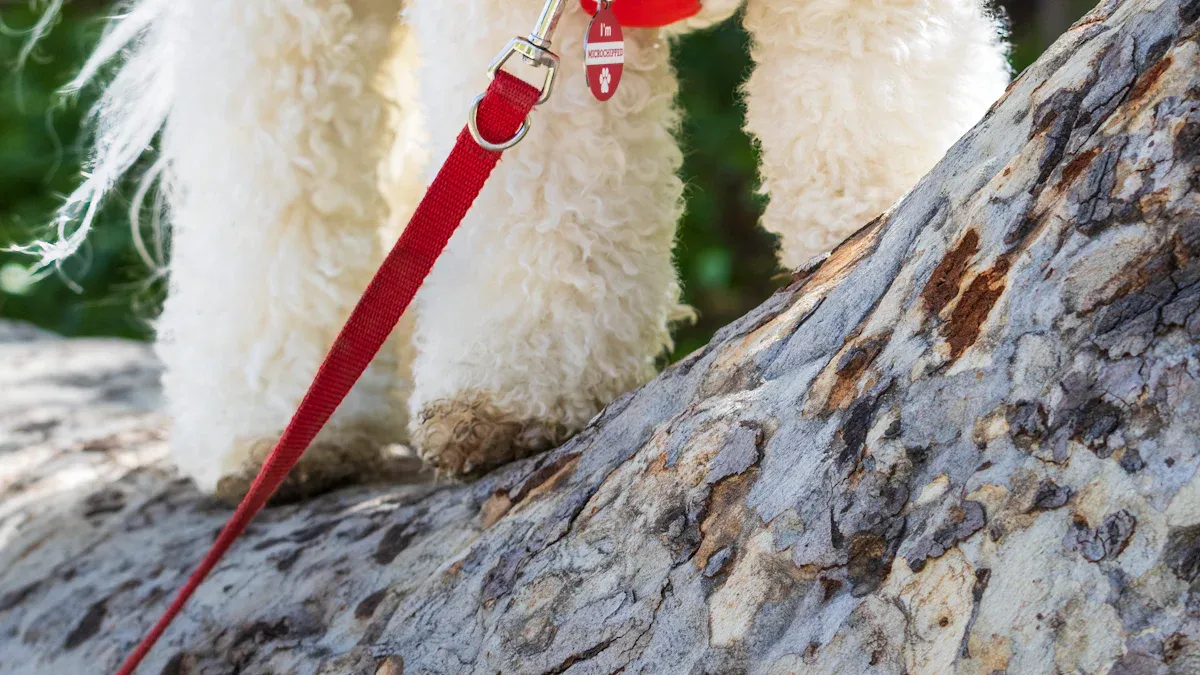
A well-fitted dog harness for dogs protects your dog’s comfort and health. You need to check several key fit points to ensure shoulder clearance and freedom of movement. Each fit point helps prevent rubbing, slipping, and restriction.
Chest & Sternum Placement
You should place the chest strap so it sits flat across the sternum, not riding up into the throat. The strap path must follow the natural curve of the chest. Measure around the deepest part of the chest and the base of the neck before you select size. Always use the two-finger rule and the 3-finger rule to check for snugness. You want the harness to stay in place but not press on sensitive areas. Wide padded straps can help distribute pressure and reduce the risk of irritation.
Tip: Observe your dog’s behavior after fitting. If you see reluctance to move or signs of discomfort, adjust the harness or try a different style.
Armpit Clearance
Check that the harness leaves enough space between the straps and the armpits. The strap should not cut into the moving area. You can slide two or three fingers between the strap and the armpit to confirm clearance. This prevents rubbing during stride and protects the skin. Dogs with breed-specific anatomy may need extra room for proper fit.
Girth Strap & Twist Resistance
The girth strap should sit securely around the rib cage, not sliding forward or riding up. Multiple buckle points offer adjustability for a custom fit. You should check that the harness does not twist or roll when your dog turns. Twist resistance keeps the harness centered and stable. Slide two fingers under the girth strap to confirm it is snug but not restrictive. If the harness shifts or rubs the armpits, adjust the straps for better fit.
Shoulder Freedom Check
You must ensure the harness does not block the front of the shoulder. The shoulder blade rotates by about 35 percent during forward limb motion. The chest strap should allow the shoulder blades to move freely. Use the 3-finger rule to check for space at the shoulder. If the harness restricts movement, reposition the straps or select a different size. Most no-pull harnesses can limit shoulder movement, so test for freedom of movement before regular use.
Fit Checklist for dog harness for dogs:
Place chest strap flat across sternum
Confirm armpit clearance with 2-3 fingers
Position girth strap on rib cage, not sliding forward
Check twist resistance during turns
Test shoulder freedom with 3-finger rule
Observe for signs of discomfort or restricted movement
Movement Test Routine:
Walk your dog and watch for rubbing near the armpits.
Turn your dog to check for twisting or shifting.
Ask your dog to sit and stand to see if the harness rides up.
Let your dog shake to check for looseness or rotation.
If you notice any problems, adjust the strap path or try a different harness style. Always monitor for signs of irritation, hair loss, or limping.
Need help? Pet owners and business readers should prepare 3-5 details about your dog’s size, activity level, and special needs before choosing a dog harness for dogs. This helps you match the right fit and adjustability for your dog’s breed-specific anatomy.
proper harness fit Test & Adjustments
Quick Fit Routine
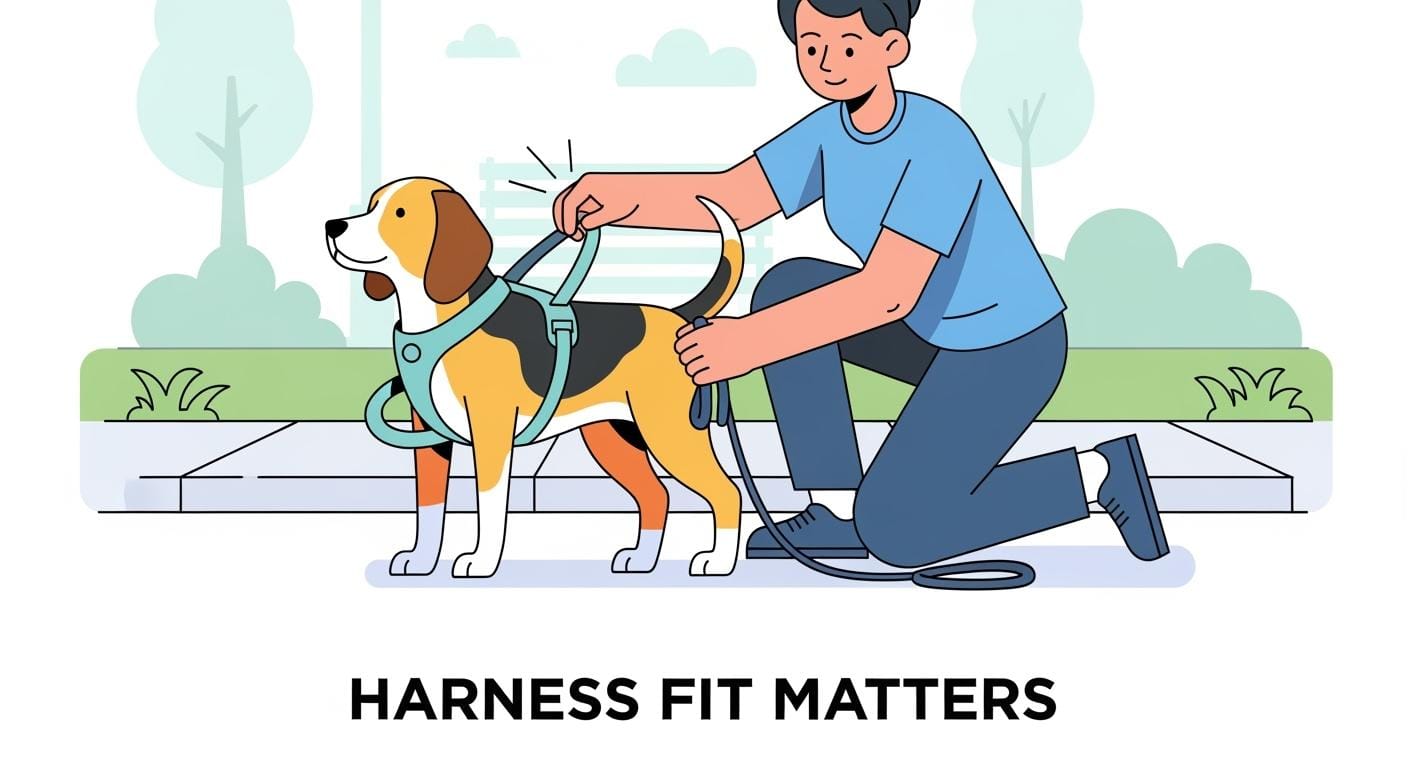
You want your dog to move with ease and stay safe. Start every fitting by laying the harness flat and untwisting all straps. Call your dog calmly and let them step into the loops. Lift the harness so the chest strap sits across the breastbone. Fasten the back clip and check that the harness sits just behind the shoulders. Run your hands along the straps to make sure they lie flat and smooth. Attach the leash and observe your dog’s posture.
Follow this movement test routine to check for proper harness fit and mobility:
Walk your dog and watch for smooth strides. Look for any signs of limited mobility.
Turn your dog gently to see if the harness twists or shifts.
Ask your dog to sit and stand. Notice if the harness rides up or pinches.
Let your dog shake. Check for looseness or rotation.
Tip: Always measure your dog’s chest girth at the widest part behind the front legs. Use a sizing chart and pick the larger size if your dog is between sizes.
Here is a table of common mistakes and how to avoid them:
Common Mistakes | Solutions |
|---|---|
Guessing instead of measuring | Always measure your dog’s chest girth at the widest part just behind the front legs. |
Ignoring breed and body shape | Use the sizing chart and apply the boundary rule: choose the larger size if between sizes. |
Measuring at the wrong spot | Measure the chest girth just behind the front legs and the neck at the base where a collar sits. |
Choosing style over fit | Ensure the harness is adjustable and fits your dog’s body comfortably. |
Overlooking adjustability | Look for adjustable straps if your dog is between sizes. |
Not accounting for growth or coat changes | Recheck the fit every 7 days until your dog’s size is stable. |
Skipping fit checks | Always do a two-finger check at contact points to ensure comfort and safety. |
Pet owners and business readers: Prepare 3-5 details about your dog’s size, activity level, and any special needs before choosing a harness. This helps you match the right fit for your dog.
Rubbing Troubleshooting
Rubbing can cause discomfort and skin problems. You can solve most rubbing issues by adjusting the strap path and checking for twist. Here are the steps:
Check that straps do not cross the shoulders or press into the armpits.
Watch your dog walk. If you see short steps or hesitation, the harness may cause friction.
Inspect your dog’s skin after walks. Look for redness or marks at pressure points.
Adjust one strap at a time by 1-2 inches. Test mobility after each change.
Make sure the harness stays centered and does not rotate.
If rubbing continues, try a different harness style or add a soft cover to the straps. Never rely on padding alone. Always address the cause first.
Slipping & Escape Fixes
If your dog slips out or escapes, the harness may be too loose or unstable. Take these steps to improve security:
Measure your dog’s girth and neck before each fitting.
Loosen all straps before placing the harness on your dog.
Slide the harness over the head and secure the chest clip.
Tighten the neck and girth straps for a snug fit. You should fit two fingers under each strap.
Check for twisting or bunching. Straps should lie flat.
Let your dog walk, sit, and stretch. Watch for shifting or signs that the harness rides up.
Recheck the fit after five minutes.
If your dog repeatedly escapes, consider a different harness design. Seek help from a professional trainer for escape behavior.
Need help? Reach out to a trainer or your local pet store for fitting support.
Shoulder Restriction Fixes
Shoulder restriction limits your dog’s mobility and can cause pain. You can fix this by repositioning the harness and checking strap angles. Follow these steps:
Make sure the chest strap sits below the base of the neck and does not block the shoulder blades.
Use the three-finger rule to check for space at the shoulder.
If you see limited mobility or your dog takes short steps, loosen the chest strap and move it back.
Check for excess webbing at the collarbone. If you can pinch slack, tighten the strap.
Choose a harness with angled shoulder straps and even weight distribution for better movement.
If your dog still shows signs of limited mobility, try a different harness style that allows more freedom.
Tip: Always test mobility after each adjustment. Watch for smooth walking, turning, and stretching.
If you notice redness, limping, or refusal to move, stop using the harness and consult your veterinarian.
Business readers: Offer harness fitting guides to your customers for better safety and comfort.
Ongoing Comfort & Safety
Check your dog’s harness often to keep them safe and comfy. Look at the harness and your dog’s skin every week for puppies. For adult dogs, check once a month. Watch for early signs like red skin or missing fur. These checks help you stop problems before they get worse.
Chafing & Hot Spot Mistakes
Chafing is a common problem. You might see red skin or fur loss behind the shoulders or under the arms. Chafing happens when straps are too close to the armpit or twist when your dog moves. Some mistakes are picking size by weight only, skipping movement tests, or ignoring early signs of pain. Always look for chafing after walks. Add a soft lining or try a new harness if you see sore spots.
Issue | Signs to Watch For | Solution |
|---|---|---|
Chafing or rubbing | Redness, hair loss, sore spots | Add soft lining, trim fur, adjust strap path |
Harness rides up | Straps dig into armpits | Adjust belly strap, reposition chest strap |
Safety note: Stop walking if you see chafing or limping. Take off the harness and let your dog’s skin heal.
Escape Risk Mistakes
Dogs can escape if the harness does not fit right. Your dog may slip out if straps are too loose or the harness moves sideways. Mistakes include using only the back clip for strong pullers, making straps too tight, or missing pressure points. Watch for scratching at the harness or trying to escape. Tighten all straps and try a Y-style front-clip harness for narrow-chested dogs.
Indicator of Escape Risk Mistakes | Description |
|---|---|
Dog tries to escape | Discomfort or poor fit |
Straps dig into skin | Improper fitting, increases escape risk |
Twisting or slipping | Reduces coverage, leads to sore spots |
Pet owners and business readers: Write down 3-5 facts about your dog’s size, activity, and needs before picking a harness.
Shoulder Range Mistakes
If the harness blocks the shoulders, your dog cannot move well. Mistakes include straps over the shoulder blades, harnesses that choke, and skipping the movement test. You might see your dog walk stiffly or not want to walk. Always check that your dog can move their shoulders and adjust the harness for a better fit.
Tip: Watch your dog on walks. If you see head tucking or short steps, change the harness or try a new style.
Replace or Retire Signs
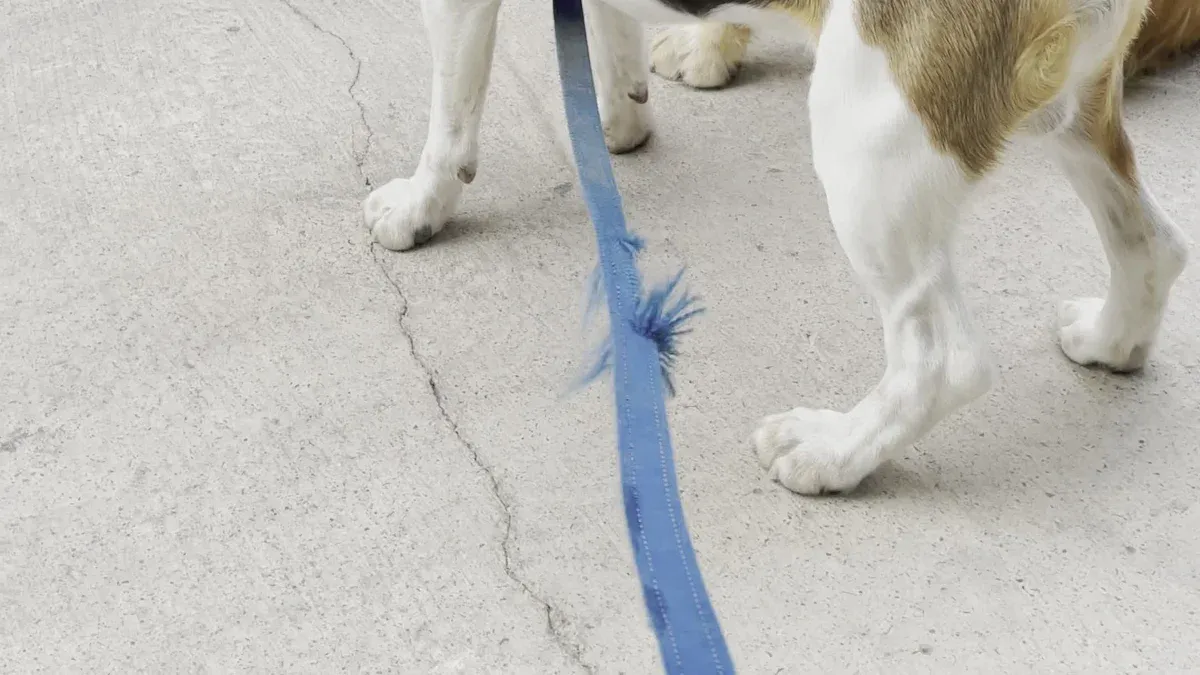
Get a new harness if you see fraying, broken stitches, stretched straps, or broken clips. Damaged harnesses can hurt your dog or make it easy to escape.
Never use a broken harness.
Do not leave your dog alone in a harness.
Clean and dry the harness often.
Stop using the harness if your dog coughs, panics, or will not move.
Ask your vet about pain or a trainer if your dog escapes a lot.
Avoid harnesses that block shoulders or choke.
Do not use a harness for severe reactivity.
Check the fit again after your dog gains or loses weight.
Need help? Ask a pro for tips on harness fitting.
Picking the right harness and checking it often keeps your dog safe and comfortable.
You help your dog stay healthy and comfortable by checking harness fit often. Use accurate measurements and the two-finger rule to prevent discomfort and escape. Watch for awkward walking, harness shifting, or chafing marks. Choose the best dog harness for your dog’s needs and adjust straps for shoulder freedom.
A well-fitted harness with ergonomic design supports daily walking and long-term joint health.
Poor fit can cause rubbing over nerves, limit stride, and lead to chronic issues.
Regular fit checks and limiting wear time protect your dog’s joints and skin.
Put your dog’s well-being first. Safe harness fit means happier walks and better health.
FAQ
Need more help? Pet owners and business readers: Write down 3-5 facts about your dog’s size, activity, and special needs before choosing a harness. This helps you find the safest fit and style.
How can I prevent leash rubbing on my dog’s harness?
Check that the harness straps do not twist or press into the armpits. Adjust the strap path for a smooth fit. Use the two-finger rule at all contact points. Watch for red skin or fur loss after walks.
Why does my dog escape from the harness?
Your dog may escape if the harness is too loose, unstable, or the wrong style. Measure your dog’s chest and neck before fitting. Tighten all straps so you can fit two fingers underneath. Try a different harness style if escapes continue.
How do I check for shoulder restriction?
Watch your dog walk, turn, and stretch. The harness should not block the shoulder blades. Use the three-finger rule at the shoulder. If you see short steps or stiff movement, adjust the harness or try a new style.
What should I do if my dog is between harness sizes?
Choose the larger size if your dog is between sizes. Look for a harness with adjustable straps. Measure your dog’s chest and neck at the widest points. Recheck the fit every week, especially for growing dogs.
When should I switch harness styles or consult a trainer?
Switch harness styles if you see redness, limping, or escape attempts. Consult a trainer if your dog panics, refuses to walk, or escapes often. Ask your vet about pain or skin problems.