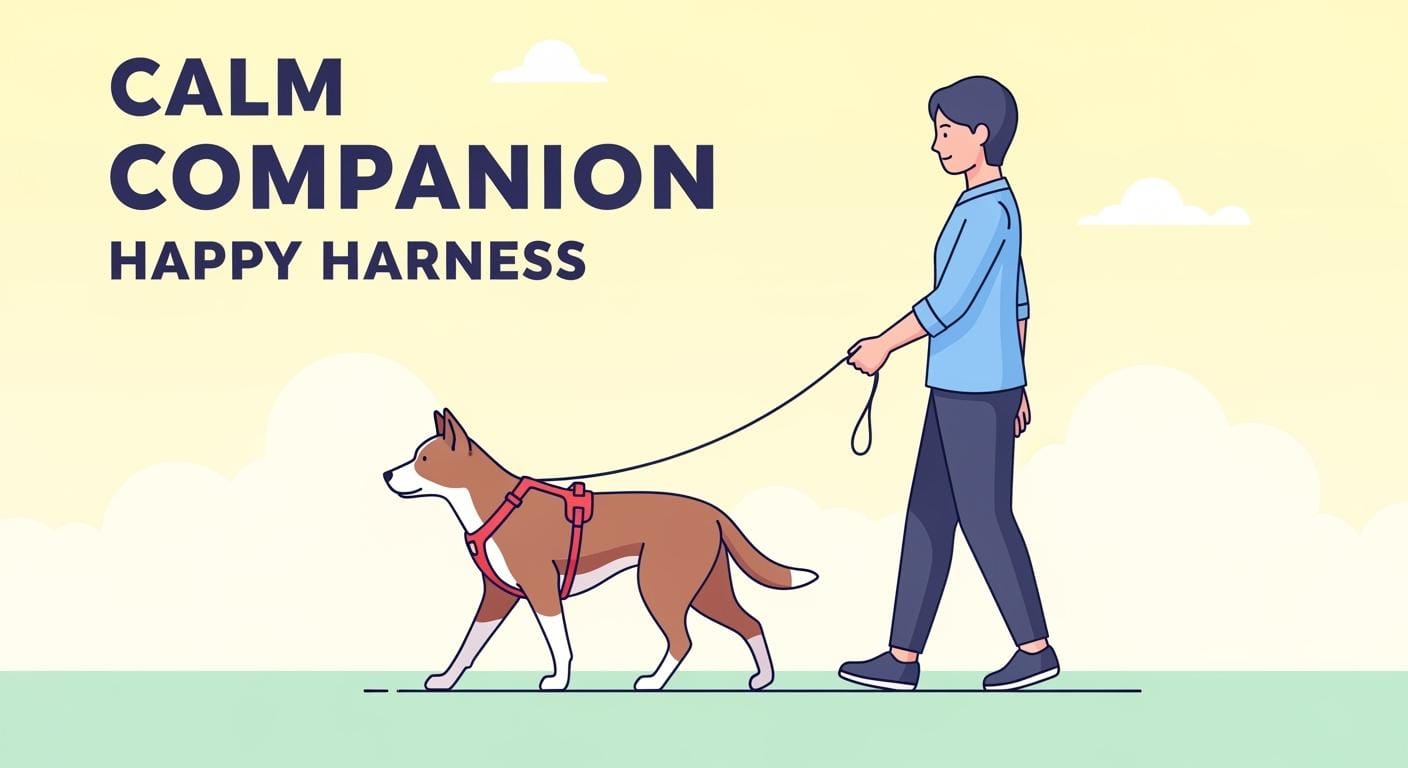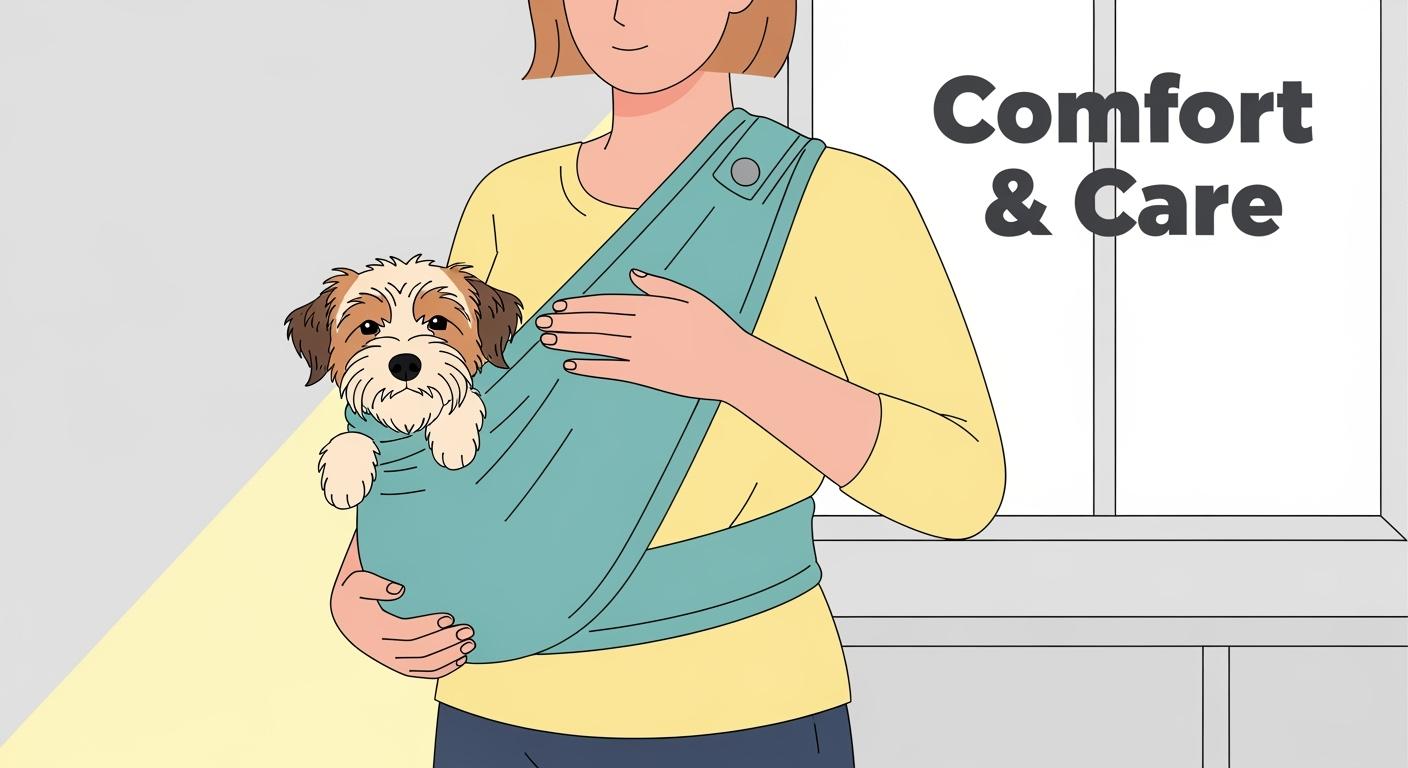
A dog carrier sling can be a comfortable way to carry a small dog for short errands, quick trips, or crowded places. To choose the right one, focus on three things: fit (size + weight), support (posture + airway), and materials (breathability + easy cleaning). This guide gives simple checks you can do at home before you rely on a sling outside.
Safety note: Stop using a sling if your dog shows breathing trouble, repeated escape attempts, pain, skin injury, heavy distress, or if your dog cannot stay upright with a neutral spine. Dogs with mobility or breathing issues may need a structured carrier or veterinarian guidance.
When a sling is a good idea and when it is not
Slings work best when your dog is calm and the carry time is short. They are not a “one tool for every trip.” Use the table below to decide quickly.
| Situation | Sling works well when… | Choose a different carrier when… |
|---|---|---|
| Short errands | Your dog is small, calm, and settles quickly. | Your dog paws to escape, thrashes, or refuses to enter. |
| Crowded places | You need hands-free carry and close monitoring. | You need long-duration carry with strong posture support. |
| Recovery / senior support | Your dog needs light help for brief transitions. | Your dog slumps, twists, or needs firm body support for longer periods. |
| Hot weather | Short trips with breathable fabric and frequent checks. | Your dog overheats easily or the sling traps heat against the chest. |
Fast decision rule: If you cannot keep your dog centered and upright for a 2–3 minute walk test, switch to a more structured carrier.
Choose the right size: measurements and weight limits
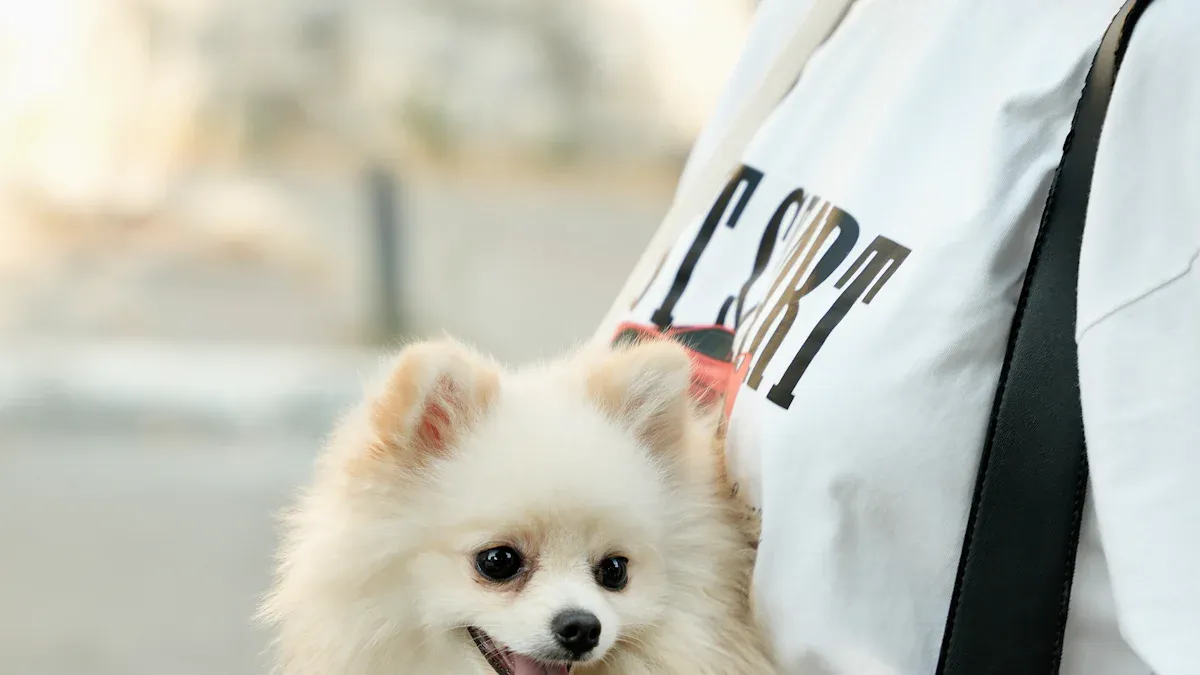
Measure three things first
- Chest girth: wrap a soft tape around the widest part of the chest, just behind the front legs.
- Body length: measure from the front of the chest to the base of the tail (standing).
- Current weight: use a recent, accurate number.
Label limit vs comfort range
A sling can have a “maximum weight limit,” but your comfortable carry range may be lower. If the sling sags, the strap digs into your shoulder quickly, or your dog cannot stay upright, you are above the practical comfort range even if the label says it is allowed. If you want a deeper breakdown of weight limits, carry positions, and care, use that guide before you commit.
Size chart red flags
- “One size fits all” without measurements and adjustment range.
- No clear weight limit, or the limit is unclear.
- No explanation of how your dog should sit (upright vs curled) inside the sling.
Support and carry position: keep breathing easy and posture stable

Airway and head position checks
- Your dog’s head stays above the edge (no chin pressed into fabric).
- The nose and mouth are not blocked by the sling opening.
- Breathing looks normal (no constant heavy panting or panic).
Support zones that prevent slumping
A good sling supports the chest, belly, hips, and spine evenly. Your dog should stay centered with a neutral spine. If the hips sag or the spine curls into a “C,” the sling is not supporting your dog well enough.
Front, side, and crossbody carry
| Carry position | Best for | Watch-outs | Quick setup cue |
|---|---|---|---|
| Front | Small dogs and short trips where you want easy monitoring | Can feel warm; can block your view if too high | Keep the opening high enough for free head/neck |
| Side (hip) | Quick errands when you need more arm freedom | Can swing if loose; harder to see posture | Keep the dog tight to your hip and centered |
| Crossbody | Heavier dogs within comfort range; longer carries | Twisting strap causes shoulder pain; rolling if loose | Keep strap flat and spread load across torso |
30-second posture test: Lift slowly, confirm head is free, confirm spine is neutral, then walk 10–20 steps. If the sling rolls, bounces, or your dog slumps, stop and reset.
Materials and safety features that matter for real-life use
Breathable fabric is for heat control, not just comfort
Breathable fabric and stable mesh panels can reduce heat buildup during short trips. If your dog overheats easily, shorten carry time and choose a setup that keeps air moving.
Strap width and padding affect your shoulder and stability
- Wider straps usually feel more stable and reduce shoulder pressure.
- Padding helps, but unstable carry position still causes rubbing and strain.
- A strap that twists is a warning sign: flatten it or adjust carry position.
Use a harness tether, not a collar tether
If the sling includes an internal tether, attach it to your dog’s harness rather than a collar. This reduces neck pressure if your dog shifts or tries to climb out.
If you plan to fly or use strict transit rules
Slings are not always accepted for in-cabin travel. If flying is on your plan, use an airport checklist and confirm current carrier rules for your specific flight.
FAQ
How do I know if a sling fits my dog?
Your dog should stay centered and upright with the head free and breathing easy. If your dog slumps, slides toward the opening, or the sling rolls when you walk, the fit is not stable.
Can I use a sling for long walks?
Slings are best for short carry periods. Longer carry time increases heat and pressure points. If you need long-duration carry, choose a more structured carrier that spreads weight and supports posture.
What are the first warning signs of discomfort?
Watch for constant squirming, heavy panting, repeated attempts to climb out, slumping, or rubbing at the edges. Stop, lower your dog safely, and reset fit or switch carrier types.
How do I keep a sling cleaner between washes?
Shake out grit, wipe contact zones, and air dry fully after wet trips. Dry grit and moisture are common causes of rubbing and odor.