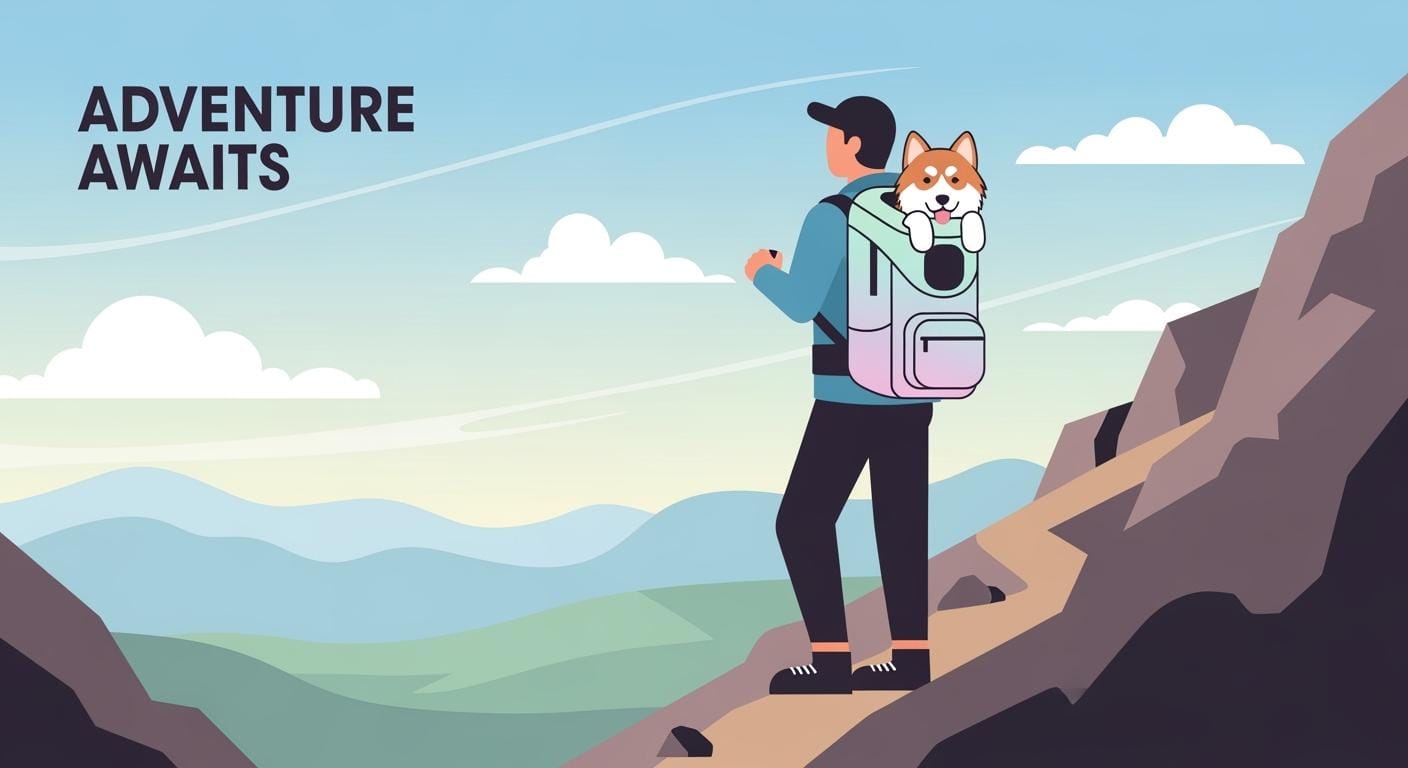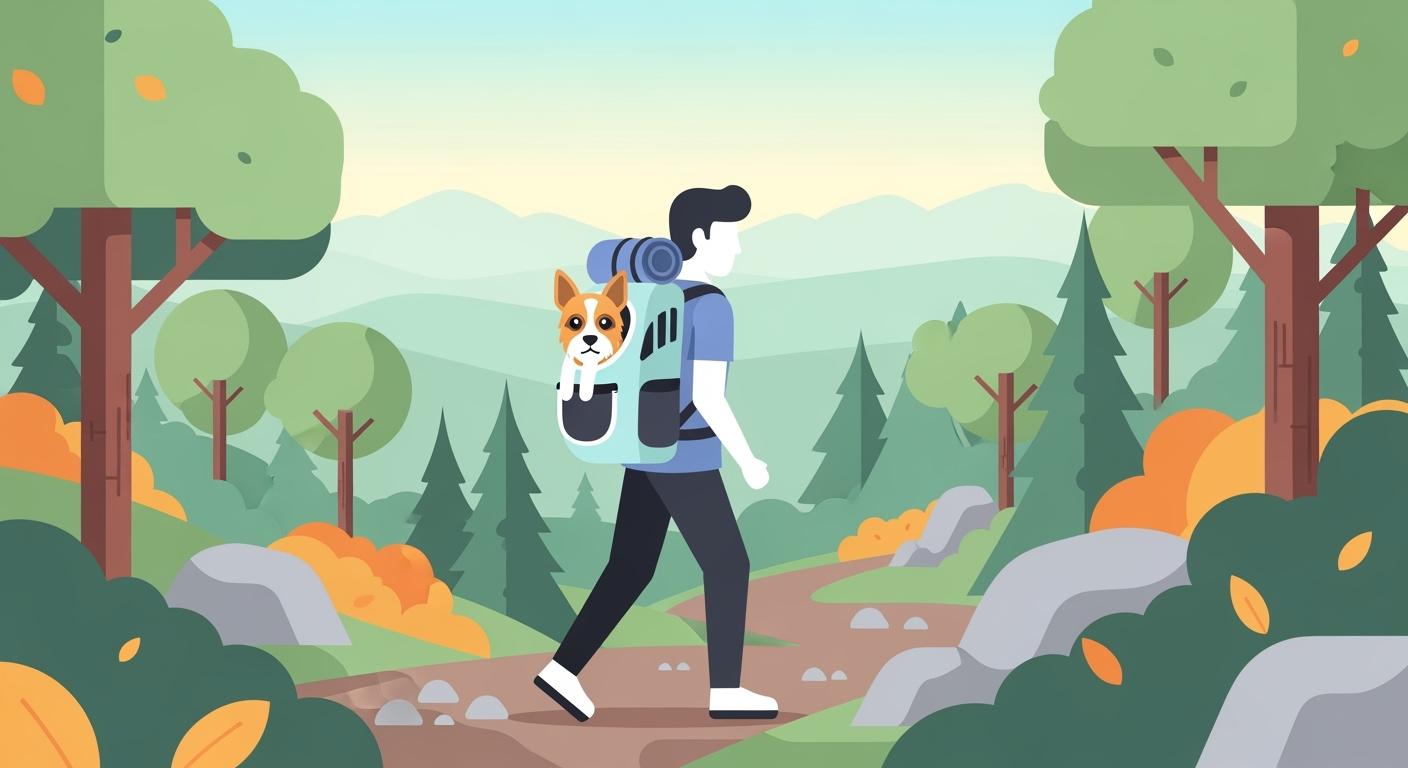
A dog carrier backpack small helps when it solves one clear trail problem without creating a second one. It can get a tired dog through rocky steps, hot ground, or crowded stretches that are awkward for short legs. It can also become a bad choice fast if the pack traps heat, swings with each step, or leaves your dog bracing instead of resting. Before you treat the backpack as part of the day’s plan, check whether dogs are allowed on that trail at all, because pet access rules vary by park and route. Then judge the pack by one real-world question: after a few minutes of climbing, turning, stopping, and setting it down, does it still feel like relief?
| Relief | Risk |
|---|---|
| Gets a small dog through rough or tiring sections without forcing more trail strain | Heat and sway can build quietly while you keep moving |
| Buys your dog a short recovery window on terrain that is a poor match for short legs | Poor posture can turn the carry into constant bracing instead of actual rest |
You should judge a dog carrier backpack small by what your dog looks like once the trail starts changing, not only by how tidy the backpack looks while standing still.
Key Takeaways
- Pick a dog carrier backpack that fits your dog and stays stable on your body. On the trail, a cleaner carry usually matters more than extra storage or added bulk.
- Use the backpack for specific sections, recovery stretches, or awkward terrain, not as a default replacement for walking.
- Recheck heat, sway, and posture after climbs, sharper turns, or warmer sections. A setup that feels fine at the start can feel very different later.
When to use a dog carrier backpack small
When a trail carry actually helps
A dog carrier for hiking makes the most sense when your dog needs help for a section, not for the whole day. That usually means steep steps, loose rock, hot surfaces, crowded crossings, or the point where your dog is clearly losing rhythm and would benefit from a reset. It can also help when the dog is willing but the trail asks for more climbing, longer stepping, or more exposure than short legs handle comfortably.
The backpack is most useful when it removes strain without asking the dog to sit in an awkward position for too long.
Tip: Think of the backpack as a section tool, not a default mode. It works best when it solves a specific part of the hike.
When a slower pace or longer break is better
Sometimes carrying is not the better answer. If your dog is still moving well, the trail is manageable, and the real issue is only pace, a leash break or a longer stop may do more good. Some dogs recover better when they can stand, sniff, drink, and settle on their own rather than being confined. That is especially true when the dog keeps readjusting inside the carrier or never fully relaxes after loading.
Not every tired-looking moment means “pick the dog up.” Sometimes it means “slow down, let the dog reset, then reassess.”
Comparison table: backpack, leash break, base-camp rest
| Use Case | Main Benefit | Main Watchout | Who Should Skip It |
|---|---|---|---|
| Small hiking backpack | Keeps you moving while the dog gets a short carry break | Heat, sway, and posture still need active checking | Dogs that cannot settle inside or show clear confinement stress |
| Front carry | Keeps the dog visible and easy to monitor for short stretches | Can tire the human quickly and affect balance | Longer trail sections where your own footing matters more |
| Leash or shade break | Lets the dog recover without confinement | May not be enough if the dog is already done for the day | Dogs that clearly need transport for the next section |
| Base-camp crate or rest spot | Gives the dog a more settled recovery area | Only helps once you stop moving | Trail segments where you still need active transport |
Start backpack work at home, not on trail day. A dog that already understands loading and settling gives you much clearer feedback outside.
Trail risks: heat, sway, and airflow in hiking carrier for dogs
Main risks of backpack dog carriers on trails
You want your dog to enjoy hiking, but dog backpacks can create problems that do not show up right away. Heat is one of the biggest ones. A backpack can feel airy when empty and much warmer once the dog is inside and the trail effort increases. Sway is another problem. If the carrier moves too much with each step, the dog stops resting and starts bracing. The third issue is body position. If the dog sits too deep, too upright, or too loosely, the backpack stops feeling like relief and starts feeling like work.
The point is not to avoid backpack carriers completely. It is to catch these issues early instead of letting them build into the whole hike.
Pass/fail checklist for fit and trail use
Here is a practical check before and during a hike:
| Check Item | Pass Signal | Warning Signal | What to Do |
|---|---|---|---|
| Entry and loading | Dog enters without a long struggle and settles within a short pause | Dog resists, twists, braces hard, or never relaxes once loaded | Slow down, reset fit, and reassess whether this carrier style is right |
| Body position inside | Dog sits or rests in a stable posture without leaning hard | Dog crouches, leans, or keeps correcting position | Improve support or stop the carry before that posture turns into strain |
| Airflow | Dog stays calm and panting settles on a short pause | Heavy panting, drooling, agitation, weakness, or a dog that stops responding normally | Stop, move to shade, cool down, and do not continue until the dog settles |
| Carrier sway | Backpack stays close and steady through turns | Backpack bounces or swings with every step | Retighten, rebalance, or reduce trail difficulty before continuing |
| Set-down stability | Carrier lands flat and stays predictable | Carrier tips, rolls, or feels awkward on uneven ground | Choose a flatter stop point and recheck the load before the next section |
| Back-out check | Dog stays securely inside without working loose | Dog can push backward, lift free space, or create an escape path | Refit before continuing or end the carry if the match is wrong |
Test loading, unloading, and a short walk at home first. Then recheck again on the trail after the first climb, warmer section, or harder turn. That is usually where problems start showing up.
Common mistakes and real trail consequences
Most backpack problems come from small choices that grow over time. People ignore a slightly loose fit, overfill the pack, keep hiking after the dog starts panting harder than expected, or assume mesh alone guarantees enough airflow. Those choices are what turn a useful break tool into a bad carry experience.
| Symptom | Likely Cause | Quick Check | Fix |
|---|---|---|---|
| Carrier sways or bounces | Loose fit or poor load balance | Walk a short loop and watch the pack from the side | Retighten and simplify the load |
| Dog crouches or shifts constantly | Weak base support or poor interior position | Set the pack down and watch how the dog sits after a short carry | Improve support or shorten the session |
| Dog pants hard or seems dull | Heat buildup or poor airflow in real use | Stop in shade and see whether breathing and attention settle | Cool down and stop the carry if the dog does not recover promptly |
| Carrier tips on uneven ground | Narrow or unstable set-down point | Set the pack down twice and compare balance | Choose steadier rest spots and recheck the load before lifting again |
| Dog struggles or tries to back out | Bad fit, poor shape match, or rising stress | Watch posture during loading and the first minute of movement | Stop and reassess before continuing |
Note: If your dog shows heavy panting, unusual drooling, weakness, disorientation, obvious distress, or trouble moving after the carry, stop and reassess. If those signs do not settle quickly, contact your veterinarian.
Backpacks with less sway and a steadier carry usually feel better for both dog and human. A cleaner carry reduces the need for constant bracing and makes short trail sections more predictable.
Failure signs and comfort and safety features
Warning signs: reluctant loading, sag, drift, heat
You should pay attention to the early signs, not only the obvious ones. A dog that hesitates to get in, goes rigid inside, pants sooner than expected, drools more than usual, or refuses to settle is giving you useful feedback. Sag matters too. If the base drops once the dog is inside, the whole carry usually feels worse within minutes. Drift matters because a backpack that keeps moving on your body is rarely giving the dog a stable ride.
Choosing backpack dog carriers with comfort and safety features
When you pick a backpack for your dog, the useful features are the ones that still help after the trail starts:
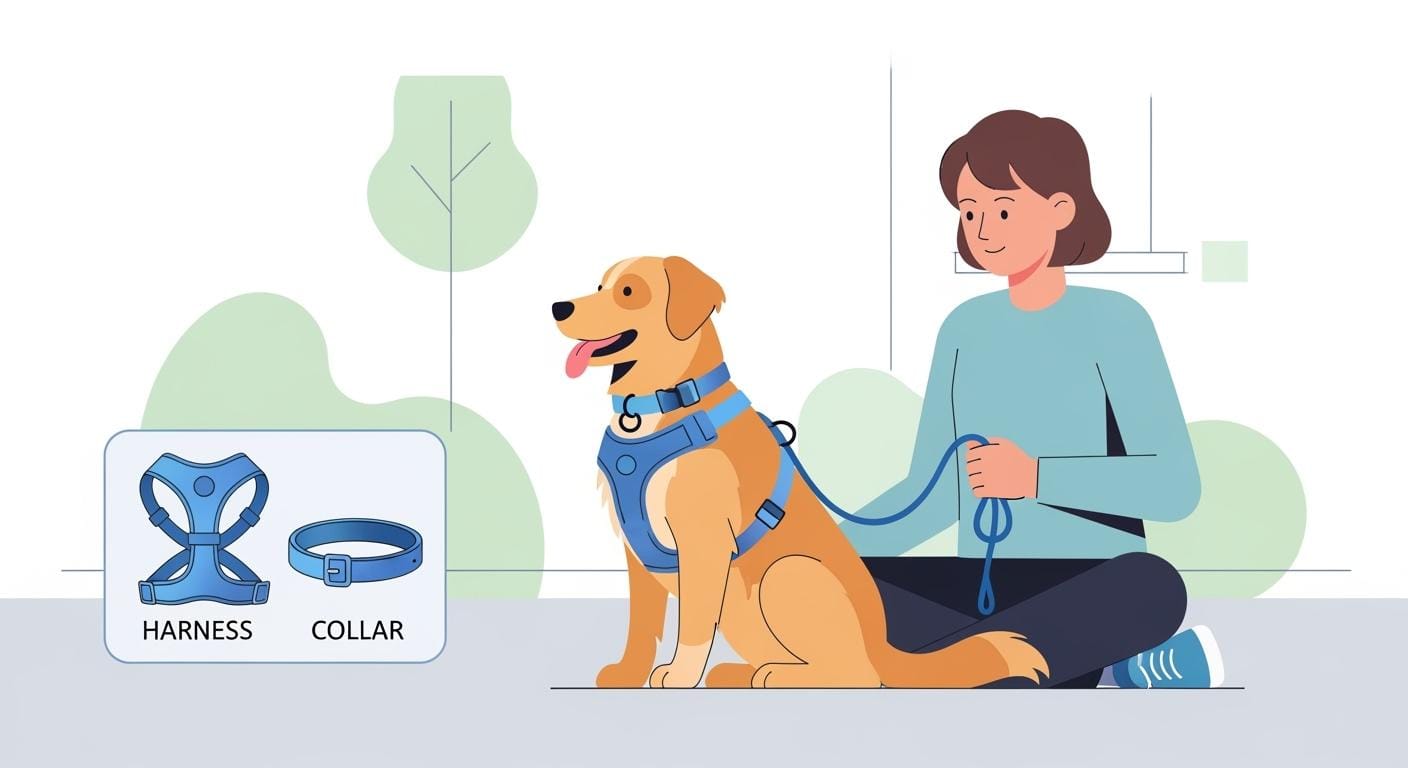
- padded shoulder straps and a usable chest connection that keep the load from shifting higher and looser as you move
- a waist belt that helps stabilize the pack instead of just adding another strap
- a base that stays supportive under the dog instead of turning into a hammock
- an inside tether that works with a harness and does not create a loose, sloppy setup
- zippers and closures that stay secure once the pack is loaded and warmed up
- mesh and openings that still allow airflow during real movement, not only while standing still
- a liner you can remove and clean after dirt, sweat, or trail dust build up
The best feature list is not the longest one. It is the one that still works when the pack is warm, dusty, and being used for real trail transitions.
Relief and risk on real trail days
The same backpack can feel like relief in one situation and risk in another. It can help a tired small dog through a rocky stretch, then become a bad choice if you keep using it through a hotter, longer climb. It can work well for short recovery carries and still be a poor fit for repeated long uphill sections. It can also be the wrong answer entirely on routes where dogs are restricted, even if carrying seems easier than walking.
That is why trail judgment matters more than blanket rules. A good day with a dog carrier backpack small usually means you keep checking whether the pack is still helping. A bad day usually starts when the pack stops helping and no one notices fast enough.
Tip: Reassess after terrain or rule changes. A backpack that felt fine on flatter trail may feel much worse once the hike turns steeper, hotter, more uneven, or enters an area with different pet restrictions.
You can make hiking with a small dog safer when you treat the backpack as one part of the trail plan rather than the whole plan. The right dog carrier backpack small should stay stable, breathable, and manageable enough that your dog actually gets relief instead of trading trail strain for carry strain. If the route rules do not allow pets, or the dog stops coping well with heat, sway, or posture, the better decision is to stop relying on the backpack and change the plan.
FAQ
How do you know if your dog is too hot in a carrier backpack?
Watch for heavy panting that keeps rising, unusual drooling, agitation, weakness, or a dog that seems less responsive than normal. Move to shade, stop the carry, cool the dog, and do not keep hiking until those signs settle.
Can you use a small dog carrier backpack for puppies?
Sometimes, but the label alone is not enough. The puppy still has to tolerate the position, settle inside the pack, and stay comfortable for only short sessions. Start slowly and judge the puppy’s response instead of assuming the smaller body size makes it fine.
What should you do if your dog resists getting into the backpack?
Go back to home practice. Let your dog explore the backpack calmly, reward easy entry, and avoid making trail day the first full test. If the dog continues to brace, twist, or panic during loading, reassess whether this carrier style is the right match.