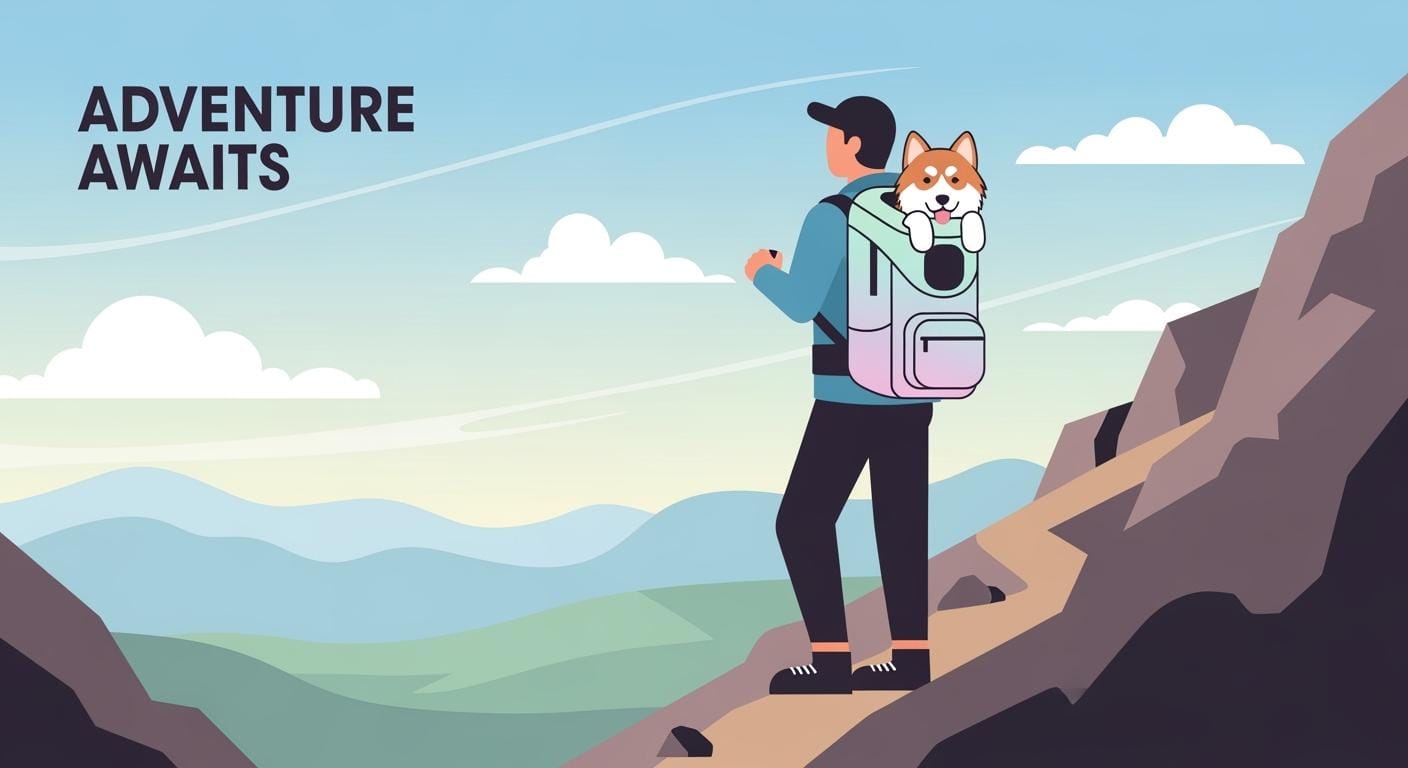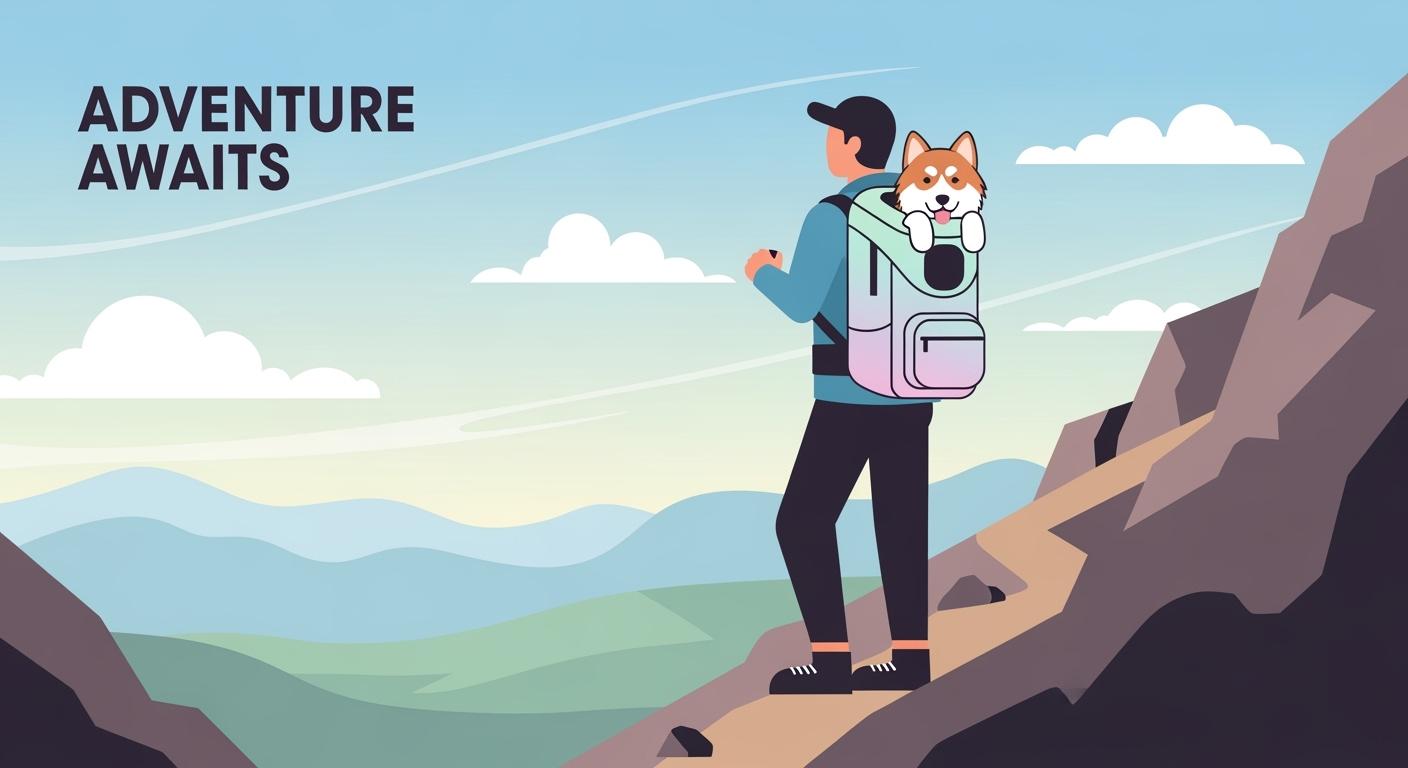
A dog carrier backpack for hiking can make steep climbs easier when your dog is tired, cautious on rough footing, or simply not built for a long uphill push. The same carrier can become harder to manage once the trail turns downhill, because descents shift more weight forward and make balance, sightline, and load control more important. The right choice is not “always carry” or “always let the dog walk.” It is knowing when the carrier helps, when it starts getting in the way, and when you need to stop and reassess.
| What the Carrier Can Help With | What You Still Have to Manage |
|---|---|
| Gives the dog a short break on steep climbs | Heat, airflow, and the dog’s comfort inside the pack |
| Keeps a small or tired dog moving through short hard sections | Your own balance, visibility, and downhill control |
| Helps when rough terrain is harder than the dog can safely handle | Route planning, rest breaks, and gradual conditioning |
Key Takeaways
- A dog carrier backpack can be useful for short uphill sections when your dog needs support or recovery time.
- Downhill sections are often harder on the handler than climbs because the load shifts forward and balance becomes more sensitive.
- Always watch for heat, stress, poor posture, and restlessness. A carrier is a trail-management tool, not a replacement for training, conditioning, or veterinary guidance.
Dog Carrier Backpack for Hiking: Uphill Help or Let Your Dog Walk?
Benefits of using a carrier on climbs
You may want a hiking carrier when the uphill section is steep, rocky, or simply longer than your dog can handle comfortably. Carrying can help if your dog is small, fatigued, recovering from a mild trail setback, or showing that the climb is becoming more work than the dog can safely enjoy.
A carrier usually helps most when:
- The uphill section is short enough that carrying is a break, not the whole hike.
- Your dog can settle calmly inside the backpack instead of fighting it.
- You can still see the trail well and keep the load close to your body.
- The dog is tired but not in medical distress.
You should think of a hiking backpack as a way to manage specific trail segments, not as proof that the dog is ready for any route. If your dog needs to be carried for most of the climb, the hike may be too ambitious for that dog, that weather, or that stage of conditioning.
Tip: Use the carrier for a defined reason such as a steep ascent, loose rock, or a short recovery stretch. Do not let “we brought the pack” turn into “we ignored the dog’s limits.”
When walking is the better choice
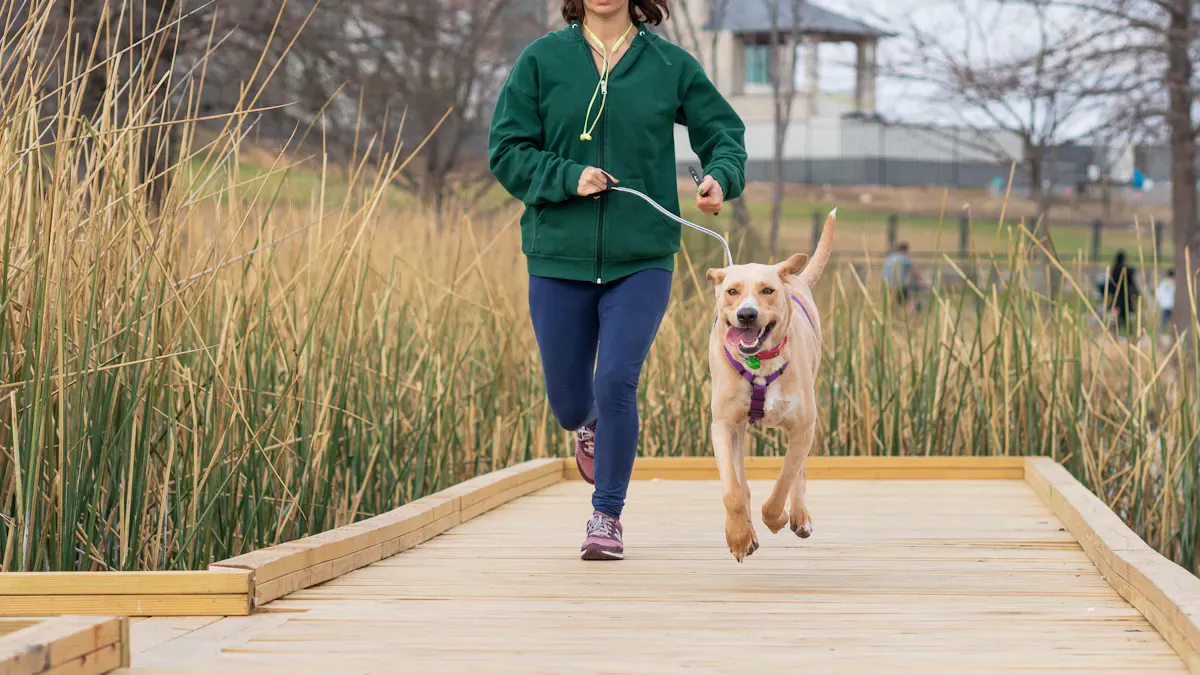
You should let your dog walk when the terrain is manageable, the dog is moving well, and the conditions do not suggest heat stress, panic, or fatigue. Walking gives your dog a chance to use its own body, pace, and footing instead of staying confined in a pack for too long.
Walking is usually the better choice when:
- The trail is moderate and your dog is handling it comfortably.
- Your dog is steady on leash and not stumbling, freezing, or lagging.
- The weather is mild enough that your dog is not already overheating.
- You are building fitness gradually instead of trying to skip conditioning.
If you are hiking with a puppy, a senior dog, an overweight dog, or a dog with breathing, joint, or mobility concerns, use extra caution before treating the trail like a normal conditioning day. Warm-weather exercise carries more risk for overweight pets and short-nosed breeds, and very young or older dogs often need a shorter, slower plan than healthy adult dogs in full condition.
Note: If your dog shows pain, breathing strain, weakness, fear, or repeated refusal to continue, stop and reassess. This article is not a substitute for veterinary advice.
Comparison Table: Carrier vs Front Carry vs Leash Break vs Rest Stop
| Use Case | Main Benefit | Main Watchout | Who Should Skip It |
|---|---|---|---|
| Dog carrier backpack for hiking | Keeps you moving while your dog gets a short carry break | Heat, sway, and posture need active checking | Dogs that cannot settle inside or show confinement stress |
| Front carry | Keeps the dog visible for very short sections | Can tire you quickly and affect balance | Longer trail sections where footing matters more |
| Leash or shade break | Lets the dog recover without confinement | May not be enough if the dog is already done for the day | Dogs that clearly need transport for the next section |
| Base-camp rest spot | Gives the dog a more settled recovery area | Only helps once you stop moving | Trail segments where you still need active transport |
A hiking carrier for dogs is a management tool, not a substitute for route planning or your dog’s own fitness. A good carrier fit matters because loose straps, poor torso balance, and bad dog positioning all become bigger problems once the trail gets steeper.
Hiking Carrier for Dogs: Downhill Risks and Load Shift
Common downhill challenges with a dog carrier backpack
Descending with a dog in a carrier often feels different from climbing with the same load. Gravity pulls you forward, the pack may feel heavier than it did on the way up, and your view of the trail can narrow if the carrier rides too low or sits too far away from your back. Even a stable setup uphill can start to sway more once the trail points down.
You need to pay closer attention on descents if:
- The trail is steep, loose, rocky, or uneven.
- The dog shifts inside the carrier during each step-down.
- The carrier sits high enough or low enough to affect your sightline.
- You already feel your own footing getting cautious or unstable.
Downhill is also where handler fatigue becomes more obvious. If the carrier starts pulling your shoulders, pitching you forward, or making you shorten your steps unnaturally, that is not just an inconvenience. It is a signal that the descent is becoming harder to control safely.
Tip: Before a long descent, stop and recheck the pack. Downhill is not the time to “hope it stays centered.”
Pass/Fail Checklist: Safe downhill carry
Use this checklist before you commit to a longer downhill section.
| Step | What to Check | Pass | Fail |
|---|---|---|---|
| 1 | Carrier sits close and centered on your back | ✅ | ❌ |
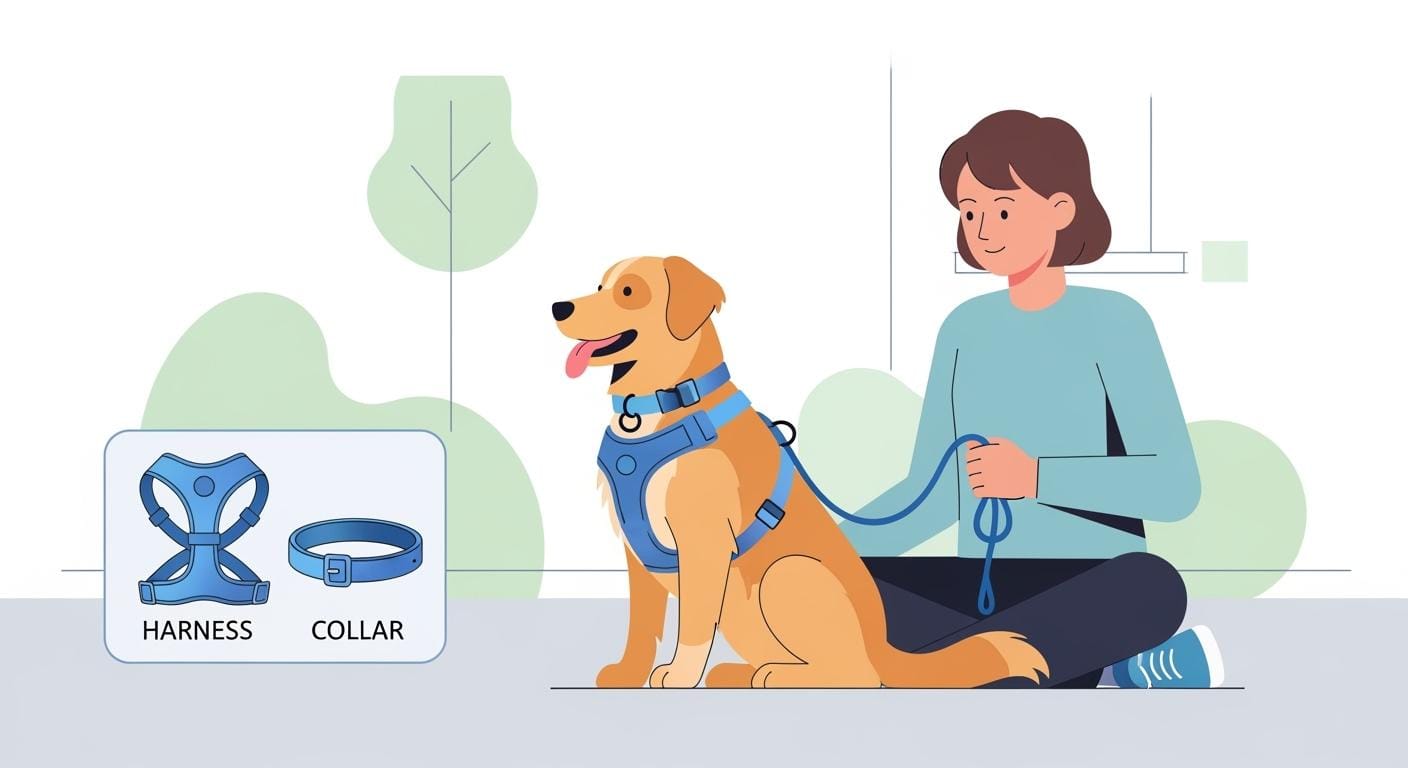
| 2 | Dog is tethered to a harness, not a neck collar | ✅ | ❌ |
| 3 | Ventilation feels adequate for current weather | ✅ | ❌ |
| 4 | Dog looks calm instead of twisting or bracing | ✅ | ❌ |
| 5 | Straps are snug without obvious pinching or drift | ✅ | ❌ |
| 6 | No loose gear is shifting inside the carrier | ✅ | ❌ |
| 7 | You can still see your footing and trail line clearly | ✅ | ❌ |
Alert: Offer water regularly, increase breaks in heat or exposed terrain, and pay attention to early signs of overheating such as excessive panting, weakness, vomiting, or diarrhea.
Troubleshooting Table: Fixes for downhill issues
| Symptom | Likely Cause | Quick Check | Fix |
|---|---|---|---|
| Swaying or tipping | Load not centered or straps too loose | Check strap tension and dog position | Tighten straps and re-center the load |
| Dog restless or whining | Discomfort, fear, or overheating | Check airflow, posture, and body heat | Stop, offer water, rest in shade, and reassess |
| Carrier shifts side to side | Uneven weight or poor fit | Gently test side movement while standing still | Rebalance the pack before continuing |
| You cannot see your feet well | Carrier height or shape blocks your view | Check your sightline on level ground | Adjust height or shorten the carried section |
| Dog pants heavily or drools | Heat load is too high | Check gums, behavior, and body temperature feel | Stop the hike, cool the dog, and seek veterinary help if signs escalate |
| Dog refuses to settle | Anxiety, poor acclimation, or pain | Watch for trembling, bracing, or attempts to escape | End the carry and return to easier practice or walking |
Note: If your dog shows pain, breathing strain, or fear, stop and let them rest. This advice does not replace medical care. Ask your veterinarian if you are unsure whether your dog is fit for this kind of hike.
Failure Signs and Mistakes with Dog Carrier Backpacks on Hikes
Warning signs: sway, pull, and dog discomfort
You should stop treating the carrier as “helpful” once it starts creating obvious control problems. Look for these warning signs:
- The carrier sways or bounces more with every step.
- Your dog twists, braces, or tries to back out.
- You find yourself leaning too far forward or shortening every step downhill.
- Your dog pants hard, looks dull, or stops responding normally.
- The pack drifts to one side or feels unstable on uneven ground.
If you see any of these, stop and check the setup. A hiking carrier should make trail management easier, not harder.
Common mistakes and real consequences
Many hiking problems start with the same few mistakes:
- Using a carrier that does not match the dog’s size or the handler’s body.
- Skipping acclimation and expecting the dog to settle immediately on the trail.
- Taking puppies, seniors, or deconditioned dogs on routes that are too long or too steep.
- Ignoring heat, exposed terrain, or paw-pad wear until the dog is already stressed.
These mistakes can lead to overheating, panic inside the carrier, poor balance for the handler, and a dog that associates the pack with stress instead of relief.
Tip: If you need the carrier often, practice with it before the trail. Reward calm entry, short settled carries, and quiet exits so the dog learns the pack is a predictable recovery space, not a surprise restraint.
When to stop and reassess during hiking
You should pause and rethink the plan when the trail, weather, or dog’s condition is asking more than the current setup can safely handle.
| Criteria | What to Watch | Why It Matters |
|---|---|---|
| Dog’s age | Puppies and older dogs usually need shorter, easier outings | Young and senior dogs often tolerate load and terrain less well |
| Breed and body type | Some dogs overheat faster or struggle more with rough terrain | Body shape and coat affect tolerance and recovery |
| Physical condition | Fitness, weight, past injuries, and breathing comfort | These affect whether the dog should walk, ride, or stop |
| Signs of fatigue | Heavy panting, slowing down, stumbling, refusal to continue | These are early stop signals, not things to push through |
| Weather conditions | Heat, direct sun, humidity, cold wind, or slippery descents | Conditions can change what felt manageable at the trailhead |
| Break quality | Whether the dog actually recovers during stops | A dog that never recovers is telling you the plan is wrong |
FAQ
How do you keep your dog calm in a carrier during hiking?
Start with short practice sessions before real hikes. Let your dog enter voluntarily, reward calm behavior, and end early before the dog becomes frustrated. Dogs usually settle better when the carrier is familiar before the trail gets hard.
What should you do if your dog overheats while hiking?
Stop right away, move to shade, offer water, and reassess before continuing. If your dog becomes weak, vomits, has diarrhea, or seems increasingly distressed, seek veterinary help immediately.
Can you use a dachshund carrier for all hiking trails?
No carrier is right for every trail. A smaller breed may still need an easier route, shorter duration, and more caution around heat, steep descents, and rough footing. Always match the carrier plan to the dog, the weather, and the trail itself.