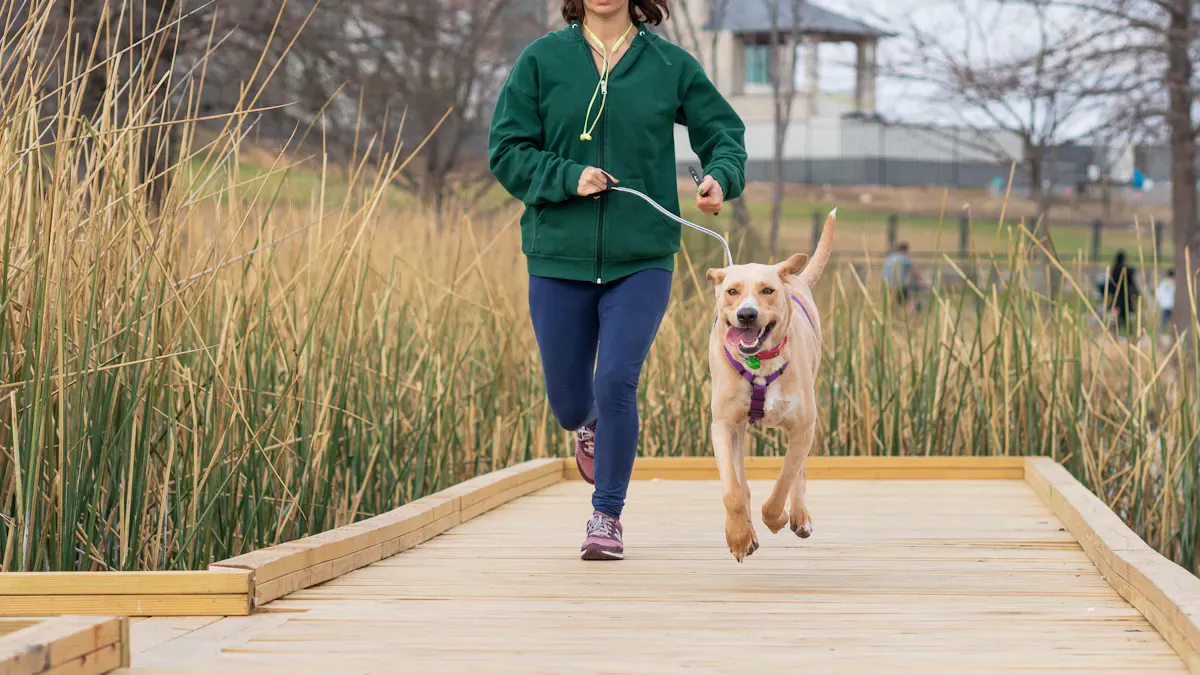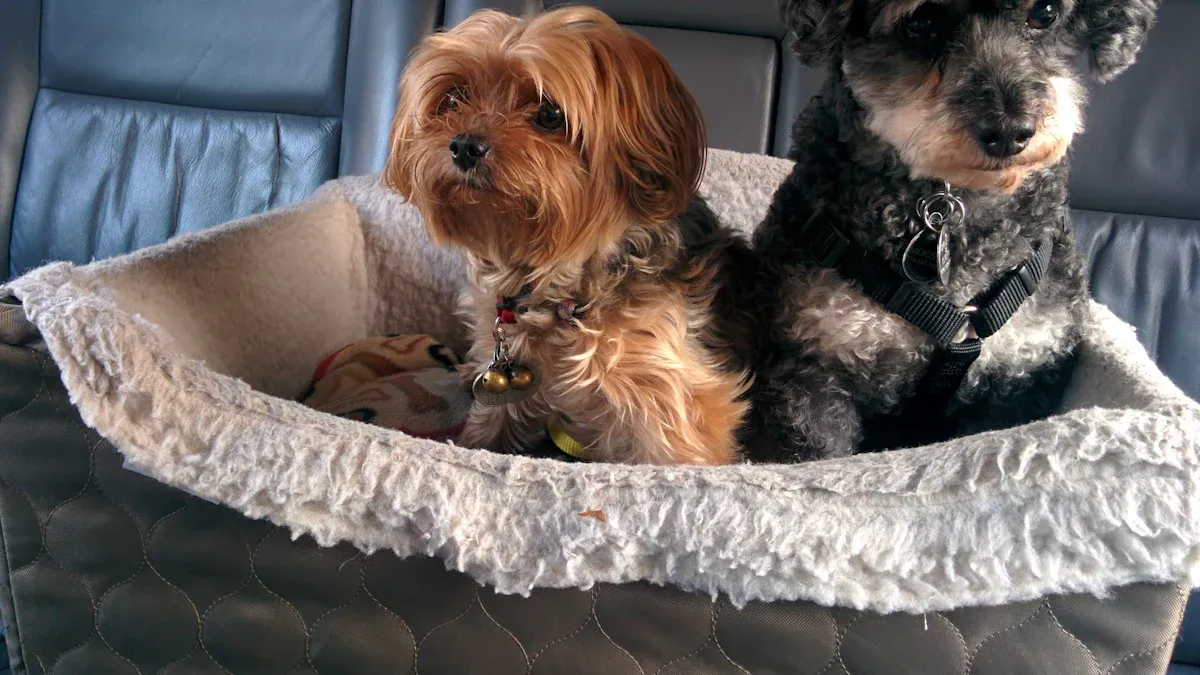
You face a practical choice every time you travel with your dog. Do you want full, everyday protection that stays in place between rides, or a dog car covers back seat setup that is faster to shake out, remove, and reset? The better answer depends less on marketing labels and more on what your week actually looks like: muddy paws every day, occasional short trips, frequent passenger changes, or one dog that rides calmly versus one that shifts, sheds, and tracks dirt everywhere.
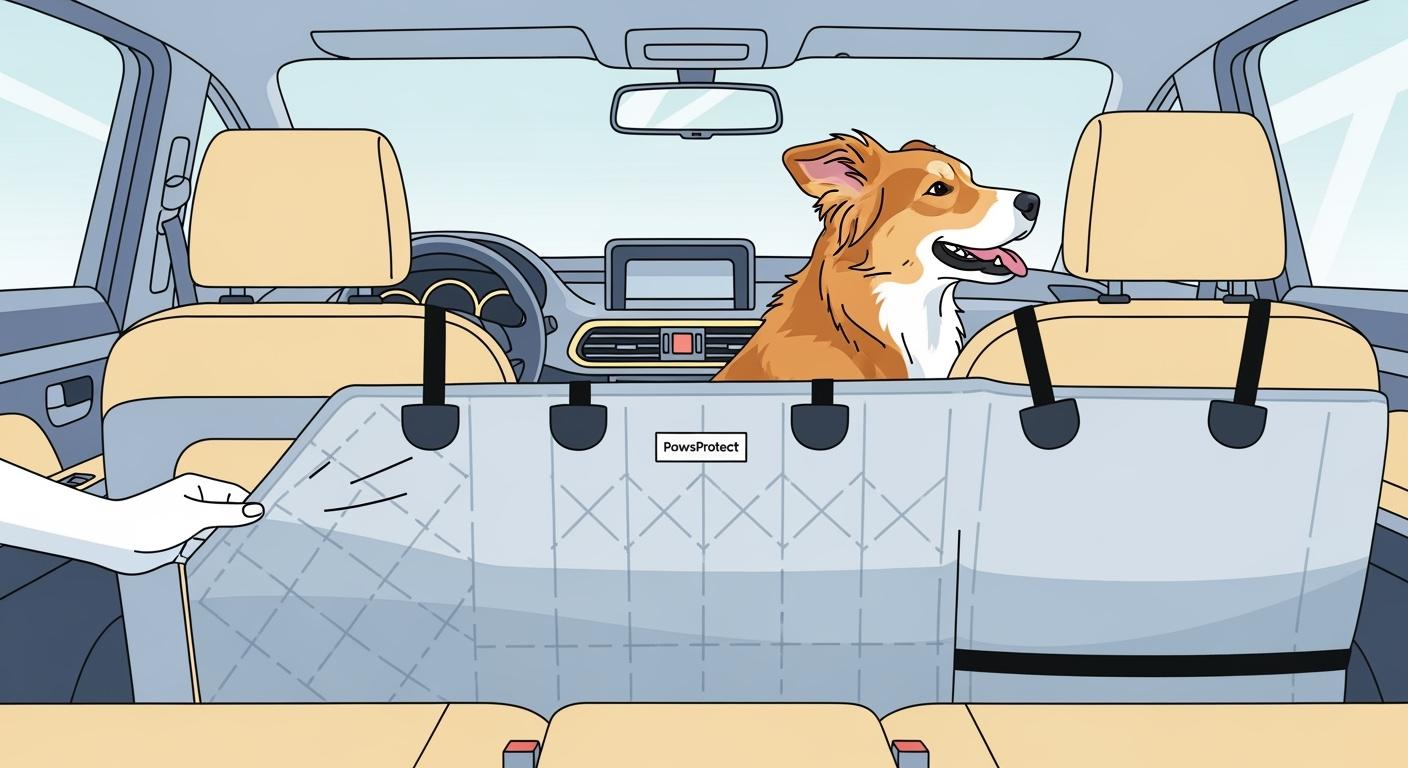
A back seat cover protects upholstery and can improve the riding surface, but it is still only one part of the setup. It should sit flat, keep buckle access clear, and stay stable enough that your dog is not sliding on every turn. The best cover is not always the one with the most coverage. It is the one that matches your routine without turning cleaning and reinstalling into a chore you start putting off.
Key Takeaways
- Choose a dog car seat cover based on how often your dog travels with you. Full coverage usually makes more sense for frequent, messy, or high-shed rides, while easy-reset covers suit lighter daily use or mixed pet-and-passenger routines.
- Make sure the cover fits the bench well enough to avoid bunching, slipping, and blocked buckles. A loose cover protects less and can feel worse for the dog.
- Do not confuse a seat cover with a restraint. The cover protects the seat and can improve footing, but you still need usable restraint access for car travel.
Dog Car Covers Back Seat: Full Coverage vs Easy Reset
When full coverage earns its place
You want more coverage when the dog rides often, the seat gets dirty fast, or cleanup would otherwise spill into the footwells, door sides, and seat edges. A fuller design usually makes more sense for daily riders, dogs that jump in with wet paws, double-coated shedders, or households that would rather leave the cover installed than keep removing and reinstalling it.
Full-coverage covers usually help most when:
- Your dog rides several times a week or more.
- You regularly deal with hair, drool, mud, or sandy paws.
- You want to protect not only the sitting surface but also edges, seams, and nearby upholstery zones.
- Your dog shifts around enough that a wider, more anchored layout keeps the bench better protected.
They keep your car safe from routine messes better than smaller pads or light throw-over covers. They also tend to give the dog a more defined riding zone, which can feel steadier when the cover is installed flat and anchored properly.
The drawback is reset time. More coverage usually means more straps, more alignment, and more chances for buckle windows or side panels to sit slightly wrong if you are rushing.
Why easy-reset styles still make sense
Simple seat covers work better when your real priority is fast cleanup and quick seat access, not maximum wraparound protection. If your dog takes short rides, the car often switches between pets and people, or you just want something you can shake out and reinstall in minutes, the simpler layout may be more realistic.
Easy-reset covers usually make more sense when:
- You take shorter trips or only transport your dog a few times a week.
- You need the back seat to switch back to passenger use often.
- Your dog is calm enough that limited side coverage is not a major problem.
- You value quick removal and wipe-down more than maximum containment.
These covers are often less frustrating to live with, but they also leave more of the seat edge, side area, or footwell exposed. That is the tradeoff: faster reset, less overall coverage.
Comparison Table: Full, Simple, and Structured Covers
You want to know how each dog car seat cover works in real use. The table below compares the three common directions by daily setup value, not just by feature count.
| Feature | Full Covers | Simple Covers | Structured Covers |
|---|---|---|---|
| Surface Protection | Best for broad everyday coverage | Protects the main sitting area | Often built for heavier or larger dogs |
| Footing Support | Varies by tension and layout | Usually more basic | Often steadier if aligned well |
| Restraint Access | Can be good if openings stay clear | Often easier to expose quickly | Usually needs more careful setup |
| Ease of Reset | Slower to remove and reinstall | Fastest to shake out and reset | Moderate, depends on alignment |
| Cleaning | Good for contained messes, but larger to handle | Quick spot cleaning and fast shake-out | Can take longer if the structure traps debris |
| Installation | Usually takes the most setup attention | Simplest daily install | Needs correct placement to work well |
| Main Watchout | Buckle access and fit drift | Less coverage and less side protection | More bulk and possible fit mismatch |
| Who Should Skip It | Rare dog riders who want fastest resets | Large, messy, or highly active dogs | Very small cars or simple single-dog routines |
If you want the most protection and do not mind a longer reset, full covers usually make more sense. If you care more about quick cleanup and easy seat access, simple covers may be the better everyday answer. Structured covers help when support matters more, but they are not always the easiest fit for normal family-car use.
Note: A seat cover helps protect the back seat and improve the riding surface, but it does not replace a proper travel restraint or solve behavior problems by itself.
Daily Reset Routine for Dog Seat Cover
Shake-out and reinstall steps
You want your dog car seat cover ready each day. The reset should be fast enough that you actually do it, not something you keep postponing until the seat starts smelling or the cover stops sitting flat.
A practical reset routine looks like this:
- Take the cover off and shake out loose hair, dust, and crumbs outside the car.
- Use a lint roller or handheld vacuum for the spots that hold on to fur.
- Spot clean damp or dirty areas before they dry into the fabric.
- Lay the cover flat before reinstalling so straps are not twisted from the last trip.
- Re-seat anchors and smooth the sitting surface before the next ride.
This matters because a cover that starts clean but goes back on wrinkled or twisted can still feel unstable during the drive.
Buckle access and fast usability
Quick buckle access is one of the easiest ways to tell whether a cover works in real life. If you need to dig for buckle openings every ride, the cover is slowing you down and making the setup less usable. Bench slots, split sections, and clear openings help the cover stay practical when the back seat switches between pets, passengers, or different restraint layouts.
| Feature | Description |
|---|---|
| Slot Positions | Help you reach seatbelt points without lifting the whole cover |
| Bench Slots | Make seatbelt layout easier to match from car to car |
| Split Covers | Useful when one side needs to stay more flexible than the other |
| Seat Anchors | Help the cover stay put so openings do not drift out of place |
| Precision-Cut Slots | Reduce the chance of buckle openings hiding under the fabric |
| Adjustable Straps | Help keep the cover aligned across different headrest heights |
| Split-Zipper System | Can make faster buckle access easier when the layout matches your bench |
After reinstalling, always check that you can still see and reach the buckle points you need. A cover that hides them is not truly reset.
Cleaning and drying for seat covers for dogs
Clean your seat covers for dogs often enough that dirt and odor do not build into the seams and edges. Quick wipe-downs after dirty rides are usually easier than waiting for a full deep-clean day. For deeper cleaning, use mild soap and let the cover dry fully before reinstalling it.
The biggest mistake here is reinstalling while the cover is still damp. That turns trapped hair and folded corners into odor zones fast, especially if the cover stays in the car for days at a time.
Pass/Fail Checklist Table for Daily Use
| Task | Pass | Fail |
|---|---|---|
| Cover fits flat with no bunching | ✅ | ❌ |
| Buckle access remains clear | ✅ | ❌ |
| No loose straps or shifting | ✅ | ❌ |
| Surface wiped or shaken out | ✅ | ❌ |
| Fully dry before reinstalling | ✅ | ❌ |
| No lingering odors or stains | ✅ | ❌ |
Troubleshooting Table: Common Reset Issues
| Problem | Quick Fix |
|---|---|
| Cover shifts or slides | Re-seat anchors, tighten straps, and make sure the bench size actually matches the cover |
| Bunching or loose fabric | Smooth the surface and tuck extra material into the seat crease before driving |
| Buckles blocked | Reposition the cover so buckle openings stay visible and reachable |
| Side gaps remain open | Adjust width or switch to a style with better side protection |
| Dog slides in turns | Check surface grip, anchor tension, and whether the cover is sagging across the bench |
Note: If your dog seems stressed or uncomfortable during travel, talk to your vet. A seat cover can improve the riding surface, but it does not replace medical or behavior advice.
Safety Concerns for Your Dog and Common Mistakes
Trapped hair, bunched corners, and poor footing
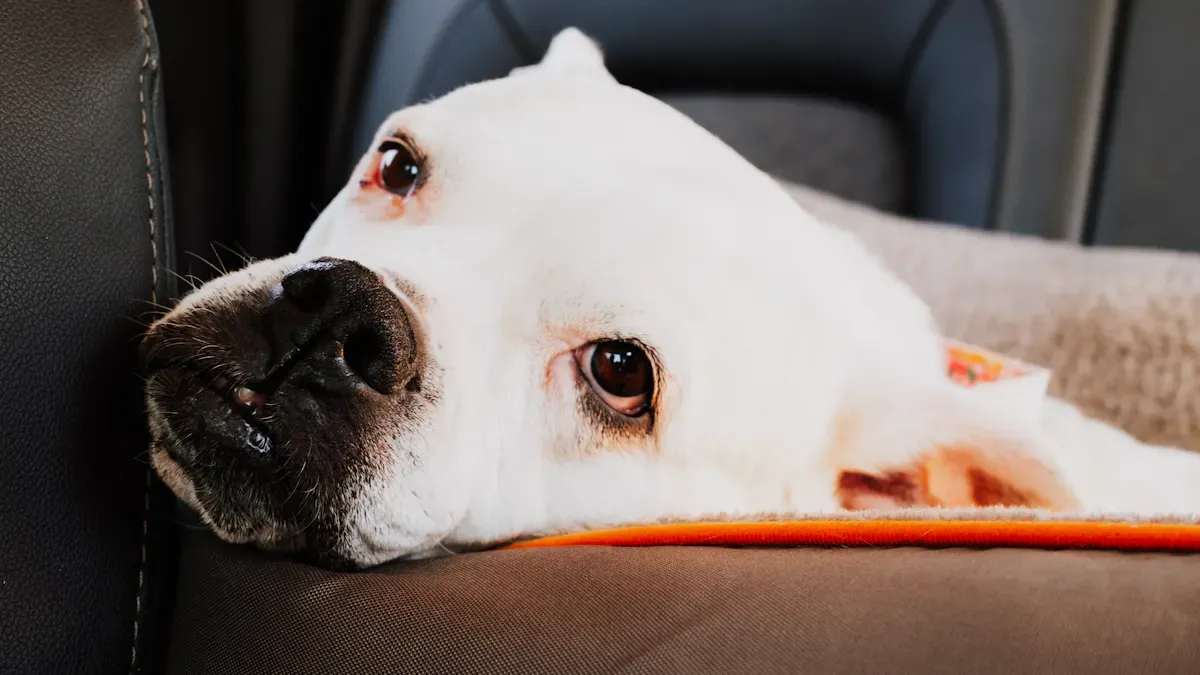
You want your dog to feel steady in the back seat. Loose covers make that harder. When the cover shifts, it creates soft pockets and raised corners that collect fur, dirt, and moisture. Those same areas can also make your dog feel less stable, especially when you brake or turn.
| Key Features | Description |
|---|---|
| Secure Installation | Keeps the cover flatter and reduces bunching over time |
| Surface Grip | Helps the dog feel steadier during starts, stops, and turns |
| Simple Reset | Makes it easier to keep debris from building up in hidden areas |
| Water-Resistant, Easy-Clean Design | Helps routine cleanup stay manageable instead of becoming a deep-clean project |
Blocked buckles and restraint access
If you cannot reach the seat belt buckle, the setup is already failing. You may need the buckle for your dog’s restraint, for a passenger, or for switching the seat back to normal family use. Covers that hide buckle points, drift across the slots, or make clipping awkward are less safe and less practical.
| Design Feature | Benefit |
|---|---|
| Zippered openings | Make restraint and passenger access easier to manage |
| Slots for harnesses | Let you reach restraint points without lifting the whole cover |
| Reinforced openings | Help the openings stay usable instead of stretching out or hiding |
Mistakes with real consequences
Some mistakes sound small but create real problems fast. Installing a cover loosely, leaving blocked buckle access unresolved, using a blanket as if it were a fitted cover, or assuming the cover itself is the safety system can all make the ride worse. A seat cover protects upholstery and can improve grip, but it does not restrain the dog by itself.
Another common mistake is choosing full coverage for “maximum protection,” then never resetting it properly. At that point the extra material becomes the problem: hidden dirt, trapped moisture, blocked buckles, and a ride surface that no longer sits flat.
Note: Keeping your dog safer means checking buckle access, keeping the cover tight and flat, and not treating the cover as a substitute for proper restraint use.
You need to think about how often your dog rides with you, how much mess those rides create, and how much reinstall time you will realistically tolerate. Full coverage works best when your dog rides often and the mess reaches more than just the seat center. Easy-reset styles work better when the dog rides less, passengers use the seat often, or you want fast cleanup without a bigger setup every time.
- Try one style for a week in your real routine.
- Notice whether the bigger problem is cleanup, buckle access, shifting, or exposed seat edges.
The right cover is the one you will actually keep installed correctly and clean often enough to stay useful.
FAQ
How do you keep a dog car seat cover waterproof after many washes?
Air dry it fully and avoid harsh heat whenever the care instructions allow. Heat and repeated rough washing usually wear coatings faster than normal use does. The bigger day-to-day win is wiping it down before dirt and moisture sit on it for too long.
Can you use seat protectors with leather seats?
Yes, but the fit matters even more. A loose cover on leather can shift more easily, so check anchor hold, buckle access, and whether the surface stays flat instead of sliding across the bench.
Why does my dog car seat cover bunch up during daily use?
Usually because the cover shape does not match the bench well, the anchors are not seated firmly, or the fabric has extra slack that keeps migrating into the seat crease. If bunching keeps coming back, the problem is often fit or layout, not just installation technique.
Tip: Always check that your dog car seat cover lies flat before each trip. A flatter surface usually means easier cleaning, better grip, and clearer buckle access.