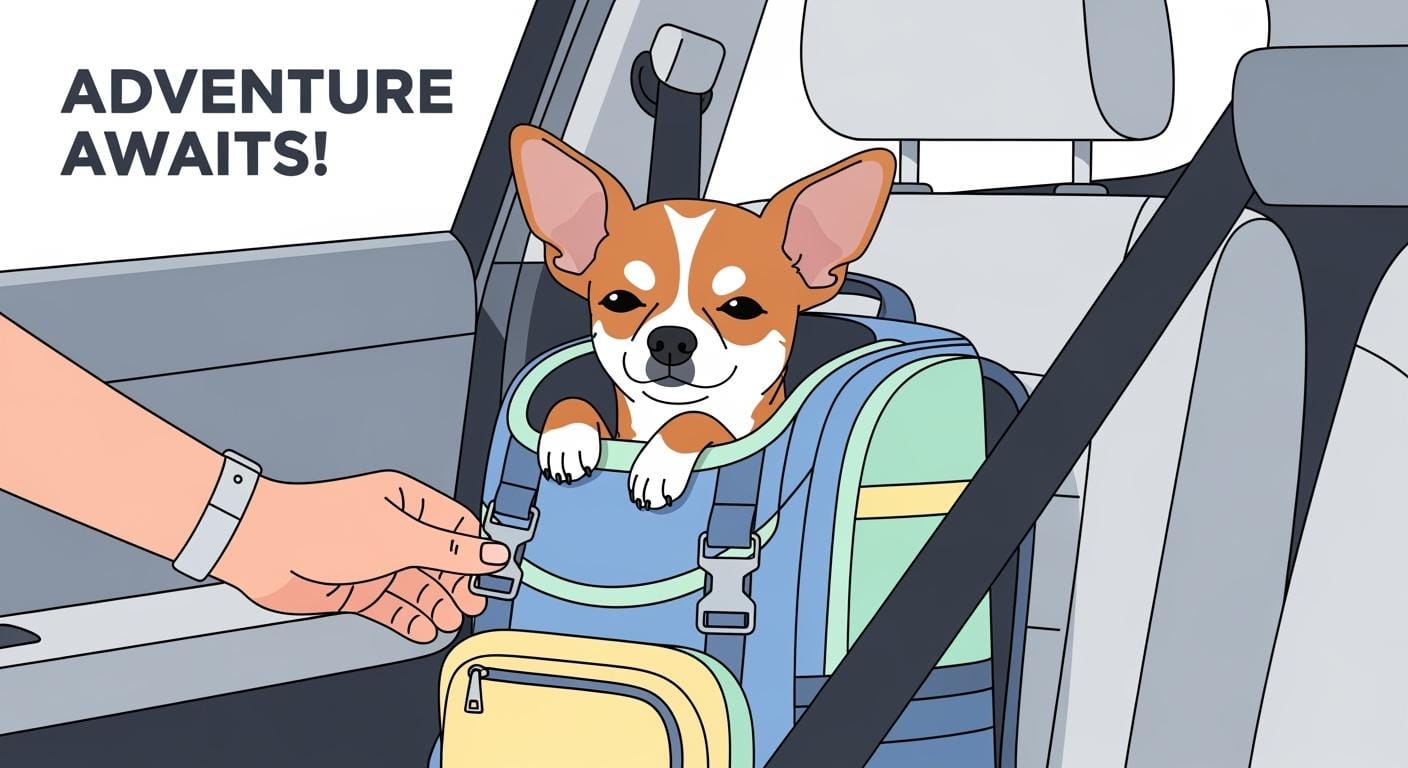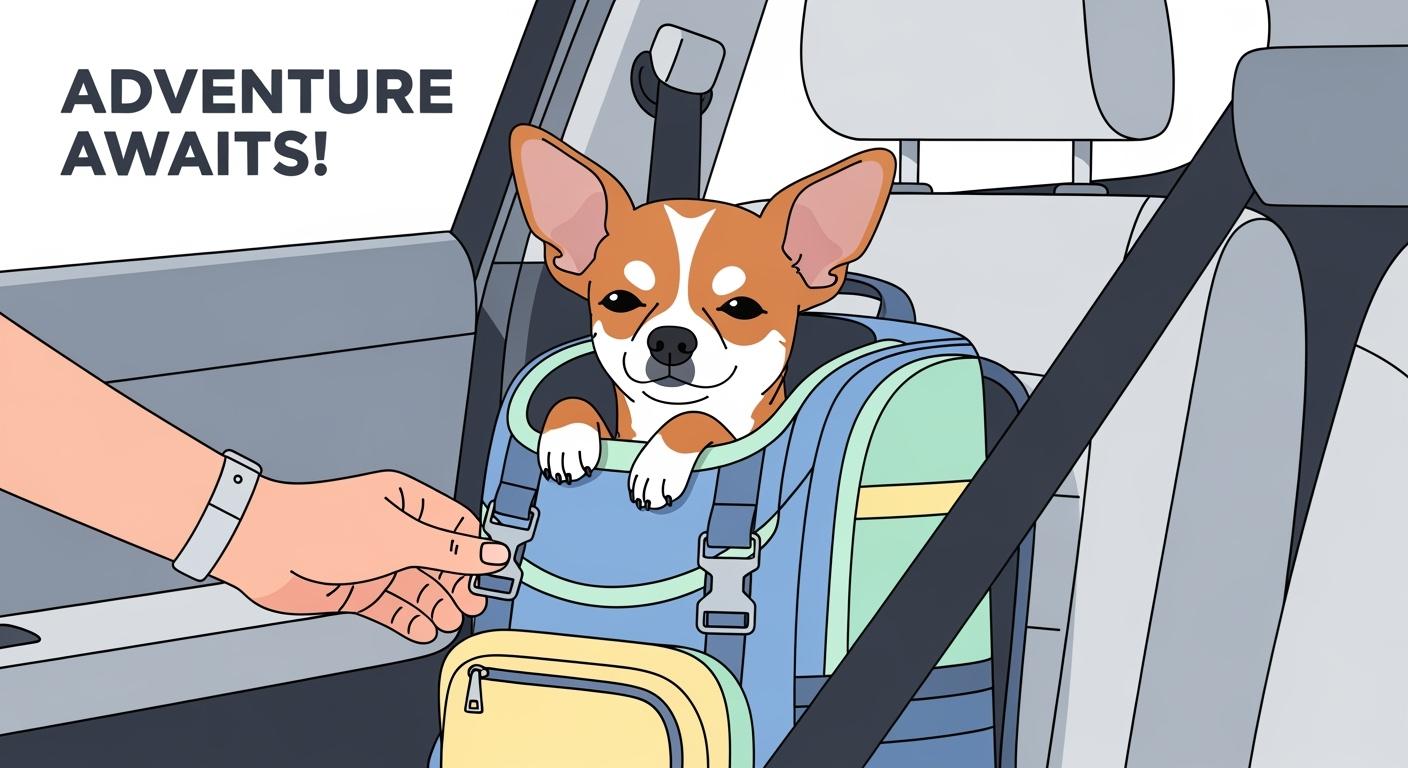
A dog backpack carrier for small dogs may feel convenient for car use, but fit still decides whether the ride feels steady or stressful. Check body position, head space, stable support, and airflow before each trip. You want your dog to settle naturally, stay cool, and get in and out without a struggle.
Key Takeaways
- Check body position first. Your dog should be able to sit or settle without bracing against the sides or pushing upward.
- Look for a stable base and easy entry. A carrier that tips, collapses, or forces awkward loading usually becomes frustrating fast.
- Use the carrier for comfort and handling, not as a crash-safety substitute. Keep the setup stable in the back seat and watch for heat or stress.
Dog Backpack Carrier Fit Checks
Body Position and Head Space for Small Dogs
You want your small dog to feel supported, not squeezed or loose inside the carrier. A size chart is only a starting point. Before you buy, check how the backpack supports your dog’s chest, hips, and head space once the carrier is actually zipped and lifted.
- Your dog can sit or settle without bracing hard with the front legs.
- The carrier does not force an awkward upright posture.
- There is enough head room for small movement, but not so much space that your dog slides around.
- The base supports the body evenly instead of letting the hips drop or twist.
A carrier that feels too roomy often makes a small dog lean, brace, or keep shifting during movement. A carrier that feels too tight can create the opposite problem: your dog stops turning, sits rigidly, or pushes toward the opening. Both signs usually mean the fit or structure needs work.
Tip: Check fit with your dog fully inside the closed carrier, not just during a quick at-home try-on with the top open.
Easy Entry and Exit for Your Dog
A good carrier should make loading and unloading easier, not more stressful. Look for features that match your dog’s size, confidence level, and usual travel routine.
| Feature | Description |
|---|---|
| Wide or flexible opening | Gives you more control when placing your dog inside without forcing the shoulders or neck. |
| Stable base panel | Helps your dog stand or settle without the floor folding under body weight. |
| Mesh ventilation zones | Improves airflow so the interior feels less stuffy during car use. |
When you introduce your dog to the carrier, practice at home before the car ride. Use treats, praise, and short repetitions so entry and exit feel predictable. That matters just as much as the dimensions on the tag.
Note: If your dog hesitates at the opening, backs away, or stiffens during loading, check the shape and handling first before assuming the carrier is simply “not for your dog.”
Signs of Poor Fit in a Backpack Carrier
You need to watch for small signs that the carrier is not working well for your dog. Poor fit often shows up during loading, after a few minutes in the car, or right after the trip.
- Your dog braces with the front legs instead of settling.
- You notice heavy panting, repeated repositioning, or restlessness.
- Your dog leans hard to one side or presses upward at the opening.
- Your dog seems sore, reluctant, or unusually tired after short use.
If you see any of these signs, stop and reassess the fit, base support, ventilation, or entry style. Small dogs often show discomfort through posture long before they vocalize.
Pass/Fail Checklist Table
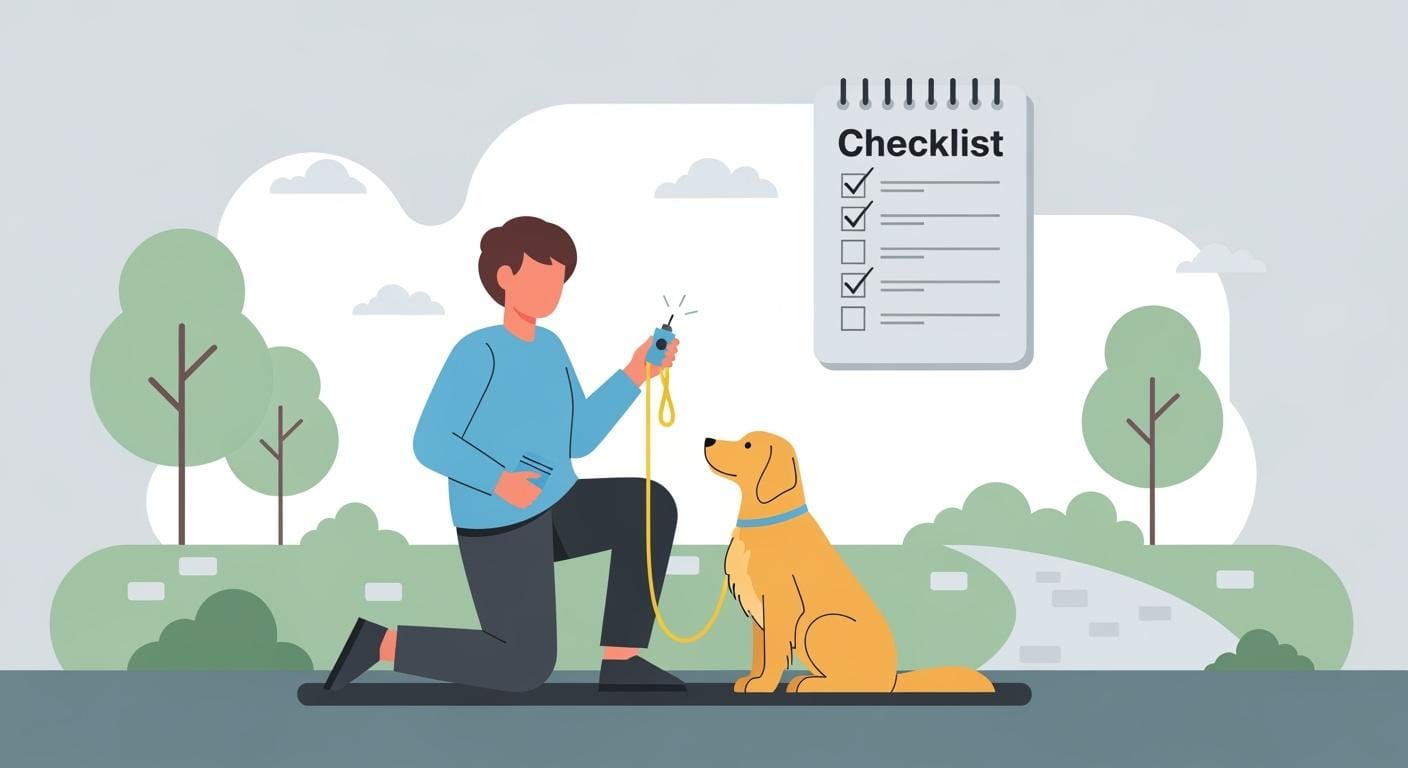
Use this pass/fail checklist before the first car ride and again after a short test run.
| Check Item | Pass Signal | Fail Signal | Solution |
|---|---|---|---|
| Body position | Dog sits or settles without bracing | Dog slumps, leans, or pushes upward | Try a better-supported base or different size |
| Head space | Dog can lift and turn lightly without hitting the top | Top presses on ears or head | Choose a taller or better-shaped opening |
| Breathing comfort | Calm breathing at rest | Heavy panting in mild conditions | Check ventilation and interior tightness |
| Entry and exit | Dog enters with little resistance | Dog freezes, backs away, or struggles | Try a wider opening and practice at home |
| Base stability | Carrier stays level when placed down or lifted | Bottom folds, tips, or shifts | Use a firmer base or flatter placement |
| Post-trip response | Dog exits calm and moves normally | Dog comes out stiff, stressed, or overheated | Stop use and reassess fit or style |
Safety Note: A backpack carrier can help with handling and comfort, but it is not the same as a tested car restraint. Keep your dog secure in the back seat and do not let your dog ride loose or on your lap.
Step-by-Step Guide for Fit Checks:
- Pre-purchase: Compare your dog’s body length and seated posture with the carrier’s usable interior space.
- At-home test: Practice loading, brief carrying, and short settling time before any drive.
- In-car placement: Set the carrier on a stable back-seat position where it will not tip or slide.
- After use: Check for heat, stiffness, stress, or reluctance before the next trip.
Disclaimer: This guide does not replace veterinary advice. If your dog shows ongoing discomfort or health issues, consult your veterinarian.
Car-Friendly Carrier Features and Handling
Stable Base and Low-Bounce Transfer
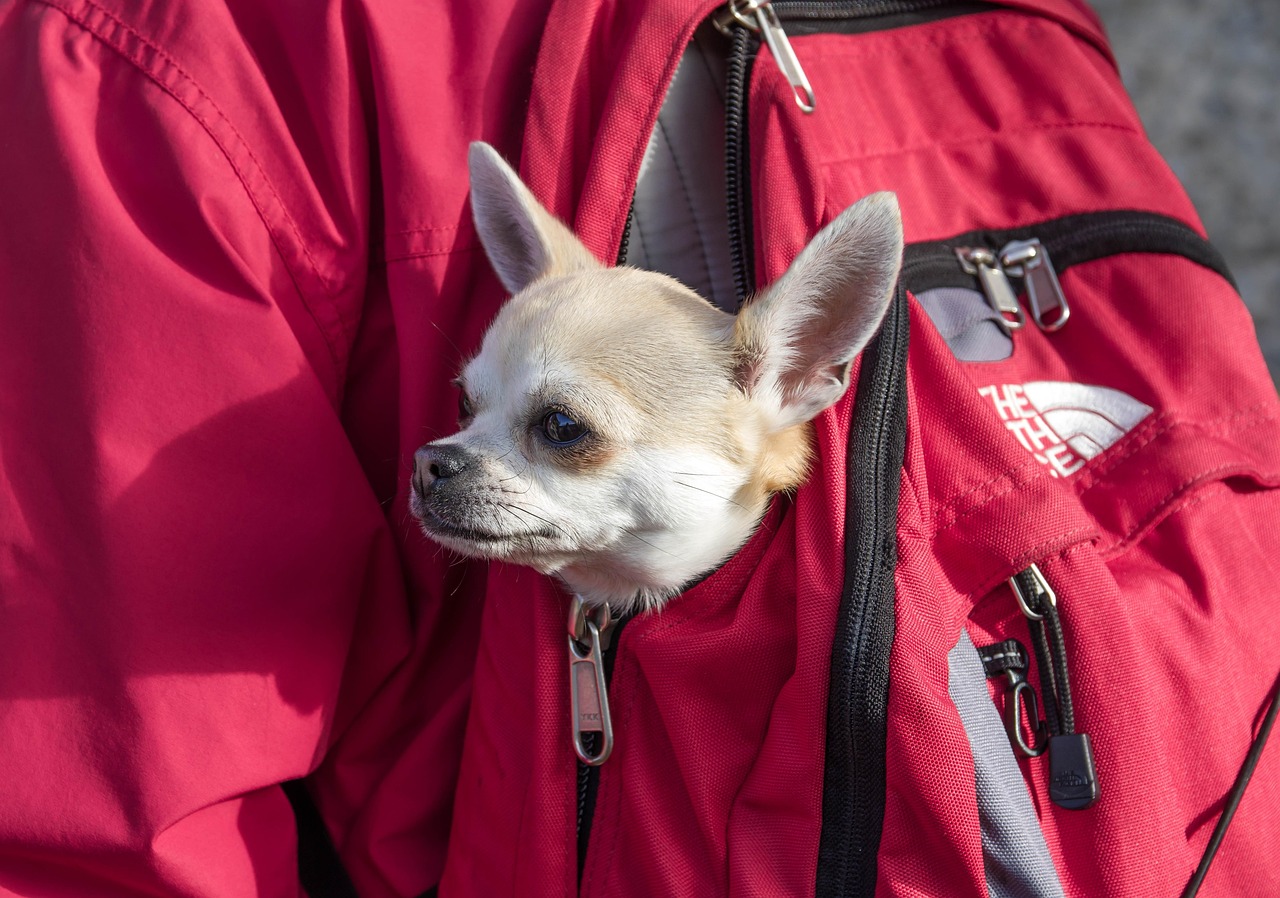
Your dog should feel supported during short car use, not bounced around by every turn or stop. Look for a close fit and straps you can adjust. A stable base, snug shoulder fit, and low interior sway help the carrier feel more predictable for both of you.
| Feature | Benefit |
|---|---|
| Stable base | Keeps your dog from feeling tilted or dropped during short transfers |
| Close-to-body fit | Reduces swaying while you carry the backpack |
| Strap adjustment | Helps the pack sit higher and more evenly on your back |
| Low-bounce handling | Makes quick movement from car to door feel steadier |
| Flat seat placement | Helps the carrier rest more securely in the back seat |
| Balanced interior support | Keeps the dog from rolling into one corner |
| Adjustable Base | Adapts to vehicle seat depth, ensuring a stable fit for your dog |
Loading and Unloading Your Dog Backpack Carrier
You need to get your small dog in and out quickly and calmly. Large openings, clear zipper paths, and removable pads all make routine cleanup and handling easier. Practice loading and unloading at home before using the carrier for real travel.
Tip: Reward calm entry and calm exit. A smooth loading routine usually matters more than trying to rush the dog into the carrier.
When to Use a Backpack Carrier vs. Other Options
A backpack carrier works best for short transfers, daily errands, or travel moments when you need your hands free. It is most useful when your dog tolerates enclosed travel well and the ride is short enough for regular check-ins.
| Type of Carrier | Advantages | Disadvantages |
|---|---|---|
| Horizontal-style backpack | Lets the dog rest in a more natural position | Needs enough width and support to stay stable |
| Upright-style backpack | Compact for short transfers and quick handling | Can feel more restrictive for longer use |
| Soft-sided build | Lighter and easier to store | May lose shape if the base is weak |
| Structured build | Holds form better and can feel steadier | Usually heavier and less flexible |
| Removable padding | Easier to clean and dry | Can shift if not seated flat |
| Fixed padding | Stays in place more reliably | Harder to wash and dry thoroughly |
| Wide opening | Easier loading and unloading | Needs secure closure to prevent scrambling |
| Narrow opening | Can feel more enclosed for anxious dogs | Makes loading slower and less convenient |
Comparison Table
| Dimension | Backpack Carrier | Handheld Carrier | Soft Carrier | Rigid Carrier | Removable Padding | Fixed Padding | Wide Opening | Narrow Opening |
|---|---|---|---|---|---|---|---|---|
| Handling | Hands-free carry | One-hand or two-hand carry | Flexible body | Structured body | Easy to remove | Always in place | Fast access | More controlled access |
| Storage | Compact when not in use | Often bulkier to store | Usually easier to fold | Takes more space | Easy to separate for washing | Less setup after cleaning | Quick loading | Slower loading |
| Comfort | Depends on base support and fit | Depends on arm carry balance | Can feel softer | Can feel steadier | Can improve cushioning | More consistent floor feel | Less loading stress | More enclosed feel |
| Cleanup | Good if surfaces wipe clean | Good if liner removes easily | Often easier to wash | Often easier to wipe | Faster drying | Simpler reassembly | Easier to inspect | Fewer open edges |
Safety Note: Keep your dog in the back seat, watch for heat or stress, and stop if the carrier starts to feel unstable during use.
Carrier Materials and Cleanup Tips
Breathable Panels and Airflow for Dogs
Good airflow matters fast in a small carrier. Mesh on more than one side helps the interior feel less stuffy and gives your dog more fresh air during short travel.
- Mesh on multiple panels usually improves airflow more than a single small vent.
- Firm, well-secured mesh helps the carrier keep shape instead of collapsing inward.
- Better airflow makes it easier to notice if your dog is settling normally.
Wipe-Clean and Washable Surfaces
Cleaning your backpack carrier helps keep the inside more comfortable for repeat use. Look for wipe-clean surfaces, removable liners, and pads that dry fully before the next trip. Always follow the care label.
Common Cleaning Mistakes with Dog Backpack Carriers
Hair, dirt, and moisture often collect in seams, zipper paths, base pads, and mesh corners. If you only wipe the visible surfaces, the interior can still feel stuffy or uneven the next time your dog gets in.
Tip: Let the liner, padding, and shell dry fully before reassembly. A clean carrier that still feels damp is not ready for the next ride.
Troubleshooting Table
| Symptom | Possible Cause | Quick Check | Solution |
|---|---|---|---|
| Damp padding | Incomplete drying | Touch the liner and base for moisture | Air dry fully before reassembly |
| Hair trapped in seams | Missed cleanup zones | Inspect zipper edges and corners | Brush or vacuum seams before next use |
| Uneven base after washing | Pad or liner reinstalled poorly | Press down and check for tilt | Flatten and reseat the base carefully |
| Stuffy interior | Poor airflow or trapped moisture | Check mesh and smell inside | Clean panels and dry thoroughly |
| Shifting liner | Liner not seated flat | Lift the dog area and inspect corners | Reposition liner before use |
Always watch for signs of heat, stress, or poor stability. If your dog seems uncomfortable, restless, or too warm, stop and reassess the setup before the next trip.
You want your dog to feel supported, not trapped, during car use. Check that the carrier stays level, the interior stays airy, and the base still feels stable after cleaning. Use the checklist before each trip.
FAQ
How do you know if your dog feels safe in a backpack carrier?
Watch for calm breathing, settled posture, and a dog that is able to stay still without constant bracing or pushing at the opening.
What should you do if your dog overheats in the carrier?
Stop the trip, move your dog to a cooler area, offer water, and do not use the carrier again until you understand what caused the heat buildup.
Can you use a dog backpack carrier for every car trip?
It can work for short trips if your dog stays comfortable and the carrier remains stable, but you should recheck airflow, posture, and stress level during longer travel.