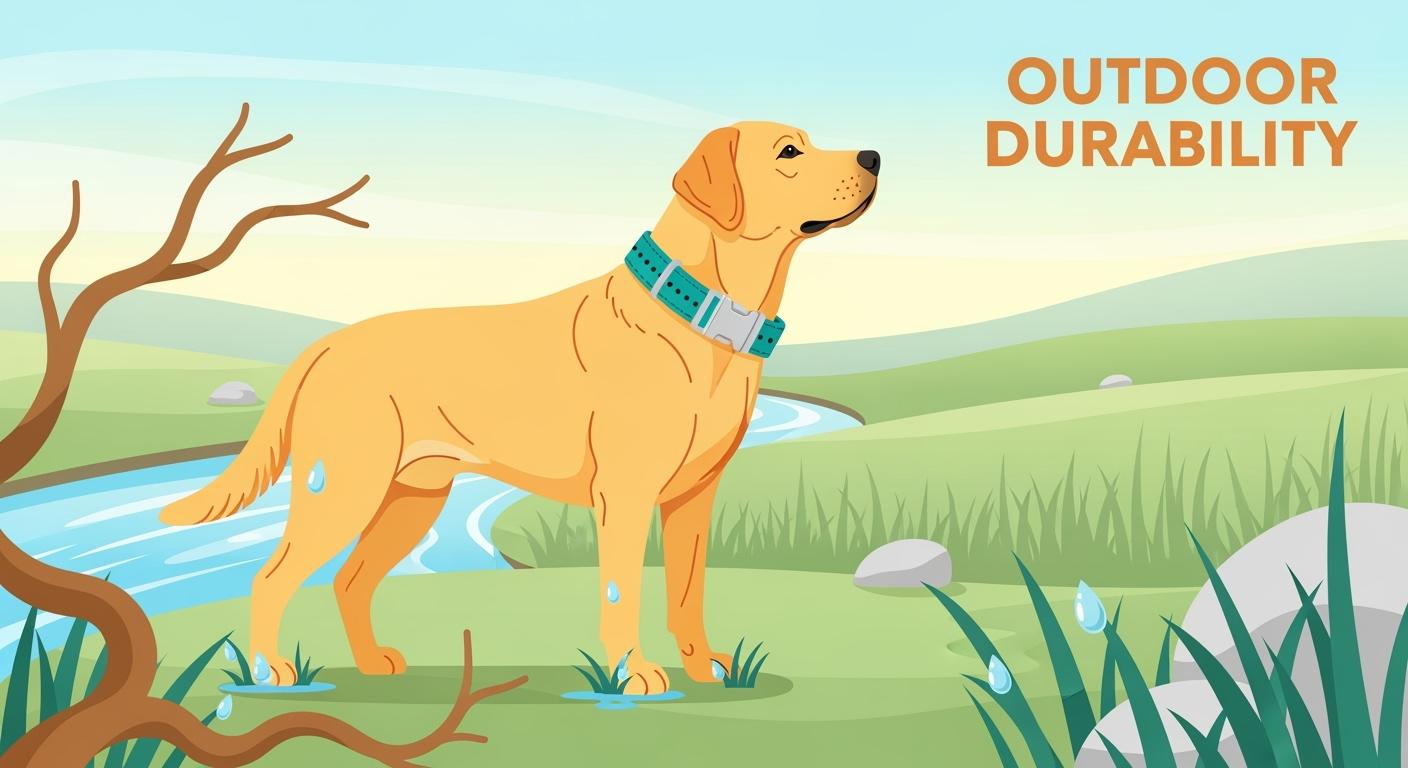
Imagine you just finished a wet hike or a muddy park run. Your dog’s collar smells bad, dries slowly, or shows cracks and frayed edges. Rusty hardware makes walks harder. Waterproof coated collars for dogs often stand up best to water and abrasion. These collars wipe clean easily, resist stink, and rarely crack with normal use. Nylon can handle daily wear but may fray or hold odors. Leather feels comfortable but may stiffen or crack after soaking. Use the two-finger rule for fit. Pick a collar width that matches your dog, like 0.75 in (19 mm) for medium dogs or 1.5 in (38 mm) for large dogs. Look for a collar for your dog that solves real outdoor problems. Choose the best dog collar for your dog’s lifestyle.
Key Takeaways
Pick waterproof collars for dogs who play in water and mud. These collars do not smell bad and you can clean them easily.
Try the two-finger rule to check if the collar fits right. This helps stop choking and keeps your dog comfortable.
Look at collars often to see if they are worn out. Watch for things like fraying or rust. Finding problems early helps keep your dog safe.
Choose collar materials that match what your dog does. Nylon works well for hiking. Leather needs more care.
Wash collars after your dog goes outside. This stops bad smells and helps collars last longer.
Outdoor Challenges for Collars for Dogs
Wet, Abrasion, and Sun Exposure
When you take your dog outdoors, collars for dogs face tough conditions. Rain, mud, and lake water can soak a collar quickly. If you hike or visit the beach, grit and sand rub against the collar, causing wear. Sunlight also plays a big role. UV rays can fade some materials and weaken fibers over time. Nylon collars often include UV inhibitors, so they resist fading and fiber breakdown better than canvas. In gritty places like rocky trails, nylon resists fraying more than canvas, which may fuzz or separate after rough use.
Waterproof collars are designed to handle these challenges. They resist bacteria growth and block UV damage, which helps them last longer than traditional collars. The demand for waterproof collars has grown as more people want gear that stands up to wet conditions. Neoprene and coated webbing collars can last up to three times longer in wet environments if you rinse them with warm water and mild soap after muddy or salty outings.
Choosing the right collar width helps too. Small dogs often need a collar about 0.5 in (13 mm) to 0.75 in (19 mm) wide. Medium dogs do well with 0.75 in (19 mm) to 1 in (25 mm). Large dogs need 1 in (25 mm) to 1.5 in (38 mm). Always use the two-finger rule for fit. This keeps the collar snug but comfortable, even when wet or dirty.
Odor and Hardware Risks
Outdoor adventures can make collars smell bad. Nylon collars often hold onto odors from wet fur and dirt, even after washing. Leather absorbs bacteria and odors, which can be hard to remove. Waterproof materials like biothane do not retain odors and are easy to clean.
Hardware is another concern. Metal parts can rust or corrode after exposure to water and grime. You should inspect hardware for rust, corrosion, or loose rivets. Deteriorating metal can pose safety risks and may fail when you need it most. Clean metal parts with mild soap and water, and check them monthly for signs of damage.
Collar Materials Explained
When you pick collars for dogs that go outside, you should know how each material handles water and rough use. There are three main types: nylon, leather, and waterproof coated collars. Each type has its own good points and needs special care.
Nylon Webbing Durability
Nylon dog collars are a popular choice for outdoor dogs. They are strong, comfortable, and easy to clean. Nylon is a man-made fiber that does not stretch much. It stays tough even when your dog pulls. Nylon collars stay strong after many walks and playtimes. Tests show nylon keeps most of its strength after long sun exposure. This means the collar will not get weak fast in sunlight.
Nylon does not soak up much water, but it can still get wet. When wet, nylon gets heavier and dries slowly. This can make the collar smell if you do not clean and dry it often. Nylon collars can start to fray at the edges after rubbing on rocks or bushes. You should check the stitching and edges every few months, especially if your dog likes rough trails.
Tip: Rinse nylon collars with clean water after muddy or salty walks. Let them dry all the way before using again. Only machine wash if the label says it is safe. Put the collar in a laundry bag or use a gentle cycle to protect the hardware.
Nylon collars are easy to use, quick to clean, and work well outside. If you want a collar that is simple to care for and good for many activities, nylon is a great pick.
Leather Collar Performance
Leather dog collars look classic and feel soft on your dog’s neck. Leather is a natural material and can last a long time with good care. Many people like leather collars because they shape to your dog’s neck. This makes them comfy and stylish.
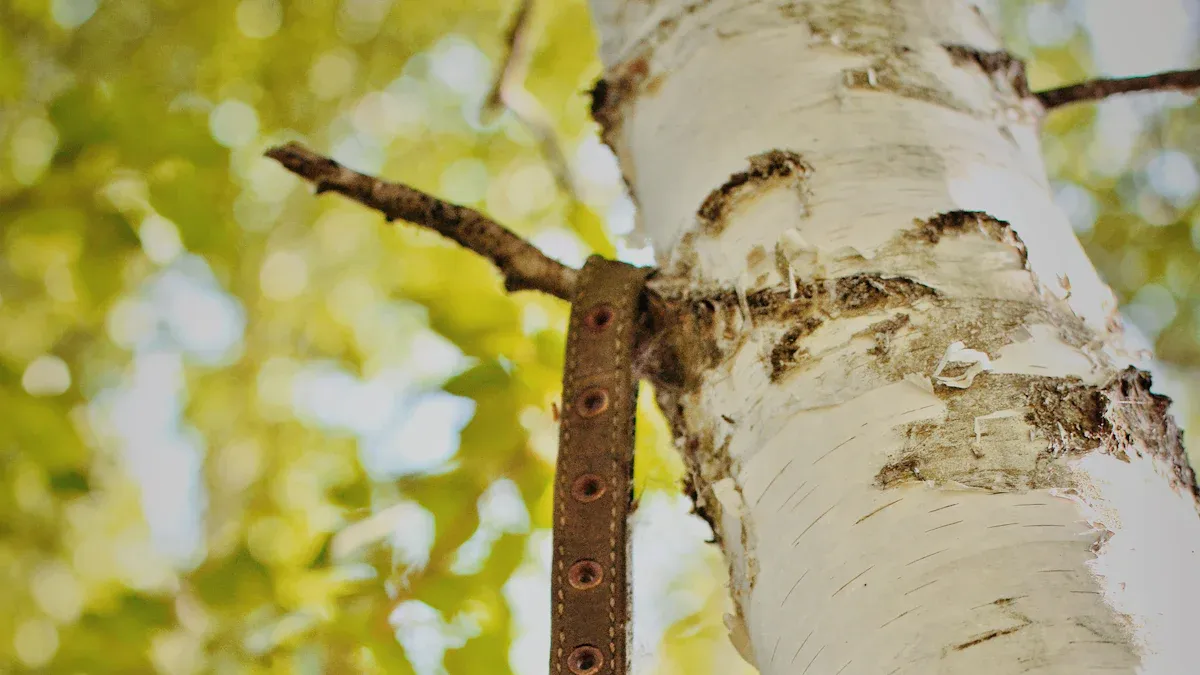
But leather soaks up water easily. When leather gets wet, it can get stiff, stretch, or crack as it dries. This can make the collar less strong and less comfy for your dog. If you use leather collars outside, wipe them clean after every wet walk. Let them dry away from heat. Use a beeswax product every month to stop drying and cracking. Keep leather collars in a dry place to help them last.
Leather collars need more care than other types. You should check for cracks, sharp spots, or loose stitches. These signs mean the collar might need fixing or replacing. Leather collars are comfy and look nice, but you must care for them often. If you want a collar that lasts, you need to keep leather in good shape and clean it often.
Waterproof Dog Collar Features
A waterproof dog collar uses coated webbing like BioThane or neoprene. This blocks water and keeps out dirt. These collars do not soak up water, so they stay light and bendy even after swimming or rain. Waterproof materials do not hold smells or germs. This makes them great for dogs who love water or mud.
Waterproof collars are very tough. The coating stops scratches, sun damage, and tears. You can wipe them clean or rinse with water. They dry fast. You do not have to worry about the collar getting heavy or stinky. If you want a collar that is easy to clean and does not get wet, this is a top choice.
Note: Check the coating for cuts or deep scratches. If you see damage, get a new collar to keep your dog safe.
Waterproof dog collars are super clean and strong. They are perfect for active dogs who swim, play in rain, or get dirty a lot. The water-resistant materials help stop bad smells and make cleaning easy.
Here is a simple table to compare how each collar handles water and lasts:
Material | Water Resistance | Durability |
|---|---|---|
Waterproof coated (BioThane, neoprene) | 100 percent waterproof, non-porous, does not absorb water | Very tough, protects against scratches and sun |
Nylon | Soaks up water, gets heavy when wet | Strong but can wear out with lots of water |
Leather | Not good with water, gets stiff when wet | Needs lots of care to stay strong |
When you choose a collar for your dog, think about how often your dog gets wet, how rough the ground is, and how much time you want to spend cleaning. Nylon, leather, and waterproof collars all have their uses. Pick the collar that fits your dog’s life and how much care you want to give.
Waterproof Dog Collar vs Nylon vs Leather: Comparison Table
Outdoor Performance and Upkeep
When you choose collars for dogs that spend time outdoors, you want to know how each material stands up to real-world challenges. You need a collar that can handle water, mud, sun, and rough play. You also want something that is easy to clean and comfortable for your dog. Below, you will find a detailed comparison to help you make the best choice for your dog’s outdoor lifestyle.
How Do These Collars Compare?
Here is a quick look at how waterproof, nylon, and leather collars perform in the most important outdoor categories:
Material | Durability (years) | Water Resistance | Odor Retention | Cleaning Effort | Hardware Risks |
|---|---|---|---|---|---|
Waterproof coated | 5-10 (with care) | Excellent | Very low | Very easy | Low (rinse after use) |
Nylon | 3-7 | Moderate | Moderate-high | Moderate | Moderate (check for rust, grit) |
Leather | 2-5 | Poor | High | High | High (check for cracks, rust) |
Waterproof dog collars often last 5 to 10 years with proper care. They resist water and abrasion, making them a durable dog collar for active dogs.
Nylon collars typically last 3 to 7 years, depending on quality and outdoor exposure. Nylon offers good durability but can fray or hold odors if not cleaned well.
Leather collars usually last 2 to 5 years, but wet climates can shorten their lifespan. Leather can crack or stiffen if it gets wet often.
Cleaning and Maintenance
You want a collar that is easy to keep clean, especially after muddy hikes or swims. Here is what you can expect:
Cleaning a waterproof dog collar is fast. You can rinse and wipe it dry in about 30 seconds. This makes it ideal for quick turnarounds after messy outings.
Nylon collars need more work. You may have to hand wash or machine wash them, and they can hold onto odors if not dried fully.
Leather collars require the most care. You need to wipe them with a damp cloth, use special cleaners, and condition them to prevent cracks. This process takes more time and effort.
Decision Table: Which Collar Fits Your Needs?
Use this table to match your dog’s habits and your cleaning preferences to the right collar material. The numbers for collar width come from the Unified Data Pool, so you can pick the right size for your dog.
Material | Best Outdoor Use | Common Failure Mode | Cleaning Effort | Comfort Notes | Who Should Avoid It |
|---|---|---|---|---|---|
Waterproof coated | Swimming, rain, mud, daily rough play | Coating cuts, deep scratches | Very low (rinse, wipe) | Stays flexible, does not absorb water | Dogs with sharp teeth that chew gear |
Nylon | Hiking, sun, moderate wet, daily walks | Fraying, odor, hardware rust | Moderate (wash, dry) | Soft, lightweight, dries slower when wet | Dogs who swim daily or roll in mud |
Leather | Dry trails, light walks, style | Cracking, stiffness, odor | High (clean, condition) | Molds to neck, soft when dry and clean | Dogs in wet climates or heavy swimmers |
Tip: For small dogs, try a collar width of 0.5 in (13 mm) to 0.75 in (19 mm). Medium dogs do well with 0.75 in (19 mm) to 1 in (25 mm). Large dogs often need 1 in (25 mm) to 1.5 in (38 mm). Very large dogs may need up to 2 in (51 mm) for comfort and control.
What Should You Watch For?
Waterproof collars for dogs offer the best water-resistant performance and easy cleaning. They rarely hold odors and stay flexible after many uses.
Nylon collars provide good resilience and durability for most outdoor activities. They can fray or smell if not cleaned well, but they are a solid choice for many dogs.
Leather collars look great and feel soft, but they need the most care. They may fail when exposed to water and mud often.
You can use this guide to pick the most durable, comfortable, and easy-to-maintain collar for your dog’s outdoor adventures. Always check for signs of wear, like fraying, cracks, or hardware rust, to keep your dog safe and happy.
Choose the Right Collar for Dogs: Decision Guide
Environment and Dog Behavior
You want to choose the right collar for your dog based on where you go and how your dog acts. Outdoor adventures like hiking, swimming, or running put collars for dogs to the test. Wet trails, muddy parks, and rocky paths can wear out nylon and leather quickly. If your dog loves water, you need a collar for swimming that stays strong and dries fast. Nylon absorbs water and may get heavy or smelly. Leather feels soft but often cracks or stiffens after many wet-dry cycles. Waterproof coated collars keep their shape and wipe clean after every trip.
Dog behavior matters too. If your dog pulls hard, nylon offers good durability but may fray over time. Leather can stretch and lose strength if your dog pulls often. Chewers may damage leather or nylon, so coated webbing is a more durable choice. Sensitive skin needs soft edges and flexible fit. For dogs that roll in dirt or swim, you want a collar that resists odor and cleans easily.
Here is a table to help you compare materials for different outdoor activities:
Material | Waterproof Rating | Durability | Comfort | Cleaning Ease |
|---|---|---|---|---|
Coated Polyester | 100 percent waterproof | Excellent | Flexible, soft edges | Wipe clean |
Neoprene | Water-resistant | Good | Cushioned feel | Hand wash needed |
PVC-coated webbing | Fully waterproof | Very good | Stiffer initially | Quick rinse |
Nylon | Absorbs water | Good | Soft, flexible | Machine/hand wash |
Leather | Not waterproof | Moderate | Soft, molds to neck | Needs conditioning |
Tip: For hiking and swimming, look for hardware made from stainless steel or anodized aluminum. These metals resist rust and last longer outdoors.
If/Then Flowchart for Selection
You can use this simple guide to choose the right collar for your dog. Match your dog’s habits and your outdoor plans to the best material.
If your dog swims often or rolls in mud, choose the right collar made from waterproof coated webbing or coated polyester. These collars for dogs stay clean and resist odor.
If your dog pulls hard on walks, nylon offers durability but check for fraying. Leather may stretch, so inspect it often.
If your dog chews or scratches gear, avoid leather and nylon. Choose the right collar with a tough coating.
If your dog has sensitive skin, look for soft edges and flexible fit. Neoprene or coated polyester can help.
If you hike in dry places and want style, leather feels soft and looks classic. Condition it to keep it strong.
Note: Always check the collar for your dog after outdoor adventures. Look for fraying, cracks, or hardware rust. Replace the collar if you see damage.
Choosing the right collar for dogs means thinking about your dog’s behavior and your favorite outdoor activities. Nylon and leather work for many dogs, but waterproof coated collars often last longer and clean up faster. Pick the collar that fits your dog’s needs and your lifestyle.
Collar Durability Checklist
Inspect Stitching, Edges, and Hardware
You want your dog to stay safe and comfortable outdoors. Regular checks help you spot problems before they become serious. Look closely at the stitching, edges, and hardware on your collar. Fraying along the seams, thinning material, or loose stitches are warning signs. Rusty or bent buckles and D-rings can fail when you need them most. Stainless steel hardware often lasts longer, but you should still check for grit or corrosion.
Here is a quick table of common failure points and what to look for:
Failure Point | What to Check For |
|---|---|
Fit | Too loose or too tight; adjust for two-finger rule |
Stitching/Edges | Fraying, loose threads, thinning fabric |
Hardware | Rust, sharp corners, bent or weak buckles |
Tip: Always check the fit, especially for puppies. A collar that is too tight can hurt your dog, while a loose one may slip off.
When shopping online, use a red flag checklist for product photos and listings:
Exposed raw edges
Weak stitching at the D-ring
Coating that looks like it can peel
Thin or flimsy buckle
Sharp hardware corners
No drainage holes or easy-clean surfaces
Spot Coating and Leather Cracks
Different materials show wear in different ways. Leather collars may crack or become stiff, which can cause discomfort. Waterproof coatings can peel or crack, especially at bend points. Nylon may fray or lose flexibility. Always run your fingers along the collar to feel for rough spots or sharp edges.
Follow this simple outdoor stress test after you buy a new collar:
Fit check: Use the two-finger rule.
Rub check: Slide the collar over your hand to feel for roughness.
Water rinse check: Rinse the collar and let it dry, then check for odor.
Hardware check: Open and close buckles, and check for grit or sticking.
Taking these steps helps you spot problems early and keeps your dog safe. Regular care and inspection can help extend the durability of your collar and give you peace of mind on every adventure.
Comfort and Safety for Outdoor Collars
Prevent Chafing and Hair Loss
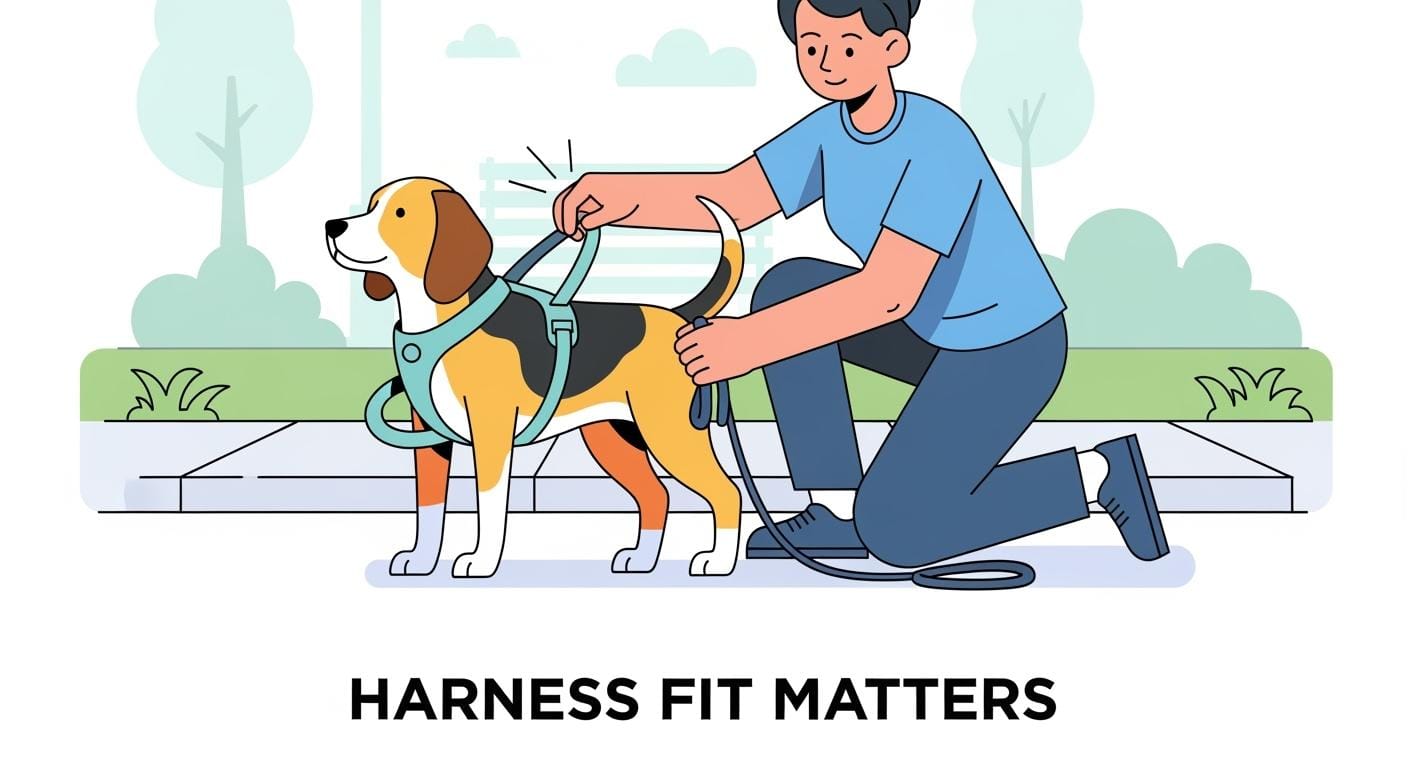
You want your dog to stay comfortable during every outdoor adventure. Chafing and hair loss often happen when a collar fits poorly or stays wet and dirty for too long. Use the two-finger rule to check the fit. You should be able to slide two fingers between the collar and your dog’s neck without squeezing. This simple check helps prevent skin irritation and keeps your dog safe from choking or discomfort.
The two-finger rule makes sure the collar is snug but not tight.
Regular checks help you spot early signs of irritation or hair loss.
A proper fit allows your dog to breathe and move easily.
Choose a collar width that matches your dog’s size. For small dogs, try 0.5 in (13 mm) to 0.75 in (19 mm). Medium dogs do well with 0.75 in (19 mm) to 1 in (25 mm). Large dogs often need 1 in (25 mm) to 1.5 in (38 mm). A collar that is too narrow can rub and cause chafing, while a collar that is too wide may slip or feel bulky.
Tip: Always check the skin under the collar after outdoor play. Clean the collar often and never leave a dirty, wet collar on your dog for long periods.
Avoid Slipping and Skin Issues
A collar that slips or rubs can lead to skin problems. Material choice matters. Hypoallergenic options like leather or organic cotton often help dogs with sensitive skin. Nylon works well if it is padded and free from harsh chemicals. Neoprene collars feel soft and do not trap heat or moisture, which reduces the risk of chafing. Silicone collars combine comfort with durability and resist water and odor, making them easy to clean.
Note: If your dog pulls hard on walks, a harness may work better than a collar alone. This can help prevent neck strain and skin irritation.
Check the collar position often. It should sit high on the neck, not too close to the shoulders. Adjust the fit as your dog grows or changes weight. Inspect for redness, hair loss, or rough patches. Replace the collar if you see damage or signs of discomfort. These steps help keep your dog safe and happy outdoors.
Water-Resistant Dog Collar Care and Cleaning
Fast Cleaning Routines
You want your waterproof dog collar to stay fresh after every adventure. Cleaning routines help you keep your collar in top shape and prevent problems like odor or grime buildup. After your dog plays in mud or swims, rinse the collar with clean water and wipe it dry using a soft cloth. For light dirt or sand, a quick spray with your garden hose works well. If your dog gets into messy spots, use mild soap and warm water, then rinse the collar thoroughly and let it air dry. Always store the collar dry after swimming to stop moisture from building up.
Here is a simple cleaning checklist for water-resistant collars:
Rinse after muddy play or swimming.
Wipe dry with a clean cloth.
Spray off sand or light dirt with a hose.
Wash with mild soap and warm water for heavy messes.
Air dry before storing or using again.
Tip: Regular cleaning helps your waterproof collar last longer and keeps your dog comfortable.
Odor Prevention and Drying
Odor can build up if you do not clean your collar often. Different materials need different cleaning methods to prevent smells. You can use baking soda mixed with warm water to scrub any collar, then rinse and let it dry. For leather collars, peppermint soap works well. Brush the collar, rinse with hot water, and repeat if needed. Synthetic collars like nylon or polyester can soak in vinegar and baking soda or hydrogen peroxide, then rinse and dry. Some non-leather collars can go in the dishwasher on the top rack for a normal cycle.
Here is a table showing how cleaning methods work for each material:
Method | Material Type | Description |
|---|---|---|
Use baking soda | All types | Mix with warm water, brush, rinse, and dry |
Use peppermint soap | Leather | Apply, brush, rinse with hot water, repeat if needed |
Use the dishwasher | Non-leather | Place on top rack, normal wash cycle |
Clean synthetic collars | Nylon/Polyester | Soak in vinegar and baking soda or hydrogen peroxide |
Drying is important for odor control. Always let your waterproof collar air dry fully before putting it back on your dog. This step helps prevent moisture buildup and keeps the collar smelling fresh.
Note: Quick cleaning and full drying help your water-resistant collar stay odor-free and ready for your next outdoor trip.
Common Buyer Mistakes and Fixes
Mis-Buys and Smart Upgrades
Many buyers make simple mistakes when choosing a collar for outdoor use. You may pick a collar that looks good but does not fit well or stand up to rough conditions. Here are some common mistakes and how you can avoid them:
Forgetting to use the two-finger rule for fit. This can lead to choking or skin problems for your dog.
Ignoring regular checks for wear and tear. Small issues can turn into safety risks if you do not inspect the collar often.
Choosing materials that cannot handle water, sun, or abrasion. Some collars break down quickly outdoors.
If you want to upgrade, look for collars made from waterproof materials. These often last longer and resist odor. Welded seams help stop water from getting inside the collar. Reflective stitching can help keep your dog visible during evening walks. Adjustable collars with secure D-rings and ID tag holders add safety and convenience. Always pick materials that resist UV rays and abrasion for better durability.
For wholesale buyers, ask your supplier about the coating type, base webbing, hardware material, and stitching pattern. Check if the collar resists corrosion and if cleaning instructions are clear. Good packaging and labeling help with resale and storage.
Note: OEM means the supplier makes products to your design. ODM means the supplier offers ready-made designs you can brand as your own. Both options can help you get the right collar for your market.
When to Replace Outdoor Collars
You should know when it is time to replace your dog’s collar. Outdoor use can wear down even the toughest gear. Look for these signs:
Sign of Wear and Tear | Description |
|---|---|
Fraying or thinning fabric | Nylon collars often show this after pulling or rough play. |
Cracks or stiffness in leather | Leather collars may become uncomfortable and lose strength. |
Broken or weak buckles | Buckles that do not close tightly can snap during walks. |
Loose or rusted D-rings | D-rings that move or show rust may fail when you attach a leash. |
Incorrect fit | A collar that slips off or feels too tight needs replacing. |
Odor issues | Persistent smells can mean the material is breaking down. |
Other red flags include faded reflective strips, stretched fit, or stains that will not wash out. If you see redness or hair loss on your dog’s neck, switch to a new collar right away. Regular cleaning and inspection help you catch problems early and keep your dog safe. Upgrading to a collar with better durability can save you time and worry in the long run.
If your dog spends a lot of time outside, waterproof coated collars are usually the best choice. They last a long time, feel comfy, and are simple to clean. Nylon collars are good for most dogs, but leather collars need more care and do not do well with water. Always use the two-finger rule to check the fit. Measure your dog’s neck where it is the biggest. For dogs that play in water or mud, waterproof collars help stop bad smells and dry fast. Look at the table below to compare the choices:
Feature | Waterproof Coated | Nylon Collar | Leather Collar |
|---|---|---|---|
Water Resistance | Excellent | Moderate | Poor |
Odor Resistance | High | Moderate | Low |
Cleaning | Very easy | Easy | Hard |
Tip: Check your dog’s collar often for fraying, cracks, or broken parts. Choose the right collar by thinking about how your dog plays outside. Always follow the rules for fit and width to keep your dog safe.
FAQ
How do you measure your dog for the right collar size?
Wrap a soft tape around your dog’s neck where the collar sits. Add two fingers between the tape and neck for comfort. Check the measurement in inches and millimeters. Choose a collar that matches this size and adjust for a snug fit.
What is the best collar width for your dog’s size?
Pick 0.5 in (13 mm) to 0.75 in (19 mm) for small dogs. Medium dogs often need 0.75 in (19 mm) to 1 in (25 mm). Large dogs usually wear 1 in (25 mm) to 1.5 in (38 mm). Wider collars help with control and comfort.
How often should you clean an outdoor dog collar?
Clean the collar after muddy walks, swimming, or every two weeks. Rinse with water, wipe dry, and let it air out. For nylon or waterproof collars, use mild soap. For leather, wipe and condition to prevent cracks.
What signs show you need to replace your dog’s collar?
Look for fraying, cracks, stiff spots, or rusted hardware. If the collar smells bad or does not fit well, replace it. Check for sharp edges or loose stitching. These signs mean the collar may fail outdoors.
Can you use the same collar for swimming and hiking?
You can use waterproof coated collars for both swimming and hiking. These collars resist water, mud, and abrasion. Nylon works for hiking but may hold water after swimming. Leather may fail when wet, so use it only for dry walks.