Car seat dog covers work best when they match your bench shape, hold their position in motion, and still leave the setup easy to clean after normal drives. The right choice depends on seat coverage, anchor hold, buckle access, surface grip, and how your dog actually rides.
Key Takeaways
- Choose a car seat dog cover that fits your dog’s size and your vehicle’s shape. A better fit usually means fewer gaps, less shifting, and easier cleanup around the edges.
- Look for stable anchor points, usable buckle openings, and a top surface that helps your dog stay steady instead of sliding in turns.
- Choose materials by the mess you actually deal with. Hair, grit, moisture, and muddy paws all collect in different places.
Car Seat Dog Covers: Fit Checks
Choosing the right car seat dog covers starts with a fit check, not just a size label. You want the cover to match the bench shape, reach the high-contact zones, and stay flat enough that your dog is not constantly stepping on folds or exposed edges.
Bench, Hammock, and Cargo Fit
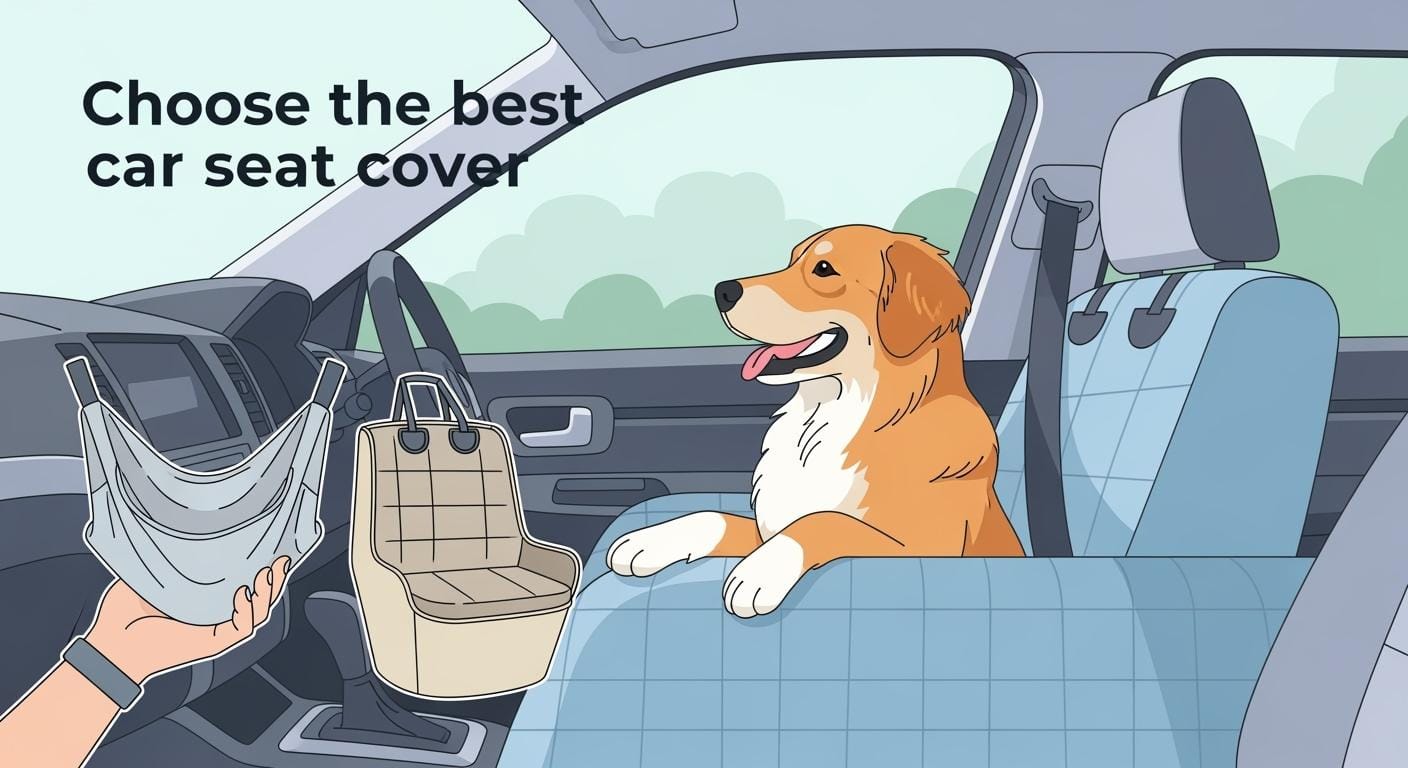
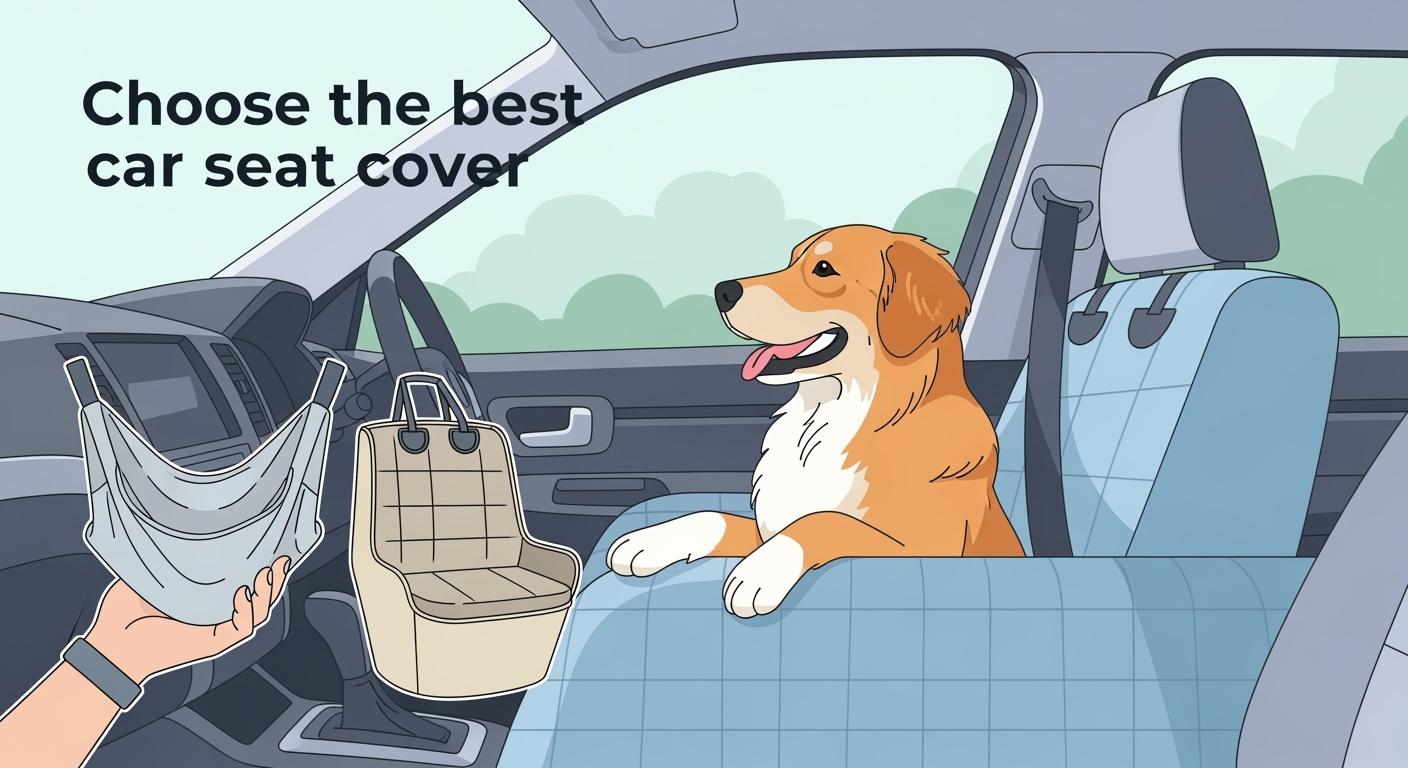
Bench covers, hammock covers, and cargo layouts solve different problems. The better choice depends on your seat shape, your dog’s size, and whether you need open buckle access, footwell blocking, or full cargo coverage.
| Type | Fit description | Usually suits | Works best when | Pros | Cons |
|---|---|---|---|---|---|
| Bench seat covers | Lays across the rear bench with buckle openings | Calmer riders and shared back seats | You still need some passenger or buckle access | Simple layout, easier partial seat use | Less footwell control |
| Hammock-style covers | Adds front drop panel and blocks the footwell | Dogs that pace, slide, or turn a lot | You want more enclosed seat coverage | Helps contain dirt and movement | Can reduce shared-seat flexibility |
| Cargo liners | Extends across cargo floor and side areas | SUVs, wagons, and hatchback cargo spaces | Your dog rides in the rear cargo area | Wider coverage, useful for dirt and gear | Not for standard rear bench use |
| Split-seat covers | Leaves part of the rear bench more usable | Mixed use with dog + passenger | You need part-time flexibility | Helps preserve seat access | Fit depends heavily on seat shape |
Tip: Measure the rear bench width, seat depth, and headrest layout before you buy. “Universal fit” is only a starting point.
Anchor Points and Seat-Belt Openings
Anchor points and seat-belt openings matter because they decide whether the cover stays planted and whether the bench remains usable. Before installing, check where the seat crease sits, where the headrests attach, and whether the buckle openings line up without forcing the fabric.
Step-by-Step Fit Check Guide
- Lay the cover across the seat and check the main coverage before fastening anything.
- Attach headrest straps and seat anchors, then smooth the main sitting area flat.
- Check whether buckle openings stay reachable without pulling the cover off-center.
- Press on the surface and look for bunching, sagging, or extra folds near the seat crease.
- Let your dog step on, turn, and lie down so you can see where the cover shifts.
- Let your dog step in and settle. Watch for sliding or discomfort.
Pass/Fail Fit Self-Check Table
| Inspection Item | Pass Signal | Fail Signal | Solution |
|---|---|---|---|
| Seat coverage | High-contact bench areas are covered with few gaps | Edges lift or side gaps expose the seat | Reposition, retuck, or move to a better-fit layout |
| Install tension | Cover lies flat without heavy bunching | Sagging, loose fabric, or excess folds remain | Retighten straps and smooth the surface again |
| Buckle access | Openings stay usable without dragging fabric sideways | Buckles disappear or twist under the cover | Realign openings or change the cover position |
| Anchor hold | Anchors stay seated in the crease during use | Anchors pull loose or drift upward | Reseat anchors and check the crease depth |
Unstable Fit Signs
Watch for sagging in the middle, side lift at the bench edge, drifting after one turn, or a dog that keeps sliding toward the footwell. These are the signs that the cover is not sitting securely enough for real drives.
- The cover sags enough that your dog slides forward during braking or turns.
- Fabric bunches under your dog instead of staying mostly flat.
- Buckles disappear under the cover after one ride.
- Anchors or straps loosen once the dog shifts weight.
- Your dog keeps bracing, pawing, or trying to climb out.
- Side walls collapse or the base sags under your dog’s weight.
- Straps loosen after short trips.
- You notice rubbing, stress, overheating, or discomfort.
A cover that shifts or bunches usually leaves cleanup harder too. Hair, dirt, and moisture start getting through the same exposed edges or loose seams each time.
Troubleshooting Table: Common Fit Problems and Quick Fixes
| Problem | Quick Fix |
|---|---|
| Cover shifts or slides | Re-seat anchors, retighten straps, and check whether the size actually matches the bench |
| Bunching or loose fabric | Smooth the surface flat and retuck extra material at the crease |
| Buckles blocked | Realign the cover so openings stay visible and reachable |
| Side gaps remain open | Try a better-width layout or use a style with more side coverage |
| Dog slides in turns | Check non-slip backing and reduce sagging across the sitting area |
Note: Recheck fit after washing, after removing the cover, or after longer drives. Small changes in strap tension can change how the cover sits.
A better fit keeps the bench more protected, helps your dog stay steadier, and makes the whole setup less annoying to maintain.
Car Seat Dog Covers: Stability in Use
Surface Grip and Non-Slip Backing
A stable cover helps your dog stand, turn, and settle without constant slipping. Non-slip backing, a flatter top surface, and tighter tension usually matter more than extra bulk. If the cover moves every time your dog shifts weight, the setup still needs work.
- Non-slip backing helps reduce sliding on smoother upholstery.
- A flatter sitting surface usually feels easier under your dog’s paws than heavy folds or trapped slack.
- Seat anchors and headrest straps should work together instead of fighting each other.
- Hard-bottom panels can help some dogs feel steadier, but only if the overall cover still fits the bench well.
Check whether the cover stays centered after your dog turns or lies down. If the surface starts drifting after one short trip, the straps or anchors are not doing enough.
Seat Protection vs Pet Restraint
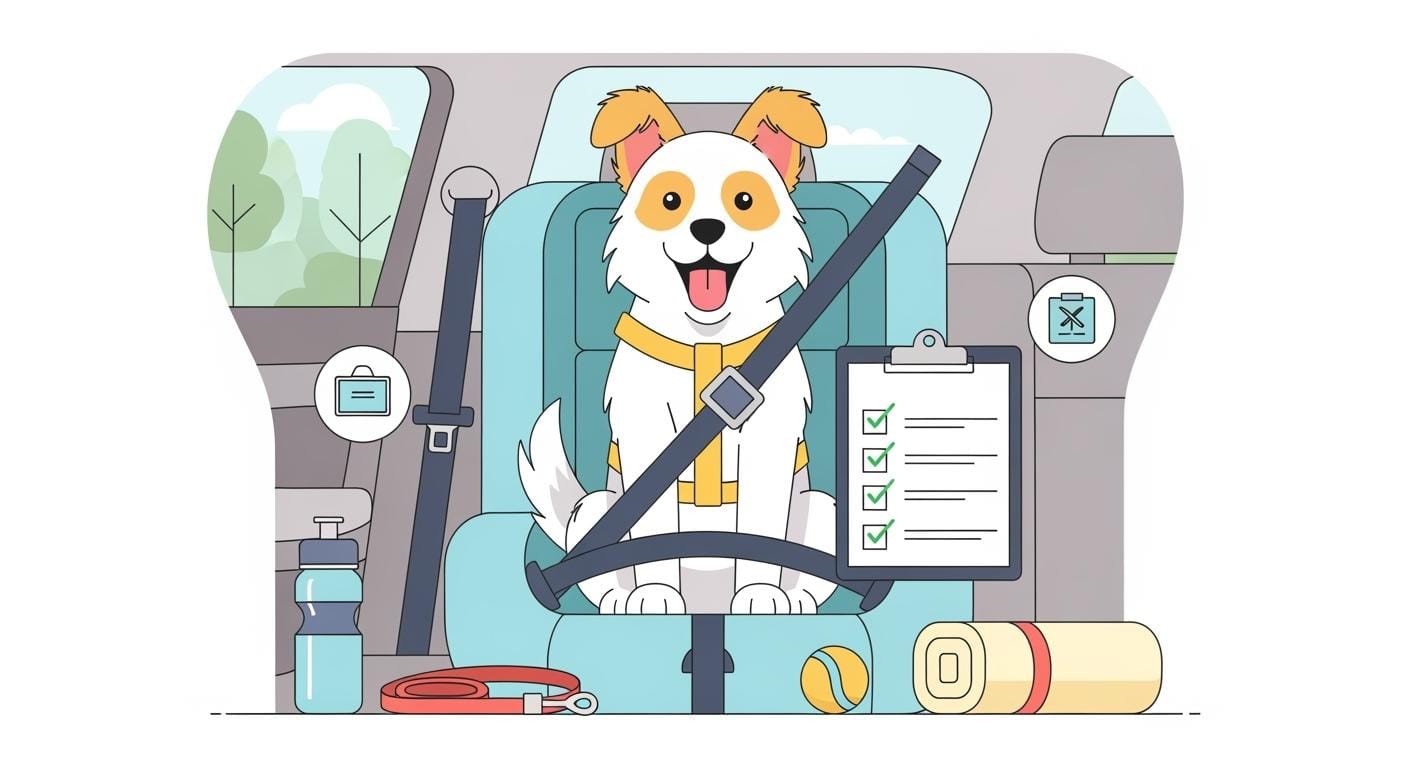
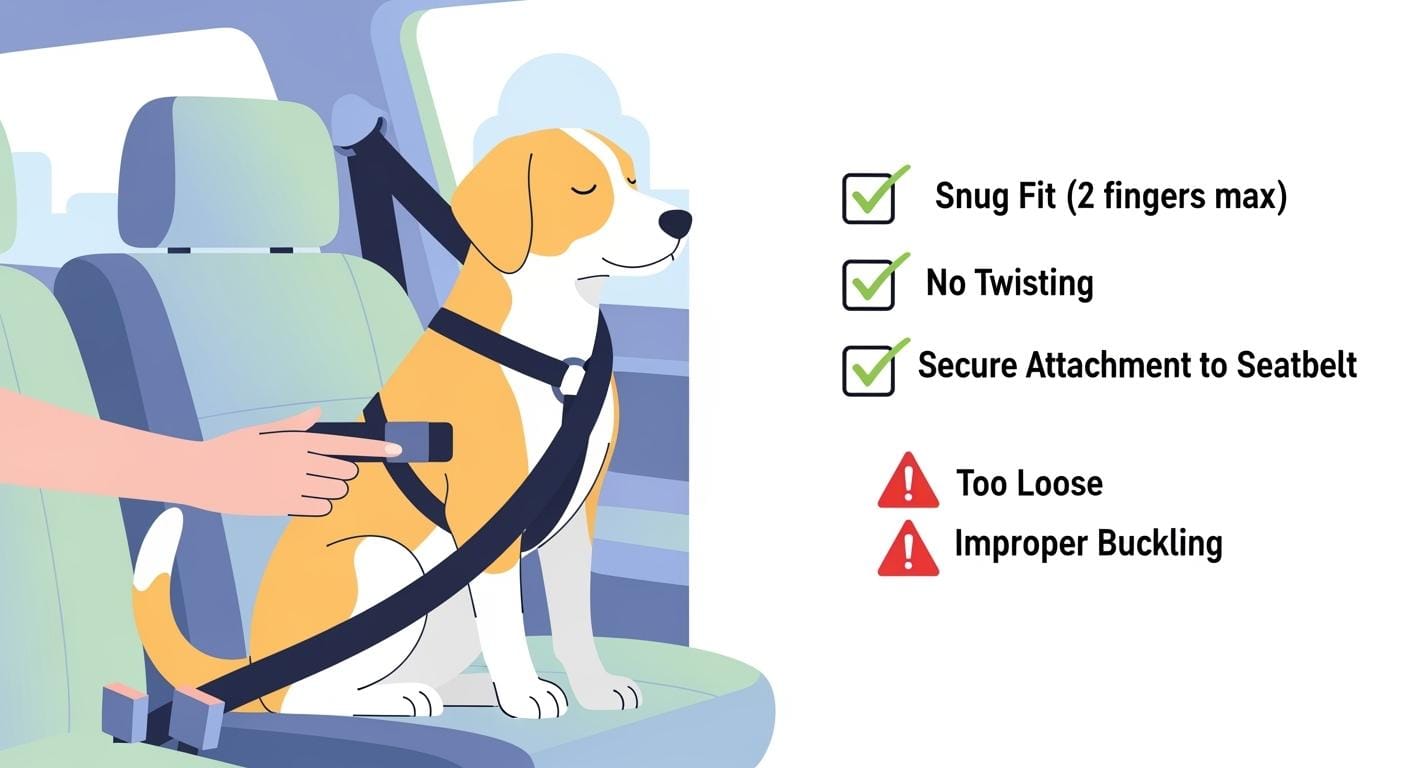
Seat covers protect upholstery and can improve footing, but they are not the restraint themselves. Their job is to keep the bench cleaner and more usable while still leaving restraint access workable if you are using a separate setup.
| Feature | What it helps with |
|---|---|
| Water-resistant backing | Helps keep normal spills and muddy moisture off the seat surface |
| Scratch-resistant top layer | Reduces wear from claws and shifting paws |
| Non-slip base | Helps the cover stay flatter during turns and stops |
| Buckle access opening | Keeps the seat usable if you need restraint access |
| Seat anchors | Help hold the cover closer to the seat crease |
If you use a separate restraint setup, make sure the buckle path stays visible and usable after installation. A cover that hides access points or pulls them out of place creates more setup errors, not fewer.
Note: Covers should not block buckle access or leave the restraint path hard to inspect.
Pass/Fail Stability and Restraint Checklist
| Inspection Item | Pass Signal | Fail Signal | Solution |
|---|---|---|---|
| Anchor hold | Anchors stay seated and the cover stays centered | Anchors loosen or the cover drifts | Reseat anchors and retighten the setup |
| Surface grip | Dog can stand and settle without obvious sliding | Dog slips or braces on turns | Check non-slip backing and surface tension |
| Buckle access | Openings stay visible and reachable | Buckles vanish under the cover | Realign the layout or change cover position |
| Bench stability | Cover remains mostly flat after a short drive | New folds, sagging, or bunching appear | Smooth and reset before the next trip |
Common Stability Mistakes
The most common stability mistakes are simple: choosing a loose universal fit, skipping the anchor check, leaving extra slack across the sitting area, or assuming soft padding alone will keep the dog steady.
| Common Mistake | What to do instead |
|---|---|
| Assuming any cover will do | Match the cover width and layout to the actual bench shape |
| Leaving extra fabric loose | Tighten, retuck, and flatten the main sitting area |
| Ignoring buckle access until later | Check buckle openings during the first install, not after a drive |
| Using a slick surface without grip | Look for non-slip backing or a steadier top surface |
Measure the bench width, seat depth, headrest spacing, and crease depth before buying. Those simple checks do more than label claims to predict real fit.
| Problem | What to do |
|---|---|
| Buckles disappear under the cover | Reinstall and test buckle access again before driving |
| The cover slides when the dog turns | Recheck anchors, strap tension, and non-slip backing |
| The cover bunches after a short trip | Smooth the fabric and reduce extra slack across the seat |
| The dog keeps sliding forward | Look at surface grip and whether the center is sagging |
A moving cover can distract both dog and driver. If the setup keeps shifting, fix the cover first instead of assuming the dog will simply settle down.
Tip: Test stability before normal drives. If your dog slips, braces, or shifts the cover sideways, correct the setup before the next trip.
Dog Car Seat Cover Materials and Cleanup
Wipe-Clean vs Comfort Surfaces
Choose materials by the messes and riding style you actually deal with. Wipe-clean surfaces simplify muddy paws and drool, while softer comfort surfaces may feel better for dogs that lie down quickly. The tradeoff is usually cleanup speed versus texture under the paws.
| Material Type | Durability | Ease of Cleaning |
|---|---|---|
| Wipe-clean coated surface | Usually handles repeated mess and quick wipe-downs well | Fastest for regular spot cleaning |
| Microfiber-style surface | Can feel softer under the dog but still practical | Usually needs vacuuming and spot cleaning |
| Quilted or padded surface | Can feel more cushioned if the fit stays flat | Often slower to clean and dry fully |
| Mixed-material cover | Balances texture and cleanup depending on layout | Check seams and stitched zones more often |
Mess Collection Zones
Most dirt, fur, and moisture do not spread evenly. They collect in the seat crease, footwell edge, side flaps, and the zones where your dog enters or turns around. Those are the places to inspect when a cover starts feeling hard to keep clean.
| Mess Zone | Design Solution |
|---|---|
| Seat crease | Use a cover that tucks cleanly and does not trap heavy folds there |
| Footwells | A hammock or fuller front drop panel can help block falling dirt |
| Door-side edge | Look for enough side coverage where your dog gets in and out |
| Cargo lip or rear edge | Choose coverage that protects the highest-wear transition zone |
Tip: Easy cleanup matters most after repeated real drives, not just after the first wipe-down.
When to Choose Each Cover Type
Pick the cover type around your dog, your car, and your real cleanup routine. Larger dogs often need stronger anchor hold and a flatter surface. Shared back seats often work better with split or bench layouts. Muddy hikes and beach trips usually favor wider coverage and faster-cleaning materials.
| Cleaning Challenge | Quick Fix |
|---|---|
| Pet hair buildup | Vacuum regularly and choose a surface that releases fur easily |
| Odor problems | Wash fully and let the cover dry completely before reuse |
| Mud and wet paws | Use wipe-clean materials and inspect seams after each dirty trip |
| Slow dry-out | Choose materials that air dry more quickly between trips |
Note: Water-resistant covers still need seam and edge checks after washing or heavy use.
Choose the right car seat dog cover by matching the layout to your seat, checking stability after your dog moves, and picking materials that fit your actual cleanup routine.
FAQ
How do you keep your dog calm during long drives?
You can help your dog settle by using a familiar blanket or toy, keeping the surface steady, and starting with shorter drives. A dog that keeps sliding or shifting usually needs the setup fixed first.
Can you use a dog car seat cover with a harness?
Yes. The key check is whether the seat-belt opening stays visible and usable after the cover is installed. Test the full setup before you drive.
How often should you clean your dog car seat cover?
Clean it as often as your dog, route, and mess level require. Recheck the fit after washing, because drying and reinstalling can change how the cover sits.
Note: This FAQ does not provide medical or veterinary advice. Always consult your veterinarian for health concerns.