Picture yourself riding your bike in a busy city or a quiet park. More people want to take their dog with them on a bike. Many bicycle dog carriers are different in safety and design. You have one main question to ask: does the carrier keep both you and your dog safe, not just look strong or cool?
Our company provides ERP and retail systems for pet and outdoor brands and for bike shops, so we see through sales, returns, and customer feedback which bicycle dog carriers work well in real use and which ones cause problems. For this guide we also reviewed open advice on biking with dogs from organizations such as the American Kennel Club (AKC), veterinary resources like the American Veterinary Medical Association (AVMA) and the Merck Veterinary Manual, and safety tips from cycling groups and cargo-bike experts. The rules below turn that outside guidance and retailer data into practical design and inspection checklists.
Key Takeaways
Always use a bicycle dog carrier with a secure attachment system. This keeps the carrier steady and stops accidents from happening.
Make sure the carrier has a strong harness tether. This keeps your dog safe inside and stops them from jumping out.
Match the carrier’s weight limit and size to your dog. A good fit helps your dog stay comfy and safe while riding.
Check the carrier and bike before every ride. Look for loose parts and make sure everything is tight to prevent problems.
Teach customers about safety features. Giving clear facts builds trust and helps them pick the best carrier.
Why Bicycle Dog Carrier Safety Matters
Common Risks and Accidents
There are real dangers when you carry a dog on a bike. Veterinary and pet-safety resources, including guidance from the American Kennel Club and other dog-activity experts, warn that many problems happen when a dog is not properly restrained, when a basket or trailer is overloaded, or when the carrier is attached in the wrong way. Cycling blogs and cargo-bike safety guides describe crashes where riders swerved to avoid a dog, a loose basket twisted into the front wheel, or a dog jumped from an open basket and pulled the bike over. These stories show that you should only use purpose-built carriers with strong harness tethers and steady attachments, never everyday baskets or improvised containers.
These patterns show that uncontrolled dogs and poorly designed carriers can both be risk factors. A carrier that comes loose or allows a dog to jump out can suddenly put an animal in front of the bike or into the roadway, leading to falls, collisions, or bites. Only carriers designed for bikes, with strong harness tethers and stable attachments, should be used.
- Common dog-related crash scenarios described in reports:
- Swerving to avoid a dog that enters the path
- Colliding with a dog that runs into the roadway or trail
- Riding with a dog in an unsafe, non-locking basket or improvised carrier
- Dog lunges or bites while the bike is moving or stopped
Regulatory Gaps and Responsibilities
Most countries do not have detailed rules for biking with dogs in carriers. Pet-travel advice from veterinary bodies such as the AVMA, CDC, and major veterinary manuals focuses mainly on car and air travel and on health issues, not on how to mount a basket on a bike. That means you cannot rely on a specific law or standard to tell you whether a bicycle dog carrier is safe. Brands and retailers need to create clear internal safety rules and checklists that still meet general product-safety and consumer-protection laws in each market, using guidance from these organizations as a baseline.
Retailer and Brand Opportunities
You can be different by caring about safety and quality. Customers want to know that carrying dog on bicycle rides will not hurt their pets. Give clear setup guides, safety lists, and good help after the sale. Ask for feedback to make your products better. Teach your customers about safety and why they should use special carriers for biking with dogs.
Business Value of Clear Standards
Making clear, testable rules helps you stop accidents and build trust. You show you care about safety, not just looks. You also get fewer returns and complaints. As more people buy these products, you can use better materials and smart features to get buyers who care about safety. Clear rules help you make better products and keep everyone safer, especially when you track incidents, returns, and customer comments through your ERP or retail system together with partner bike and pet retailers.
Checklist: Why You Need Clear Safety Standards
Essential Safety Features for Bicycle Dog Carriers
When you pick or make a bicycle dog carrier, you should think about important safety parts. These parts help keep you and your dog safe on every ride. Good design helps stop accidents and keeps pets from getting hurt. Here are the most important safety features you should check for and add to your products.
Secure Attachment Systems
A strong mounting system is the base of a safe bicycle dog carrier. You need to make sure the carrier is tightly attached to the bike frame or rack. Using more than one connection point helps stop slipping, shaking, or tipping. The carrier should not block steering, brakes, or lights. Always check if the mounting parts fit your bike and stay steady when carrying weight.
Key points for secure attachment systems:
Use more than one connection to keep the carrier steady.
Do not use designs that block bike controls.
Test the mounting system to see if it is strong and safe.
Make sure the carrier does not move during turns or stops.
Tip: Check the mounting system before every ride. A loose carrier can be dangerous for you and your dog.
Harness Tether and Containment
A good restraint system keeps your dog safe inside the carrier. You need a strong harness tether that clips to your dog’s harness, not just the collar. This stops your dog from jumping out or falling if you stop fast. The carrier should have high sides or mesh windows to keep your pet in and let air in.
Harness tether and containment checklist:
Use a built-in leash or harness clip to keep your dog safe.
Pick carriers with high sides or mesh panels to hold your dog.
Make sure the tether is strong and can be adjusted.
Do not use open baskets or carriers without a safety tether.
Weight Limits and Size Guidelines
You need to match the carrier’s weight limit and size to your dog. If you put too much weight in the carrier or use one that is too small, it is not safe. The carrier should hold your dog’s weight without bending. Your dog should have enough room to sit up and turn around.
Feature | What to Check |
|---|---|
Weight Capacity | Carrier holds your dog’s weight |
Internal Dimensions | Dog can sit up and turn around |
Bike Compatibility | Mounting fits your bike type |
Always measure your dog before you pick a carrier.
Look at the label for weight and size limits.
Make sure the carrier fits your bike’s frame or rack.
Sturdy Materials and Construction
Strong materials and good construction help the carrier stay safer and last longer. Look for tough fabrics, strong frames, and good closures. Weather-resistant materials keep your dog safe from rain, snow, and sun. Good carriers use strong zippers, snaps, or buckles that do not break easily.
Sturdy materials and construction essentials:
Tough fabrics and strong frames for safety.
Weather-resistant materials for outdoor rides.
Good zippers, snaps, or buckles.
No sharp edges or loose parts inside the carrier.
Visibility and Reflective Elements
Being seen is very important for every bicycle dog carrier. Bright colors and reflective strips help drivers see you and your dog, even when it is dark. Reflective materials are important for night rides and cloudy days. Good carriers have reflective parts on all sides.
Visibility and reflective elements checklist:
Bright colors help people see you in the day.
Reflective strips or patches help at night.
Put reflective materials on the front, sides, and back.
Make sure the reflective parts do not wear off fast.
Note: Being easy to see helps stop accidents. Always pick carriers with good reflective parts.
Quick Reference: Essential Safety Components
Strong mounting system with more than one connection
Inside harness tether for a safe restraint system
Weight and size limits that fit your dog
Tough, weather-resistant materials and good building
Bright colors and reflective parts for being seen
You should aim to include these safety features in every bicycle dog carrier you pick or make whenever possible. Good design and careful checks help keep your customers and their pets safe. These rules help make rides safer and products better.
Practical Bench and Ride Tests for Carriers
To move from theory to practice, you can add simple, repeatable tests to your development and buying process instead of only reading spec sheets. Outdoor and bike brands that take dog carrier safety seriously often combine lab-style checks with short test rides before approving a design.
- Static load and twist test: Mount the carrier on a bike or test rig and load it with a sandbag equal to the maximum dog weight plus 20%. Pull and twist the carrier from different angles to see whether brackets bend, straps slip, or the base touches the wheel.
- Low-speed brake and swerve test: In a closed parking lot, ride with the same weighted carrier and perform controlled hard stops and gentle swerves. Watch for tipping, front-wheel lightness, or steering wobble.
- Rough-surface vibration test: Ride over small bumps or cobblestones to check how much the carrier shakes and whether fasteners loosen after repeated vibration.
- Containment check: Use a stuffed dog or dummy harnessed to the tether and tilt the carrier to simulate sudden lean angles. Confirm that the sides and closure keep the “dog” inside and that the tether length prevents ejection.
Recording these results in a simple table for each model gives you comparative data on different carriers and creates evidence you can share with buyers, regulators, or insurers.
Comfort and Usability in Bicycle Dog Carriers
Adequate Space and Ventilation
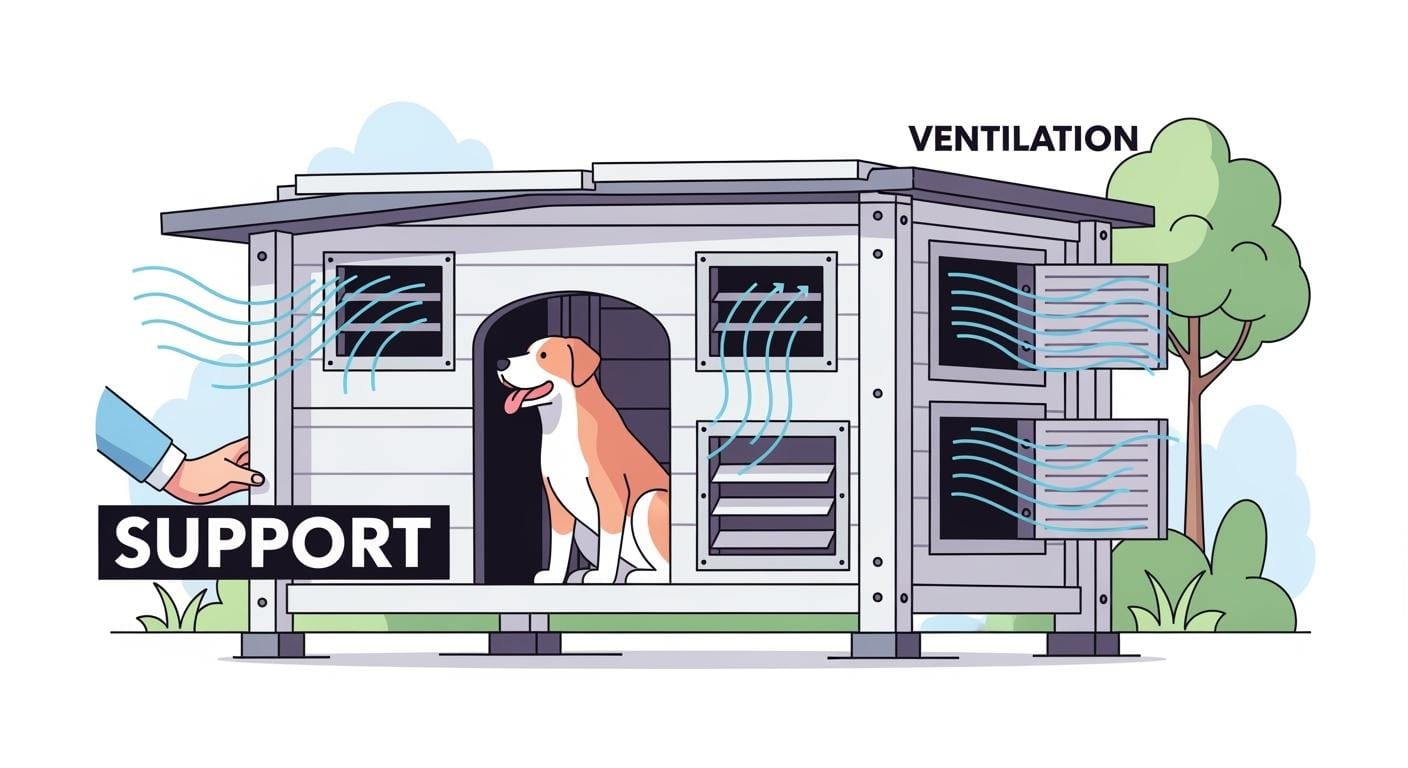
You want your dog to have fun on every ride. Enough space and good airflow are very important for comfort. Your dog needs room to sit, turn, and rest. Carriers with mesh panels let air move inside. This stops your dog from getting too hot. Air holes on every side help your dog stay cool and happy. Many carriers use mesh windows to let air in. These windows also let your dog look outside, which can help them feel less scared.
Tip: Always make sure the carrier has enough air and space for your dog’s size and breed.
Padding and Interior Comfort
Soft features inside the carrier help a lot. A padded bottom soaks up bumps from rough roads. This gives your dog a smoother ride. Look for carriers with padding you can take out and wash. This makes cleaning simple and keeps the inside nice. Memory foam pads can help older dogs or dogs with sore joints. Good padding and a strong bottom stop the carrier from wobbling and keep your dog steady during the ride.
Key comfort features:
Mesh panels for good airflow
Padding you can remove and wash
Memory foam or thick pads for more comfort
Weather Protection Options
Weather can change fast. You need to keep your dog safe from rain, wind, and sun. Many carriers use water-resistant fabric to keep your dog dry. Some have sunshades you can pull out to block the sun. These features help you ride in all kinds of weather. Always look for covers or flaps you can move when needed.
Easy Entry, Exit, and Cleaning
A good carrier lets your dog get in and out easily. Carriers with side or front doors work best, especially for big dogs. Doors make it easier for your dog and lower their stress. Cleaning should be easy too. Liners you can remove and padding you can wash help keep the carrier clean after every ride.
Feature | Description |
|---|---|
Entry Type | Side or front doors are easier for big dogs than top doors. |
Access | Carriers with a door are easiest for dogs to use. |
Note: Easy entry and cleaning make things better and safer for you and your dog.
Types of Bicycle Dog Carriers and Suitability
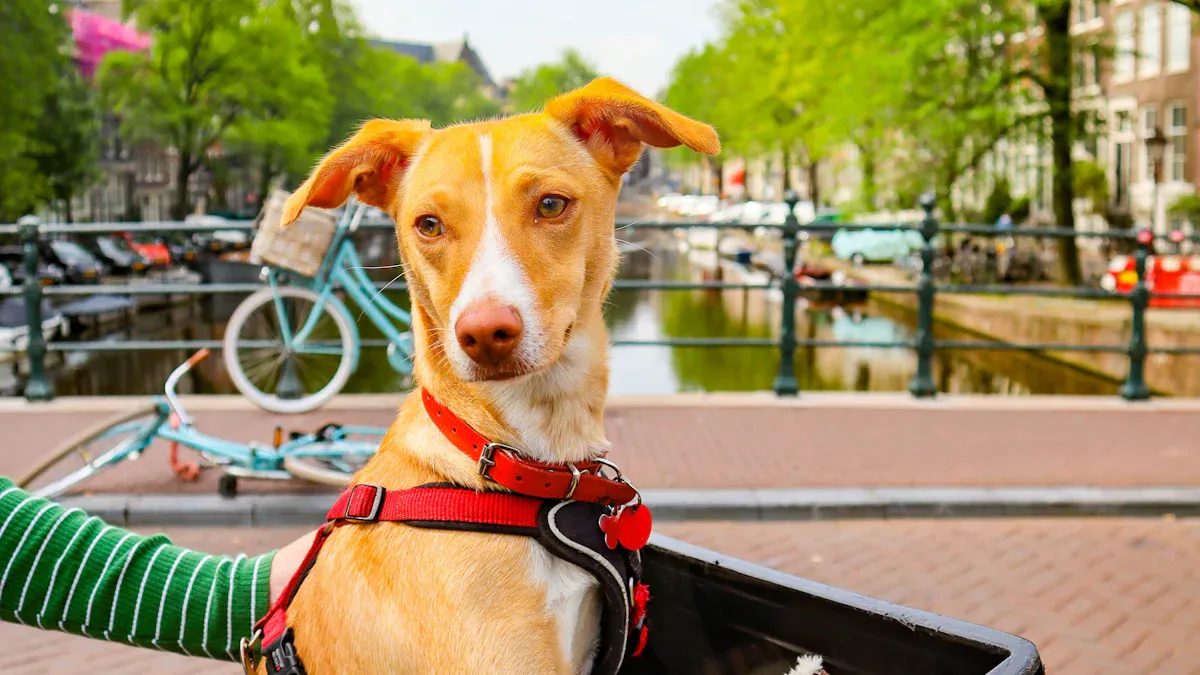
Choosing the right dog carrier for bike travel depends on your dog’s size, weight, and your bicycle model. You need to match the carrier type to your dog and riding style. Each option has strengths and limits. Let’s look at the main types of dog carrier cycling options.
Front Baskets for Small Dogs
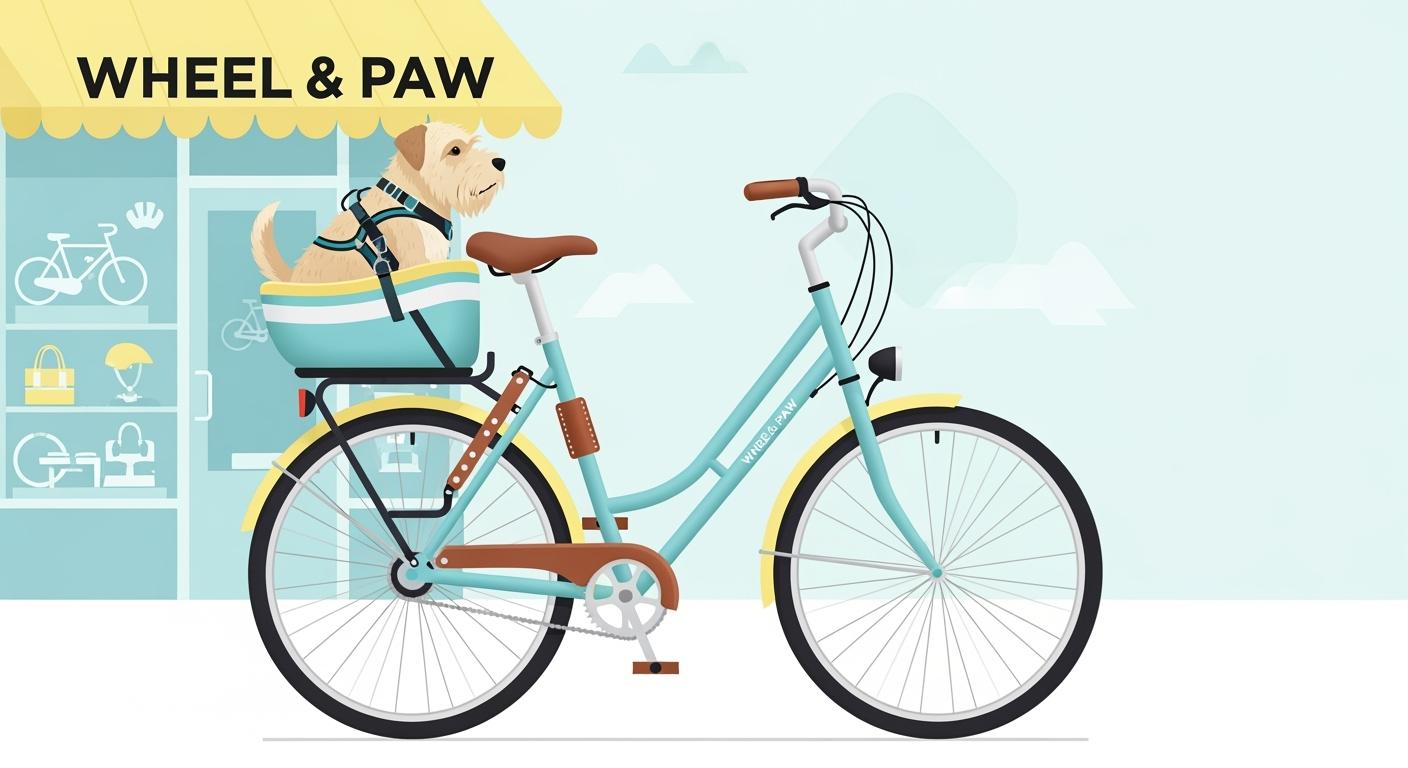
Front baskets work best for carrying dog on bicycle rides when your dog is small. You get to keep your dog close and watch them during the ride. Most front baskets fit dogs under 20 pounds. You must check that your handlebars have enough space and that the basket does not block brake or gear cables. Always use a safety tether and harness to keep your dog secure.
Rear Trailers for Larger Dogs
Dog bike trailers suit medium and large dogs. These trailers attach behind your bicycle and can hold heavier loads. Many dog bike trailers fit dogs up to 100 pounds. You need to check the axle type and make sure the trailer connects safely. Most trailers use quick-release skewers, but some need adapters. Trailers give your dog more space and keep the center of gravity low, which helps with stability.
Backpack and Specialty Carriers
Backpack carriers work for very small dogs. You wear the carrier on your back, which keeps your dog close. These carriers fit dogs under 15 pounds. You should use them only for short rides because the high center of gravity can affect balance. Specialty carriers include side-mounted options or convertible designs, but you must always check weight limits and attachment points.
Matching Carrier Type to Dog and Bike
You must match the carrier to your dog’s weight and your bike’s design. Use the table below to compare types:
Carrier Type | Recommended Weight Limit | Attachment Compatibility Guidelines |
|---|---|---|
Front-Mounted Basket | Small (< 20 lbs) | Check handlebar space; avoid blocking brake/gear cables |
Rear-Mounted Carrier | Small to Medium (< 50 lbs) | Use quick-release skewers; check axle type |
Dog Bike Trailer | All sizes (some hold 100+ lbs) | Use quick-release skewers; may need adapters for solid axles |
Wearable Backpack | Very Small (< 15 lbs) | High center of gravity; best for short rides |
Tip: Always measure your dog and check your bike’s frame before choosing a dog carrier for bike. Make sure the carrier attaches securely and does not interfere with steering or braking.
You keep your dog safe by picking the right carrier and following all safety steps. Each type of carrier has its own best use, so choose carefully for every ride.
Safety Tips and Pre-Ride Checklist
Before riding with your dog, you need to follow safety tips that protect both you and your pet. You can prevent most problems by checking your carrier, preparing your dog, and packing the right items. These steps help you enjoy biking with dogs while reducing risks.
Carrier and Bike Inspection
You should inspect your bicycle dog carrier and bike before every ride. Pull firmly on the carrier to make sure it does not move or twist. Check all straps, bolts, and connections for tightness. Look at the mounting points to confirm they do not block steering, braking, or lighting. Test your brakes for firmness and inspect brake pads for wear. Monitor tire pressure to support the extra weight of your dog. If your bike uses a battery, make sure it is locked in place. Re-torque bolts after initial rides to prevent loosening.
Tip: A balanced and secure carrier helps prevent instability when carrying dog on bicycle rides.
Dog Harnessing and Readiness
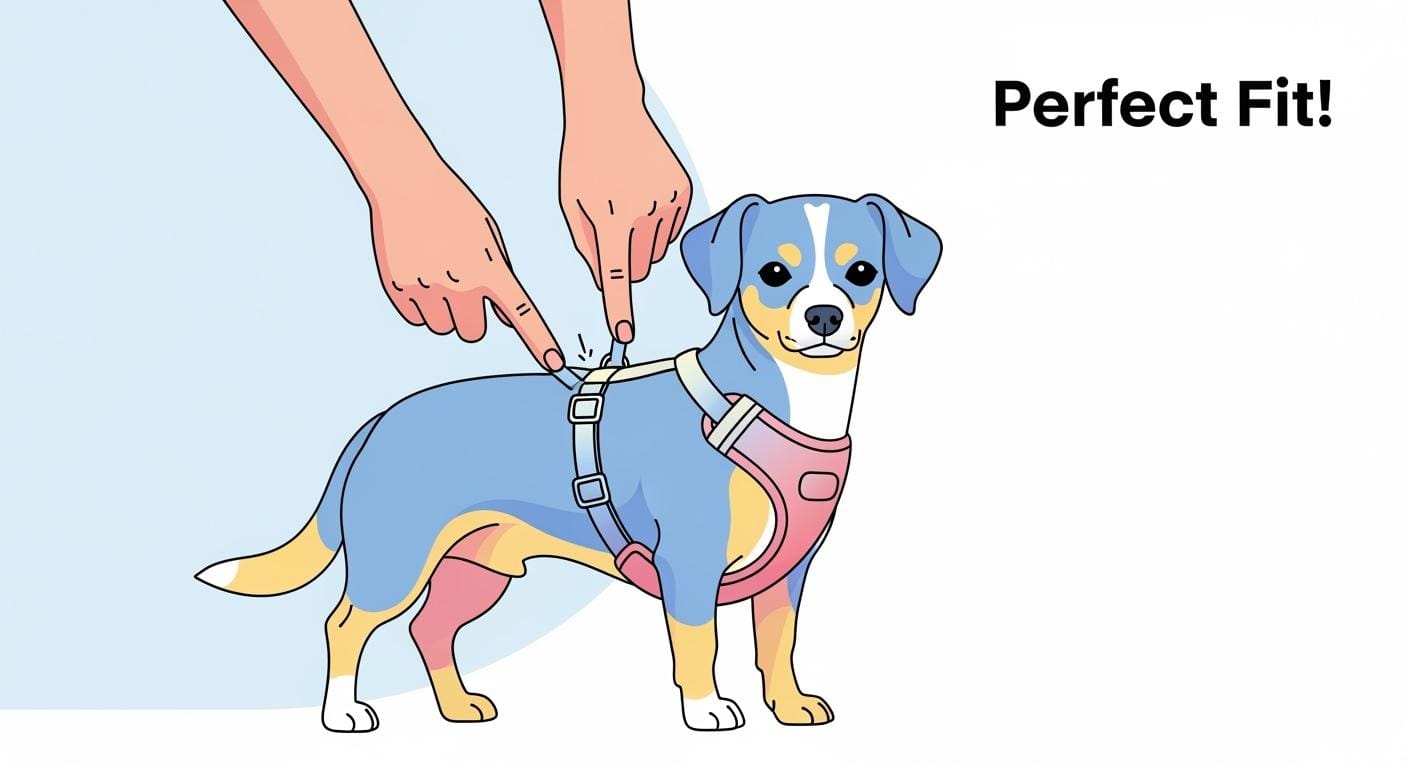
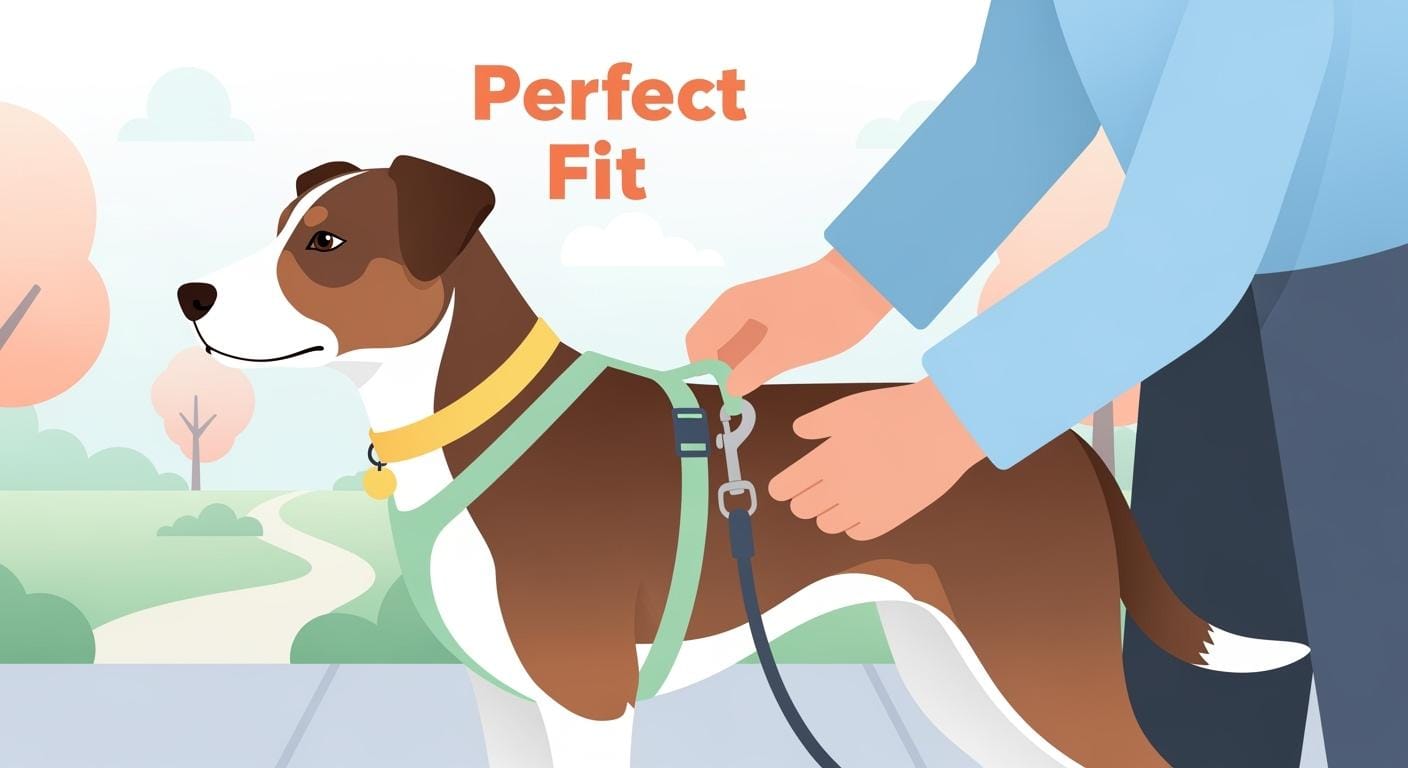
You must secure your dog inside the carrier with a safety tether attached to a snug harness. Never use a collar alone. Check that the harness fits properly and the tether is the right length. Use a non-slip surface inside the carrier to keep your dog steady during riding. Introduce your dog to the carrier slowly. Start with short, low-traffic rides so your dog feels comfortable. Watch your dog for signs of stress or discomfort before and during biking with dogs.
Packing Essentials for Safe Rides
Pack items that keep your dog safe and comfortable while riding. Bring water, a collapsible bowl, and a favorite toy to help your dog relax. Carry waste bags and a towel for quick cleanups. Include a leash for use when you stop. Store treats to reward your dog for calm behavior. Always check the weather and pack a cover or sunshade if needed.
Item | Description |
|---|---|
Water & Bowl | Hydrate your dog during breaks |
Leash & Waste Bags | Manage stops and clean up easily |
Towel | Handle spills or wet conditions |
Treats & Toy | Reward and comfort your dog |
Weather Cover | Protect your dog from sun or rain |
Safety tips help you avoid common mistakes and keep every ride enjoyable for you and your dog.
Legal Requirements and Common Mistakes
Product Safety and Labeling
You must make sure every bicycle dog carrier is safe. Check that the carrier uses safe materials. It should not have sharp edges or loose parts. Labels need to show the weight limit and how to use it. Warnings should be clear and easy to see. Give instructions that show how to use a harness and tether. Never let a dog ride in a regular basket or run next to the bike. Only use pet carriers with safety features. Always check carriers for damage or wear before selling or using them.
Local Traffic and Road Rules
Rules for carrying a dog on a bike are different in each place, and most traffic codes focus on human passengers and general loads rather than pets. You need to know the local laws before you ride or sell these carriers. Some places have age rules for riders or passengers, and others have special rules for bike lanes or one-way streets. The table below gives examples of rules in different regions so you can see how seriously extra loads on bicycles are treated.
Country/Region | Rule Description |
|---|---|
Vienna Convention | Does not allow passengers on bikes but has some exceptions. |
France | Lets you carry a passenger if they are under 14 years old. |
Germany | Cyclists can ride the other way on some one-way streets. Cyclists can use the whole street on bicycle streets. |
Switzerland | Cyclists must be old enough for school to ride on roads. |
Denmark | Kids under 6 need someone 15 or older with them. |
Poland | Kids over 10 must pass a test to ride on roads. |
Note: Always check the rules in your area before using a dog carrier on public roads. Bike paths and park trails are safer for riding with dogs.
Mistakes to Avoid When Carrying Dogs
People often make mistakes when using a bicycle dog carrier. You can stop most problems by following easy steps:
Do not put too much weight in the carrier. Always follow the weight limit for your dog and bike.
Always use safety gear. Use a harness, tether, and attach the carrier with more than one point.
Let your dog get used to the carrier slowly. Do not rush this step.
Watch your dog for signs of stress. If your dog pants, whines, or looks upset, stop and check on them.
Check the carrier often. Look for damage or loose parts before every ride.
Tip: A safe and happy dog makes every ride better. Take time to train your dog and check your gear.
Example Failure Scenarios and What to Learn
Cycling blogs and pet carrier buying guides share real stories where small setup mistakes led to close calls or crashes. Use them as training material for your staff and customers.
| Scenario | What Went Wrong | Prevention Tip |
|---|---|---|
| Dog jumps out of open front basket | No harness tether or top cover was used; the dog reacted to another animal and leapt forward, almost pulling the bike over. | Only sell and recommend carriers with built-in tethers and high sides or covers; teach customers never to rely on an open everyday basket. |
| Basket tilts into front wheel on a bump | A single-strap mount on the handlebar slipped under load and vibration. | Require mounts with at least two attachment points and run static load tests before listing new models. |
| Trailer uncouples from axle | Wrong hitch or missing safety strap was used; the quick-release skewer was not fully tightened. | Check axle compatibility, always use backup safety straps, and make a “pin-and-strap check” part of your pre-ride checklist. |
Discussing these scenarios in training shows that your safety rules are based on real incidents, not just theory.
If you use clear rules for every dog carrier, you make things safer and help people trust your products. A strong carrier helps stop accidents. It lets you enjoy carrying dog on bicycle rides without worry. You help your customers by picking carriers with safe attachments, harness tethers, and steady designs. The table below shows how these parts make rides safer and better:
Safety Feature | Description |
|---|---|
Secure attachments | Keep the carrier steady and safe for every dog. |
Internal safety parts | Hold the dog in place and prevent jumping or injury. |
Stability | Make rides smoother and safer for you and your dog. |
Use the checklists and rules when you pick, build, and check your carriers. You make things better for every dog and every ride.
About This Guide and Sources
This guide is written for outdoor and bike retailers, pet brands, and distributors that sell bicycle dog carriers, trailers, and related gear. As an ERP and retail-system provider working with these businesses, we see patterns in which carriers generate repeat purchases and which ones lead to complaints, returns, or safety concerns. We combined that operational view with public advice from veterinary and animal-welfare organizations, pet-travel resources, and cycling experts on biking with dogs.
External references include vet-approved guides on biking with dogs, safety tips from groups such as the American Kennel Club, cycling and e-bike brands that publish best practices on carrying dogs in baskets and trailers, and cargo-loading guidance from bike safety sources. Pet-travel information from veterinary manuals and agencies such as the AVMA and CDC also informs the general health and preparation tips. This mix of internal data and external research helps you build bicycle dog carrier assortments on a stronger, evidence-based footing.
FAQ
What is the safest way to secure a dog in a bicycle carrier?
You should always use a dedicated pet carrier with a built-in safety tether. Attach the tether to your dog’s harness, not a collar. This setup helps prevent jumping or falling during the ride.
How do I know if a carrier fits my bike and dog?
Check the carrier’s weight and size limits. Measure your dog and your bike’s frame or rack. Make sure the carrier attaches with multiple points and does not block steering, brakes, or lights.
Can I use a regular basket or backpack for my dog?
No. You must use a carrier designed for dogs, with a secure harness tether and stable attachment system. Regular baskets or backpacks do not provide enough safety or containment for your pet.
What should I check before each ride?
Inspect all straps, buckles, and mounting points. Test the carrier for movement. Make sure your dog’s harness fits well and the tether is secure. Review the weather and pack water, a leash, and waste bags.
Where is it safest to ride with a dog carrier?
Choose smooth bike paths or park trails. Avoid high-speed roads, busy traffic, or extreme weather. Lower speeds and steady surfaces help keep your dog comfortable and reduce the risk of accidents.