Many front-clip designs promise better control, but real results usually depend on chest placement, shoulder clearance, and how the harness sits once your dog starts moving. The best front clip dog harness should guide from the chest without riding into the throat, twisting off center, or crowding the shoulders on an ordinary walk.
Key Takeaways
- Measure your dog’s neck and chest accurately before buying a harness. Use these measurements to find the right size on the harness size chart.
- Always perform the finger test when fitting the harness. One finger for small dogs and two for large dogs ensures a snug but comfortable fit.
- Check for signs of poor fit during walks. Look for rubbing, twisting, or discomfort to keep your dog safe and happy.
Dog Harness Fit Checks
Neck-Base and Chest Fit
You want the harness to sit snugly at the neck base and chest without pinching, gapping, or shifting. Start by measuring your dog before you buy. Use a soft tape and measure the base of the neck where the harness will rest, then measure the widest part of the chest just behind the front legs.
- Keep the tape flat against the coat and record both numbers.
- Compare those measurements to the brand’s size chart instead of choosing by weight alone.
Dogs with the same weight can have very different chest depth, shoulder shape, and neck size. A front-clip harness that fits one dog well may sit too high or too loose on another. Always compare your dog’s real measurements to the chart before you buy or adjust.
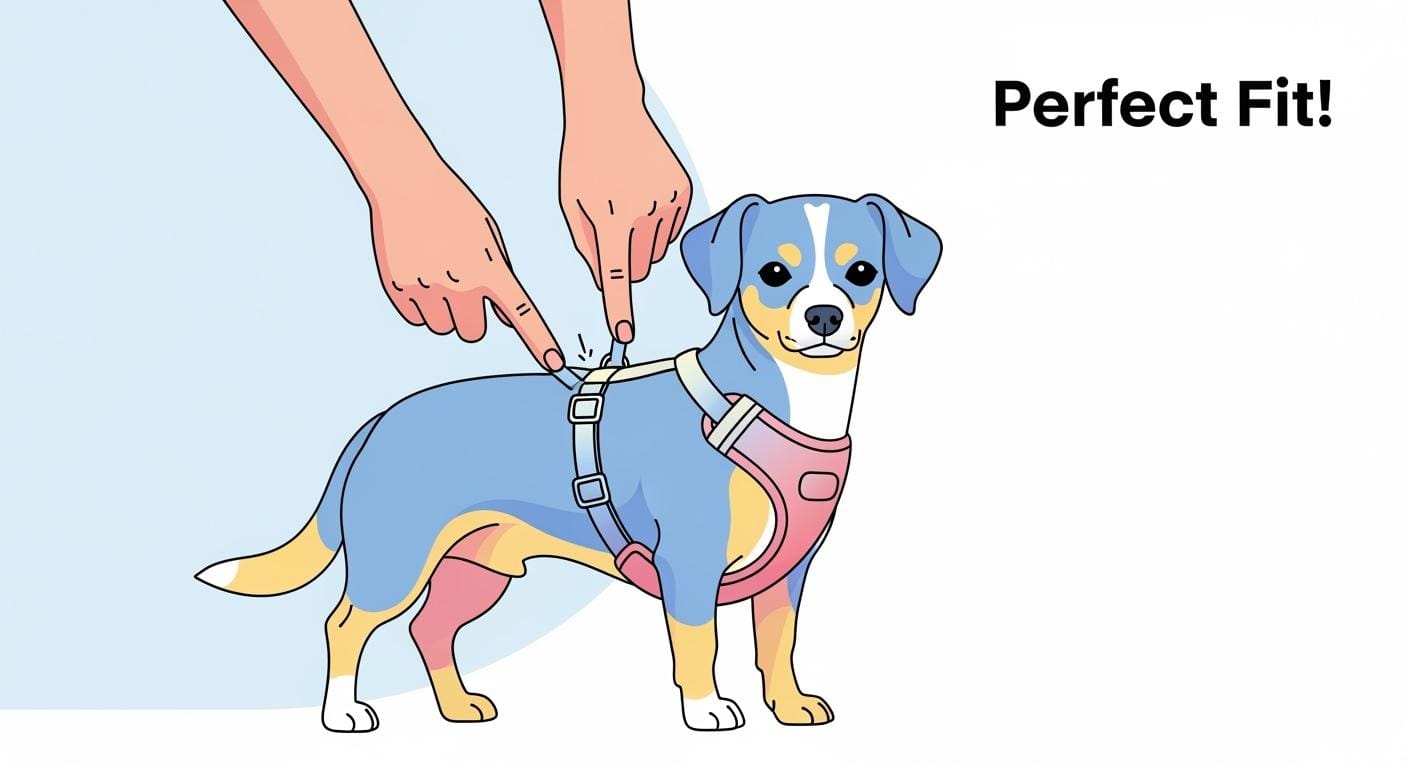
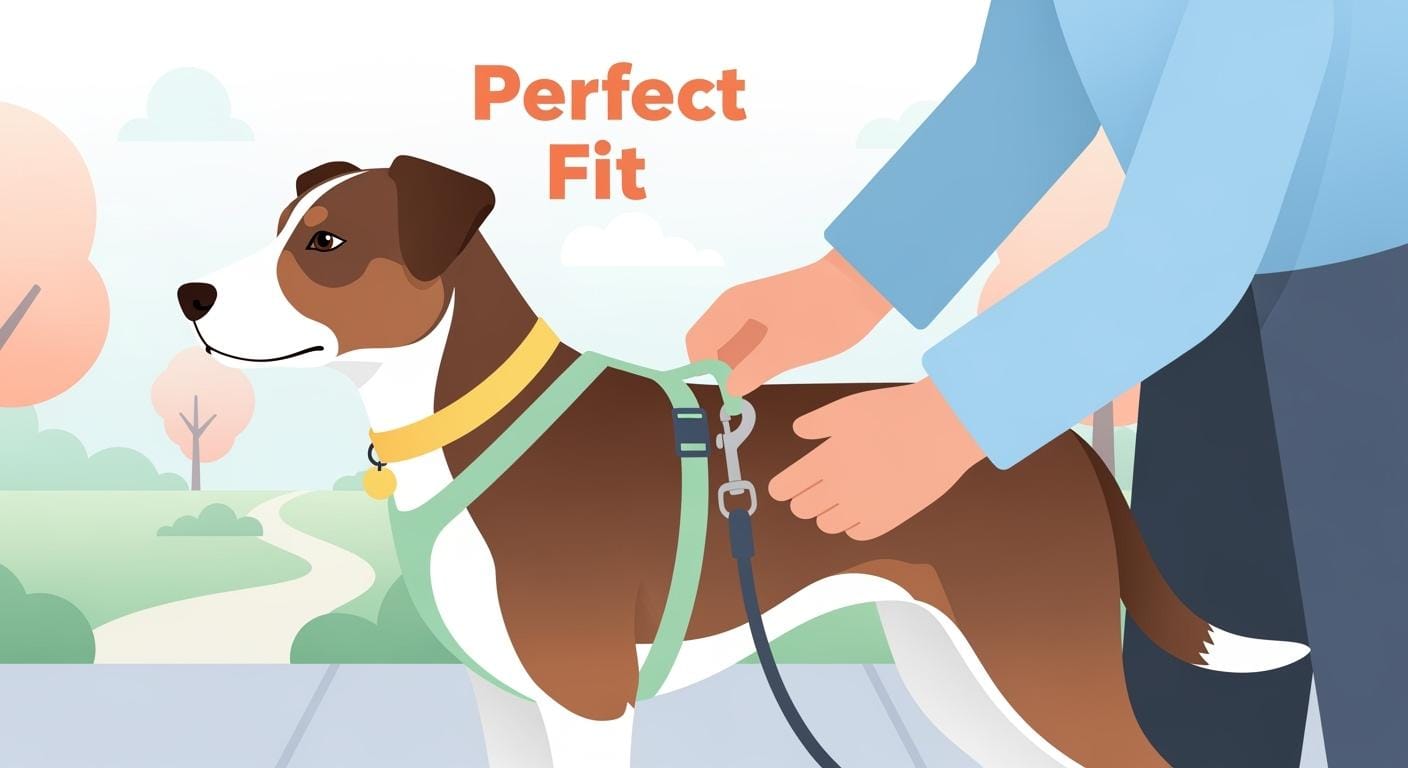
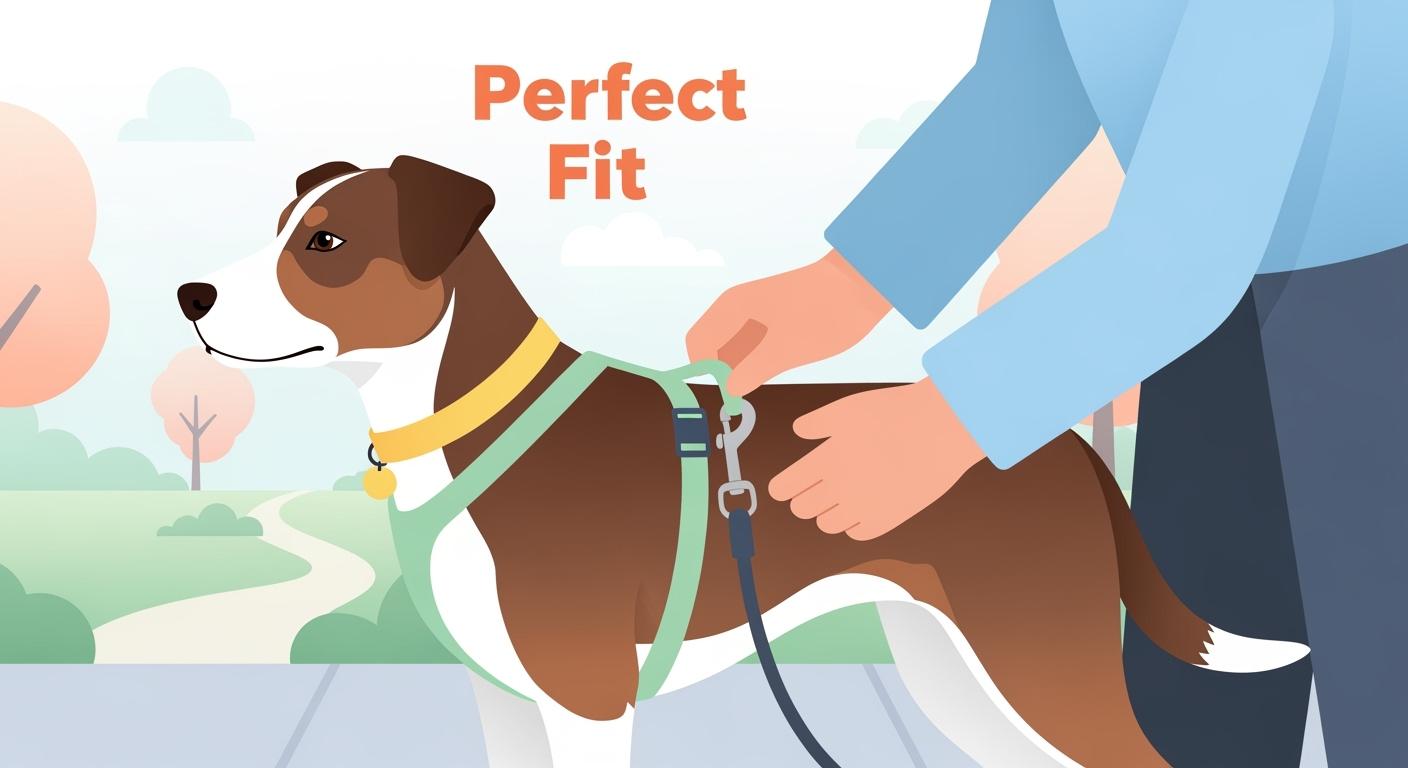
When the harness is on, use a quick fit check. For small dogs, one finger should slide under the strap comfortably. For large dogs, use two fingers. The harness should feel secure but should not pinch the coat, leave a wide gap, or shift when your dog turns.
Shoulder Freedom and Chafing
Your dog needs clear shoulder movement during walks. Check that the front section sits on the chest without crossing into the shoulder joint or rubbing behind the front legs. If the harness limits movement, your dog may shorten the stride, lean oddly, or slow down even on a short walk. Every dog’s front assembly is a little different, so movement checks matter more than product labels.
Look for smooth contact areas where the harness touches the armpits and chest. Padding can help, but bulk alone is not the goal. The best setup balances soft contact, stable fit, and enough airflow that the harness does not trap heat or stay damp against the coat. If your dog has sensitive skin, check for redness, rubbed fur, or repeated scratching after walks.
Signs of Poor Fit
You can spot a poor dog harness fit by watching your dog and checking the harness during and after walks. Common signs include:
- The harness rides up, twists, or rubs against your dog’s body.
- Your dog scratches, freezes, or tries to back out of the harness.
- You see coughing, limping, or changes in your dog’s walking pattern.
- The harness rises into the throat or presses against it when you pull the leash.
- You notice pink skin, hair breakage, or heat buildup where the harness sits.
If you see any of these signs, stop using the harness and adjust the fit. Check the dog harness size chart again and measure your dog if needed.
Tip: Always supervise your dog when it wears a harness. Never leave the harness on when your dog is unsupervised.
Pass/Fail Fit Checklist Table
Use this table to check your harness fitting before every walk:
| Check Item | Pass Signal | Fail Signal | Fix |
|---|---|---|---|
| Neck-base fit | Snug, 1-2 fingers fit under strap | Too tight, too loose, or gapping | Adjust straps or check size chart |
| Chest fit | Sits behind front legs, no pinching | Rides up, twists, or rubs | Refit or try different size |
| Shoulder freedom | Dog walks with normal stride | Short steps, stiff walk, or limping | Loosen fit or choose new harness |
| Chafing check | No redness or hair loss after walk | Pink skin, scratching, or hair breakage | Add padding or switch harness design |
| Back-out resistance | Dog cannot slip out when backing up | Dog escapes or harness shifts | Tighten fit or select better size |
Note: Always check the dog harness size chart and measure your dog before buying or adjusting a harness. Test the harness by walking and letting your dog back up gently to confirm safety.
Common Mistakes to Avoid
- Choosing a harness by weight label alone. Always measure your dog and use the dog harness size chart.
- Ignoring shoulder restriction. Make sure your dog can move its shoulders freely.
- Assuming a front clip harness will always solve pulling. Some dogs need training or a different harness style.
- Leaving the harness on when your dog is unsupervised. This can cause safety risks.
- Picking soft padding that traps heat and moisture. Look for breathable materials that balance comfort and safety.
By following these steps, you can improve your dog’s comfort and safety on every walk. Always check the fit and fitting before heading out.
Front-Clip Harness Control Features
Front vs. Back Clip vs. Dual Clip
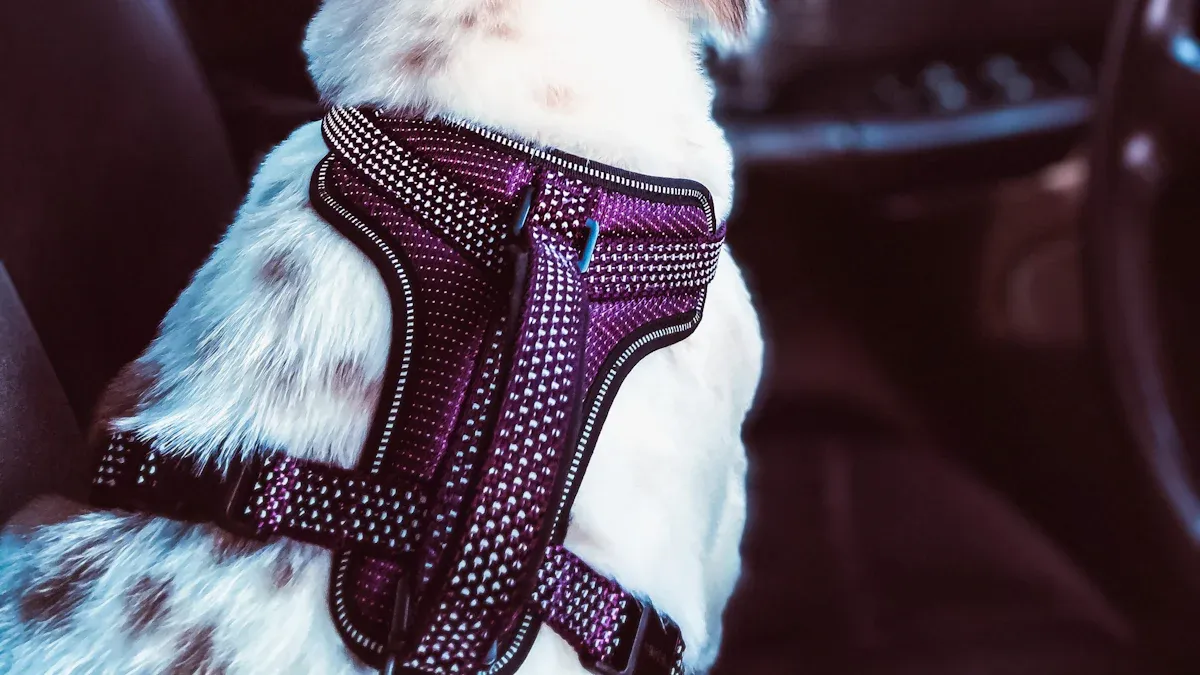
When you choose a dog harness, clip position changes how the leash redirects your dog and how much steering you have on walks. A front-clip harness connects at the chest and can help turn your dog back toward you when leash tension builds. A back-clip harness usually feels simpler for calm dogs, but it gives less steering for dogs that lunge or lean into the leash. Dual-clip harnesses let you switch between front and back points as your dog learns.
Clip location alone does not guarantee comfort. Chest placement still matters. If the front section sits too low, too wide, or too close to the shoulder, the harness may twist, rub, or interfere with movement. Many dogs do best in shapes that keep the chest panel centered and leave clear room at the shoulder through a normal walking stride.
When Front-Clip Control Works Best
You will usually get the most value from a front-clip harness if your dog forges ahead on routine walks, reacts in tight spaces, or needs clearer steering while learning leash manners. The front attachment can help redirect the chest, but it does not replace fit checks or training. If the harness twists, rides into the throat, or causes short steps, the setup needs to change.
Common Fit and Use Mistakes
Some mistakes make even a good front-clip harness less useful. Buying by weight alone, leaving the chest section too low, or assuming every no-pull label will suit every body shape can all create problems. Watch for signs like stiffness, repeated scratching, twisting, or your dog hesitating when the harness comes out. Those signals often point to fit or comfort issues, not stubborn behavior.
Tip: If your dog looks stiff, backs away from the harness, or starts taking shorter steps, pause the walk routine and recheck fit, chest placement, and shoulder clearance before you keep using the setup.
Comparison Table
| Type of Harness | Pressure Distribution | Pulling Tendency | Best For |
|---|---|---|---|
| Front-Clip Harness | Chest and shoulders | May reduce pulling by improving steering | Dogs learning loose-leash walking |
| Back-Clip Harness | Across back and chest | Less steering for strong pullers | Calm dogs, everyday walks |
| Dual-Clip Harness | Chest, shoulders, back | Flexible steering options | Training transitions, strong dogs |
Safety and Material Details
Breathability and Chafe Control
Your dog should feel cool and comfortable on walks. Look for materials that dry reasonably fast and do not hold heat against the coat. Breathable mesh can help airflow, and padded contact zones can spread pressure where the harness touches the chest and belly. Always check your dog’s skin and coat after each walk. If you see redness, rubbed fur, or repeated scratching, adjust the fit or try a different shape.
| Feature | Description |
|---|---|
| Breathable air mesh lining | Lets air flow and pulls moisture away, stopping overheating during active walks. |
| Padded chest and belly | Lowers rubbing and spreads pressure, helping stop chafing during long walks. |
Hardware, Stitching, and Durability
Your harness should hold up to routine use without relying on bulky hardware or stiff webbing alone. Look for even stitching, secure adjustment points, and hardware that closes cleanly without wobbling. Before each walk, check for fraying, loose threads, cracked buckles, or a chest ring that twists out of place. If any load-bearing part looks worn, replace the harness instead of hoping it will last another walk.
Cleaning and Maintenance
Clean your harness often. Follow the care label for your harness. Most step-in harnesses need gentle washing and drying before use. For padded or mesh harnesses, do not use harsh cleaners. Make sure there is no soap left or wet spots. Check buckles and straps for dirt or soap.
Troubleshooting Table
| Symptom | Likely Cause | Fast Check | Fix |
|---|---|---|---|
| Dog backs out of harness | Loose fit, wrong size | Two-finger test, doorway test | Adjust straps, try smaller size |
| Chafing or redness | Poor fit, no padding | Inspect skin after walk | Add padding, switch to breathable |
| Harness shifts or rotates | Oversized, not adjustable | Walk and turn test | Tighten straps, check adjustability |
| Dog resists step-in harness | Restricts movement | Watch stride, check shoulder area | Try different style or size |
| Odor or dirt buildup | Infrequent cleaning | Smell and visual check | Wash per label, dry fully |
Safety: Always watch your dog when it wears a harness. Never leave a harness on an unsupervised dog. If you notice limping, swelling, coughing, or clear skin irritation, stop using that setup and reassess the fit before the next walk.
- Check your harness at the neck, chest, and shoulders before every walk.
- Watch for signs of poor harness fit to keep your dog safe.
- Use a harness that allows natural movement and prevents chafing.
Tip: A well-fitted harness makes every walk safer and more enjoyable.
FAQ
How should a front-clip harness sit on your dog’s chest?
You should keep the chest section centered and low enough to stay clear of the throat while still feeling secure. Use the finger test and watch for twisting once your dog starts walking.
Can a front-clip harness stop pulling by itself?
No. A front clip can improve steering, but it does not replace fit checks, leash handling, or training. If your dog still leans hard into the harness, review the setup and practice leash skills.
When should you stop using a front-clip harness?
Stop and reassess if you notice rubbing, short steps, coughing, twisting, or your dog trying to back out. Those signs usually mean the harness shape, size, or adjustment is not working well.
Tip: Always check your harness before every walk. A good fit keeps your dog safe and comfortable.
| Quick Fit Check | What to Do |
|---|---|
| Neck | Use finger test |
| Chest | Watch for twisting |
| Shoulders | Check stride and comfort |