Finding the best dog harness is usually less about picking the most popular style and more about choosing the clip setup your dog actually moves well in. A front-clip design can help redirect pulling, a back-clip design often feels simpler for calm walkers, and a dual-clip option gives you more flexibility as your dog’s needs change. The comparison is easier when you start from the right dog harness type and then narrow down by fit, walking style, and control needs.

How clip style changes control and comfort
The best harness for one dog may be the wrong one for another because clip position affects how force is guided through the body. It also changes how much leverage the dog has when moving forward, lunging, or changing direction.
Front-clip harness
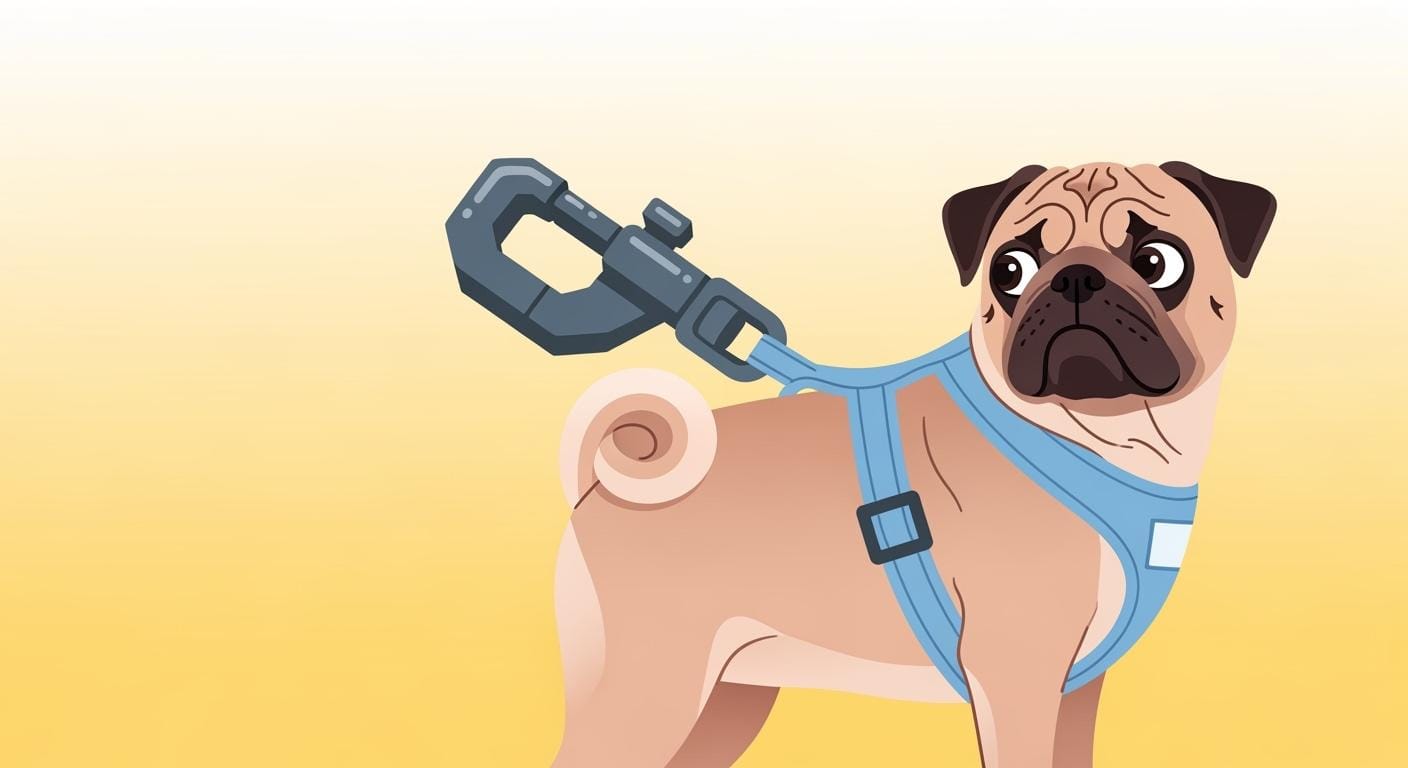
A front-clip harness attaches the leash at the chest. This often helps redirect forward pulling because the dog’s body turns slightly when they surge ahead. It can be useful for busy sidewalks, stronger pullers, and dogs that need more steering. The downside is that a poor fit can cause twisting, uneven pressure, or rubbing near the shoulder area.
Back-clip harness
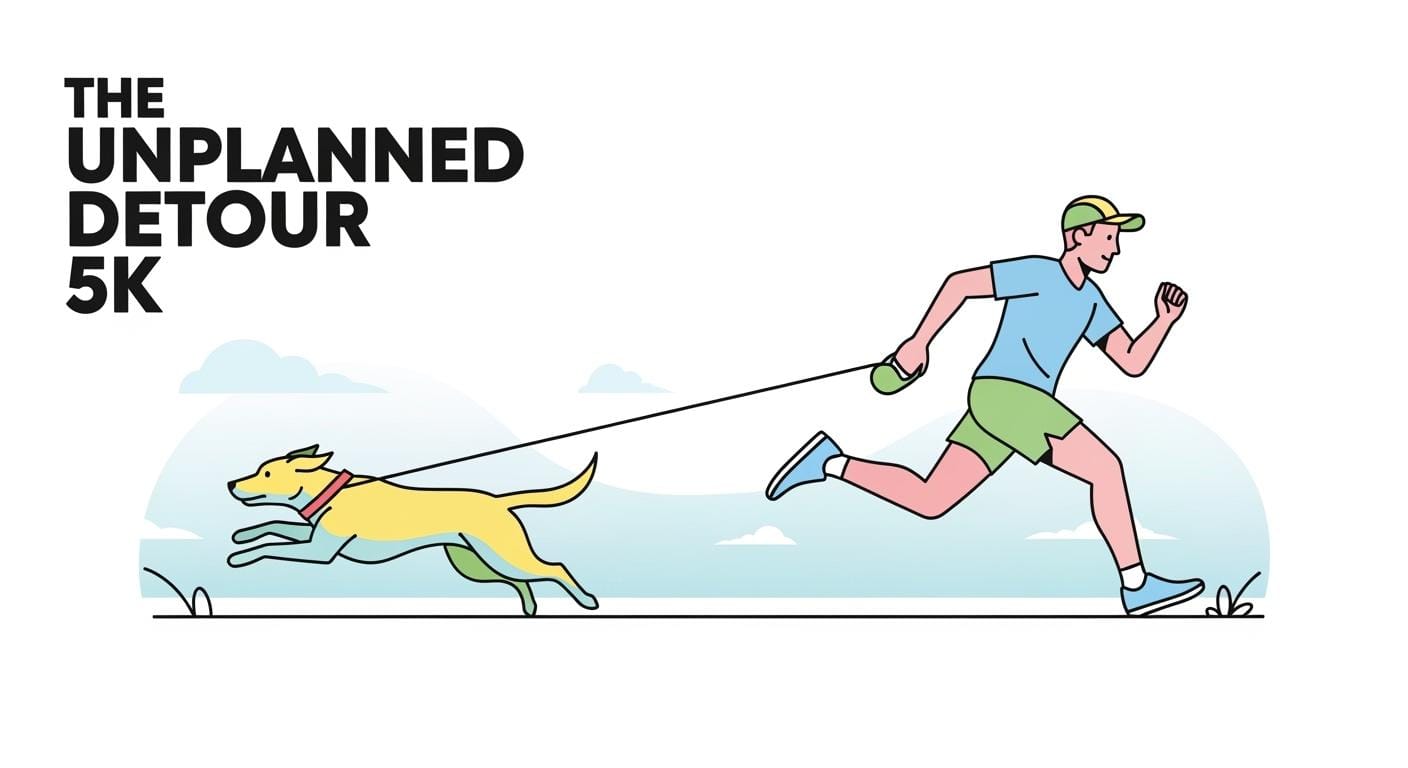
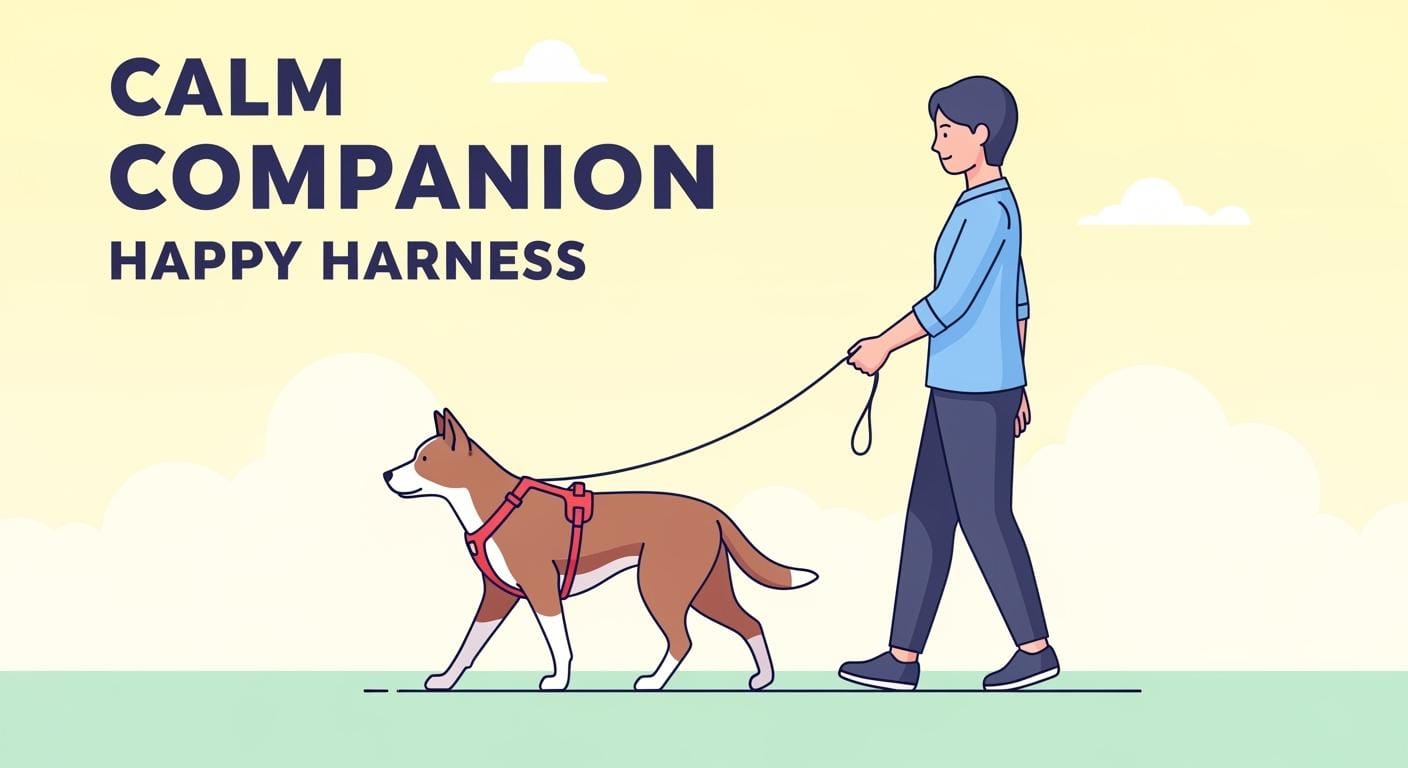
A back-clip harness attaches the leash over the back. Many dogs find it comfortable for ordinary walks, and many owners find it simple to put on. It usually works best for calmer dogs that already walk with reasonable leash manners. If your dog pulls hard, this style can give them more forward leverage instead of reducing it.
Dual-clip harness
A dual-clip design gives you both attachment points. This is often the most practical option when your dog does not walk the same way in every setting. You can use the front clip in crowded spaces and the back clip when the walk is more relaxed. Dogs that need more consistency from one route to the next usually benefit from a steadier walking routine as much as from the hardware itself.
| Clip style | Usually best for | Watch out for |
|---|---|---|
| Front-clip | Dogs that pull, crowded routes, more steering needs | Twisting, shoulder rub, poor balance if fitted badly |
| Back-clip | Calm walkers, easy daily use, dogs that dislike chest guidance | More pulling leverage, less redirection |
| Dual-clip | Dogs needing flexibility across different walk situations | More setup decisions, slightly bulkier design on some dogs |
Practical rule: if your biggest issue is pulling or steering, start by testing front-clip control. If your biggest issue is simple comfort for a calm walker, a back-clip may be enough. If your dog changes behavior by environment, dual-clip is usually easier to live with.
How to check whether the harness really fits
Even the right clip style will disappoint if the fit is wrong. Most harness problems that owners blame on design actually come from poor measuring, loose adjustments, or a shape mismatch around the chest and shoulders.
Measure before choosing a size
- Measure the widest part of the chest just behind the front legs.
- Measure the lower neck area where the harness sits, not just where a collar rests.
- Compare both numbers to the size chart rather than guessing by breed name or weight alone.
- If your dog is between sizes, think about chest depth, coat thickness, and how much adjustment range the harness has.
Use movement checks, not just a standing check
A harness may look fine when your dog is still but fail once the walk starts. After adjusting the straps, let your dog walk, turn, sit, and lean slightly into the leash. Watch for strap migration, chest panel rotation, pinching near the armpit, or the neck opening widening when the dog backs up.
Signs the fit is wrong
- The harness shifts to one side when the leash tightens.
- The dog can back out by reversing once or twice.
- Red marks appear after a short walk.
- The shoulder movement looks shortened or stiff.
- The chest strap slides too close to the front legs.
How to choose by walking style and common problems
The best dog harness is the one that solves the problem you actually have on walks. Start with the dog’s behavior, then choose the clip style that reduces the most frequent issue.
Choose by real walking scenario
- Pulls toward distractions: a front-clip or dual-clip harness usually gives better redirection.
- Walks calmly but needs comfort: a back-clip harness may be the easiest daily choice.
- Gets excited in some places but not others: a dual-clip harness gives you more flexibility.
- Tries to back out when startled: focus on escape resistance and overall fit before worrying about clip style alone.
- Shows rubbing or coat wear: recheck strap path, chest length, edge softness, and adjustment points.
When a style may not be the right choice
A front-clip harness may not be ideal if your dog’s gait looks restricted or the harness keeps rotating under light tension. A back-clip style may not be enough if you are still fighting forward lunges. A dual-clip harness may be unnecessary if your dog walks consistently well and you do not need multiple control options.
Do not expect clip style to fix every issue
A harness improves management, but it does not solve every behavior pattern on its own. If the dog panics, freezes, thrashes, or reacts strongly, the answer may involve slower acclimation, shorter sessions, or outside help rather than simply switching hardware. Questions around clip style, sizing range, and everyday use cases also connect naturally to harness sizing and use cases when a dog’s needs change across different walks.
Common mistakes and simple troubleshooting
Small setup mistakes create most harness frustration. When owners say a harness “does not work,” the issue is often one of these practical problems rather than the concept of the harness itself.
Mistakes to avoid
- Choosing only by looks or trend instead of by walking problem.
- Using weight alone and skipping chest measurement.
- Leaving straps loose because the dog seems more comfortable that way.
- Ignoring rubbing until the skin or coat already shows damage.
- Using a back-clip setup for a strong puller and expecting control to improve on its own.
Quick troubleshooting guide
| Problem | Likely cause | What to check first |
|---|---|---|
| Harness rotates | Loose straps or body shape mismatch | Re-measure chest, tighten evenly, check panel width |
| Dog still pulls hard | Wrong clip choice or too much forward leverage | Test front-clip or dual-clip control |
| Red marks after walks | Rubbing, rough edges, or poor strap path | Check contact points and movement range |
| Dog backs out | Neck opening too loose or poor adjustment | Review escape points and tighten safely |
| Dog resists putting it on | Bad association, awkward design, or discomfort | Slow the routine and reassess fit before replacing it |
FAQ
What clip style is best for a dog that pulls?
A front-clip or dual-clip harness is often the better starting point because it can reduce straight-line pulling leverage and give you more directional control.
Is a back-clip harness bad for dogs?
No. A back-clip harness can be a very good option for calm walkers and daily comfort. It is simply less helpful when pulling is the main issue.
How snug should a dog harness be?
It should stay stable without pinching, rotating, or letting the dog back out. You want secure contact and free shoulder movement, not looseness that turns into escape risk.
Do I need a dual-clip harness?
You do not always need one, but it is useful when your dog behaves differently in different places and you want both comfort and added control in one setup.
What matters more, fit or clip style?
Both matter, but fit comes first. The right clip style on the wrong fit can still twist, rub, or fail to control the dog properly.