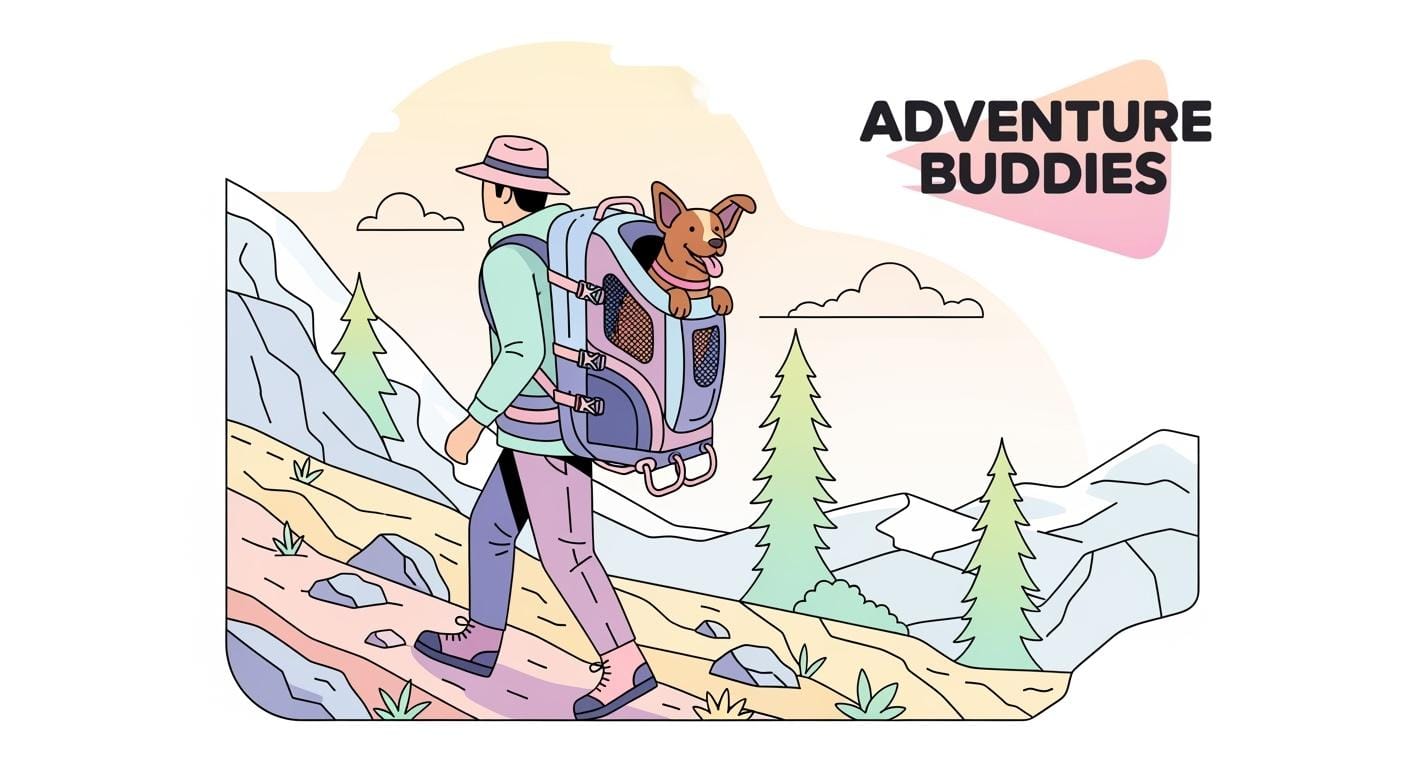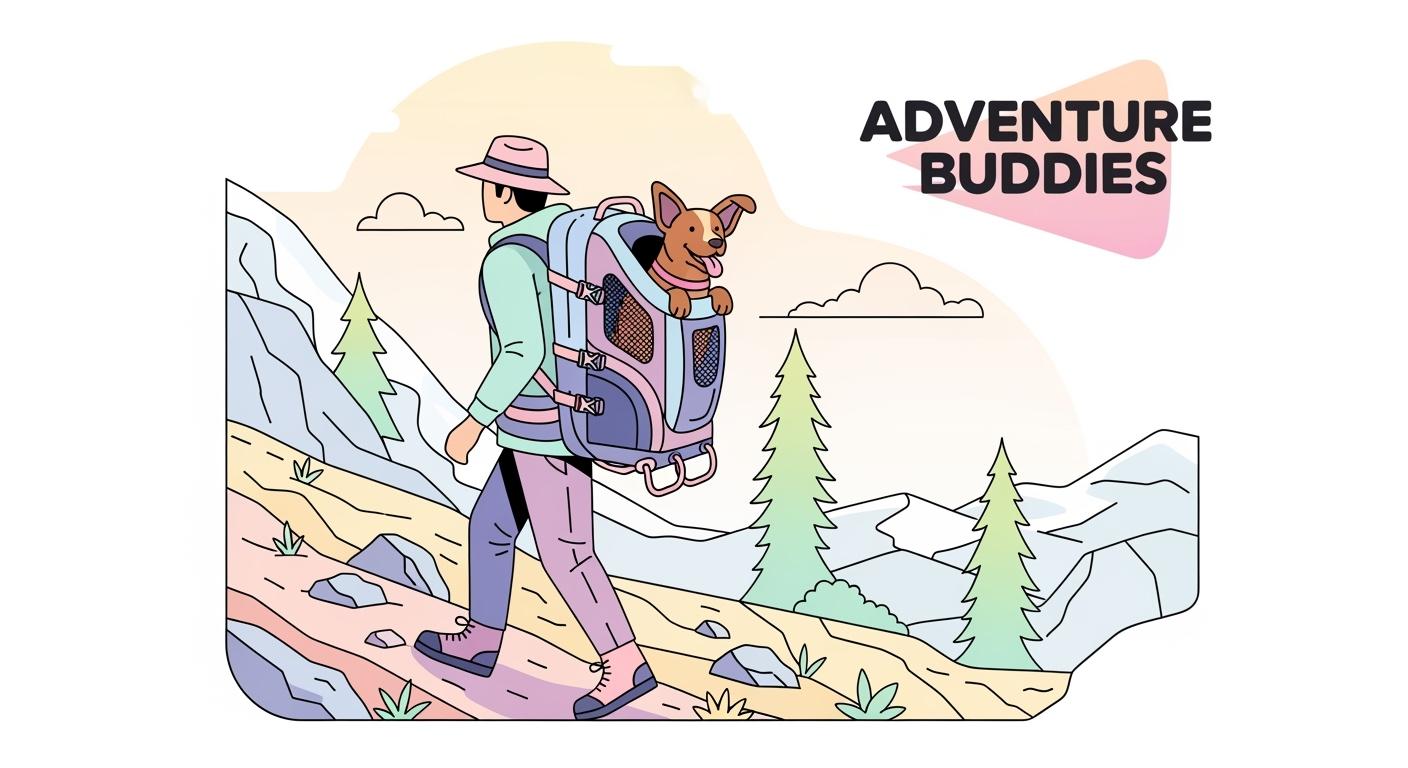
Many hiking carriers look trail-ready, but real stability comes from fit, base support, strap adjustment, and how close the load stays to your body. Check your dog’s posture, breathing, entry comfort, and cleanup needs before a longer outing. A backpack dog carrier for hiking can help with short carry sections and rest breaks, but it does not replace trail planning, heat checks, or honest judgment about what your dog can handle.
Key Takeaways
Check fit before hiking. Your dog should breathe easily, rest in a natural position, and enter the carrier without stress. Tighten all straps so the pack stays close to your body and does not bounce on uneven ground. Clean and dry the carrier after muddy or wet hikes, especially the liner, seams, and contact zones.
Fit Checks for Backpack Dog Carrier for Hiking
Posture and Breathing in Dog Backpack Carrier
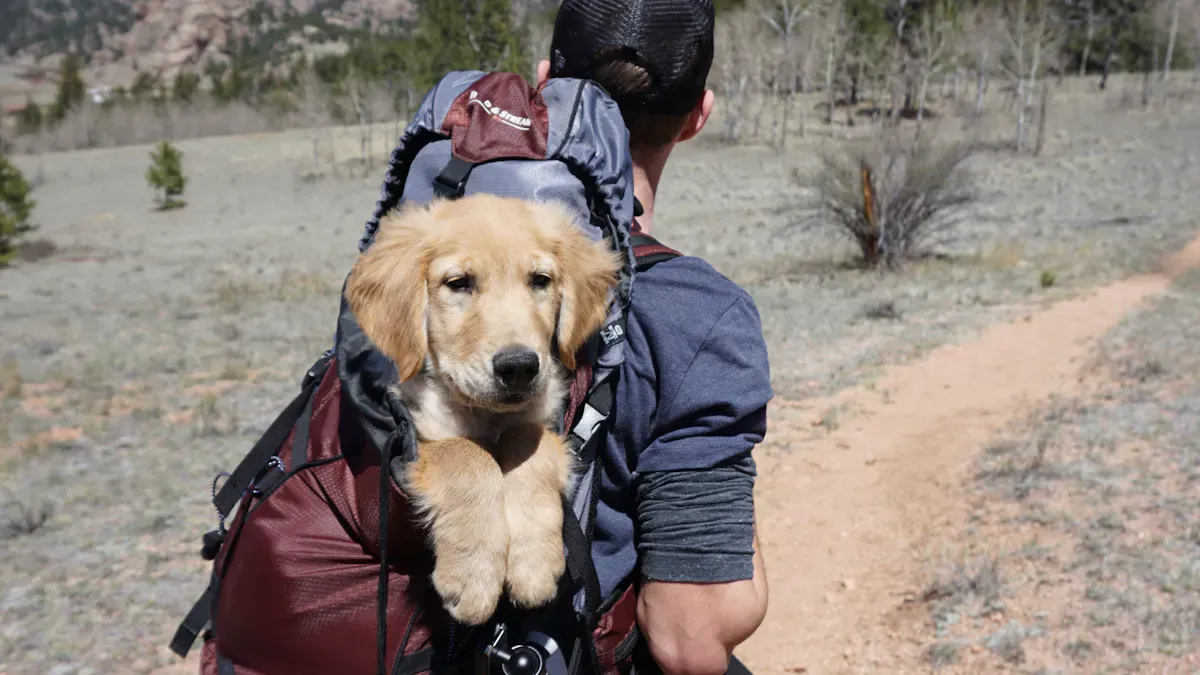
You want your dog to feel secure and relaxed in the carrier you use for hiking. Start by checking posture. Your dog should sit or rest without twisting, hunching, or pressing awkwardly against the opening. Some dogs settle better in carriers that let them rest more naturally, while some structured designs hold shape better on the trail. The right choice depends on your dog’s body shape, how they settle, and how stable the carrier stays once loaded.
Breathing matters just as much as posture. Your dog should breathe easily and show no signs of strain once the carrier is adjusted. If your dog pants hard, struggles to settle, or seems anxious right away, stop and check the fit. The opening should rest at the upper chest rather than press into the throat so your dog can breathe and move more comfortably on the trail.
Entry, Exit, and Security for Hiking
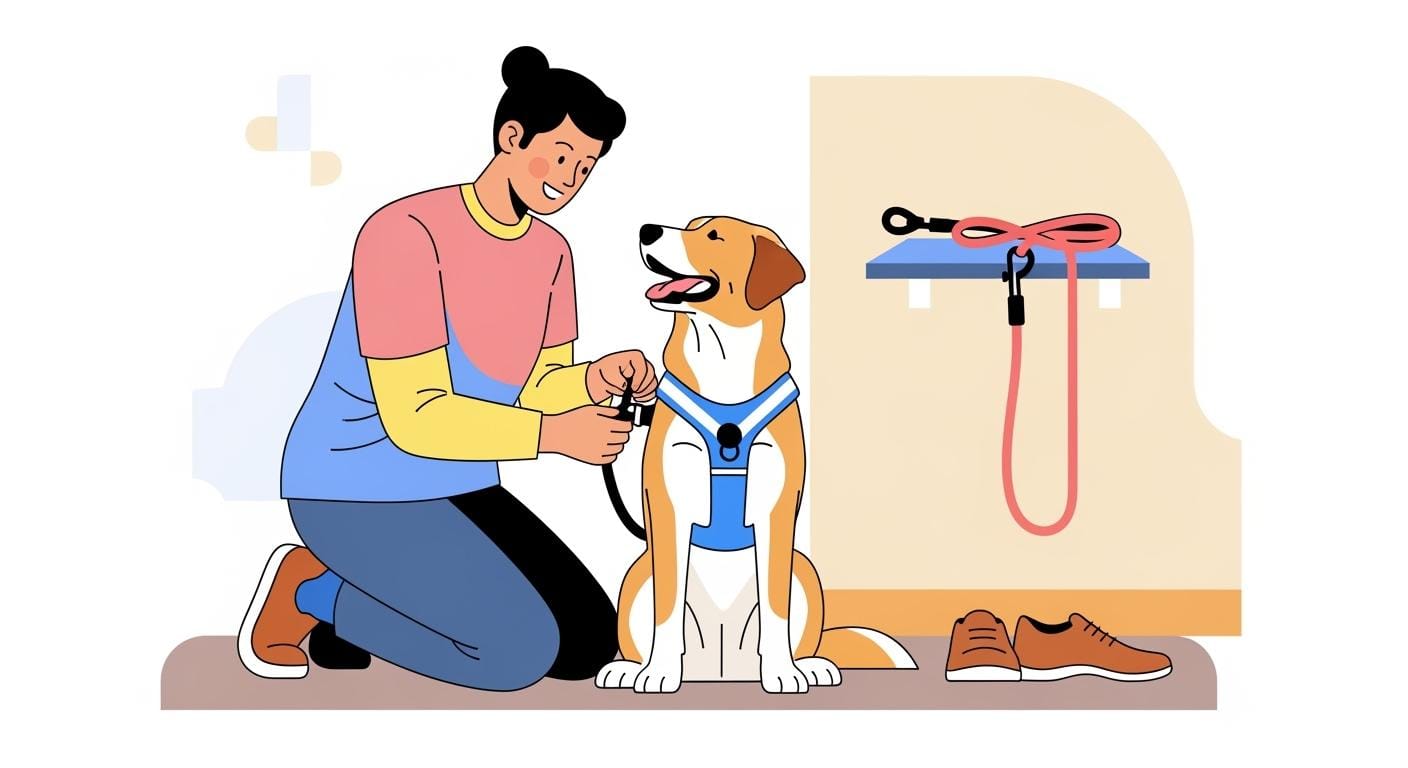
You need to make sure your dog can enter and exit the dog backpack without stress. Some dog backpacks use a step-in style, while others go over the head. Choose the style that matches your dog’s comfort level and body shape. When you prepare for hiking, practice entry and exit at home. Your dog should not struggle or resist. If your dog hesitates, check for pinching, rough seams, or straps that crowd the elbows.
Security is key for hiking. The dog backpack must hold your dog safely, even if you move quickly or climb. Adjust all straps so the carrier stays close to your body. The belly strap should sit behind the front legs, not crowding the elbows. Make sure you can fine-tune the fit on both sides. Before you start hiking, do a gentle back-out test. Try to see if your dog can slip free. If your dog can escape, adjust the straps or try a different size.
Signs of Poor Fit in Dog Backpacks
You must watch for signs that the fit is not right. If your dog shows any of these signs during hiking, stop and check the dog backpack:
- Your dog moves slowly or refuses to climb.
- You see heavy panting or early exhaustion.
- Your dog stops often or seems sore after hiking.
- You notice a changed gait or limping.
- Your dog tries to wiggle out or looks uncomfortable.
These signs can mean shoulder strain, back fatigue, or overheating. Never ignore them. The best dog backpacks for hiking keep your dog safe and comfortable at all times.
Pass/Fail Fit Checklist Table
Use this table to check the fit of your dog backpack before you go hiking. Each item helps you spot problems early and fix them.
| Check Item | Pass Signal | Fail Signal | Fix |
|---|---|---|---|
| Neck base and chest measured | Matches size chart | Too tight or loose | Re-measure and compare with chart |
| Entry style (step-in or over-the-head) | Dog enters calmly | Dog resists or struggles | Try other entry style or adjust straps |
| Neck opening position | Rests on upper chest, not throat | Presses on throat | Adjust opening or try different size |
| Belly strap position | Behind front legs, no elbow crowding | Crowds elbows or rubs | Adjust strap or choose another model |
| Adjustment points | Even fit on both sides | Uneven or loose fit | Fine-tune all adjustment points |
| Inside edges and seams | Smooth, no rubbing | Rough spots or chafing | Cover rough spots or select softer model |
| Back-out check | Dog cannot slip free | Dog can escape | Tighten straps or select better fitting carrier |
| Cleaning and reassembly | Easy to clean and reassemble | Confusing or hard to clean | Choose simpler design or removable liner |
Dog Backpack Carrier Sizing Comparison Table
Choosing the right size and style of backpack dog carrier for hiking depends on your dog’s body shape, how they rest inside the carrier, and how stable the pack feels once adjusted. Use this table as a comparison guide, then confirm the fit with a real trial before a longer hike.
| Feature/Type | Horizontal Carrier | Upright Carrier | Softer Shell | Structured Shell | Removable Liner | Fixed Interior | Wider Base | Narrower Base | Hiking Carrier | Ordinary Carrier |
|---|---|---|---|---|---|---|---|---|---|---|
| Best for | Dogs that can rest naturally without crowding | Dogs that need a higher, closer hold | More flexible, less support | Holds shape, more support | Yes | No | More stable | Less stable | Built for longer walks | Short or casual use |
| Dog position | Natural all-fours | Upright, less natural | May sag | Stays firm | Easier cleaning | Harder clean | Reduces sway | May tip | Anti-bounce | No anti-bounce |
| Comfort for long hikes | High | Medium | Medium | High | Yes | No | Yes | No | Yes | No |
| Example size | Compare with brand chart | Varies by brand | Varies | Varies | Yes | No | Yes | No | Yes | No |
Tip: Always measure your dog’s neck base and chest before you buy. Compare these numbers to the size chart for each dog backpack. Try the carrier on your dog and adjust all straps before your first hiking trip. Take a short walk to test the fit and stability before you go on longer hikes.
- Small dogs often do best in horizontal dog backpacks for hiking, which let them rest in a natural position.
- Larger dogs may need upright dog backpacks for hiking for better stability.
- Body shape and riding position matter more than just weight or label size.
You should always check the fit, posture, and breathing of your dog before and during hiking. The best dog backpacks keep your dog safe, secure, and comfortable on every trail.
Stability Features in Dog Backpack Carrier for Hiking
Base Support and Close-to-Body Balance
When you hike with your dog, the carrier should feel steady instead of swingy or top-heavy. Base support is one of the first things to check. If the floor sags, leaves too much empty space, or collapses under your dog, your dog may shift, brace, or crouch instead of settling. A firm base and a shape that matches your dog make the ride more stable and more comfortable.
A close-to-body fit helps keep the load balanced. When the carrier sits snug against your back, it is less likely to sway or bounce as you walk. Some dogs also settle better when the base supports them in a more natural resting position. The goal is not one universal carrier shape. It is a setup that keeps your dog supported and keeps the weight from pulling away from your body.
- A stable base prevents your dog from feeling insecure.
- Too much empty space lets your dog shift, causing instability.
- Small dogs need a firm base to avoid crouching or stiffening.
- A close-to-body fit keeps the carrier steady and your dog comfortable.
Strap Adjustment and Anti-Bounce on Trails
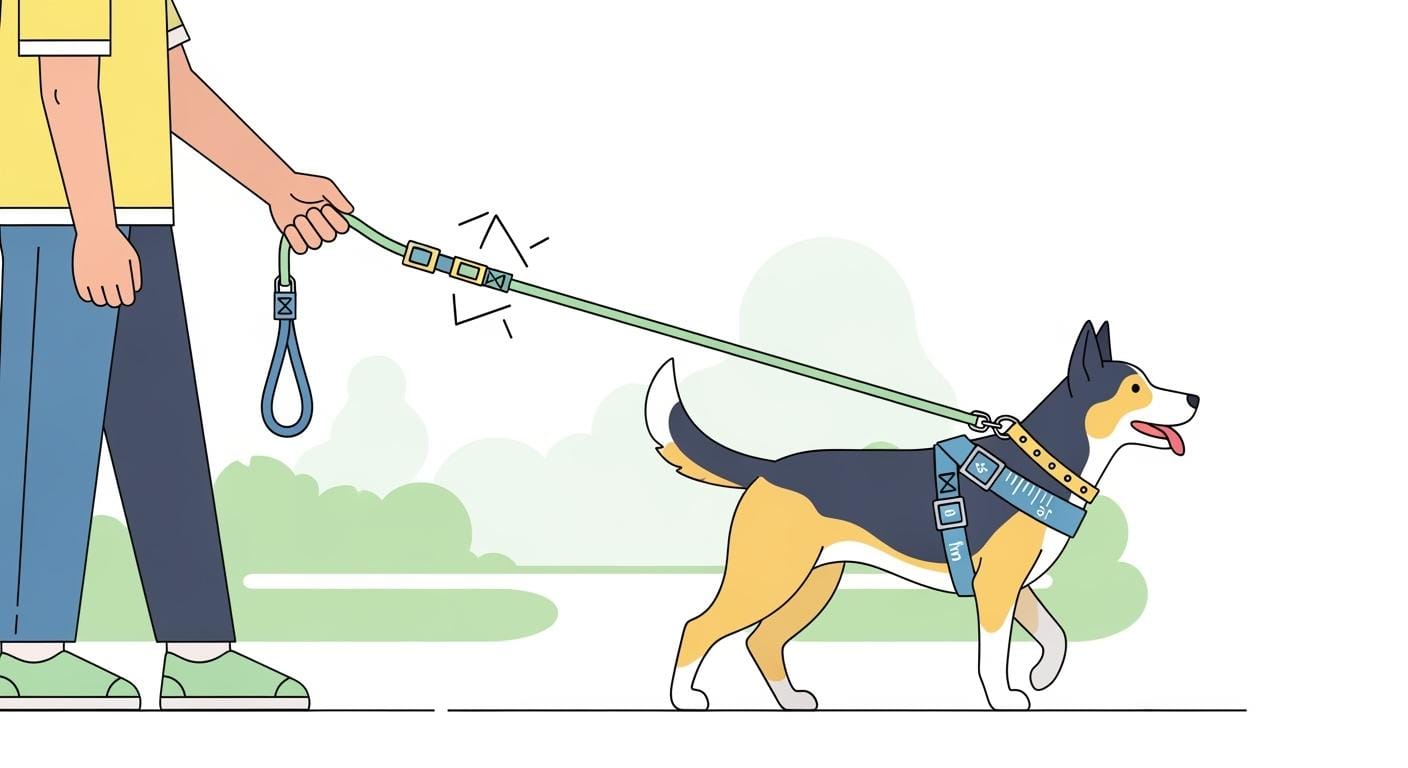
Strap adjustment is key for hiking with dog backpacks. You need to tighten all straps so the carrier hugs your body. Loose straps let the carrier bounce or sway. This can make your dog feel unsafe and can cause rubbing or chafing. Always check the shoulder, chest, and waist straps before you start hiking. Adjust them so the weight sits high and close to your back.
Anti-bounce features help keep the dog backpack steady on uneven ground. Look for carriers with wide, padded straps and extra chest or waist belts. These parts spread the weight and stop the carrier from moving side to side. Some hiking carriers have special panels or frames that hold their shape. This helps your dog stay in a good position, even when you climb or move quickly.
You should stop and check the fit often. If you notice the carrier bouncing or your dog shifting, adjust the straps right away. Never ignore signs of discomfort or poor fit. Hiking with dog backpacks works best when you keep the load stable and your dog relaxed.
Common Mistakes with Dog Backpack Carriers
Many people make simple mistakes when choosing or using dog backpacks for hiking. You can avoid these errors by checking your fit and setup before every hike.
- Picking a dog backpack by weight label alone. Always check your dog’s posture and breathing comfort.
- Ignoring how your dog breathes inside the carrier. If your dog pants or struggles, the fit is wrong.
- Overvaluing storage pockets. Too many pockets can add weight and make the carrier bulky.
- Assuming every hiking carrier stays stable on rough trails. Some carriers tip or sway if not adjusted well.
- Underestimating cleanup after wet or dirty hikes. Mud and water can make the carrier heavy and hard to clean.
- Forgetting to check for overheating, unstable posture, or repeated struggling. These are safety signals to stop and rest or end the outing.
Tip: Always watch for signs of distress, poor airflow, or unstable posture. If your dog shows any of these, stop hiking and check the carrier. Sometimes walking, resting, or ending the hike is the safest choice.
Troubleshooting Table for Stability Issues
Use this table to spot and fix common stability problems with dog backpacks during hiking.
| Symptom | Likely Cause | Fast Check | Fix |
|---|---|---|---|
| Carrier sways or bounces | Loose straps or poor fit | Check all strap adjustments | Tighten straps, adjust waist/chest belts |
| Dog shifts or crouches | Base support too soft or collapsed | Press on base, check firmness | Add support panel or choose firmer base |
| Dog pants or seems anxious | Poor airflow or tight fit | Feel airflow, check neck/chest area | Loosen straps, improve ventilation |
| Carrier tips on uneven ground | Narrow base or off-center load | Set carrier down, check balance | Use wider base, adjust dog’s position |
| Dog struggles or tries to escape | Carrier too small or wrong shape | Watch entry/exit, check posture | Try larger size or different design |
| Carrier feels heavy or awkward | Overloaded pockets or poor balance | Weigh carrier, check load | Remove extras, rebalance load |
| Hard to clean after hike | Non-removable liner or fabric | Inspect liner, check for stains | Use removable liner, follow cleaning tips |
Keep checking your dog and the carrier during the hike, not just at the trailhead. If you notice swaying, bouncing, repeated shifting, heavy panting, or clear discomfort, stop and fix the setup before continuing. Stability on the trail depends on fit, strap tension, airflow, and how well your dog is coping with the outing.
Trail Hygiene and Easy Cleaning for Dog Backpacks
Removable Liners and Wipe-Clean Zones
You need to check your dog backpacks for removable liners before hiking. Removable liners make cleaning easier after outdoor trips. You can take out the liner and wash it by hand or follow the label instructions. Wipe-clean zones help you remove mud and dirt quickly. Look for pet backpack designs with smooth surfaces inside. These surfaces let you clean up after your dog without much effort. Always inspect the liner and seams for stains or debris after hiking.
Fast Drying and Odor Control in Dog Backpack
You want your dog backpack to dry fast after cleaning. Wet fabric can trap odors and make your dog uncomfortable. Choose dog backpacks with breathable materials and mesh panels. These features help airflow and speed up drying. After hiking, remove the liner and let all parts air out. Never put your dog back in a damp pet backpack. Odor control starts with regular cleaning and full dry-out. If you notice smells, clean the liner and wipe all surfaces.
Outdoor Safety and Tick Checks After Hiking
Outdoor hikes expose your dog to ticks and dirt. Always check your dog for ticks after hiking. Look at the neck, chest, and legs. Keep your dog away from stagnant water and dirty puddles. Water with scum or bad smell can harm your dog. Clean your dog backpacks after every hike. Follow the cleaning label and let the carrier dry fully. This prevents mold and keeps your dog safe.
Tip: Inspect your dog backpack for hidden dirt and ticks after every outdoor hike. Clean and dry all parts before your next trip.
Dog Backpack Cleaning Comparison Table
| Feature | Removable Liner | Wipe-Clean Zone | Fast Drying | Odor Control | Tick Check Ready | Label Cleaning |
|---|---|---|---|---|---|---|
| Horizontal Carrier | Yes | Yes | High | High | Easy | Yes |
| Upright Carrier | Varies | Yes | Medium | Medium | Medium | Yes |
| Softer Shell | Yes | Yes | High | High | Easy | Yes |
| Structured Shell | No | Yes | Medium | Medium | Medium | Yes |
Before each hike, check fit, stability, and cleanup needs together. Measure your dog, watch how they settle in the carrier, and confirm that the pack stays close to your body without tipping. After the hike, clean and dry the contact areas so the carrier is ready for the next outing.
- Stop often to check your dog’s comfort and health.
- Trail hygiene protects your dog from ticks and dirt.
- Safety comes first for every dog on the trail.
FAQ
How can you check if your dog feels comfortable in a backpack carrier?
Watch for relaxed posture, easy breathing, and a carrier position that stays steady as you walk. If your dog shows stress, repeated shifting, or obvious discomfort, stop and recheck the fit.
What should you do if your dog pants or struggles during a hike?
Remove your dog from the carrier, let them rest, offer water, and check for overheating, poor airflow, or a fit problem before you continue.
How often should you inspect your dog for ticks after hiking?
Check your dog after every hike, especially around the neck, chest, legs, paws, and any spots that touched the carrier for a long time.