
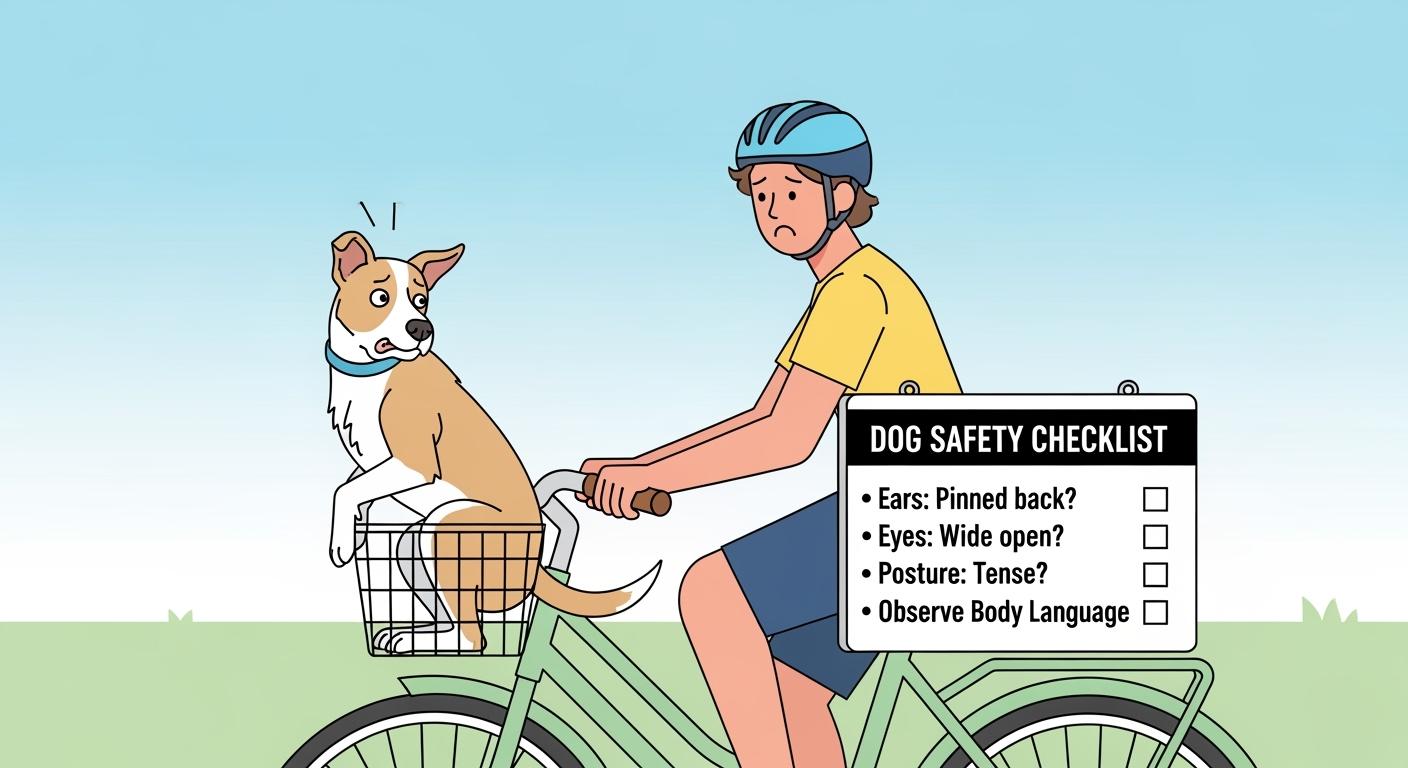
A dog bike carrier looks simple in product photos, but the real buying risk shows up during use: mount sway, poor airflow, dog refusal, unstable turns, or a route that is rougher than the carrier can handle. For retailers, distributors, and OEM/ODM buyers, these are not minor comfort details. They decide whether the product feels safe enough for repeated use or becomes a short-lived novelty.
Before adding a bike carrier, front basket, rear carrier, or trailer-style product to a travel lineup, buyers need to judge how the setup behaves when the dog shifts weight, the bike turns, the road surface changes, and the rider has to stop quickly. The same judgment also applies when comparing broader pet travel bags and carriers, because the strongest product line is not only about carrying pets. It is about matching the carrying method to the real trip.
Start With Use Case, Not Product Shape
Front baskets, rear carriers, and trailers solve different travel problems. Choosing only by appearance or convenience makes the product easier to list, but harder to support once customers begin using it outdoors.
- Front basket or handlebar carrier: works best for very small, calm dogs on smooth, short routes where close visibility matters. The buyer risk is steering interference if the dog moves, the mount flexes, or the road becomes uneven.
- Rear carrier or rear basket: can reduce steering interference, but depends heavily on rack strength, anti-sway control, and clear mounting instructions.
- Trailer-style carrier: is often better for longer, slower, or rougher rides because the load sits lower, but it needs more storage space, turning clearance, and buyer education.
The practical question is not which style is universally safer. The better question is which style creates fewer failure points for the target customer, dog size range, bike type, and ride environment.
Check the Failure Points Before Sampling
A carrier should be stable enough for movement, not just stable while standing still. Buyers should test the mounted setup with the kind of movement that happens during real riding: small bumps, dog repositioning, turns, braking, and repeated entry and exit.
- Mounting stability: brackets, straps, rack points, and platform support should not creep, tilt, or loosen after movement.
- Internal restraint: the tether should connect to a harness, not a collar, and should limit escape attempts without pulling the neck.
- Airflow: mesh panels and front openings should remain clear after the dog settles into the carrier.
- Base support: the floor should not sag under weight or create an unstable sitting angle.
- Entry behavior: repeated refusal, clawing, or panic during entry is a product-use warning, not just a training issue.
- Route fit: rough pavement, curb cuts, busy roads, and steep grades should be considered part of the product-use boundary.
When the bike carrier is part of a broader mobility range, the surrounding travel and mobility setup should make the product role clear. A bike carrier is not the same decision as a car seat, backpack carrier, sling bag, or travel crate, even when the product category looks similar.
Dog Stress Signs Are Also Product Feedback
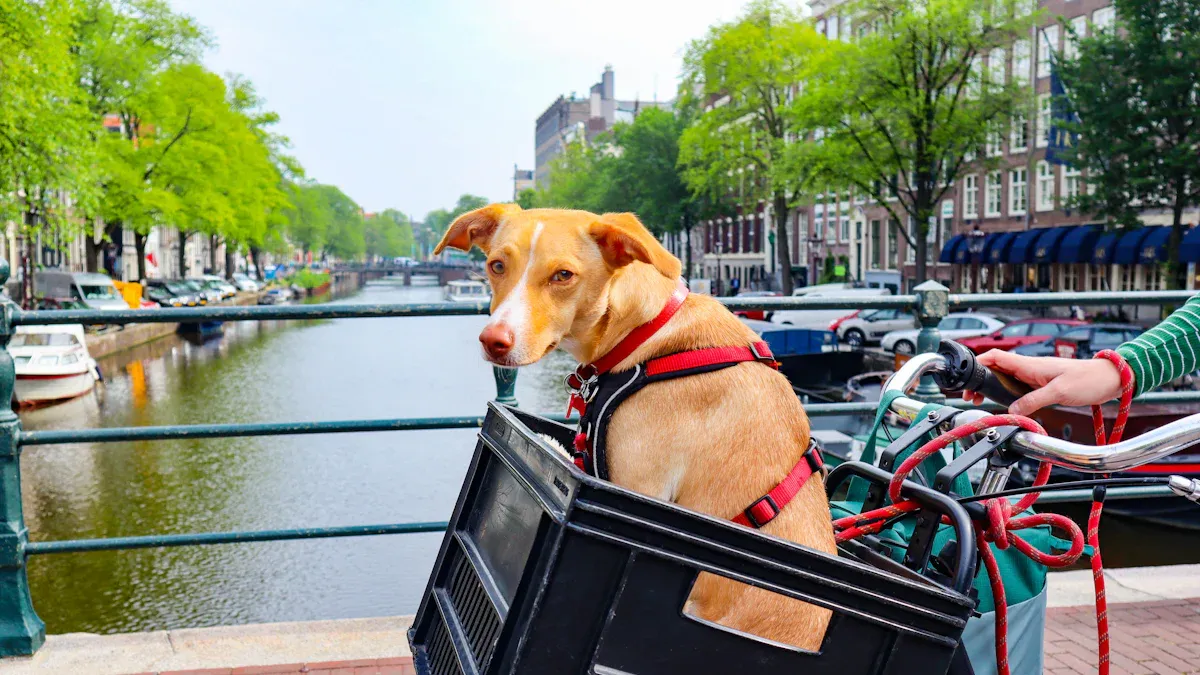
For B2B buyers, dog body language is not only a pet-care detail. It is practical feedback about whether the carrier design is stable, breathable, correctly sized, and easy enough to use. A dog may stay inside the carrier but still show that the setup is not working.
- Stress signs: freezing, stiff posture, repeated lip licking, yawning when not tired, darting eyes, frantic scanning, or escape attempts.
- Motion trouble: repeated swallowing, nausea-like drooling, gagging, or vomiting tied closely to movement.
- Heat discomfort: heavy panting that does not settle, glazed focus, discomfort in sun or still air, or blocked airflow near the nose.
These signs help buyers separate a poor product match from a simple first-ride adjustment. If stress appears only after bumps, turns, or swaying, the issue may be mounting stability. If it appears quickly in warm weather, airflow and enclosure design deserve closer review. If the dog braces at every movement, the floor, sidewall, or tether position may not be giving enough support.
Set Stop Rules Before Calling the Product Ride-Ready
A good product page, user manual, or packaging insert should not imply that every ride is suitable. Clear stop rules reduce misuse and make the product easier for buyers to explain to downstream customers.
- Stop if steering feels unstable or the carrier starts to sway.
- Stop if the mount shifts, tilts, or hardware loosens during the ride.
- Stop if the dog repeatedly braces, freezes, claws at openings, or tries to climb out.
- Stop if airflow is poor, heat builds quickly, or heavy panting does not settle after stopping in shade.
- Stop if nausea cues appear more than once on short, easy routes.
A deeper dog carrier for bike guide can support the same decision by separating mount fit, dog fit, comfort features, and install proof before the first ride.
What B2B Buyers Should Ask Before Adding This Product
Dog bike carriers can be a strong outdoor and travel category, but only when the product is positioned with clear use boundaries. Before sampling or bulk sourcing, buyers should ask:
- Which dog size and temperament range is this carrier actually suitable for?
- Which bike types, rack types, or handlebar setups are supported?
- Does the supplier provide mounting instructions that reduce installation mistakes?
- Can the carrier resist sway, floor sag, and hardware creep during repeated use?
- Are airflow, cleaning, padding, and tether placement clear enough for retail buyers to understand quickly?
- Does the product copy avoid broad claims such as universal fit or guaranteed safety?
The strongest version of this category is not the carrier with the most features. It is the product that makes fit, mounting, airflow, and stop rules easy to understand before the customer takes the first ride.
FAQ
Is a front bike basket safe for dogs?
It can be suitable for very small, calm dogs on smooth, short routes, but front baskets can affect steering quickly when the dog shifts or the surface gets rough. Buyers should check mount rigidity, handlebar compatibility, load limits, and dog behavior before treating it as a repeat-use product.
Is a rear bike carrier safer than a front basket?
A rear carrier often interferes less with steering, but it still needs a rigid rack, secure mounting, low sway, and clear setup instructions. Safety depends on the full installation, not only on whether the carrier sits in front or behind the rider.
When is a trailer the better choice?
A trailer is often better for anxious dogs, rougher paths, or longer low-speed rides where stability matters more than compact size. The tradeoff is that it needs more storage space, turning room, and rider awareness.
Should the internal tether connect to a collar or harness?
The tether should connect to a harness. A collar concentrates force on the neck if the dog slips, braces, or the carrier jolts suddenly.
What warning sign should end a ride immediately?
Any load shift, mount movement, panic behavior, repeated clawing at openings, or heavy panting that does not settle after a brief stop should end the ride. These are product-use stop signs, not details to ignore.






