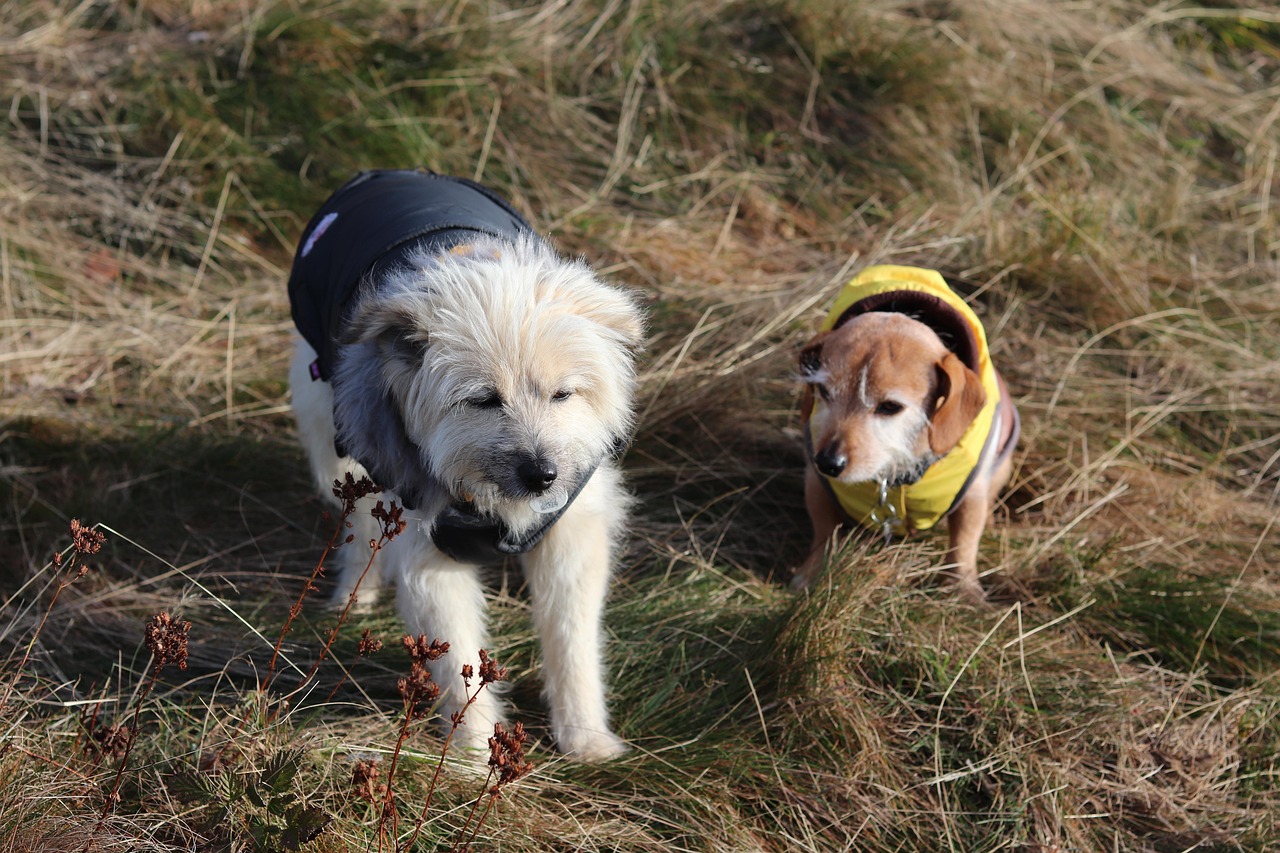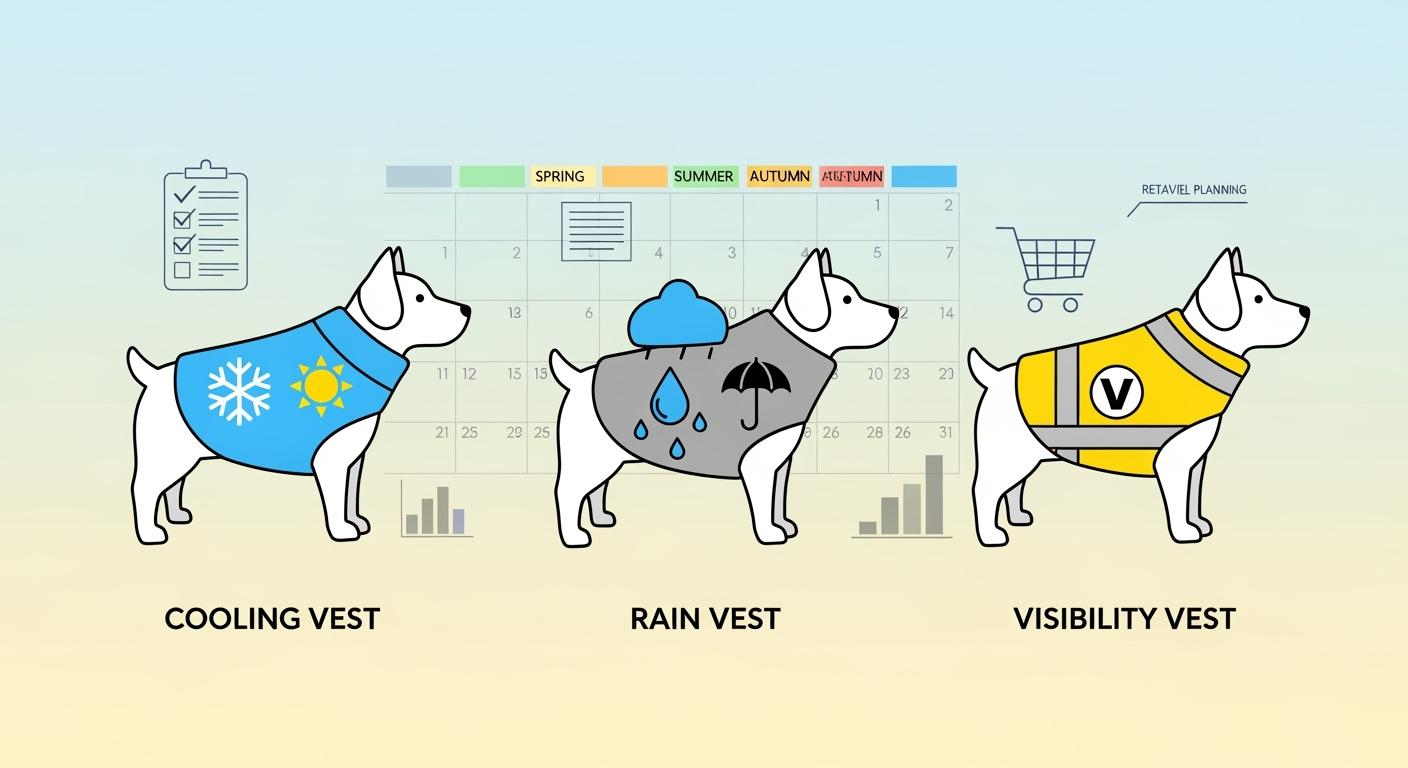
You need to match each dog vest to its peak season. Stock cooling vests before the first warm months. Offer rain vests when showers and storms increase. Keep visibility vests ready when days grow shorter or foggier. Each pet needs different support. Cooling vests help pets stay comfortable in heat. Rain vests shield pets from wet weather. Visibility vests boost safety in low light. Track demand by month for each accessory. Use clear planning to get the right mix of seasonal and core items on your shelves at the right time.
Key Takeaways
Put cooling vests in stores before it gets hot. These help pets stay cool in the heat. Watch the weather to see when people might want more.
Sell rain vests when it rains a lot. Tell people these vests cover pets but do not keep them totally dry.
Have visibility vests ready for times with less light. Reflective strips help pets stay safe when it gets dark early.
Use a calendar to plan for each season. This helps you know what to sell and when. It makes sure you have the right vests at the right time.
Teach customers how to use and care for vests. Good instructions mean fewer returns and happier customers.
Dog Vest Types and Uses
When you plan your assortment, you need to know what each vest does and what it does not do. This helps you guide shoppers to the right choice and set clear expectations.
Cooling Vest: Comfort, Not Medical
Cooling vests help dogs stay comfortable during hot walks. You soak the vest in cold water before use. The mesh material holds water and cools your dog as the water evaporates. This process works best in dry weather. If the air is humid, the vest may not cool as well. You must keep the vest wet for it to work. If it dries out, it can trap heat instead of releasing it. Always check the vest during use. Cooling vests do not prevent heatstroke or replace shade and water. They support comfort, not medical needs.
Tip: Remind shoppers to check fit and keep the vest damp for best results.
Rain Vest: Coverage, Not Absolute Waterproof
Rain vests protect dogs from getting soaked during light rain or drizzle. Most rain vests use water-resistant materials. These block some water but do not keep dogs dry in heavy or long rain. Manufacturers balance water resistance with breathability so dogs do not overheat. This means rain vests may let in water after a while. You should explain that rain vests offer coverage, not full waterproofing. They help keep dogs comfortable and clean on wet days.
Use rain vests for:
Short walks in light rain
Keeping fur cleaner during muddy weather
Visibility Vest: Reflective, Not Guaranteed Seen
Visibility vests use reflective strips to make dogs easier to spot in low light. These vests bounce back light from headlights or streetlights. This helps drivers and cyclists see dogs at night or in fog. Without reflective gear, dogs can be hard to see at dusk or dawn. Research shows that more dog-vehicle accidents happen when it is dark. Visibility vests improve safety, but they do not guarantee your dog will always be seen. You should still use a leash and lights for extra safety.
Note: Always describe reflective placement and recommend using lights for full visibility.
OEM means Original Equipment Manufacturer. This is when you buy products made by one company and sell them under your own brand. ODM means Original Design Manufacturer. This is when you buy products that are designed and made by another company, but you can change the design or features to fit your needs.
Pet Demand Drivers by Season
You need to know what makes people buy pet vests during the year. Each vest type matches certain times and reasons for buying. Use this part as a guide to help you pick the right vests for each season.
Heat and Cooling Needs
Hot days make more people want cooling vests. When it gets warm, pet owners want their pets to feel cool. The main times are heat warnings, early summer, and sudden hot days. Watch for these signs in your area. Cooling vests do not stop heatstroke, but they help pets feel better outside. Get cooling vests before the first hot days. Check weather reports to know when to order more.
Tip: Put cooling vests by water bowls and summer pet gear to get early buyers.
Rain and Outdoor Routine
Rainy weather changes how people walk their dogs. Rain vests get popular when rain or storms mess up walks. The main times are spring rain, fall drizzle, and surprise storms. People want to keep pets dry and clean when it rains. Rain vests are good for short walks in wet weather. Do not say rain vests are fully waterproof. Watch your local weather and change your stock if needed.
Month | Rain Vest Demand | Key Trigger |
|---|---|---|
March | High | Spring showers |
October | High | Autumn storms |
July | Moderate | Sudden rain |
Low Light and Visibility
Short days and foggy mornings mean more need for visibility vests. Pet owners want pets to be seen on early or late walks. The main times are early darkness, fog, and low light. Visibility vests have reflective strips to help keep pets safe, but do not promise they work all the time. People often buy visibility vests with leashes and lights. Always keep one main visibility vest in stock. Add more when days get shorter.
Note: Put visibility vests near doors and checkouts to remind people about safety.
Pet Accessory Planning Calendar: Month-by-Month
Calendar Matrix: Cooling, Rain, Visibility
You need a simple calendar to help your store get ready for every season. Use this checklist to help you buy and show cooling, rain, and visibility vests. The calendar matches each vest to the right month, weather event, and message. You can use it to plan orders, set up displays, and change your stock when the weather changes.
Look at the calendar every month.
Watch for weather like heat, storms, or early darkness.
Change your displays and messages to match pet trends.
Pick the best SKUs for each season.
Notice gift times and change your accessory choices.
Tip: This calendar helps you find missing items in your pet accessory selection.
Monthly Demand, Triggers, Merchandising
The table below shows how demand changes for each vest type. It lists the main weather event, the best message, and which products to focus on each month. This helps you keep up with trends and give pet owners what they need.
Month | Cooling Vest | Rain Vest | Visibility Vest |
|---|---|---|---|
January | Low | Moderate | High |
No heat | Winter rain, snow | Short days, fog | |
Get ready for spring | “Keep walks dry” | “Stay seen in low light” | |
Low SKU | Core SKU | Core plus extras | |
February | Low | Moderate | High |
No heat | Rain, slush | Short days, fog | |
Plan for spring | “Wet weather ready” | “Reflective safety” | |
Low SKU | Core SKU | Core plus extras | |
March | Low/Moderate | High | Moderate |
Early heat in South | Spring showers | Fog, longer days | |
“Get ready for heat” | “Spring rain protection” | “Be seen in fog” | |
Start building | High SKU | Core SKU | |
April | Moderate | High | Moderate |
Warming up | Rainy season | Early mornings | |
“Cool walks ahead” | “Rainy day walks” | “Morning safety” | |
Build up | High SKU | Core SKU | |
May | High | Moderate | Moderate |
Heat spikes | Less rain | Early sunrises | |
“Beat the heat” | “Light rain cover” | “Stay visible” | |
High SKU | Core SKU | Core SKU | |
June | High | Low | Moderate |
Hot weather | Few storms | Late walks | |
“Summer comfort” | “Rain backup” | “Evening safety” | |
High SKU | Low SKU | Core SKU | |
July | High | Moderate | Moderate |
Peak heat | Sudden storms | Fireworks, late walks | |
“Stay cool outdoors” | “Storm ready” | “Night walks” | |
High SKU | Core SKU | Core SKU | |
August | High | Low | Moderate |
Hot, humid | Few storms | Early dusk | |
“Cool comfort” | “Rain backup” | “Back-to-school safety” | |
High SKU | Low SKU | Core SKU | |
September | Moderate | Moderate | High |
Cooling off | Fall rain | Shorter days | |
“Transition walks” | “Fall rain cover” | “Be seen at dusk” | |
Core SKU | Core SKU | High SKU | |
October | Low | High | High |
Less heat | Autumn storms | Early darkness | |
“End of season” | “Storm protection” | “Night safety” | |
Exit SKU | High SKU | High SKU | |
November | Low | Moderate | High |
Cold | Rain, snow | Dark evenings | |
“Off-season” | “Wet weather” | “Reflective gear” | |
Low SKU | Core SKU | High SKU | |
December | Low | Moderate | High |
Cold | Rain, snow | Shortest days | |
“Gift comfort” | “Holiday walks” | “Gifting safety” | |
Low SKU | Core SKU | High SKU |
Note: Always keep one main rain vest and one main visibility vest in stock for quick and safety-focused buyers.
US/EU Market Notes
You need to change your pet accessory calendar for your area. In the US, southern states get heat sooner and need cooling vests longer. Northern states and most of the EU need rain and visibility vests for more months. Watch your local weather and change your orders using market data.
In the US, cooling vests may sell in March in the South.
In the EU, rain vests sell well from fall to spring.
Visibility vests are popular in both places when days get shorter, especially in late fall and winter.
Gift times can make all three vest types sell more in December and May.
Tip: Use market data and weather reports to improve your pet accessory plan. Get ready for busy times and keep main products in stock all year.
This pet accessory calendar helps you keep up with trends and get your store ready for every season. Watch for weather events, change your mix, and use clear displays to match what pet owners want each month.
Retail Planning Timeline for Dog Vests
You need a clear timeline to keep your pet assortment on track. Use this checklist to guide your planning:
Set buy windows before each season.
Launch new products with the right message.
Watch sales and trends for each pet vest.
Replenish fast sellers during peak months.
Mark down and exit slow-moving products at the right time.
Pre-Season Buy Windows
Order cooling vests before the first heat waves. Place rain vests on shelves before spring and fall showers. Stock visibility vests ahead of shorter days and foggy weather. Use weather forecasts and past trends to time your orders. Plan to launch new products two to four weeks before the season starts. This gives you time to set up displays and train staff on claim-safe language. Remind your team to avoid medical or guarantee claims for each vest family.
In-Season Replenishment
Check sales every week during peak months. Reorder pet vests that sell out fast. Watch for weather triggers like heat spikes, storms, or early darkness. Move products to high-traffic spots when demand rises. Keep one core rain vest and one core visibility vest in stock all year for safety-driven buyers. Use trends to adjust your orders and displays. If you see a sudden drop in sales, review your mix and shift focus to other pet accessories.
Markdown and Exit Strategy
Clear out seasonal products with a markdown ladder. Start with small discounts on slow sellers during the season. Increase the markdown as the season ends. Use a table to plan your markdowns:
Strategy Type | Description |
|---|---|
Dynamic Pricing Model | Lower prices step by step instead of one big sale at the end. |
Mid-Season Discounts | Offer a 15% discount on slow-moving SKUs to boost sales before the season ends. |
Time-Based Progressive Markdowns | Schedule price drops on a calendar, with bigger discounts as products get older. |
Review your markdown plan every month. This helps you clear inventory and make room for new pet trends.
Assortment Strategy for Pet Accessories
You need a clear assortment plan to keep your pet accessory section ready for every season. Use this checklist to guide your planning:
Keep one core rain vest and one core visibility vest in stock all year.
Add cooling vests before heat waves.
Rotate in extra rain and visibility vests when weather or daylight changes.
Offer entry, core, and premium options for each vest type.
Match your size curve to local pet population data.
Always-On Core SKUs
You should always stock core products that cover the main needs for pet owners. These vests sell year-round and support safety and comfort. Use these steps to select your core SKUs:
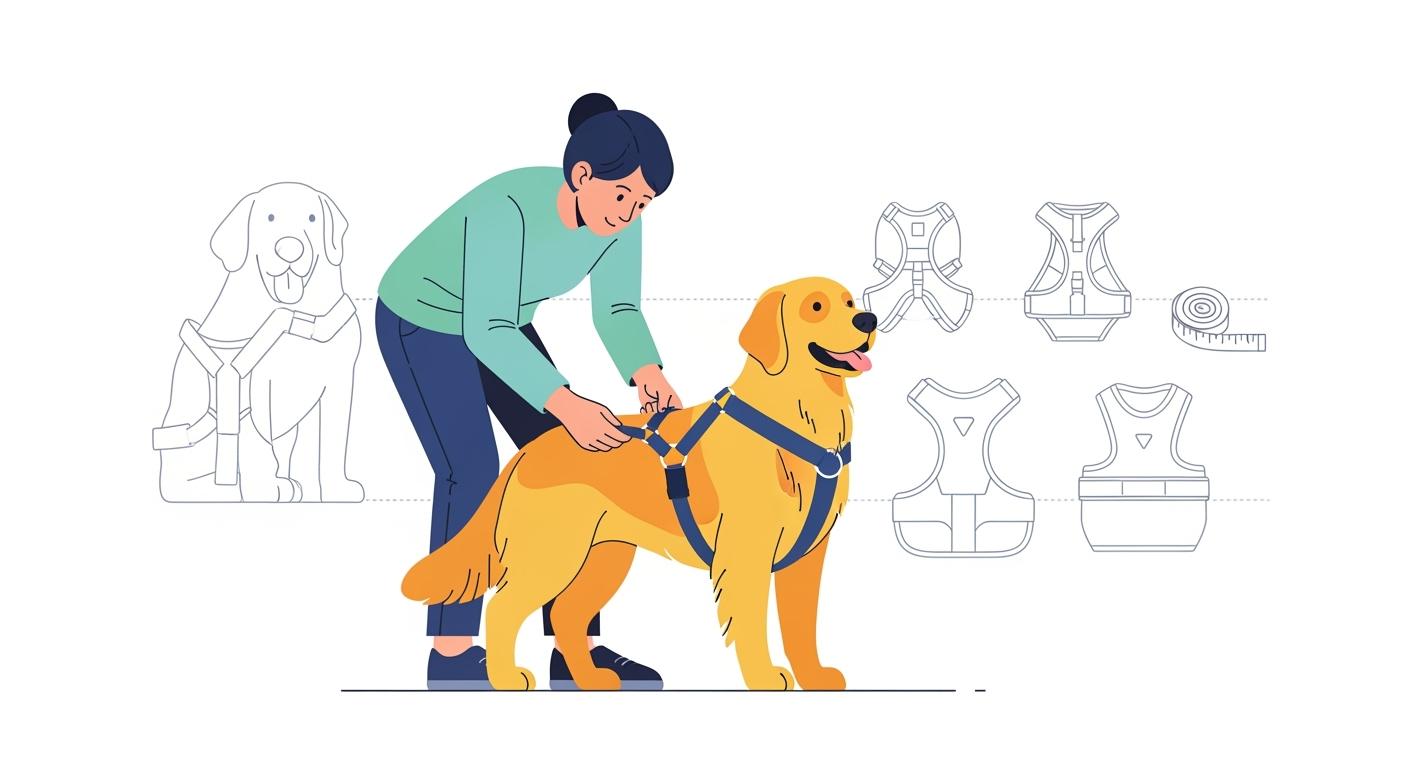
Measure each pet with a flexible tape at the widest ribcage. Add two inches for comfort.
Ask the owner about their main need: visibility, rain, or cooling. This helps reduce buyer dissatisfaction.
Check the weight limit for each vest. Match the vest to the pet’s weight, not just breed.
Test the vest for easy movement. Watch for signs of restriction like a hunched back or short stride.
For reflective vests, look for safety certifications on the label.
Tip: Place core vests near the front of your store for quick access.
Seasonal SKUs and Triggers
You need to adjust your accessory mix as trends shift with the weather. Stock up on cooling vests before hot months. Add more rain vests during spring and fall. Increase visibility vests when days get shorter or foggier. Watch weather reports and local pet activity to time your orders. Rotate out slow sellers after the season ends to keep your selection fresh.
Entry, Core, Premium Tiers
You should offer different tiers to match every pet owner’s budget and needs. Use this table to compare the main features:
Tier | Key Features | Intended Use |
|---|---|---|
Entry Tier | Basic safety, simple fit, bright colors, some reflective trim | Everyday walks and play |
Core Tier | Stronger fabric, better stitching, quick-drying, more reflective | Durability and comfort upgrades |
Premium Tier | Tough nylon, adjustable fit, extra padding, built-in handle | Advanced features and proof |
Note: Review your assortment every quarter to match new trends and pet owner feedback.
Merchandising Cues to Reduce Returns
Checklist for Reducing Returns:
Make sure the vest fits each pet.
Tell people how to care for the vest.
Show what the vest covers and how to use it.
Point out where the reflective parts are for safety.
Use safe words on signs and displays.
Cooling: Fit and Care Guidance
You can help pet owners pick the right cooling vest by talking about fit and care. Measure the pet’s chest and neck before you choose a size. Show that the vest should be snug but not too tight. Remind people to keep the vest wet so it works well. Put care tips close to the vests. Use easy signs like “Keep vest wet for comfort.” Do not say the vest gives medical help. You can stop returns if you help buyers check fit and follow care steps.
Tip: Put a sizing chart and care guide next to the cooling vests.
Rain: Coverage and Access
You can get fewer rain vest returns if you set clear rules. Show which parts of the pet the vest covers. Use pictures or drawings to show these spots. Tell people rain vests block some water but do not keep pets dry in heavy rain. Show easy features like quick straps or big openings. Put a table near the vests:
Feature | Benefit |
|---|---|
Water-resistant | Good for light rain |
Easy access | Quick to put on or take off |
Breathable | Helps pets stay cool |
You help pet owners choose the right vest when you use clear signs about coverage and access.
Visibility: Reflective Placement
You can make people happy with visibility vests by showing where the reflective strips are. Use a sample vest to point out these spots. Remind shoppers that visibility vests help pets stand out in low light but do not promise pets will always be seen. Suggest using a light or bright leash for more safety. Use safe words like “Reflective strips for added visibility.” You can stop confusion and returns if you set clear rules.
Note: Put visibility vests near leashes and lights to help people make safe choices.
Weather-Triggered Retail Actions
When weather changes quickly, you need a plan to keep your pet vest assortment on track. Use this checklist to guide your team during heatwaves, stormy weeks, and early darkness:
Watch for heat spikes and stock cooling vests early.
Move rain vests to the front when storms hit.
Add visibility vests near leashes and exits as days get shorter.
Heatwave: Cooling Merchandising
Heatwaves push pet owners to look for comfort solutions. You should place cooling vests in high-traffic areas. Use signs that say “Support comfort in hot weather.” Avoid medical claims. Keep extra stock ready for sudden demand. Offer a sizing chart and care tips next to the display. Remind shoppers to keep the vest damp for best results. Track sales daily and reorder quickly if you see a spike. Cooling vests follow seasonal trends, so plan your markdowns as the heat fades.
Heatwave Playbook:
Check weather reports for upcoming heat.
Move cooling vests to eye-level shelves.
Update signs with claim-safe comfort messages.
Train staff to answer fit and care questions.
Review inventory every morning.
Storms: Rain Vest Push
Storms change pet walking routines. You should highlight rain vests when rain is in the forecast. Use claim-safe language like “Designed for coverage in wet weather.” Place rain vests near entrances and checkout counters. Offer quick guides on fit and coverage. Watch local weather and adjust displays as needed. Rain vests sell best during seasonal rain trends, so rotate stock based on forecast changes.
Storm Week Checklist:
Monitor weather apps for storm alerts.
Move rain vests to front displays.
Add fit and coverage guides.
Review stock after each storm.
Early Darkness: Visibility Add-Ons
Shorter days in autumn and winter make visibility gear essential for pet safety. You should place visibility vests near leashes and lights. Use signs that say “Reflective strips for added visibility.” As daylight decreases, pet owners want to keep enjoying walks. High-visibility gear helps pets stay safe in low-light conditions. You should keep extra stock ready as the year moves into fall and winter. Visibility vests follow seasonal trends, so increase displays when days grow shorter.
Early Darkness Playbook:
Track sunset times and daylight hours.
Move visibility vests to high-traffic spots.
Update signs with claim-safe safety messages.
Suggest add-ons like lights or bright leashes.
Review sales weekly.
You can make your dog vest stock better by planning for each season. Change what you sell as pet needs change. Use the table below to help you know what to do:
Season | Key Steps |
|---|---|
Spring | Put out rain vests and outdoor gear |
Summer | Show cooling vests and travel items |
Fall/Winter | Use visibility and rain vests more |
Look at your calendar often. Pick times to buy new vests. Make simple signs for your store. Watch the weather and sales numbers. Change your pet vests and deals fast when you need to.
FAQ
What is the best time to stock cooling vests?
You should stock cooling vests before the first warm days. Watch for rising temperatures and heat warnings. Early planning helps you meet demand and avoid missed sales.
How do I know which rain vest to keep in stock all year?
Choose a light, water-resistant rain vest as your core item. This covers most customer needs during unexpected showers. Rotate in extra options during rainy seasons.
When do visibility vests sell best?
Visibility vests sell best when days get shorter or fog increases. Place them near leashes and exits in fall and winter. Keep one main style available all year for safety-focused buyers.
How do I explain what a dog vest does without making promises?
Describe each dog vest by its main use. Say cooling vests support comfort, rain vests offer coverage, and visibility vests add reflective features. Avoid medical or guarantee claims.
What is the best way to reduce returns on pet vests?
Give clear fit guides and care tips. Show where each vest covers and how to use it. Use claim-safe language on signs and displays to set the right expectations.