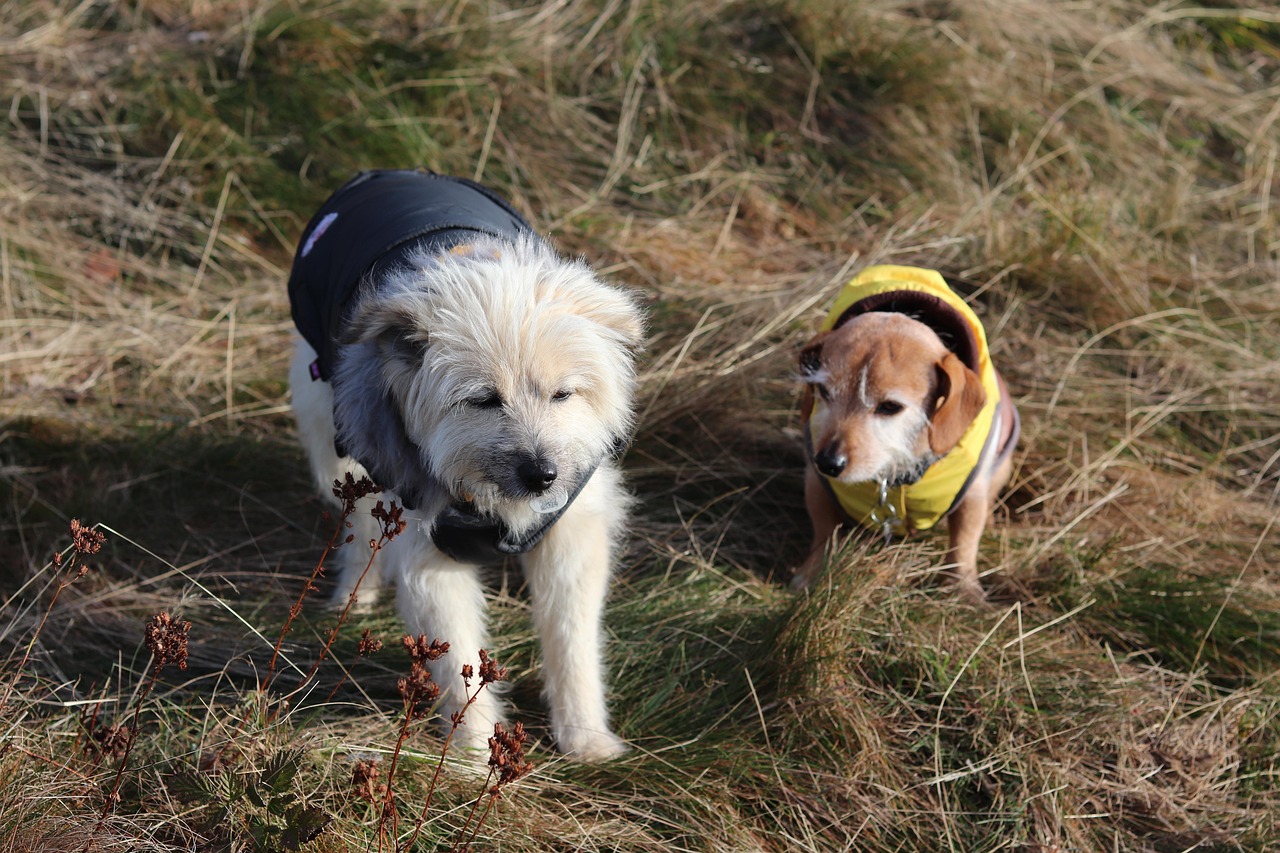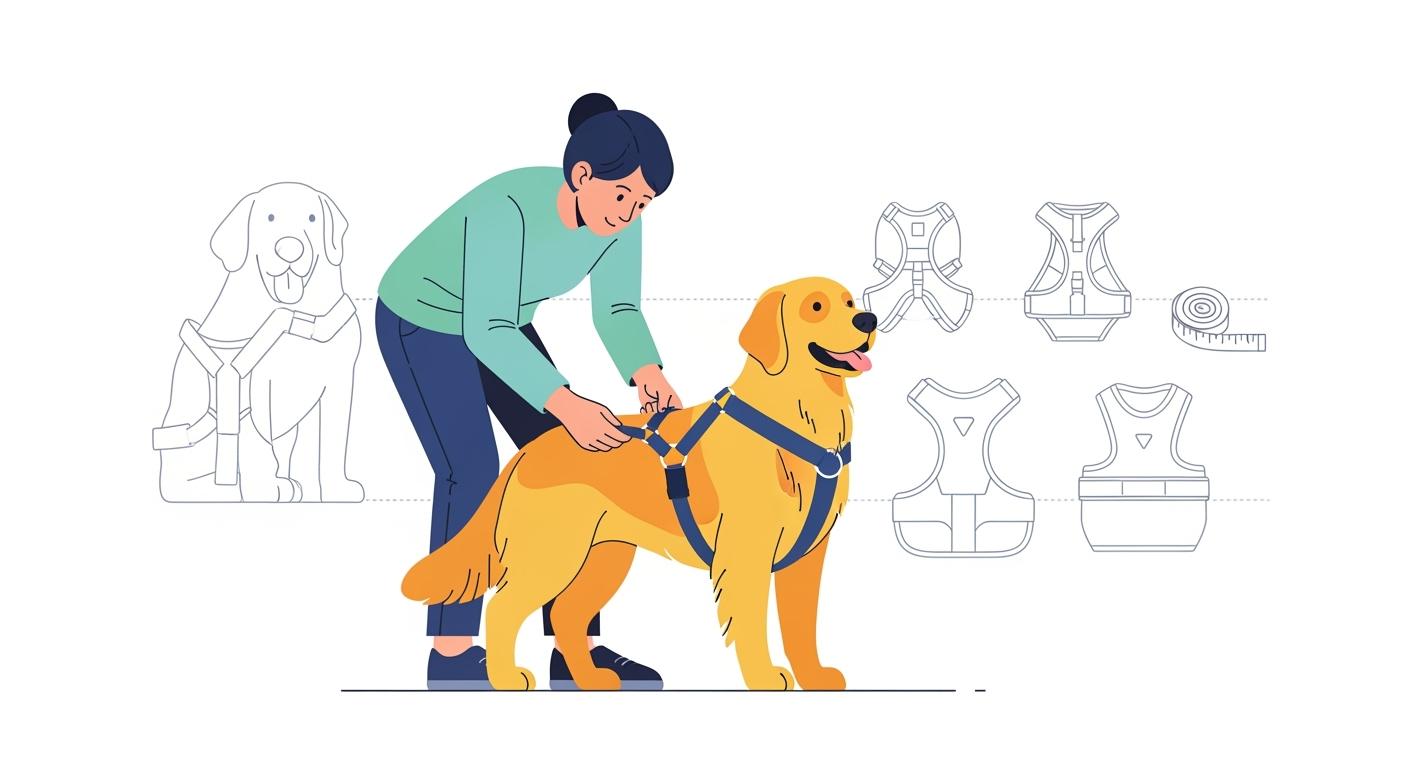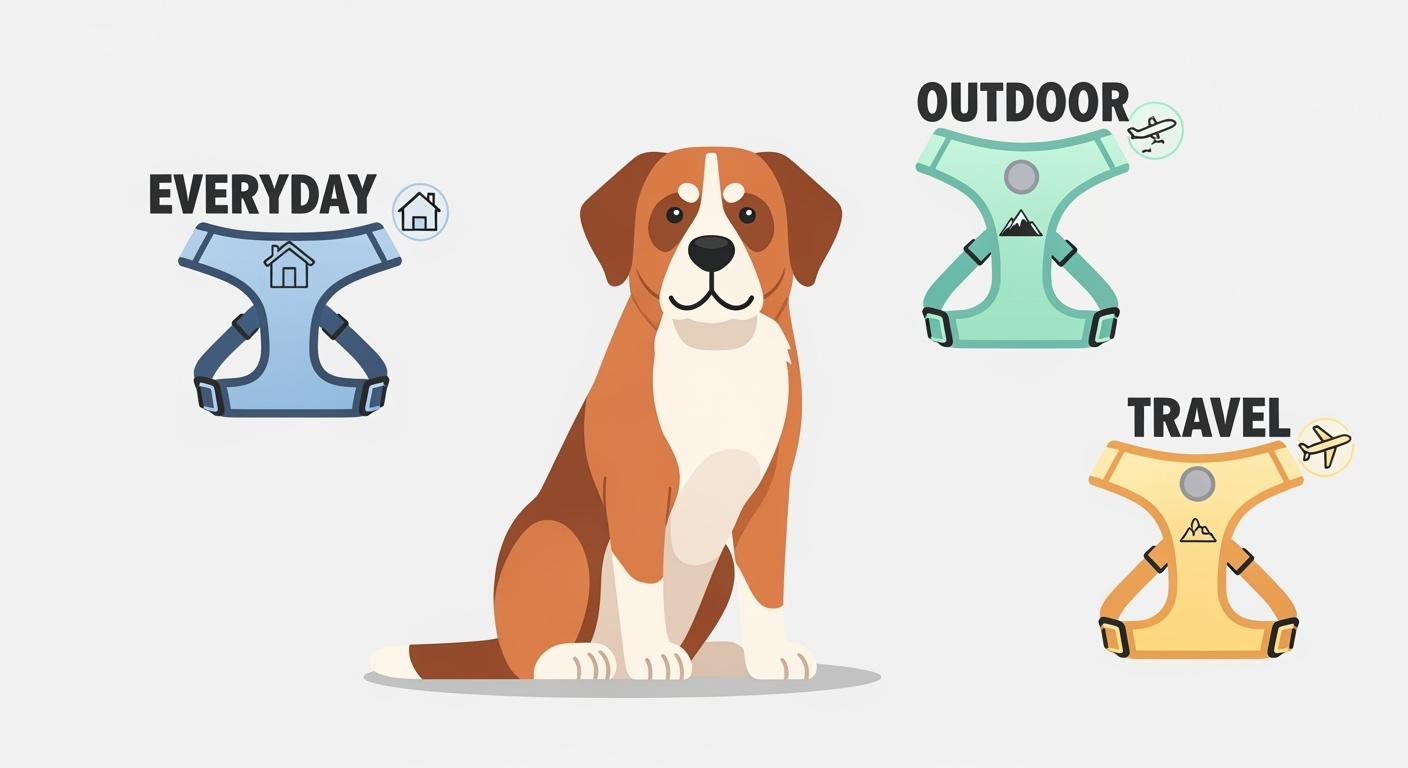
You should begin with an Everyday big dog harness. This kind fits the most customers. It works well for daily walks in your neighborhood or park. Everyday harnesses are made for comfort. They are easy to adjust and have clear sizes. Outdoor harnesses are for hiking or rough trails. These are stronger and easier to see. Travel harnesses are for car rides or small spaces. They have safe restraint points and are simple to clean. Clear product differences help you get fewer returns and make shoppers happy.
Key Takeaways
Begin with an Everyday big dog harness. It works for most people and is great for daily walks.
Add Outdoor harnesses for people who hike or do things outside. These harnesses last a long time and are easy to see.
Stock Travel harnesses for people who go places with their dogs. They keep dogs safe in the car and are simple to wash.
Always check the fit and size for big dogs. Good measurements lower returns and make customers happy.
Use clear labels and easy words to show harness types. This helps customers pick the right one and makes shopping better.
Big Dog Harness Map: Everyday, Outdoor, Travel
Segment Definitions and Uses
There are three main types of big dog harness. Each one is made for a different use and customer. Here is what you need to know:
Everyday Harness
This harness is for daily walks and city trips. It is made to be comfortable and easy to adjust. The sizes are simple to understand. Most people want a harness that feels good for their dog. They also want it to be easy to put on and take off. Everyday harnesses use strong materials for many uses. They are best for dogs who walk on sidewalks or in parks.Outdoor Harness
This harness is for hiking and rough places. It uses tough fabric and strong stitching. Outdoor harnesses stay on when dogs move a lot or pull. Many have shiny strips so you can see the dog better. Some have extra handles for more control. Outdoor harnesses help stop dogs from slipping out during play or hikes.Travel Harness
This harness is for car rides and tight spaces. It has safe points to keep the dog steady in a car. Travel harnesses use materials that are easy to clean. They are quick to put on and take off. This helps when moving a dog in and out of a car. Some travel harnesses help keep things clean and make trips easier.
Note:
When you see OEM, it means “Original Equipment Manufacturer.” You get a product made to your brand’s design. ODM means “Original Design Manufacturer.” You buy a product the factory made, but you can use your brand. Both let you sell big dog harnesses with your label. But you get different choices for custom features.
Quick Selection Guide
Pick the right big dog harness for your store or catalog. Use this guide to match each harness to your customers:
Segment | Best For | Key Priorities | Typical Features |
|---|---|---|---|
Everyday | Most dog owners | Comfort, easy fit, simple sizing | Padded straps, quick buckles |
Outdoor | Active, outdoor customers | Durability, secure fit, visibility | Reinforced webbing, grab handle |
Travel | Car travelers, frequent movers | Stability, restraint, easy cleaning | Restraint loops, wipe-clean |
If customers want a harness for daily walks, start with the Everyday type.
If you help hikers or outdoor fans, add Outdoor harnesses with more control and visibility.
If shoppers travel with dogs, offer Travel harnesses for car use and easy cleaning.
Tip:
Always check the fit and size range for big dogs. A harness for a 90 lb (41 kg) dog may not fit a 120 lb (54 kg) dog. Use a soft tape to measure the chest and neck. Compare these to the size chart. This helps stop returns and keeps customers happy.
A clear map of harness types helps you explain choices to shoppers. It also makes your products easier to manage and helps your staff avoid confusion.
Common Buyer Mistakes
When picking harnesses for big dogs, you want to avoid mistakes. These mistakes can cause returns and upset customers. Problems happen when you mix up style, features, or size. Here are the main things to watch out for:
Outdoor as Style vs. Performance
Some people buy outdoor harnesses because they look cool or bright. They may think these harnesses work for any big dog. But outdoor harnesses are made for rough places. They use strong fabric and extra stitching for pulling and moving. If you only choose outdoor harnesses for looks, you might sell the wrong product. Everyday walkers may not like them. They could say the harness is too big, hot, or hard to use.
Tip: Check for grab handles, shiny strips, and tough webbing. These show the harness is for outdoor use, not just style.
Mixing Travel Features into Everyday
Sometimes, harnesses with car loops or easy-clean surfaces end up in the everyday section. Travel harnesses are for car rides and small spaces. If you mix travel features into everyday harnesses, shoppers may get confused. Everyday harnesses should be comfy and easy to adjust. Travel features can make them bulky or hard to fit for walks. This mistake often makes customers return the harness.
Use clear labels and simple product descriptions to keep travel and everyday harnesses apart.
Put travel harnesses near car gear or travel items in your store.
Fit and Adjustment for Large Dogs
Fit is the most important thing for big dog harnesses. Big dogs have wide chests and thick necks. If the harness does not adjust well, dogs can slip out or feel bad. Look for harnesses with many adjustment points and strong buckles. Experts say padded support and tough fabric help stop rubbing and tearing.
Here is a table to help you check fit and adjustment:
Consideration | Description |
|---|---|
Padded Support Zones | Thick, soft padding around the chest, belly, and back to stop rubbing. |
Durable Fabric | Strong materials like ripstop nylon that do not tear easily. |
Adjustability | Many straps and safe buckles to fit different dogs. |
Handle Design | Two handles for better control and less hand pain. |
Quick-Release Buckles | Good for fast removal or quick changes without losing safety. |
Veterinary Input in Design | Vets help make harnesses that fit dogs’ bodies better. |
Use a soft tape to measure the dog’s chest and neck. Write down the numbers in inches and centimeters. Check these numbers with the size chart for each harness. This step helps stop returns and keeps customers happy.
Portfolio Differentiation Map
Segment Comparison Table
Picking the right big dog harness means knowing what each type does. Everyday, Outdoor, and Travel harnesses all have their own jobs. The table below shows how they are different. You can use it to help shoppers choose or to plan what to sell.
Segment | Primary Use Case | Key Features | Proof to Request | Common Shopper Objections | Best Add-Ons | Merchandising Placement |
|---|---|---|---|---|---|---|
Everyday | Daily walks, city use | Padded straps, simple buckles, clear sizing | Photos of size chart, adjustment range | Too basic, not enough control | Leash, ID tag, waste bag | Main dog gear section |
Outdoor | Hiking, trails, rough terrain | Reinforced webbing, grab handle, reflective | Stitching close-ups, webbing details | Too bulky, too warm, hard to adjust | Collapsible bowl, light | Outdoor/adventure display |
Travel | Car rides, tight spaces | Restraint loops, wipe-clean fabric, fast on/off | Restraint point photos, cleaning demo | Not for walks, looks plain | Seat belt tether, mat | Car/travel gear area |
Tip:
When you look at samples, check the strong straps. Make sure the chest and belly straps are tough. Ask for pictures that show the harness on a big dog, like one that weighs 90 or 120 pounds. This helps you see if the harness works for real dogs.
As a buyer, you should match harness features to what your customers want. Most people need Everyday harnesses. Outdoor harnesses are good for people who hike or camp. Travel harnesses are best for people who drive with their dogs. Put each harness in the right spot in your store. This helps your staff give better advice and keeps things clear.
Feature Checklist by Segment

Everyday Big Dog Harness Checklist
A good everyday harness should feel nice for most big dogs. It should be easy to put on and adjust. Here are things you should check:
Must-Have Features:
Soft padding on the chest and belly straps
Simple buckles that are strong and quick to use
Clear size labels and easy spots to adjust
Strong webbing that works for daily walks
Reflective trim to help people see the dog in low light
Avoid Features:
Big handles or extra parts that make it heavy
Adjustment systems that are too hard to use
Fabrics that get hot or are tough to clean
Tip: Use a soft tape to measure the dog’s chest and neck. Check the numbers in both inches and centimeters for the best fit.
Outdoor Big Dog Harness Checklist
Outdoor harnesses need to last through rough use. You want a harness that fits well and uses strong materials for hikes.
Must-Have Features:
Extra stitching and webbing to make it strong
A grab handle for control on bumpy ground
Many spots to adjust for a tight fit
Reflective strips to help you see the dog in light
Padding that keeps the dog comfy and cool
Avoid Features:
Thin straps that can hurt the dog’s body
Weak buckles or plastic parts that break
Fabrics that get wet and dry slowly
Note: Outdoor harnesses help with control and seeing the dog. How well they work depends on fit and how you use them.
Travel Big Dog Harness Checklist
Travel harnesses are made for safety and easy cleaning. You want a harness that is fast to put on and simple to clean after trips.
Must-Have Features:
Safe restraint points for car rides
Buckles that open fast for quick use
Fabrics you can wipe clean or that have a coating
Simple ways to adjust for a steady fit
A design that is not bulky for small spaces
Avoid Features:
Loose straps that can get stuck in car seats
Heavy padding that holds dirt or water
Hardware that is too tricky for travel
Tip: Always check if the harness fits the dog’s chest and neck before a trip. A good fit helps stop the harness from moving during car rides.
Naming and Use-Case Labels
Naming Templates and Descriptors
Clear names and labels help your customers pick the right harness. You want shoppers to know what each harness does best. Use simple words that match the main use. For example:
Everyday Big Dog Harness
Outdoor Adventure Harness for Large Dogs
Travel and Car Harness for Big Dogs
You can add short tags to help shoppers. Try these:
“Designed for daily walks”
“Intended for hiking and trails”
“Can help with car restraint”
“Fits large dogs (50–100 lb / 23–45 kg)”
A table of allowed descriptors can help you label products in a claim-safe way:
Descriptor | Description | What to Show |
|---|---|---|
Fit for Large Dogs | Fits dogs 50–100 lb (23–45 kg); measure chest and neck | Size chart, measurement guide |
Slippage Control | Adjusters designed to lock and stay in place | Fit check video, pull test results |
Load Integrity | Built to handle large dog weight and movement | Test reports, label photos |
Labeling | Load rating shown in pounds and kilograms | Label samples, compliance sheet |
Tip: Always show how to measure a dog’s chest and neck. Use both inches and centimeters for clarity.
Claim-Safe Wording Dos and Don’ts
When you write product names or descriptions, you need to follow safe wording rules. This helps you avoid returns and keeps your claims honest.
Do:
Use phrases like “designed to,” “intended to,” or “can help.”
Say “may reduce pulling” or “depends on fit and use.”
List features, not promises.
Don’t:
Do not say “escape-proof” or “chew-proof” unless you have strong proof.
Avoid big promises about performance or safety.
Never claim medical benefits or advanced technology without real evidence.
Note: Claim-safe language protects your business and helps shoppers trust your products. Always match your labels to what the harness is built to do.
Proof and Quality Signals
When you choose big dog harnesses for your store, you want to know they are built well. Good proof helps you trust what you buy. You can check for strong straps, safe seams, and tough buckles. These parts matter most for big dogs.
Build Elements to Request
Ask your supplier for clear proof of how the harness is made. You can use photos, test summaries, and build details. These show if the harness is designed to handle large dogs. Here is a table to help you see what to request:
Test Item | Supplier Proof Needed |
|---|---|
Straps | Pull test summary |
Seams | Seam strength check |
Closures | Closure durability test |
You can also ask for these documents and details:
GTIN (Global Trade Item Number)
Brand name
MPN (Manufacturer Part Number)
Compliance documentation, such as test summaries or warning texts
Photos of the harness on a large dog (90–120 lb / 41–54 kg) can help you check fit and build. Ask for close-ups of the stitching, webbing, and buckles. Clear size charts and care notes also help you explain the product to your staff and customers.
Proof-First Checklist
Use this checklist when you review harness samples or supplier information:
Look for pull test results for straps (showing weight in pounds and kilograms)
Check seam strength reports or photos of reinforced stitching
Review closure durability tests for buckles and adjusters
Confirm the harness has a clear size chart with chest and neck measurements (in inches and centimeters)
Ask for care instructions and cleaning tips
Note: Quality control checks show that the harness meets the maker’s standards. Formal certification means a third party has tested the product to a set rule. Most harnesses use quality control, not formal certification. Always read the documents to see what kind of proof you get.
Retail Program Rollout Plan
Starter Assortment
You should start your harness program with an Everyday big dog harness. This type covers the widest group of shoppers. Most dog owners need a harness for daily walks or city use. Everyday harnesses are designed to fit many body shapes and sizes. They use simple buckles and clear size labels. You can explain these features to your staff and customers with ease.
A focused starter assortment helps you keep your shelves neat. You will see fewer returns because shoppers can find the right fit. Staff training becomes easier when you start with one main type. Place Everyday harnesses in your main dog gear section. Use clear signs that show weight ranges in both pounds and kilograms. For example, “Fits dogs 50–100 lb (23–45 kg).” Show how to measure the chest and neck with a soft tape.
Tip: Ask your supplier for photos of the harness on large dogs. This helps you check fit and build before you buy.
Expansion Triggers
You can expand your harness selection when you see new needs. Watch your sales data and listen to customer feedback. Here are signs that you may need more types:
Shoppers ask for harnesses for hiking, camping, or rough trails.
Customers want harnesses for car rides or travel.
You see returns because the harness does not fit special uses.
Staff report questions about outdoor or travel features.
When you notice these triggers, add Outdoor or Travel harnesses. Place Outdoor harnesses in your adventure or hiking section. Put Travel harnesses near car gear. Use simple labels to show the main use for each type.
A step-by-step rollout gives you a cleaner assortment. You will have fewer wrong purchases and fewer returns. Staff can learn about each harness type in order. This makes your program easy to manage and helps shoppers find what they need.
You should start with an everyday big dog harness. This type meets most customer needs. It also helps keep your shelves neat. When more people want other types, add outdoor and travel harnesses. Making each harness different helps stop returns. It also makes it easier to train your staff.
Use this checklist when you look at your harnesses:
Make sure each harness has the right label and use.
Check if the harness fits big dogs. Show chest and neck sizes in inches and centimeters.
Look for safe words in the product descriptions.
See if harness features match what customers want and what sells best.
A simple plan helps you build a good harness program. You can use product differences and sales data to decide what to do next.
FAQ
What size harness should you choose for a big dog?
You should measure the dog’s chest and neck with a soft tape. Check both inches and centimeters. Compare these numbers to the size chart. This helps you find the right fit for dogs from 50–120 lb (23–54 kg).
Can one harness work for both walking and car travel?
A harness designed for everyday use may not have car restraint points. Travel harnesses are intended for car rides. You can use each type for its main purpose. Always check the product label for intended use.
How do you clean a big dog harness?
Most harnesses use wipe-clean fabrics or removable padding. You can use a damp cloth for daily cleaning. For deeper cleaning, follow the care instructions. Some harnesses allow gentle hand washing. Always let the harness air dry.
What features help prevent a big dog from slipping out?
Look for harnesses with multiple adjustment points and secure buckles. Wide chest and belly straps can help keep the harness in place. A proper fit depends on measuring your dog’s chest and neck before buying.
Why do some harnesses have reflective strips?
Reflective strips are designed to help you see the dog in low light when light shines on them. They do not glow on their own. This feature can help with visibility during early morning or evening walks.