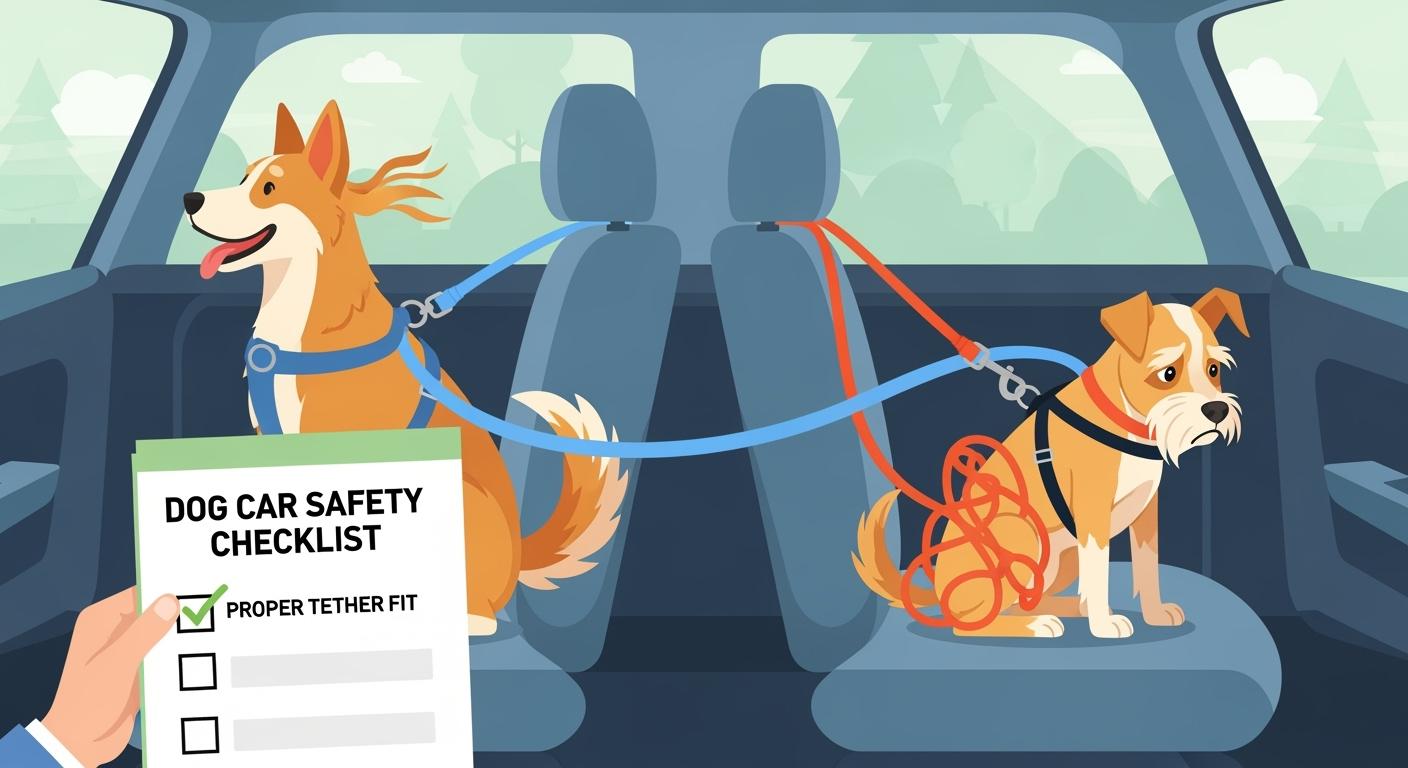
You want a car tether that works right out of the box, but you worry about fit. Many buyers get frustrated when the tether does not click into the seat or connect to the harness. Compatibility mistakes lead to returns and wasted time. Safety matters most, so you need clear fit notes before you buy. Here is a quick checklist: check your vehicle’s anchor style, use a harness only, and install in the back seat.
Key Takeaways
Always look at your car’s anchor style before you buy a car tether. This helps the tether fit well and stops you from returning it.
Use a harness with the tether, not a collar. This lowers the chance of hurting your dog’s neck and keeps your dog safer.
Put the tether in the back seat. This keeps your dog away from airbags and stops distractions when you drive.
Make sure the tether is long enough for your dog to sit, stand, and lie down. Your dog should not get tangled.
Give clear product details and warnings. This helps people know how to use the tether safely.
What Is a Car Tether?
A dog car tether is a short strap. It connects a dog’s harness to a car anchor point. The tether keeps the dog from moving around too much inside the car. Most tethers do not protect your dog in a crash unless a third party has tested them. You should look for tethers that help control movement and keep your dog in place.
Note: In the car and pet product world, you will see OEM and ODM. OEM means the product matches the car or accessory’s original design. ODM means the product is made by a company that designs and makes items for you. This difference matters when you talk about where products come from or if they fit.
Compatibility means the tether fits a certain anchor style in your car. You cannot expect every tether to fit all cars. Cars use different anchor points like seat-belt receivers, seat-belt webbing, or fixed anchors. You need to match the tether’s connection to your car’s anchor point for a safe fit.
Harness vs Collar Connection
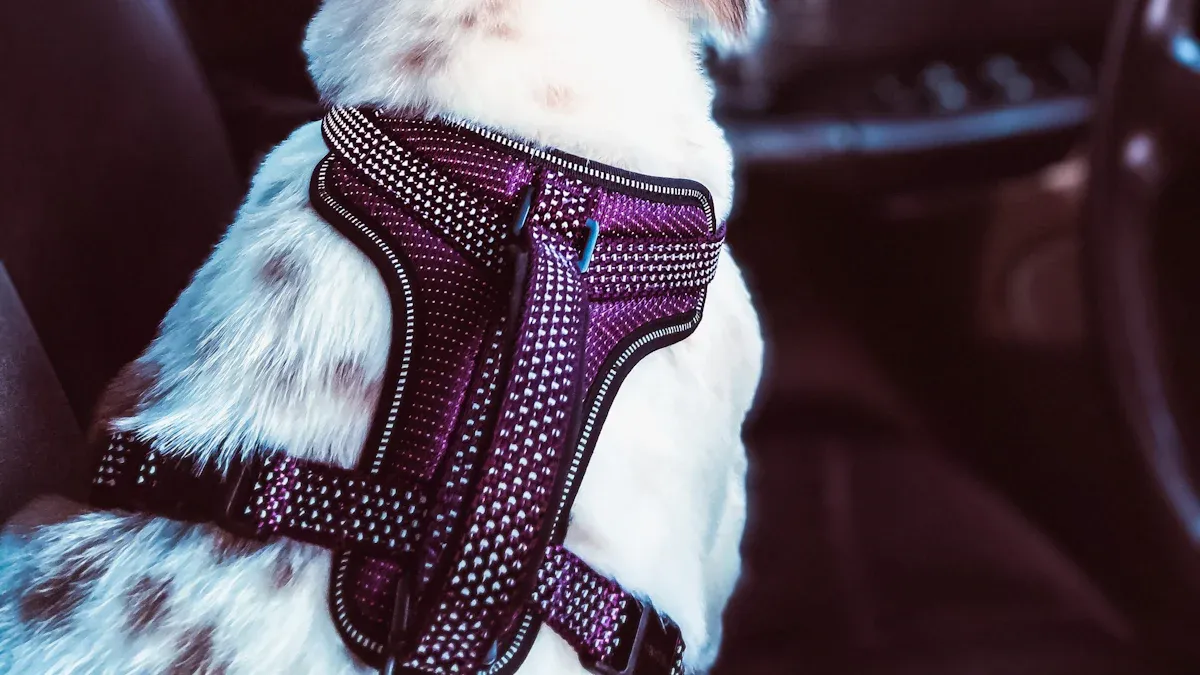
Always attach the car tether to a harness, not a collar. This helps prevent neck injuries if your dog moves or the car stops fast. Most problems happen when people use a collar instead of a harness. You can stop these mistakes by saying “harness-only” on your product and packaging.
Best Practice:
Always write “harness-only” in product descriptions.
Put a warning label on the package.
Movement Control vs Crash Claims
You need to tell buyers and store workers what to expect. Car tethers help control movement and stop dogs from roaming. They do not promise crash safety unless they are tested and certified. Do not say they are safer than they really are. Instead, talk about how they help keep dogs in place and stop distractions.
Feature | What It Does | What It Does Not Do |
|---|---|---|
Movement Limitation | Stops roaming in the car | Does not stop all injuries |
Position Control | Keeps dog in back seat | Does not promise crash safety |
Harness-Only Use | Lowers neck injury risk | Does not work with collars |
You make customers happier and lower returns when you give clear facts about what a car tether can and cannot do.
Car Tether Compatibility Basics
Connection Styles Explained
You need to understand how each car tether connects to a vehicle. The connection style determines if the tether will fit your car’s anchor points. There are three main types:
Buckle-clip tether
This style uses a metal tongue that clicks into the seat-belt receiver. You must check the shape and size of your car’s seat-belt receiver before choosing this type. Not all receivers accept every buckle-clip. Some vehicles use unique designs that may not work with standard clips.Belt-loop tether
This style features a loop that you thread the seat belt through. You secure the loop by buckling the seat belt as usual. Belt-loop tethers fit most cars with standard seat belts. You should confirm that your seat belt can pass through the loop without twisting or bunching.Anchor-strap tether
This style attaches to a fixed anchor point in the vehicle. You may find these anchors on the floor, seat base, or cargo area. You must locate a strong anchor point that matches the tether’s hardware. Some vehicles do not have suitable anchors, so you need to check before buying.
Tip:
Always match the connection style to your car’s anchor point. If you are unsure, check your vehicle manual or consult with your team before ordering.
Key Fit Notes for Buyers
You want to avoid returns and complaints. You must check several fit notes before purchasing or listing a car tether. These notes help you select the right product for your fleet, store, or catalog.
Confirm the connection style matches your vehicle’s anchor point.
Use a harness-only setup. Never attach the tether to a collar. This reduces neck injury risk and improves control.
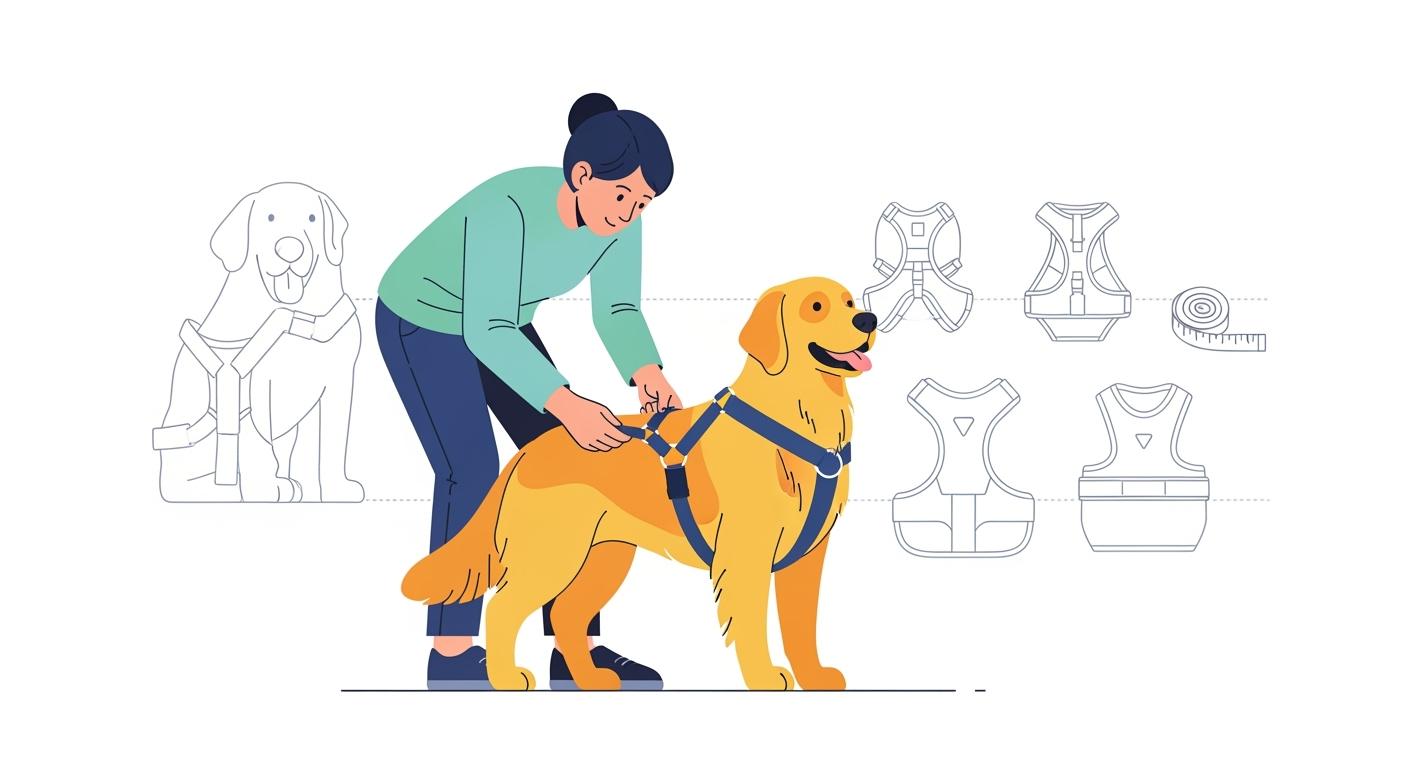
Choose a large dog harness for bigger breeds. A large dog harness distributes force better and keeps the dog secure.
Install the tether in the back seat. This lowers airbag risk and keeps the dog away from the driver.
Make sure the harness connects to the seatbelt system. For extra safety, use a crash-tested harness with a booster seat. Replace the booster seat if it has been in an accident.
Check the tether length. The tether should allow the dog to sit, stand, and lie down comfortably. A large dog harness may need a longer tether for proper movement control.
Fit Note | What to Check | Why It Matters |
|---|---|---|
Connection Style | Buckle-clip, belt-loop, anchor-strap | Ensures secure fit |
Harness Pairing | Harness-only, not collar | Reduces injury risk |
Install Location | Back seat recommended | Improves safety |
Harness Size | Large dog harness for big breeds | Better force distribution |
Tether Length | Allows movement, prevents roaming | Comfort and control |
Note:
You must always review these fit notes before procurement or listing. This process helps you avoid “does not fit” returns and keeps your customers satisfied.
You improve safety and reduce hassle when you follow these steps. You keep your team informed and your buyers happy. You also make sure every car tether works as intended with a large dog harness and the right anchor point.
Preventing “Does Not Fit” Returns
Buckle and Anchor Mismatches
You want to stop returns from hardware that does not match. Many seat-belt receivers look alike but do not fit every buckle-clip. Always check the shape and depth of your receiver before you pick a car tether. Some cars have anchor points that do not fit standard tethers. You need to check the anchor location and style in your vehicles. If you use an anchor-strap style, look at the anchor point for strength and if you can reach it. Weak or hidden anchors can cause problems and safety risks.
Tip:
Ask for a sample tether to test in your main vehicle models. This step helps you find mismatches before you buy many tethers.
You should also look at the hardware finish. Metal clips can make noise or rust, especially in wet or coastal places. If you work in these areas, pick tethers with rust-resistant hardware.
Length and Comfort Issues
You must pick the right tether length for each dog and car. A short tether stops movement and makes dogs uncomfortable. A long tether lets dogs roam and lowers safety. You should use each tether with a large dog harness that fits the breed and size. The harness should spread force and stop neck strain.
Use this checklist to lower returns from length problems:
Match tether length to the large dog harness size.
Make sure the dog can sit, stand, and turn without getting tangled.
Check for twisting or bunching when you install the tether.
Pick tethers with a swivel if you can to stop tangles.
You make safety and comfort better when you check these things before buying. You also lower chewing and strap damage by picking the right material and edge finish.
Car Tether Failure Points
Hardware and Material Issues
You need to check the hardware and material before selling a car tether. Weak clips can break. Thin straps might snap. Bad stitching can make the tether fall apart. Metal parts can rust or stain seats in wet places. Some tethers have hardware that makes noise when the car moves. This noise can bother drivers and cause complaints.
Look for strong clips and thick webbing. A large dog harness needs a tough tether. The tether should not fray or snap. Check the stitching and the finish on all metal parts. Sharp edges or rough seams can hurt the harness or anchor point.
Failure Point | What to Check | Impact on Safety |
|---|---|---|
Clip Strength | Test for bending or breakage | Prevents detachment |
Strap Material | Inspect for fraying | Maintains control |
Stitch Quality | Look for loose threads | Reduces risk |
Metal Finish | Check for rust or sharpness | Protects equipment |
Tip:
Always ask for samples before buying many tethers. This helps you find weak hardware early.
Installation and Use Errors
You must teach your team and buyers how to install tethers the right way. Many returns happen when people use a collar instead of a large dog harness. This mistake can hurt the dog’s neck and is not safe. Some people use the wrong anchor point or put the tether in the front seat. The front seat can be dangerous because of airbags.
Give clear instructions with every car tether. Use pictures and easy steps. Remind buyers to use a large dog harness and put the tether in the back seat. Make sure the tether is long enough for the dog to sit and turn without getting tangled. If you see twisting or bunching, change the angle or pick a tether with a swivel.
Train staff to show how to install tethers.
Put harness-only warnings on the package.
Check customer feedback for common mistakes.
Note:
Installing tethers the right way keeps dogs safe and lowers returns. You make things safer and keep customers happy when you focus on training and clear labels.
Retail Positioning and Claim-Safe Language
Distraction Control Messaging
You want your team to use clear and honest words. Focus on how the car tether stops dogs from moving too much. Tell buyers that a car tether keeps dogs from walking around the car. This helps drivers pay attention and makes trips safer. Always say the tether should connect to a harness, not a collar. This helps stop neck injuries and shows good use.
Use these ideas in your product info and training:
Say the tether keeps dogs in the back seat and limits movement.
Make it clear the product does not promise crash safety.
Suggest putting the tether in the back seat to avoid airbag danger.
Remind buyers to check if the anchor fits their car.
Tip:
Honest words help buyers trust you and return less. You get your channel ready by setting clear rules.
When to Recommend Alternatives
You need to know when a car tether is not right for someone. If a customer wants crash-tested gear or full safety, suggest other products that meet those needs. You should also offer other choices if the car does not have the right anchor points or if the dog is too big for normal tethers.
Think about these times to suggest something else:
The car has special seat-belt receivers or no strong anchors.
The buyer wants crash-tested or certified safety gear.
The dog’s size or breed needs a different kind of restraint.
The customer wants to use it in the front seat, which is not safe.
Note:
Your channel gets better when you help buyers pick the right product. You get fewer complaints and returns by matching the product to the buyer’s needs.
Positioning Message | Claim-Safe Language Example |
|---|---|
Movement Limitation | “Limits roaming in the cabin” |
Position Control | “Keeps dog in back seat” |
Reduced Roaming | “Supports distraction control” |
Rear-Seat Use | “Install in back seat for safety” |
Channel Readiness Guidance | “Check anchor compatibility before buying” |
You make your channel stronger by using honest and simple words. You help buyers choose well and keep pets safe on trips.
Objection Handling for Car Tethers
Fit and Compatibility Questions
Buyers want to know if a car tether fits their car. You can help by giving a simple checklist and using clear words.
Say:
“Check your vehicle’s anchor point style before ordering.”
“This product connects to seat-belt receivers, seat-belt webbing, or fixed anchors. Not all cars use the same style.”
Avoid saying:
“Fits all vehicles.”
Why:
Vehicle anchor points are not always the same. Honest fit notes help stop returns and make buyers trust you.
Always check the anchor style in your fleet or catalog before you buy.
Safety and Use Concerns
People may ask if the tether is safe. You should tell them what a car tether really does.
Say:
“This car tether limits movement and keeps dogs in position. For crash-tested protection, use certified products.”
Avoid saying:
“Crash-proof” or “guaranteed injury prevention.”
Why:
Most tethers only control movement. They do not protect in a crash unless tested.
Harness vs Collar Use
Many buyers want to know if they can use a collar. You should always say to use a large dog harness. The table below shows why harness-only use is important:
Risk Description | Details |
|---|---|
Neck Injury | Using a collar can hurt the dog’s neck if the car stops fast. |
Health Issues | Collars can press on the eyes and cause eye problems like glaucoma. |
Airway Protection | Harnesses keep the dog’s airway and spine safe during sudden stops. |
Say:
“Always use a large dog harness, not a collar, with this tether.”
Avoid saying:
“Collar use is fine.”
Why:
Harnesses protect the dog’s neck, airway, and spine.
Length and Comfort Objections
Some buyers think the tether is too short or too long. You can explain how to pick the right size and adjust it.
Say:
“Select a tether length that lets the dog sit, stand, and turn without tangling. Match the length to the large dog harness and vehicle size.”
Avoid saying:
“One size fits all.”
Why:
Dogs and cars are different. The right length makes the dog safer and more comfortable.
Tip: Try a sample tether to check fit and comfort before buying many.
Channel Readiness: Listing and Packaging
Catalog and PDP Requirements
You must set up your listings with all needed details. This helps stop confusion and returns. Every product page should have clear compatibility notes. Say the connection style, like buckle-clip, belt-loop, or anchor-strap. Always say the tether works with a harness only. Give install location tips, such as “back seat recommended.” Add safety warnings about how to use the tether and check for wear.
You also need product identifiers. List the GTIN, brand, and MPN so your team can track inventory and avoid mix-ups. Keep compliance papers organized. Store test summaries and warning texts where staff can find them fast.
Tip:
A full listing helps buyers choose wisely and helps your support team answer questions.
Mandatory Fields for Channel Readiness:
Compatibility notes (connection style, anchor type)
Harness-only pairing statement
Install location guidance
Safety warnings and instructions
Product identifiers (GTIN, Brand, MPN)
Compliance documentation (test summaries, warning texts)
Field Name | Purpose |
|---|---|
Compatibility Notes | Prevents anchor mismatches |
Harness-Only Pairing | Reduces misuse and injury risk |
Install Location | Guides safe placement |
Safety Warnings | Informs about proper use |
Product Identifiers | Supports inventory and tracking |
Compliance Docs | Ensures regulatory readiness |
Photo and Description Standards
You need clear product photos so buyers know what they get. Use pictures that show the tether’s connection hardware and strap length. Add scale cues, like putting the tether next to a seat belt or harness. Show the tether installed in a car’s back seat. Do not use messy backgrounds.
Write descriptions that match the photos. Use easy words. Point out the connection style, harness-only use, and best install spot. Add a warning to check anchor compatibility before buying.
Note:
Good photos and descriptions help buyers understand and help your team answer questions quickly.
Use high-quality images with plain backgrounds.
Show the tether’s hardware and strap clearly.
Add scale cues for size reference.
Make sure descriptions match what is in the photos.
You make channel readiness better and lower returns when you follow these listing and packaging rules.
Channel Readiness: Returns and Support SOP
Triage Checklist for Returns
You need a clear process to handle returns. A triage checklist helps your team decide if a returned car tether has a fit issue, misuse, or a defect. Use this checklist when you receive a return:
Check for Fit Issues
Review the buyer’s notes. Did the tether not connect to the vehicle anchor point?
Inspect the hardware. Does the buckle-clip, belt-loop, or anchor-strap match the car’s anchor style?
Confirm the buyer used a harness, not a collar.
Check for Misuse
Look for signs of improper installation. Was the tether attached to the wrong anchor or used in the front seat?
Check for damage from chewing or twisting. These often show misuse or boredom.
Review if the buyer ignored install instructions or warnings.
Check for Defects
Inspect the hardware for breakage, bending, or faulty clips.
Examine the strap for fraying, weak stitching, or material failure.
Check for rust or corrosion, especially if the product was used in wet or coastal areas.
Tip:
Record each finding. Use photos to document the condition. This helps with supplier claims and quality tracking.
Return Reason | What to Check | Next Step |
|---|---|---|
Fit Issue | Anchor mismatch, wrong style | Advise on compatibility |
Misuse | Chewing, wrong install | Educate and document |
Defect | Hardware or strap failure | Process as warranty |
Restock and Resell Rules
You must decide if a returned tether can go back into stock. Use these rules to protect your channel and your buyers:
Resellable Items
The tether must be unused and in new condition.
All hardware and straps must show no signs of wear, chewing, or stains.
Packaging and labels must be intact and clean.
The product must pass a receiving check for function and appearance.
Non-Resellable Items
Any sign of use, chewing, or damage means you cannot resell the item.
Missing or damaged packaging disqualifies the product.
Hardware with rust, corrosion, or broken parts must not return to stock.
Note:
Always follow your company’s hygiene and safety policy. When in doubt, do not restock. Use clear records for every decision.
You keep your inventory safe and your buyers satisfied when you follow these steps. A strong SOP reduces confusion and protects your channel from repeat issues.
Quick Reference Tables and Checklists
You want to make choices fast and avoid mistakes. These tables help you spot problems and stop returns. You can use these checklists to train your team. They also help buyers and staff answer questions quickly.
Buyer Symptom | Likely Cause | Prevention Copy
Buyer Symptom | Likely Cause | Prevention Copy or Field |
|---|---|---|
“Does not fit my car” | Anchor mismatch | “Check anchor style before purchase.” |
“Too short / too long” | Incorrect tether length | “Select length for breed and vehicle.” |
“Twists or tangles” | No swivel or poor install angle | “Choose swivel style; follow install guide.” |
“Noisy hardware” | Metal-to-metal contact | “Use rust-resistant, quiet hardware.” |
“Chewed strap” | Material or boredom | “Pick chew-resistant material; supervise use.” |
“Rust or staining” | Coastal or wet climate | “Select corrosion-resistant finish.” |
Tip: Print this table for your team. Use it when picking products and helping customers.
Channel Requirement | Supplier Request | Receiving Check
Channel Requirement | What to Request from Supplier | How to Verify at Receiving |
|---|---|---|
Connection style clarity | Detailed anchor compatibility notes | Match product to vehicle anchor types |
Harness-only pairing | “Harness-only” label and warning | Check packaging and product label |
Install location guidance | Back seat install instructions | Confirm instructions in box |
Safety warnings | Clear use and misuse warnings | Review included documentation |
Product identifiers | GTIN, brand, MPN on packaging | Scan and log identifiers |
Compliance documentation | Test summaries, warning texts | File and check for completeness |
You can use these tables to teach staff and set up your catalog. This lowers mistakes and keeps your channel ready for safe and easy work.
You can prevent most returns by following a few key steps. Always check the connection style, harness pairing, and install location before you buy or list a car tether. Use the tables and checklists in this guide to train your team and inform buyers.
Review anchor compatibility and harness-only use.
Confirm the right length for each dog and vehicle.
Use clear product photos and instructions.
Tip: Print a quick-reference checklist for your staff and keep it near your product displays. This helps everyone make safe, smart choices.
You improve safety, save time, and reduce returns when you focus on fit and clear guidance.
FAQ
How do I confirm a dog car tether will fit my vehicle before launch?
Look at the channel readiness checklist before you start. Check what kind of anchor point your car has. Make sure the tether connects to that anchor. Always put safety warnings in your launch kit. This helps your team avoid mistakes.
Why must I use a harness and not a collar with a car tether at launch?
A harness keeps the dog’s neck and spine safe. Collars can hurt the dog if the car stops fast. Always add harness-only safety warnings in your launch kit. This helps your launch meet safety rules and lowers misuse.
What claim-safe language should I use in my launch kit and listings?
Talk about how the tether limits movement and keeps dogs in place. Do not say it protects in a crash. Use claim-safe words every time you launch. Put safety warnings in your launch kit. This keeps your checklist honest and correct.
How does the channel readiness checklist help prevent returns after launch?
The checklist helps your team check if the tether fits before launch. It covers anchor style, harness use, and where to install. Use the checklist with every launch kit. This cuts down on fit problems and supports safety warnings.
What should I include in my launch kit for retail teams?
Put the channel readiness checklist in your kit. Add clear safety warnings and claim-safe language samples. Include install steps and notes about what fits. This kit helps your team launch smoothly and stops confusion or mistakes.