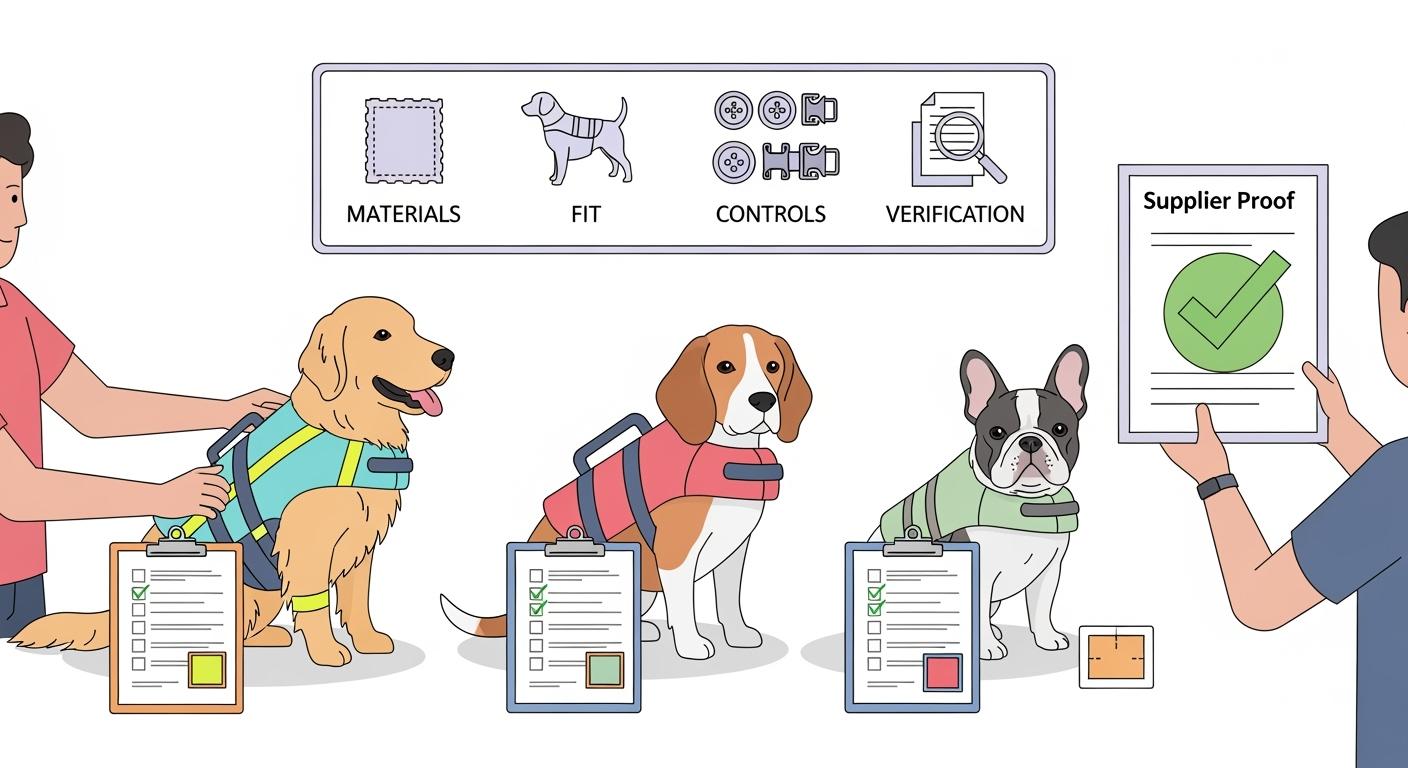
Dog life vests get returned a lot. People get confused about fit. Some expect things that are not true. Others use the vests wrong. You can help by using a clear feature ladder to pick products. Pick materials, fit controls, and supplier proof that fit your needs. Always use the vests for supervised recreational use. Tell people that correct fit is important for safety.
Words to avoid: “USCG-approved,” “guaranteed rescue,” “all-light visibility”
Safer alternatives: “for supervised use,” “fit-dependent flotation,” “reflective trim for low-light”
Buyer Checklist:
Begin with entry tier for basic safety
Choose mid tier for stronger durability
Go to premium tier for more features and proof
Key Takeaways
Pick the best tier for dog life vests. Entry is for simple safety. Mid is stronger and lasts longer. Premium has extra features for dogs.
Give easy-to-read size charts and fit guides. This helps people pick the right vest. It also keeps dogs safe in water.
Use safe words on labels. Do not say ‘USCG-approved.’ Say ‘for supervised use’ instead. This helps people know what to expect.
Ask suppliers for proof. Request test reports for materials and hardware. This makes sure the vests are safe and good quality.
Always check that labels match what the vest can do. This stops confusion and keeps customers happy.
Why Tiering Life Vests Matters
Common Return Reasons: Fit and Expectations
You want fewer returns and complaints. Many buyers have problems with dog life vests because of fit. Some do not know what to expect. If you use tiering, you match features to what customers need. This helps stop confusion and keeps people happy.
Here is a table that lists the most common complaints in wholesale:
Complaint Type | Description |
|---|---|
Defective Products | Broken packages, wrong items, or quality issues. |
Incorrect or Missing Products | Full refunds or new items for wrong products; partial refunds or resends for missing parts. |
Logistics Issues | Bad tracking, slow updates, or long shipping times. |
Fit problems cause many returns. Customers might pick the wrong size or want features that are not there. You can stop this by giving clear size charts and fit guides. When you offer both entry and premium tiers, you help customers choose the best life vest for their dog.
Buyer Controls: Labeling and Evidence
You can lower returns and safety complaints by using good labels and proof. Clear labels help set the right expectations. Do not use words like “USCG-approved” or “guaranteed rescue.” Use safer words like “for supervised use” and “fit-dependent flotation.” Always talk about reflective trim for low-light, but do not promise it works in all lighting.
You should ask suppliers for proof of product claims. Ask for test reports on corrosion resistance, color fastness, and abrasion. This helps you check quality and avoid saying too much about safety. When you use market data and supplier proof, you stock the best sizes and styles. This lowers complaints and helps you follow rules.
Tip: Always check that product labels match the real features. Make sure your staff can explain the difference between reflective and illuminated features.
Buyer Checklist:
Start with entry tier for basic safety and fit
Add mid tier for durability and comfort
Expand to premium tier for advanced features and stronger proof
Life Vests and Related Terms Explained
Dog Life Vest vs Life Jacket vs Buoyancy Aid
It is important to know what each term means. Suppliers and staff need clear definitions. Big pet groups do not set rules for these words. The U.S. Coast Guard does not approve dog flotation devices. Use these terms the right way:
Dog life vest: Call any dog flotation gear a dog life vest. This is the safest label for most products. It does not mean rescue or certification.
Dog life jacket: Use this name if the product has extra features. These features include neck support, a strong lifting handle, and secure straps. Do not say it meets human lifejacket rules.
Buoyancy aid: Use this for gear that helps dogs float in calm water. Do not say it meets human standards.
Bad flotation gear can cause trouble. Make sure the vest fits well and supports the dog’s body. Remind buyers these products are for supervised use. The right fit is very important.
OEM means you buy products made for your brand. ODM means you buy products designed by the supplier with your logo.
Visibility Features: Reflective, Bright Colors, Lights
Visibility features help keep dogs safe near water. You should know how each one works:
Reflective materials send light back to where it came from. This helps people see dogs from far away, even if wet or dirty.
Bright colors like blaze orange and fluorescent yellow stand out in daylight and twilight. These colors make dogs easy to spot.
Life vests are made so you can see dogs from the front, side, and back. This matters because dogs are close to the ground.
Reflective trim covers more area than a collar or tag. This makes it easier for someone to see the dog.
Lights are not the same as reflective trim. Lights need batteries or LEDs. Do not promise visibility in every lighting condition.
Words to avoid: “USCG-approved,” “guaranteed rescue,” “all-light visibility”
Safer alternatives: “for supervised use,” “fit-dependent flotation,” “reflective trim for low-light”
Buyer Checklist:
Stock entry tier life vests with basic fit and bright colors first
Add mid tier with better reflective trim and stronger handles
Expand to premium tier with advanced visibility and clearer labeling
Life Vests Feature Ladder by Tier
A feature ladder helps you organize dog life vests. It lets you match each vest to the right customer and store. You can also set clear rules for staff and buyers. Here is a simple guide for each tier.
Entry Tier: Basic Safety and Fit
Entry tier life vests are good for safe, supervised water play. They have basic fit controls like straps at the neck and belly. These vests use regular foam and simple fabric. Bright colors make dogs easy to see in the day. There is some reflective trim, but not everywhere. Handles might be there, but they are not strong for lifting heavy dogs.
Pick entry tier for value stores, new buyers, and pet shops. These vests help stop returns for bad fit or weak feel. They work best in calm water and for short times.
Staff script: “This vest gives basic flotation for supervised use. It has bright colors and simple fit adjustments. It is not for rescue or towing.”
Mid Tier: Durability and Comfort Upgrades
Mid tier life vests are stronger and more comfy. They have smooth edges and lining where dogs rub. The fabric is tougher and dries fast. Stitching is better, and the handle is sewn in tight. The hardware does not rust, so it is good for wet places. There is more reflective trim for seeing in low light.
Pick mid tier for special pet stores, outdoor shops, and buyers who want fewer returns. These vests stop problems like rubbing, loose straps, and broken handles.
Staff script: “This vest adds comfort and durability. It has better fabric, stronger stitching, and a reinforced handle. It is good for active dogs and longer outings.”
Premium Tier: Advanced Features and Proof
Premium tier life vests have the best features and proof. They use tough Ripstop Nylon and have seven panels for a snug fit. Many buckles let you adjust the fit. Extra foam helps dogs float better. The handle is built in for safe lifting. Some vests can also be used as a harness with a D-ring. Colors are bright and there is lots of reflective trim.
Pick premium tier for marine, outdoor, and high-end stores. These vests cost more and come with proof from suppliers. You can ask for test reports on rust, color, and wear.
Staff script: “This vest gives advanced fit and durability. It uses rugged materials, extra flotation, and a secure handle. It comes with supplier test reports for quality. It is for buyers who want the best features and proof.”
Tier Table: Features, Channels, Evidence
Tier | Best-fit Channels | Must-have Features | Upgrade Features | Evidence to Request | Claim-safe Wording |
|---|---|---|---|---|---|
Entry | Value, general pet, e-commerce | Basic fit controls, bright color, simple foam | Basic reflective trim, basic handle | Product photos, basic material spec | “For supervised use. Fit-dependent flotation.” |
Mid | Specialty pet, outdoor, active | Durable fabric, reinforced handle, better fit | Smoother edges, more reflective trim | Stitching photos, hardware spec, sample | “Enhanced comfort. Not for rescue or towing.” |
Premium | Marine, outdoor, premium retail | Ripstop Nylon, multi-panel, secure straps | Extra foam, harness D-ring, wide reflective | Test reports (ISO 9227, 105-C06, 12947) | “Advanced features. Supervised use only.” |
Words to avoid
USCG-approved
Guaranteed rescue
All-light visibility
Safer alternatives
For supervised use
Fit-dependent flotation
Reflective trim for low-light
Buyer Checklist
Start with entry tier for basic safety and fit
Add mid tier for durability and comfort upgrades
Expand to premium tier for advanced features and supplier proof
Use this ladder to plan your products, train staff, and write RFQs. Always pick the right tier for your store and customers. Ask suppliers for proof before you make claims.
Fit Controls and Sizing Logic

Measurement Points and Adjustments
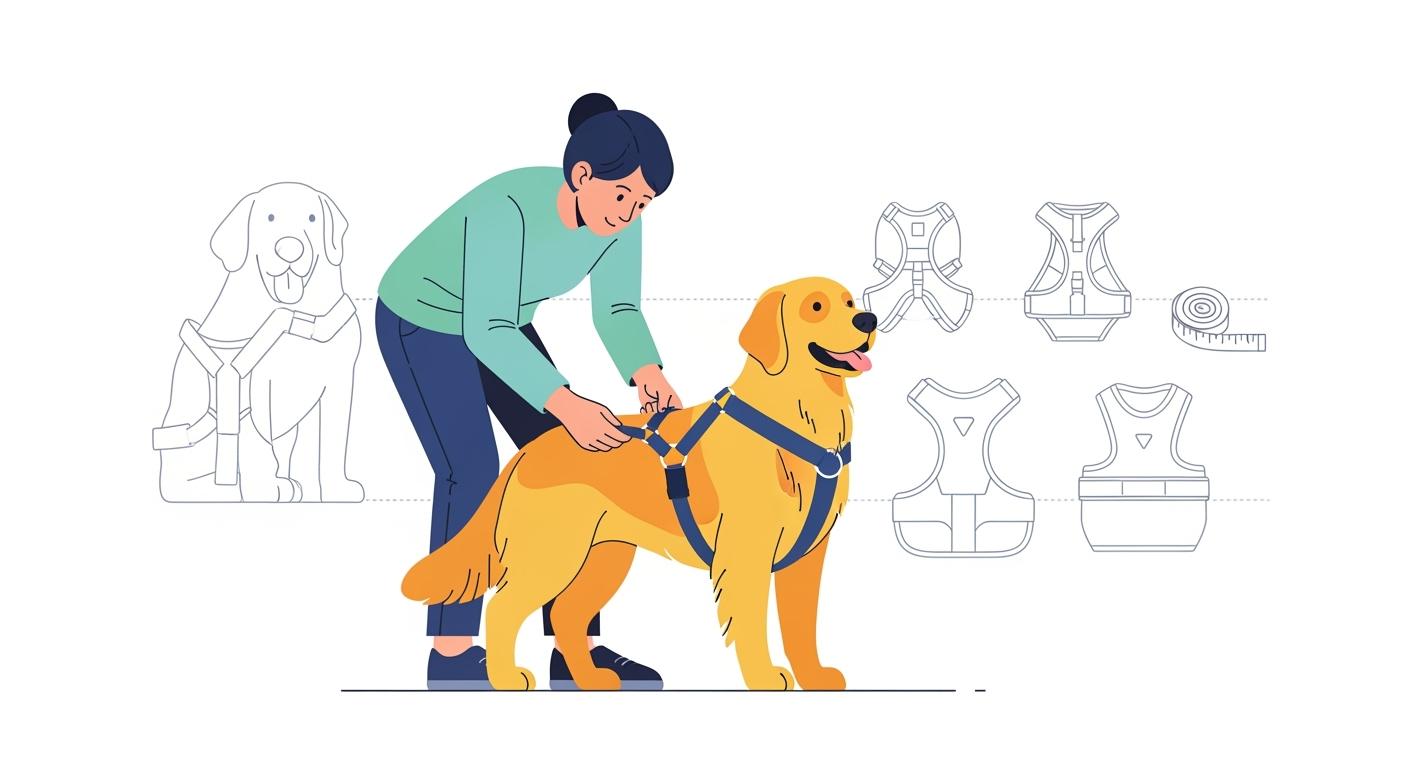
Getting the right fit for dog life vests starts with accurate measurements. You should always measure the chest girth at the widest part of the ribcage, just behind the front legs. This spot gives you the most reliable size for most breeds. Weigh your dog and check the sizing chart from your supplier. If your dog is close to the top of a size range, consider sizing up for comfort.
Here is a simple step-by-step table for measuring:
Step | Measurement Point | Instructions |
|---|---|---|
1 | Chest | Wrap a cord or soft tape around the widest part of the ribcage. |
2 | Length of Cord | Measure the cord length to the marked point. |
3 | Size Chart | Use this measurement to select the correct size from the chart. |
Adjustable straps at the neck and belly help you fine-tune the fit. These controls allow you to accommodate different body shapes. A good fit reduces chafing and keeps the vest secure during activity. Adjustable features also make it easier to fit dogs with broad chests or slim waists.
Tip: Always check that the vest sits snug but not tight. You should be able to fit two fingers between the vest and the dog’s body.
Avoiding Sizing Mistakes
Sizing mistakes often lead to returns and unhappy customers. You can avoid these problems by following a few best practices:
Gather a soft tape measure and a notepad.
Measure the neck circumference at the base, keeping the tape snug.
Measure the chest girth at the widest part, just behind the front legs.
Measure the back length from the base of the neck to the start of the tail.
Weigh the dog to confirm the size with the chart.
Different breeds have unique body shapes. A bulldog may need a different cut than a whippet. Always measure more than once for accuracy. If possible, ask someone to help hold the dog steady. Using treats or toys can make the process easier.
Note: Accurate measurements and adjustable fit controls help reduce wrong-size returns and improve safety for supervised use.
Words to avoid
USCG-approved
Guaranteed rescue
All-light visibility
Safer alternatives
For supervised use
Fit-dependent flotation
Reflective trim for low-light
Buyer Checklist
Stock entry tier with basic fit controls and clear size charts first
Add mid tier with more adjustability and comfort features
Expand to premium tier with advanced fit options and supplier proof
Materials and Construction Choices
Fabric and Seam Reinforcement
Dog life vests should last a long time. The fabric and seams matter for safety. Most good vests use nylon, neoprene, or polyester. Each material is different:
Material | Advantages | Disadvantages |
|---|---|---|
Nylon | Strong, flexible, light, resists scratches | Not very buoyant, may need extra float |
Neoprene | Floats well, tough, keeps shape, warm | Costs more than nylon |
Polyester | Cheap, easy to clean | Not as tough, floats less than nylon or neoprene |
Look for strong stitching and flat seams. These help the vest stay strong after many washes. Polyester does not scratch easily and keeps its color. This is good for active dogs. Cotton feels soft but does not last long. It also loses its shape fast.
Tip: Ask your supplier for pictures of seams and stitching. This helps you check quality before buying.
Hardware Corrosion Resistance
Dog life vests get wet often. You need hardware that does not rust. Handles, D-rings, and buckles should be stainless steel or coated metal. These last longer and keep the vest safe. You can ask for test reports like ISO 9227 salt spray. This test shows how hardware works in wet and salty places.
Note: Rust-proof hardware is important for outdoor and marine use. It also helps stop returns for broken or rusty parts.
Chafe Control Features
Dogs need comfort when wearing vests. Pick vests with padded straps and breathable fabric. These help stop rubbing and overheating. Some vests have mesh under the belly. Mesh lets water out and air in. This helps the vest dry fast and feel cool.
Padded straps stop rubbing.
Mesh underbelly helps dry fast and keeps dogs comfy.
Always look for smooth edges and lining at rub spots. These make the vest more comfy and lower injury risk.
Words to avoid
USCG-approved
Guaranteed rescue
All-light visibility
Safer alternatives
For supervised use
Fit-dependent flotation
Reflective trim for low-light
Buyer Checklist
Stock entry tier with basic nylon or polyester and simple seams first
Add mid tier with strong stitching and rust-proof hardware
Expand to premium tier with padded straps, mesh belly, and supplier test reports
Proof Pack for Buyers
Test Methods to Request
You should ask suppliers for clear test methods. These tests help you check if the life vests are good quality and safe. For metal hardware, ask for ISO 9227 salt spray testing. This test shows if the hardware can resist rust. For color fastness, ask for ISO 105-C06. This test checks if the colors stay bright after washing. For fabric durability, ask for ISO 12947 (Martindale). This test shows how well the fabric holds up to rubbing and wear.
You also need a material specification sheet, a reflective ability test report, and a traceability dataset. These papers help you make sure the materials, visibility features, and tracking are correct.
Translating Reports to Claims
You have to read test reports carefully. A test report means a product passed a certain test. It does not mean the vest is safe in every situation. For example, a reflective test report proves the trim reflects light, but it does not mean the vest is visible all the time. Always use claim-safe words. Say “reflective trim for low-light” instead of “visible in all lighting.” Use “for supervised use” and “fit-dependent flotation” to set the right expectations.
Check that label files match the test reports. Make sure the supplier’s business licenses and certifications are current. Ask for third-party audit reports and compliance documents to lower your risk.
Proof Pack Table: Risks and Documents
Risk | Supplier Document | Test Method Name | What it Does and Does Not Prove |
|---|---|---|---|
Rusty hardware | Hardware spec, test report | ISO 9227 | Shows resistance to rust; does not prove lifetime performance |
Color fading | Material spec, color test | ISO 105-C06 | Confirms color holds after washing; does not prove sun fade resistance |
Fabric wear | Fabric spec, abrasion test | ISO 12947 | Shows fabric resists wear; does not prove puncture resistance |
Visibility | Reflective test report | RA test | Proves reflective trim works; does not prove visibility in all light |
Wrong claims on label | Label file set | – | Verifies label accuracy; does not prove product performance |
Traceability | Traceability dataset | – | Tracks batches; does not guarantee zero defects |
Tip: Always ask for product samples and look at all documents before you buy a lot.
Proof Pack Checklist for RFQs:
Material specification sheet
Hardware and fabric test reports (ISO 9227, ISO 105-C06, ISO 12947)
Reflective ability test report
Traceability dataset
Label file set
Business licenses and certifications
Third-party audit reports
Product samples
Words to avoid
USCG-approved
Guaranteed rescue
All-light visibility
Safer alternatives
For supervised use
Fit-dependent flotation
Reflective trim for low-light
Buyer Checklist:
Start with entry tier and basic proof pack. Add mid tier with more test reports and comfort features. Expand to premium tier with full proof pack and advanced documents.
Packaging and Labeling Compliance
Safety Warnings and Supervised Use
Every dog life vest needs clear safety warnings. Labels must say the vest is for supervised use. Remind buyers that a good fit helps dogs float. Never say the vest replaces watching your dog. Use safe words on labels. Say “reflective trim for low-light” instead of “visible in all lighting.” Do not use words that sound like human safety approval.
Keep the product name the same on all labels, cartons, and catalogs. This helps buyers and staff know what they are getting. Always list the right details like SKU, size, and safety features in your catalog. This makes it easier for teams to track items and answer questions.
Here is a table to help you check your packaging and labeling:
Requirement | Description |
|---|---|
Consistent Naming | Use the same product name on label, carton, and catalog. |
Required Attributes | List SKU, size, and safety features in your catalog feed. |
Compliance-Safe Wording | Avoid phrases that imply human safety or legal approval. Use safer options. |
Tip: Always check your packaging and labels before big orders. This helps stop returns and keeps you following the rules.
Traceability for US and EU/UK
Every dog life vest needs traceability information. In the EU, you must show the maker’s name and batch number on the label. This helps you find where products came from. It is important for following EU and UK rules. In the US, add clear maker details and batch codes. This helps with recalls and quality checks.
Keep all traceability records neat and easy to find. Make sure your supplier gives you a traceability dataset with each shipment. This helps you follow safety rules and fix problems fast.
Words to avoid
USCG-approved
Guaranteed rescue
All-light visibility
Safer alternatives
For supervised use
Fit-dependent flotation
Reflective trim for low-light
Buyer Checklist
Stock entry tier with clear safety warnings and basic traceability first
Add mid tier with more detailed labeling and batch tracking
Expand to premium tier with full compliance documentation and advanced traceability
Assortment and Pricing Strategy
Starter Assortment and Expansion
Start with entry tier dog life vests in your store. These vests give basic safety and fit for most people. They are good for value stores and regular pet shops. When you sell more, add mid tier vests. Mid tier vests are stronger and more comfortable. These upgrades help stop returns and work well for special shops. For premium stores, add advanced vests with more features and proof from suppliers. This ladder plan helps you pick the right vest for each store and customer.
Tip: Check your return numbers every season. Use this to know when to add new vests or features.
Add-ons and Attachments
Add-ons and attachments make your dog life vests better. Accessories like leash clips and ID tags help a lot. Service dog handlers want these features. A clip-on ID tag helps people know which dogs are service animals. These small extras let you charge more and find new buyers. You can also offer mounts for signal-lights if people want more visibility. Always say lights are not the same as reflective trim.
Leash clips give handlers more control.
ID tags show which dogs are service animals.
Signal-light mounts let you add lights (not included).
Note: Always call reflective trim “for low-light.” Never say it works in all lighting.
RFQ Checklist for Buyers
You need a clear RFQ checklist to compare suppliers. This helps you pick the right product and avoid mistakes. Use this list when you ask for quotes or samples.
Copy/Paste RFQ Checklist:
Price and payment terms
Quality and material specification sheet
Delivery time and lead time
Supplier experience and references
Financial stability statement
Compliance documents and certifications
Reflective performance requirements
Wash durability needs
Anti-slip strap specifications
Signal-light mount details (if needed)
Colorfastness information
Quality control sampling plan
Defect reports and care labels
Traceability dataset
Product samples
Supplier Scorecard Table:
Category | Notes for Buyer Use |
|---|---|
Durability | Fabric, stitching, and hardware |
Fit Stability | Adjustment points and retention |
Corrosion Performance | Hardware rust resistance |
Consistency | Batch-to-batch quality |
Communication and Lead Time | Responsiveness, delivery |
Words to avoid
USCG-approved
Guaranteed rescue
All-light visibility
Safer alternatives
For supervised use
Fit-dependent flotation
Reflective trim for low-light
Buyer Checklist
Stock entry tier vests with basic safety and fit first
Add mid tier for better durability and comfort
Expand to premium tier for advanced features and full proof pack
Follow these steps to build your assortment, set prices, and lower returns. Always match features to your store and ask for proof before making claims.
You can make a good dog life vest program by taking simple steps. Start by deciding what you want from your suppliers. Put your suppliers in order from most to least important. Use a checklist to check quality, rules, and fit. Only work with suppliers who meet your needs. Keep checking how your suppliers are doing to keep things safe and steady. Use feature ladders and proof packs to pick the right products for your store. This helps stop problems and keeps customers happy. Always use easy words, ask for test reports, and label vests for supervised use and fit-dependent flotation.
Words to avoid
USCG-approved
Guaranteed rescue
All-light visibility
Safer alternatives
For supervised use
Fit-dependent flotation
Reflective trim for low-light
Buyer Checklist:
Stock entry tier first for basic safety and fit
Add mid tier for durability and comfort
Expand to premium tier for advanced features and proof
FAQ
How do you choose the right size for your assortment?
First, measure the dog’s chest and weight. Always check the supplier’s size chart. Stock many sizes for different breeds. Good sizing means fewer returns and happier customers.
What proof should you request from suppliers?
Ask for test reports like ISO 9227 for hardware. Get ISO 105-C06 for color and ISO 12947 for fabric wear. Request material specs, reflective test reports, and traceability data. Look at all documents before you buy a lot.
What labeling language keeps claims safe?
Use words like “for supervised use” and “fit-dependent flotation.” Do not use words that sound like human safety approval. Always say reflective trim helps in low-light but does not promise it works in all light.
What is the difference between reflective and illuminated features?
Reflective trim sends light back to flashlights or headlights. Illuminated features have built-in lights or LEDs. Never say the vest works in all lighting. Always call reflective trim “for low-light.”
What documents help with compliance in the US and EU/UK?
You need traceability data, label files, and business licenses. In the EU or UK, put the maker’s name and batch number on the label. In the US, add the maker’s details and batch codes.
Words to avoid
USCG-approved
Guaranteed rescue
All-light visibility
Safer alternatives
For supervised use
Fit-dependent flotation
Reflective trim for low-light
Buyer Checklist
Stock entry tier vests with basic safety and fit first
Add mid tier for better durability and comfort
Expand to premium tier for advanced features and proof