Many people see that a dog carrier for bike can shake or feel unsafe. You want your dog bike basket to be smooth and safe. But people complain about stability because they do not know about the center of gravity. This balance spot is important for safety and comfort for you and your dog. When you pick a carrier, find ones that keep weight low and in the middle. OEM and ODM buyers should know that private label changes can change stability. This can cause more returns if balance is not checked.
Key Takeaways
Pick a dog carrier that keeps the weight low and in the middle. This makes the ride smooth and steady for you and your dog.
Always look at the setup before every ride. Check that all fasteners are tight. Make sure the carrier is flat so it does not shake or tip.
Know how the carrier’s spot changes how the bike feels. A front-mounted carrier gives you better control. A rear-mounted one can feel steadier on long rides.
Follow the setup steps and use the right mounting hardware. This lowers the chance of returns and keeps your dog safe on rides.
Test the carrier’s steadiness by gently rocking the bike often. A tight fit stops accidents and makes your ride better.
Why Center of Gravity Matters for Dog Carrier for Bike

The center of gravity is the balance point where the weight of your bike, the dog carrier for bike, and your dog all come together. When you keep this balance point low and close to the frame, you help your ride feel steady and safe. If the center of gravity sits too high or off to one side, you may notice your bike wobble, steer strangely, or even tip more easily. This can make you and your dog feel nervous instead of enjoying the ride.
Wobble, Steering, and Tip Risk
You want your dog to feel secure and your ride to feel smooth. The position of the center of gravity changes how your bike handles. Here is a simple table to show what happens when the center of gravity moves up or down:
Center of Gravity Position | Effect on Stability and Handling |
|---|---|
Higher | Increases tipping risk and steering difficulty |
Lower | Provides better weight distribution and stability, reducing wobble and enhancing steering control |
If you place your dog bike carrier too high or too far from the frame, you may feel the bike sway or tip, especially when you start, stop, or turn. A lower and centered dog bike basket helps you keep control and makes the ride safer for your pet.
Three main stability drivers affect how your dog carrier for bike feels:
Height: A higher load increases the chance of tipping, especially at slow speeds.
Fore-aft position: Moving the carrier forward or backward changes how your bike steers and how much grip the front wheel has.
Left-right symmetry: If the carrier sits off to one side, you will need to correct your steering all the time, which can cause wobble.
A well-designed dog bike seat keeps the weight low, centered, and close to the frame. This setup helps you focus on the road and keeps your dog safe.
Setup Issues and Returns
If you do not set up your dog carrier for bike correctly, you may run into problems. Common issues include wobbling, tilting, or even the carrier coming loose. These problems often lead to returns or safety concerns. Here are some reasons why setup matters:
Improper mounting can make the carrier unstable, causing it to wobble or tilt.
Loose fasteners or lost torque can let the carrier detach from the bike, which is dangerous for your dog.
Missing parts during assembly can make setup hard and lead to returns.
Unclear load ratings or labels can cause misuse, which may result in overloading and failure.
You should always check that the carrier attaches firmly and sits level. Make sure all parts are present and secure before you ride. Clear instructions and proper mounting steps help reduce risk and keep both you and your dog safe.
Tip: Keep the load low, centered, and close to the frame. This simple rule helps you get the best bicycle basket for dogs experience.
Center of Gravity Explained
The center of gravity is the spot where the weight of your bike, your dog, and the dog carrier for bike feels balanced.
Center of Gravity vs Center of Mass
You may hear people talk about center of gravity and center of mass. These terms sound similar, but they have small differences. The center of gravity is the point where the weight pulls down and affects balance. The center of mass is the spot where all the mass gathers. On a bike, these points usually sit close together, so you can focus on keeping the load balanced.
A front-mounted dog bike carrier keeps the center of gravity closer to you. This helps you steer and control the bike.
A rear-mounted carrier moves the center of gravity backward. You may notice steering feels heavier or less responsive.
Good weight distribution helps you ride safely and keeps your dog comfortable.
Tip: Always check how the carrier sits on your bike. A balanced setup makes every ride smoother.
Simple Balance Demo
You can try a quick demo at home to see how balance works. Take a broomstick or a long stick. Hold it flat with both hands, then place a small bag or object on one end. You will feel the stick tip toward the heavy side. Move the object to the middle, and the stick feels balanced. This shows how the center of gravity works. When you add a dog carrier for bike, you want the weight to stay close to the center, not off to one side or too high.
Position of Load | What You Feel on the Bike |
|---|---|
High or Off-Center | More wobble, harder to control |
Low and Centered | Smoother ride, easier steering |
OEM/ODM Note: If you work in product development or procurement, remember that changes in design or mounting can shift the center of gravity. OEM means you use an existing design. ODM means you create a new one. Private label changes may affect stability and lead to more returns. Always test how new designs affect balance before you approve them.
Stability Basics for Dog Carrier for Bike
Height and Stability
You want your ride to feel steady and safe. The height of your dog carrier for bike plays a big role in this. When you keep your dog low in the basket, you lower the center of gravity. This makes your bike less likely to tip or wobble. A lower position helps you control the bike, especially when you start, stop, or turn. If you place your dog high up, the bike can feel top-heavy and harder to handle.
A well-balanced setup keeps your bike from tipping forward or backward when you brake.
The lower your dog sits, the more stable your ride feels.
A front-mounted basket helps spread the weight evenly and gives you better control.
Tip: Keep the load low, centered, and close to the frame for the best bicycle basket for dogs experience.
Load Position and Leverage
Where you place the dog bike basket matters. If you move the basket forward or backward, you change how the bike steers. A front-mounted basket keeps the weight close to you, which helps with balance and control. Rear-mounted carriers can make steering feel slow and less responsive. Your dog’s movements can also shift the weight, which you will notice most during turns or sudden stops.
Proper weight distribution is key for balance and safety.
A front-mounted basket improves control compared to rear-mounted options.
Rear-mounted carriers can block your view of your dog and make quick moves harder.
Side-to-Side Balance
You need to keep the dog bike seat centered. If the basket sits off to one side, you will have to correct your steering all the time. This can cause wobble and make the ride less safe. Even small shifts in weight can have a big effect because bikes are narrow and sensitive. Always check that your dog bike baskets sit straight and do not lean left or right.
Even weight on both sides helps you ride smoothly.
Small changes in position can make a big difference in how the bike feels.
Note: Always check your setup before each ride to keep your dog safe and comfortable.
OEM/ODM Explainer for B2B Readers
If you work in procurement or product development, you will see OEM and ODM. OEM means you use an existing design. ODM means you create a new one. Private label changes can shift the center of gravity and affect stability. Always review how design changes impact balance to reduce returns and keep customers happy.
Mounting Types and Load Placement
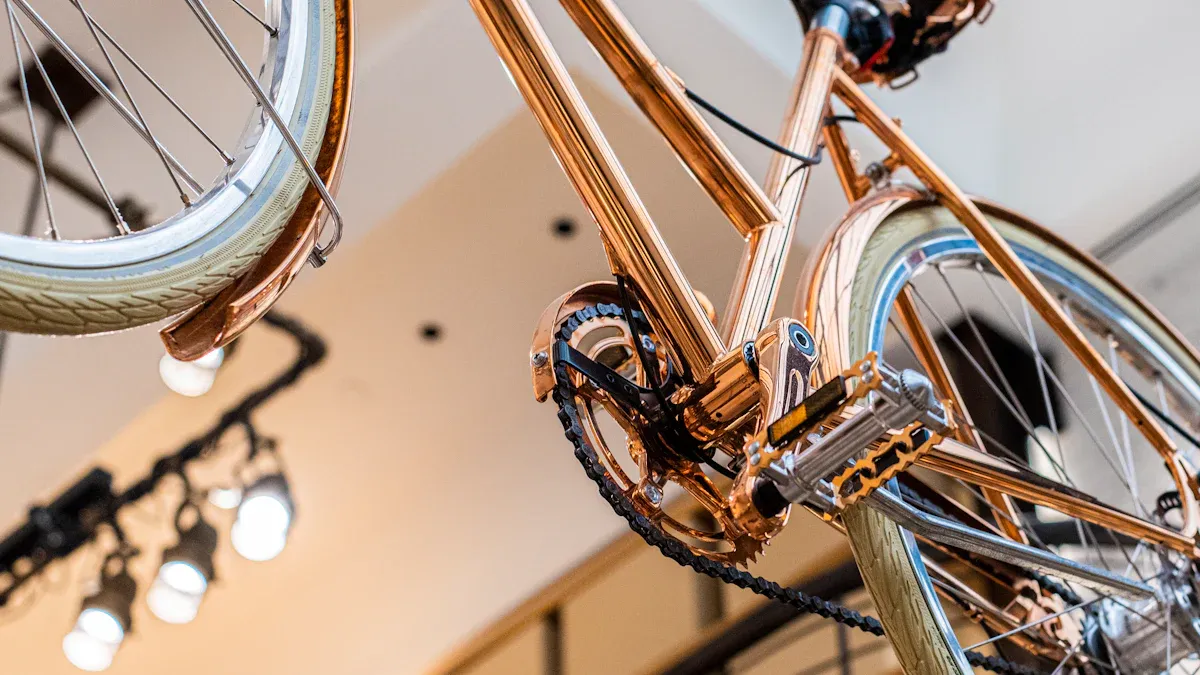
Front, Rear, and Mid-Frame Mounts
You can pick from different ways to mount a dog carrier for bike. Each way changes how your bike feels and handles. A front-mounted basket puts your dog in front of you. You can see your pet and talk to them on short trips. Steering can feel harder if your dog is heavy. The best front baskets help you keep control, but you should watch for steering changes.
A rear-mounted carrier puts the weight behind you. This makes your bike feel balanced and good for long rides. You might not see your dog as much, but top rear baskets make steering smooth. They do not change how you turn much. Mid-frame mounts go between the handlebars and seat. This keeps the weight in the middle and helps the bike stay steady. You get a balanced ride and easy control.
Here is a table to show how each carrier type affects handling:
Carrier Type | Dog Size / Weight | Impact on Handling | Best For (Riding Style) | E-Bike Stability |
|---|---|---|---|---|
Front-Mounted Basket | Small (< 20 lbs) | Moderate (steering heavy) | Short rides, pet visibility | Good (frame-mounted) |
Rear-Mounted Carrier | Small to Medium | Low (smooth steering) | Commuting, long rides | Excellent |
Dog Bike Trailer | All sizes | Minimal (very stable) | Large dogs, long distances | Excellent |
Wearable Backpack | Very Small | High (raises center) | Very short, slow rides | Poor to Fair |
Tip: Pick a mounting style that fits how you ride and your dog’s size.
Rigid Attachment Importance
A rigid attachment keeps your dog carrier for bike safe and steady. The basket should not move, even on rough roads. Keeping the center of gravity low helps stop tipping. Strong handlebar or frame mounts keep the basket from sliding. The inside should fit your dog well so they do not move around too much. Good weight balance makes steering simple and safe.
Rigid attachment stops wobble and tilt.
Fasteners and straps must stay tight every ride.
Always check the carrier is level and does not touch the wheels.
Note: A strong mount keeps your dog safe and helps you ride with confidence.
Setup and Support Language
Setup Script for Staff and Customers
You want every ride with your dog to start with a safe setup. Staff and customers can follow this simple script to make sure the dog carrier for bike sits right and feels secure:
Check Carrier & Bike: Look over the carrier and bike before each ride. Make sure all straps, bolts, and hardware feel tight and secure.
Check Your Dog: Fit your dog’s harness snugly. Give your dog a potty break before you start.
Install the Carrier Properly: Follow the instructions from the manufacturer. Tighten every part and confirm the carrier sits level on the bike.
Test Stability: Place a weighted object in the carrier. Gently rock the bike side to side. The carrier should not wobble or tilt.
Tip: Always keep the load low, centered, and close to the frame. This helps you get a smoother, safer ride.
Key Setup Photos
Photos help staff and customers see what a safe setup looks like. You should include these three key photos:
Photo 1: Carrier Mounted Level
Show the carrier attached to the bike, sitting straight with no tilt to either side.Photo 2: No Wheel Contact
Display the carrier with clear space above the wheels. This proves the basket does not touch or rub against the tires.Photo 3: Attachment Points Fully Seated
Highlight all mounting points. Show straps, bolts, or clamps locked in place and fully tightened.
Self-Check Step | What to Look For |
|---|---|
No Wheel Contact | Carrier sits above tires |
No Side Tilt | Carrier sits level, not leaning |
Attachment Points Seated | All fasteners tight and secure |
Note: These photos remove doubt and help prevent setup mistakes.
Validation Checklist for Buyers
When you pick a dog carrier for your bike, you must think about how it attaches. This is your main safety system. A safe setup keeps your dog safe and helps you avoid trouble while riding. Use this checklist before every ride and before selling more carriers.
Attachment Security
The first thing to check is the mounting system. Look for strong clamps or a hitch that holds the carrier tight to your bike. The carrier should have an inside leash or harness clip. This keeps your dog from jumping out. Strong parts and weather-proof materials help the carrier last longer and hold your dog’s weight. Bright colors and shiny strips make you and your pet easier to see.
Safety Check | Description |
|---|---|
Secure Mounting System | Carrier attaches firmly with strong clamps or hitch. |
Internal Leash/Harness Clip | Tether connects to dog’s harness to prevent jumping or falling. |
Sturdy Construction & Materials | Durable frame and fabrics support your dog’s weight. |
Visibility | Bright colors and reflective strips help others see you. |
Vibration and Fatigue
You need to test the carrier in real life. Tight attachment points stop wobble or tipping, even on bumpy roads or sharp turns. A strong base and tough sides keep your dog safe if you stop fast. Before each ride, do these steps:
Attach the carrier just like the instructions say.
Pull on the carrier to see if it is loose or wobbly.
Make sure all safety parts work, like harness clips and straps.
Do these checks often, especially after long rides or rough roads.
Quick Stability Checks
Before you ride, do a fast check:
Look at the carrier and bike for any damage.
Make sure all straps are tight and bolts are secure.
Check your tire air and brakes.
Tip: Always keep the load low, centered, and close to the frame for best stability.
Labeling and Compatibility
Load Rating and Warnings
You need to know how much weight your dog carrier for bike can hold. Manufacturers list load ratings to help you choose the right product for your pet. Always check the label before you buy. If you use a carrier with a dog that is too heavy, you risk tipping or damaging your bike. Look for clear warning language on the product. This helps you avoid unsafe setups and keeps your dog secure.
Here is a table showing recommended load ratings for different carrier types:
Carrier Type | Recommended Load Rating |
|---|---|
Ideal Dog Size/Weight | Up to 25 lbs |
Rear Trailer | 25-100+ lbs |
Backpack Carrier | Up to 15 lbs |
Tip: Never exceed the listed load rating. Always check the label for safety warnings before each ride.
Compatibility Notes
You want your dog carrier for bike to fit your bike without problems. Manufacturers should list clear compatibility requirements. Avoid products that say “fits most bikes” without details. You need to check these points before you buy:
Handlebar Type: Front baskets work best with flat handlebars. Curved drop bars may not fit.
Rack Mounts: Rear racks need special holes for mounting. Not all bikes have these.
Frame Material: Some clamps can damage carbon fiber frames. Check recommendations for your bike.
E-Bikes: Battery location may block racks or trailer hitches.
Always verify these fit points before you buy. This helps you avoid returns and keeps your ride safe.
Explanation of OEM/ODM
OEM means you use an existing design for your dog carrier for bike. ODM lets you create a new design. Private label changes can shift the center of gravity and affect stability. Always review how design changes impact mounting and balance. This helps lower returns and keeps your customers safe.
Common Issues and Fixes
Dog carriers for bikes can sometimes cause problems if not set up or used correctly. You may notice wobble, tilt, or even wheel contact. Here are the most common issues, what causes them, and how you can fix them quickly.
Wobble Complaints
Wobble is one of the top complaints. You might feel the bike shake or sway, especially when you start, stop, or turn. Common causes include loose fastenings, uneven weight, or a carrier that does not fit tightly.
Quick Fixes for Wobble:
Check all fastenings and tighten every bolt and strap.
Make sure the carrier sits securely on the bike frame.
Keep your riding style smooth and avoid sudden moves.
Choose a carrier with enough room and padding for your dog to sit comfortably.
Tip: Always check the attachment system before each ride. A secure fit helps reduce wobble and keeps your dog comfortable.
Tilt Issues
Tilt happens when the carrier leans to one side or feels unsteady. This can make steering harder and increase the risk of tipping. To diagnose tilt, place a weighted object in the carrier to mimic your dog’s weight. Walk the bike and watch for any leaning or shifting. If you see tilt, adjust the mounting system or move the weight until the carrier sits level.
Proper weight distribution is key. Make sure your dog sits in the center and balance any extra gear. This helps you control the bike and keeps your pet safe.
Wheel Contact
Wheel contact means the carrier touches or rubs against the bike’s wheels. This can damage both the carrier and the bike, and it can make riding unsafe.
How to Fix Wheel Contact:
Check that the carrier sits high enough above the wheels.
Confirm all mounting points are fully seated and tight.
Look for any movement after you load your dog and adjust as needed.
Note: Always do a quick self-check before each ride—no wheel contact, no side tilt, and all attachment points secure.
RFQ Checklist for Procurement
When you get a Request for Quotation (RFQ) for dog carriers for bikes, you want every product to be safe and good quality. You need to ask for the right mounting hardware, clear instructions, and the same assembly steps each time. This helps you get fewer returns and keeps customers happy.
Mounting Hardware Requests
You should ask for mounting hardware that is easy to use and keeps the carrier safe. Look for things that help your team and customers set up the carrier fast and safely. Here is a table that shows important hardware features to put in your RFQ:
Feature | Description |
|---|---|
Extra Mounting Adapter | Lets you switch the carrier between two bikes with no hassle. |
Quick-Release Handlebar Mount | Allows fast installation and removal from the bike’s handlebar. |
Tell suppliers to give you strong clamps, adapters, and quick-release systems. These things help keep the carrier steady and make setup easy for everyone.
Instructions and Consistency
Easy instructions and the same steps for assembly are important for safety. You want every carrier to have simple guides and photos. This helps staff and customers not make mistakes when setting up.
RFQ Checklist for Procurement Teams:
Ask for step-by-step instructions with photos for each mounting type.
Request a setup script that staff can use for every install.
Make sure all mounting hardware is labeled and bagged for easy finding.
Say that attachment points must be fully in place and checked for wheel space.
Ask for a final self-check list: no wheel contact, no side tilt, all fasteners tight.
Tip: The same instructions and hardware help stop setup mistakes and lower returns.
Glossary-to-Action Table
When you shop for a dog carrier for your bike, you will see many new words. Each word is important for safety and setup. Use this table to learn what each term means and what you need to check or share for your product.
Term | Plain-English Meaning | What to Validate or Publish |
|---|---|---|
Center of Gravity | The balance spot where all weight comes together | Confirm the load sits low, centered, and close to frame |
Mounting Hardware | The parts that attach the carrier to your bike | Check all fasteners are tight and secure |
Load Rating | The maximum safe weight for the carrier | Publish clear weight limits and warning labels |
Attachment Points | Where the carrier connects to the bike | Validate all points are fully seated and level |
Side Tilt | When the carrier leans left or right | Publish setup photos showing level installation |
Wheel Contact | Carrier touching or rubbing against bike wheels | Confirm no contact in setup and self-check guides |
Vibration Resistance | Ability to stay secure on bumpy roads | Test under repeated movement and publish results |
Compatibility | Fit with different bike types and sizes | List exact fit points and requirements |
Rigid Attachment | Carrier does not move or wobble during use | Validate stability and publish mounting instructions |
Fore-Aft Position | How far forward or back the carrier sits | Show in setup guides and confirm steering feel |
Tip: Use this table every time you look at a new product or teach your staff. Clear words help you stop mistakes and keep every ride safe.
Stability Symptoms Table
When you ride with your dog in a bike carrier, you might see signs that show the setup is not steady. Knowing these signs helps you keep your pet safe and enjoy every trip. Here are some common signs and what they mean for your carrier’s balance:
If the carrier feels shaky, stop right away and check all fasteners.
Watch your dog for stress. If your dog looks upset, stop the ride and check the setup.
If your dog moves around a lot, slow down and talk to them calmly.
You can use the table below to match what you notice with possible causes and quick fixes:
Customer Symptom | Likely Load-Placement Cause | Fix in Setup or Design |
|---|---|---|
Bike wobbles or shakes | Carrier sits too high or off-center | Lower the carrier and center it on frame |
Steering feels heavy | Load placed too far forward or back | Adjust carrier position closer to middle |
Carrier tilts to one side | Uneven weight or loose attachment | Balance load and tighten all fasteners |
Dog appears anxious | Unstable ride or rough movement | Check mounting, slow down, reassure dog |
Carrier touches wheel | Mounting points not fully seated | Reinstall carrier, confirm wheel clearance |
Frequent returns or complaints | Poor instructions or unclear fit | Provide clear setup guides and photos |
Tip: Always check the carrier before each ride. A safe, balanced setup helps you avoid most problems.
You help keep every ride safe when you focus on the center of gravity. Choose a dog carrier for bike that keeps weight low and centered. Look for clear setup instructions and check mounting, labeling, and compatibility before you buy. The best bicycle basket for dogs gives you and your pet a smooth, stable trip. You want your dog bike basket to sit level and secure. Dog bike baskets work best when you follow safety steps.
Tip: OEM uses existing designs. ODM creates new ones. Private label changes can affect stability and lead to more returns. Always review design changes for safety.
FAQ
How do I know if my dog carrier is stable on my bike?
You should check that the carrier sits low, centered, and close to the frame. Test for wobble by gently rocking your bike. Make sure all fasteners are tight and the carrier does not tilt or touch the wheels.
What is the safest place to mount a dog carrier on my bike?
Front, rear, and mid-frame mounts each have benefits. You should pick a spot that keeps the weight low and centered. Always follow the instructions and check for a secure fit before every ride.
How much weight can my dog carrier hold?
You must check the load rating label on your carrier. Never exceed the listed weight. Overloading can make your bike unstable and unsafe for both you and your dog.
What should I do if the carrier wobbles or tilts?
First, stop and check all attachment points. Tighten any loose bolts or straps. Make sure the carrier sits level and does not lean to one side. If problems continue, review the setup instructions or contact support.
What is the difference between OEM and ODM for dog carriers?
OEM means you use an existing design. ODM lets you create a new design for your brand. Private label changes can shift the center of gravity and affect stability. Always test new designs to reduce returns and keep your customers safe.