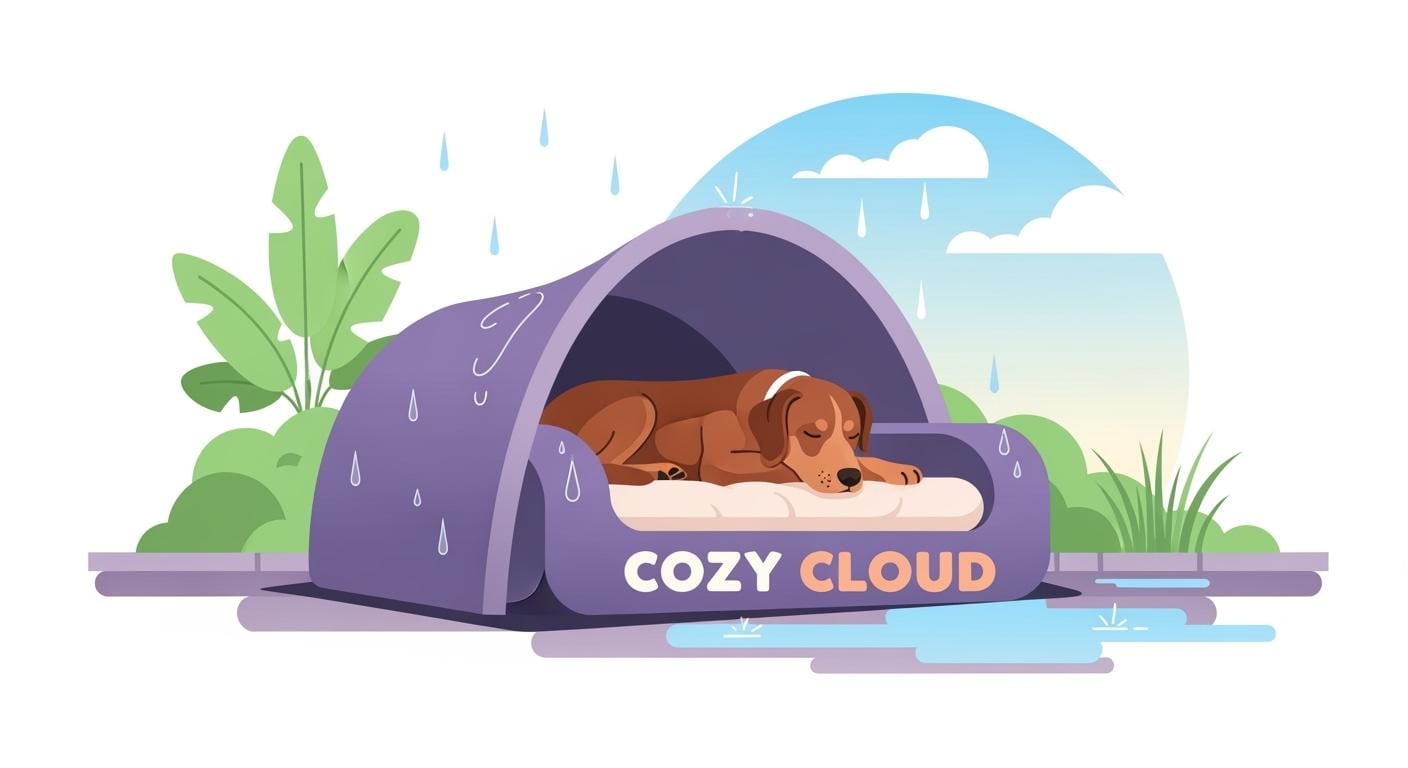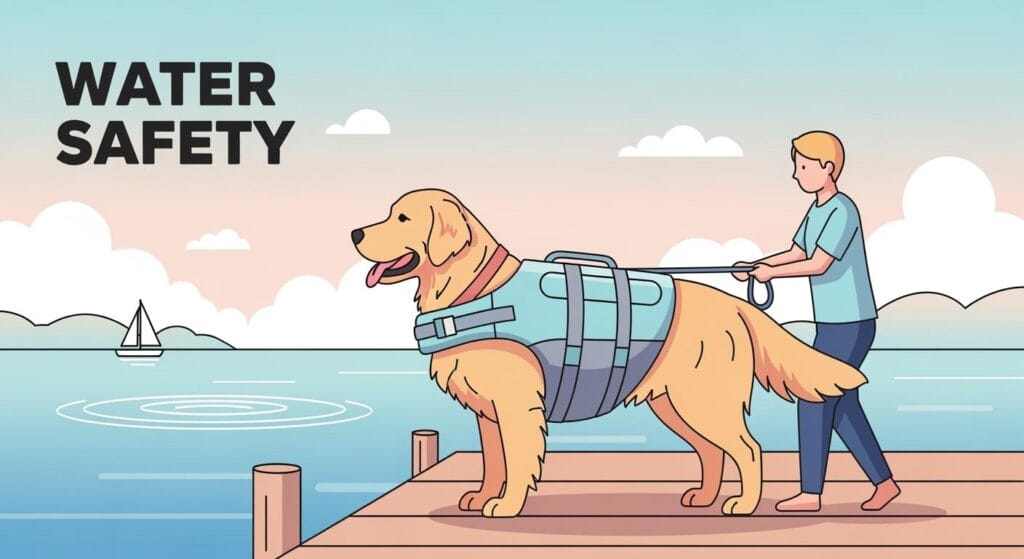
If your dog is jumping off a dock, climbing back into a boat, or tiring halfway through a long swim, size alone does not solve the problem. An x large dog life jacket needs enough flotation to keep a big body balanced, enough structure to stay centered when wet, and enough room at the shoulders for a clean stroke.
Some large dogs need the extra lift of a fuller vest, especially in deep water, boat traffic, chop, or cold conditions that speed up fatigue. Others do better in a lighter design that gives them more freedom and less bulk. The right choice comes from how your dog moves in water, not from the XL label by itself.
Das Wichtigste in Kürze
- Choose more flotation when your dog will be in deep, rough, or unpredictable water, or when lift support matters during recovery back to shore or boat.
- Judge fit after movement, not just on the floor. A good jacket stays centered, keeps the head comfortably up, and leaves the front legs free.
- Lighter vests can work well for confident swimmers in calmer water, but only if the jacket still stays stable once it gets wet.
When extra flotation is the safer call
Situations where more buoyancy matters
An x large dog life jacket usually makes the most sense when the outing adds risk beyond a short casual swim. That includes open water, current, repeated dock entries, long boat days, and any situation where you may need to lift your dog quickly. If boating or lakeside overnights are part of the plan, pack the jacket with the rest of your dog camping kit so the leash, towel, and recovery spot are ready before your dog hits the water.
Extra flotation can also help dogs that are strong on land but inefficient in water. A heavy chest, short swim sessions, or a habit of dropping the head low can all point to a need for more support. That does not mean the jacket should be bulky everywhere. The best ones add lift without crowding the shoulders or twisting around the ribcage.
| Situation | Why more flotation helps | What to watch |
|---|---|---|
| Boating or kayaking | Makes retrieval easier if your dog slips or jumps overboard | Test the top handle and balance before the trip |
| Deep or choppy water | Helps keep the body higher and the dog easier to spot | Look for stable head position, not just more foam |
| New or hesitant swimmers | Reduces panic and lets the dog practice a cleaner paddle | Start close to shore and stop if the dog stiffens or shuts down |
| Senior dogs or dogs that tire quickly | Adds support during shorter, controlled water sessions | Keep sessions brief and follow your veterinarian’s advice when health issues are involved |
| Dock and boat re-entry | Gives you better lift control during a wet pickup | Make sure the jacket does not sag when soaked |
When a lower-bulk vest is enough
A lighter vest often works better for a dog that already swims efficiently in calm water and only needs backup flotation. That tradeoff looks a lot like lighter harness layouts that feel easier at first but can shift more once the dog is moving hard. Less bulk helps shoulder freedom, but only if the jacket still stays centered when wet.
Run a short shallow-water test before trusting a low-profile design. Watch whether the front legs clear the panel cleanly, whether the vest rides backward, and whether your dog keeps a natural body line instead of swimming nose-up or tail-down. If the jacket twists under light effort, it will usually feel worse in deeper water.
Which vest style fits the day
Different water plans call for different jacket priorities. The table below makes the decision easier without turning every outing into the same gear checklist.
| Vest style | Best for | Main strength | What to watch |
|---|---|---|---|
| High-flotation XL vest | Boats, open water, hesitant swimmers, heavy dogs | More lift and easier recovery handling | Can feel bulky if the chest panel is too long or the foam holds water |
| Lower-bulk swim vest | Confident swimmers in calmer water | Better freedom through the shoulders | Less margin for fatigue, current, or poor balance |
| Pickup-focused boating vest | Frequent dock use and boat re-entry | Stronger handle access and steadier top lift | Handle placement matters more than extra foam alone |
Tip: Choose the jacket that stays organized after real water contact, not the one that looks most supportive while dry.
Fit details that matter once the jacket gets wet

Handle placement decides whether you can help quickly
On a large dog, the handle is not a minor feature. It is what turns a floating vest into something you can actually control. The same grip logic that matters in a dog harness with handle matters even more here, because wet weight magnifies weak stitching and awkward handle placement.
- A centered top handle usually gives cleaner control than one set too far back.
- Dual handles can help on very large dogs, but only if they lift the body evenly instead of folding the jacket.
- The grip should be easy to reach without digging down into wet fabric.
- Lift support should come from the jacket structure, not from thin outer material alone.
Wet weight and drainage change the feel fast
Some jackets feel fine on land and become awkward the minute they soak through. Water retention adds drag, changes balance, and makes a big dog harder to lift over a dock edge or into a boat. Check how fast the jacket drains and whether the body panel keeps its shape after a full dunk, not just a quick splash.
Run two lift checks before the first real outing: one while the jacket is dry, and one in shallow water after the foam and shell are fully wet. If the jacket starts sagging, twisting, or pulling backward once soaked, that problem usually gets worse as your dog gets tired.
Balance through the body and room at the shoulders
A large dog life jacket should stay centered along the spine, clear the throat, and leave enough room at the front for a full paddle. If you do not have fresh measurements, the same routine used to measure a dog for a harness gives you a better starting point than guessing from weight alone. Body shape matters as much as label size, and the different chest and belly layouts visible across the dog harness category are a useful reminder that two XL dogs may need very different panel shapes.
| Check item | Pass signal | Fail signal | Beheben |
|---|---|---|---|
| Centered fit | Jacket stays straight on the back | Body panel pulls to one side | Recheck chest and belly adjustment or try a different cut |
| Front-leg clearance | Clean paddle with no crowding at the shoulder | Shortened stroke or rubbing behind the legs | Loosen, reposition, or move to a shorter front panel |
| Head position | Head stays comfortably above water | Nose drops low or dog swims nearly vertical | Use more flotation or a better-balanced design |
| Wet lift | Handle feels stable and predictable | Jacket sags or folds during pickup | Choose a stronger handle layout or less water-retentive build |
| Overall movement | Dog can swim, turn, and rest without fighting the vest | Twisting, stiff posture, or repeated shaking off | Adjust fit, shorten session, or change jacket style |
Note: If your dog tires unusually fast, coughs, struggles to recover, or has known orthopedic or breathing issues, keep water sessions conservative and ask your veterinarian what level of support makes sense.
Signs the jacket is wrong even if the size label looks right
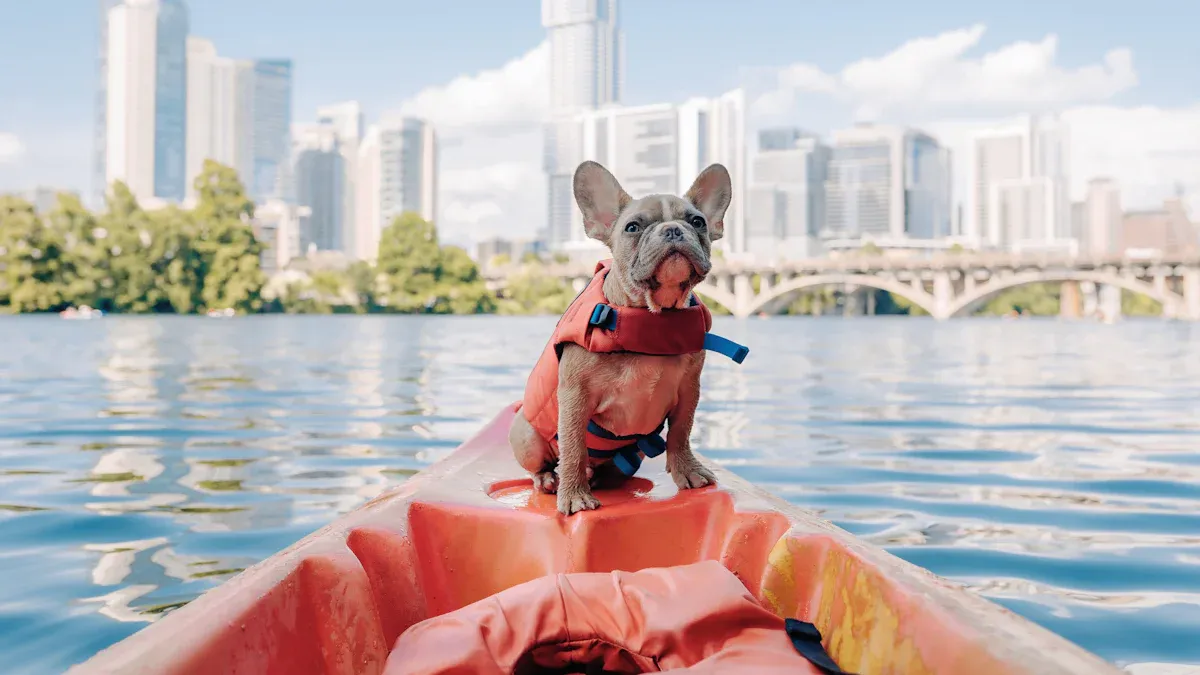
Problems to catch before a full outing
Most life jacket failures show up early if you look for movement changes instead of trusting the size chart. The same kind of early shifts described in big dog harness fit red flags after a short walk test matter here too: a heavy dog will usually tell you within minutes when the gear is rotating, binding, or riding too far back.
- Twisting means the jacket is not matching your dog’s chest shape or the straps are not balanced.
- A crowded front stroke usually points to too much panel length or poor shoulder clearance.
- A low head position can mean the flotation is placed poorly or there is simply not enough lift.
- Hard wet handling often comes from water retention, weak handle structure, or both together.
- Resistance to the jacket after a few minutes can signal rubbing, pinching, or fatigue rather than stubbornness.
Fast fixes for common problems
| Symptom | Likely cause | Fast check | Beheben |
|---|---|---|---|
| Jacket twists in water | Loose strap balance or wrong body shape | Look at the back panel after one short swim pass | Tighten evenly or switch to a different cut |
| Front legs look crowded | Chest panel sits too far forward | Watch one slow paddle from the side | Reposition the jacket or choose a shorter front design |
| Head rides low | Insufficient or poorly placed flotation | Check body angle while the dog swims calmly | Move to a more supportive vest |
| Wet lift feels unstable | Waterlogged shell or weak handle support | Lift in shallow water after a full soak | Choose faster-draining materials and better handle structure |
| Dog resists wearing it | Rubbing, heat, or restricted movement | Inspect behind the legs, chest, and lower neck | Refit, shorten the session, or try a lighter jacket |
The right x large dog life jacket is the one that keeps your dog balanced, visible, and manageable after the vest is fully wet. Some big dogs need maximum flotation, especially for boating and open water. Others swim better in a lighter setup. Fit, shoulder freedom, and wet handling are what separate a useful jacket from one that only looks reassuring on the shelf.
Häufig gestellte Fragen
How do you know if an x large dog life jacket fits correctly?
It fits correctly when it stays centered, keeps the head comfortably up, and leaves enough shoulder room for a natural paddle.
Can a large dog wear a life jacket all day?
A life jacket is best used for active water time and should come off during longer breaks so you can check for heat, rubbing, and fatigue.
What matters most when lifting a wet large dog?
A stable, well-placed top handle and a jacket that does not sag or fold once soaked matter more than extra foam by itself.