Buying a vest dog harness is mostly about fit, not extra features. A vest-style design can feel more stable and more comfortable than a narrow strap layout, but only if the chest panel, neck opening, and belly strap sit in the right place. The safest way to judge one is with simple, repeatable checks you can do at home before daily walks.
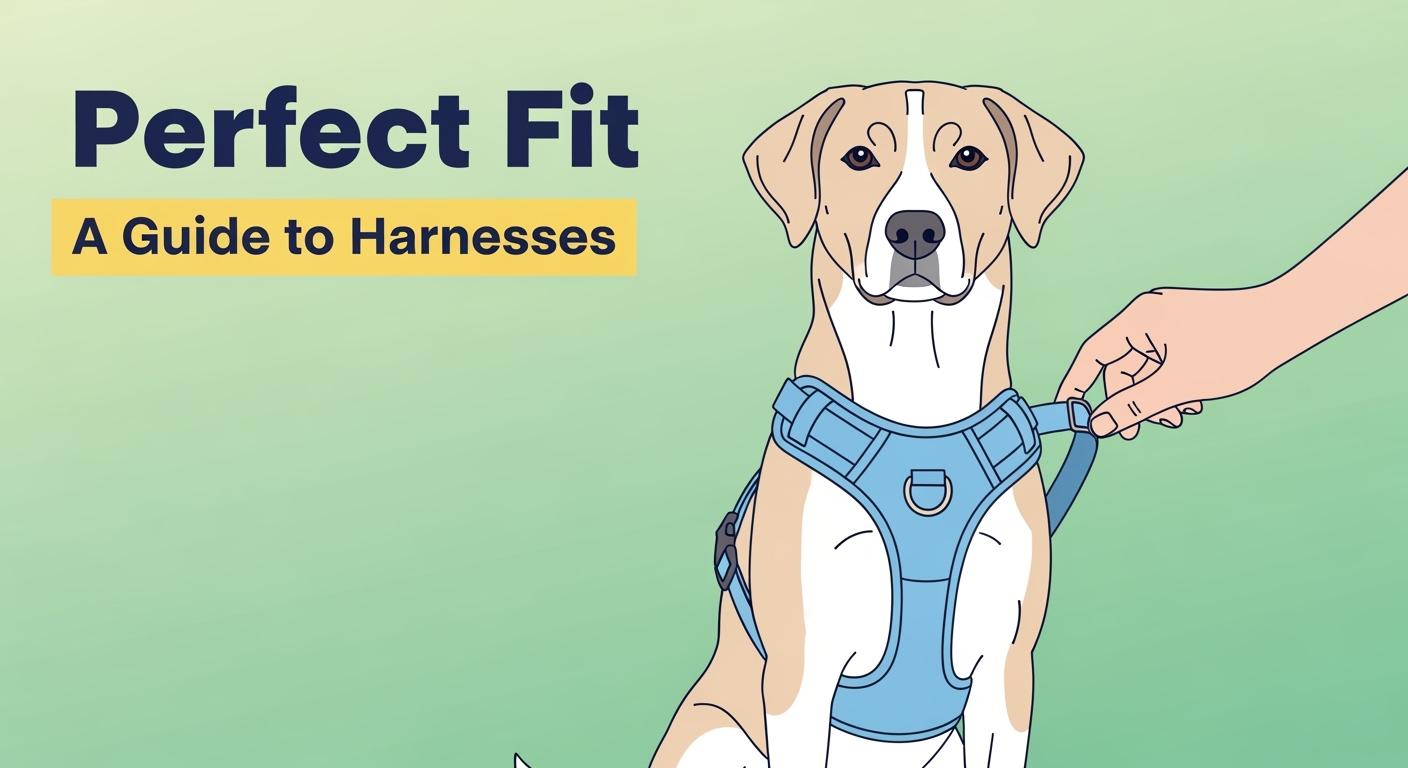
Start with measurement, then check movement. This helps you get the right size harness. A good fit should feel secure without pushing into the throat, crowding the shoulders, or rubbing the skin behind the front legs.
What to check before you buy
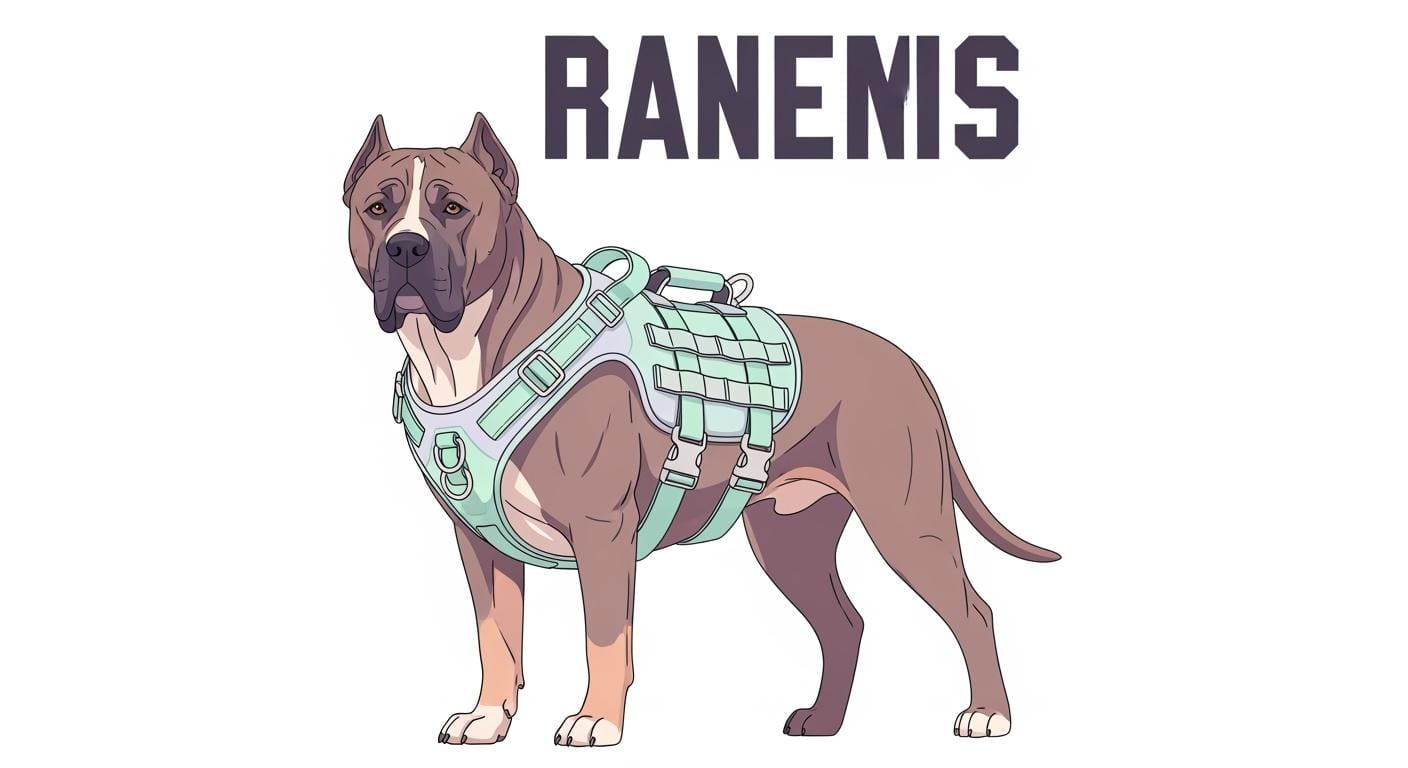
A vest harness usually covers more of the chest and back than a narrow strap harness. That extra coverage can feel steadier on everyday walks, but more fabric is not automatically better. The right vest should spread contact across the chest without turning into a bulky panel that limits movement or traps too much heat on mild or warm days.
Before comparing padding, buckles, or leash clips, check these basics first:
- where the neck opening sits
- how the chest panel lies across the front of the body
- whether the belly strap stays clear of the elbows
- how much adjustment range you actually get
- whether the harness stays centered when the dog turns or backs up
A vest dog harness covers more of your dog’s chest and back than a strap harness does. That can be useful for daily comfort, but only when the vest still leaves enough room for natural shoulder motion and easy breathing.
Key fit checks for a vest dog harness
Measure your dog while standing. Start at the neck base where the harness will rest, then measure the widest part of the chest behind the front legs. Do not buy by breed label or weight alone. Dogs with broad chests, slim waists, thick coats, or growing frames often fall between chart sizes.
Next, put the harness on and check these points in order:
- Neck opening: It should sit near the base of the neck, not ride up toward the throat.
- Chest fit: The front panel should lie flat without folding, twisting, or bunching.
- Finger check: You should be able to slide one to two fingers under the straps with light resistance.
- Elbow clearance: The belly strap should not press into the back of the front legs when the dog walks.
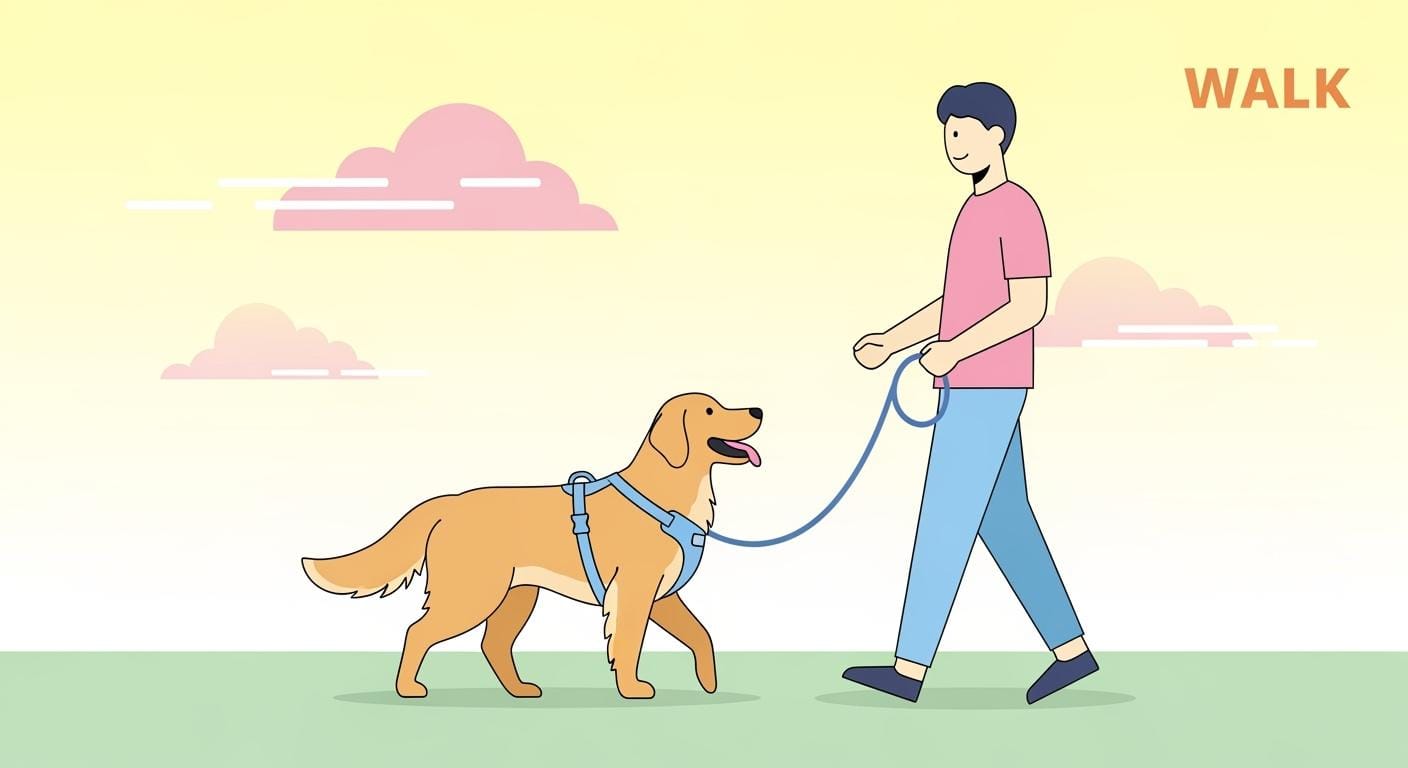
- Shoulder freedom: Watch a short walk indoors or on a quiet path. The vest should not shorten the stride or pull across the shoulders.
- Centered fit: After a few turns and a gentle backward step, the harness should stay centered instead of rotating to one side.
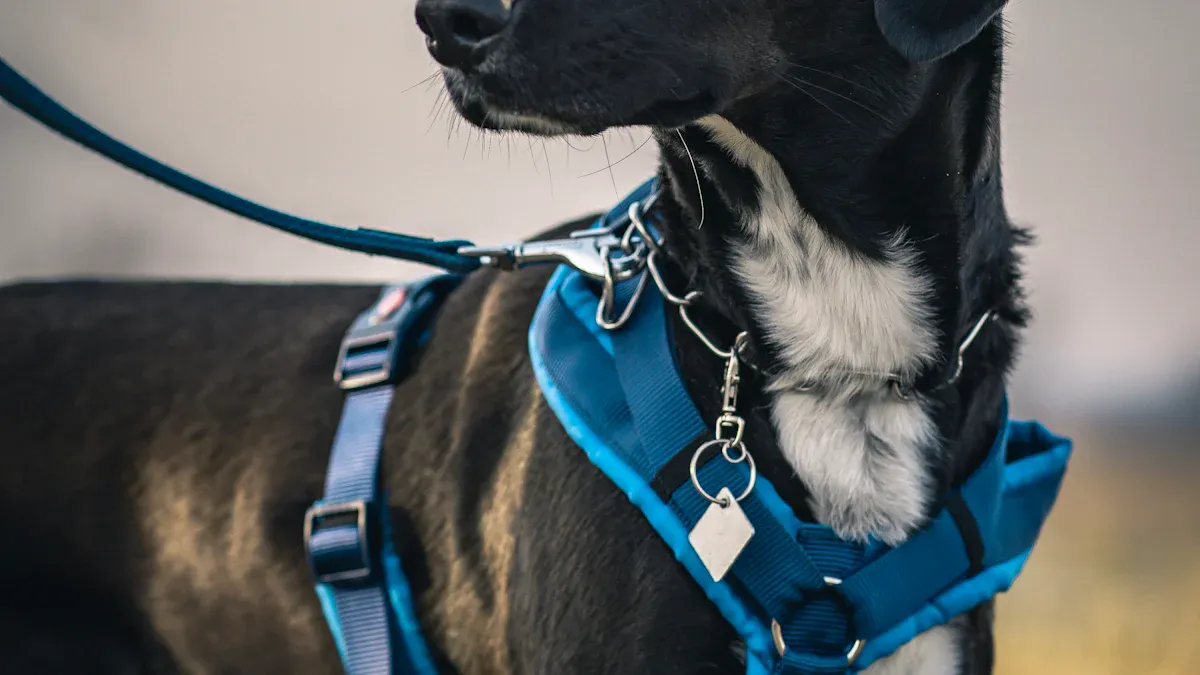
On daily walks, small details matter. Use the buckle and adjustment layout that you can handle quickly and repeat correctly. If the vest is hard to put on, easy to twist, or difficult to re-adjust after coat compression, you will be less likely to keep the fit consistent.
You can also check fit and movement after the first short walk. Recheck the neck opening, underarm area, and strap tension once the dog has moved for a few minutes and the coat has settled.
Common mistakes and quick troubleshooting
Most vest harness problems come from buying for coverage alone or tightening the wrong section. A bigger chest panel does not fix a loose neck opening, and extra padding does not solve a rotating harness.
| Problem you notice | What to check first | What usually helps |
|---|---|---|
| Harness slides to one side | Uneven strap tension or oversized chest panel | Re-center the vest and tighten both sides evenly |
| Dog backs out when startled | Neck opening too loose or chest coverage too short | Use a snugger neck fit and repeat a gentle back-out check |
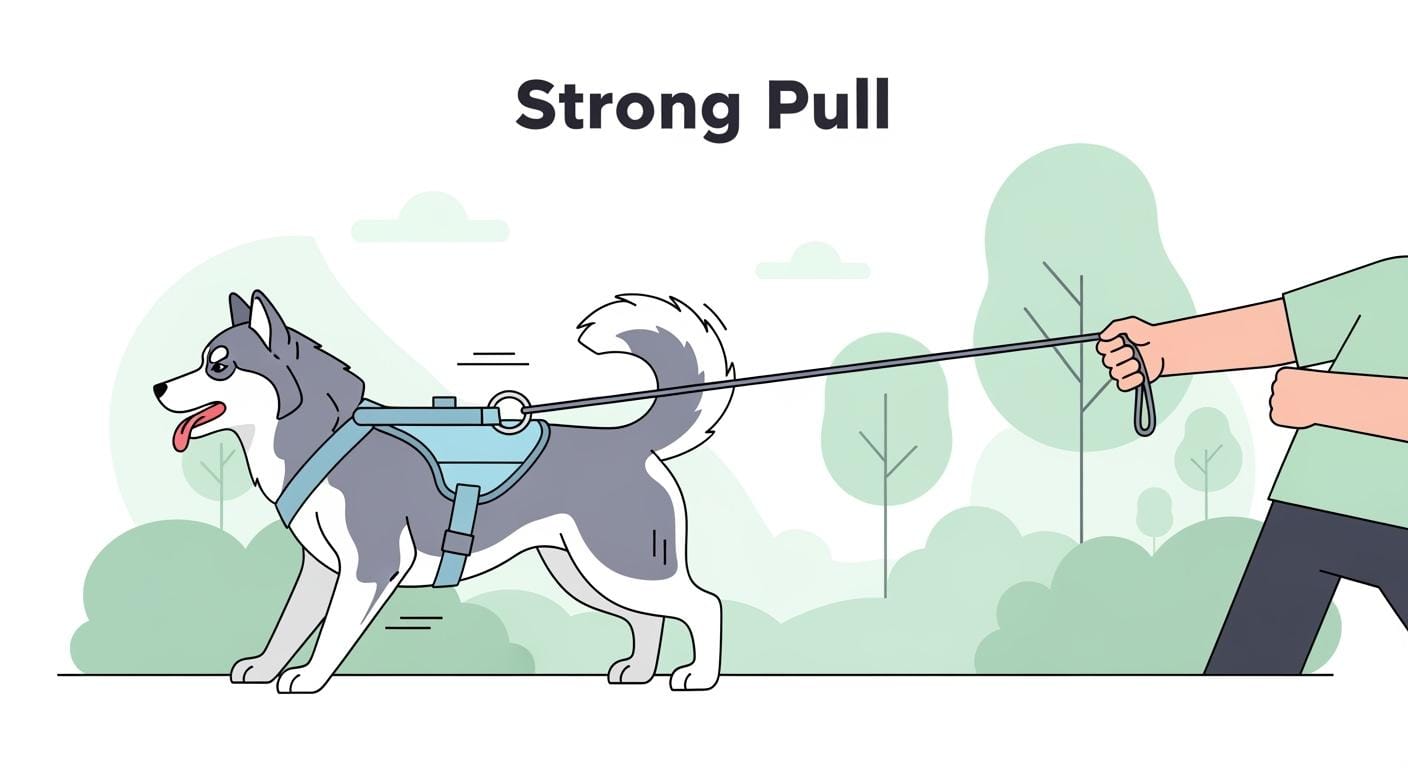
| Red marks behind the legs | Belly strap too close to the elbows or rough edge finish | Increase clearance or choose a smoother, lower-bulk layout |
| Dog shortens stride | Front panel too wide or shoulder area too restrictive | Choose a cut that leaves more shoulder freedom |
| Vest feels too warm | Heavy padding, dense fabric, or warm-weather use | Switch to a lighter build and shorten the session |
Do a simple pass or fail review after the first few walks. The vest should stay centered, the dog should move normally, and you should not see rubbing, coughing, repeated pawing at the harness, or a sudden refusal to walk. If any of those signs show up, stop and re-check fit before using it again.
Häufig gestellte Fragen
Is a vest dog harness always better than a strap harness?
No. A vest harness can feel steadier and softer, but a poor vest fit can still rub, twist, or limit movement. Fit matters more than the amount of coverage.
How snug should a vest harness feel?
It should feel secure, not loose, but still allow a light one-to-two-finger check under the straps. The neck opening should not ride up into the throat, and the belly strap should stay clear of the elbows.
What should you recheck after the first walk?
Look for coat compression, strap shift, underarm rubbing, and any sign that the vest rotated or loosened once the dog started moving.
Note: This guide is for everyday fit and product use. It is not medical advice. If your dog shows coughing, limping, skin irritation, overheating, or abnormal gait, stop using the harness and ask your veterinarian for advice.